.webp)



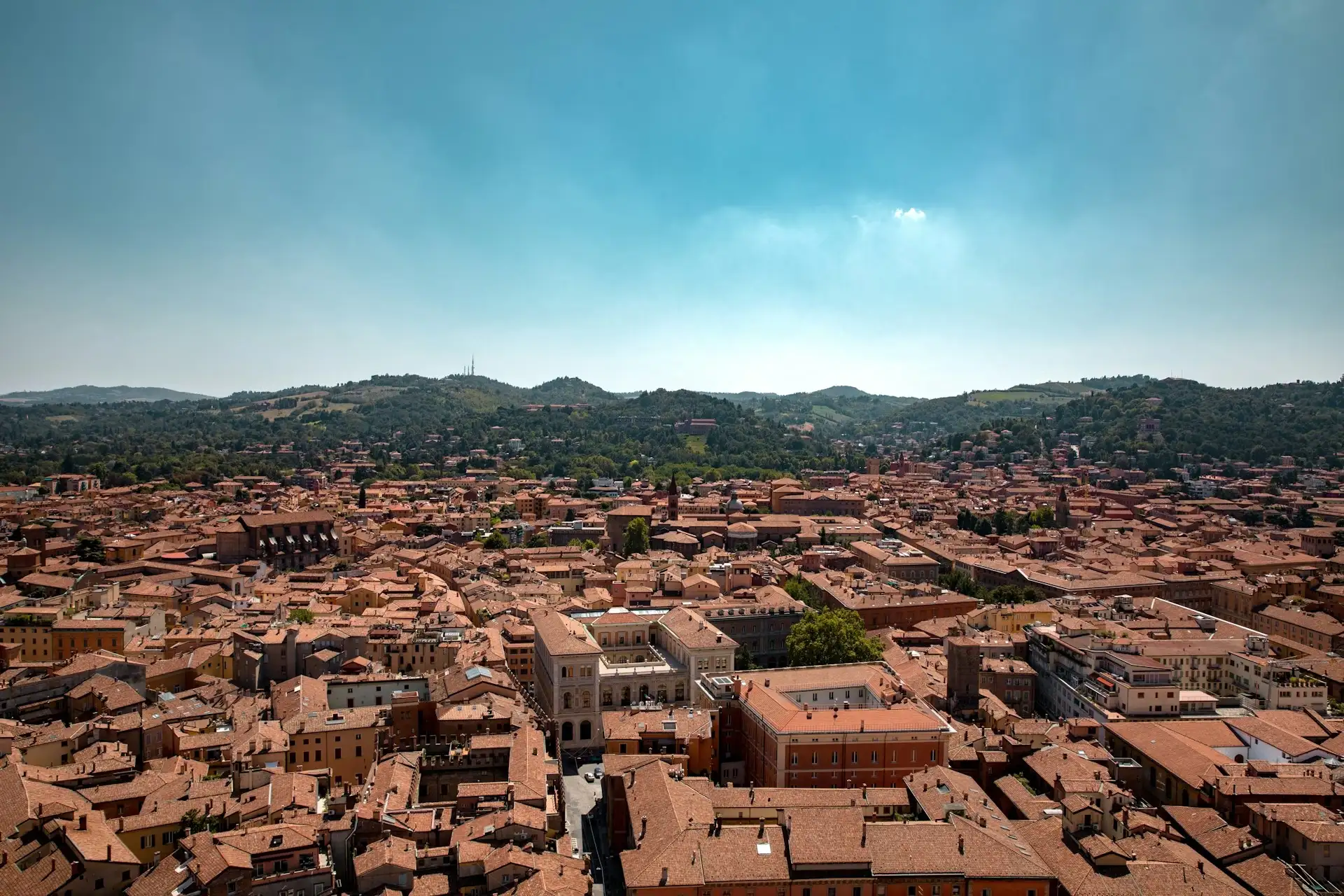
TLDR: Bologna's iconic Two Towers, Asinelli and Garisenda, are medieval symbols of status and rivalry. While the taller Asinelli Tower offers breathtaking city views (when open), it's currently closed for safety due to work on its leaning companion.
Bologna, a city that breathes history from every red brick, is instantly recognizable by its towering medieval sentinels: the Asinelli and Garisenda. I recently spent some time exploring these fascinating structures and the vibrant city that surrounds them.
If you’re planning a trip, or just curious about these Italian giants, this guide will walk you through the two towers while offering practical insights to help you make the most of your visit.
What is the story behind Two Towers in Bologna?
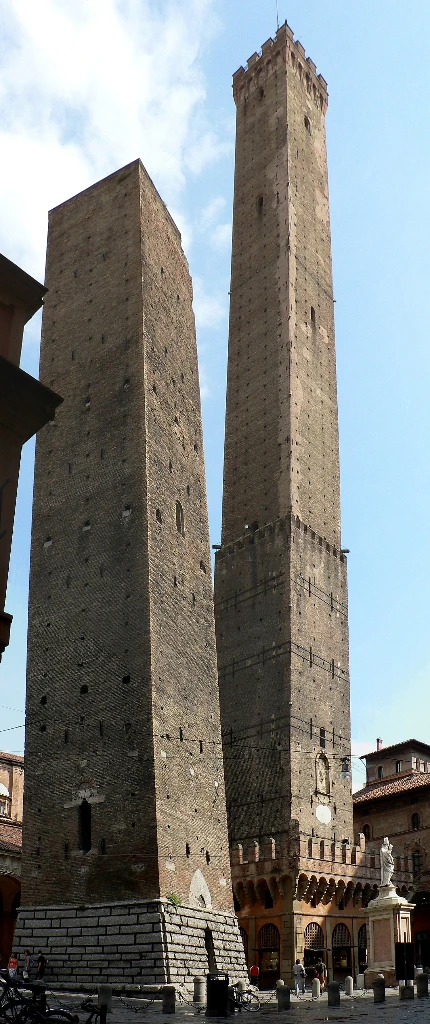
Step into Bologna, and your eyes will immediately be drawn to these iconic structures that pierce the skyline. The Asinelli and Garisenda were built between 1109 and 1119 by noble families.
The towers were a medieval flex – extravagant displays of wealth and status in a city that, at one point, had over a hundred similar structures. The taller Asinelli even served as a scientific observatory for experiments on Earth's rotation in the 18th century, and later as a crucial lookout during World War II.
Its shorter, dramatically leaning sister, Garisenda, was even immortalized by Dante Alighieri. Local lore also adds charm, like the superstition that climbing Asinelli before graduating might prevent you from earning your degree – a playful warning for students!
To truly dive deeper into the captivating stories woven into these and other Bolognese attractions, using something like StoryHunt can provide immersive audio guides right as you explore.
What are the two towers in Bologna?
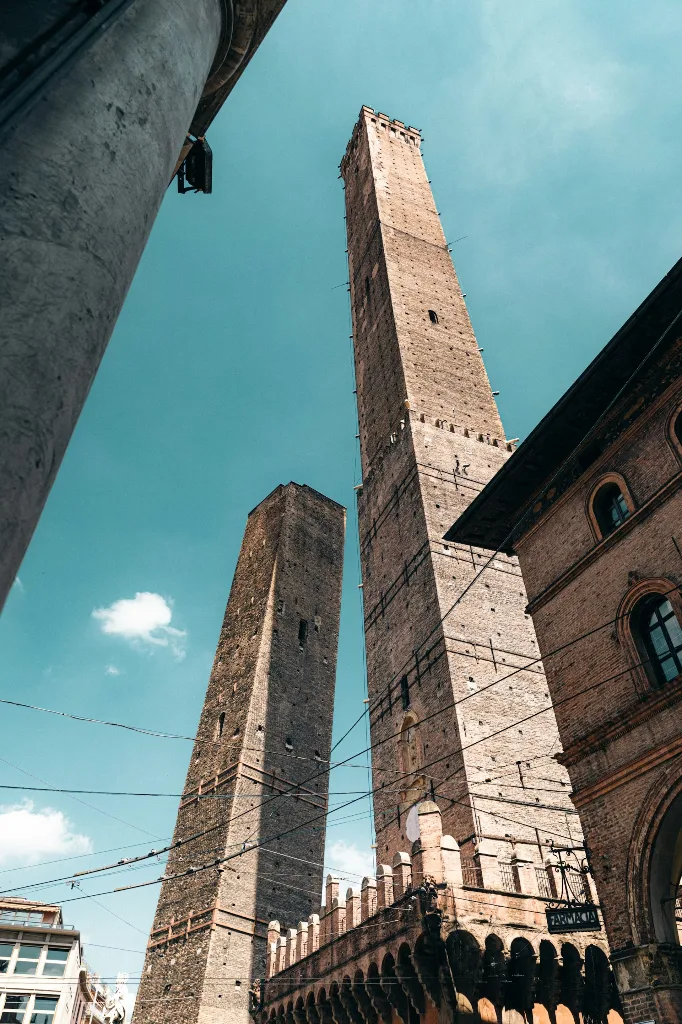
The two unmistakable towers defining Bologna’s skyline are the Asinelli and the Garisenda. The taller one, Torre degli Asinelli, reaches 97.2 meters and leans noticeably at a 1.3-degree angle, making it the tallest leaning medieval tower in the world.
When open, it typically challenges visitors with a climb up 498 steep, wooden steps, promising an incredible panoramic view from the top. Its companion, the Torre Garisenda, stands shorter at 48 meters but boasts an even more dramatic lean – a striking 4 degrees!
This significant tilt is why it was actually shortened centuries ago. Unfortunately, while you can admire both from the ground, the Garisenda has never been accessible to visitors, and we'll discuss the current access situation for Asinelli shortly.
Is it safe to climb the Asinelli Tower?
This is a critical question for any visitor hoping to reach those panoramic views. While the Asinelli Tower is generally maintained to be safe for climbing, a significant development occurred in late 2023: it is currently closed for public access.
This closure is expected to last through December 2025, due to urgent safety concerns and ongoing maintenance work on the adjacent Garisenda Tower, which is at risk of structural collapse. Normally, when open, climbing Asinelli is a strenuous physical activity. You face 498 wooden steps, often narrow and steep, which can be challenging.
It’s not recommended if you have mobility issues, a fear of heights, heart conditions, vertigo, or claustrophobia. However, for those able to undertake the ascent, the reward is an unparalleled 360-degree vista of Bologna’s distinctive red-tiled rooftops.
What happened to all the towers in Bologna?
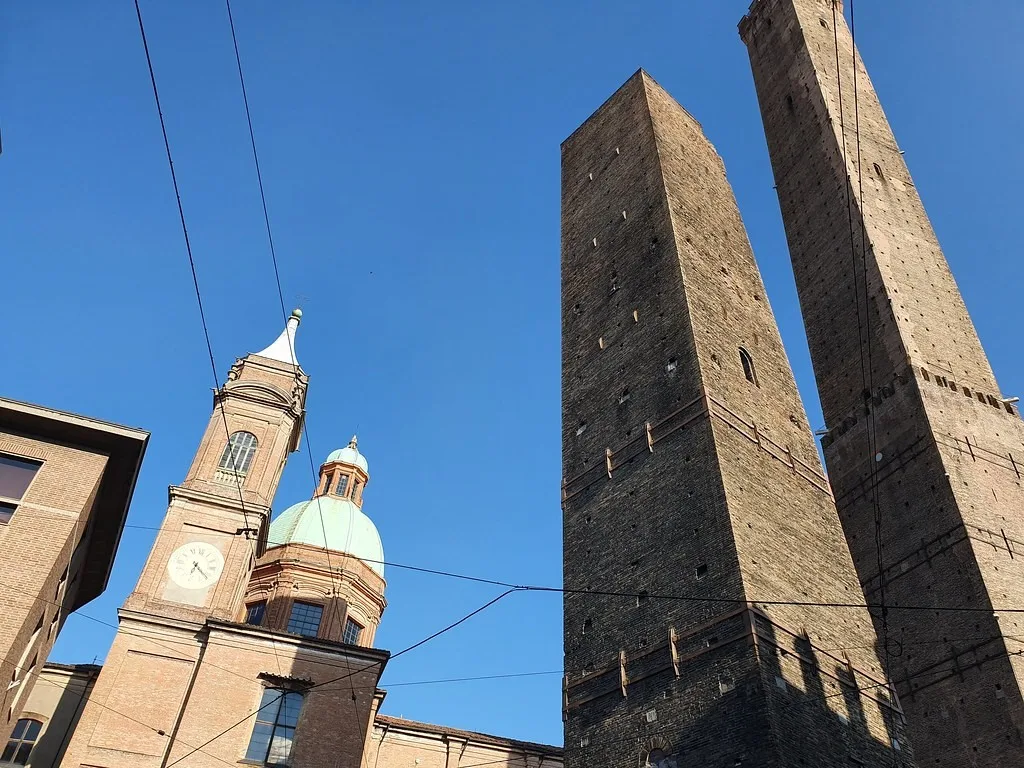
It might be surprising to learn that Bologna's skyline wasn't always dominated by just two towers. In its medieval heyday, between the 12th and 13th centuries, this city was a veritable forest of stone, boasting an estimated 100 to 180 towers!
These weren't simply defensive structures; they were loud statements of wealth and status, built by powerful families during intense periods of rivalry and conflict. Families competed fiercely to construct the tallest and most impressive towers.
However, over centuries, the vast majority of these structures vanished. Many were intentionally brought down to prevent collapse or to reuse their valuable building materials. Others simply succumbed to time, fires, or structural instabilities.
Today, only about 20 to 22 medieval towers remain, with the Asinelli and Garisenda standing as the most famous and iconic reminders of Bologna's skyscraper past.
Can you go up the towers in Bologna?
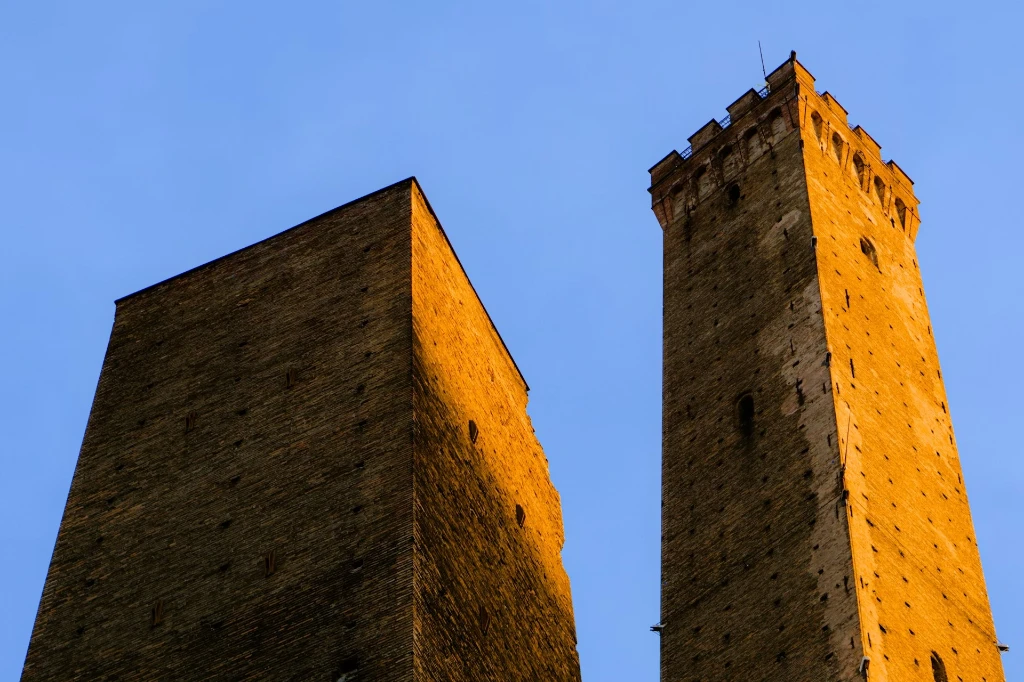
Unfortunately, as of my recent visit and likely through December 2025, climbing either of Bologna’s Two Towers is not possible. The Asinelli Tower, the taller of the two, which usually allows visitors to ascend its 498 wooden steps for breathtaking panoramic views, is currently closed.
This closure is a necessary precaution while extensive maintenance and reinforcement work are carried out on the adjacent Garisenda Tower, whose stability is a pressing concern. Typically, when open, a ticket would cost around €5 for adults, and booking a specific time slot well in advance through Bologna Welcome is essential due to limited capacity.
The shorter Garisenda Tower, with its dramatic lean, has never been accessible to the public, so that remains unchanged.
Is it worth visiting Two Towers?
Even with the current closure for climbing, the Two Towers remain a must-see in Bologna, but the "worth" has shifted. From the ground, they are incredibly striking – the sheer height of Asinelli and the precarious tilt of Garisenda make them architectural curiosities and photographic gold.
They embody centuries of Bolognese history and rivalry, offering a powerful visual story. However, with the Asinelli Tower inaccessible for climbing until at least 2025, you miss the main interactive experience and the legendary panoramic views. When it reopens, be prepared for a demanding physical challenge with those 498 wooden steps; it's not for everyone, especially those with mobility issues or a fear of heights.
But for history buffs, architecture enthusiasts, and active travelers seeking a unique challenge, the experience (when available) is truly unparalleled. While the climb is currently on hold, you can still feel the weight of their history and appreciate their unique presence in the city square.
What else can I do in Bologna?

While the Two Towers currently offer a view from the ground rather than from above, Bologna is packed with other experiences just waiting to be discovered.
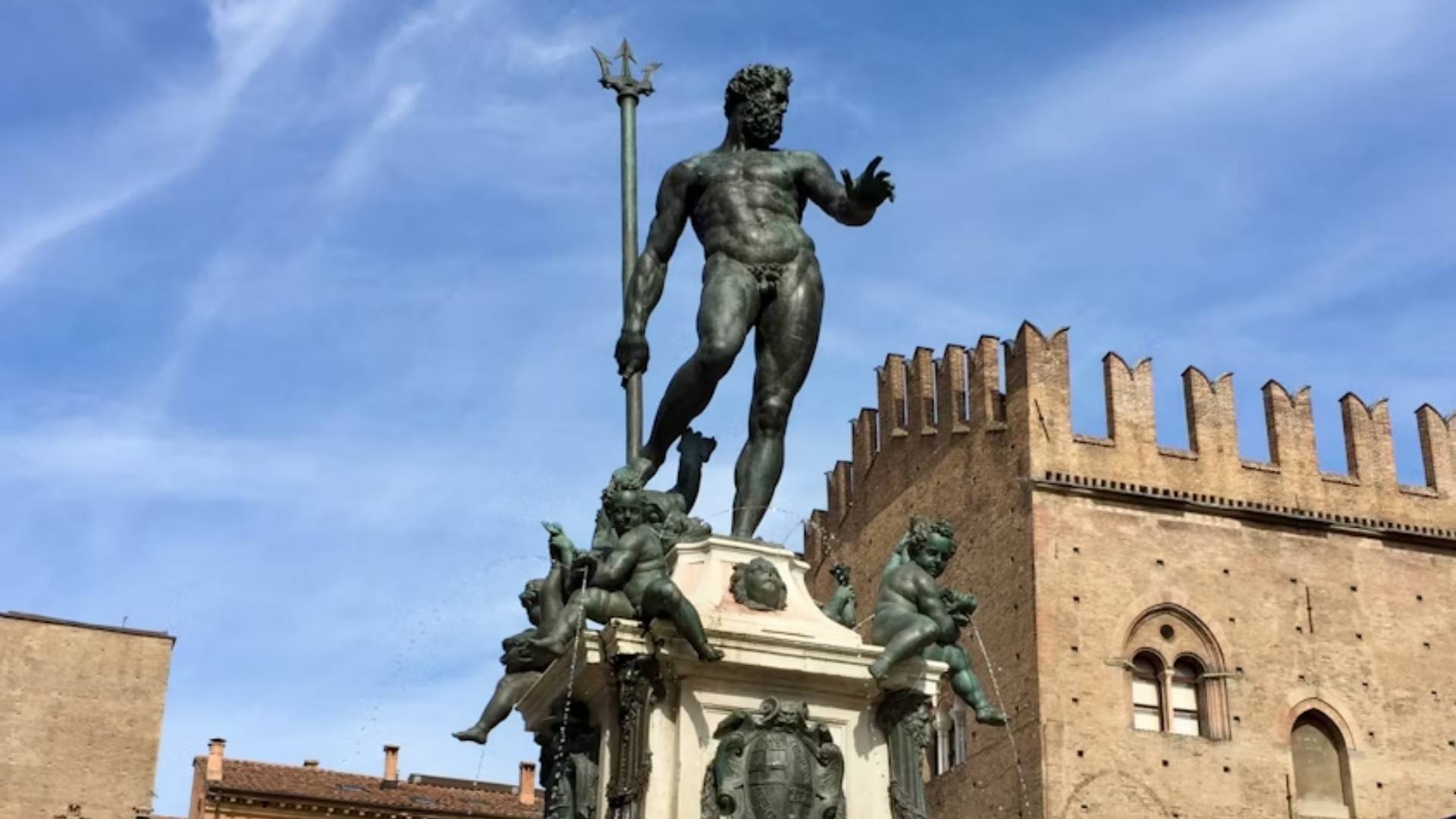
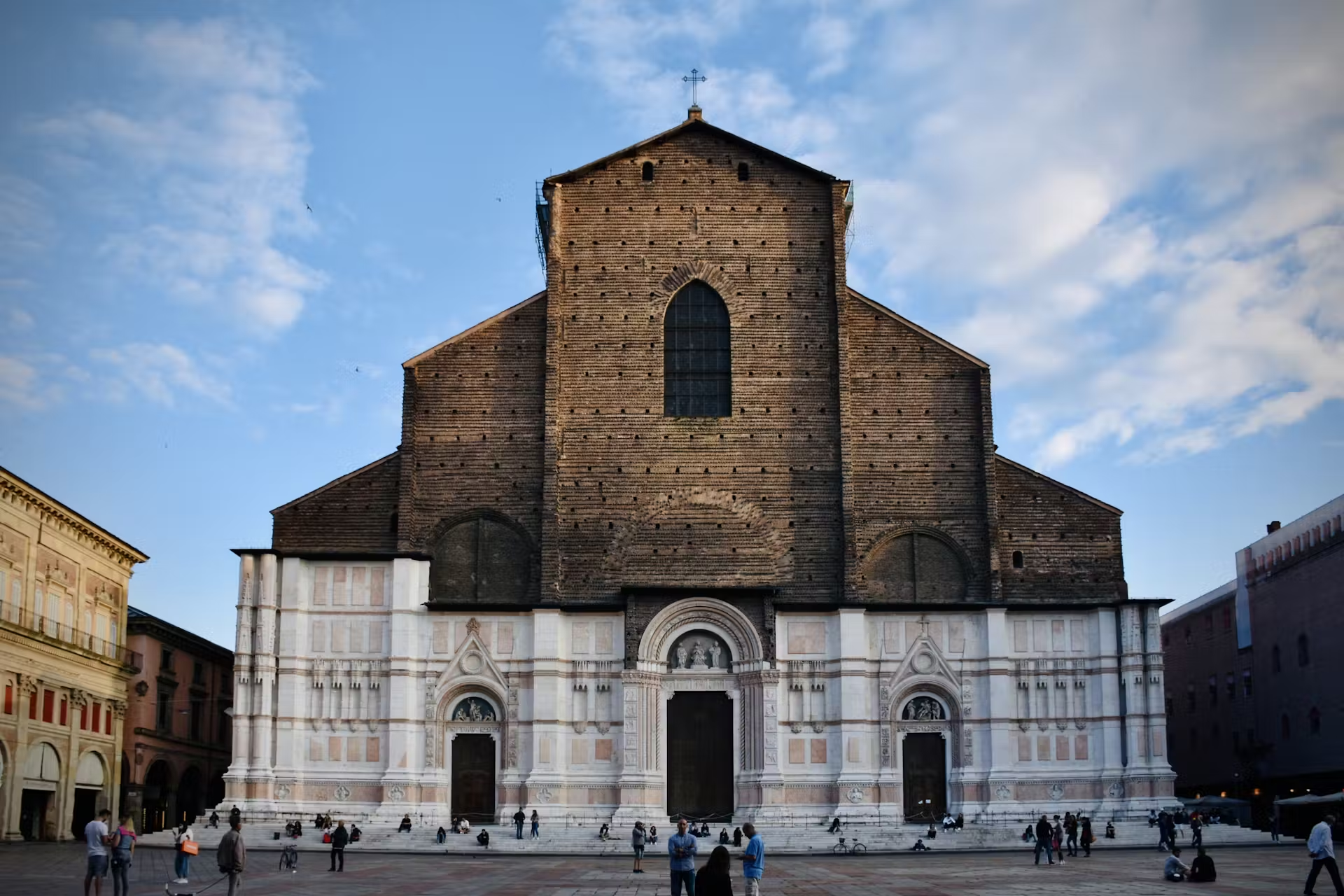
Start at Piazza Maggiore, the city’s grand main square, home to the impressive Basilica di San Petronio. Just beside it, get lost in the Quadrilatero, a historic market district where you can smell the fresh produce and local delights.
Don't miss the serene Santo Stefano Complex, often called the "Seven Churches," a peaceful oasis unlike anything else.
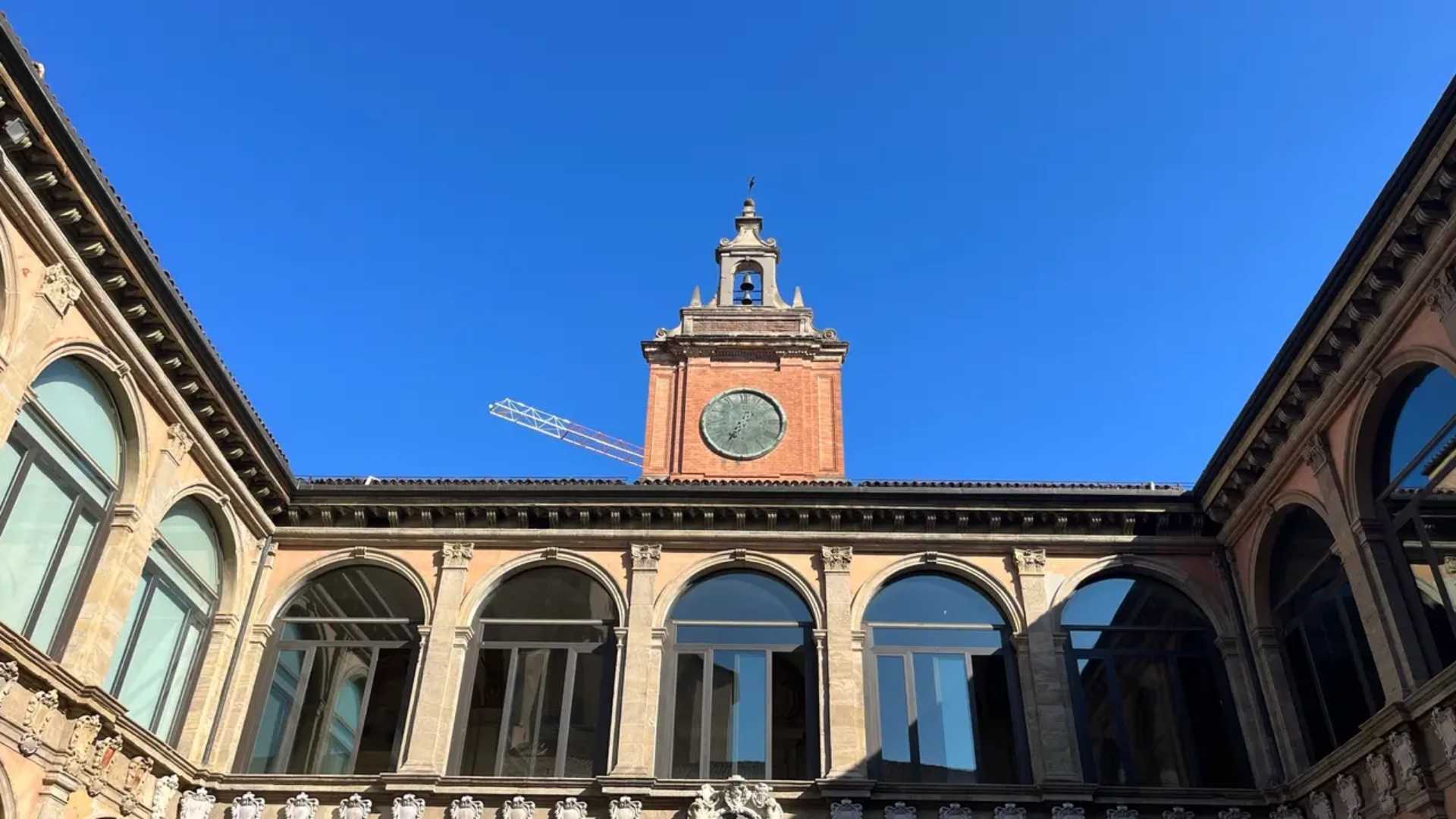
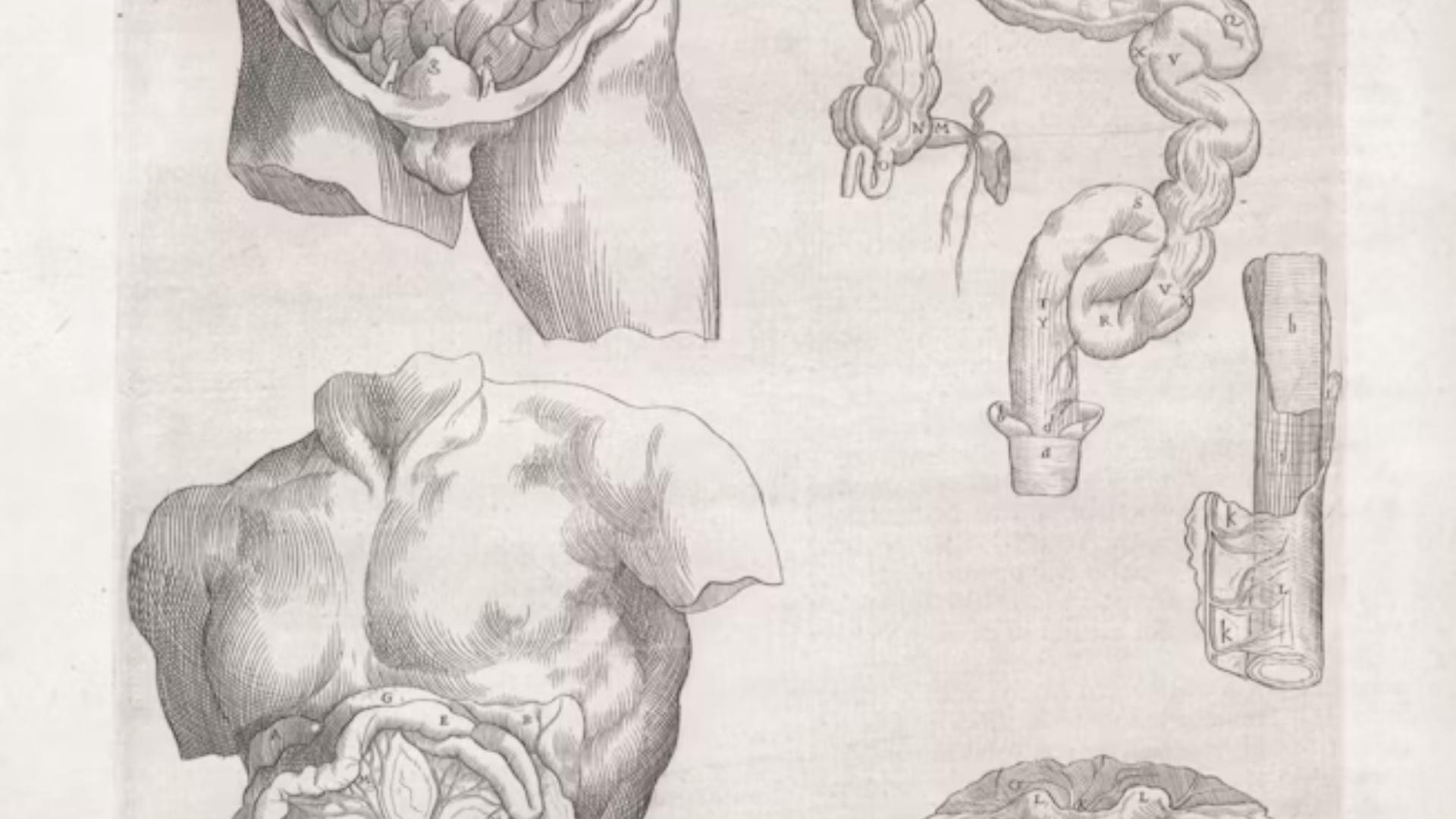
For a glimpse into academic history, visit the stunning Archiginnasio of Bologna, with its famous Anatomical Theatre.
And for a unique, almost hidden experience, seek out the Finestrella, a little window offering a peek at one of Bologna's secret canals.
To easily navigate all these and more, StoryHunt offers a fantastic advantage, providing engaging audio stories that act as your personal guide, enhancing your exploration of Bologna.

.jpg)

.avif)


