West India Warehouse
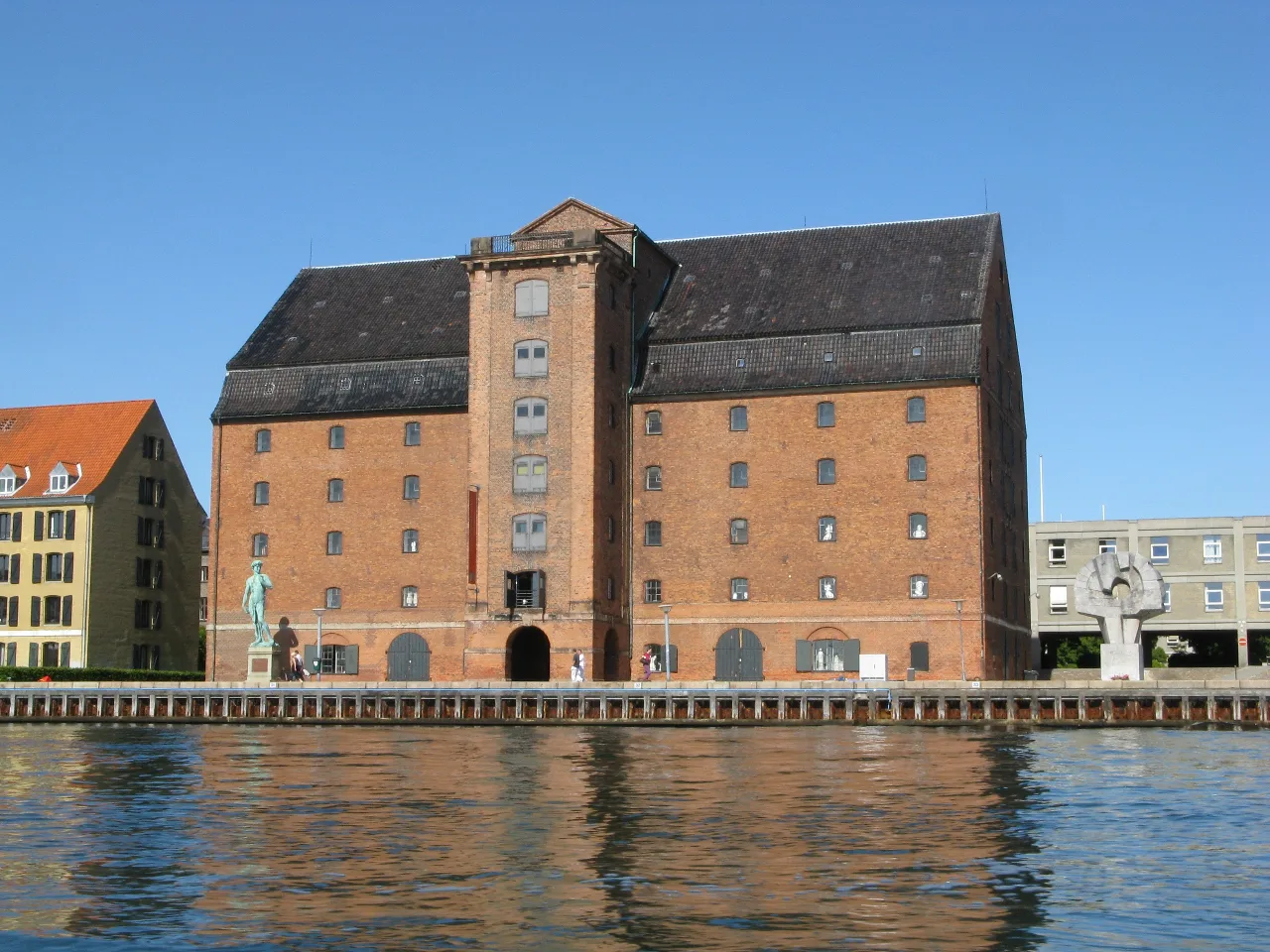
"Vestindisk Pakhus (Copenhagen)" by Christian Córdova from Santiago, Chile / CC BY 2.0
Quick facts: The West India Warehouse in Copenhagen is a historic building that stored goods from distant Danish colonial lands.
- Built 1781, it handled colonial trade, such as sugar and rum.
- Its grand architecture showcases Denmark's global trading history.
- It now houses the Royal Cast Collection of plaster sculptures.
The story behind...
Come, let's turn our attention to a significant building on Copenhagen's waterfront, the West India Warehouse, or *Vestindisk Pakhus* as it's known locally. This impressive structure, designed by architect Caspar Frederik Harsdorff, was built between 1780 and 1781.
Its original purpose was deeply tied to Denmark's colonial past. The warehouse served the Danish West India Company, a trading company that played a central role in the transatlantic trade. This is where colonial goods, primarily sugar, coffee, and rum, were stored after being shipped from the Danish West Indies, what are today the U.S. Virgin Islands. It's important to remember that this trade was fueled by the forced labor of enslaved Africans, with Danish ships transporting an estimated 100,000 to 120,000 individuals across the Atlantic.
Inside, on the eighth floor, you'll find "The King's Room," a historical meeting place for the trade commission. It still features its original wallpaper, adorned with guava leaves and fruits, and twelve chairs from that era.
Today, the warehouse has a different role. It houses the Royal Cast Collection, a remarkable display of over 2,000 plaster casts of sculptures from around the world. You can also see costumes from the Royal Danish Theatre here. Just outside, you'll encounter the powerful sculpture "I Am Queen Mary," depicting Mary Leticia Thomas, a leader in the fight against Danish colonial rule.

.jpg)