
.webp)


TLDR: Hagia Sophia is a 1,500-year-old UNESCO World Heritage site in Istanbul that has served as a cathedral, museum, and now a mosque. Famous for its massive dome and Christian mosaics, it is open daily, and foreign visitors must pay a €25 entrance fee.
The Hagia Sophia Grand Mosque is widely considered the Eighth Wonder of the World and stands as the defining symbol of Istanbul. Bridging Byzantine and Ottoman history, this architectural marvel draws millions of visitors annually.
This guide covers its transformation from church to mosque, the new 2026 entry rules and ticket prices, and essential tips for visiting, including the strict dress code.
What is the story behind Hagia Sophia?

The Hagia Sophia's story begins in 537 AD when it was constructed under the Byzantine Emperor Justinian I. Originally built as a cathedral, it was the world's largest and most spectacular Christian church for nearly a thousand years. Its architectural design was revolutionary, featuring a massive dome that seemed to float in the air.
But then in 1453, the Ottoman Empire conquered Constantinople, and Sultan Mehmed II converted the Hagia Sophia into a mosque. This transformation added minarets and Islamic calligraphy, blending Byzantine and Islamic art. In 1935, it was secularized and turned into a museum by the Republic of Turkey, reflecting its rich, multicultural history.
However, in 2020, it was re-designated as a mosque, sparking global conversations about its role and significance.
Why is Hagia Sophia famous?

Hagia Sophia is renowned for its revolutionary engineering and complex history. Key highlights include:
- The Massive Dome: Measuring over 100 feet in diameter, it was an engineering marvel of the 6th century.
- Dual Heritage: The interior features a unique blend of Christian mosaics (like the Seraphim angels) and Islamic calligraphy.
- Grand Mosque Status: Reconverted into a working mosque in 2020 after 85 years as a museum.
- UNESCO Status: It is the crown jewel of the Historic Areas of Istanbul World Heritage Site.
It served as a model for many Ottoman mosques, including the famous Blue Mosque, and remains a testament to the architectural and cultural exchanges between the East and West.
Is the Hagia Sophia a mosque or church?
Today, the Hagia Sophia functions as a mosque. Following its reconversion in 2020, it resumed its role as a place of Islamic worship. However, it retains its historical and architectural elements from its time as a church, making it a unique blend of both religious traditions.
Who is buried in Hagia Sophia?
The Hagia Sophia complex acts as a royal necropolis for the Ottoman dynasty. While there are no tombs inside the main prayer hall, the garden courtyard houses five separate mausoleums (türbe) containing the remains of sultans and their families. These tombs are renowned for their exquisite Iznik tile work.
The Sultans buried here include:
- Selim II (son of Suleiman the Magnificent)
- Murad III
- Mehmed III
- Mustafa I
- Sultan Ibrahim
Are Christians allowed in Hagia Sophia?

Yes, Christians and non-Muslims can enter the Hagia Sophia. While it operates as a mosque, it remains open to visitors of all faiths.
However, visitors are expected to respect Islamic customs, such as removing shoes and dressing modestly.
How to Get to Hagia Sophia?
The Hagia Sophia is located in the Sultanahmet district. The easiest way to get there is by taking the T1 Tram line to the Sultanahmet station. From there, it is a 2-minute walk through the square.
Taxis are available but often get stuck in traffic; public transport is highly recommended.
Is entry to Hagia Sophia free?
Entry to Hagia Sophia is no longer free. As of January 2024, there is a 25 Euro entrance fee for tourists. This change aligns with the tradition of charging for access to historical sites while maintaining free access for worship.
What is the best time to visit Hagia Sophia?
The mosque is generally open from 9:00 AM to 10:00 PM, but entrance may be restricted during prayer times, particularly the Friday noon prayers.
To avoid long queues and large tour groups, the best time to visit is early morning (around 9:00 AM) or late evening. Weekdays are typically less crowded than weekends.
Is the Hagia Sophia the biggest church in the world?

While the Hagia Sophia was once the largest cathedral in the world, it no longer holds that title. Today, St. Peter's Basilica in Vatican City is recognized as the largest church.
However, the Hagia Sophia's historical significance and architectural innovation make it one of the most important religious buildings in the world.
Is Hagia Sophia Latin or Greek?
The name "Hagia Sophia" is of Greek origin, meaning "Holy Wisdom." This reflects its Byzantine roots, as it was initially built as an Eastern Orthodox cathedral.
Its Greek influence is evident in its architectural style and the original mosaics that adorn its walls.
Is it worth going to Hagia Sophia?

Visiting the Hagia Sophia offers a unique glimpse into the layers of history that have shaped Istanbul. Pros include witnessing a masterpiece of architectural design and experiencing a site that has played a pivotal role in both Christian and Islamic histories.
However, it can be crowded, and some might find the religious restrictions limiting. If you're interested in history, architecture, or religious studies, a visit is definitely worthwhile. For a more comprehensive experience, consider exploring nearby attractions such as the Blue Mosque and Topkapi Palace.
What else can I discover in Istanbul?

Istanbul is a city rich in history and culture, offering much more beyond the Hagia Sophia. Here are some places you might want to explore:
- The Blue Mosque: Known for its stunning blue tiles and towering minarets.
- Topkapi Palace: The former residence of Ottoman sultans, now a museum showcasing imperial collections.
- The Grand Bazaar: One of the largest and oldest covered markets in the world.
- Basilica Cistern: An ancient underground water reservoir with impressive columns and a mystical atmosphere.
Explore More of Istanbul
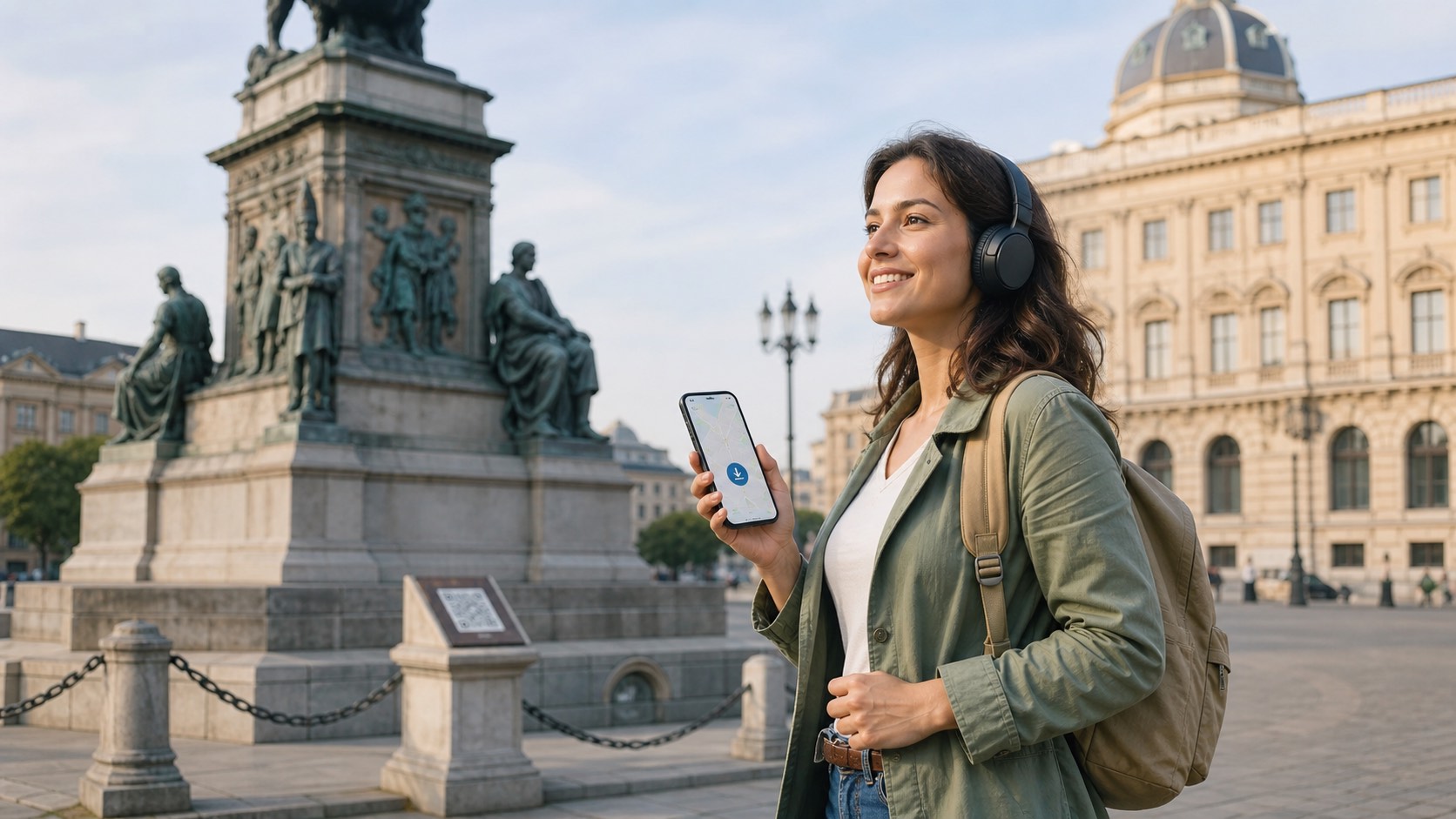
Ready to dive deeper into the city's history? Try The Personal Tour Guide by StoryHunt.
It builds a custom itinerary based on your interests and includes a free interactive map to help you navigate the historic peninsula and discover hidden gems nearby.


.avif)


