
.webp)


TLDR: The Blue Mosque (Sultan Ahmed Mosque) is Istanbul’s most iconic active mosque, famous for its 6 minarets and 20,000 blue tiles. Entrance is free, but it closes to tourists 5 times a day for prayer and on Friday mornings until 14:30. A strict dress code applies (headscarves for women, covered knees/shoulders for all).
Standing directly across from the Hagia Sophia, the Blue Mosque is a masterpiece of Ottoman architecture. While it is one of the city's most popular sights, visiting can be tricky because it is still a functioning mosque.
This guide covers the 2026 prayer time closures, the strict dress code you must follow, and the best time to visit to see the newly restored interior without the crowds.
What is the story behind Sultan Ahmed Mosque?

The Sultan Ahmed Mosque, more commonly known as the Blue Mosque was constructed between 1609 and 1617. It was commissioned by Sultan Ahmed I, who sought to reassert Ottoman power and create a legacy that matched the grandeur of the nearby Hagia Sophia. Designed by the architect Mehmet Ağa, the mosque is a masterpiece of Ottoman architecture, featuring a blend of traditional Islamic and Byzantine elements.
Why is Sultan Ahmed Mosque called the Blue Mosque?
The moniker "Blue Mosque" comes from the stunning blue İznik tiles that line its interior. These tiles, numbering over 20,000, create a mesmerizing blue hue that has become synonymous with the mosque's identity. The tiles are adorned with intricate floral and geometric patterns, reflecting the artistic zenith of the Ottoman Empire.
What is the history of Sultanahmet?

Sultanahmet is the historical heart of Istanbul and is named after Sultan Ahmed who also built the church. It was the epicenter of two great empires: the Byzantine and the Ottoman. But who was this Sultan?
Sultan Ahmed I, born in 1590, ascended the Ottoman throne at just 14, inheriting an empire facing challenges both at home and abroad. Despite his youth, he dreamed of leaving a legacy that would endure for centuries. His reign (1603–1617) was marked by his deep faith and ambition to glorify Islam. At the heart of his legacy is the magnificent Blue Mosque in Istanbul, an architectural marvel designed to rival the Hagia Sophia. Ahmed was known for his piety and generosity but also struggled with the burdens of leadership in a tumultuous era. He passed away at 27, leaving behind an immortal symbol of Ottoman grandeur in the form of The Blue Mosque.
What was Istanbul before Turkey?
Before becoming a part of modern Turkey, Istanbul was known as Byzantium and later Constantinople. It was the capital of the Eastern Roman (Byzantine) Empire and subsequently the Ottoman Empire. The city's strategic location made it a vital center for trade and culture, bridging Europe and Asia.
Who is buried in the Blue Mosque?
The Blue Mosque houses the tomb of its patron, Sultan Ahmed I. His mausoleum is located on the north side of the mosque and is a place of reverence for many visitors.
Are the Blue Mosque and Hagia Sophia the same?

Despite their proximity, the Blue Mosque and Hagia Sophia are distinct structures. The Blue Mosque is an Ottoman-era mosque, while Hagia Sophia was originally a Byzantine cathedral, later transformed into a mosque, then a museum, and recently reverted to a mosque. Both are iconic landmarks of Istanbul, each with its unique history.
Can non-Muslims enter the Blue Mosque?

Yes, non-Muslims are welcome to visit the Blue Mosque outside of prayer times. Visitors are expected to dress modestly, with women covering their heads and men and women covering their legs. The mosque provides scarves and skirts for those who need them.
What is the dress code in Blue Mosque?
There is strict visitor rules and dress code you must follow, if you want to enter the mosque:
- Women: Must cover their hair with a headscarf (available to borrow/buy at the entrance) and wear loose clothing covering arms and legs.
- Men: Must wear long trousers (no shorts above the knee) and cover shoulders.
- Shoes: Must be removed before entering (plastic bags are provided).
- Silence: Maintain quiet as people are praying.
Is Blue Mosque free to enter?
Yes, entrance to the Blue Mosque is completely free. There are no tickets or reservations required. Be wary of guides outside trying to sell "skip-the-line" tickets - they are simply selling a guided tour, not a mandatory entry fee.
The line moves fast, even when long.
What to see in the Blue Mosque?
If you want to enter the Blue Mosque, these are the highlights you should experience:
- 20,000 Iznik Tiles: The hand-painted blue ceramic tiles that give the mosque its name.
- Six Minarets: A unique feature that famously rivaled the mosque in Mecca at the time of construction.
- The Central Dome: Massive, restored dome decorated with calligraphy and ostrich egg chandeliers (historically used to repel spiders).
What are the opening hours of the Blue Mosque?
The mosque opens for tourists daily from 08:30 AM until approximately one hour before dusk. However, it closes to non-worshippers for 90 minutes during each of the five daily prayer calls.
- Important: On Fridays, the mosque opens to tourists only after 14:30 (2:30 PM) due to the Friday sermon.
- Best Time to Visit: Arrive at 08:30 AM sharp to beat the tour groups, or visit between the morning and noon prayers.
Is the Blue Mosque worth visiting?

The Blue Mosque is undoubtedly worth a visit for its architectural splendor and historical significance. However, visitors should be aware that ongoing renovations might limit access to certain areas.
Despite this, the mosque remains a must-see for its beauty and cultural importance.
What else can I discover in Istanbul?

Istanbul is a treasure trove of attractions beyond the Blue Mosque. You can explore the Hagia Sophia, Topkapi Palace, and the bustling Grand Bazaar. A cruise along the Bosphorus offers stunning views of the city's skyline. Istanbul's unique blend of European and Asian influences makes it a captivating destination for any traveler.
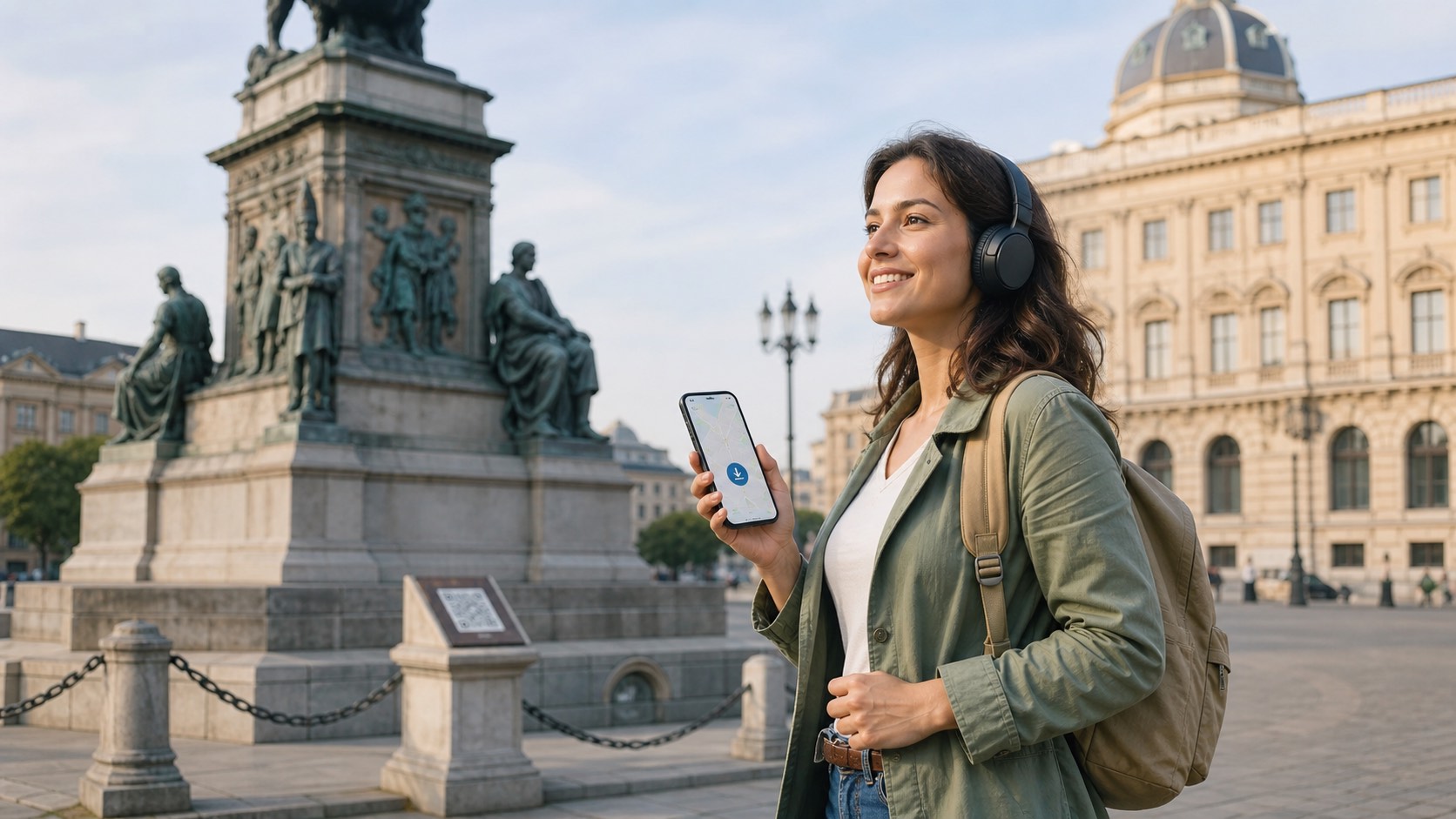
To truly enrich your visit to Istanbul, consider using the StoryHunt app. It offers insightful tours and stories that bring the city's history to life, helping you explore not just the Blue Mosque but other hidden gems in this vibrant city.


.avif)


