| | Wander & Wonder Travel Newsletter |
|
|
|---|
|
|
 | Hey StoryHunter Some cities you visit for the beaches. Others for a fairytale castle by the sea, or for the leftover grandeur of a fallen empire.
Trieste gives you both.
This is Italy's odd one out - a port city tucked into the country's far northeastern corner, that spent over hundreds of years as the main gateway of the Habsburg Empire.
Vienna shaped its grand cafés, while the Adriatic shaped everything else. The result is a city that looks like Central Europe and tastes like the Mediterranean.
It's compact enough to explore in a day, layered enough to keep surprising you, and still far from being overcrowded like many other Italian coastal cities.
Read on to learn about:
🏰 The beautiful (haunted) castle 🔦 The secret Nazi tunnels 🪨 The cave that could swallow a church | | |
|
|
|---|
|
|
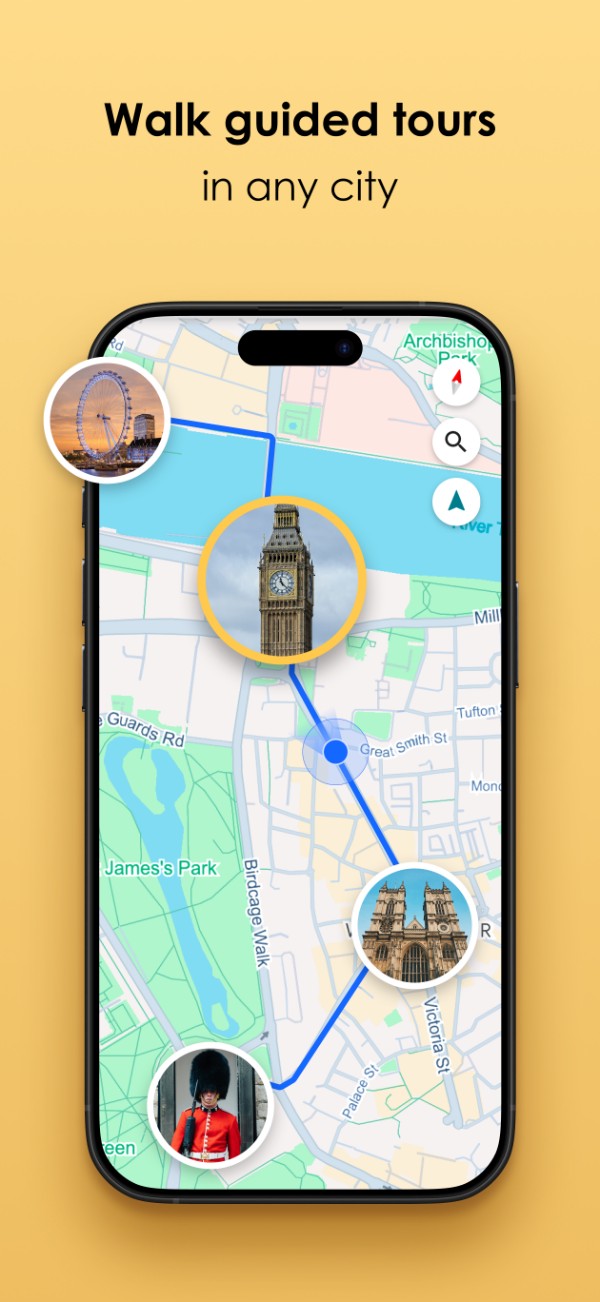
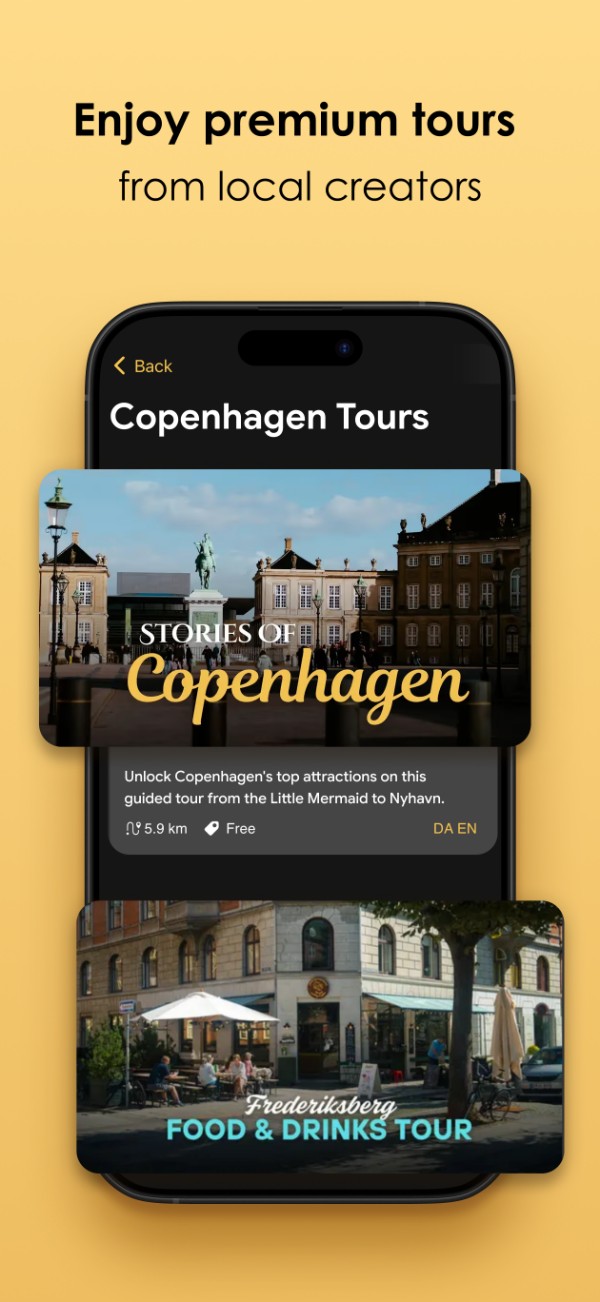
| | Explore with the new StoryHunt app | Now you can get tailored tours anywhere in the world 🌍
We've launched the new StoryHunt app, and we're so excited for you to try it!
It has a lot more features, a cool interactive map, and everything you need to explore the world in a new, exciting way. | | |
| | |
|
|---|
|
|
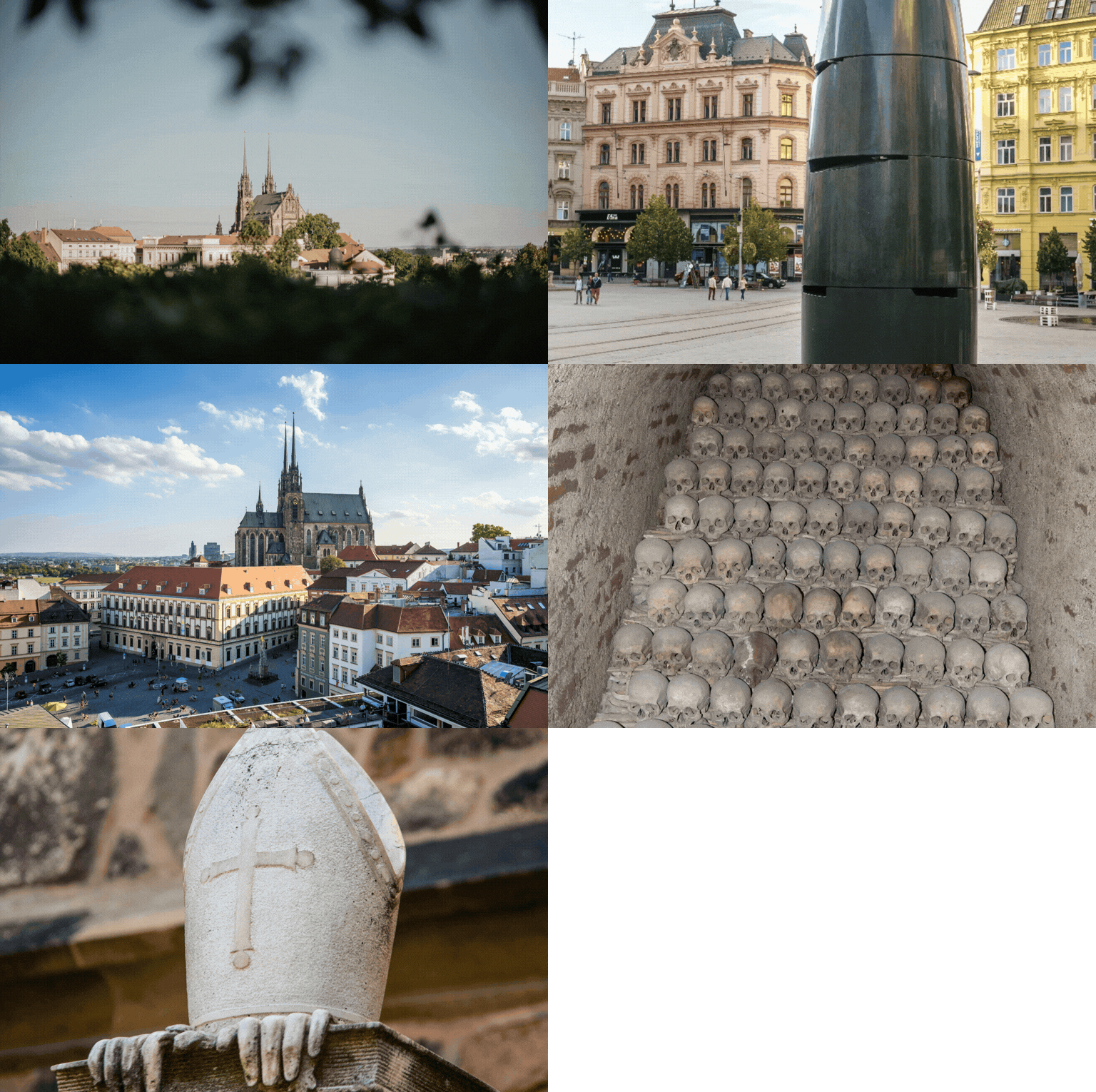
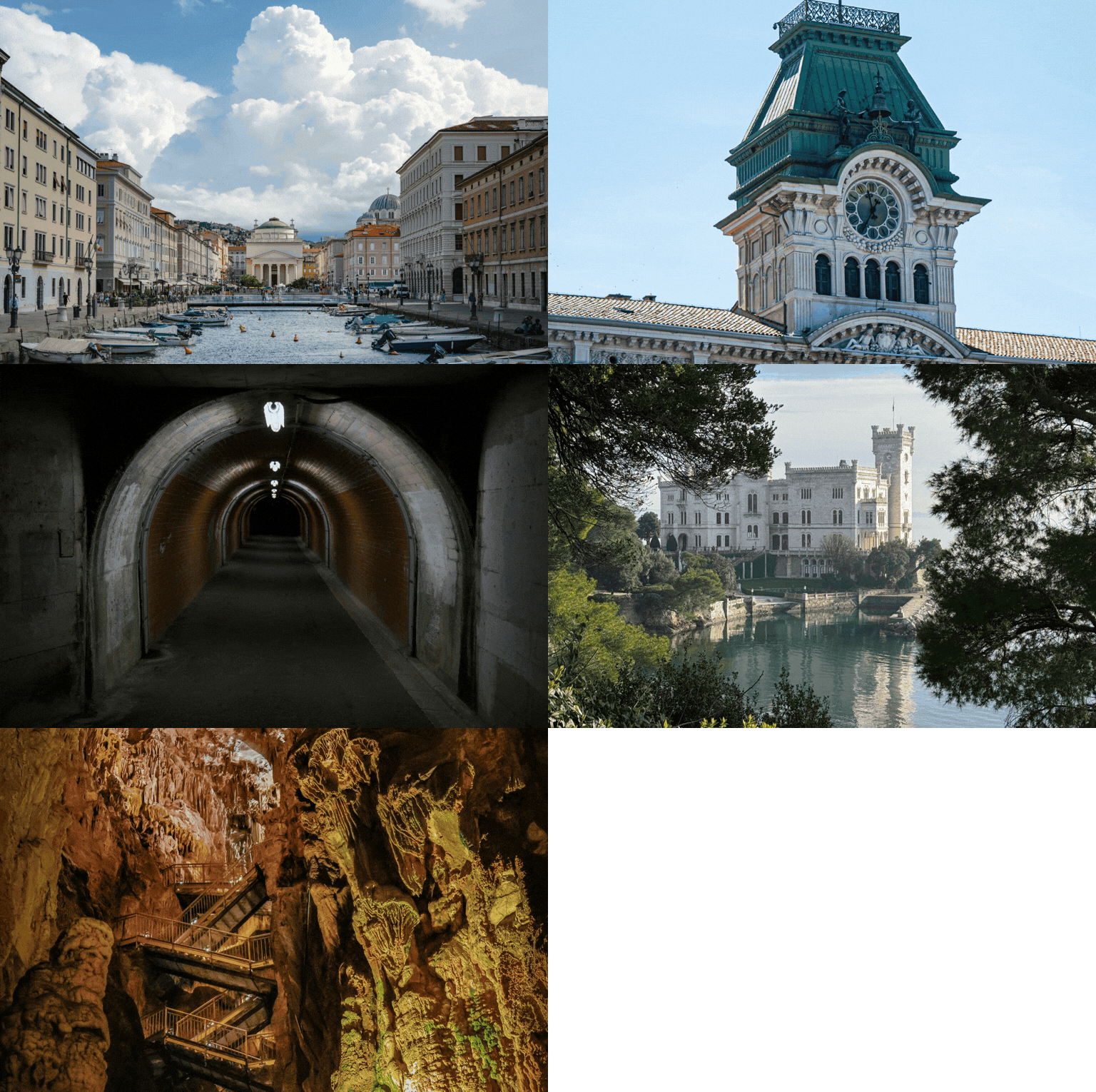
| |  | Trieste never quite decided what it wants to be.
For over 500 years, it was the Habsburg Empire's window to the sea - and it still wears that history openly: wide boulevards, neoclassical façades, grand cafés built for an empire that no longer exists.
But step past the architecture, and you're standing on the Adriatic, in a city that's undeniably Italian.
Take Piazza Unità d'Italia, one of Europe's largest sea-facing squares, which is framed by grand Viennese-style buildings.
Stand here and you could almost be in Vienna - until you turn around, and the sea stretches out before you. | | |
|
|
|---|
|
|
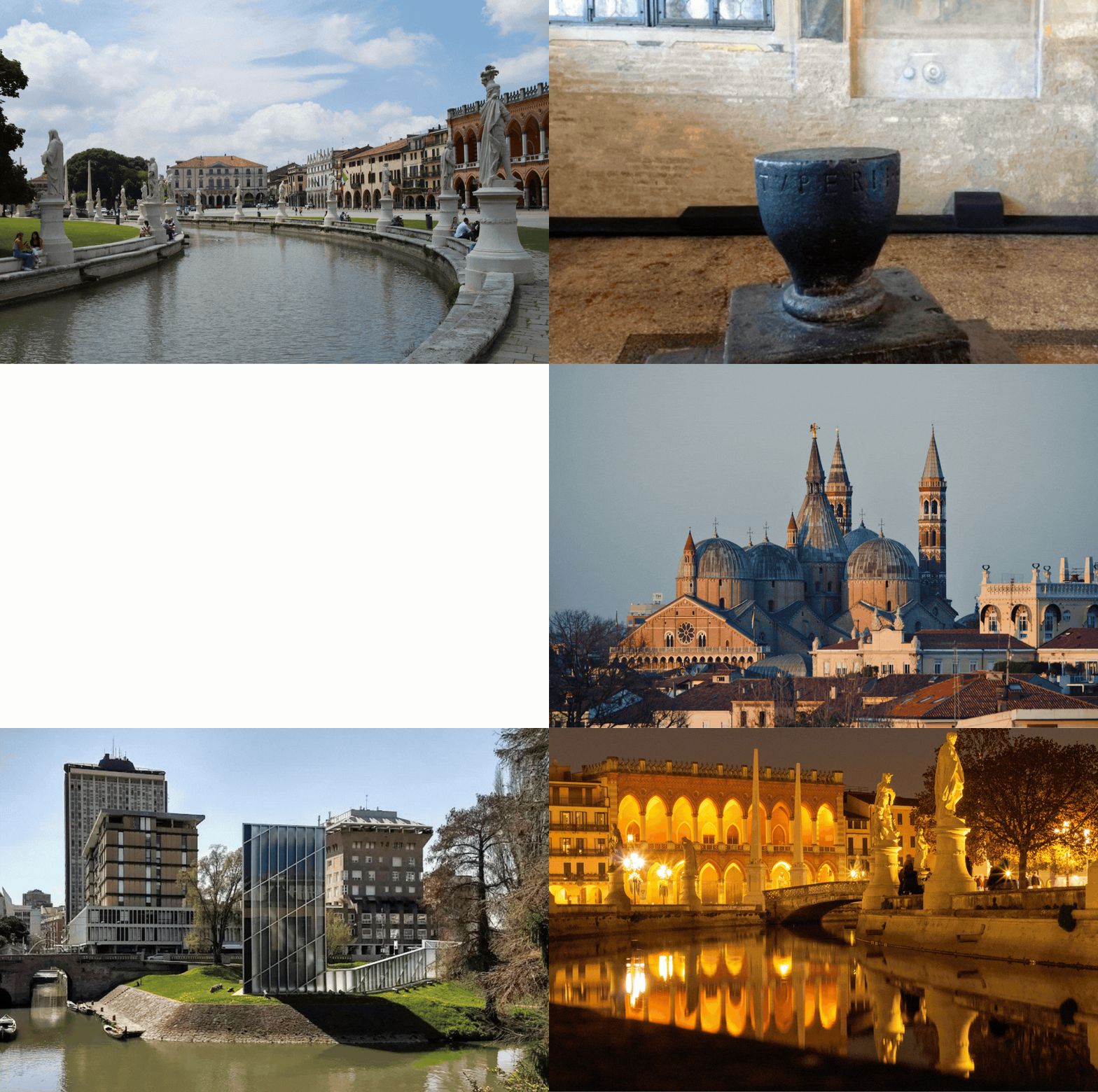
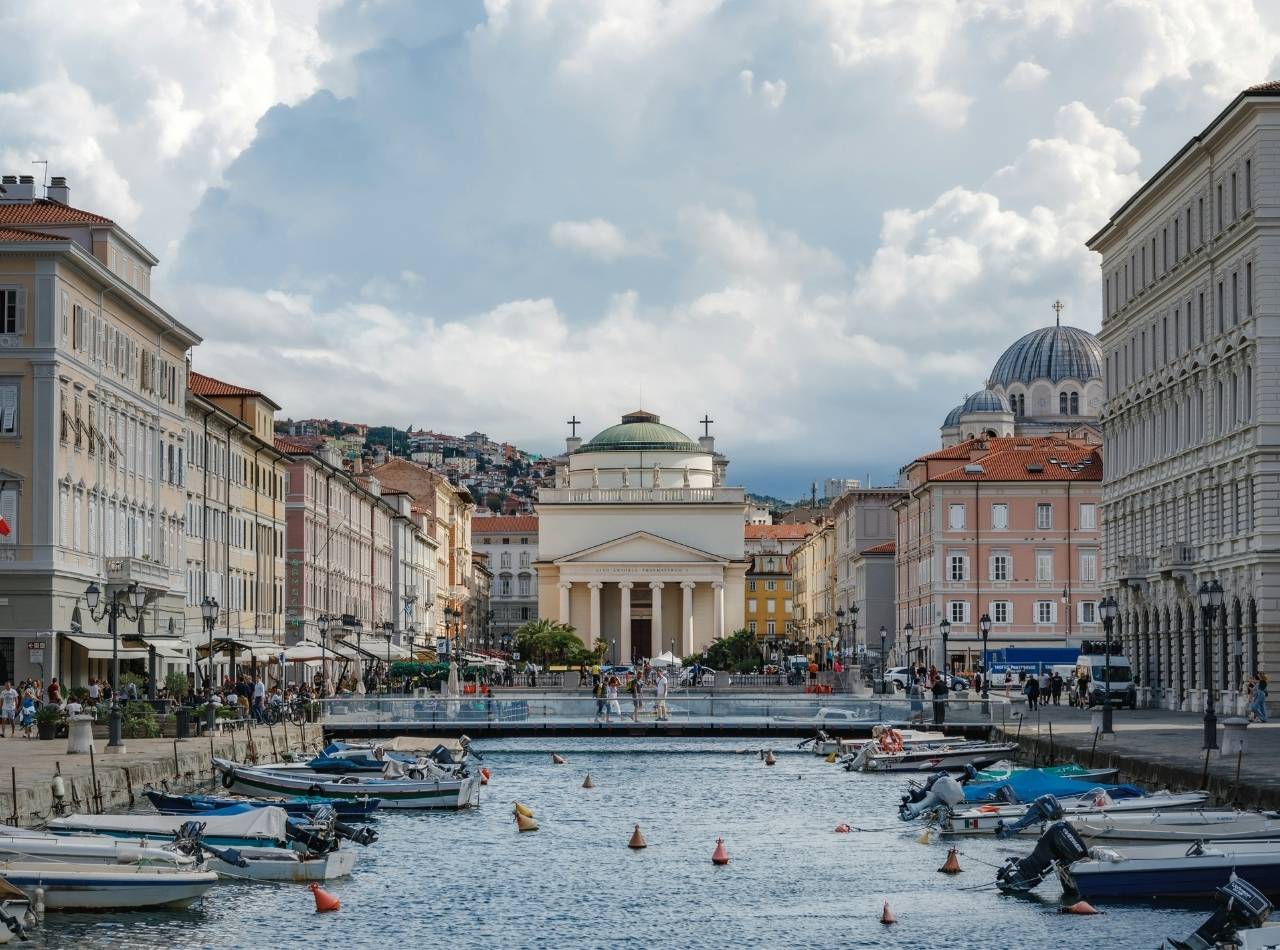
| |  | If one place captures Trieste's romantic, slightly haunted grandeur, it's Miramare Castle.
It was built between 1856 and 1860 for Archduke Maximilian of Austria, and this white castle sits right on the water, surrounded by gardens filled with exotic plants he collected from around the world.
He and his wife lived here for only four years before leaving for Mexico, where Maximilian was crowned emperor - and executed shortly after.
Local legend says his devastated wife's ghost still wanders the grounds.
Today you can walk through the original 19th-century interiors and the castle park, with the Adriatic as a backdrop the whole way. | | |
|
|
|---|
|
|
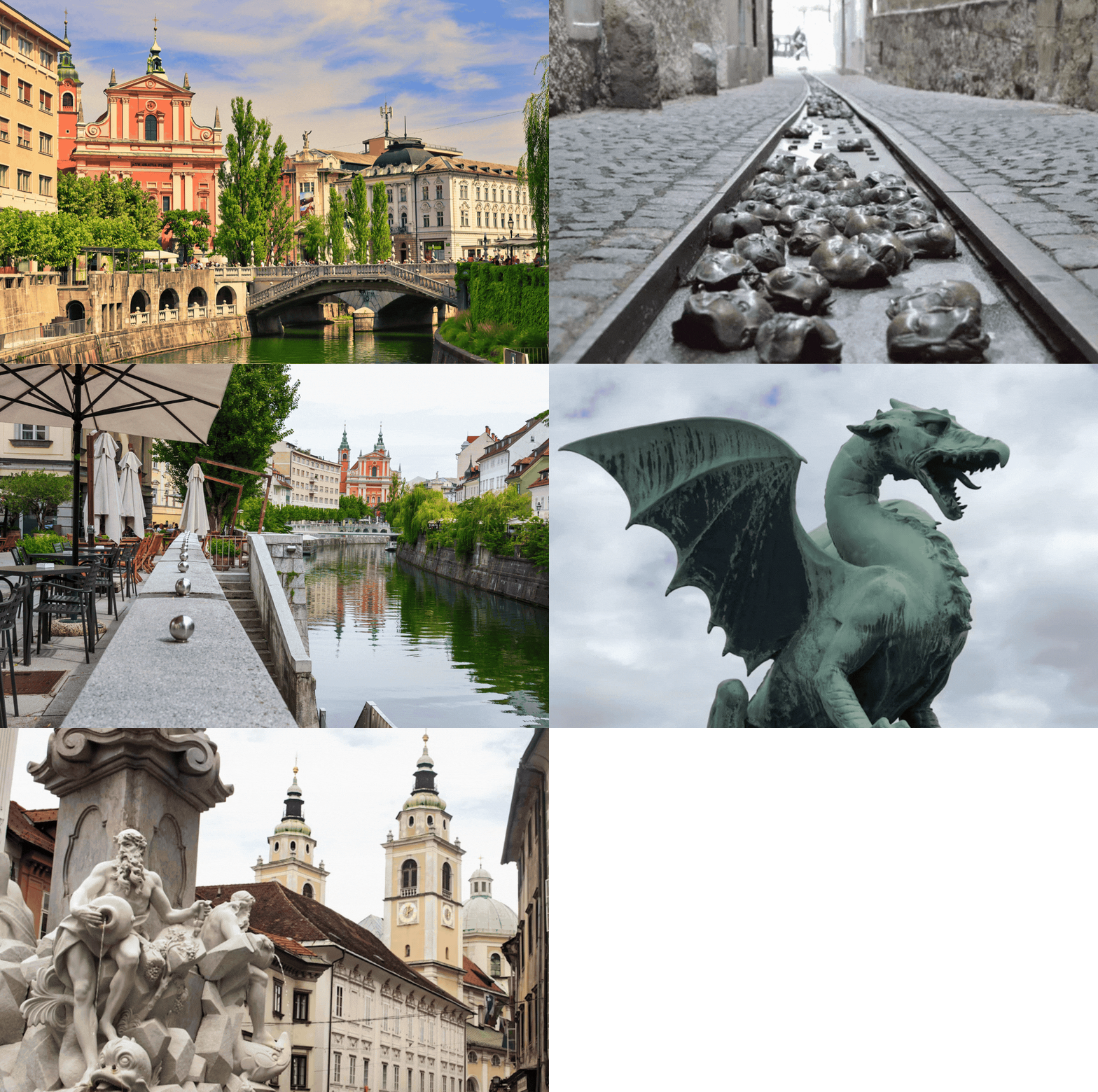
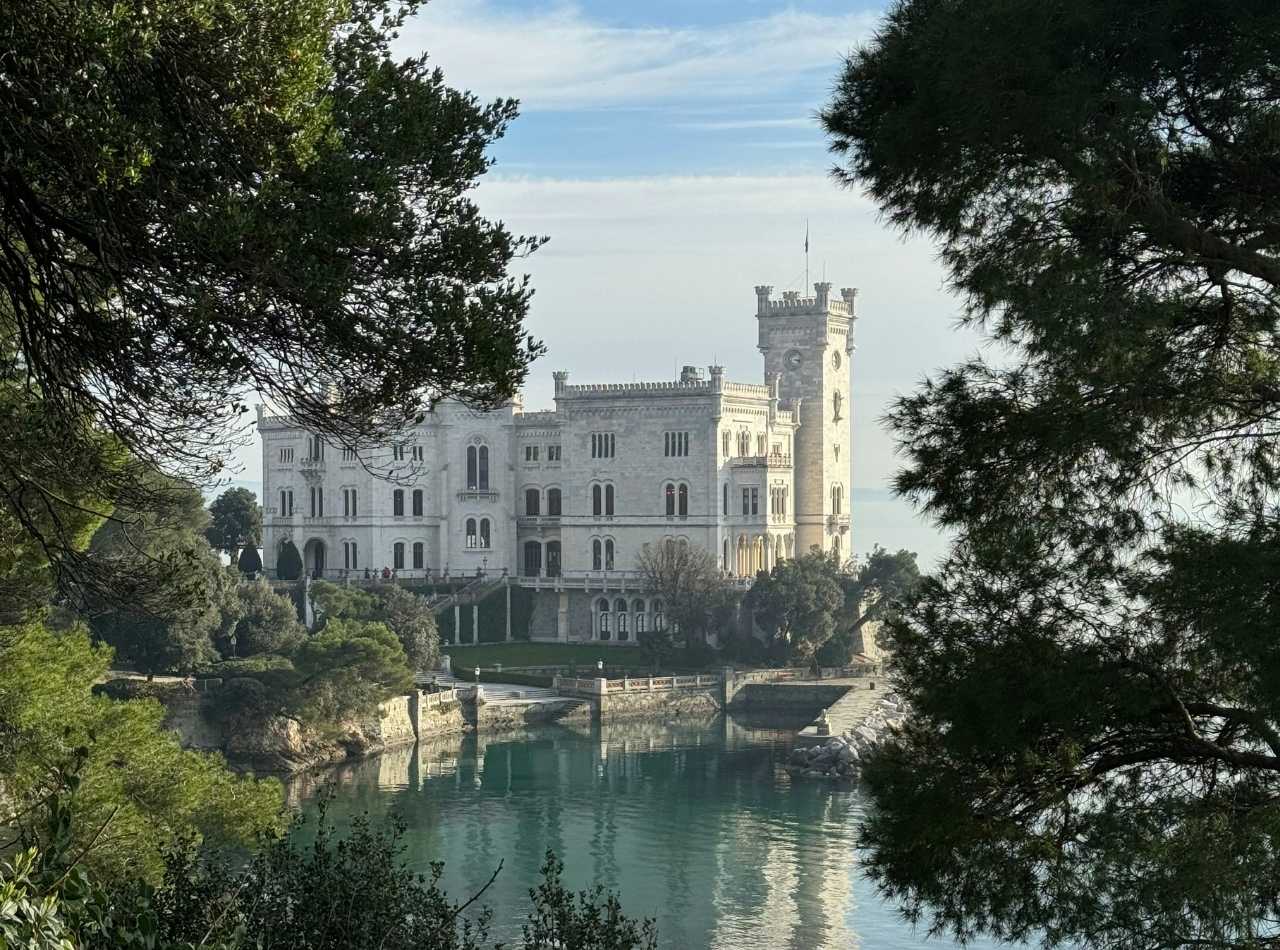
| |  | Beneath Trieste's elegant streets hides a WWII secret: Kleine Berlin, a large air-raid tunnel complex.
It was split into an Italian civilian side and a separate, forbidden German military side.
The German section even had a hidden passage connecting straight to the local SS police villa – it was built entirely in secret, without the Italian workers on the project knowing its true purpose.
It was sealed after the war, and the tunnels sat flooded and forgotten for decades until local volunteers pumped them out by hand. Today the temperature still holds at a steady 15°C, no matter the season above ground. | | |
|
|
|---|
|
|
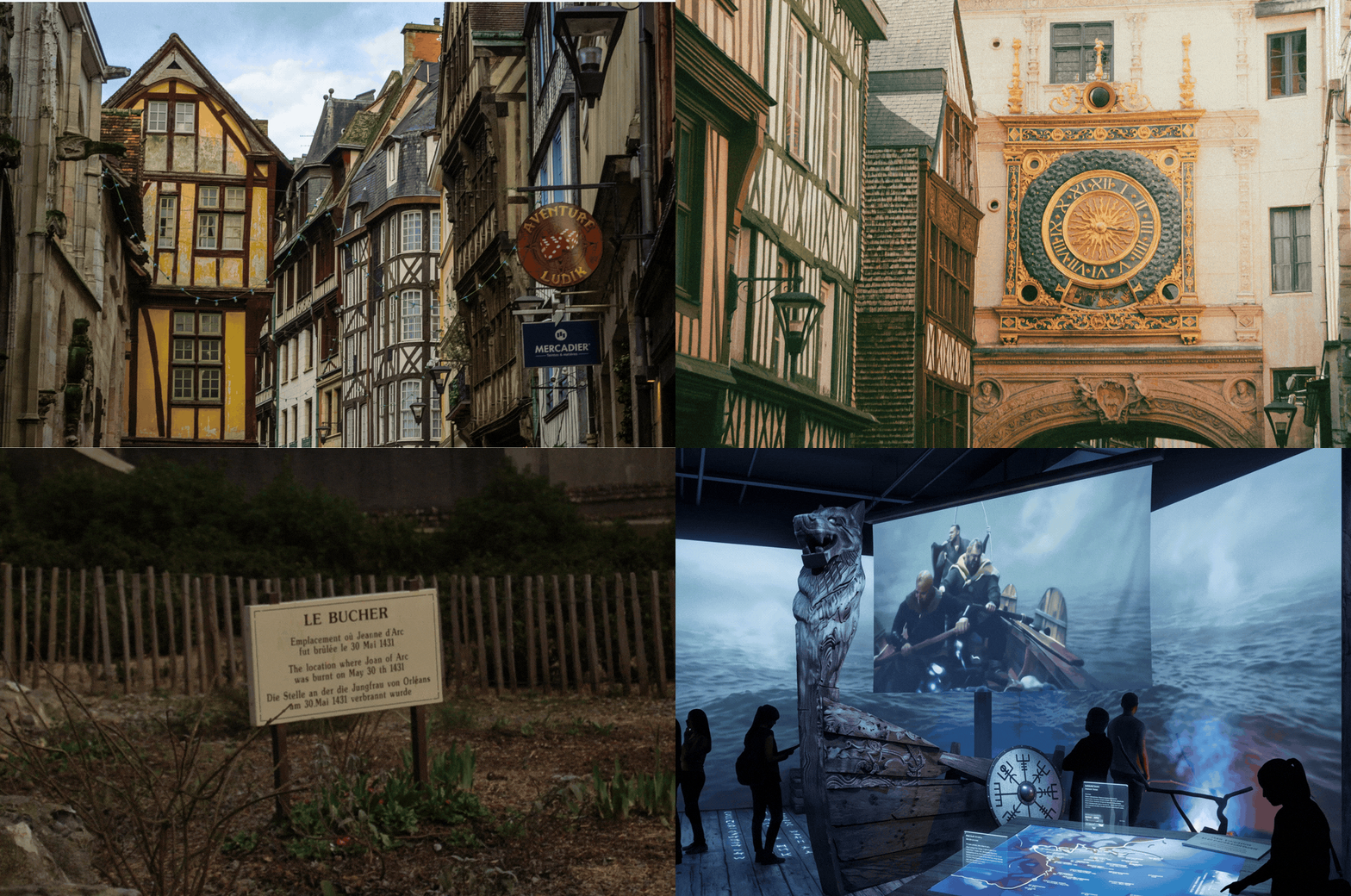
The Trendy Traveler Tip | 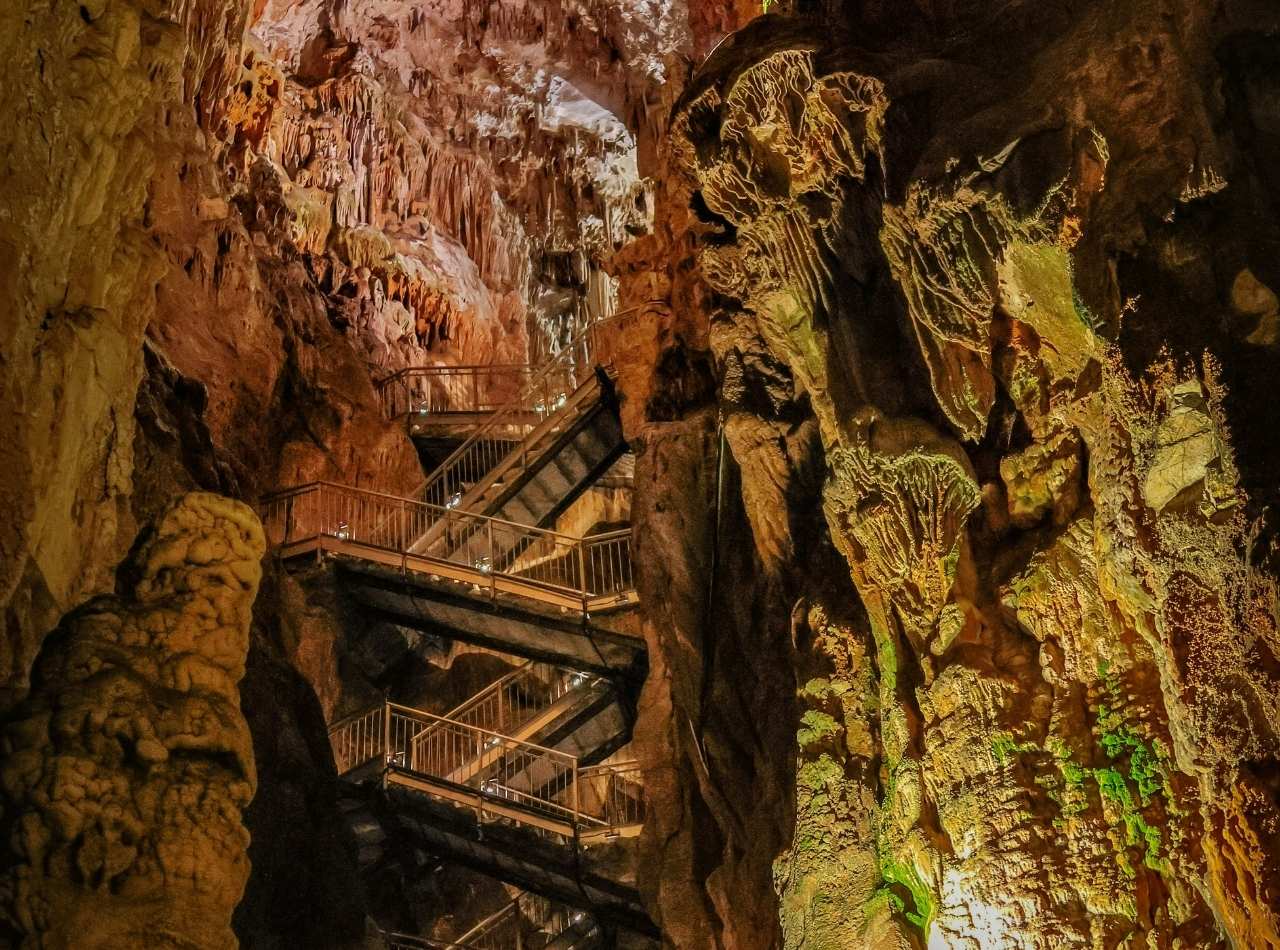 | If you need a place to cool down in Trieste this summer, just head outside the city and descend into one of the world's largest caves - Grotta Gigante.
The cave’s main chamber soars over 100 metres high, big enough that its entire volume could fit Rome's St. Peter's Basilica inside with room to spare.
It's also a working science lab: sensitive pendulums hanging deep in the cave have recorded some of the world's biggest earthquakes.
Bring a jacket - it stays a cool, constant temperature no matter the season above ground. | | |
|
|
|---|
|
|
| |  | | |
| Flæsketorvet 28, 1711, Copenhagen |
| | | | |
|
|
|---|
|
|
|