| | Wander & Wonder Travel Newsletter |
|
|
|---|
|
|
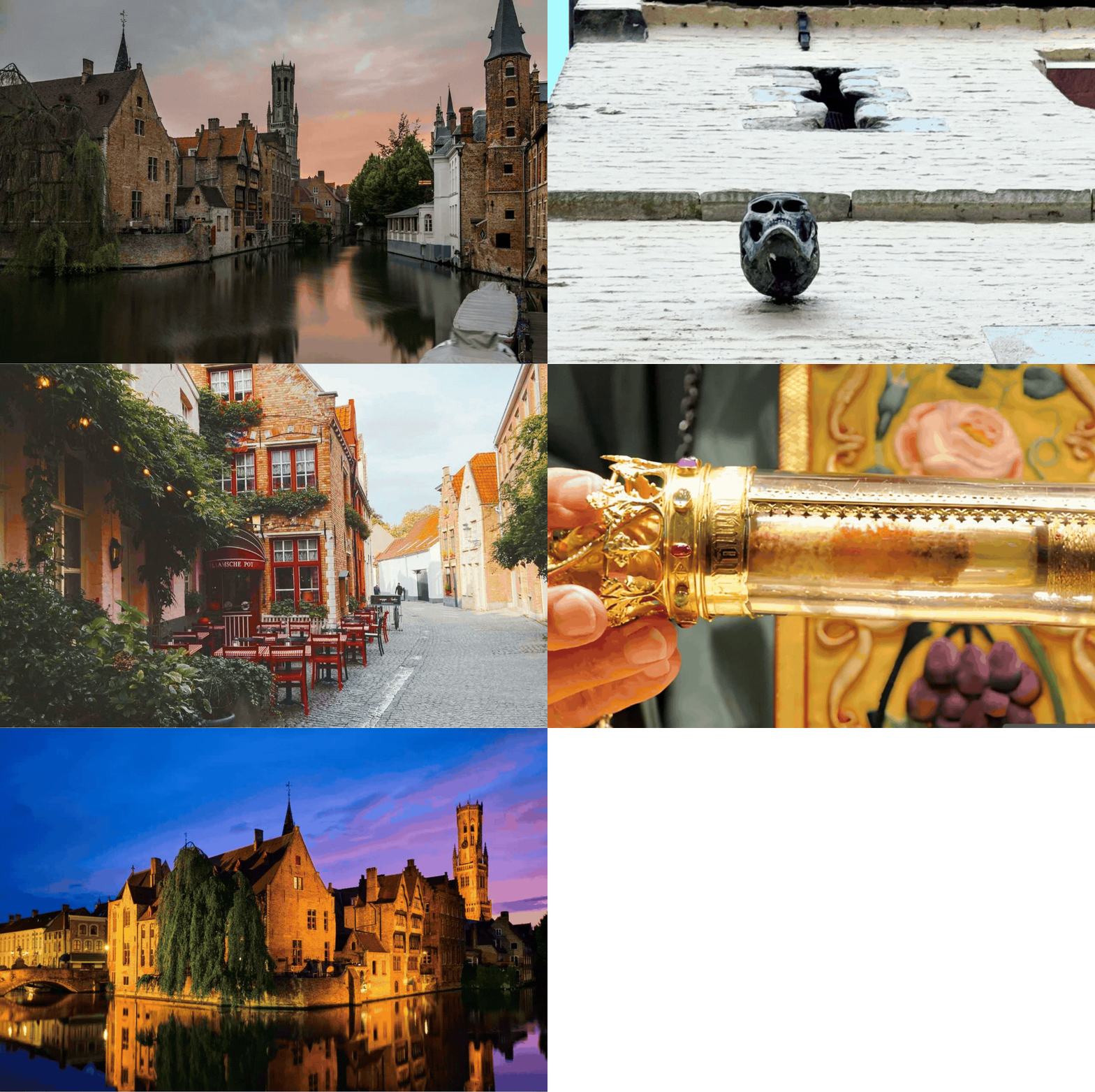 | Hey StoryHunter At first glance, Bruges is almost too perfect: narrow canals, cobbled lanes, and church towers rising above the rooftops.
But once a year, on Ascension Day on Thursday 14 May, Bruges becomes something stranger and far more dramatic.
The city’s Procession of the Holy Blood winds through the historic streets with biblical scenes, costumes, music, camels and donkeys - and one of the most revered relics in Belgium. (more on that later)
And Bruges is the perfect setting for it.
UNESCO describes the city as an outstanding example of a medieval history – one of many reasons why Bruges should be on your bucket list all year round.
Read on to learn about:
🩸 A vial of holy blood 💀 Skulls on walls 🍟 The wonders of fries | | |
|
|
|---|
|
|
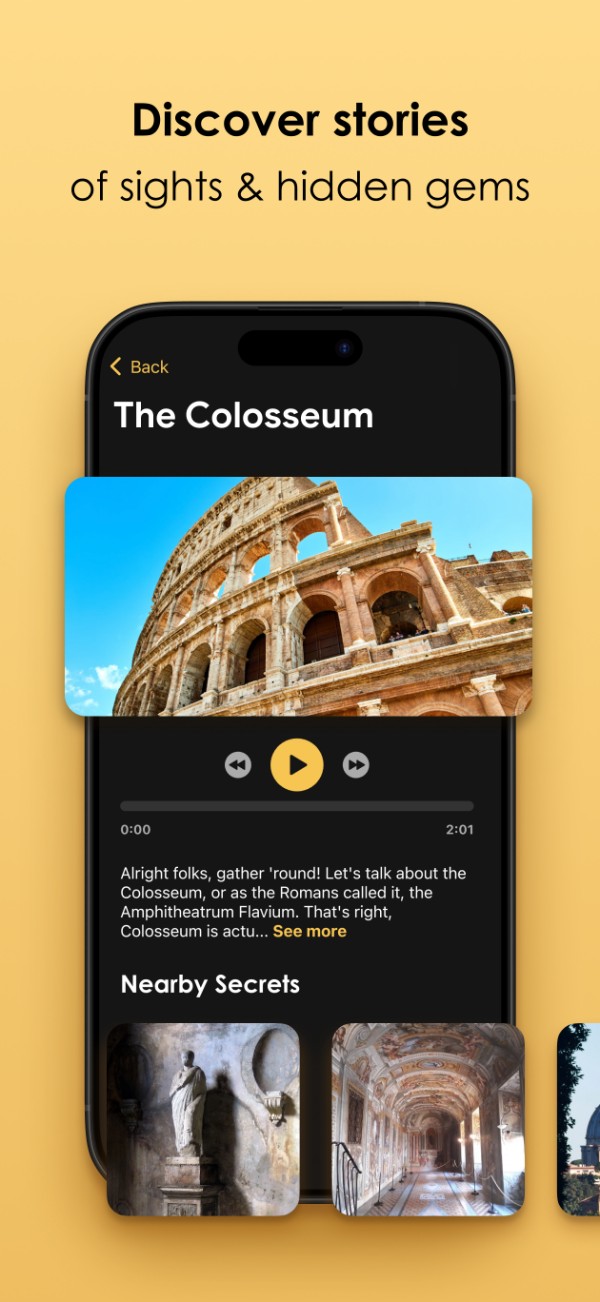
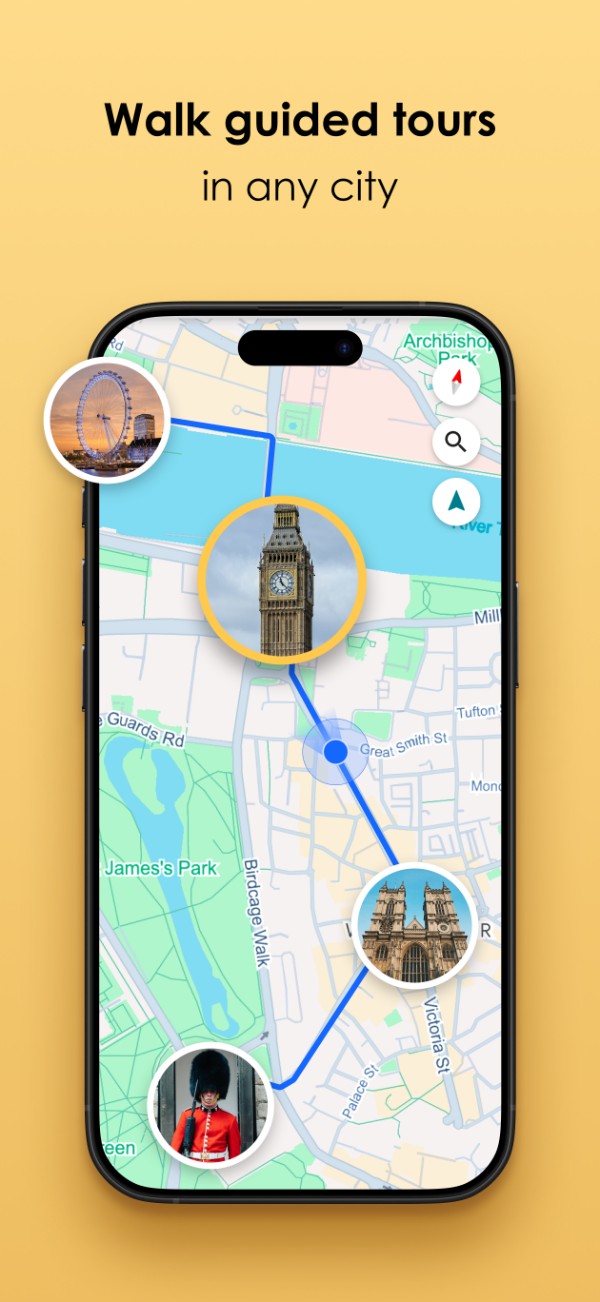
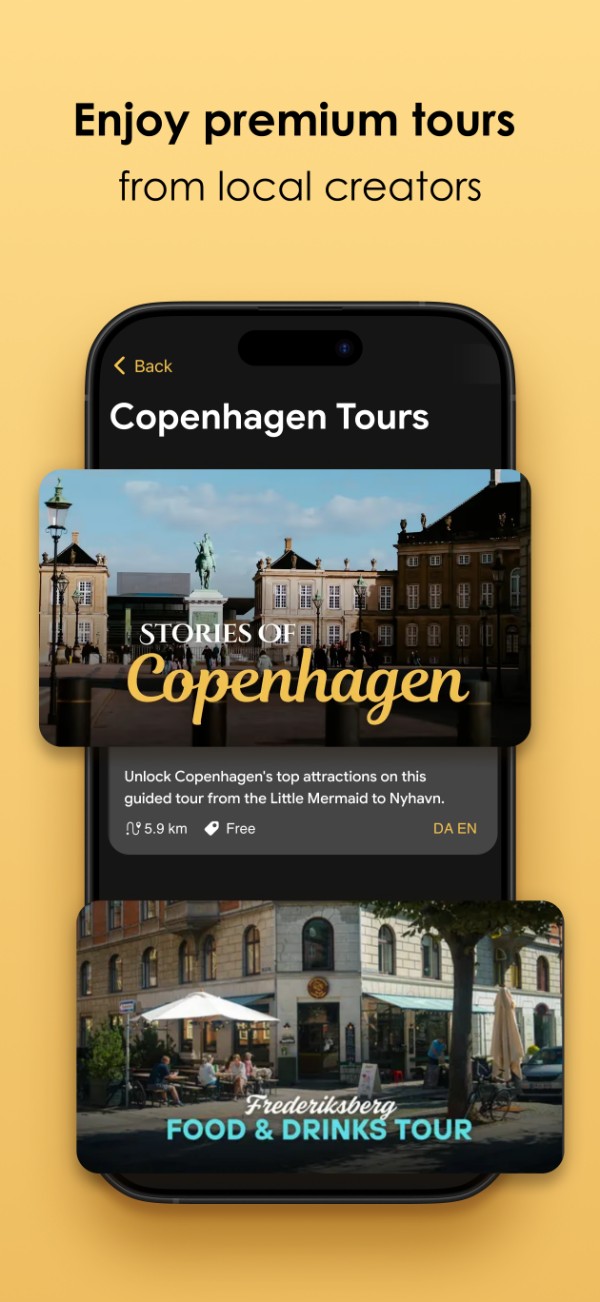
| | Explore Bruges with the new StoryHunt app | Now you can get tailored tours anywhere in the world 🌍
We've launched the new StoryHunt app, and we're so excited for you to try it!
It has a lot more features, a cool interactive map, and everything you need to explore the world in a new, exciting way. | | |
| | |
|
|---|
|
|
| |  | It feels like you’re transported back in times, when you walk the historic streets of Bruges.
In the Middle Ages, the city was one of Europe’s major commercial capitals, and it gained huge amounts of wealth from trade.
Wealth that shaped the merchant houses, squares and churches that still define the city today.
Just take the Belfry, for instance. It’s the great medieval bell tower in the centre of Bruges, and if you climb the 366 steps, you get a sense of how much treasure was stored on each floor. | | |
|
|
|---|
|
|
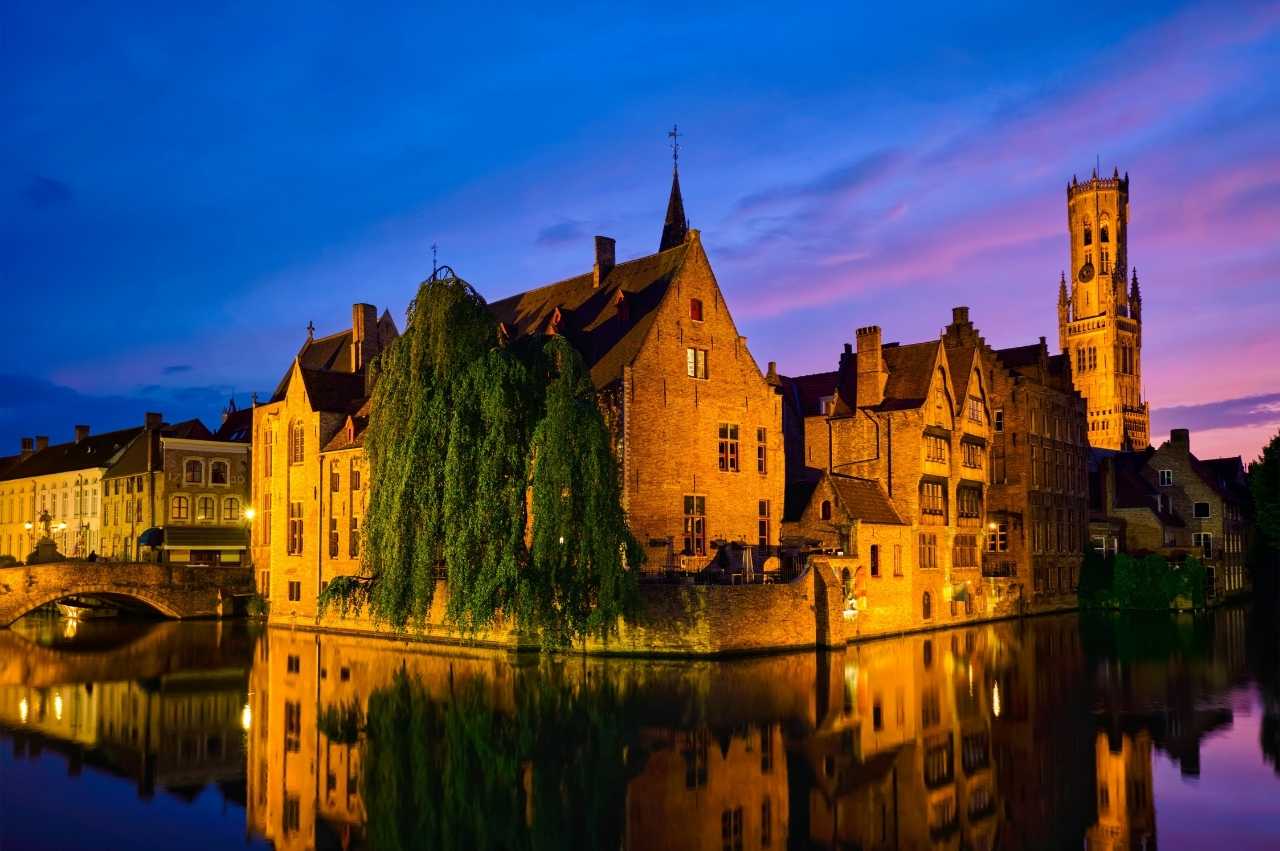
| |  | If you want a darker and stranger corner of Bruges, seek out Smedenpoort - one of the city’s surviving medieval gates.
Look closely above the arch and you will spot something… grim.
A bronze skull is fixed to the wall.
It’s a replica of the skull of a statesman, who was executed in 1691 after he allegedly conspired with French forces to help them enter Bruges through this very gate.
He was punished, and his head was displayed here as a warning. | | |
|
|
|---|
|
|
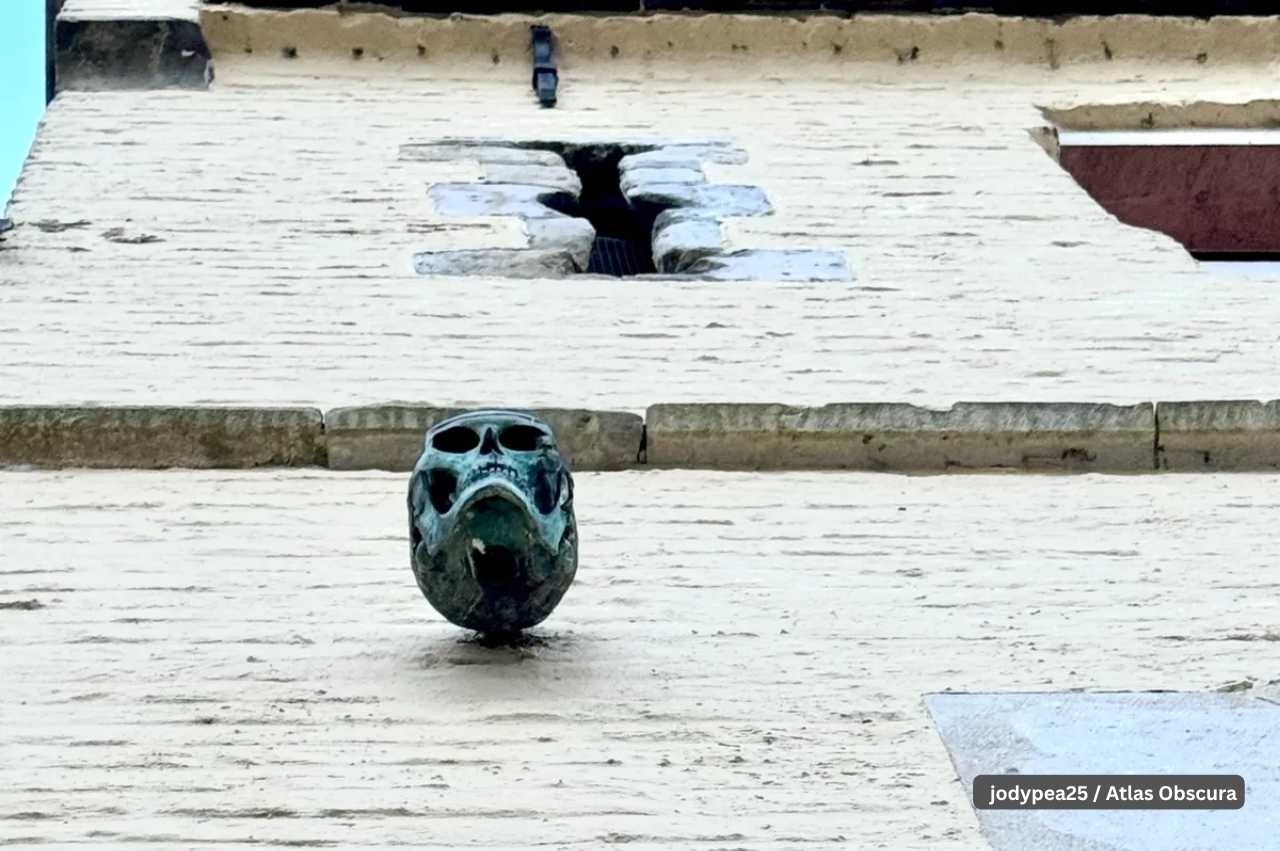
| | 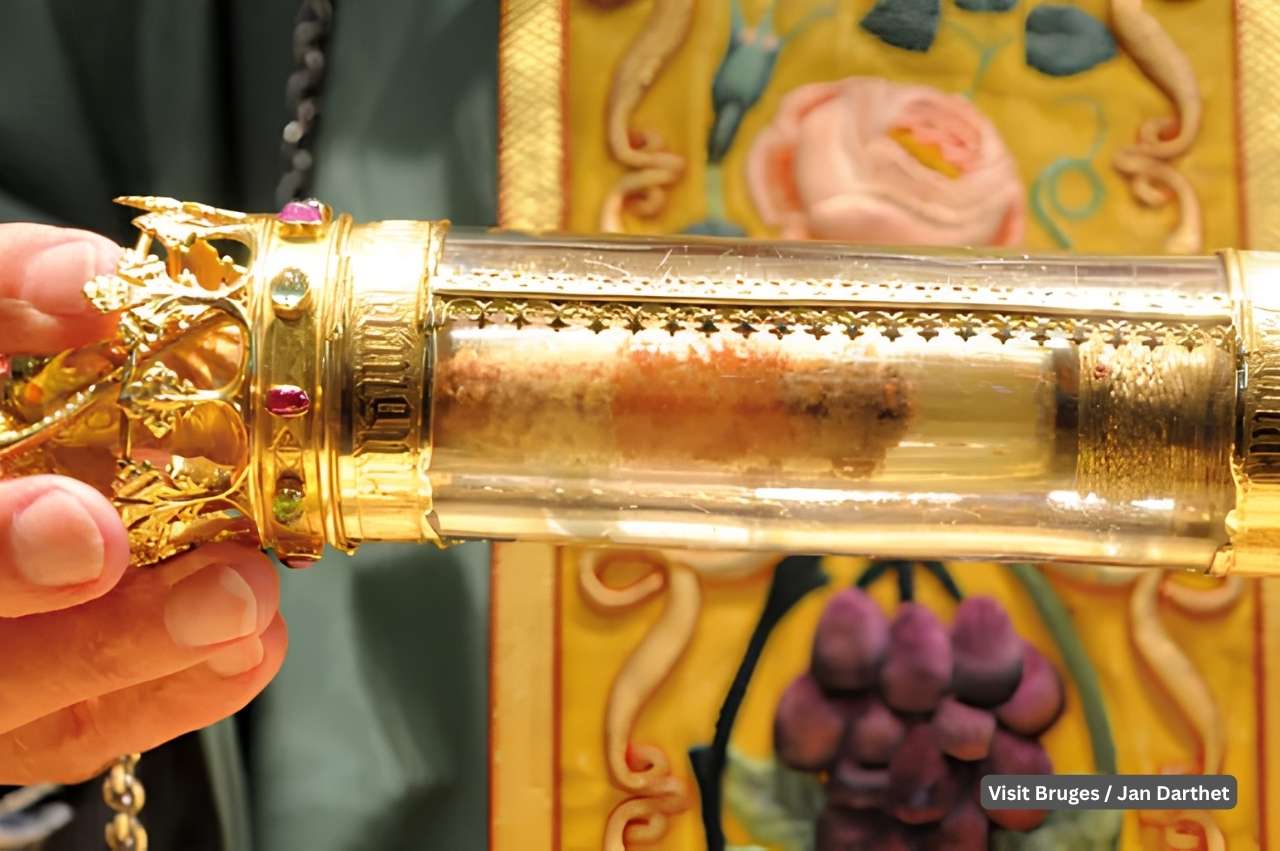 | There’s a reason why the holy building is called “Basilica of the Holy Blood”. It’s simple, really.
It contains the blood of Christ.
Legend says it was brought back in a small relic from the Holy Land by a count of Flanders. (though modern historians strongly doubt that version)
Either way, the relic is still displayed today, and during the annual Procession, the relic is carried by clergy and guarded by the Noble Brotherhood of the Holy Blood.
It’s one of Bruges’ strangest and most powerful links to its medieval past. | | |
|
|
|---|
|
|
The Trendy Traveler Tip |  | In Bruges, do not settle for fries as a side dish.
Instead, go straight to Frietmuseum, the self-proclaimed world’s only museum dedicated entirely to fries, and lean fully into one of Belgium’s great obsessions.
Inside, the museum traces the story of the potato from Peru to the paper cone of Belgian frites, with quirky displays and potato memorabilia along the way.
Then comes the real point: head down to the cellar café and reward your cultural efforts with a cone of Belgian fries. | | |
|
|
|---|
|
|
| |  | | |
| Flæsketorvet 28, 1711, Copenhagen |
| | | | |
|
|
|---|
|
|
|