
.webp)



TLDR: Step into the Fitzwilliam Museum for free and immerse yourself in world-class art and antiquities, from ancient sarcophagi to Monet, all housed in a stunning Cambridge landmark built from a generous 19th-century bequest.
Recently, I found myself wandering through the grand halls of Cambridge, and one stop truly stood out: the Fitzwilliam Museum. If you're planning a trip to this historic city, or even if you just enjoy exploring impressive collections, this place absolutely deserves your attention.
Forget dusty, overwhelming museums; the Fitzwilliam offers a surprisingly intimate yet vast journey through art and history. I’ll share my firsthand impressions, which will help you navigate its treasures and decide if it's the right addition to your itinerary.
What is the story behind Fitzwilliam Museum?

When you step inside, I couldn't help but feel the weight of history that led to this grand institution. This is the lasting legacy of Richard Fitzwilliam, the 7th Viscount of Merrion. Back in 1816, this Cambridge alumnus bequeathed his entire personal collection of art and rare books, along with a significant £100,000, to fund what he envisioned as a substantial museum for the university.
It took a while - the neoclassical "Founder's Building", which you see today, finally opened its doors in 1848 - but his vision created a public space where art and learning could flourish. It’s a story of extraordinary generosity that continues to shape visitors' experiences today, laying the groundwork for the diverse collections you'll discover inside.
What is Fitzwilliam Museum famous for?
Building on that generous foundation, the Fitzwilliam Museum has grown into a globally recognized institution, housing over half a million objects. It’s truly one of the United Kingdom's premier museums.
What struck me most was its incredible range: you can find famous European paintings by artists like Monet, Picasso, and Rembrandt sharing space with an astonishing collection of Egyptian antiquities, including a seven-ton sarcophagus lid from Ramesses III.
Beyond these major highlights, the museum also holds intricate armour, unique musical manuscripts, and even rare literary autographs. It’s this unexpected blend of art and artifacts from every corner of the globe that gives the Fitzwilliam its unique appeal.
What to see at the Fitzwilliam Museum Cambridge?
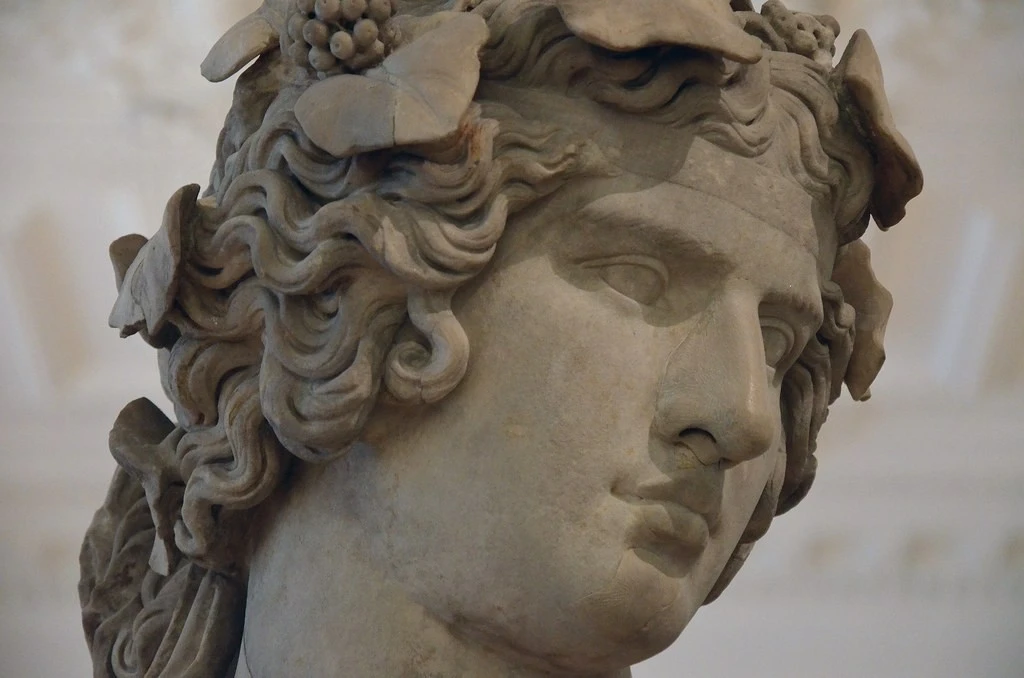
During my visit, certain pieces really caught my eye. Of course, the paintings by masters such as Van Gogh and Cézanne are captivating, but look for Ford Madox Brown's "The Last of England" – it's a powerful work that genuinely moves you.
Beyond the canvases, I was drawn to the imposing winged bas-relief from Nimrud, which immediately transports you to another era. And yes, the colossal seven-ton sarcophagus lid of Ramesses III is as impressive as it sounds, dominating the Egyptian galleries.
Don't forget to seek out the displays of ornate armor and the surprisingly detailed watches. Plus, literary buffs will appreciate seeing original manuscripts by figures like Keats and Virginia Woolf.
The sheer variety ensures there’s always something new to discover around each corner.
Is the Fitzwilliam Museum free to enter?
Here's some great news for any traveller: yes, general admission to the Fitzwilliam Museum is completely free. This was a pleasant surprise during my trip, making it an incredibly accessible cultural experience.
The University of Cambridge, which oversees the museum, ensures these extensive collections are open to everyone without charge. While there might be a fee for specific, temporary special exhibitions, you can always enjoy the main galleries and their half-million objects without spending a penny.
Can I go on a guided tour at the Fitzwilliam Museum?
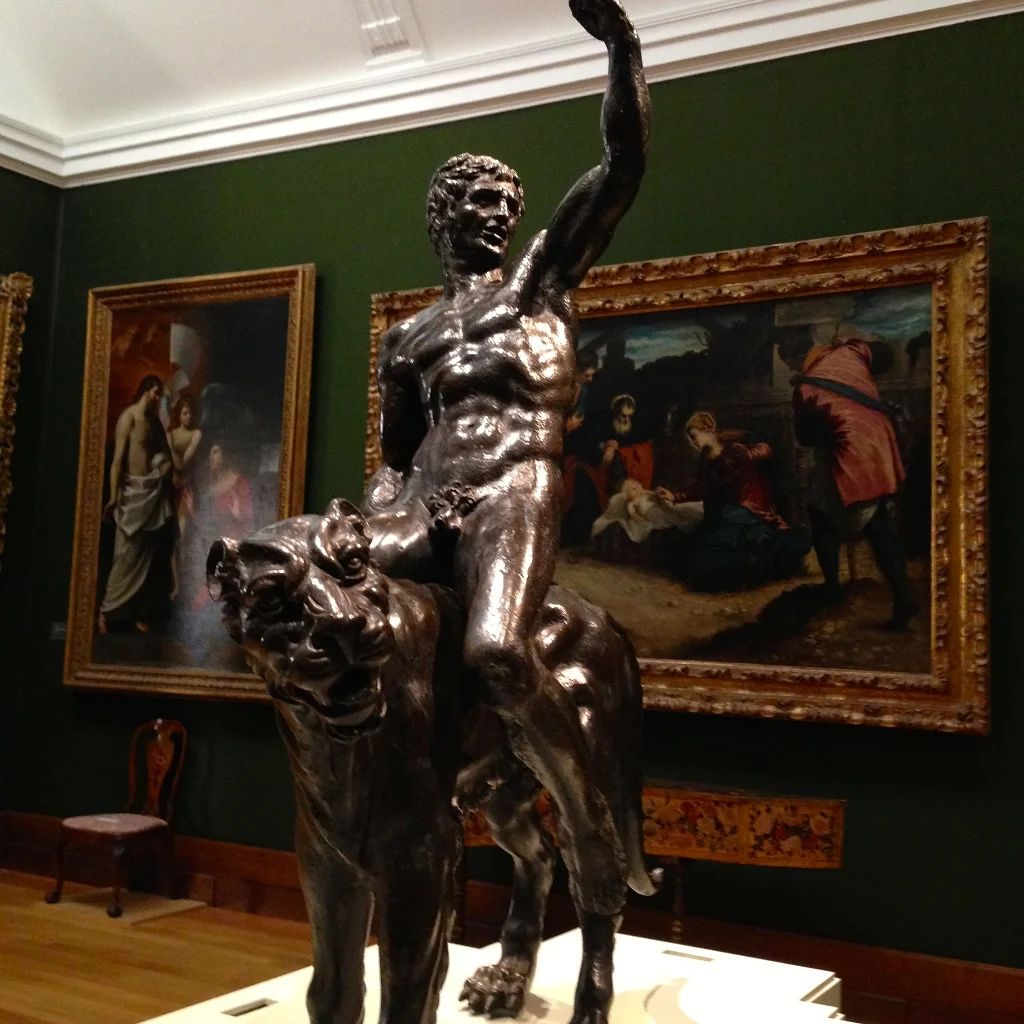
If you prefer to have an expert lead the way through the collections, you're in luck! The Fitzwilliam Museum does offer guided tours. I noticed these typically run for about 90 minutes and are designed to highlight key artworks and artifacts, giving you deeper context and stories.
Often, Cambridge University students or local docents lead these, and they keep group sizes small, which really allows for interaction and questions. For smaller groups, booking ahead usually isn't required, but if you're with a larger party, it’s a good idea to contact their events team in advance.
A guided tour can be a fantastic way to grasp the significance of objects like the skull-shaped Verge watch or a Keats manuscript, which you might otherwise just pass by.
Who was Fitzwilliam Cambridge?
It's easy to enjoy the museum without knowing much about its namesake, but understanding who Fitzwilliam was adds another layer to your visit.
Richard FitzWilliam, the 7th Viscount of Merrion, was an Anglo-Irish nobleman and an alumnus of Trinity Hall, Cambridge. He was a passionate collector of art, books, and manuscripts throughout his life. When he passed away in 1816, he left his enormous collection, including 144 paintings and over 40,000 prints, along with £100,000, to the University.
His belief that the university needed its own museum was so strong that he ensured its creation, even if it took 32 years after his death for the building to open. It’s a remarkable story of how one person’s passion can create an enduring cultural institution for centuries.
Is the Fitzwilliam Museum worth visiting?
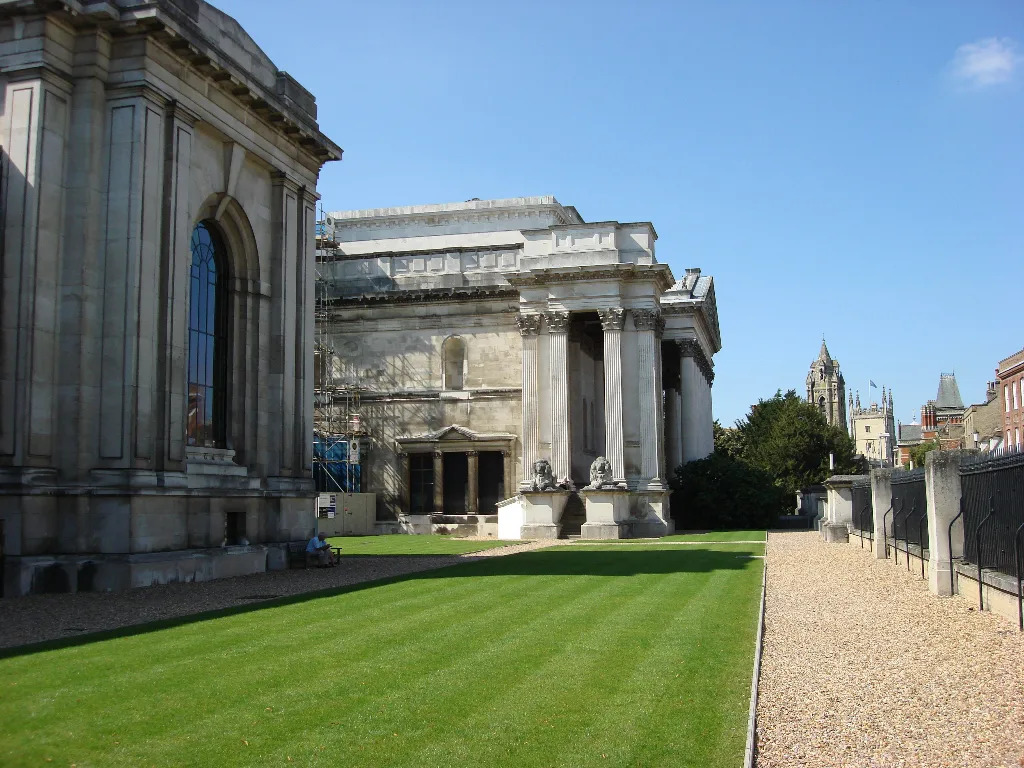
Absolutely, without a doubt, the Fitzwilliam Museum is worth your time. From my experience, it truly lives up to its reputation as one of Europe's finest smaller museums. With free entry and a diverse collection spanning continents and eras, it offers an incredible journey.
You'll encounter works by masters like Rubens and Titian, ancient Egyptian artifacts, medieval armor, and even unique items like coins from Ögedei, Genghis Khan's son, once used like modern-day "strapped for cash" phrases suggest. The building itself, grand and palace-like, is a visual treat.
What I particularly appreciated was its manageable size; you can explore a vast array of objects without feeling overwhelmed, making it a truly rewarding stop on your Cambridge itinerary.
What else can I do in Cambridge?
After soaking up the art and history at the Fitzwilliam, Cambridge still has so much to offer.
- I'd highly recommend a traditional punting tour on the River Cam; seeing the university's famous "Backs" and bridges like the Bridge of Sighs from the water is a unique perspective.
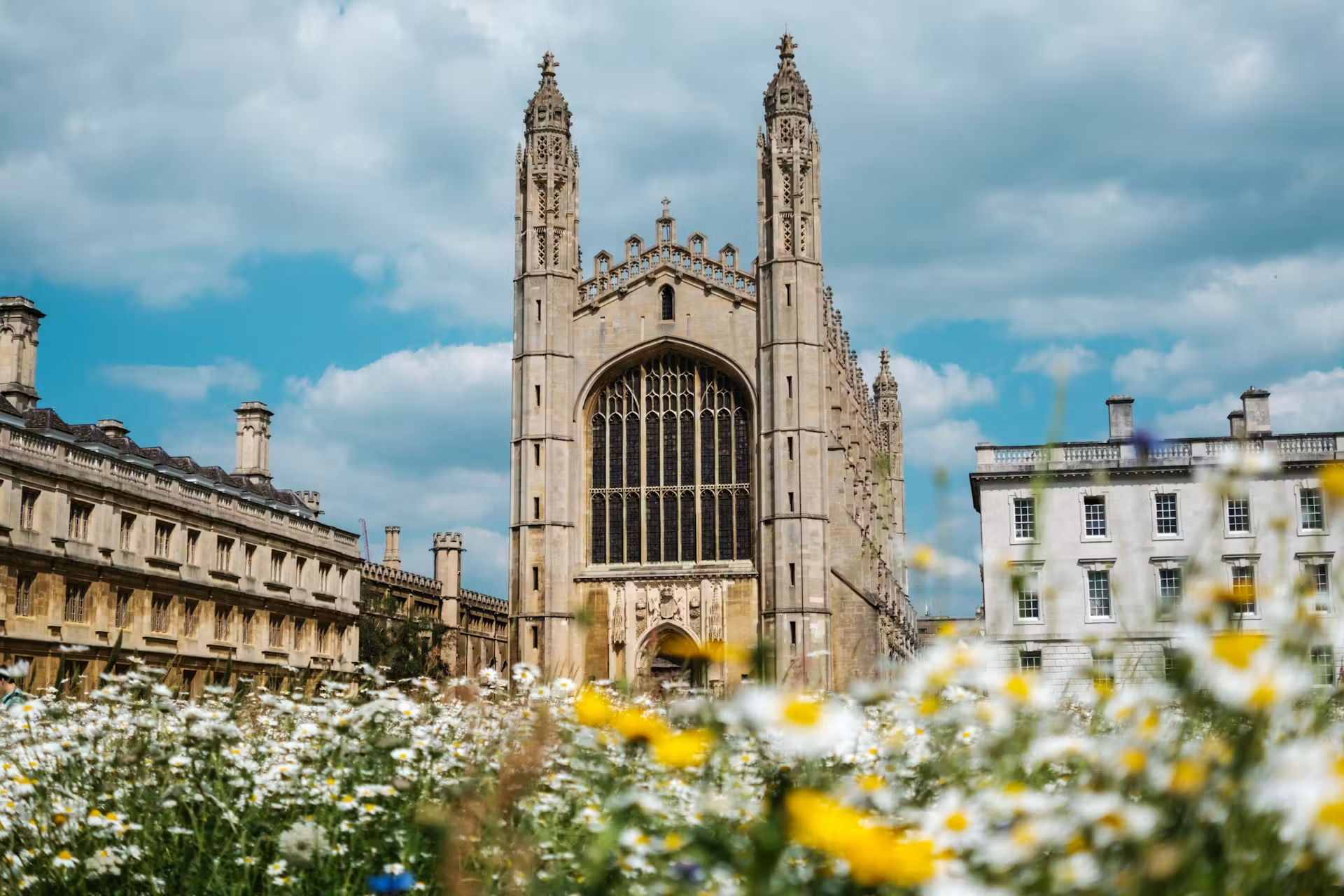
- Don't miss the awe-inspiring King's College Chapel with its incredible fan-vaulted ceiling.
- If you're keen for more museum experiences, the Whipple Museum of the History of Science is fascinating, or explore global cultures at the Museum of Archaeology & Anthropology.
- For a truly individual art experience, Kettle's Yard House and Gallery presents modern art in a charming home setting.
- And for something a bit quirky, find the Corpus Clock with its time-eating Chronophage insect.
To get an overview of the city, including both top attractions and hidden gems, download the StoryHunt app for free, which acts as your personal guide with engaging audio stories.

.avif)


