.webp)
.avif)

What do people notice when they explore a city? Which places catch their attention, and which routes do they take?
Through CULTIGEN, StoryHunt connects location-based storytelling with the Urban Listening Toolkit (ULT). People use the app to discover stories, explore neighbourhoods and contribute photos. Photos and movement patterns from a configured area are shared with the ULT dashboard, providing material for partners’ urban listening work.
The integration is active in Copenhagen and can be configured for other destinations.
Stories as a starting point
StoryHunt helps people discover the stories around them. The app researches stories automatically, translates them into more than 170 languages and connects them into personalised tours. Users can explore individual stories or follow curated audio guides.
Within CULTIGEN, the work began with three neighbourhood guides for Gl. Sydhavn, Carlsberg Byen and Nordhavn. The aim was to encourage people to explore beyond Copenhagen’s city centre through local stories.
The ULT integration builds on this experience, connecting exploration with opportunities to learn about how people encounter a place.
From exploration to contributions
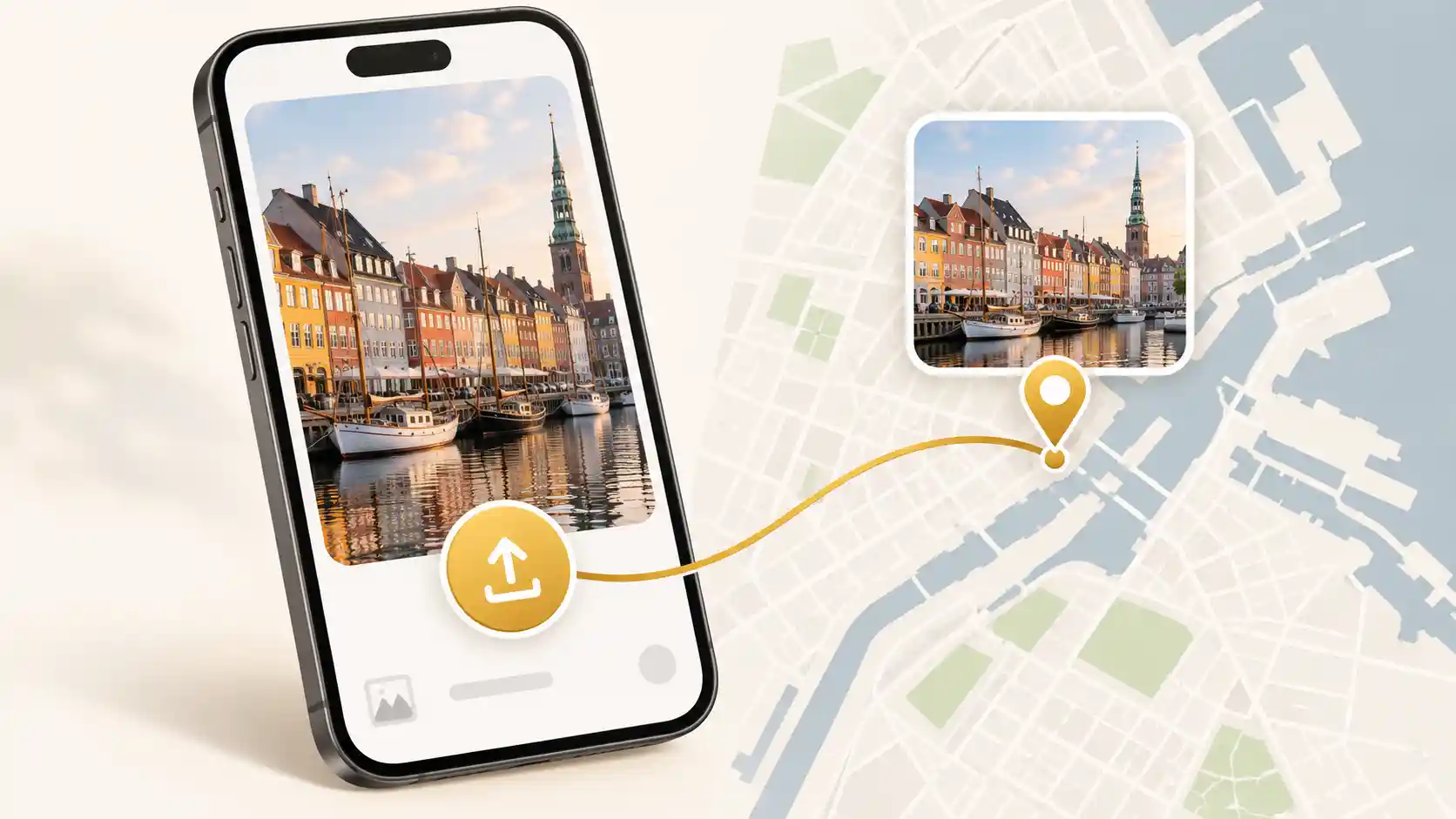
Residents and visitors can upload photos while using StoryHunt, whether they are following a neighbourhood guide or exploring individual stories.
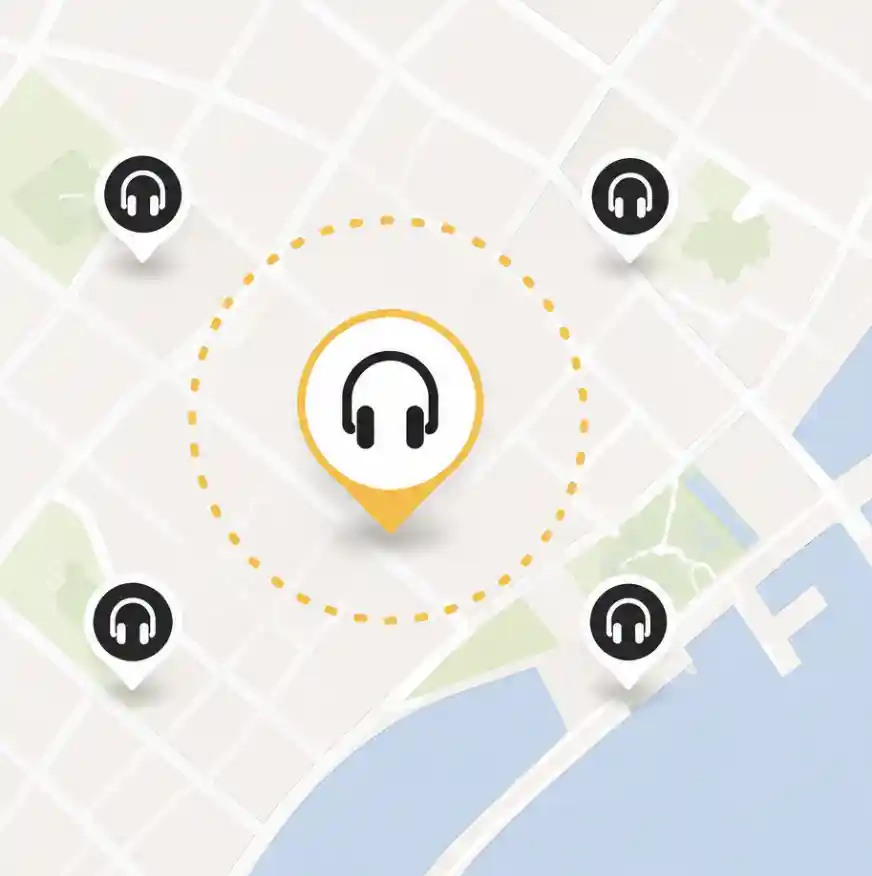
The integration is configured for each partner or destination. A geographical radius determines which contributions are forwarded to the ULT dashboard.
For example, someone exploring a harbour might photograph a public space that catches their attention. If the contribution is within the configured area, it is automatically added to ULT.
Movement patterns provide another perspective by showing the routes users take through the city. Viewed alongside photo contributions, they allow partners to explore both where people go and what they choose to share.
What can partners learn?
Photos and routes offer different starting points for investigation. Partners might explore questions such as:
- Which places attract photo contributions?
- How do people move between different parts of a neighbourhood?
- What perspectives emerge from the places people choose to photograph?
These contributions are one source of evidence. They reflect participating users and should be considered alongside local knowledge, dialogue and other research. A photo alone does not explain why someone took it, just as a route does not explain every decision made along the way.
The role of the integration is to make this material available for urban listening and further discussion.
Setting up the integration in another destination
The setup begins with defining the destination’s area and configuring its connection to ULT. Partners can then introduce the experience to residents and visitors and encourage participation.
Existing StoryHunt stories provide a starting point, so creating new audio guides is not a prerequisite. Local teams can focus first on what they want to learn, whom they want to reach and how contributions will inform their work.
Where a curated experience is useful, partners can also create their own tours through StoryHunt Creator or work with StoryHunt on a Premium tour. Both guided tours and individual stories can connect to the ULT integration.
Further information is available on our page for destinations and DMOs.
What we have learned so far
The Copenhagen work expanded from three defined neighbourhood routes into a broader connection between storytelling and urban listening.
One lesson is to consider these elements together from the beginning: what gives people a reason to explore, what they are invited to contribute and what partners hope to learn.
For another destination, a useful starting point is one neighbourhood, a clear learning question and collaboration with local partners and users before expanding.
To discuss the integration in your own context, contact StoryHunt.
.avif)


