
.webp)


TLDR: Braga's Arco da Porta Nova is an iconic 18th-century gateway, blending Baroque and Neoclassical styles. It's famous for having no doors, symbolizing the city's open, welcoming spirit, and serves as a free starting point for exploring Braga's historic core.
Recently, I found myself wandering through the ancient streets of Braga, Portugal, and like so many before me, my journey began at the magnificent Arco da Porta Nova. It's a silent storyteller that immediately immerses you in the city's unique charm.
If you're planning a trip to Braga and want to truly understand its heart, stick around. I'll share what I saw, heard, and felt at this iconic landmark, and I offer practical insights to help you make the most of your visit.
What is the story behind Arco da Porta Nova?

When you stepp through the Arco da Porta Nova, you're quite literally walking through centuries. This site has guarded Braga since medieval times, with the first city gate appearing here in 1373 under King Ferdinand I as a part of the city's original defenses.
What you experience today, however, is largely the grand 18th-century redesign. Archbishop Gaspar de Bragança commissioned André Soares, a renowned architect, to create this masterpiece. It beautifully merges opulent Baroque elements with a more restrained Neoclassical touch, and it reflects Braga's evolving identity.
Interestingly, this arch was famously built without a door, and it gave rise to the popular Portuguese saying, "És de Braga, não fechas as portas" – "Are you from Braga? Don't close your doors". It’s a playful nod to Braga's enduring hospitality and the city's open, welcoming spirit - a feeling you immediately sense as you pass through.
Historically, it also served as the ceremonial entrance, where the keys to Braga were presented to visiting dignitaries.
Why is Arco da Porta Nova famous?
The Arco da Porta Nova's fame stems from several unique aspects, which starts with its role as the historic ceremonial gateway to Braga's old center. It stands as a majestic triumphal arch, and it was the primary entrance for centuries.
Its architectural distinctiveness, designed by André Soares in the late 18th century, also makes it noteworthy. You'll notice a striking difference between its elaborate western façade and the more subdued Neoclassical style on its eastern side, which is a visual treat. What truly sets it apart, though, is its symbolic "no door" construction, which was a gesture of enduring peace and openness that inspired the well-known Portuguese idiom, "És de Braga?".
For travelers like us, it’s practically famous as the perfect starting point to delve into Braga’s rich historic heart, and it leads directly to charming pedestrian streets and significant landmarks.
What style is Arco da Porta Nova?

The arch you see today showcases a captivating architectural duality. As I walked around it, I could clearly distinguish the two main styles.
The western façade, which faces away from the historic center, boasts a rich, ornate Baroque design, which is typical of the 18th century. Think intricate carvings and a sense of grandeur. In contrast, the eastern façade, which you pass under as you enter the old city, presents a more understated Neoclassical look.
This deliberate blend by architect André Soares creates an intriguing visual experience. This design choice makes the arch a detailed piece of art that tells a story of evolving tastes and Braga's historical significance. The way the light catches these different details changes throughout the day, and it invites you to pause and look closely.
Can I go up Arco da Porta Nova?
While the Arco da Porta Nova is certainly magnificent to walk through, I found that you can't actually go up or inside the structure itself. It functions purely as a majestic pedestrian gateway, always open, 24 hours a day, and completely free to experience.
As you pass beneath its archway, take a moment to look up and appreciate the intricate details. You'll spot the coat of arms of Archbishop Gaspar de Bragança and a niche housing an image of Our Lady of Nazareth, which are subtle historical markers that are easily missed if you rush. The cool stone beneath the arch and the sounds of the city beyond emphasize its role as a welcoming passage, rather than a climbable monument.
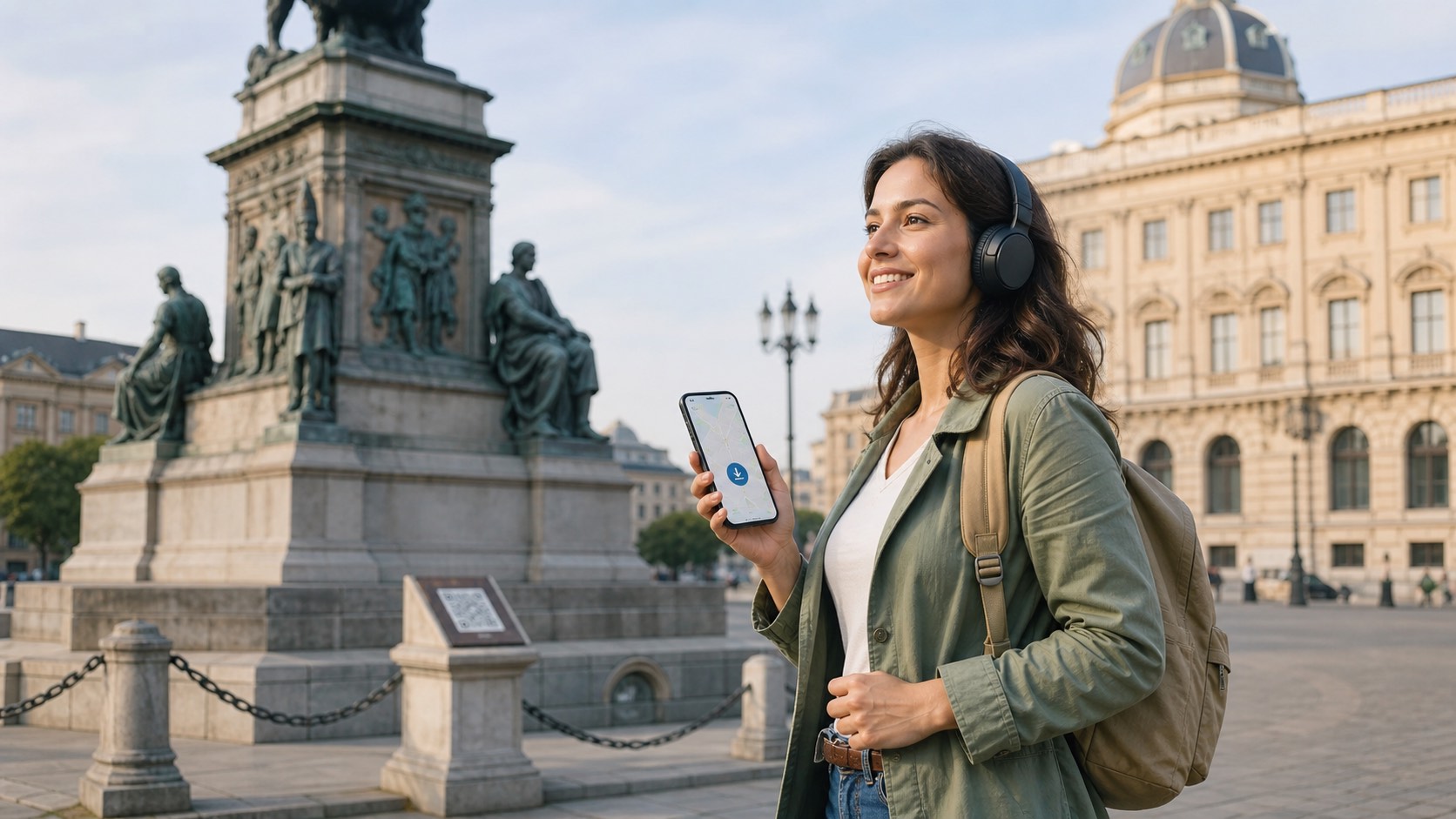
To truly appreciate these intricate details and the stories they hold, consider using an audio guide like StoryHunt; it can provide context right as you're standing there.
Is Braga the oldest city in Portugal?

Braga carries a deep sense of antiquity, and while many proudly declare it Portugal's oldest city as it boasts over 2,000 years of history, I learned that Évora also lays a strong claim to that title. What's undisputed is Braga's Roman foundation as "Bracara Augusta", and it was established between 14 BC and 20 BC. The city celebrates this heritage annually with the vibrant "Braga Romana" event, which transports you back to its ancient past.
The city is known as the "Portuguese Rome", and it holds immense religious significance, as it is home to Portugal's oldest archdiocese and the nation's oldest cathedral, the Sé Cathedral. Arco da Porta Nova, with its legendary "no door" idiom, further embodies Braga's unique historical character.
Despite its ancient roots, I also felt the pulse of a youthful, energetic city, especially after it was named European Youth Capital in 2012. This blend of old and new is truly captivating.
Is it worth visiting Arco da Porta Nova?

After walking through it myself, I'd say visiting Arco da Porta Nova is definitely worth your time, but your enjoyment depends on what you're looking for.
It's a visually striking landmark, that showcases that unique blend of ornate Baroque and more restrained Neoclassical styles on its distinct facades. This architectural detail is fascinating for anyone with an eye for design. It symbolizes Braga's open, welcoming spirit, and it also serves as the perfect, free starting point for exploring Braga’s pedestrianized historic center.
However, keep in mind it’s an arch, not a sprawling museum. You'll likely spend about 5-15 minutes there. If you prefer highly interactive attractions or grand-scale monuments you can climb, it might feel brief.
I recommend visiting in spring or fall for pleasant weather, or early morning/late afternoon to avoid crowds and get beautiful light for photos. For history buffs and architecture enthusiasts, it’s a must-see. If you’re unsure how to prioritize Braga’s many attractions, StoryHunt offers guided tours that helps you understand the significance of sites like the arch within your overall itinerary.
What else can I do in Braga?
Starting your exploration at the Arco da Porta Nova sets you up perfectly for discovering Braga's treasures. Just beyond the arch, you'll find yourself on Rua do Souto, a bustling pedestrian street lined with shops and cafes, leading you deeper into the city. From there, I highly recommend checking out these spots:
- Braga Cathedral (Sé de Braga): A short walk away, this is Portugal's oldest cathedral, a blend of Romanesque, Gothic, and Baroque architecture. Its ancient stones tell centuries of stories.
- Jardim de Santa Bárbara: Adjacent to the Archbishop's Palace, this vibrant garden offers a peaceful escape. The colorful flowerbeds set against medieval arches are incredibly picturesque.
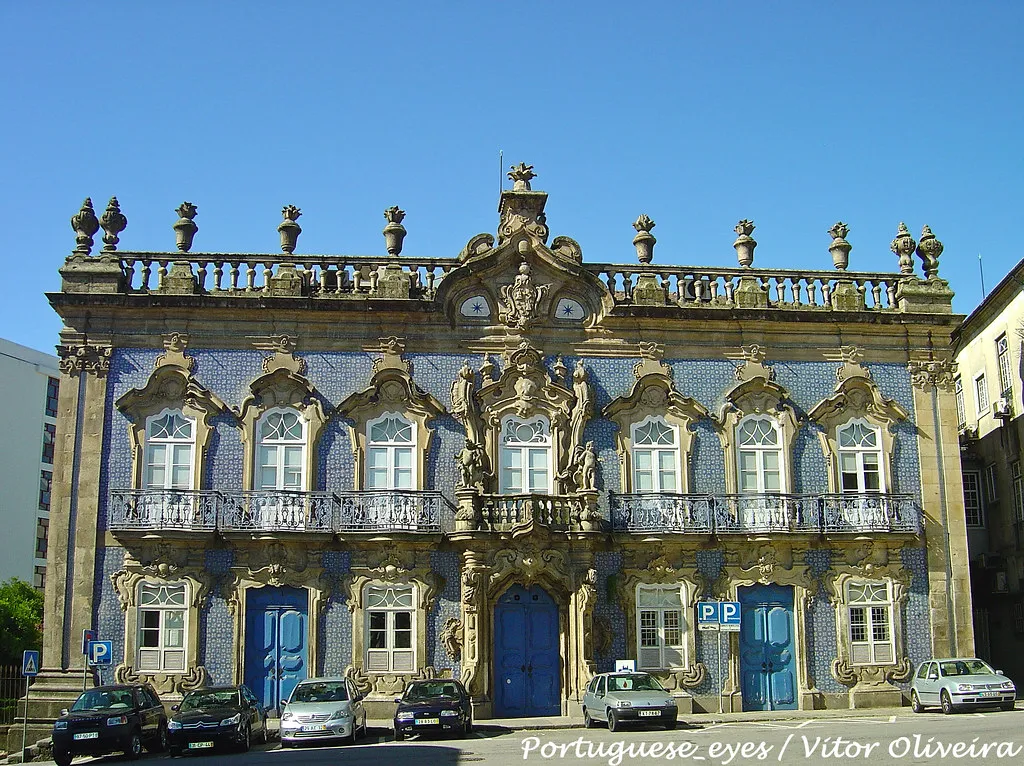
- Palácio do Raio: Don't miss this stunning 18th-century palace, known for its distinctive blue tiled façade. It was also designed by André Soares, the architect of our arch.
- Biscainhos Museum: A true hidden gem, this palatial home provides a fascinating glimpse into Portuguese noble life with its period furnishings and beautiful baroque gardens.
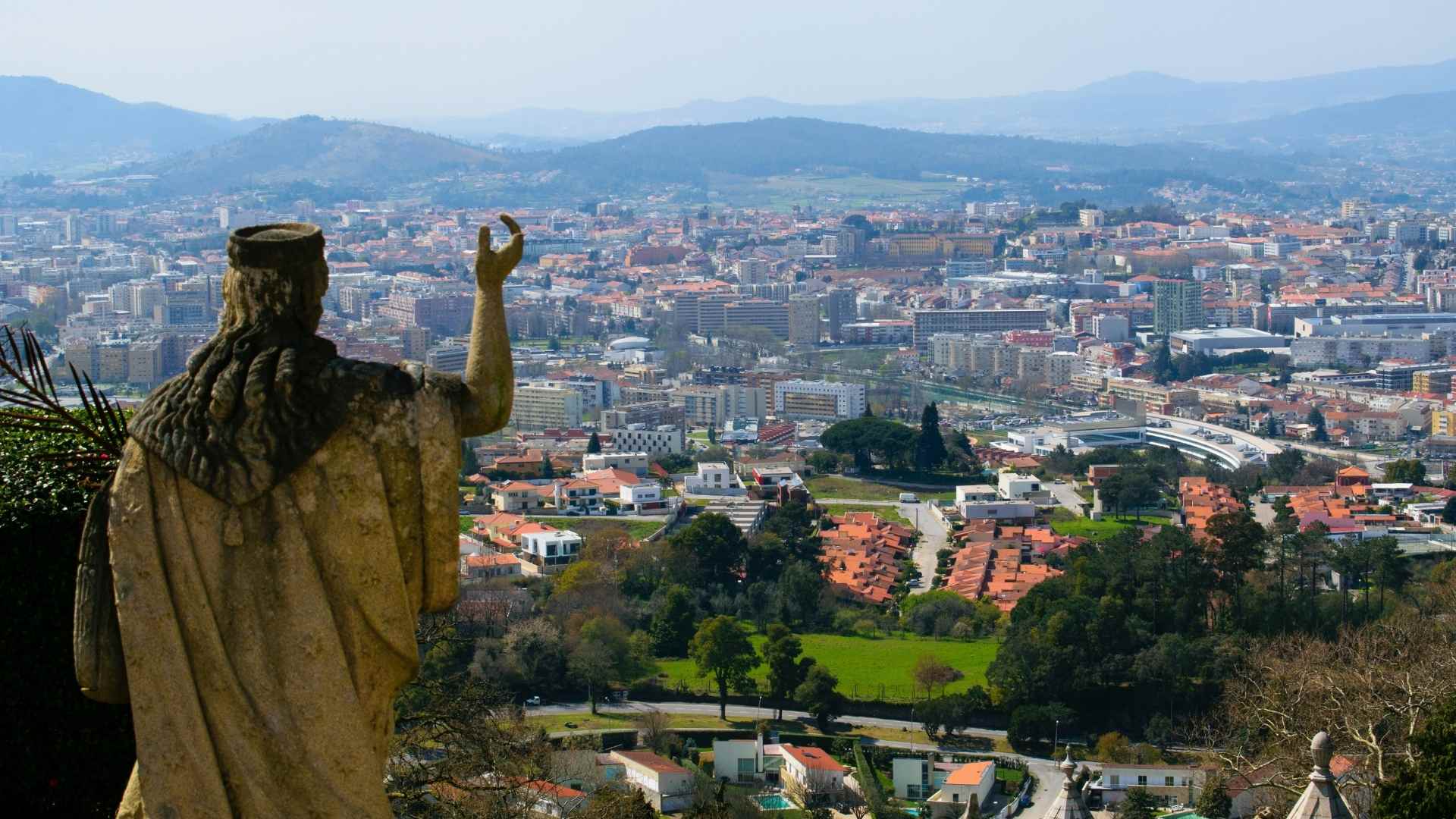
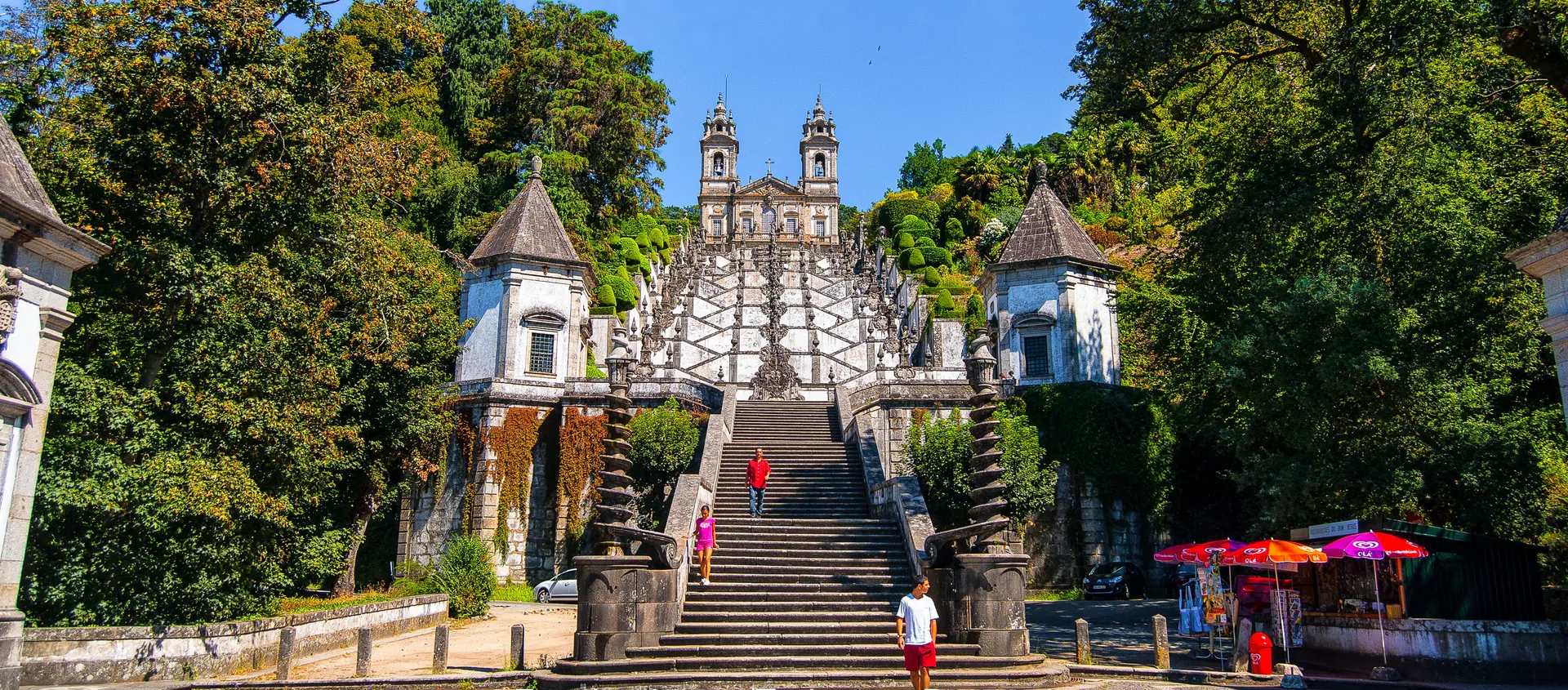
- Bom Jesus do Monte: A bit outside the city center, but absolutely worth the short trip. Climb its iconic Baroque staircase for a symbolic journey, or take the historic funicular for breathtaking panoramic views of Braga.
You can also read our full guide to all the top attractions in Braga, or our guide to everything you need to know when visiting Braga.
To truly immerse yourself in Braga's rich history and uncover its many secrets, StoryHunt can be an invaluable companion. It acts as your personal audio guide, offering self-guided tours that reveal the legends and facts behind both the major attractions and charming hidden corners throughout the city, all at your own pace. Download StoryHunt for Android and iOS here.


.jpg)

.avif)


