
.webp)


TLDR: The Roman Maximinus Thermae in Braga offers a compact, affordable, and historically rich archaeological site. Explore impressive ancient foundations, ingenious heating systems, and imagine a vibrant social hub - a practical glimpse into Roman life, though no actual bathing is involved!
As I have just wandered through the ancient streets of Braga, I can tell you it's a city steeped in layers of history, with its Roman past vividly alive beneath the surface. One of the most intriguing places I explored was the Roman Thermae of Maximinus, which is a site that truly transports you back to the days of Bracara Augusta.
If you're wondering what it's like to step into a Roman bathhouse that's been silent for centuries, or if it’s even worth your time, you've come to the right place. I’ll share my firsthand impressions, offer practical tips, and tell you exactly what to expect from this remarkable piece of Portugal's past.
What is the story behind Roman Thermae of Maximinus?

When you walk through the Maximinus Thermae, you can almost hear the echoes of ancient footsteps. They're a window into a bustling Roman social hub which was built in the late 1st century BCE. Imagine citizens of Bracara Augusta, the Roman provincial capital, gathering here not just to get clean, but to relax, exercise, and share the day’s gossip.
Initially, the complex was quite grand, and it even featured an adjacent theatre. Over the centuries, things changed - I could see evidence of later modifications, like when Emperor Diocletian’s remodel in the late 3rd century reduced its size. It’s wild to think that by the 4th century, the theatre stones were even repurposed for city walls, which shows a resourceful but ultimately fading era before the baths were abandoned in the 5th century.
Modern excavations that started in 1977 have peeled back the earth to reveal the intricate heating systems and the distinct layouts of the frigidarium (cold), tepidarium (warm), and caldarium (hot) rooms, which maked it incredibly fascinating.
What are the Roman ruins in Braga?
Braga, or Bracara Augusta as the Romans knew it from 16 BC, is absolutely brimming with Roman heritage. The Maximinus Thermae, which is sometimes called Termas Romanas de Maximinos or Alto da Cividade, really stand out.
As I moved through the site, I felt a connection to the daily life of ancient Romans. These baths, which were built in the late 1st century BCE, were a central meeting point, and it’s said they’re the largest Roman baths found on the Iberian Peninsula!
But the city's Roman presence isn't limited to the baths:
- Near the cathedral, you can find remnants of the Roman Theatre of Bracara Augusta, which once seated thousands for performances.
- Then there’s the unique Fonte do Ídolo, a carved pagan sanctuary that gives you a glimpse into Roman religious practices.
- You’ll even discover Roman foundations integrated into modern buildings, and I was surprised to learn that some Roman remains, like an oven and steam room, are preserved right within the train station.
It really shows how deeply Roman history is woven into Braga.
Can you still bathe in the Roman Baths?

No, I'm afraid the days of a leisurely dip in the Maximinus Thermae are long gone. While the thought is certainly appealing, these Roman baths are now purely an archaeological site. It’s an excavated public complex, which is preserved so you and I can explore and better understand ancient Roman life, not participate in it.
Imagine stepping back in time; this was a vibrant social hub with dressing areas, cold and warm pools, and even a gymnasium. It functioned until the 5th century, but now what remains are the impressive structural elements. You can clearly see the remnants of the sophisticated hypocaust heating system, which warmed the floors and water.
While you can't feel the ancient water, sometimes virtual reality experiences are offered,which allows you to visualize the baths in their original grandeur. The complex still isn't fully excavated, so it feels like there are more mysteries waiting to be uncovered right before your eyes.
Why is Braga called the Rome of Portugal?
As I explored Braga, it quickly became clear why it earns the nickname "Rome of Portugal". It’s deeply rooted in the city's past and present.
The Romans established Bracara Augusta in 16 BCE and transformed it into a vital administrative and economic powerhouse, much like its Italian namesake. You can see the evidence in places like the Maximinus Thermae, which was a monumental part of their urban planning and infrastructure, alongside aqueducts and a forum.
Beyond its Roman origins, Braga's religious significance is profound. It hosts Portugal's oldest archdiocese, and you’ll find an incredible concentration of churches, cathedrals, and sanctuaries, which is often built upon those very Roman foundations. I learned that Archbishop Dom Diogo de Sousa, inspired by Rome, even redesigned much of the city in the 16th century, and he added more squares and churches and solidifying its reputation as a major religious centre.
How do I visit the Roman Thermae of Maximinus in Braga?

Visiting the Roman Thermae of Maximinus, officially known as Termas Romanas do Alto da Cividade, is straightforward. You’ll find it conveniently located on Rua Dr. Rocha Peixoto, right in the heart of Braga. As you enter, you can easily trace the exposed foundations and wall sections.
Look closely for the intricate hypocaust systems – those underground heating structures that warmed the entire complex. There are also remains of a Roman theatre nearby, though it’s usually not open for direct visits, you can often get a good view from the bath area.
The site typically opens Tuesday to Sunday, from 10 am to 12:30 pm and 2 pm to 5:30 pm, but it’s always best to double-check online before you go. An adult ticket is very affordable, usually around €1.85 to €2, with discounts available.
Most visitors, myself included, find that 30 to 60 minutes is enough to explore thoroughly. For a quieter experience, aim for a weekday morning.
Is it worth visiting Roman Thermae of Maximinus?

Absolutely, I found the Roman Thermae of Maximinus to be a genuinely worthwhile stop, especially if you have even a passing interest in history. It offers a clear, tangible glimpse into the grandeur of ancient Roman life and their sophisticated urban planning in what was once Bracara Augusta.
When you walk among the remnants of the heating systems and the layouts of pools and courtyards, it's easy to imagine the vibrant social activity that once filled these spaces. The site is quite compact, which means you can explore it thoroughly in about 30 to 60 minutes without feeling rushed. Plus, with a very modest entrance fee, it’s an accessible way to connect with Braga's deep Roman heritage.
Despite its small size, its historical significance is immense, making it a powerful reminder of the city's ancient roots and a tranquil experience due to fewer crowds.
What else can I do in Braga?
After you've absorbed the history at Maximinus Thermae, Braga has so much more to offer.
Here are a few other must-sees:
- Braga Cathedral (Sé de Braga): Portugal’s oldest cathedral, said to stand on an ancient Roman temple. The sheer history here is palpable.
- Museu de Arqueologia Dom Diogo de Sousa: Dive deeper into the Roman era with fascinating archaeological finds from Bracara Augusta.
- Fonte do Ídolo: A unique Roman rock sanctuary dedicated to a local deity, with carvings still visible – a truly interesting spiritual stop.
- Jardim de Santa Bárbara: Take a peaceful stroll through this picturesque garden, framed by medieval arches, right next to the historic Archbishop’s Palace.
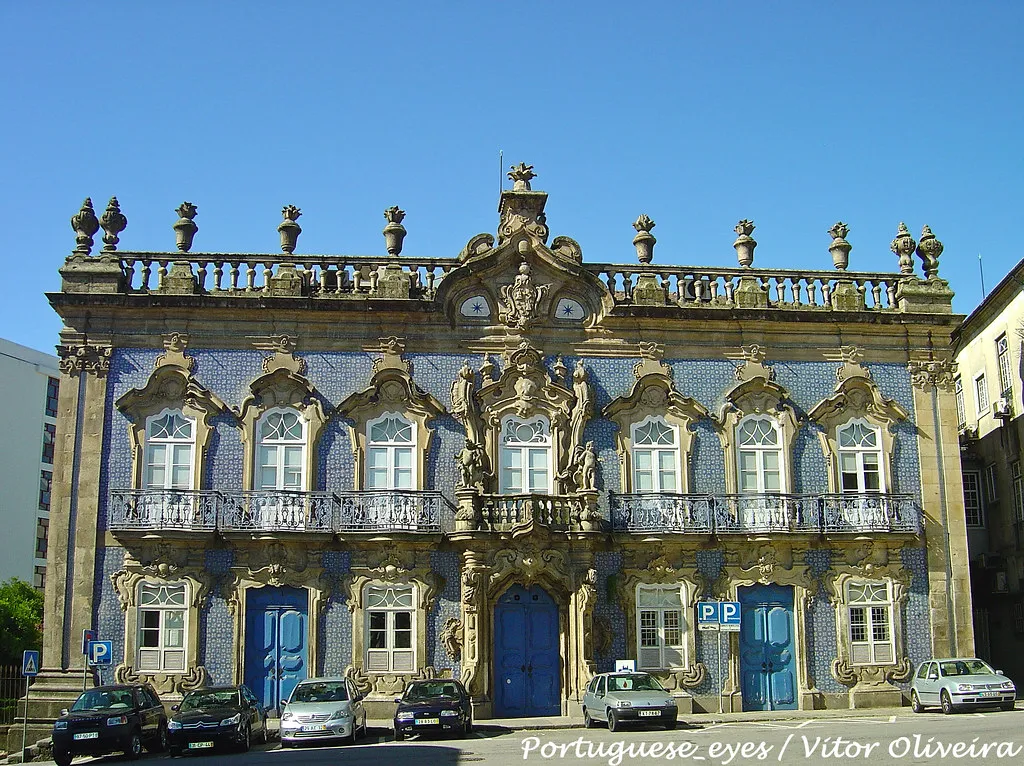
- Palácio do Raio: Admire the striking blue tiled façade of this 18th-century palace.
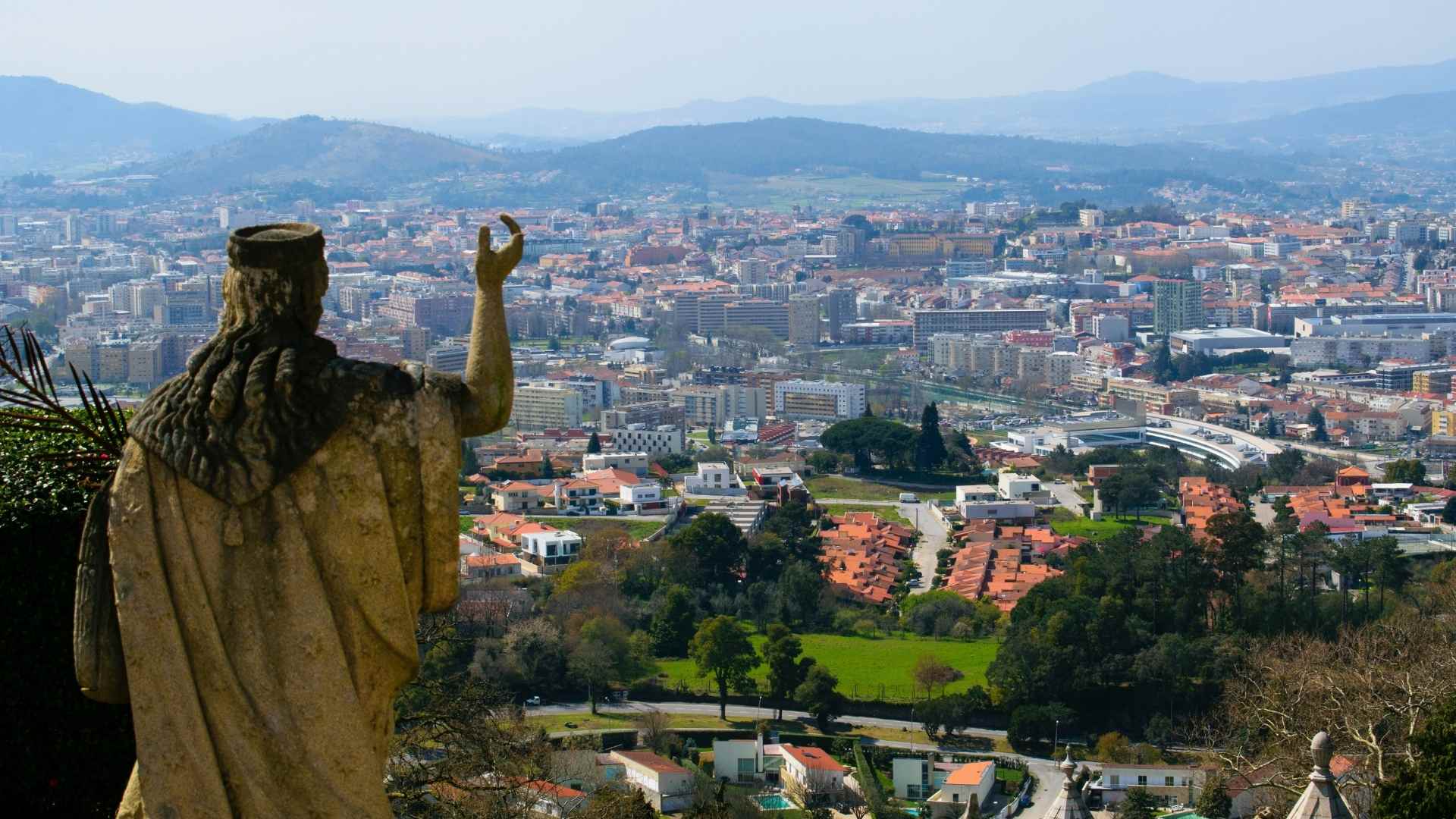
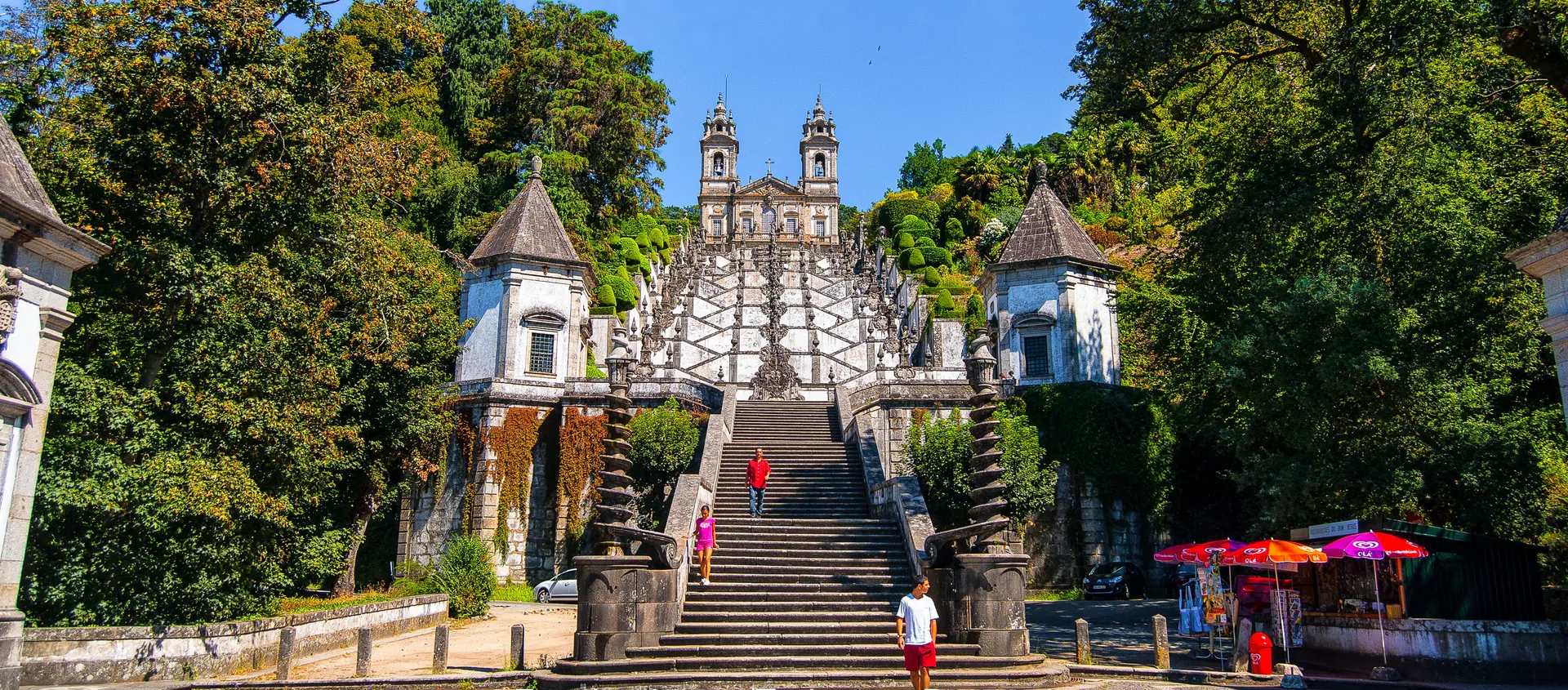
- Bom Jesus do Monte: Just outside the city, this UNESCO World Heritage site is famous for its monumental Baroque staircase and breathtaking views – climb it if you're up for a challenge!
You can also read our full guide to all the top attractions in Braga, or our guide to everything you need to know when visiting Braga.
And if you need a guide, that can show you around in Braga, use the StoryHunt app, which creates audio walks based on your preferences. Download StoryHunt for Android and iOS here.


.jpg)


.avif)


