.webp)


TLDR: Raio Palace in Braga captivates with its iconic blue azulejo facade and Baroque architecture. It's now a free museum exploring local history, usually taking 1-2 hours to explore inside, or 20-30 minutes for just the exterior.
Braga has a way of surprising you, and the Raio Palace, or Palácio do Raio, is one of its finest gems. I recently spent some time wandering its halls and admiring its striking exterior, and I'm eager to share practical insights for your own visit.
This article will guide you through its rich history, what makes it so famous, how you can experience it firsthand, and whether it's truly worth your precious travel time. Get ready to uncover the stories behind those famous blue tiles.
What is the story behind Raio Palace?

This architectural beauty, which is often called Palácio do Raio, began its life around 1754. It was the ambitious project of João Duarte de Faria, who was a wealthy merchant, who hired the renowned architect André Soares. Soares was a master at blending late Baroque grandeur with the lighter touch of early Rococo, and he created something truly special. Originally, locals even nicknamed it "Casa do Mexicano" after its first owner.
The palace changed hands in 1853, as it was purchased by Miguel José Raio, the Viscount of São Lázaro, who then gave it its current name. He was so proud, he even had the street in front widened in 1863 for a more imposing view!
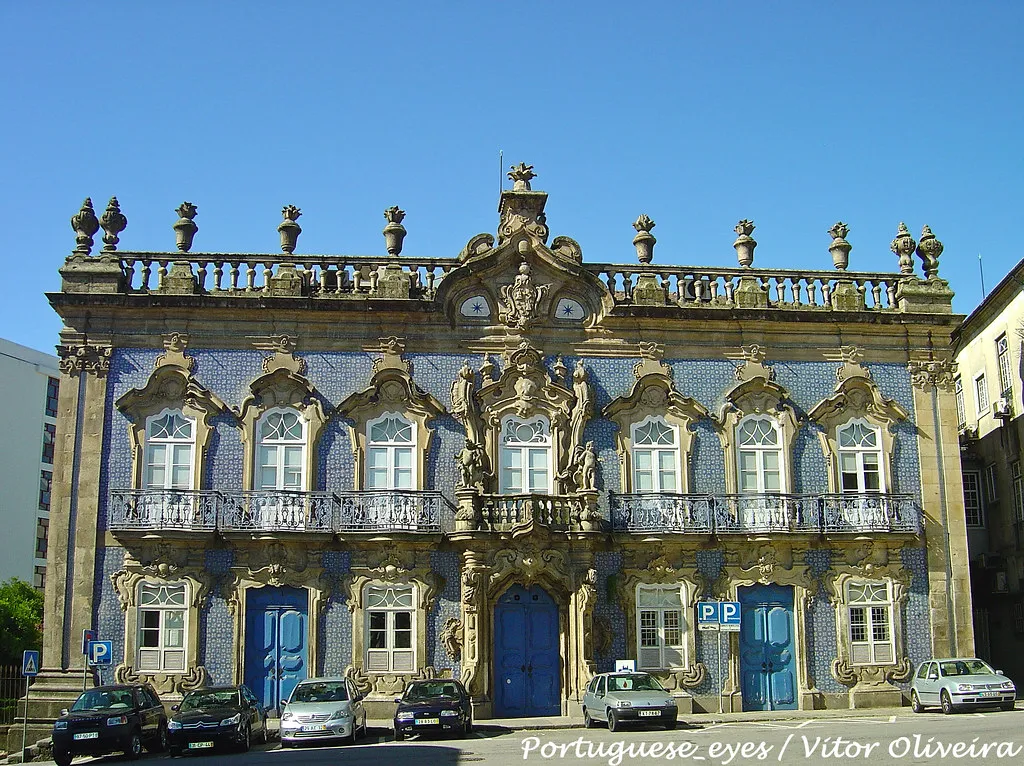
While you'll see those vibrant blue azulejo tiles everywhere today, they were actually a 19th-century addition, and they transformed its look.
Now, it serves as the Interpretive Centre of the Memories of the Santa Casa da Misericórdia of Braga, and it connects you to centuries of charity and community. If you want to really understand the layers of history here, you can use StoryHunt to access insightful audio stories during your exploration, which enriches your visit significantly.
What is Palácio do Raio famous for?
When you first approach Raio Palace, you can't miss its stunning façade. It's famous for its exceptional late Baroque and early Rococo civil architecture, especially the vibrant blue and white azulejo tiles. These 19th-century additions provide a striking contrast to the elegant carved granite details of its 18th-century design.
Look closely and you'll spot intricate decorative elements: elaborately designed banisters that seem to flame upwards, amphoras, and fine wrought-iron verandas. Inside, a celebrated noble staircase features more tilework and a unique sculpture of a figure known as the 'Turk'.
This building was initially for a wealthy merchant and Knight, João Duarte de Faria, which is why it earned the affectionate moniker "Casa do Mexicano". Today, it's a museum that offers an interactive journey through 500 years of the city’s humanitarian work.
Can I enter the Palace of Raio?

Yes, absolutely! The Raio Palace is far from a mere facade; you can step right inside and explore. This magnificent building now functions as the Interpretive Center Memories of the Mercy of Braga. It’s essentially a modern museum that welcomes the public to discover its rich history.
Once you pass through the entrance, you'll find restored interiors that offer a fascinating glimpse into the region's past – its art, its history of charity, and daily life. A true highlight is the grand staircase, which is adorned with beautiful azulejo panels and mural paintings, all crowned by that distinctive 'Turco' sculpture.
This palace itself, with its iconic blue-tiled exterior, is one of Braga's most photographed spots. Best of all, visiting the museum inside is often free, which leads us directly to the question of cost.
How much does tickets to Raio Palace cost?
Good news for budget-conscious travelers: while some sources mention a small fee of around €2-€3 for the interior exhibits, many visitors, including myself, find that entry to the museum is often free. This means you can soak in centuries of history without opening your wallet!
Even if there's a small charge on your visit, it’s a minimal investment for a deep dive into Braga's charitable and healthcare history through interactive displays.
Of course, the stunning blue azulejo-tiled facade, a masterpiece of Baroque and Rococo architecture, is always free to admire from the outside. So, whether you're just passing by or planning to explore thoroughly, the cost is either non-existent or very low.
How much time should I spend at the Raio Palace?

Your time at Raio Palace really depends on what you want to see. If your goal is simply to admire and photograph the striking exterior with its famous blue azulejo tiles, 20 to 30 minutes will be ample. These tiles, by the way, were a 19th-century addition, not part of its original 18th-century Baroque design!
However, for a more comprehensive visit, especially if you're keen on exploring the interior, plan to spend between 45 to 75 minutes. This allows you enough time to move through the Interpretive Center of the Memories of the Santa Casa da Misericórdia of Braga. Inside, you can engage with the interactive exhibits that bring Braga’s history of charity, art, and daily life to light, and truly appreciate the magnificent grand staircase.
Since entry is often free, it’s a valuable stop for any traveler and makes the time spent quite rewarding.
Is it worth visiting Raio Palace?
Absolutely, Raio Palace offers a unique and worthwhile experience, especially if you appreciate architecture, social history, and stunning visuals. Its most striking feature, that vibrant blue-tiled façade, is undeniably a highlight and a popular subject for photographers. Inside, the grand staircase is impressive, and the Interpretive Centre of the Memories of Misericórdia de Braga does an excellent job telling the city's story through interactive displays.
However, it's important to set expectations. If you're hoping for opulent, historically furnished rooms typical of traditional palaces, you might find the interior exhibits less extensive. This palace focuses more on its architectural evolution and the charitable institution it now houses, rather than original aristocratic furnishings.
For those passionate about Baroque art, unique architectural details, or the social history of Braga, it’s a fantastic visit. It’s also a good place to use StoryHunt to easily prioritize what to see in Braga, as it helps you decide if this particular focus aligns with your interests.
What else can I do in Braga?
After soaking in the beauty of Raio Palace, Braga still has so much to offer.
- Just a short stroll away, you can lose yourself in the Historic Center, a maze of narrow streets that lead to the ancient Braga Cathedral, Portugal's oldest, which showcases a fascinating mix of architectural styles.
- For a serene break, the Santa Barbara Garden, which is meticulously maintained and adjacent to the Archbishop's Palace. It offers a beautiful, peaceful contrast.
- Or, step into 17th-century noble life at the Biscainhos Museum, which is a baroque palace with period furnishings and gorgeous gardens.
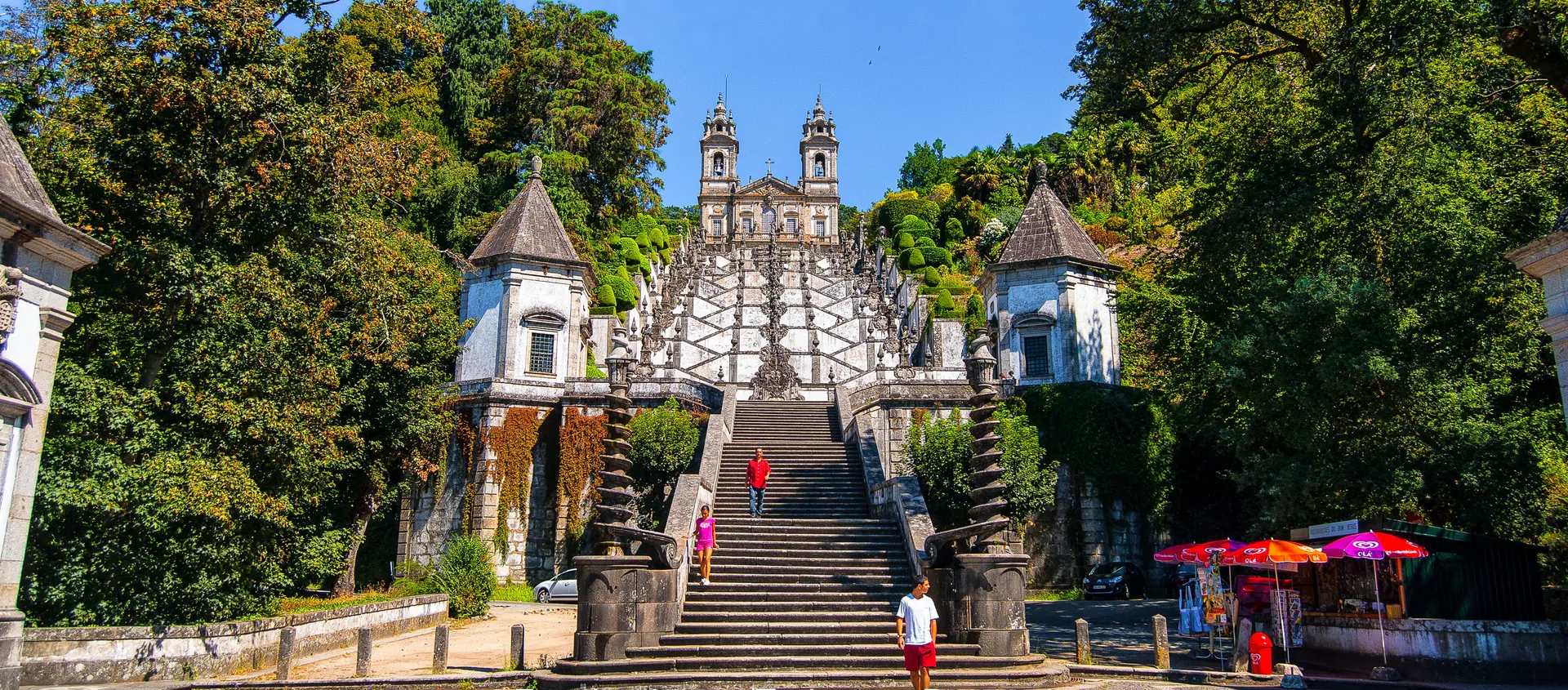
- Don't forget the iconic Bom Jesus do Monte, a UNESCO site known for its monumental Baroque staircase, just outside the city.
- For equally breathtaking, often quieter views, the Sanctuary of Our Lady of Sameiro, nestled on a hilltop, is particularly stunning at sunset.
Braga truly has a diverse range of attractions to fill your days. You can also read our full guide to all the top attractions in Braga, or our guide to everything you need to know when visiting Braga.
And if you need a guide, that can show you around in Braga, use the StoryHunt app, which creates audio walks based on your preferences. Download StoryHunt for Android and iOS here.
.jpg)




.avif)


