.jpg)
.webp)

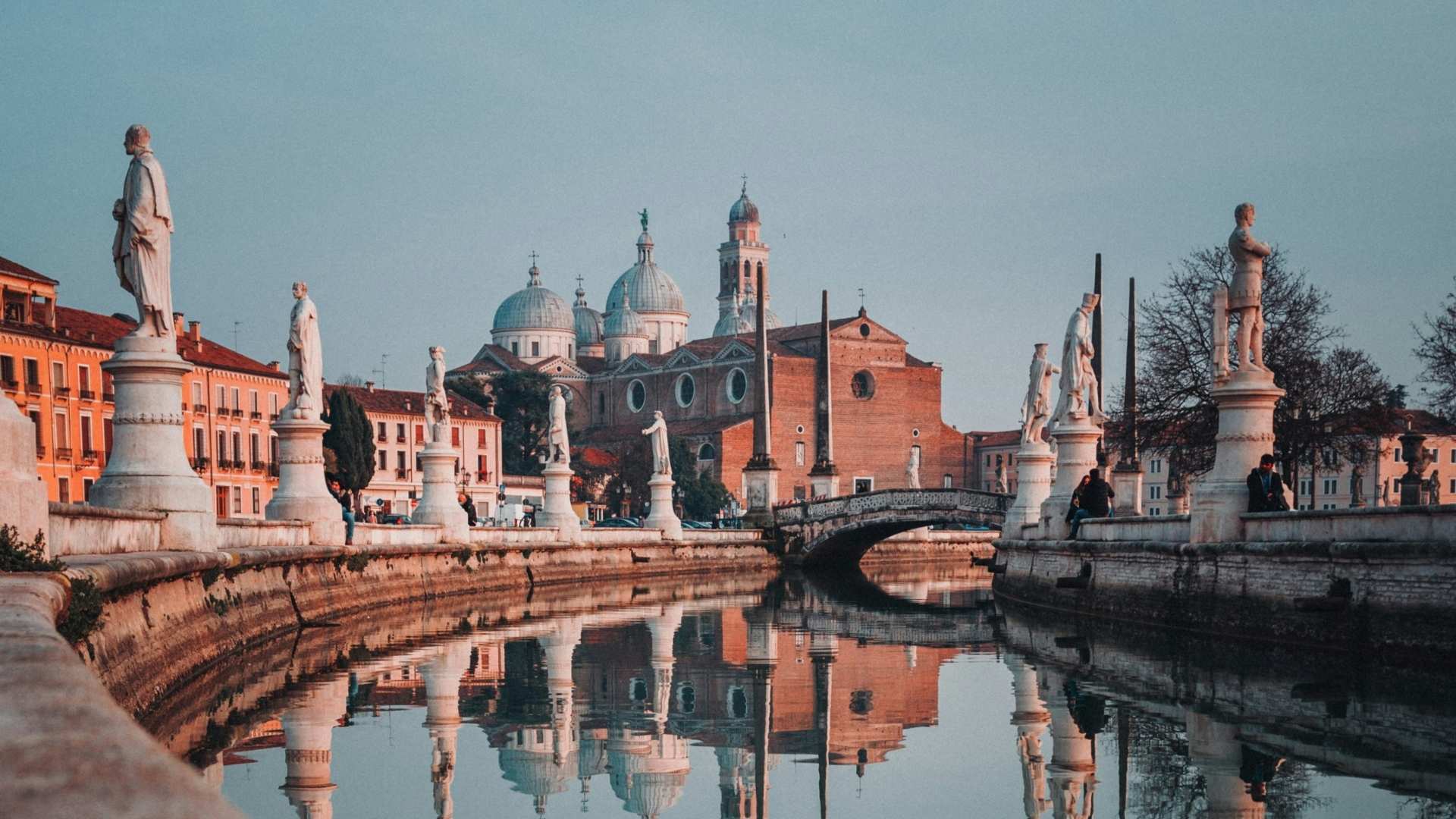
TLDR: Padua's most overlooked spots include a baptistery with 600-year-old frescoes, a medieval tower turned astronomical observatory, and an oratory with Titian paintings seen in near-silence. All are free or cheap, and all are within walking distance of the main circuit.
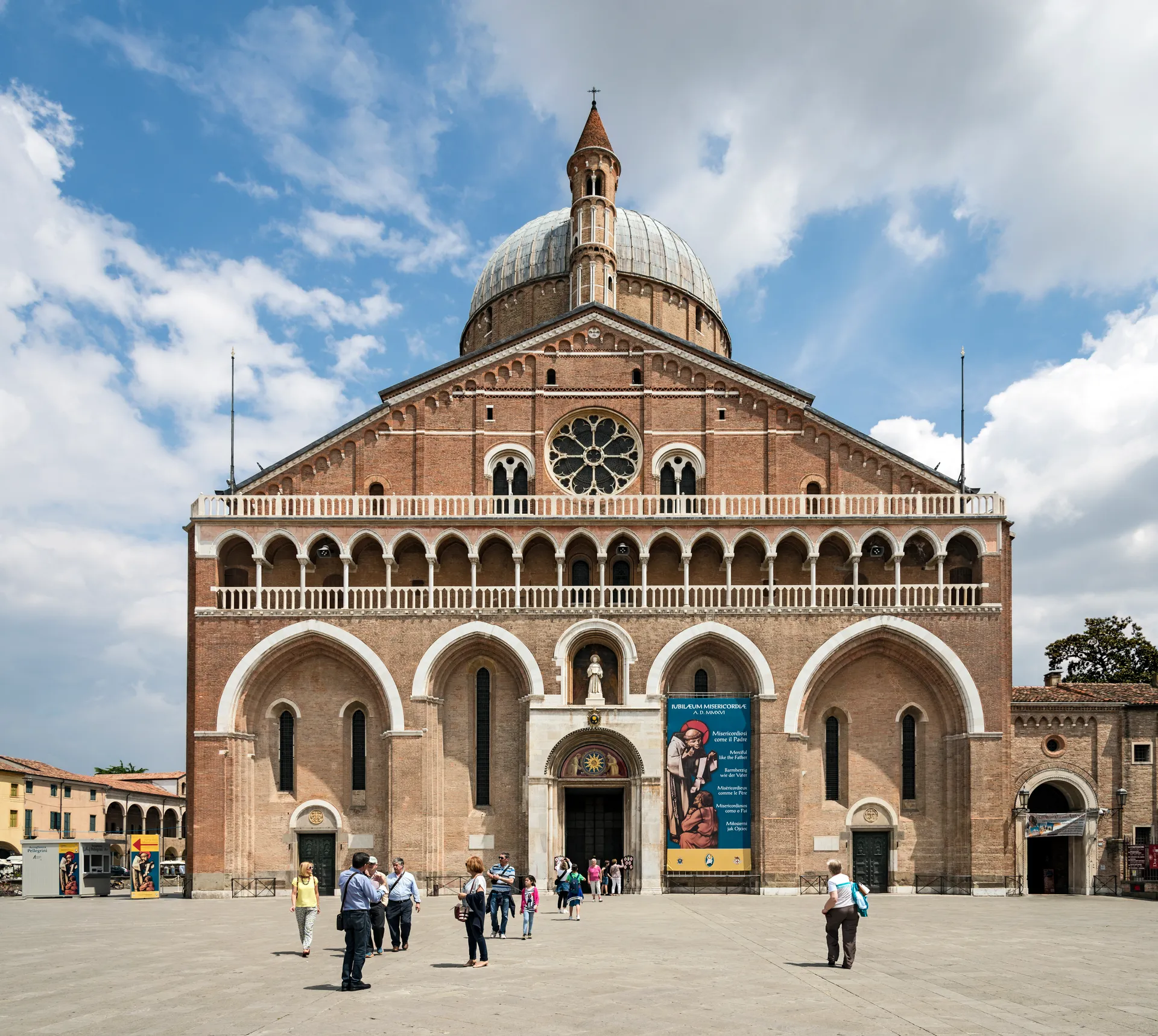
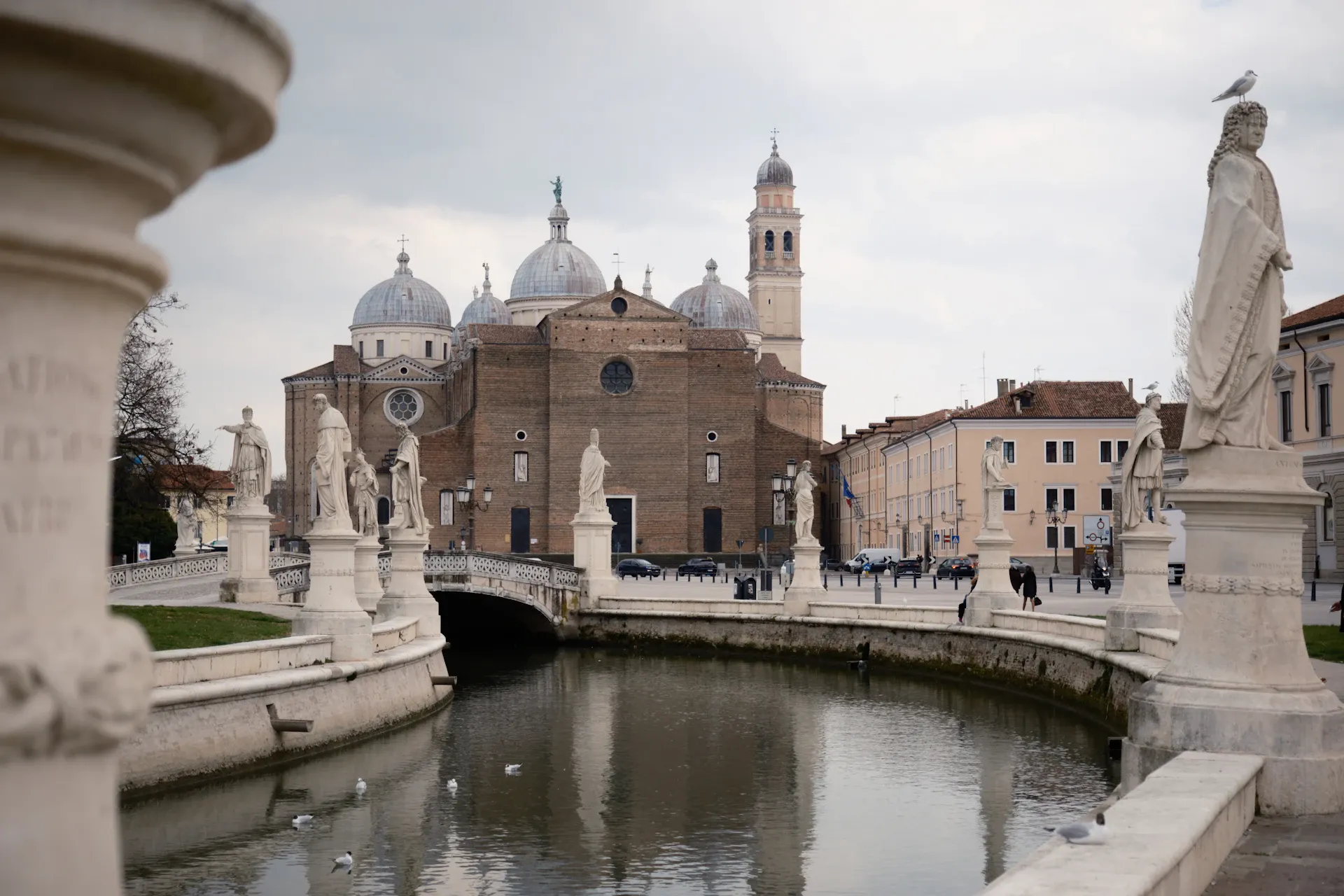
Most people who visit Padua follow the same route: Scrovegni Chapel, Basilica di Sant'Antonio, Prato della Valle, and back to the station. That covers the highlights, but it misses a second layer of the city that's often more interesting precisely because nobody's rushing through it.
After several visits here, these are the five spots I find myself returning to.
1. The Baptistery of the Duomo (Battistero del Duomo)

The Baptistery stands in Piazza del Duomo, right next to the Cathedral, and almost everyone walking past focuses on the cathedral and moves on. That's a mistake.
Inside this 12th-century building is one of the most complete fresco cycles in northern Italy, painted by Giusto de' Menabuoi between 1375 and 1378. The commission came from Fina Buzzaccarini, wife of Francesco da Carrara the Elder, who wanted to transform the space into a family mausoleum. The result covers every surface: walls, vault, apse, and the dome overhead, which holds a monumental Paradise with Christ the Pantocrator at the center, surrounded by concentric rings of angels and saints.
The scale and the quality of the work are genuinely impressive. It's a UNESCO World Heritage Site as part of Padua's fourteenth-century fresco cycles, listed in 2021. Admission is around 3-4 euros, the crowds are a fraction of the Scrovegni Chapel's, and you can take your time with it.
Did You Know? When Venetian soldiers took Padua from the Carrara family in 1405, they destroyed the grand burial monuments inside the Baptistery and painted over the family's heraldic emblems with green paint. You can still see traces of the damage today.
2. Oratory of San Giorgio and the Scuola del Santo
These two buildings sit in the piazza right next to the Basilica di Sant'Antonio and are easy to overlook when the basilica itself is pulling all the attention. That's exactly what makes them worth stopping for.
The Oratory of San Giorgio was built in 1377 as a funerary chapel and decorated with a fresco cycle by Altichiero da Zevio and Jacopo Avanzi. The paintings depict the lives of St George, St Lucy, and St Catherine, and they are beautifully detailed, full of observed faces and convincing drapery. Anywhere else in Italy, these would headline a museum.
Upstairs in the adjacent Scuola del Santo, a confraternity house from the early 16th century, there are 18 paintings illustrating miracles of St Anthony. Three of them are attributed to Titian, painted around 1511 when he was roughly 20 years old. You will almost certainly have the room to yourself. Combined admission to both buildings is around 5 euros.
Did You Know? Altichiero da Zevio, who painted the Oratory's fresco cycle in the 1370s and 1380s, was one of the most influential painters in northern Italy before Giotto's techniques fully took hold. Art historians sometimes describe his work as a bridge between Byzantine formalism and the early Renaissance.
3. StoryHunt: Find hidden gems with an interactive map

The hardest part of finding Padua's overlooked spots is knowing where to look and what you're looking at when you get there. The StoryHunt app solves both problems at once.
It gives you an interactive map of the city with audio stories attached to specific locations, so you can set off in any direction and have context arrive exactly when you need it. Whether you're standing in front of the Baptistery trying to understand who commissioned it, or you've wandered into a piazza you've never heard of, the stories make the difference between passing through and actually seeing.
You choose your interests, build a route that suits you, and explore at your own pace. It's free to try and works across Padua and dozens of other cities. Download StoryHunt for Android and iOS before you arrive.
4. Piazza dei Signori
Most visitors who know Padua's squares focus on Piazza delle Erbe and Piazza della Frutta, the twin market squares around Palazzo della Ragione.
Piazza dei Signori sits just steps away and draws far fewer tourists, which is why it's worth seeking out. This was Padua's political centre during the era of the Carraresi lords, and the square is still ringed by serious medieval and Renaissance architecture: the Palazzo del Capitanio, the Palazzo Monte di Pietà, and the Loggia della Gran Guardia. At one end stands the Torre dell'Orologio, an astronomical clock tower built in 1428 that tracks the hours, the moon's phases, and the zodiac constellations.
In the late afternoon, this is where Paduan locals come for aperitivo at the pavement bars, especially under the porticoes on the south side. It's a genuine slice of how the city actually works rather than a tourist set piece. Entry is free; it's a public square open at all hours.
Did You Know? The astronomical clock on the tower, installed in 1428, was one of the most technically advanced timepieces in Europe at the time. It displays not just the hours but the position of the sun and moon in the zodiac, and has been keeping time in the square for nearly 600 years.
5. La Specola (Astronomical Observatory Museum)
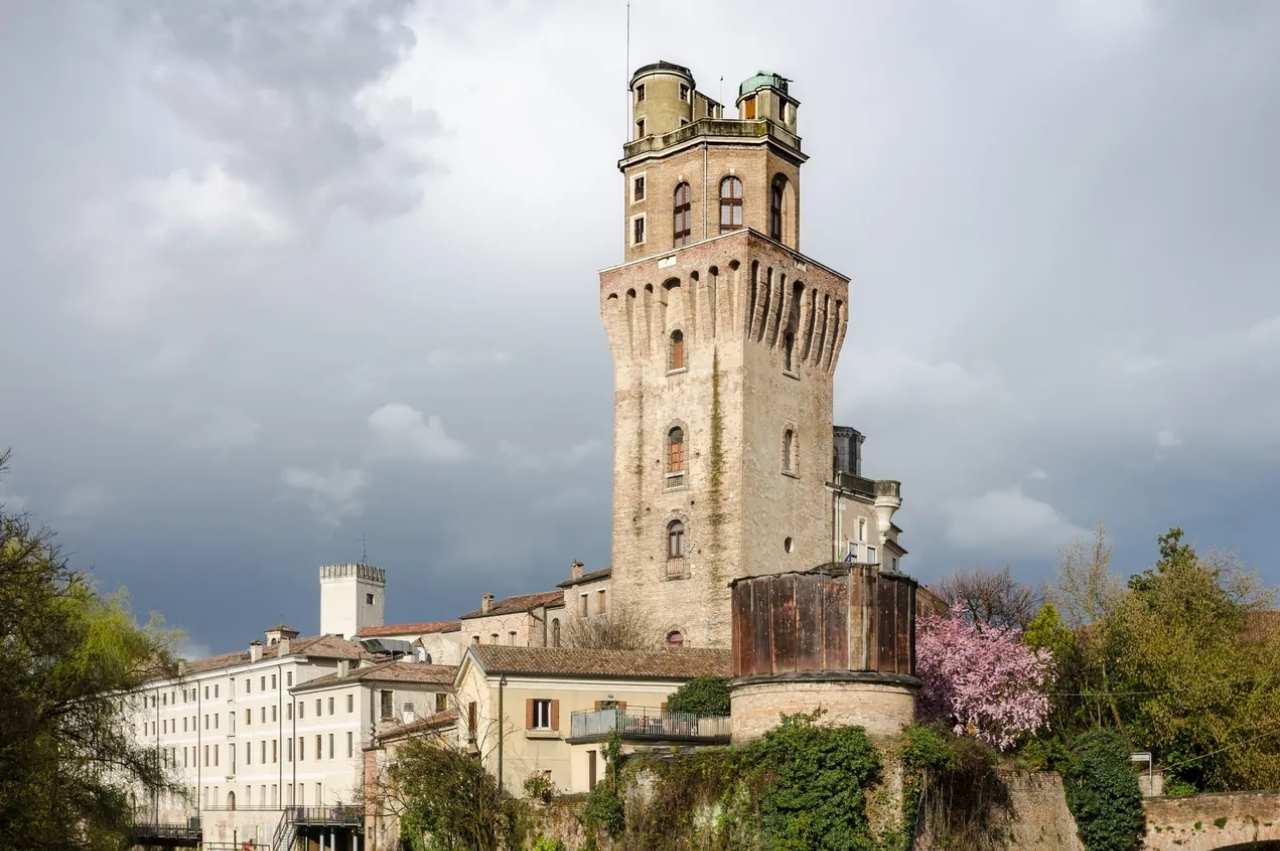
La Specola is a 50-metre medieval tower that was converted into an astronomical observatory in 1777, on the orders of the Venetian Senate, and has been in continuous use for science ever since. It's now part of the National Institute for Astrophysics and open to the public as a museum.
The tower itself has a longer history: it was built in 1242 as part of a fortified castle under the tyrant Ezzelino da Romano, and served as a prison and torture chamber before the Carrara lords took it over in the 14th century and decorated its interior with frescoes.
The museum route takes you through four rooms of 18th and 19th-century astronomical instruments, up to the top of the tower with views over the city. It's visited by a fraction of the people who go to the main attractions, the queue is never long, and the combination of medieval brutality and Enlightenment science in a single building is genuinely strange and interesting. Guided tours are available; check the website for current hours and pricing.
Did You Know? A Latin inscription added to the tower in 1771, when it was being converted from military to scientific use, celebrates its transformation from a prison into what it calls 'a gateway to the stars'. The original inscription is still visible inside.
Discover Padua's secrets at your own pace
Padua rewards the curious more than most Italian cities. The spots that most visitors walk straight past, a baptistery full of 14th-century frescoes, a medieval torture tower turned observatory, a room with early Titian paintings and no queue, are right there if you know to look.
The StoryHunt app helps you find them: build a personalized audio walk, explore with an interactive map, and let the stories behind each place arrive as you stand in front of them. Download StoryHunt for iOS and Android here.





.avif)


