.webp)

TLDR: Prato della Valle in Padua is a massive elliptical square featuring 78 historical statues, a central island, and a canal, serving as Italy's largest piazza and a vibrant hub for markets and events, rich in history from Roman times to its 18th-century transformation.
If you're heading to Padua in Italy, prepare to be captivated by Prato della Valle. Imagine stepping into one of Europe's grandest public spaces; a place where history breathes and local life unfolds.
During my recent visit, this immense piazza truly stood out, and it offered far more than just a pretty view. This article will walk you through its fascinating past, its unique features, and share some practical insights to help you make the most of your time there.
What is the story behind Prato della Valle?

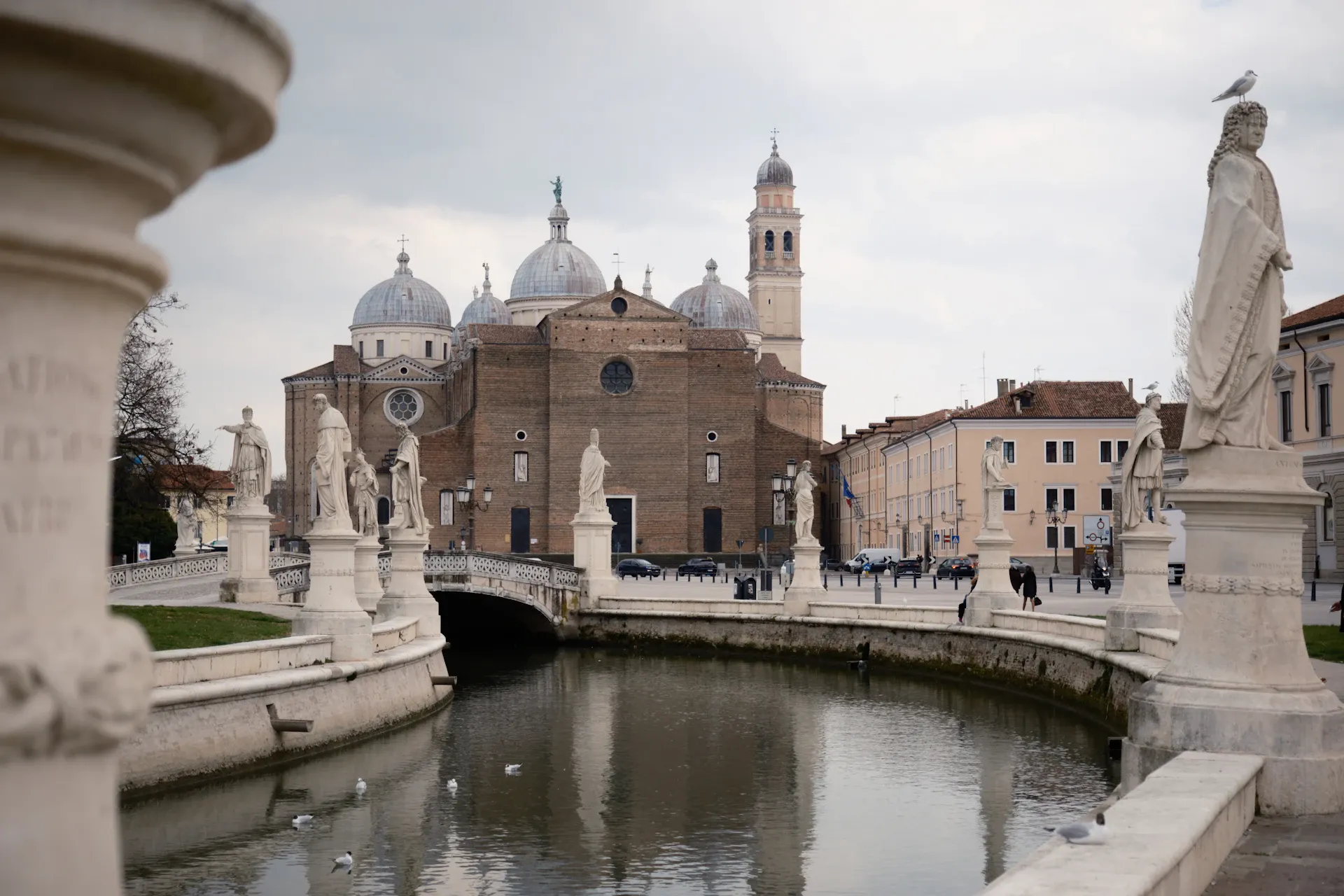
Prato della Valle feels like the very pulse of Padua. It's hard to imagine, but this magnificent elliptical space was once a neglected, marshy wetland, a far cry from the vibrant hub you see today. Its story dates back to ancient Roman times, where it served as a theater, market, and even a ground for military exercises.
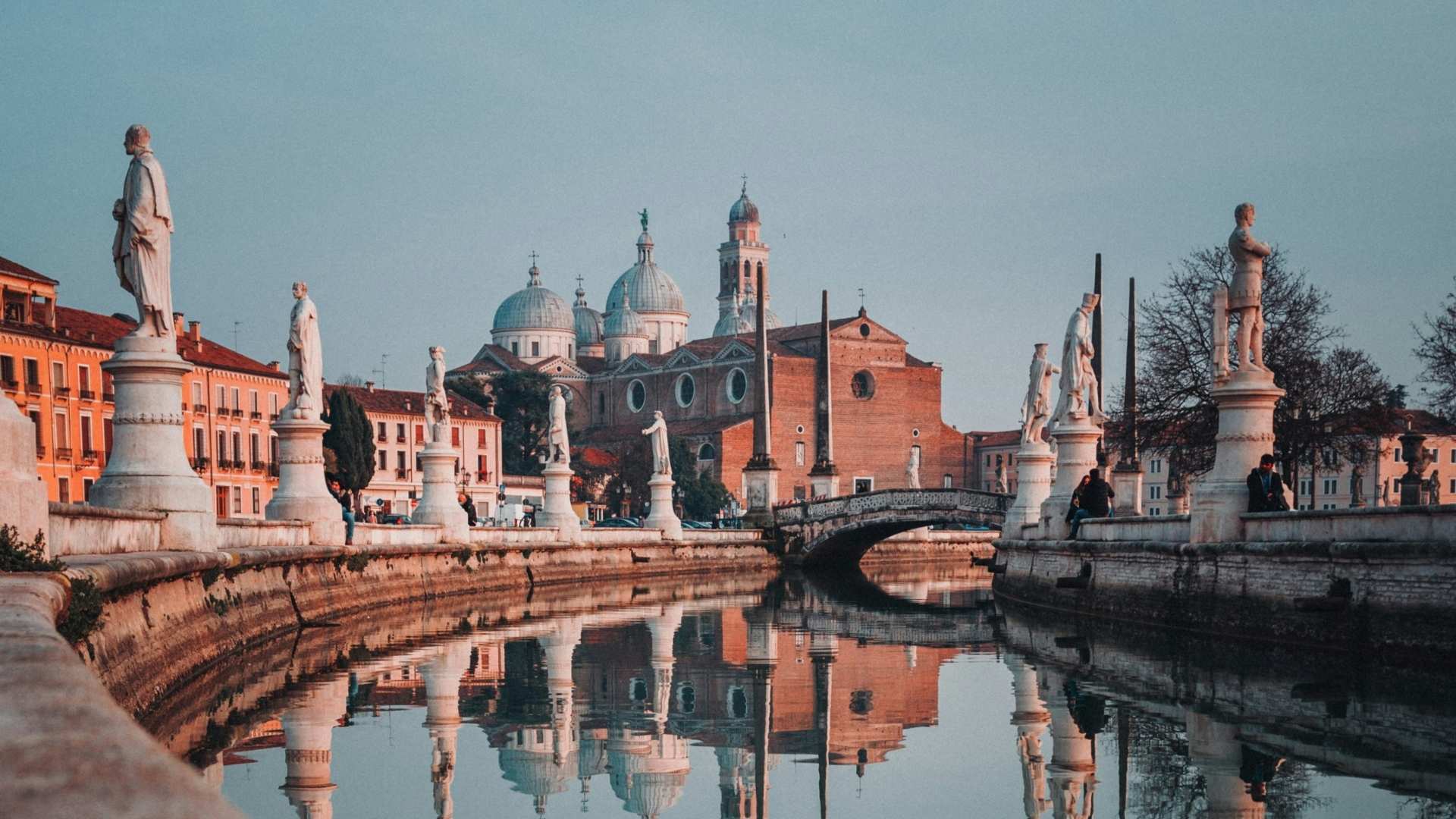
The Prato we know now is largely thanks to the visionary Andrea Memmo, who was a Venetian urban planner. In 1775, he embarked on an ambitious project, as he reclaimed this swamp and transforming it into an elegant civic space. His ingenious design included the central "Isola Memmia", which is an island surrounded by a canal and connected by bridges.
It's adorned with 78 statues, and these sculptures commemorate influential figures linked to Padua, like Galileo Galilei. To truly immerse yourself in these stories, consider using StoryHunt; its self-guided audio tours bring the city's hidden gems to life, letting you explore at your own pace. Try out StoryHunt for free.
How many statues are in Prato della Valle?
As you stroll around the Prato, you'll find 78 statues arranged in a distinctive double ring around the central Isola Memmia, which is itself encircled by a tranquil canal. These statues are crafted mainly from Vicenza stone between 1775 and 1883, and they aren't just decorative; they're historical markers honoring prominent figures connected to Padua. Think artists, scholars, warriors, and even leaders like Galileo Galilei.
While the original plan called for 88 figures, some were lost, and the most notably of those was of Venetian Doges, that was destroyed by Napoleon in 1797. The very ground you walk on has stories beneath it, as excavations for the canal even revealed remains of an ancient Roman theater - which only adds another layer to the square's deep history.
What is the most interesting statue at Prato della Valle?

Among the many figures that line Prato della Valle, the statue of Giovanni Poleni holds a unique tale. This esteemed mathematician’s original sculpture isn't actually the one you see today. In 1963, the original was moved to the cloister of the Civic Museums, and it was replaced by a careful copy.
This makes Poleni's figure one of the few with such a specific and moving history within the square.
The entire collection forms an impressive open-air museum, but it predominantly features male historical figures. It’s a point of current discussion, in fact, about potentially adding a statue of a woman to this grand assembly in the future.
What does Prato della Valle mean?
The name Prato della Valle literally translates to "Meadow of the Valley". This makes perfect sense when you consider its past. Historically, "Pratum" referred to a large commercial space, often grass-covered, while "Valle" meant low or marshy land. Indeed, the area was once a swampy expanse before its significant 18th-century transformation.
Today, you'll see a vast space, roughly 90,000 square meters, which makes it one of Europe's largest. While it was once a Roman theater and hippodrome, it’s now a lively hub for markets, events, and a popular spot for locals and visitors to simply relax or take a leisurely stroll. Its sheer size truly defines its presence in the city.
What is the largest square in Italy?

Yes, Prato della Valle in Padua proudly holds the title of the largest square in Italy, as it spans an impressive 90,000 square meters. Its elliptical shape and grand scale also make it one of the largest in all of Europe.
This unique design, with its central green island - the Isola Memmia - surrounded by a canal and those 78 statues, is a sight to behold. It was the vision of Venetian urban planner Andrea Memmo who, in the late 18th century, transformed this previously swampy land into the elegant civic space we experience today.
Is it worth visiting Prato della Valle?
Absolutely, Prato della Valle is a significant landmark and well worth your time in Padua. Its unique design, with the central island, canal, and those 78 statues, truly gives it an "open-air museum" feel. It's a vibrant hub for locals, perfect for people-watching, a relaxed stroll, or simply soaking in the atmosphere.
The square frequently hosts lively markets, especially the huge Saturday market with over 160 stalls, and it offers a wonderful glimpse into local life. You can easily spend an hour or two admiring the statues and the surrounding historic buildings, like the beautiful Abbey of Santa Giustina.
However, consider your timing. During summer, the midday sun can be intense; you might find yourself seeking shade. I also noticed that after events, there can be some litter, and certain sections of the canal can appear murky or even have a faint odor, detracting slightly from the picturesque view.
For the best experience, visit early morning or late afternoon, especially on a weekday for a quieter feel, or Saturday morning if you want to dive into the bustling market. The "golden hour" views around sunrise or sunset are particularly stunning for photos. Prato della Valle is free to enter and easily accessible from the historic center.
What else should I see in Padua?

Beyond the grandeur of Prato della Valle, Padua offers a treasure trove of historical and artistic wonders.
- First on your list should be the Scrovegni Chapel, a UNESCO World Heritage site, which is home to Giotto's groundbreaking fresco cycle. This masterpiece is breathtaking, but remember to book your timed entry well in advance.
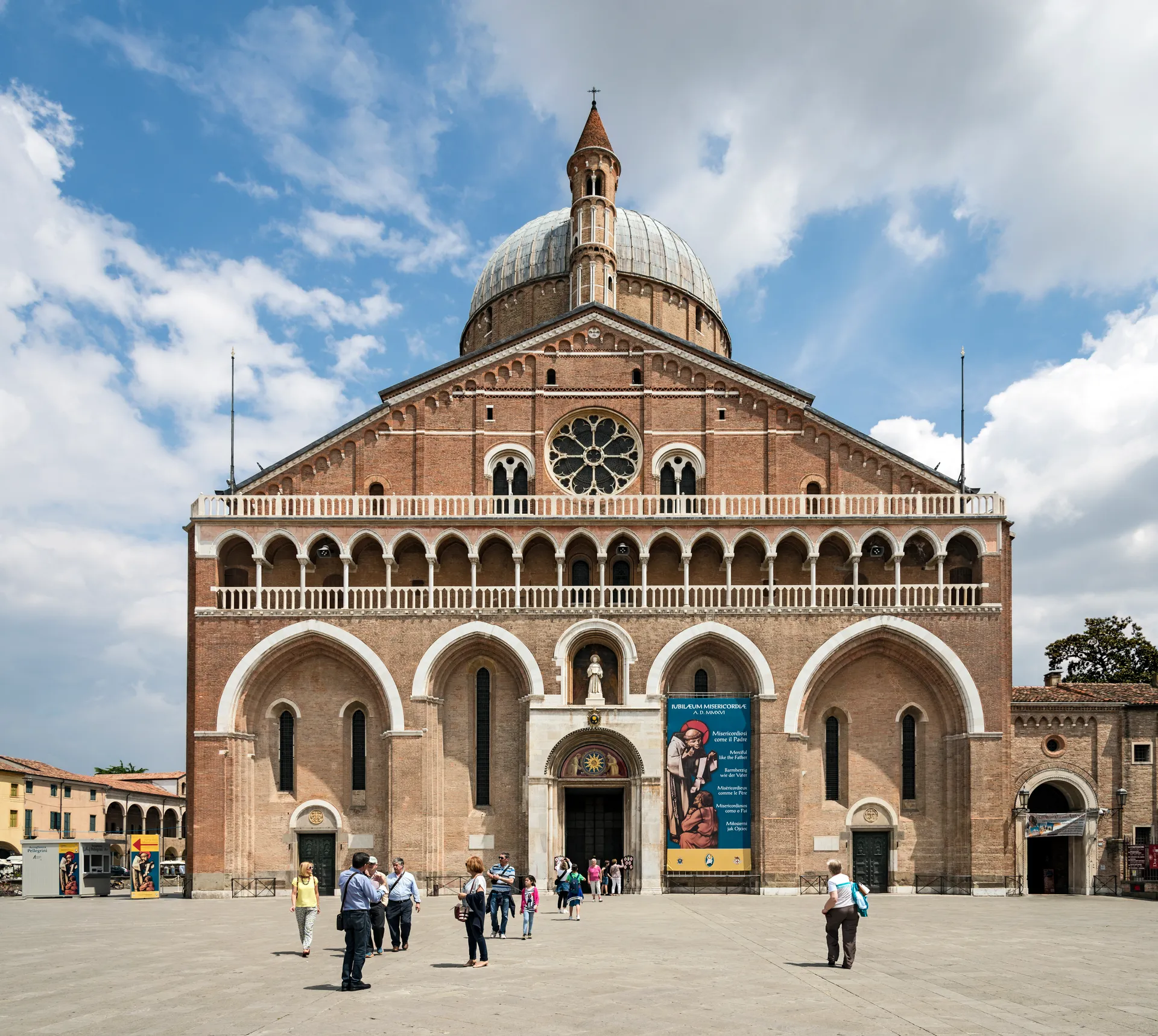
- Next, visit the majestic Basilica of Saint Anthony, which is affectionately known as "Il Santo". This significant pilgrimage site boasts an incredible blend of architectural styles.
- Finally, explore the colossal medieval hall of the Palazzo della Ragione. It once served as the city's courthouse and still hosts a vibrant market downstairs. Inside, marvel at the enormous wooden horse and the intriguing "Pietra del Vituperio", which is a stone where insolvent debtors were once publicly shamed.
You can also read our full guide to all the top attractions in Padua, or our guide to everything you need to know when visiting Padua.
And if you need a guide, that can show you around in Padua, use the StoryHunt app, which creates audio walks based on your preferences. Download StoryHunt for Android and iOS here.




.jpg)

.avif)


