.webp)

TLDR: Padua is 30 minutes from Venice by train, and its crown jewel is the Scrovegni Chapel, home to Giotto's revolutionary 14th-century frescoes. Add the Basilica di Sant'Antonio, Prato della Valle, and one of Europe's oldest universities, and you have a city that rewards a full day or more.
Most people rush past Padua on their way to Venice and that's a mistake I've seen play out too many times. After several visits to this corner of the Veneto, I've come to think of Padua as one of the best-value days you can spend in northern Italy.
The city has genuine layers: medieval market squares, Giotto's masterpiece hidden inside a modest chapel, and a student population that keeps its piazzas lively well into the evening. In this guide you'll learn everything you need to know about Padua.
What is the story behind Padua?

Padua's history goes back a long way. According to the Roman historian Livy, who was born here, the city was already notable by 302 BCE, and legend credits its founding to the Trojan hero Antenor.
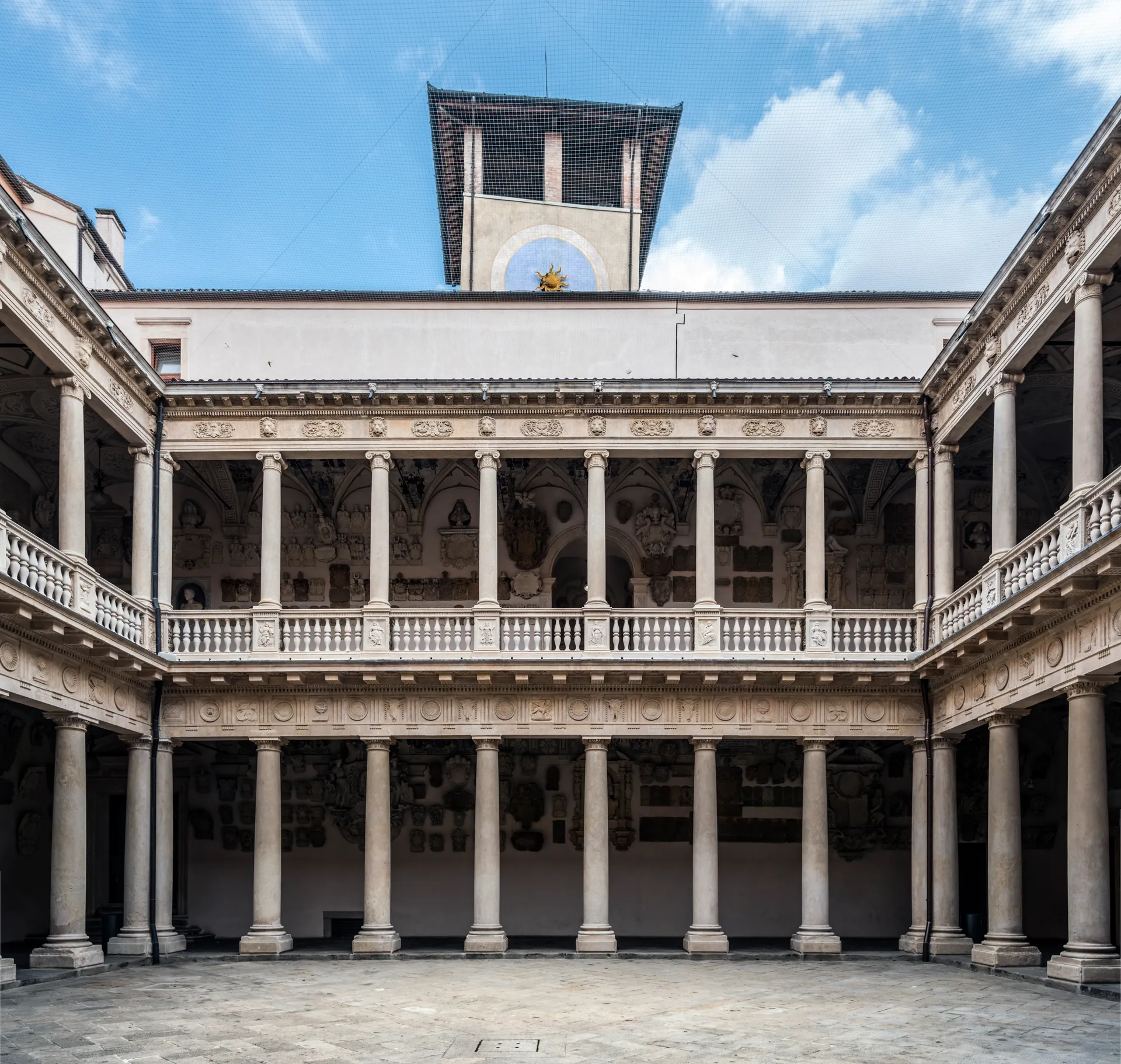
What makes Padua historically significant isn't just its age, though. It's the density of things that happened here. The city became a center of medieval learning when the University of Padua was founded in 1222 by a breakaway group of students from Bologna, making it the second-oldest university in Italy.
Galileo Galilei taught mathematics here between 1592 and 1610. Copernicus likely studied medicine here too. Padua was, for centuries, one of Europe's serious intellectual addresses.
The city's artistic peak came in the early 14th century, when Giotto di Bondone painted the Scrovegni Chapel between 1303 and 1305, producing what many scholars still consider the work that set Western painting on its course toward the Renaissance.
What is the Scrovegni Chapel and why does it matter?
The Scrovegni Chapel is the main reason serious travelers put Padua on their itinerary. Commissioned by Enrico Scrovegni around 1300 as a family oratory and funerary chapel, it was decorated by Giotto with a complete cycle of frescoes covering the lives of the Virgin Mary and Christ, ending with a dramatic Last Judgment on the west wall. The work was completed by 1305 and is now a UNESCO World Heritage Site.
What makes it special isn't just the beauty of the paintings. It's the fact that Giotto introduced perspective, emotional depth, and believable human figures at a time when painting was still largely flat and symbolic. Standing inside the chapel, you can see exactly why art historians date the Renaissance's beginning partly to this room.
Tickets must be booked in advance (available at cappelladegliscrovegni.it or through the tourist office). The chapel limits visitors strictly, and you'll spend about 15 minutes inside after a short acclimatization period. Adult admission is 11 euros plus a 1-euro booking fee, with discounts for students, under-17s, and EU citizens over 65. Book as early as possible, especially in summer.
If you want audio context as you walk between the chapel and the rest of the city, the StoryHunt app lets you create your own guided audio walk with an interactive map, so you can move at your own pace and dig into the history that interests you most. Try it free by clicking here.
What else should you see in Padua?

The top things to do in Padua go well beyond the Scrovegni Chapel. These are the stops worth your time:
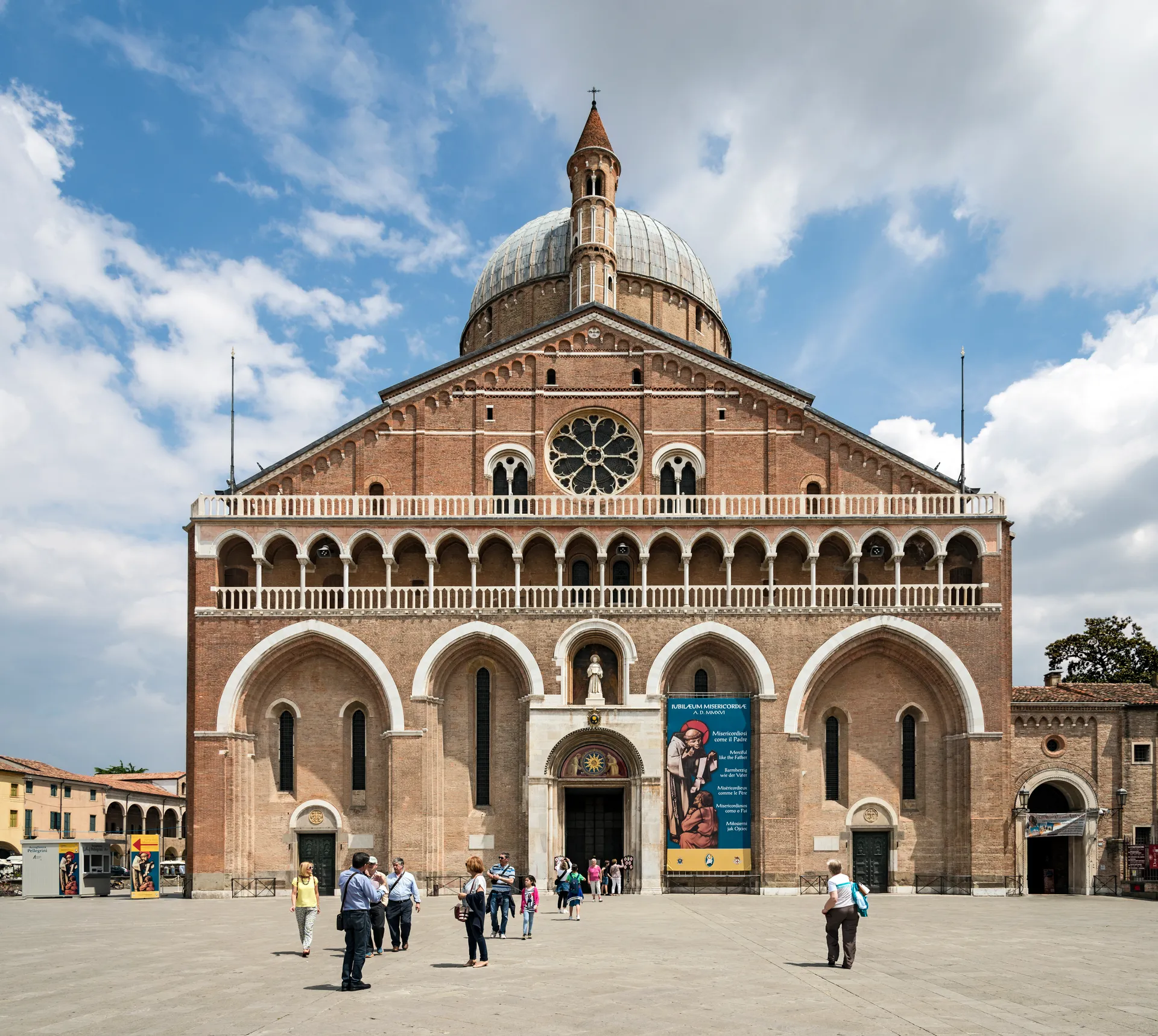
- Basilica di Sant'Antonio ("Il Santo"): One of the most visited pilgrimage sites in the world, drawing around 6.5 million visitors a year. The basilica blends Romanesque, Gothic, and Byzantine architecture, and its high altar features bronze sculptures by Donatello. Entry is free.
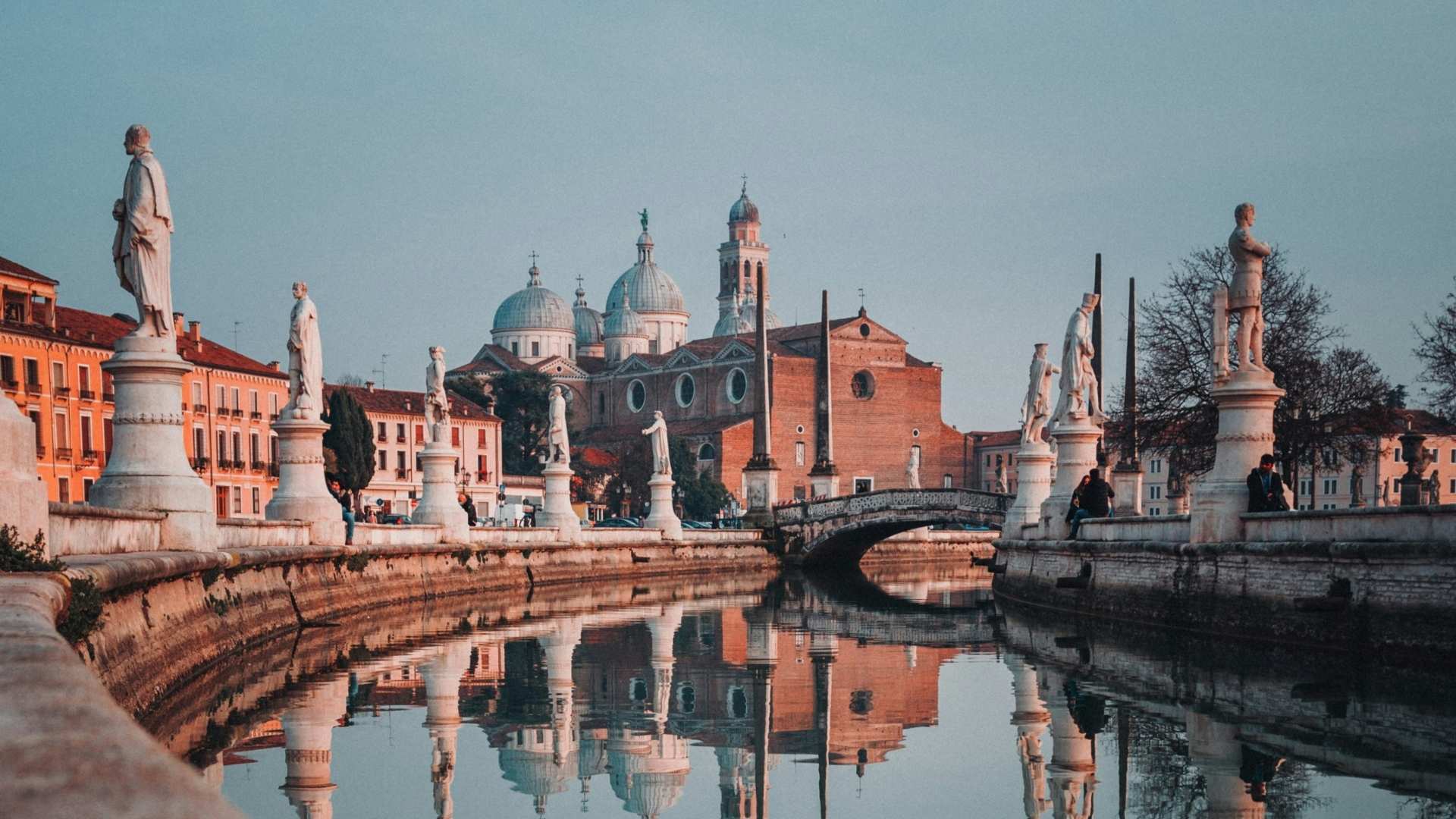
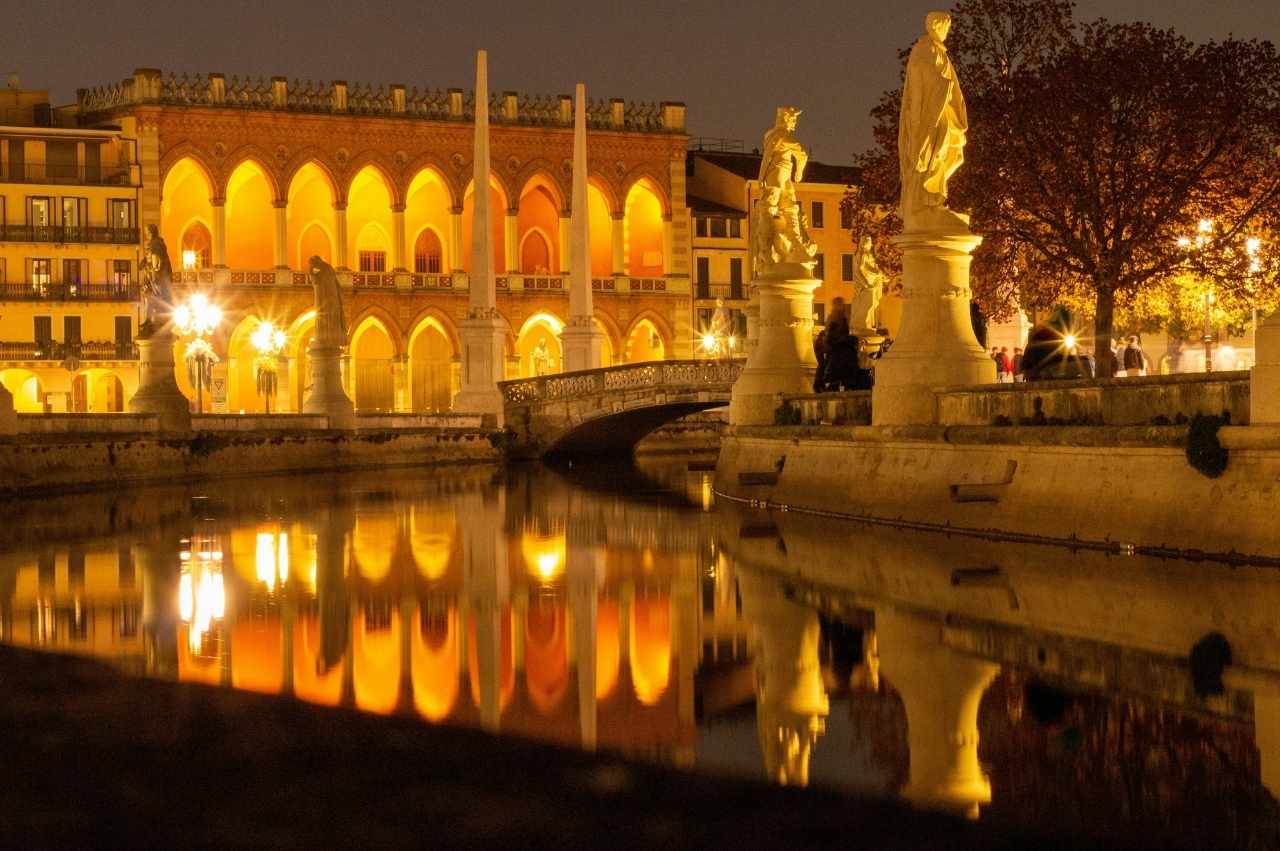
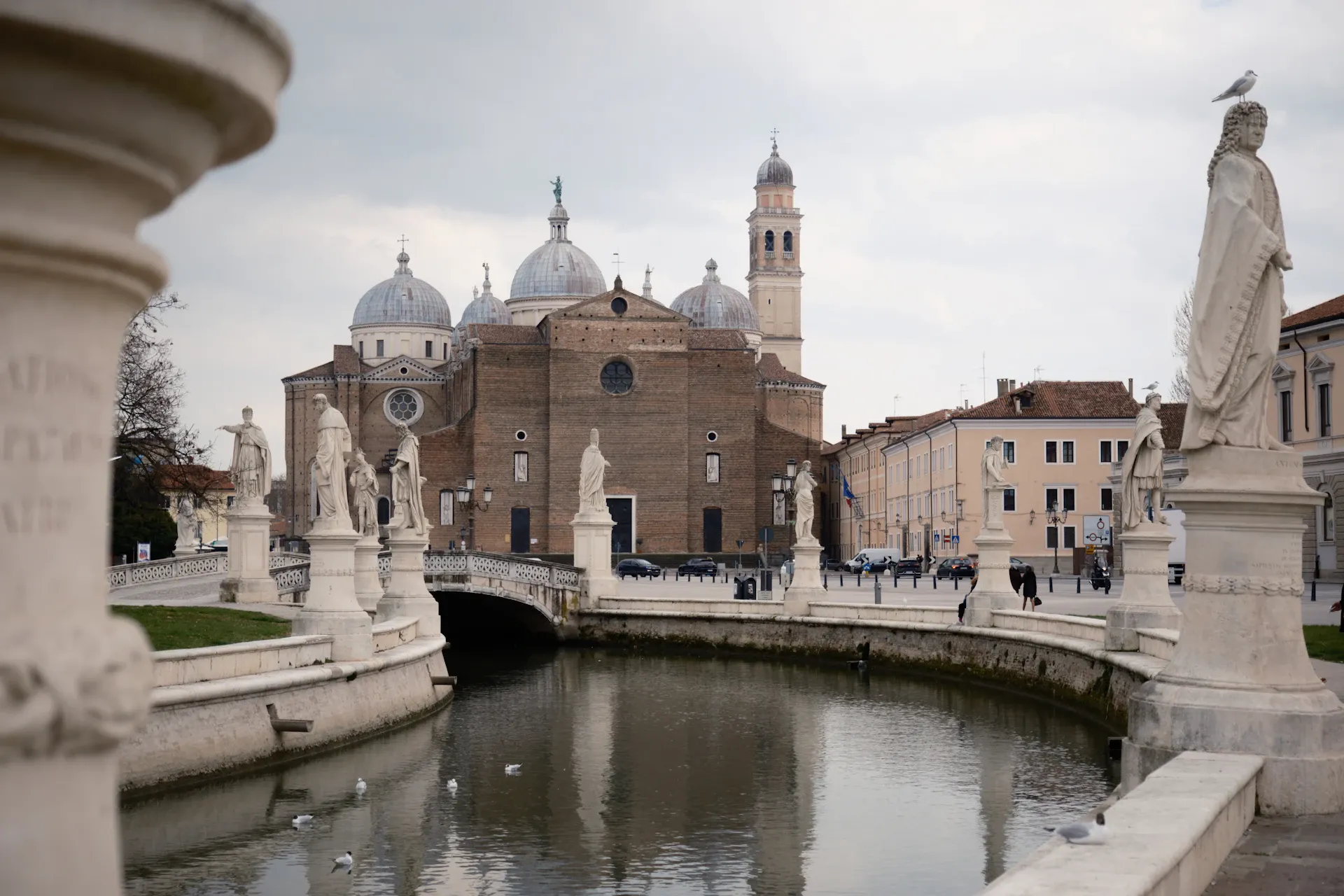
- Prato della Valle: One of the largest squares in Europe, featuring an elliptical canal ringed by 78 statues of notable historical figures. It's a short walk from the basilica and worth at least 20 minutes of wandering.
- Palazzo della Ragione: A medieval covered market hall with a remarkable 82-meter-long frescoed hall and a giant wooden horse inside. The building dates to the 13th century and still anchors the city's daily market scene in the adjacent piazzas.
- Orto Botanico (Botanical Garden): Founded in 1545, this is the oldest university botanical garden still on its original site. It's a UNESCO World Heritage Site and a peaceful break from the city's busier squares.
You can also read our full guide to the top attractions in Padua right here.
Are there hidden gems in Padua that most visitors miss?
Beyond the main circuit, there are hidden gems in Padua that reward a slower visit.
The Oratory of San Giorgio, just steps from the basilica, contains 14th-century frescoes that feel almost as impressive as the Scrovegni Chapel but draw a fraction of the crowds.
The Piazza dei Signori is where locals actually gather for aperitivo in the late afternoon, especially under the Torre dell'Orologio, a 15th-century astronomical clock tower.
And the Ghetto district, with its narrow lanes and small bars, has become a student hub and is a good area to wander in the evening.
You can read our full guide to all the hidden gems in Padua here.
Where should you eat in Padua?

Finding the best restaurant in Padua is easier than you might expect, partly because the city hasn't been overrun by tourist-facing menus.
The market squares around Palazzo della Ragione, Piazza della Frutta, and Piazza delle Erbe are ringed by bars and trattorie where you can eat well without spending much. Local staples include bigoli (thick pasta, often served with a duck ragu) and risotto dishes using local ingredients from the Veneto plains.
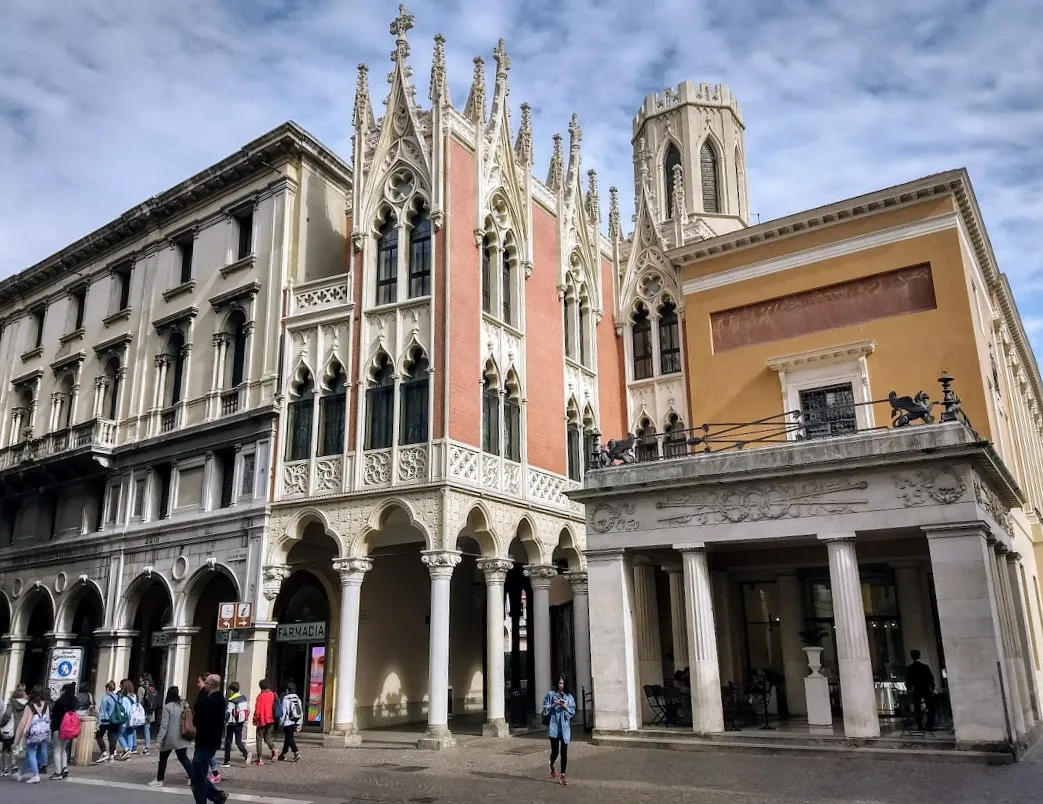
Caffe Pedrocchi, a historic 19th-century cafe that once served as a meeting point for intellectuals and revolutionaries, is worth a stop for coffee even if the prices reflect its fame. For something more traditional and wallet-friendly, the side streets north of the university have plenty of spots where students eat. That's usually a reliable indicator of honest value.
You can read much more about the best places to eat in Padua right here, and exploring these squares and streets is much more enjoyable with context. The StoryHunt app connects the places you're walking past to the history behind them, so a market square becomes a medieval legal battleground and a baroque church becomes a story about a usurer trying to buy his way into heaven. Download StoryHunt for Android and iOS.
How do you get to Padua from Venice?
Padua is 40 kilometres from Venice and connected by frequent train services. The fast regional (RV) train from Venice Santa Lucia takes about 28-30 minutes and costs around 4.60 euros one way. Regional trains (marked with an R) also run the route but take closer to 45 minutes.
Trains run several times an hour throughout the day, so there's no need to book in advance for this journey. Padua station is about a 15-minute walk or short tram ride from the historic centre.
From Milan, Padua is roughly an hour by high-speed train. The city is also well-connected to Verona (about 40 minutes). The historic centre itself is flat and walkable, with most major sights within 20-25 minutes of each other on foot.
What is the best time to visit Padua?
Late April through early June and September through early October are the sweet spots. The weather is pleasant, crowds are manageable, and the university is in session, which keeps the city feeling alive.
Summer brings warmer weather and longer days but also more day-trippers from Venice, particularly around midday. If you're visiting in July or August, aim to see the Scrovegni Chapel first thing and visit the busier piazzas in the early evening when the day-trip crowds have thinned.
Winter is worth considering if you're already in northern Italy. The Christmas markets in the piazzas are genuine rather than tourist-manufactured, and the Scrovegni Chapel is much easier to get into without months of advance booking. Padua is colder and wetter in winter, but the covered porticoes that line many city streets make it a surprisingly walkable place in the rain.
How many days do you need in Padua?
One full day covers the Scrovegni Chapel, Basilica di Sant'Antonio, Prato della Valle, and a wander through the market squares. Two days lets you go deeper: the botanical garden, Palazzo del Bo, the Oratory of San Giorgio, and an evening in the Ghetto with no rush. If you're using Padua as a base for day trips to Venice or Verona, two or three nights makes sense.
A common mistake is trying to do Padua and Venice in the same day. Both cities deserve more than a quick pass, and rushing between them means you'll do justice to neither.
Is Padua worth visiting?

Yes, without much hesitation. Padua is one of those Italian cities that doesn't perform for visitors the way Venice or Florence do. The Scrovegni Chapel alone is worth the train from Venice, but the city has enough on top of that to justify staying the night. The market piazzas feel genuinely local, the university gives the place an intellectual energy that's rare in smaller Italian cities, and the tourist-to-resident ratio is low enough that you can have a coffee in the morning without feeling like you're in a theme park.
Whether you're tracing Giotto's influence on Western art, wandering markets that have been running for 700 years, or sitting in a student bar listening to the evening crowd build, the city works best when you move at your own pace and follow what interests you.
The StoryHunt app lets you do exactly that: create a personalized audio walk, explore with an interactive map, and discover the stories behind the places you're standing in. Download StoryHunt for iOS and Android and explore Padua your way.
.jpg)





.avif)


