
.webp)


TLDR: The Palazzo della Ragione in Padua is a must-see UNESCO site, blending a medieval palace of justice, a vast, frescoed hall with an unsupported roof, and a bustling market. It offers rich history, unique art, and practical insights into centuries of civic life.
Having recently wandered through Padua's historic heart, I found myself drawn to the imposing Palazzo della Ragione. It's a living narrative of the city, a place where justice, commerce, and daily life have converged for centuries.
It offers a distinct glimpse into Italy's past, from its immense upper hall to the lively market still thriving below. Let me share my firsthand impressions to help you make the most of your visit.
What is the story behind Palazzo della Ragione?

The Palazzo della Ragione is a true centerpiece of Padua, and it began its life back in 1218. Imagine it as a bustling hub, which served as the city's palace of justice, town hall, and a vibrant covered market all at once.
Its most defining feature is the magnificent "Salone" upstairs, which boasts one of Europe's largest unsupported roofs. An Augustinian friar named Giovanni degli Eremitani masterminded this incredible, upturned ship's hull design around 1306. Although Giotto's original frescoes were tragically lost in a 1420 fire, the hall was gloriously re-decorated with over 300 astrological frescoes.
These unique artworks, which are inspired by local scholar Pietro d'Abano, turned the Salone into a kind of medieval "prediction machine", as it mapped celestial influences. You'll also spot a colossal wooden horse and the "Pietra del Vituperio", which is a stone where debtors faced public shame - a vivid reminder of medieval justice.
Can I visit the Ragione Palace?

Yes, absolutely! The Palazzo della Ragione is a key attraction in Padua and is very welcoming to visitors. Generally, you can explore it from Tuesday to Sunday, with doors open from 9:00 AM until 7:00 PM. Just be mindful that the last entry is usually an hour before closing, and it typically stays shut on Mondays and some public holidays, so double-check before you go.
Admission is quite reasonable, usually around €10, with reduced rates for children, students, and seniors.
Once inside, you’ll immediately discover "Il Salone", which is an immense space with that unique wooden roof shaped like an upturned ship. The walls are covered in those extensive medieval astrological frescoes.
Don't forget to seek out the Pietra del Vituperio - it's a stark reminder of medieval practices that even inspired a local idiom. You’ll also find a large wooden horse and a Foucault pendulum, which adds to the hall's curiosities. Plus, the vibrant market downstairs is a continuous, lively experience.
What are the secrets of Palazzo della Ragione?

The Palazzo della Ragione holds many fascinating layers, which reveals its true "secrets" as you explore.
The astrological fresco cycle, repainted after the 1420 fire, isn't just art; it's a "prediction machine" based on Pietro d'Abano's theories, and they offer a unique secular map of celestial influence on human life.
Among its oddities are a massive 6-meter-high wooden horse, which dates from 1466, and the "Pietra del Vituperio" is a black stone stool where bankrupt debtors were stripped and publicly shamed - a truly stark, if intriguing, reminder of medieval justice.
And if you want to truly unlock these layers of history, using an audio guide like StoryHunt can bring these "secrets" to life, as it offers fascinating narratives you might otherwise miss. Try out StoryHunt for free here.
Is Padua the oldest city in Italy?
While Padua feels incredibly ancient and boasts a rich history, it isn't officially recognized as the absolute oldest city in Italy. Legend does credit the Trojan hero Antenor with founding Padua around 1183 BCE, which would indeed make it older than Rome by some accounts and certainly one of Northern Italy's most ancient settlements.
However, that distinction typically goes to Matera in Southern Italy, which is a city that has been continuously inhabited for over 10,000 to 30,000 years. It traces its origins back to the Paleolithic era.
Despite not holding that top spot, Padua offers a deep dive into history. It's home to one of the world's oldest universities, which was founded in 1222, and its where scientific luminaries like Galileo Galilei once taught. You can even visit the world's first university anatomical theater, which was built in 1594, and the Orto Botanico, the world's oldest academic botanical garden from 1545.
How does a palazzo differ from a villa?

The terms "palazzo" and "villa" often get mixed up, but they really signify different architectural types and purposes, which becomes clear when you see the Ragione Palace.
A palazzo, which means "palace", is essentially a grand urban building. Think of it as a significant public edifice, like a town hall or courthouse, or a luxurious townhouse for wealthy families within a city. Its architecture is typically imposing, symmetrical, and designed to project status right in the urban environment. The Ragione Palace is a perfect example, as it also functions as a medieval market, town hall, and palace of justice right in Padua's heart. Its unique ship-shaped roof and vast hall, with all those astrological frescoes, emphasize its public grandeur.
A villa, on the other hand, was historically a country residence for the upper class. It was designed for leisure and escape from city life, and it's often nestled in extensive gardens and offers open views of the natural landscape.
Is it worth visiting Palazzo della Ragione?
Absolutely! Visiting the Palazzo della Ragione in Padua is an incredibly rewarding experience. Its majestic upper hall, "Il Salone", is truly a sight to behold. You’ll find yourself captivated by one of the few surviving cycles of medieval astrological frescoes, with over 300 panels depicting zodiac signs, planets, and human activities. These intricate artworks, re-painted after a fire, are based on ancient astrological theories.
Don't miss the enormous wooden horse and the intriguing "Pietra del Vituperio". And the ground floor still hosts a bustling, noisy market, which gives you a continuous glimpse into Padua's daily life. As a UNESCO World Heritage site, it’s a profound blend of history, art, and unique cultural stories that you shouldn't miss.
What else should I see in Padua?

Once you've explored the magnificent Ragione Palace, Padua still holds a wealth of other historical and artistic treasures that demand your attention.
- A definite must-see is the Scrovegni Chapel, which is a UNESCO World Heritage site. You'll be absolutely floored by its groundbreaking fresco cycle by Giotto, which are masterpieces that revolutionized Western art.
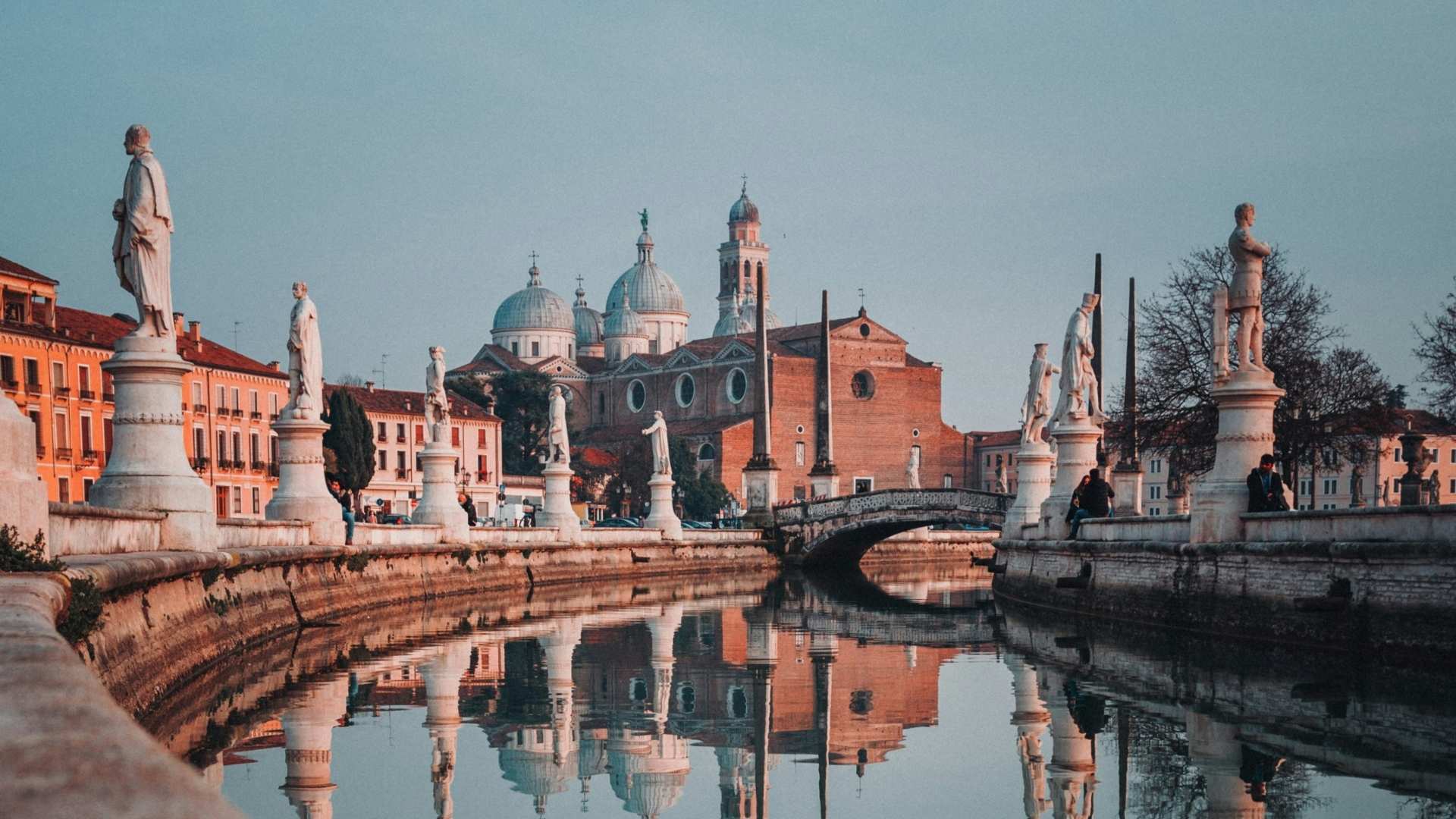
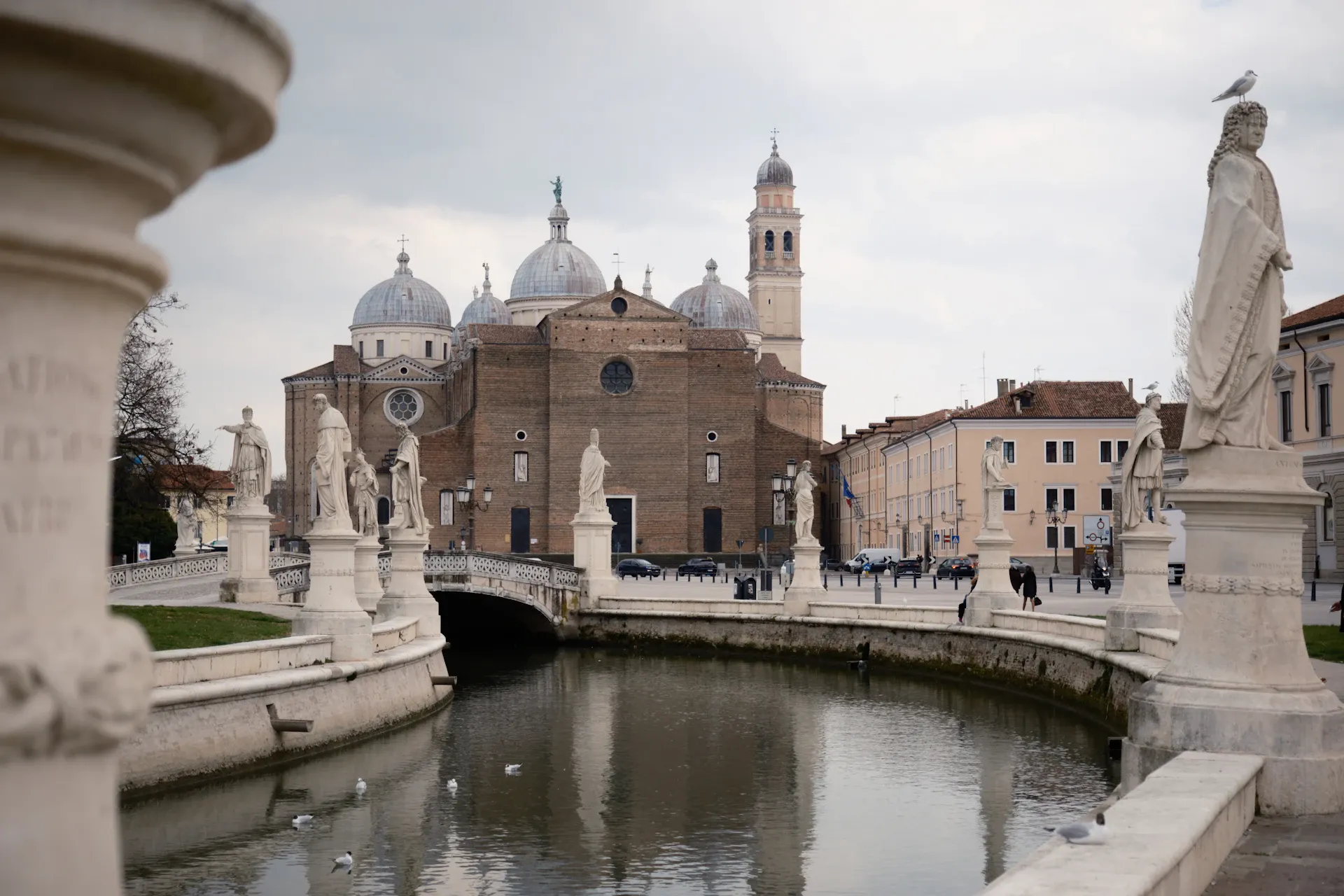
- Afterward, take a leisurely stroll through Prato della Valle, which is one of Europe's largest elliptical squares. This vast space features a central island, Isola Memmia, and it's surrounded by a canal lined with 78 statues of famous Paduans.
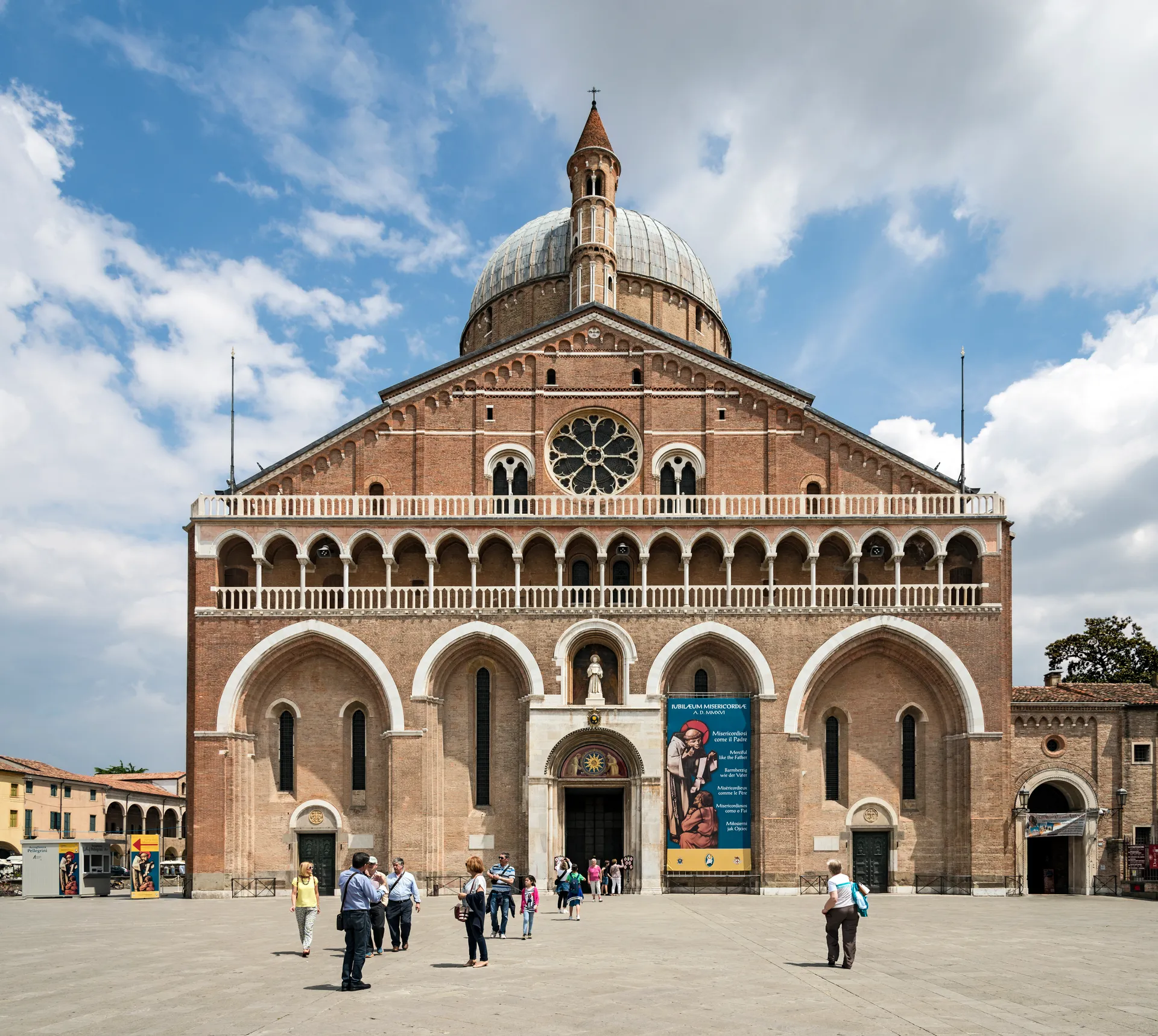
- Don’t forget the impressive Basilica of Saint Anthony, which is affectionately known as "Il Santo" by locals. This major pilgrimage site houses relics and showcases incredible architecture, including sculptures by Donatello.
- Finally, immerse yourself in the natural world at the Orto Botanico, which is the world's oldest university botanical garden, another UNESCO site established in 1545. It was dedicated to medicinal plant research and even introduced the first lilacs and sunflowers to Italy!
You can also read our full guide to all the top attractions in Padua, or our guide to everything you need to know when visiting Padua.
And if you need a guide, that can show you around in Padua, use the StoryHunt app, which creates audio walks based on your preferences. Download StoryHunt for Android and iOS here.




.jpg)

.avif)


