.webp)


TLDR: Pedrocchi Café in Padua is an iconic, historic landmark, famous for its unique architecture, role in Italian unification, and a signature mint coffee. Expect a grand, elegant experience, possibly at higher prices, but rich in culture.
I have recently explored the heart of Padua, and I can confidently say that Pedrocchi Café is many things; a coffee shop, a living museum, a political stage, and a culinary delight all rolled into one.
If you're planning a trip to this charming Italian city, you must understand the layers of history, the unique tastes, and the practicalities of visiting this grand establishment will elevate your experience. Let me share what I found, so you can decide if a visit to this famed café fits your travel style.
What is the story behind Pedrocchi Café?

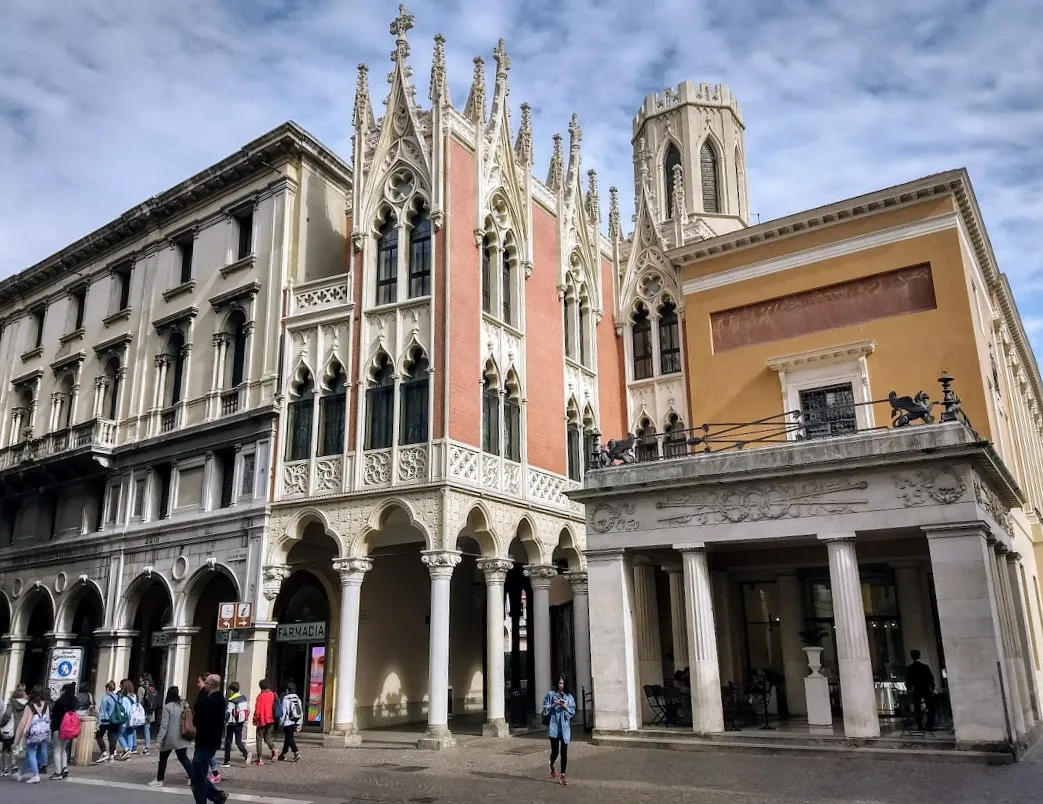
When you step inside Pedrocchi Café, you immediately sense the weight of centuries. Its journey began humbly in 1772 as Francesco Pedrocchi's coffee shop. His visionary son, Antonio, dramatically expanded it into "the most beautiful cafe on Earth" in 1831, thanks to architect Giuseppe Jappelli's neoclassical design.
It was nicknamed "the café without doors" because it remained open around the clock until 1916, and it welcomed everyone from professors to patriots.
The café truly symbolises Italian unification. The 1848 student uprisings against Austrian rule saw clashes here, and if you look closely in the White Room, you can still spot a bullet hole from that day. Intellectuals like Stendhal, who declared it "the best in Italy", gathered here and shaped the ideas of a new nation. Even the Green, White, and Red Rooms subtly echo the colours of the Italian flag.
Antonio Pedrocchi's generosity, who ensured no one was ever refused water or an umbrella, adds a charming human touch to this historical monument, which also houses the Museum of the Risorgimento upstairs. To truly immerse yourself in such rich tales and other Padovan treasures, enhancing your visit with audio stories found on platforms like StoryHunt can bring these moments to life.
Why is Caffè Pedrocchi so famous?
Its fame stems from a blend of deep history, distinctive architecture, and its profound impact on Italian culture and politics. It opened in 1831, and it quickly became the go-to place for intellectuals, artists, and national heroes, and it attracted figures like Stendhal and Lord Byron. You can almost feel their presence as you walk through its grand halls.
The café earned its "without doors" moniker by being open day and night for decades. It played a significant role in the 1848 anti-Habsburg riots, with a bullet hole still visible as a stark reminder. Architect Giuseppe Jappelli's eclectic design, blending various styles, also draws considerable attention.
A local saying, "essere al verde" (to be broke), is thought to have originated in the Green Room, where students could read newspapers without needing to buy anything. This blend of history, architecture, and cultural anecdotes truly sets it apart.
What can I taste at Pedrocchi Café?

Your visit wouldn't be complete without experiencing the unique flavors on offer here. The absolute must-try is the "Caffè Pedrocchi", which is a signature blend of espresso, cold mint cream, and a dusting of cocoa. It arrives without a spoon, and the locals advise against stirring it, as that could disturb its perfect balance. There's even a refreshing summer version, perfect on a warm day.
Beyond coffee, don't miss the "Stendhal Zabaione", which is a rich, creamy dessert served with delicate biscuits, famously enjoyed by the French novelist himself. The patisserie showcases a variety of exquisite pastries, including their own "Torta Pedrocchi".
For something more substantial, the restaurant serves traditional Venetian dishes like "gallina padovana" and "faraona in salsa peverada". You might even find "Tagliolino Pedrocchi", which is a pasta infused with mint - a clever nod to their famous coffee. Add "cicchetti" (Venetian appetizers), fine wines, or cocktails, and you have a comprehensive culinary journey.
Is Caffè Pedrocchi the largest cafe in the world?
When you step into Pedrocchi Café, its sheer scale is immediately impressive. Indeed, it's considered one of the largest, if not the largest, cafes in the world, and it spans a massive 3,550 square meters. Architect Giuseppe Jappelli truly aimed for something extraordinary when he designed it in the 1830s.
This vast space, conceived with ambition, reflects its significant past. While its size is a defining feature, the café’s grand proportions allowed it to serve as a pivotal meeting place for intellectuals and revolutionaries during the Italian Risorgimento. Imagine the conversations that filled these rooms! It's this blend of grand scale and profound historical purpose that truly makes it unique among cafes worldwide.
Where is Caffè Pedrocchi located?

You'll find Caffè Pedrocchi majestically positioned right in the heart of Padua, specifically at Via VIII Febbraio, 15. Its central location makes it an unmissable landmark, and it is easily accessible on foot from many of the city's main attractions. It sits proudly near the historic University of Padua and not far from the bustling Piazza della Frutta.
This grand institution, which is a fixture since the 1800s, perfectly blends into the city's academic and social fabric. Its strategic location meant it was always a natural meeting point for everyone – students, intellectuals, and revolutionaries alike.
Today, its central spot makes it convenient for you to pop in for that distinctive coffee, a meal, or just to soak in the atmosphere after exploring nearby sights. Its doors, while no longer literally open 24/7, are still wide to welcome you into a sophisticated experience.
Is it worth visiting Pedrocchi Café?
Deciding whether to visit Pedrocchi Café depends on your travel priorities. If you appreciate rich history, stunning architecture, and a truly iconic Italian café experience, then absolutely. Its neoclassical design by Giuseppe Jappelli and its fascinating "café without doors" legacy offer a deep dive into Padova's past.
Trying the unique signature Pedrocchi coffee, with its mint cream and cocoa, is an experience in itself. You can also explore the Risorgimento Museum upstairs for a deeper historical context.
However, be aware that its grandeur comes with a price tag; coffee and food can be more expensive than at a typical local bar, especially for table service. During peak times, you might encounter queues or find the toilet facilities a bit limited for such a large venue. Breakfast options might also feel quite standard despite the setting.
For a more relaxed visit, consider going mid-morning or late afternoon. It's a perfect stop for history buffs and architecture enthusiasts, but if you're on a very tight budget or just want a quick, no-frills espresso, you might prefer a smaller establishment elsewhere.
What else can I do in Padua?

Beyond the historic Pedrocchi Café, Padua holds a wealth of attractions waiting to be discovered.
- Make sure to visit the Scrovegni Chapel, where Giotto's groundbreaking frescoes will simply take your breath away; remember to book your tickets well in advance, as entry is strictly timed.
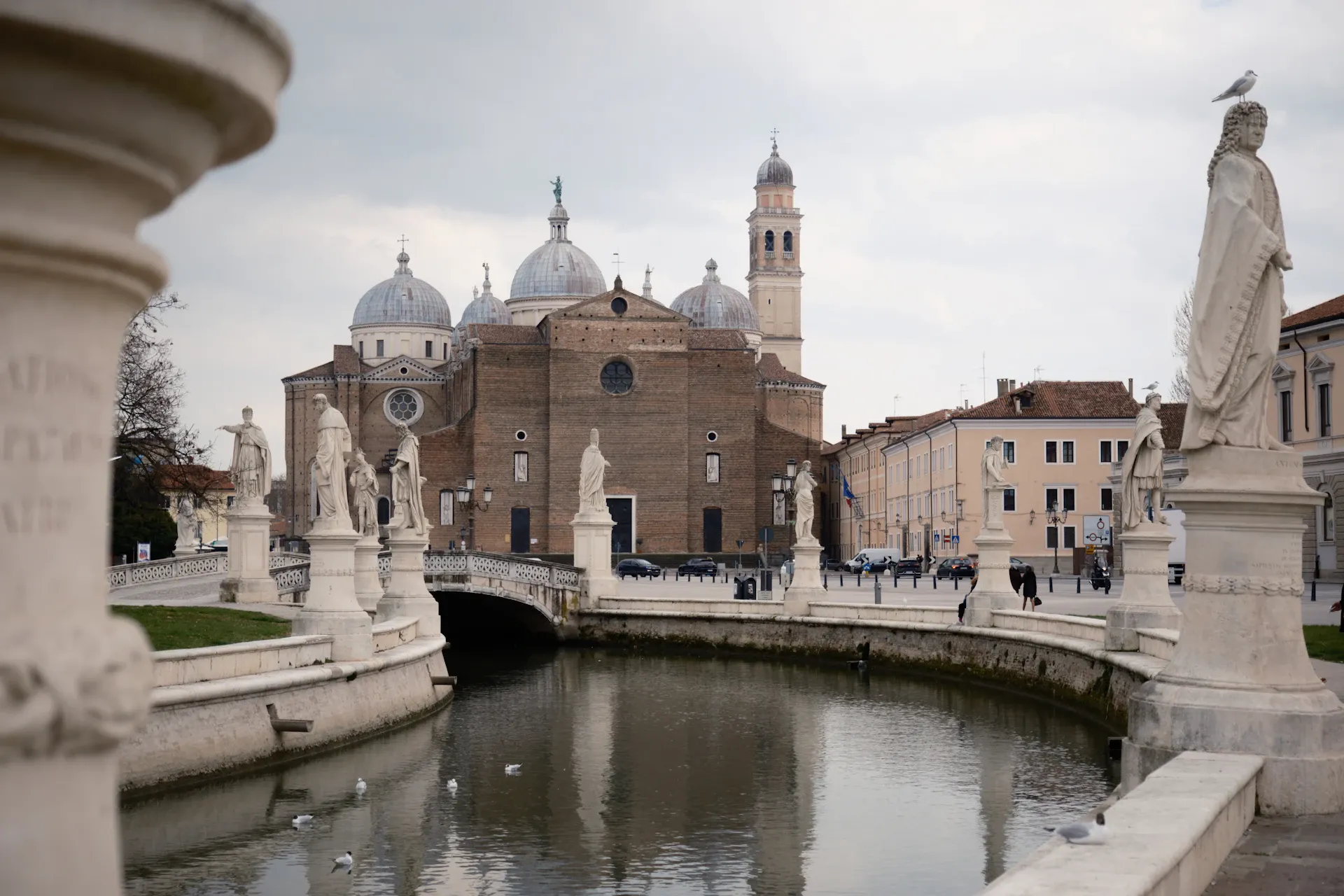
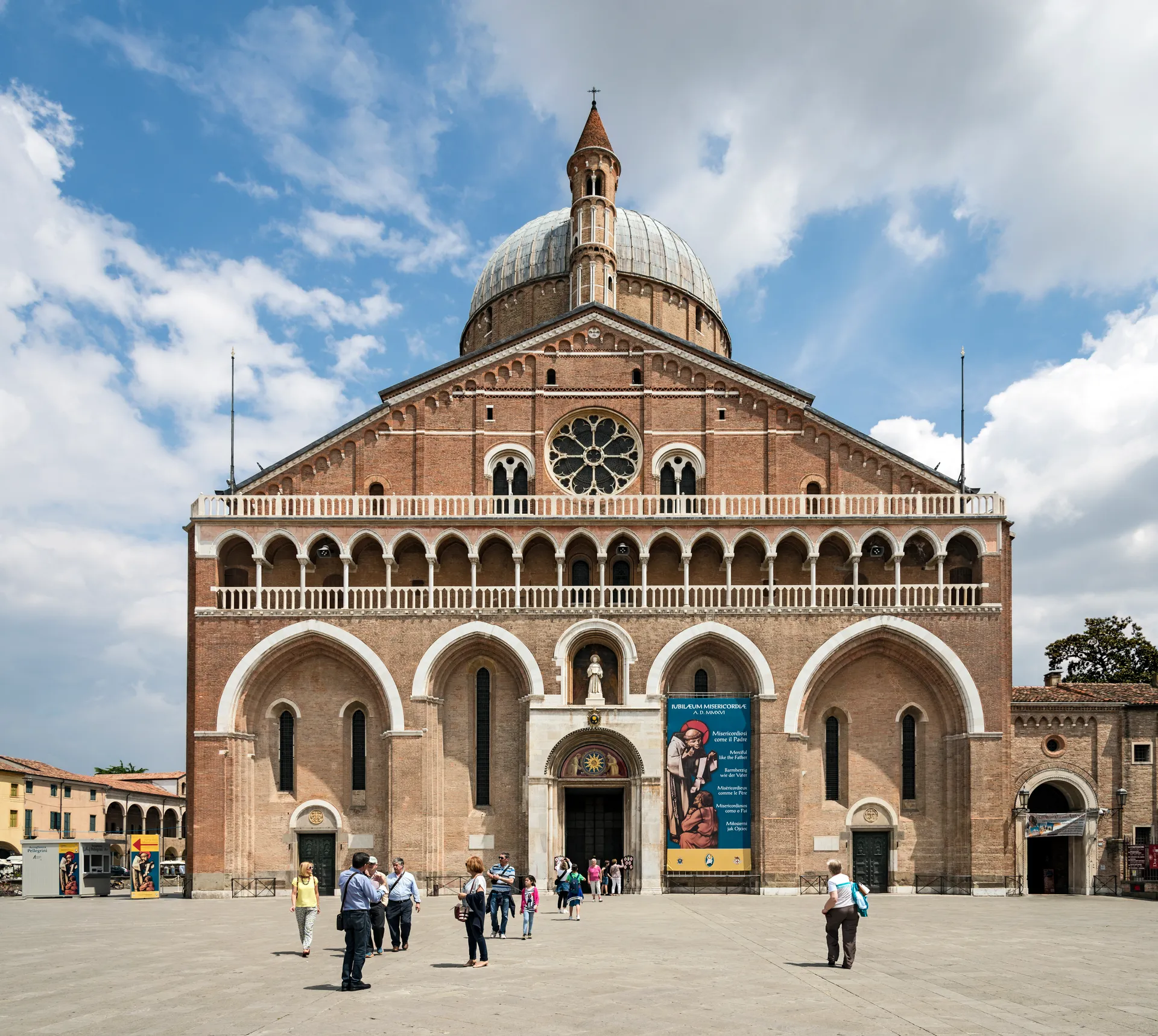
- You can also immerse yourself in the spiritual history at the Basilica of Saint Anthony, which is affectionately known by locals as "Il Santo". This majestic basilica is a significant pilgrimage site and offers a sense of profound tranquility.
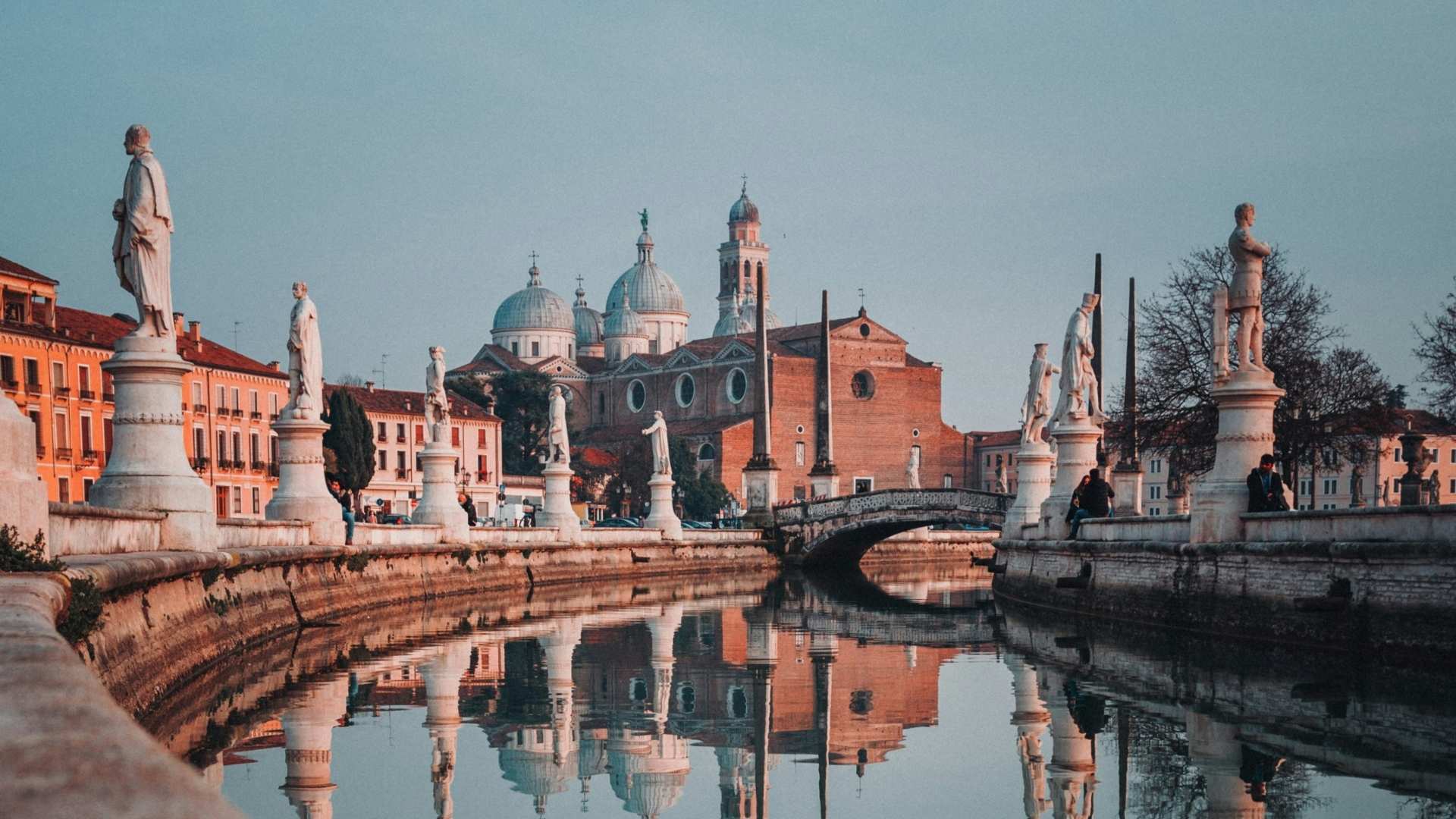
- Stroll through Prato della Valle, one of Europe's largest squares, where you'll find an elliptical canal lined with dozens of statues.
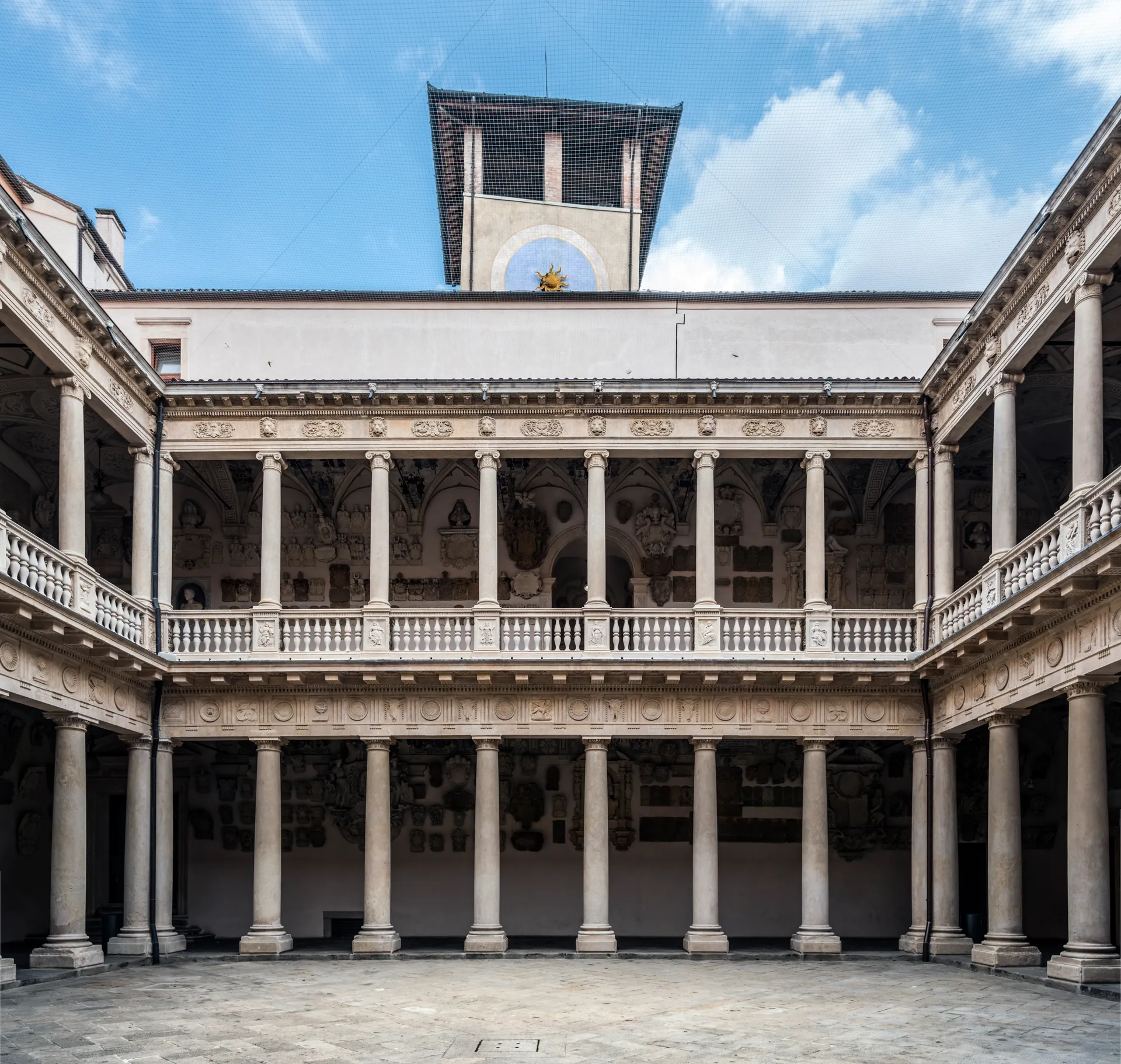
- Explore the University of Padua's Palazzo Bo, which houses the world's first permanent anatomical theater and where Galileo Galilei once lectured.
- Don't miss the UNESCO-listed Botanical Garden, the world's oldest university botanical garden, where the first lilacs and sunflowers were cultivated centuries ago.
- Finally, the Palazzo della Ragione, a medieval hall with a unique wooden ceiling shaped like a ship, holds fascinating astrological frescoes and historical curiosities.
Padua offers so much more than just a coffee, providing a rich tapestry of history, art, and learning. You can also read our full guide to all the top attractions in Padua, or our guide to everything you need to know when visiting Padua.
And if you need a guide, that can show you around in Padua, use the StoryHunt app, which creates audio walks based on your preferences. Download StoryHunt for Android and iOS here.




.jpg)

.avif)


