.jpg)
.webp)



TLDR: Skip the queues and experience London's free Natural History Museum. Dive into dinosaur exhibits, stand beneath a giant blue whale, and explore its stunning Victorian architecture. Book your timed entry online to guarantee access and make the most of your visit.
London's Natural History Museum is quite an experience. I've travelled quite a bit, and this institution truly stands out. If you're planning a trip to the UK capital and are curious about our planet's past and present - or if you're travelling with inquisitive minds - this guide is for you.
I'll share my firsthand impressions and practical tips to help you navigate its grand halls, from prehistoric giants to architectural secrets, ensuring your visit is both smooth and memorable.
What is the story behind Natural History Museum?
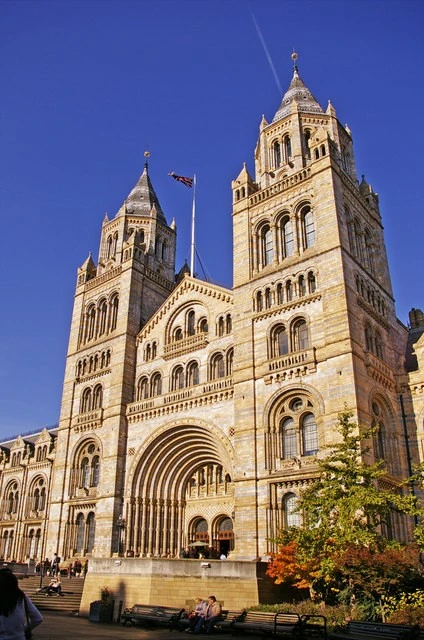
Stepping inside, you can almost feel the weight of history in the air. The museum's story begins with Sir Hans Sloane's vast collections back in 1753, initially housed within the British Museum.
However, it was the pioneering palaeontologist Richard Owen, the very man who coined the term "dinosaur", who championed a dedicated space. He pushed for the iconic building you see today, which opened its doors in 1881. The architect, Alfred Waterhouse, designed it with intricate terracotta details, chosen specifically to resist London's grimy industrial smog.
If you look closely, you'll discover a clever secret: the East wing showcases creatures that are no longer with us, while the West features living species. It's a subtle nod to the scientific discussions of its era, including Charles Darwin's groundbreaking theories, many of his specimens finding a home right here.
This place is a living archive that even served as a secret training ground during World War II for the Special Operations Executive! Understanding this rich past truly enhances your visit.
What is the Natural History Museum in London famous for?
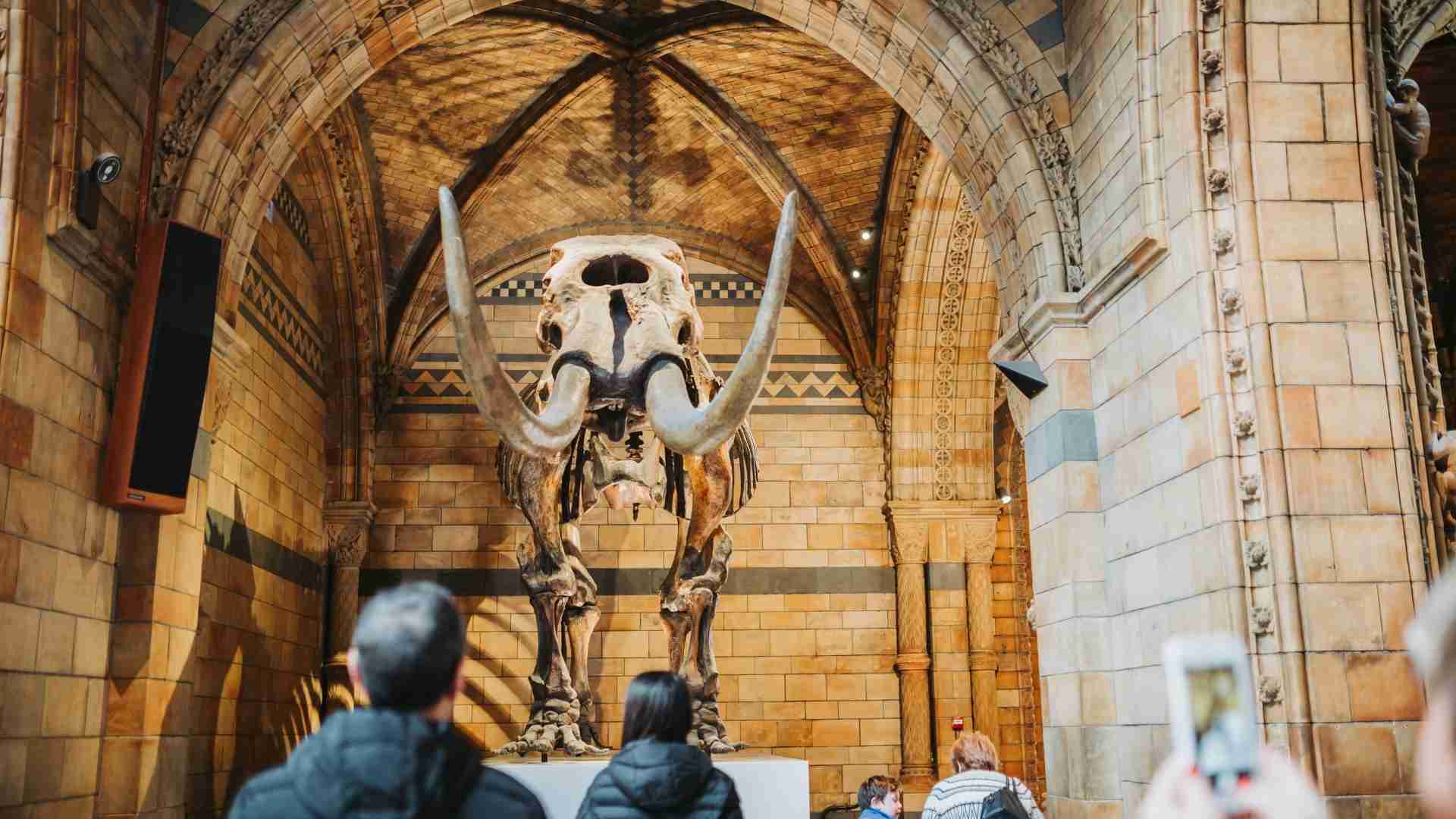
Beyond its fascinating origins, the Natural History Museum is renowned for its sheer scale and the incredible breadth of its collections. Many call it a "cathedral to nature" due to its magnificent Victorian Romanesque architecture, which really does evoke a sense of reverence. The institution holds roughly 80 million items, covering everything from tiny insects to colossal mammals.
What really grabs your attention upon entry is "Hope", the 25-meter-long blue whale skeleton, suspended gracefully in the grand Hintze Hall. It’s a truly breathtaking sight, a replacement for the much-loved "Dippy" the Diplodocus.
And yes, if you're thinking dinosaurs, you're spot on! It houses some of the first Tyrannosaurus Rex fossils ever found. You can also trace the steps of Charles Darwin, seeing specimens he collected.
And for something truly unique, did you know about the "Spirit Collection" underground? Millions of specimens are preserved in alcohol, including a gigantic squid. You might even spot some cheeky monkey sculptures on the building's facade, rumored to be caricatures of Darwin himself.
What can I see inside the Natural History Museum?
Once you step past the impressive entrance, the sheer scale of Hintze Hall immediately captures you. There, "Hope", the enormous blue whale skeleton, hangs in silent majesty, setting the tone for the wonders within.
- Following the signs to the Blue Zone, you’ll find the famous Dinosaur Gallery. Here, you're face-to-face with towering skeletons, including a T-Rex that feels surprisingly real as it moves.
- The Red Zone, known as the Earth Hall, offers a different kind of excitement. You can actually experience an earthquake simulation, which is quite a jolt, and then regain your composure gazing at gleaming minerals and precious gemstones, like the massive, flawless Ostro Stone.
- The Green Zone feels a bit more serene, with a colossal slice of a 1300-year-old Giant Sequoia tree and an intriguing "Creepy Crawlies" exhibit that might make you squirm just a little.
For an even deeper dive into the world of specimens, the Darwin Centre holds millions, including some collected by Darwin himself. If you’re lucky, you might even catch a glimpse of the vast "Spirit Collection" through the viewing windows – seeing specimens preserved in liquid truly brings a different perspective to natural history.
Is Natural History Museum London free?
Yes, this is one of London's greatest gifts: general admission to the Natural History Museum is absolutely free. You can wander its magnificent halls, take in the vast permanent collections, and stand in awe beneath "Hope" the blue whale or face off against the mighty T-Rex in the Dinosaur Gallery without spending a penny on entry.
However, do keep in mind that certain special temporary exhibitions or events might have a separate admission fee. To make sure your visit goes smoothly, especially if you're planning to go during busy times like weekends or school holidays, I highly recommend booking a free timed entry ticket online in advance. It’s a simple step that saves you a lot of hassle.
Can you just walk into the Natural History Museum in London?
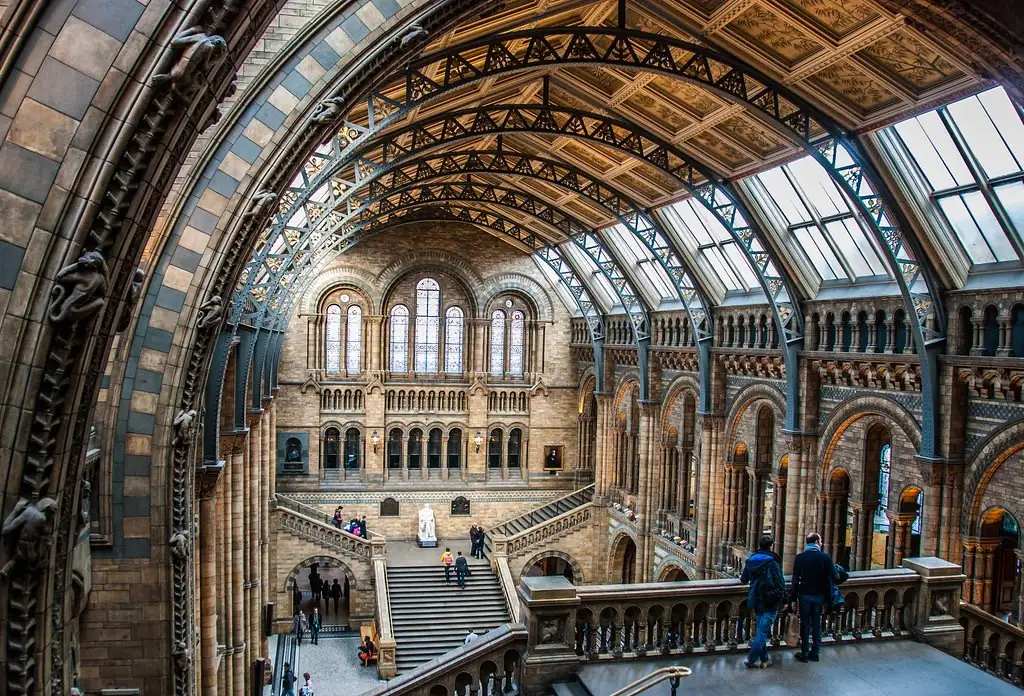
While general entry to the Natural History Museum is free, the answer to whether you can simply walk in is a firm no, not really. This is a crucial practical detail: you absolutely need to book a free timed entry slot online before you arrive.
I saw people turned away during my visit because they hadn't booked ahead, especially on a busy day. This system helps manage the crowds, which can get huge, and ensures a more comfortable experience for everyone inside. Turning up without a pre-booked reservation means you’ll likely be denied entry for general admission, which would be a real shame.
Booking is straightforward and only takes a few minutes, so make it a priority. Once you have your slot secured and step inside, you'll appreciate how this system works, allowing you to enjoy the vast collections, including Darwin's specimens, "Hope" the whale, and the famous Dinosaurs gallery, without being shoulder-to-shoulder with hundreds of others.
Is Natural History Museum good for kids?
If you're traveling with children, the Natural History Museum is an absolute winner. It's easily one of the best family attractions in London, whether you're a local or a visitor. There’s something to ignite curiosity in every child, from the youngest to the teens.
The Dinosaurs gallery is a definite highlight – watching kids' faces light up, or even gasp, at the towering skeletons and especially the animatronic T-Rex, is priceless. And "Hope" creates a sense of awe that often leaves little ones speechless.
Beyond the big draws, there are plenty of interactive opportunities, like the Investigate Centre, designed for ages 5-14, where they can get hands-on with over 300 different specimens. The Red Zone also features an escalator ride that makes you feel like you're diving into the Earth’s core, complete with sections about volcanoes and earthquakes – it’s a big hit.
Plus, it’s free, has picnic areas, and you can make a game out of spotting the hundreds of sculpted animals hidden all over the museum's exterior.
How long does it take to walk through the London Natural History Museum?
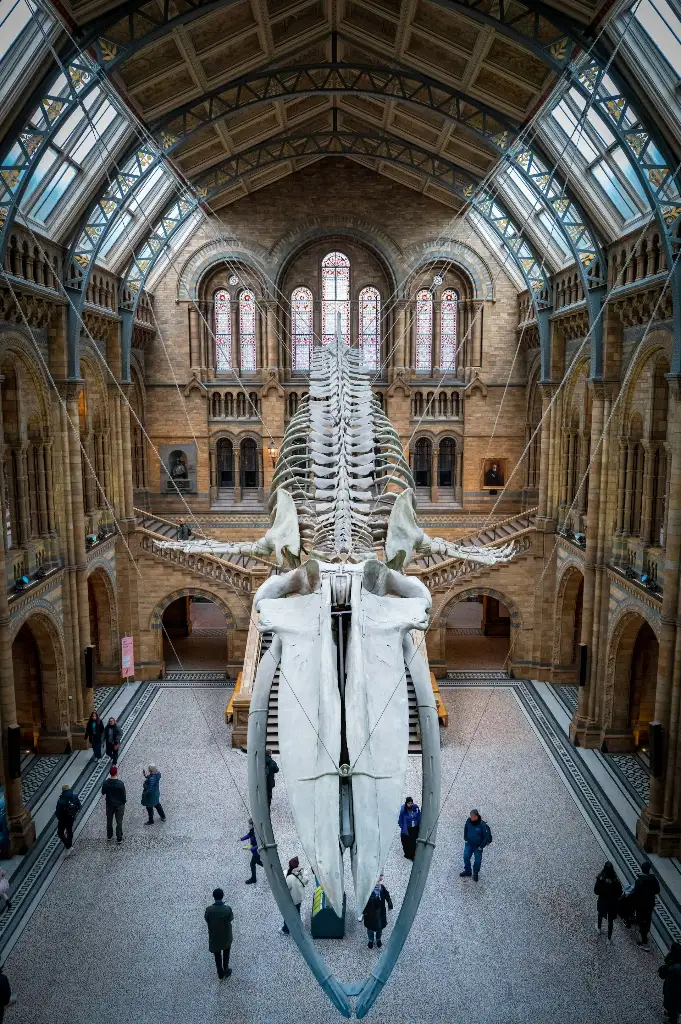
The time you'll spend in the Natural History Museum really depends on how deep you want to go.
For most visitors, covering the main highlights – like "Hope" the blue whale and the popular Dinosaurs gallery – you should set aside at least 3 to 4 hours. Trust me, the Dinosaurs gallery alone can easily occupy you for an hour to an hour and a half as you take it all in.
If you're a true enthusiast, or if you plan to explore all the Red, Green, and Orange Zones thoroughly, or perhaps check out a temporary exhibition, you could easily spend 5 hours or even a full day (6-8 hours). This place is truly a colossal collection, home to over 80 million specimens, so there's always something new to discover.
My best practical advice? Wear really comfortable shoes - you'll be doing a lot of walking across its grand, echoing floors!
Which is better, Natural History Museum or British Museum in London?
This is a classic London dilemma, and honestly, there's no single "better" choice; it completely depends on what sparks your interest. Both are world-class and offer free entry.
- The Natural History Museum, as you've gathered, is all about the natural world: evolution, ecology, geology, dinosaurs, and that incredible blue whale skeleton. Its unique terracotta exterior, with carvings depicting thousands of plants and animals, tells its own story. It tends to be more interactive and is generally a huge hit with families and children.
- The British Museum, on the other hand, is a journey through human history, art, and culture from across the globe. Think the Rosetta Stone, the Parthenon Sculptures, and ancient Egyptian mummies.
It’s fascinating to note that the Natural History Museum actually grew out of the British Museum's original natural history collection.
So, if you're captivated by ancient civilizations and human ingenuity, head to the British Museum. If you're drawn to Earth's creatures, geology, and the story of life itself, then the Natural History Museum is your place.
Is it worth visiting the Natural History Museum in London?
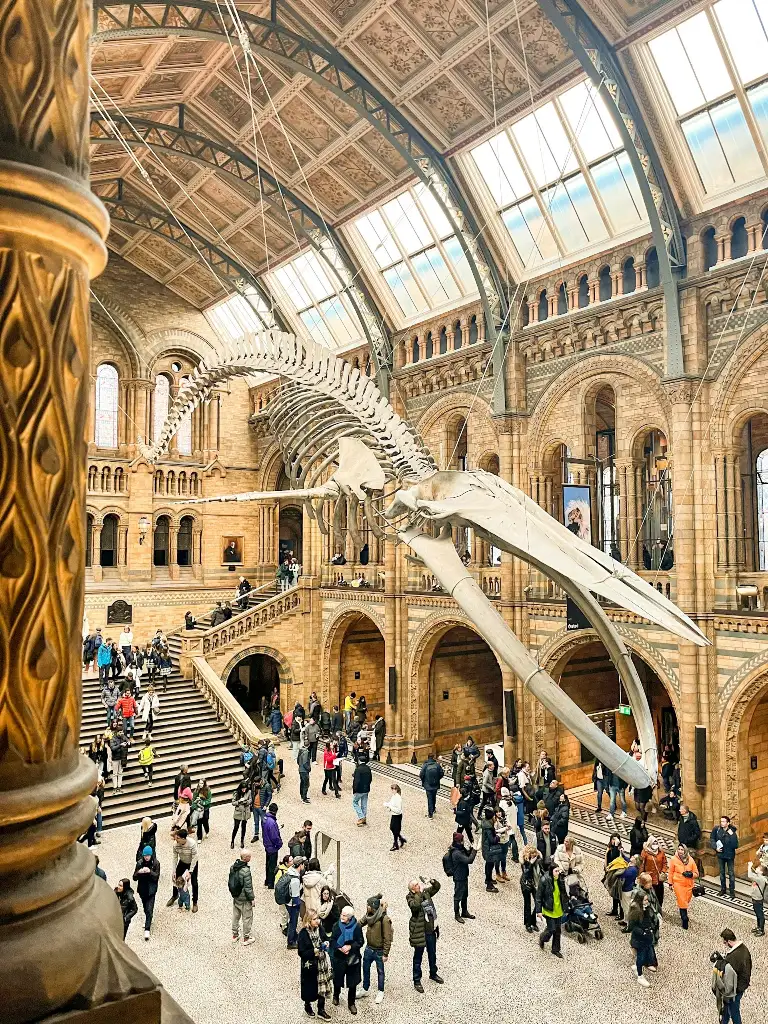
Without a doubt, yes, visiting the Natural History Museum in London is absolutely worth your time.
From the moment you approach its breathtaking Romanesque exterior, you sense you're in for something special – its intricate terracotta facade was famously designed to withstand London’s historic smog. Inside, the sheer scale of "Hope" is an unforgettable sight, setting the tone for the entire visit. The Dinosaur Gallery delivers on its promise of prehistoric thrills, with the impressive T-Rex being a definite highlight.
Don't skip the escalator ride in the Earth Galleries, which feels like a descent into the very core of our planet. And for a unique peek behind the scenes, the Darwin Centre’s "Cocoon" gives you a glimpse of scientists working with millions of specimens, including a giant squid. The fact that general entry is free makes it an incredibly accessible and enriching experience for all ages.
However, be aware that it can get incredibly busy, so planning your timed entry is key to truly enjoying this magnificent institution.
What else can I do in London?
London is a city that keeps on giving, especially if you're a curious traveller. And the area, Kensington, is packed with things to to - you can read our guide to the top attractions here.
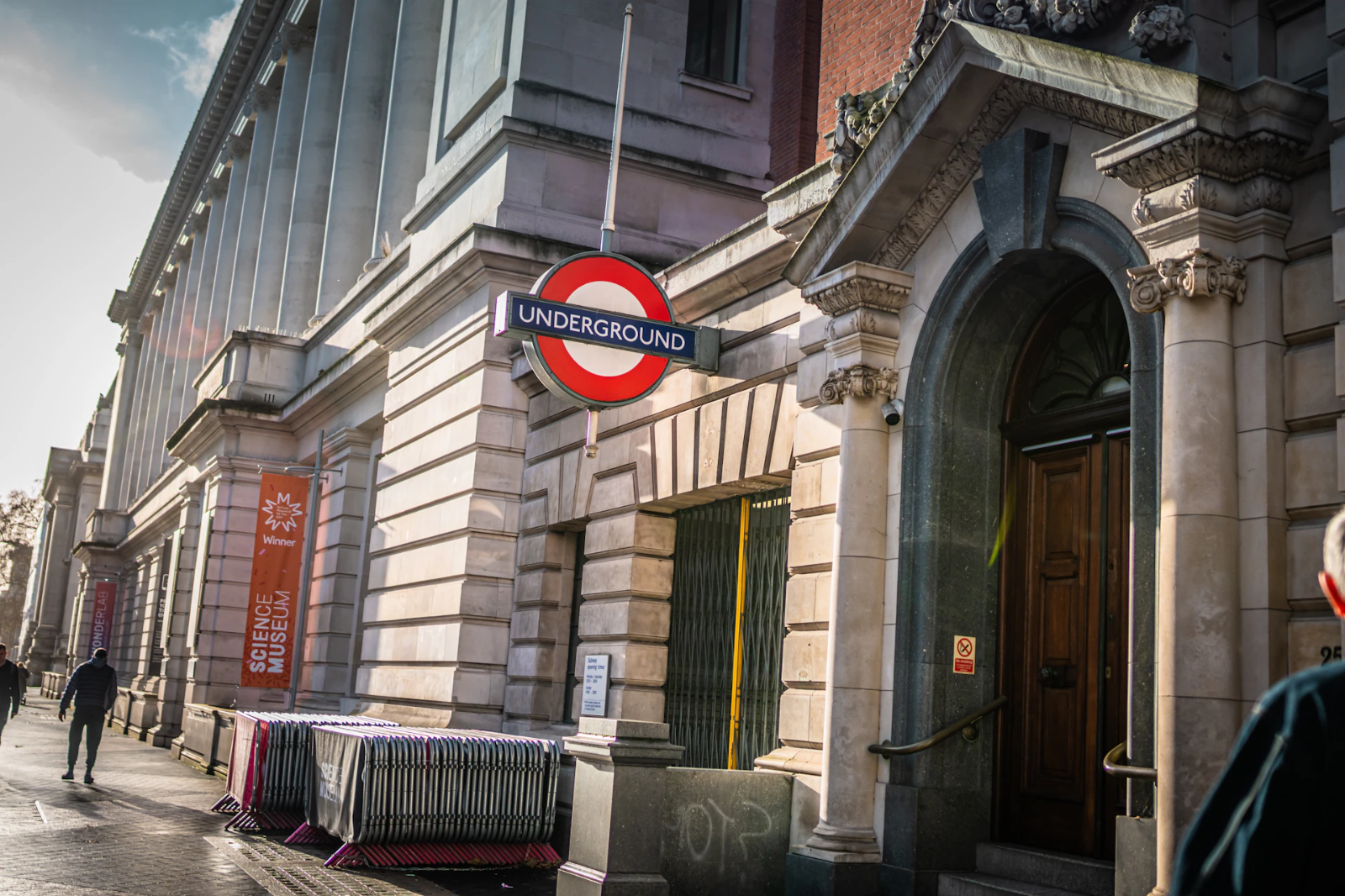
- Right next door to the Natural History Museum, you'll find the Science Museum, which boasts incredible interactive exhibits perfect for all ages – a great follow-up if you're in the mood for more discovery.
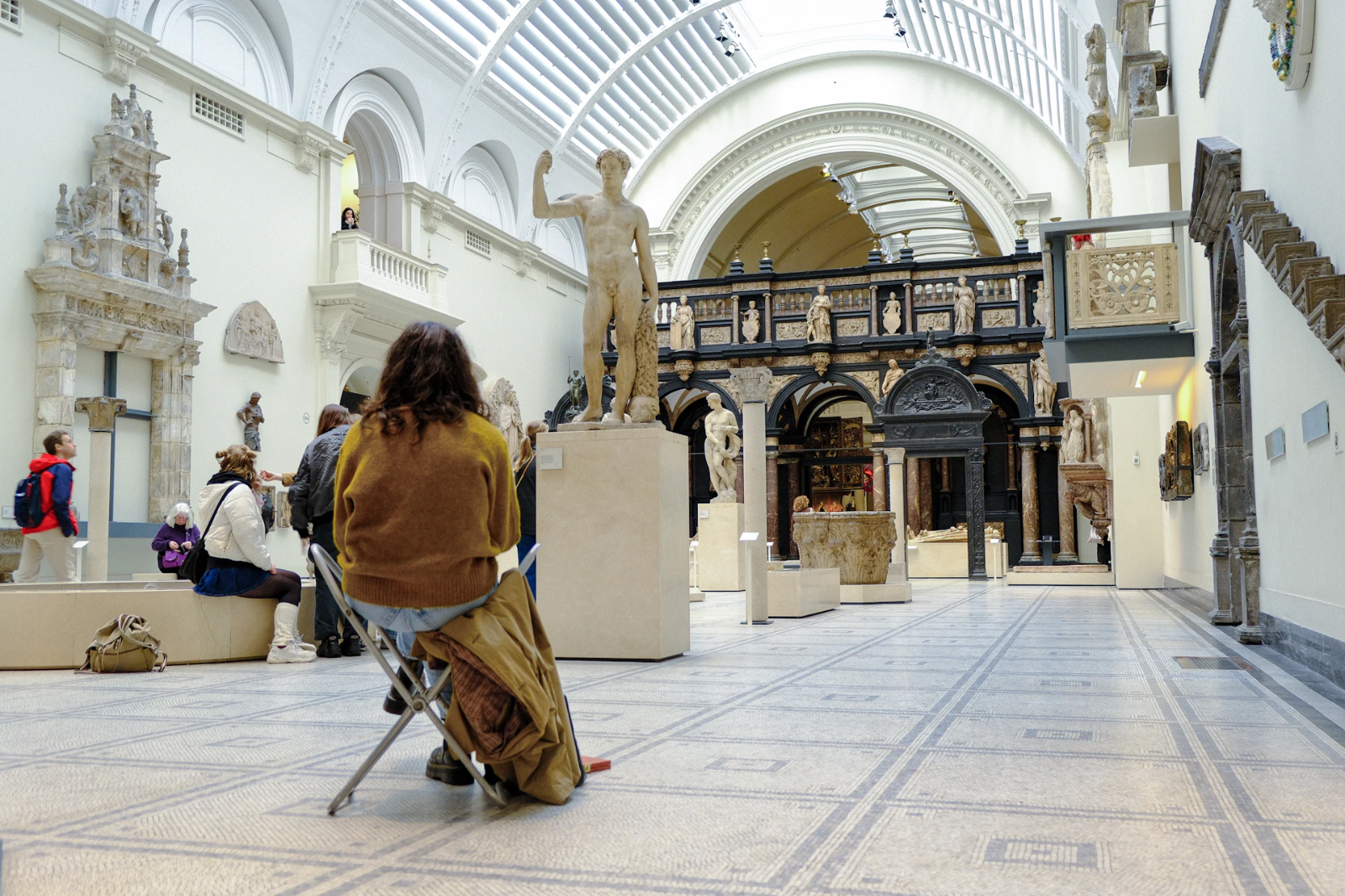
- Adjacent to that, the Victoria and Albert Museum (V&A) offers a complete change of pace with its vast collections of art, design, and performance.
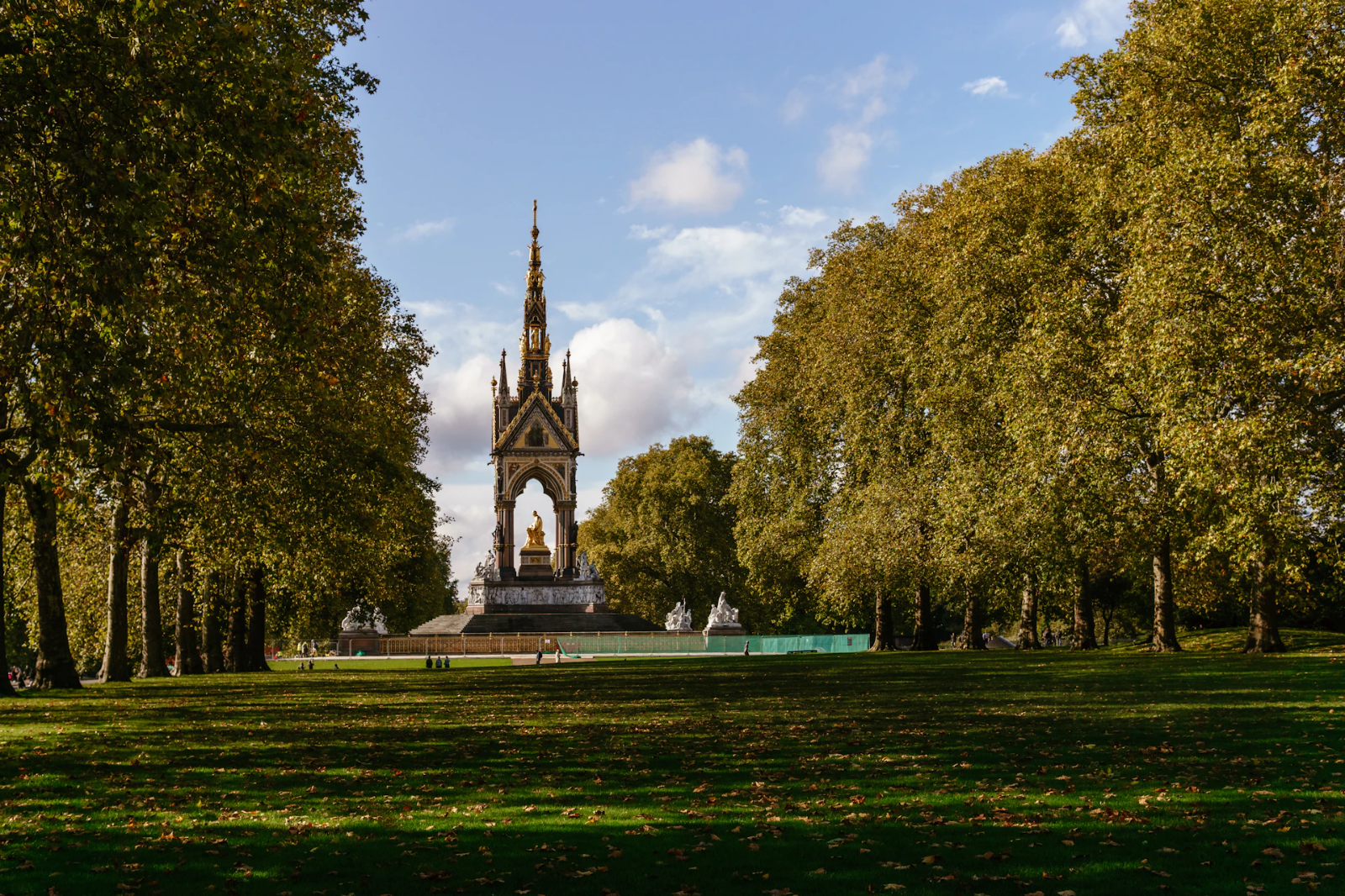
- For a breath of fresh air after all that indoor exploration, Kensington Gardens is just a short stroll away, offering picturesque pathways and green spaces.
- If you're looking for something a bit more niche, the Grant Museum of Zoology is a hidden gem with an old-world charm, showcasing fascinating zoological specimens.
- And for a dose of opulent 19th-century aesthetics, check out the unique Leighton House, an artist's former home.
To truly get the most out of Kensington and London, from its iconic landmarks to its lesser-known spots, using the StoryHunt app can be a fantastic way to explore. It offers engaging audio tours that provide context and stories you might otherwise miss, helping you connect deeper with the city's rich tapestry of attractions. Download StoryHunt for Android and iOS here.
















.jpg)


.avif)

.avif)

.avif)


