.webp)


TLDR: Kensington packs three world-class free museums, a royal palace, London's largest park, and one of the most recognisable concert halls in the world into a single walkable neighbourhood. It's one of the few parts of London where you can fill three or four days without repeating yourself - and do most of it without paying admission.
Kensington doesn't need much of a sales pitch. Three of the world's best museums stand within three minutes' walk of each other on Exhibition Road. Hyde Parkis on your doorstep. Kensington Palaceis still a working royal residence. And yet the neighbourhood somehow manages to feel less frenetic than Westminsteror South Bank, probably because the people who come here tend to have a specific destination in mind.
After several visits - including a couple of deliberate attempts to slow down and actually finish a museum rather than rushing through - I've worked out what's worth your time here and what the honest trade-offs are.
1. Natural History Museum

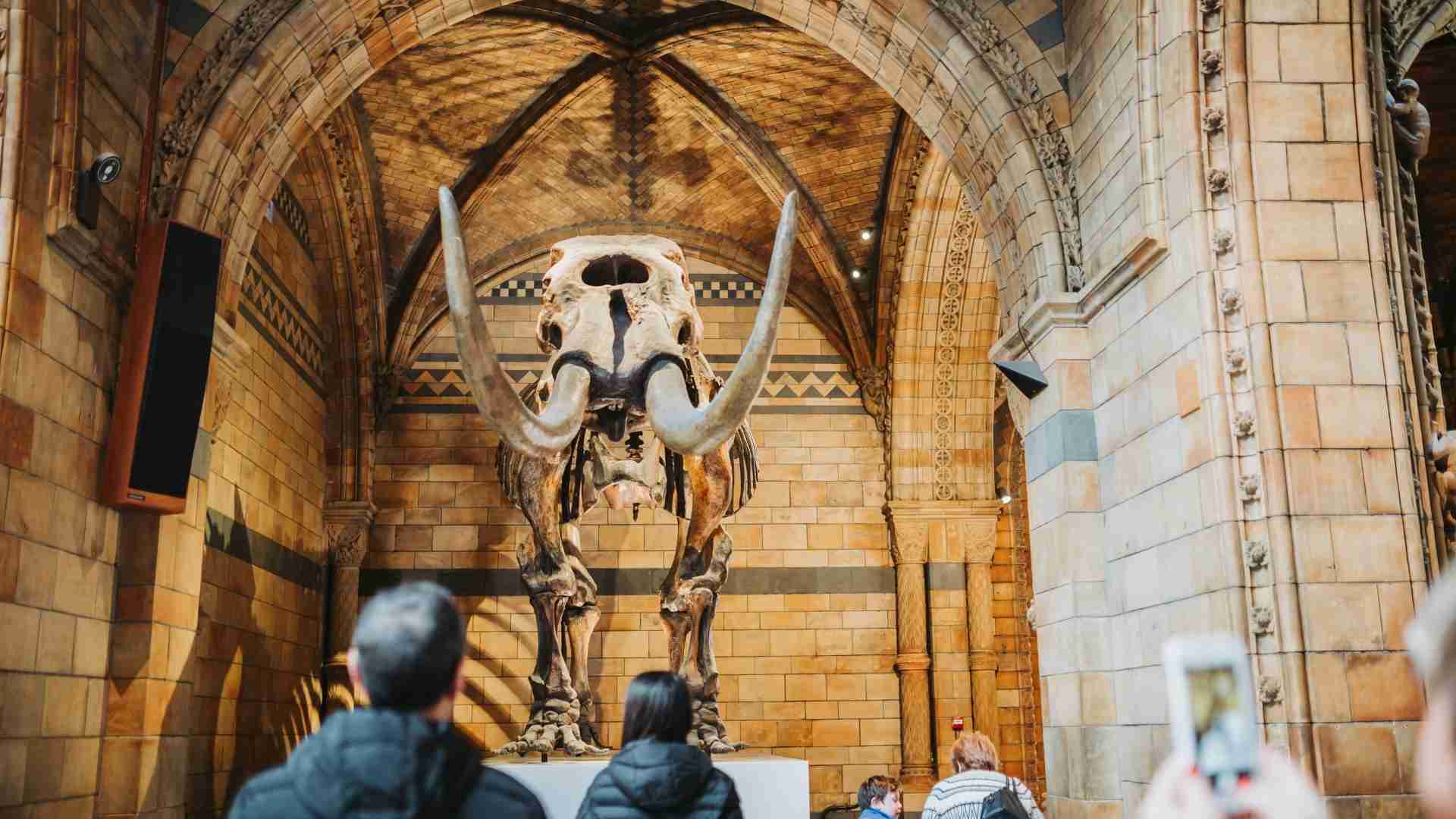
The building that houses the Natural History Museum alone is worth seeing - an elaborate Romanesque cathedral in terracotta brick designed by Alfred Waterhouse, completed in 1881. Inside, the Central Hall puts a life-size blue whale skeleton above you the moment you walk in. The museum draws over six million visitors a year and admission is free.
The collections span 80 million specimens across five zones. Don't try to cover everything. The dinosaur gallery (including a very good T. rex) and the Earth Galleries, where you descend through a hollow globe, are the ones most people come back to. The wildlife photography exhibition, which runs annually in the entrance hall, is some of the best photography you'll see in London, also free.
Weekday mornings are noticeably quieter than weekends. The museum opens at 10 AM and the queue at the main entrance can build quickly in summer — the side entrance on Exhibition Road is often faster.
Did you know? The Natural History Museum holds around 80 million items in its scientific collections, but only a small fraction are ever on public display. The rest are used by researchers from around the world.
2. Victoria and Albert Museum
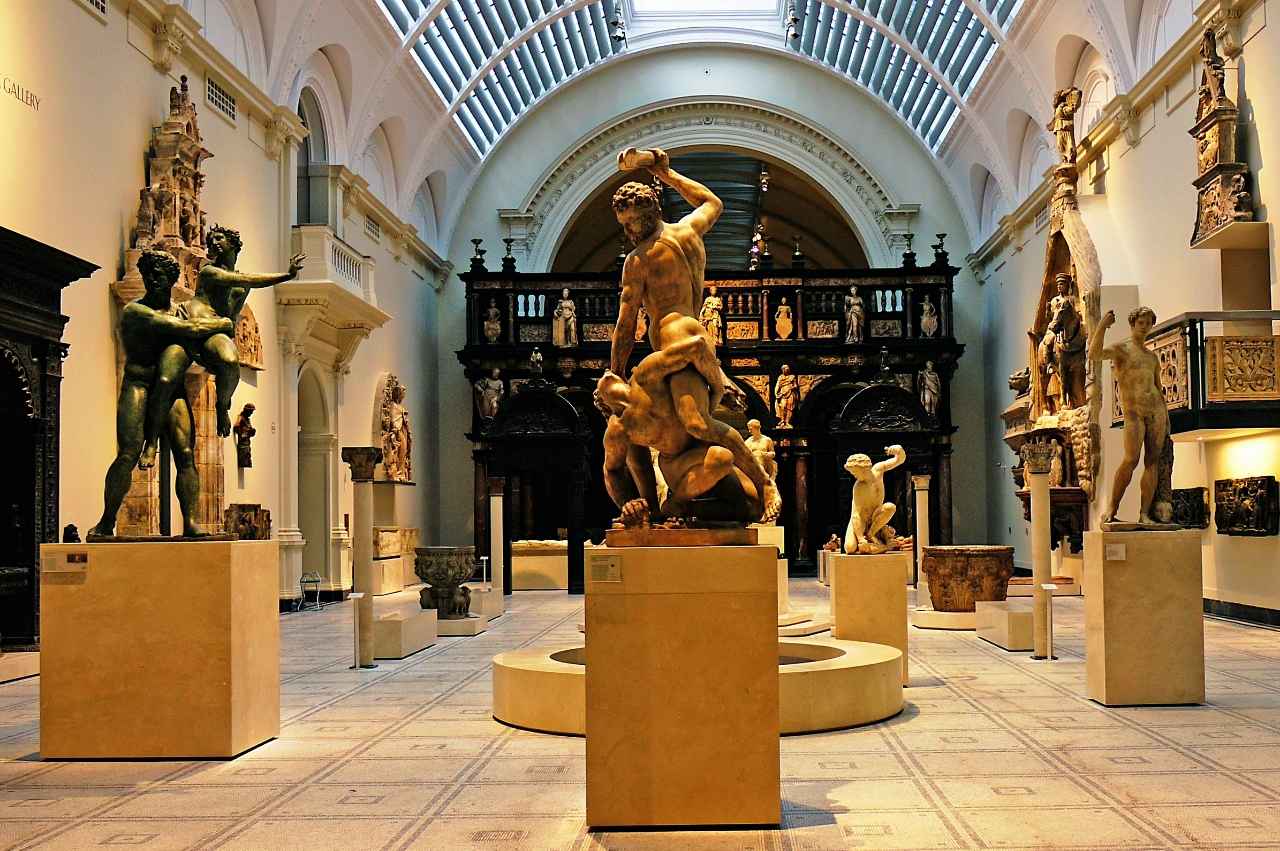
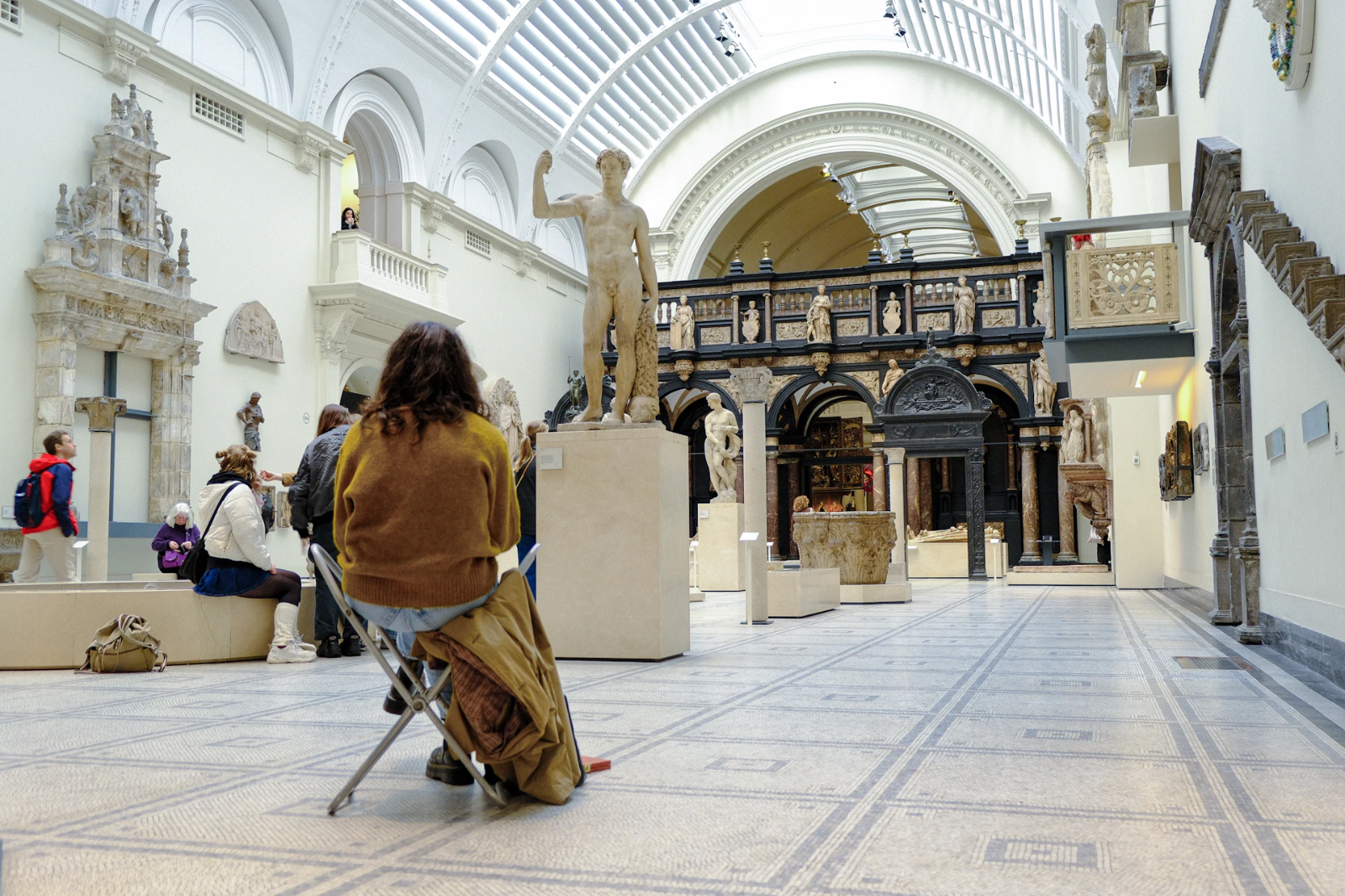
The V&A Museum is harder to summarise than the Natural History Museum because it covers more ground - fashion, furniture, ceramics, jewellery, photography, architecture, sculpture, textiles - across 145 galleries spanning 5,000 years of human creativity. It drew 3.4 million visitors in 2024. Admission is free for the permanent collection.
The thing to do here is pick a department and go properly rather than trying to graze across the whole building. The Cast Courts - two enormous rooms filled with plaster casts of famous sculptures including a full-scale replica of Michelangelo's David - are extraordinary and rarely crowded. The Fashion Gallery on the ground floor and the Raphael Cartoons on the first floor are also genuinely worth more than a five-minute pass.
The museum cafe in the original refreshment rooms is one of the best museum cafes in London, worth a stop even if you're not hungry.
Did you know? The V&A's refreshment rooms, opened in 1857, were the first museum restaurants in the world. They were designed by students and teachers from the Government School of Design.
3. Science Museum

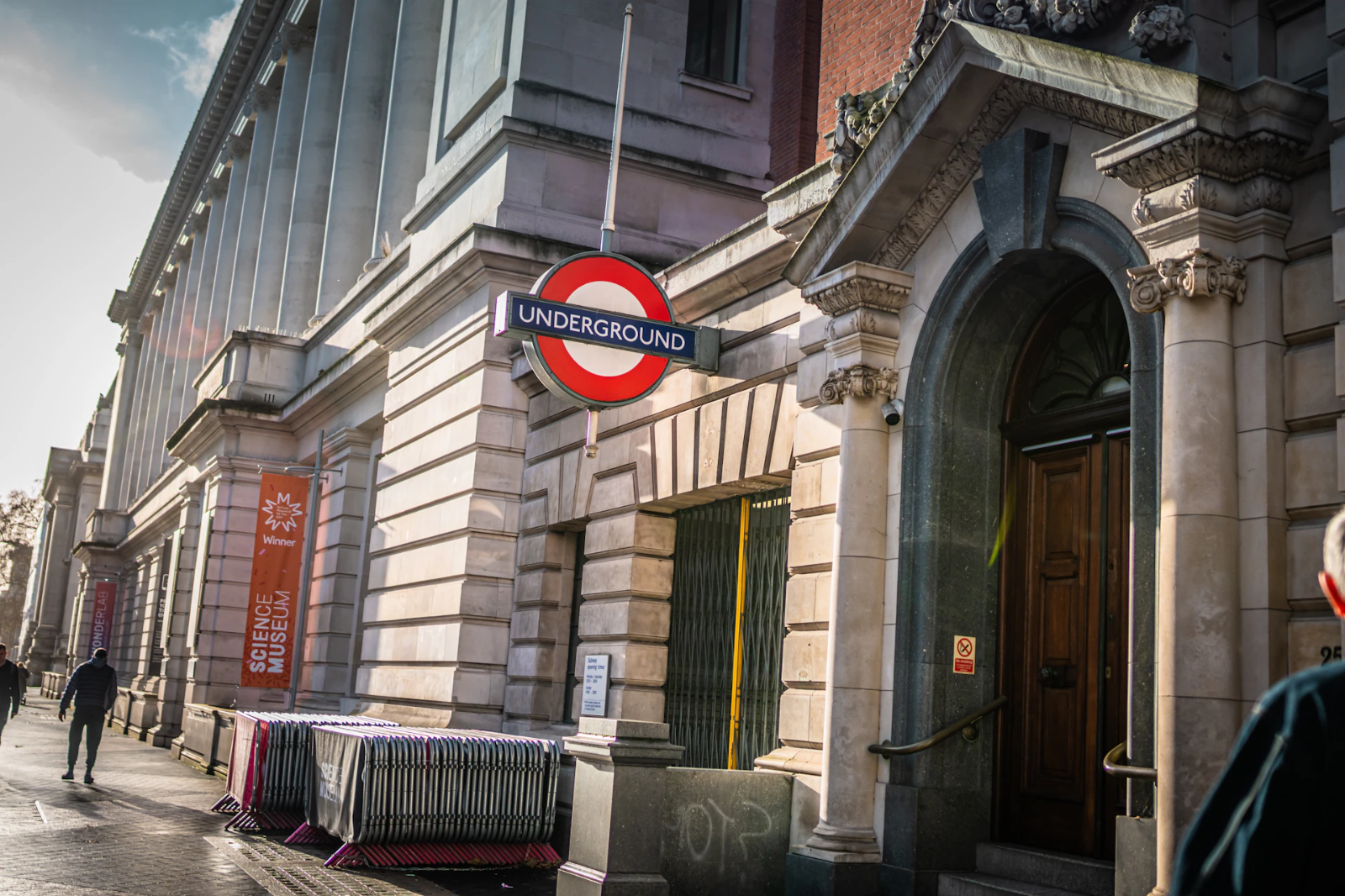
The Science Museumsits immediately next to the Natural History Museum and is regularly underestimated by people who dismiss it as a children's attraction. The ground floor's Making the Modern World gallery is a genuinely fascinating survey of industrial history, including Stephenson's Rocket, an Apollo 10 command module, and one of the earliest surviving steam engines. Admission is free.
The upper floors cover medicine, mathematics, communications, and computing. The Wonderlab interactive floors do skew younger, but the historical collections are for everyone. The IMAX cinema and some special exhibitions charge separately. Budget two to three hours if you want to go beyond the ground floor.
Did you know? The Science Museum holds the actual Apollo 10 command module - the spacecraft that carried astronauts to within 14 km of the Moon in 1969, further than any humans had previously travelled.
4. Kensington Palace
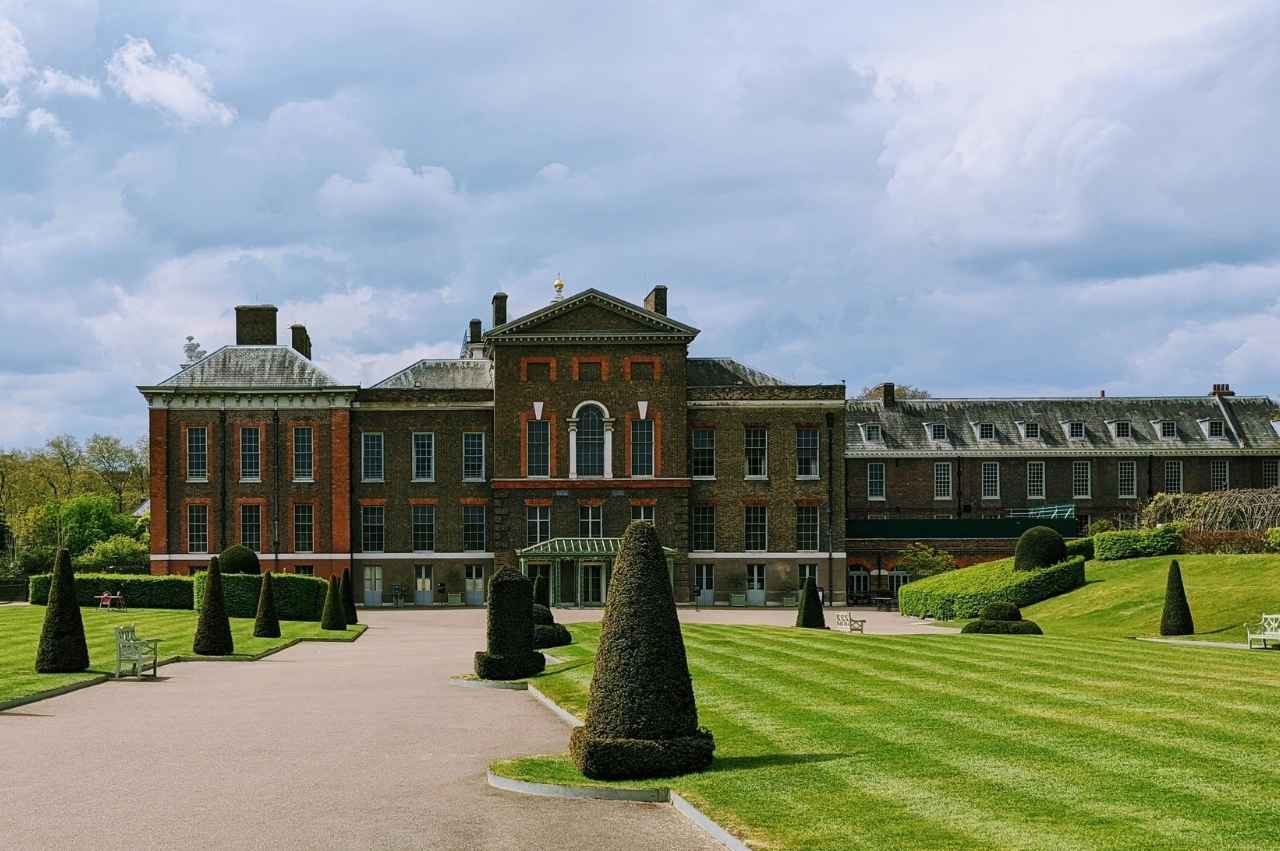
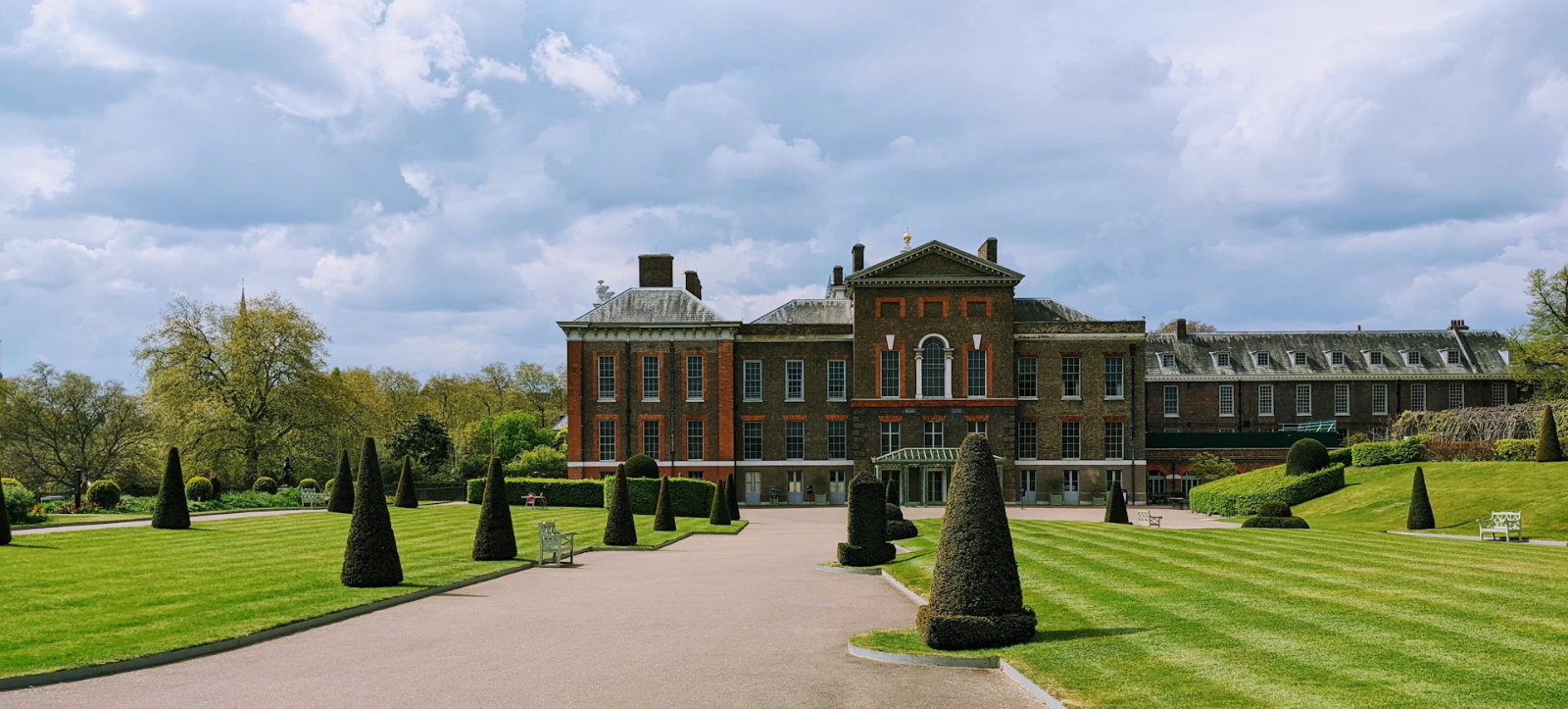
Kensington Palacesits on the western edge of Hyde Parkand has been a royal residence since 1689, when William III bought it to escape the damp air near the Thames. Queen Victoria was born here in 1819 and lived here until her accession. It's currently the official London home of the Prince and Princess of Wales.
The State Apartments and various curated exhibitions are open to visitors — tickets cost around £26-28 for adults, which is on the expensive side for what you get, but the building and gardens are genuinely interesting and the crowds are manageable. The Sunken Garden, planted in 1908, is worth walking through even if you skip the interior. The café in the Orangery is a popular spot for afternoon tea, though it books up quickly.
Did you know? Queen Victoria was woken at 5 AM on June 20, 1837, in Kensington Palace to be told she had become queen. She was 18 years old.
5. Explore Kensington with an audio guide
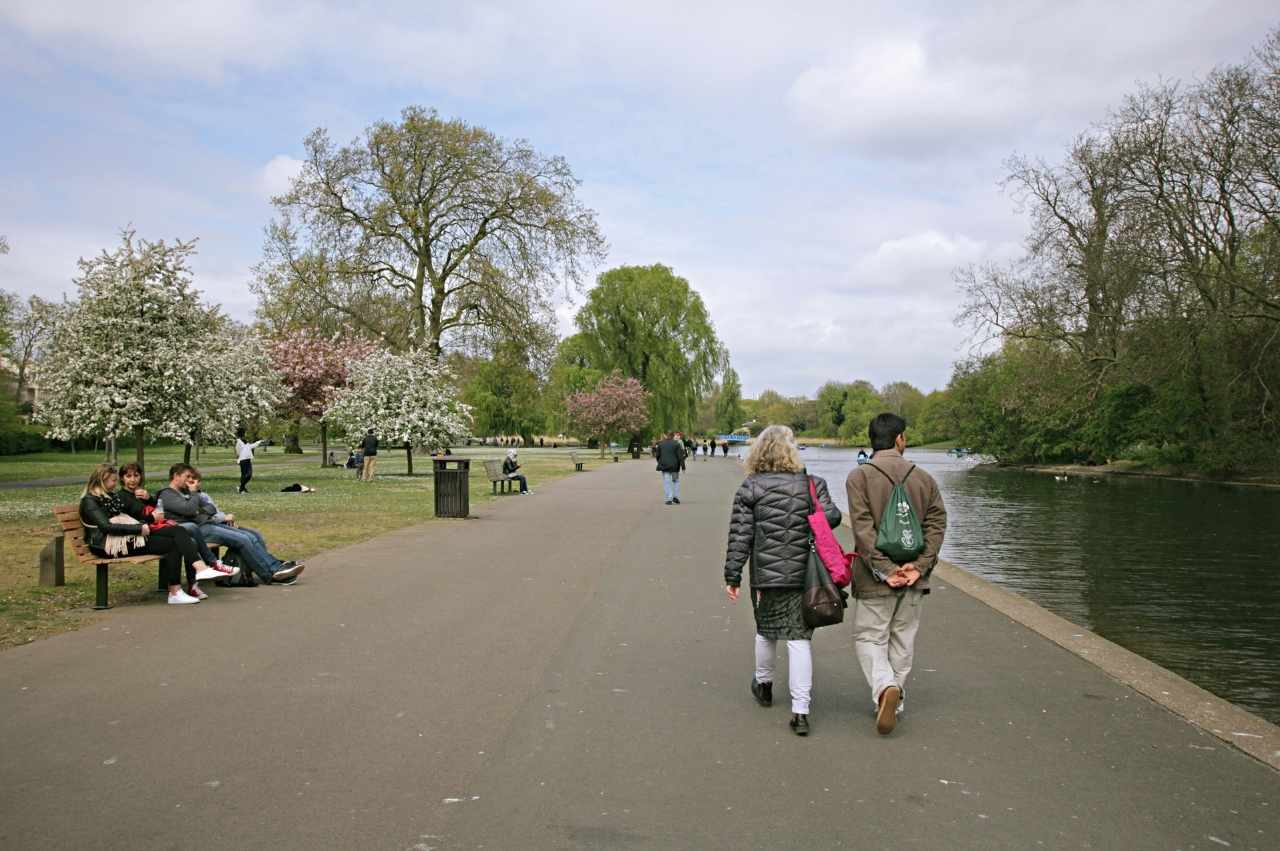
With three major museums, a royal palace, and Hyde Park all within walking distance, Kensington is one of the best neighbourhoods in London for a self-guided walk — but it helps to have something connecting the dots between stops.
The StoryHunt app is free to download and lets you build your own audio walk through Kensington based on what you actually want to see, rather than following a fixed route that may not match your interests. Whether you're moving between Exhibition Road's museums, cutting through Hyde Park to Kensington Palace, or finding the Albert Memorial, the app delivers context as you walk.Download StoryHunt free here.
6. Royal Albert Hall

The Royal Albert Hallopened in 1871, ten years after Prince Albert died, and has been running almost continuously since. The elliptical red-brick building with its mosaic frieze holds just over 5,000 people and hosts around 400 events a year — classical concerts, rock and pop, tennis, boxing, awards ceremonies, graduation ceremonies, and the BBC Proms, which have taken place here every summer since 1941.
If you're not going to a show, the guided tours give access to the Royal Box, the arena floor, and the backstage areas. Tours run daily and cost around £16-20. Standing in the arena looking up at the dome is one of those moments that's more impressive than photos suggest.
The building also has a well-known acoustic quirk — an echo problem when it opened that led the hall to be nicknamed "the hall with two audiences."
Did you know? The Great Exhibition of 1851 surplus that paid for the land in South Kensington was also used to help fund the Royal Albert Hall, fulfilling one of Prince Albert's ambitions for a permanent concert venue in the area.
7. Albert Memorial

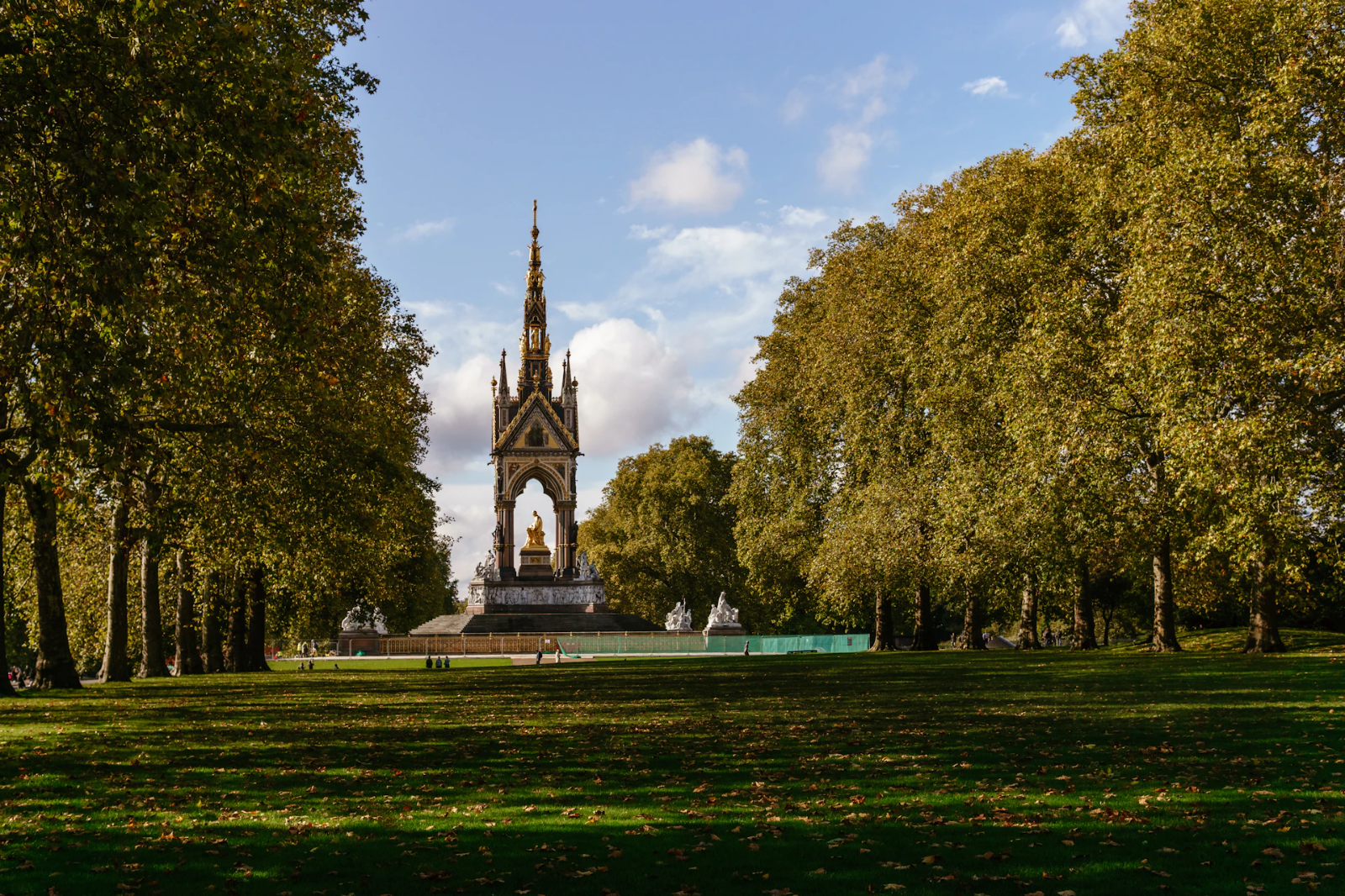
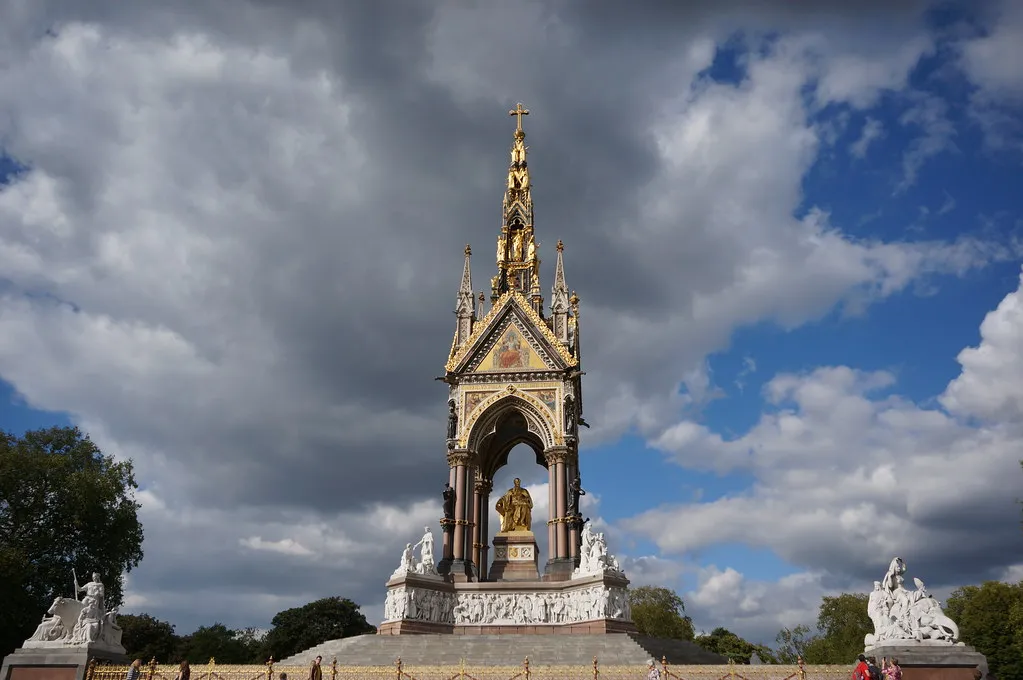
The Albert Memorialstands directly opposite the Royal Albert Hall in Kensington Gardens — a 54-metre Gothic canopy sheltering a gilded statue of Prince Albert, who sits holding a catalogue of the Great Exhibition. It was completed in 1872 and is one of the more elaborate pieces of public sculpture in London.
It's free to view and easy to walk past without stopping, which is a shame because the detail is extraordinary up close. The four corner groups represent the continents; the frieze around the base contains 169 figures of artists, poets, architects, musicians, and sculptors.
Guided tours of the memorial run occasionally - check the Royal Parks website for schedule.
Did you know? The gilded statue of Prince Albert was originally painted black in 1915, during World War I, to reduce its visibility as a navigation landmark for German Zeppelin raids. It wasn't re-gilded until 1998.
8. Hyde Park
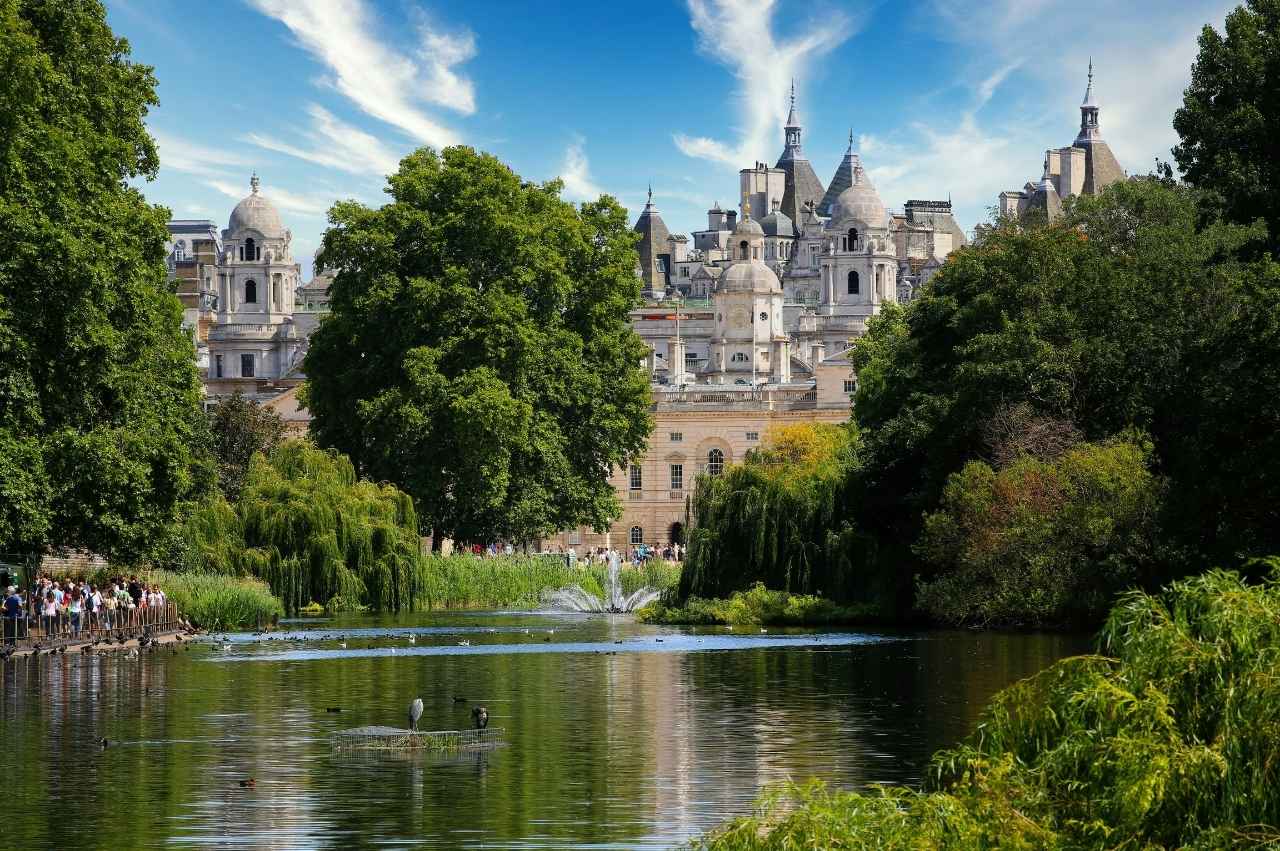
Hyde Parkcovers 142 hectares - roughly the size of Monaco - and sits immediately east of Kensington Gardens, though the two parks run together seamlessly. It's been open to the public since 1637 and is one of eight Royal Parks in London.
The Serpentine is the park's centrepiece: a 28-acre lake used for swimming (in the designated Lido area, open May to September), boating, and kayaking. Speakers' Corner at the northeast corner, near Marble Arch, is where anyone can show up on Sunday mornings and say almost anything - a tradition protected since 1872. The Diana, Princess of Wales Memorial Fountain is in the southwest section near Kensington Palace.
Hyde Park rewards wandering without a specific plan more than most London parks. A circuit of the Serpentine on foot takes about 45 minutes. Bike hire is available at multiple points.
Did you know? The Great Exhibition of 1851, which funded most of Albertopolis, took place inside a massive glass and iron structure in Hyde Park called the Crystal Palace, covering 92,000 square metres. It was later dismantled and moved to South London, where it burned down in 1936.
9. Science Museum IMAX and Temporary Exhibitions

Beyond the permanent free collection, both the Science Museum and the V&A run temporary exhibitions that are typically excellent and worth checking before you visit. The Science Museum's IMAX is one of London's largest screens. The V&A's paid exhibitions have covered everything from David Bowie to Frida Kahlo to Christian Dior, and tend to sell out well in advance.
Checking what's on before you go can significantly change the value of a day in Kensington - and add admission costs that aren't in the "free museums" baseline. Both venues publish schedules months ahead.
Did you know? The V&A's 2013 David Bowie Is exhibition became the most internationally toured exhibition in the museum's history, visiting 12 cities across 9 countries before closing in 2018.
Plan your Kensington walk with StoryHunt
Kensington is a fascinating area with loads of history and attractions - you can read our guide to the Kensington neighborhood here.
And with the StoryHunt app you can connect all nine stops - from Exhibition Road's museums to Hyde Park and Kensington Palace - with audio context delivered as you walk. Build your own route based on what interests you most, and explore at your own pace. Download StoryHunt for Android and iOS here.
.jpg)


.avif)








.jpg)






.avif)



.avif)


