
.webp)



TLDR: London has 33 boroughs, but most visitors need to focus on five or six neighbourhoods; Westminster, South Bank, Covent Garden, Greenwich, and Kensington. Each has a distinct character - and honest trade-offs.
London is enormous - 33 boroughs, close to nine million people, and more tube stops than you'd ever realistically need. Most visitors arrive with an ambitious list and leave feeling like they barely scratched the surface.
That's not bad planning. It's just London being London.
From my recent travels throughout the year, I have gathered a pretty good idea of what to see and what to skip, and this guide covers the neighbourhoods where most of the best stuff actually is. Read about what to expect from each one - and a few honest warnings about where tourist expectations and reality tend to part ways.
What is the story behind London as a city?

London has been continuously inhabited for roughly 2,000 years. The Romans founded Londinium around 43 AD as a trading post on the north bank of the Thames. It grew into a walled settlement, then a medieval capital, then the administrative heart of a global empire - and then a modern city that survived the Blitz and reinvented itself multiple times since.
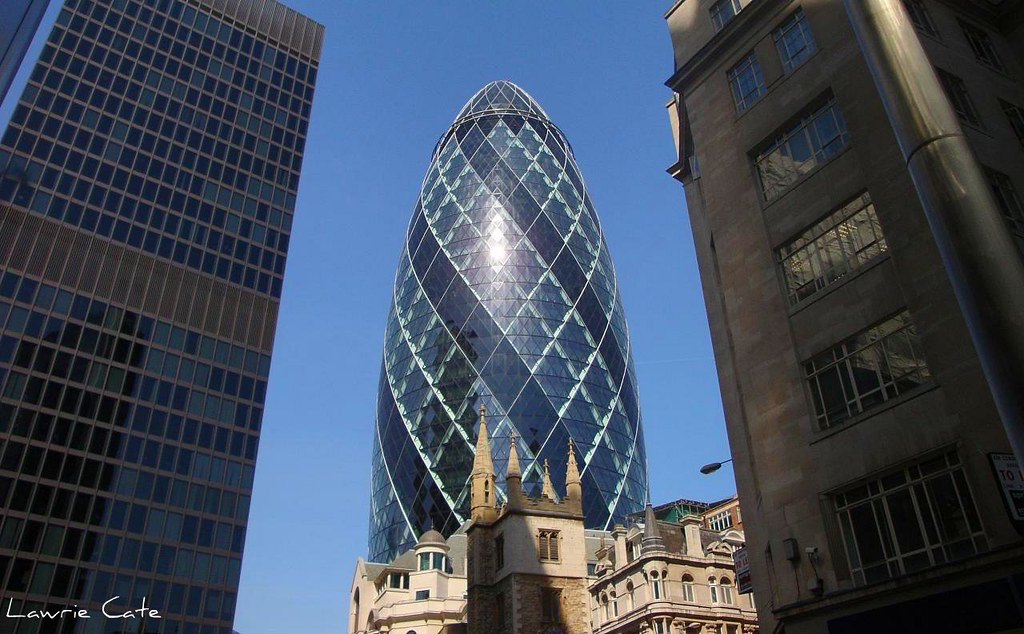
That layered history is part of what makes it so interesting to walk around. Medieval churches sit directly next to Georgian townhouses, which sit next to glass towers. There's rarely a neat explanation for why anything is where it is; it just accumulated over time.
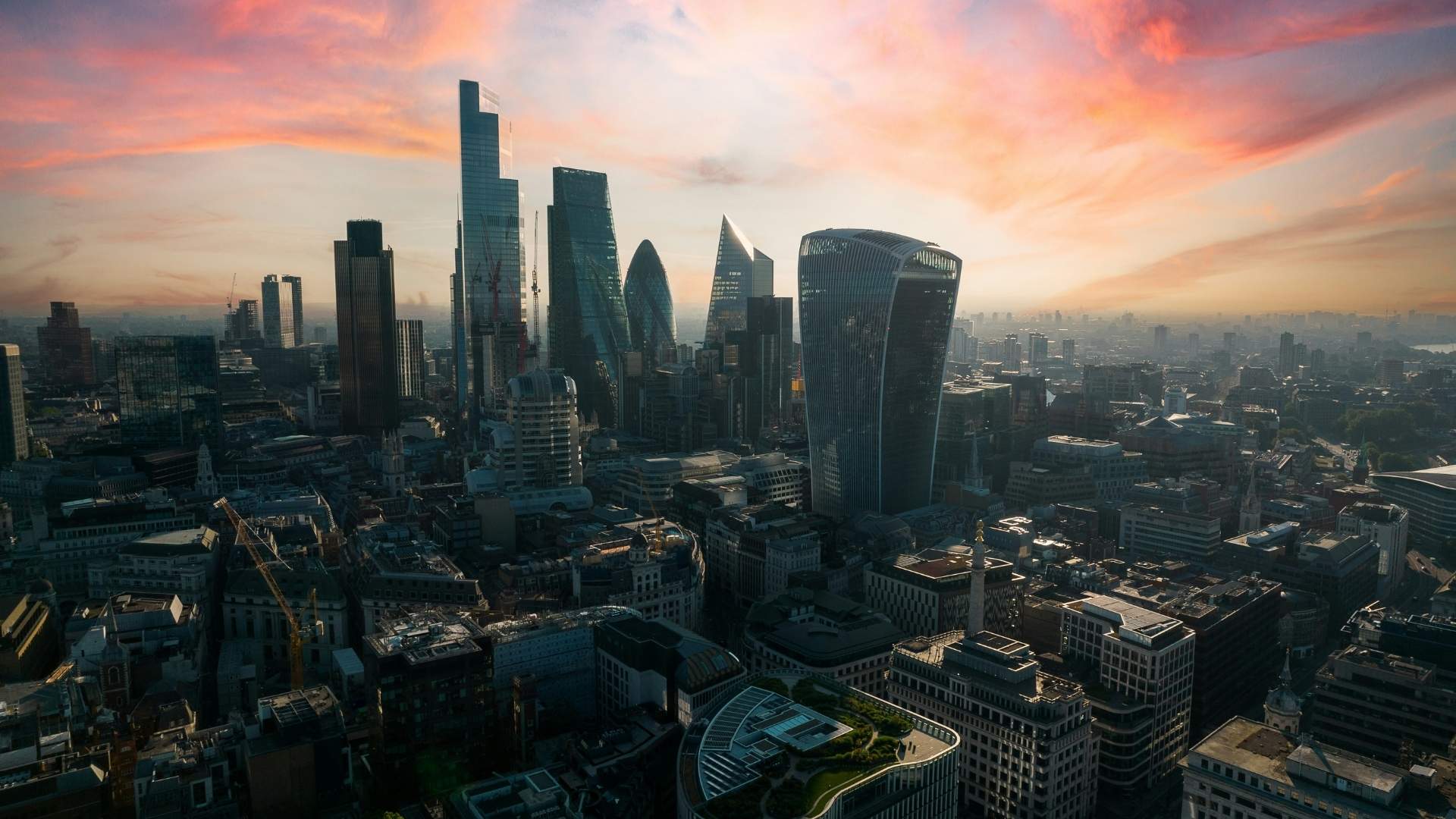
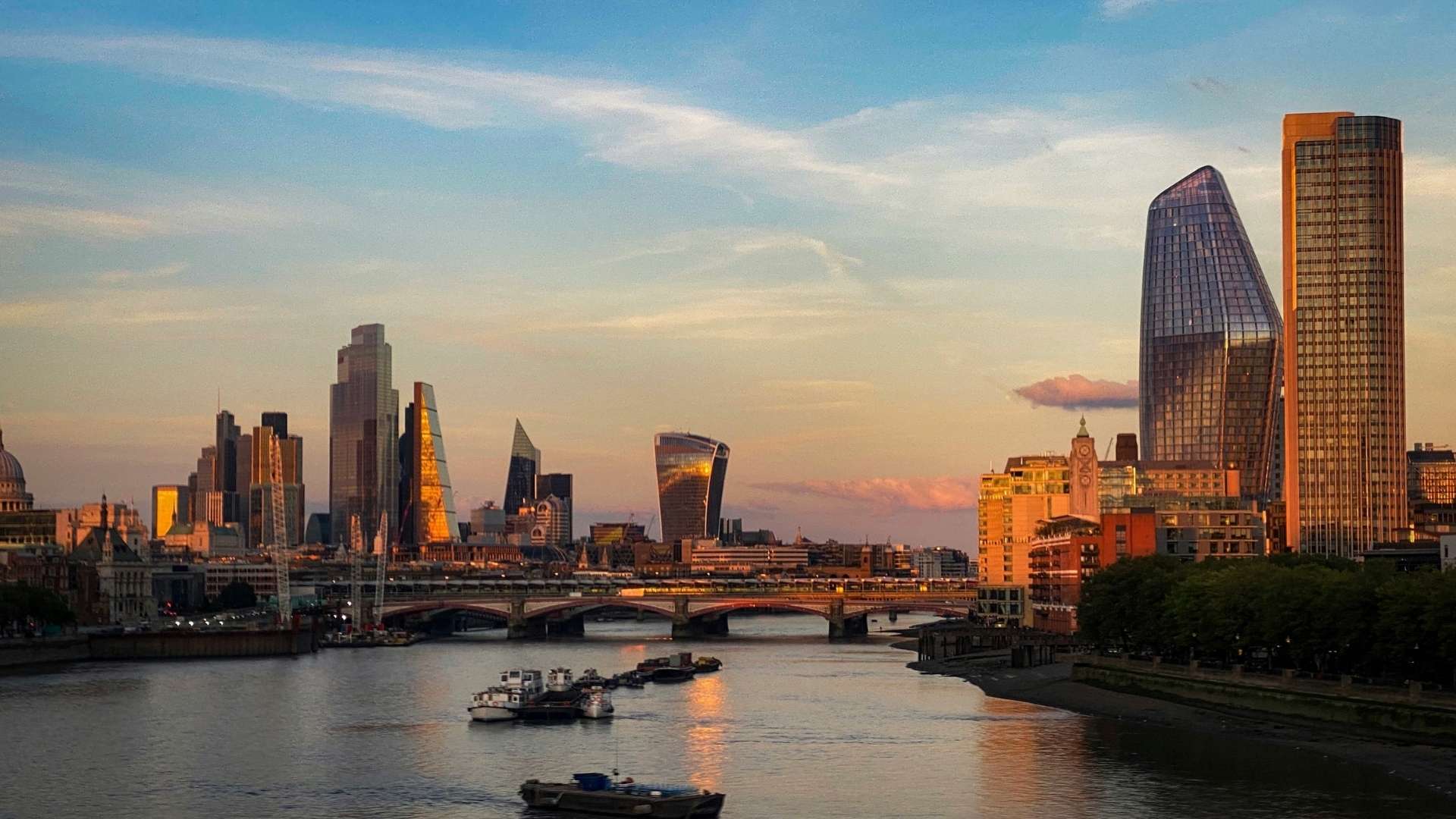
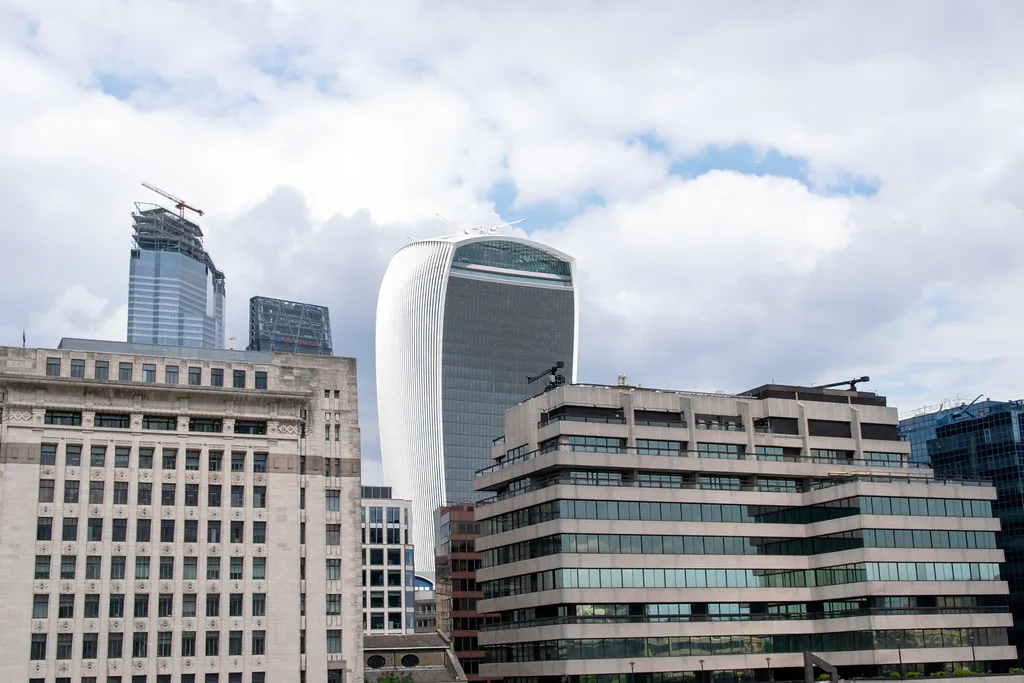
The Thames is still the organising principle. Most of the city's oldest landmarks cluster around it - the Tower of Londonto the east, Westminsterto the west, and everything else spreading outward from there. If you're trying to make sense of London on your first visit, starting at the water is a reasonable approach.
Which London neighbourhoods should first-time visitors prioritise?
There's no single right answer, but the core cluster for most visitors is fairly consistent: Westminster, South Bank, Covent Garden, South Kensington, and Greenwich. They serve different purposes, and you'll get more out of London by rotating between them than exhausting one before moving on.
Westminsteris where the major landmarks are concentrated - Big Ben, Westminster Abbey, the Houses of Parliament, etc. It's heavily touristed, and the crowds around the main sights can be genuinely frustrating in summer. That said, the concentration of things to see makes it time-efficient, and the landmarks themselves are worth it.
Westminster Abbey, which has been a coronation church since 1066, rewards more time than most people give it. The hidden gem in this area is St James's Park - free to enter, genuinely beautiful, and most visitors walk straight through it on the way somewhere else.
You can read our full guide to Westminster here.
What is the South Bank like to visit?
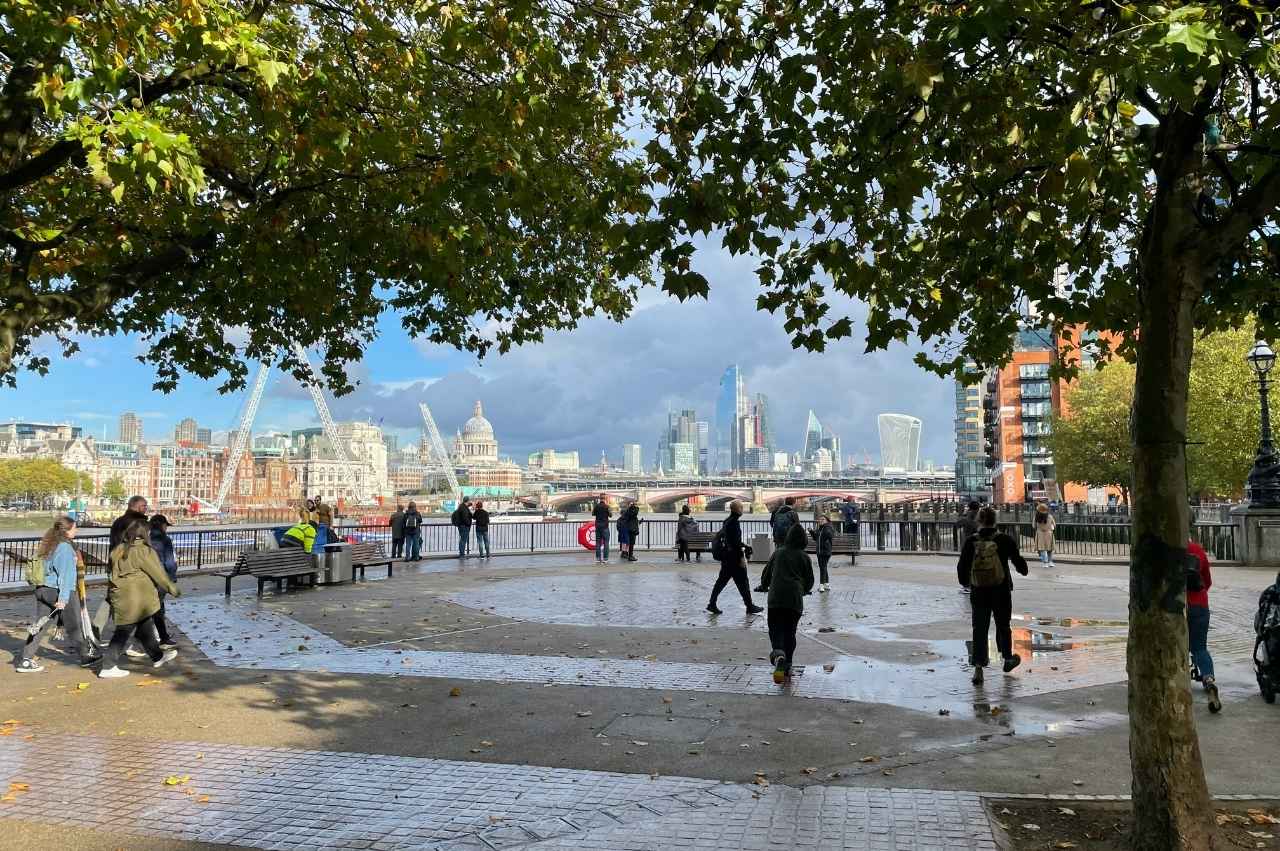
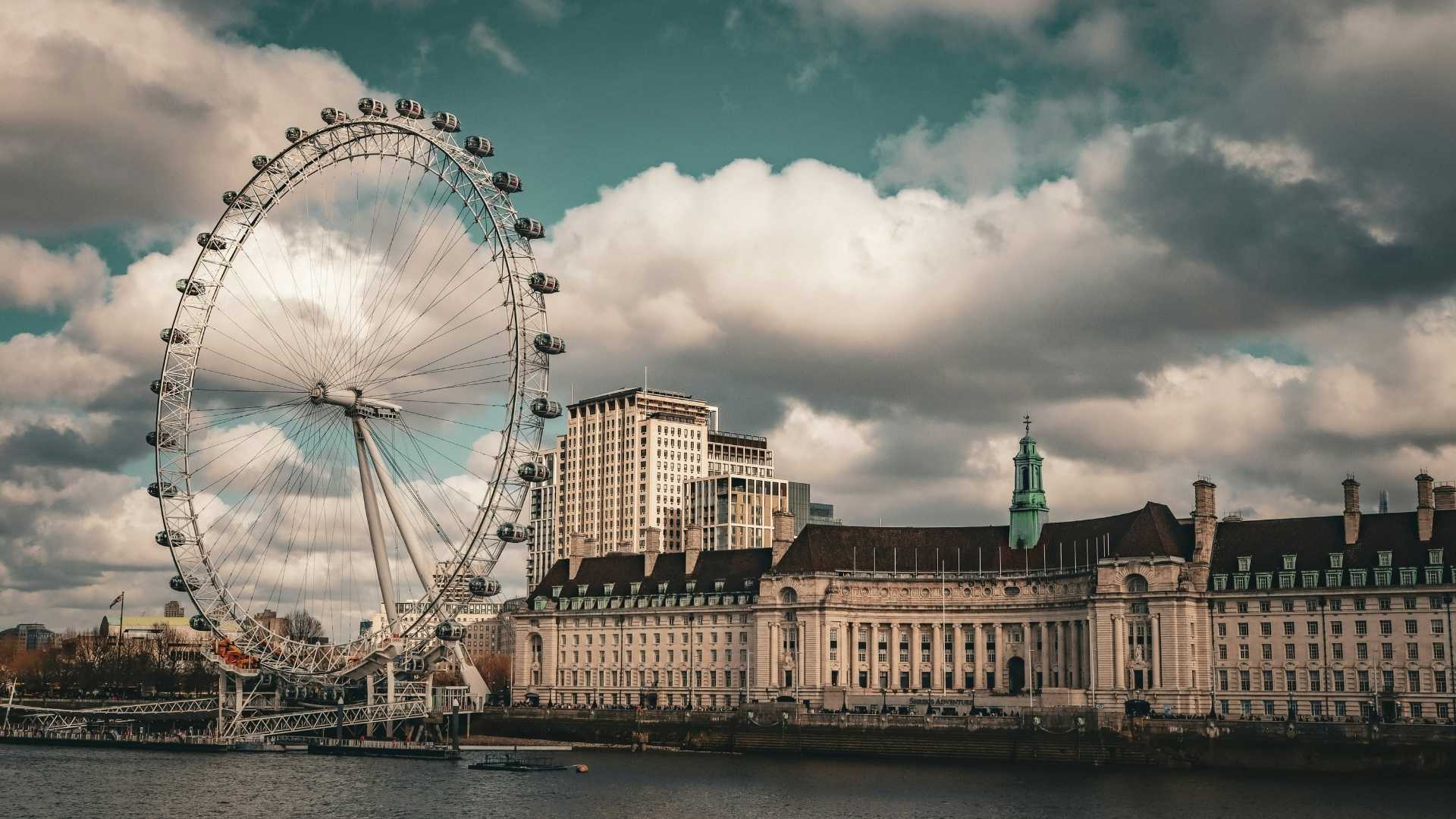
South Bank is London's cultural riverfront - a roughly two-kilometre stretch of walkway on the south side of the Thames, running between Westminster Bridgeand Tower Bridge. In that strip you'll find Tate Modern(4.6 million visitors in 2024, free entry, housed in a converted power station designed by Giles Gilbert Scott), the London Eye, Shakespeare's Globe, Borough Market- which has been trading on or near its current site since at least 1014 - and the Southbank Centre, Europe's largest arts complex, which drew 3.7 million visitors in 2024.
What makes South Bank work as a neighbourhood is that everything connects on foot along the Queen's Walk. You don't really need a plan - you can start walking in either direction and keep finding things. The Millennium Bridge crosses north to St Paul'sif you want to loop into the City of London. The downside is that the riverfront gets genuinely packed on weekends, particularly around the London Eyeand Borough Market.
You can read our full guide to South Bank here.
If you're going to do one neighbourhood with an audio walk format, this is the one; the linear geography makes it ideal. StoryHunt is free to download and lets you build your own walking route through the South Bank with context delivered as you go. Try out StoryHunt for free here.
Is Covent Garden worth visiting?

It depends what you're after. Covent Gardenhas genuine appeal - the market piazza is lively, street performers have worked the space since the 1660s, and the Royal Opera Houseis one of the best in the world. The London Transport Museum, which most people walk straight past, is also considerably better than it sounds, especially the Hidden London tours of forgotten underground stations.
What Covent Garden isn't is a landmark district. There are six or seven individual attractions that justify a dedicated visit. Beyond those, the neighbourhood's appeal is atmosphere, theatre, and shopping — the West End puts more than 20 major theatres within walking distance, including Theatre Royal Drury Lane, which has been staging performances since 1663.
You can read our full guide to Covent Garden here.
Why is Greenwich different from the rest of London?

Greenwich is the neighbourhood that genuinely feels separate from the rest of the city. It's a UNESCO World Heritage Site about 20 minutes from central London by DLR, and it's home to the Royal Observatory- where Greenwich Mean Time originates and where 0° longitude runs through the courtyard. You can stand on the Prime Meridian Line, exactly where east meets west. It's a small thing that's somehow more satisfying in person than it sounds on paper.
The National Maritime Museum(free entry, world's largest maritime collection), Cutty Sark(the world's last surviving tea clipper), the Old Royal Naval College(which has appeared in Les Misérables, Pirates of the Caribbean, and Bridgerton) and Greenwich Parkround out the cluster. From the hill near the Observatory, you get one of the best free views in London: Canary Wharf, the Thames, and the City of Londonlaid out in front of you.
Greenwich is also easier to enjoy than central London - it has a village scale that the West End doesn't. If you want to see a different side of the city, a day here is well spent. And if you want help connecting the Royal Observatory, the Cutty Sark, and the park into a route that makes sense, the StoryHunt applets you build a custom audio walk through the neighbourhood at your own pace.
You can read our full guide to Greenwich here.
What's the point of Kensington?
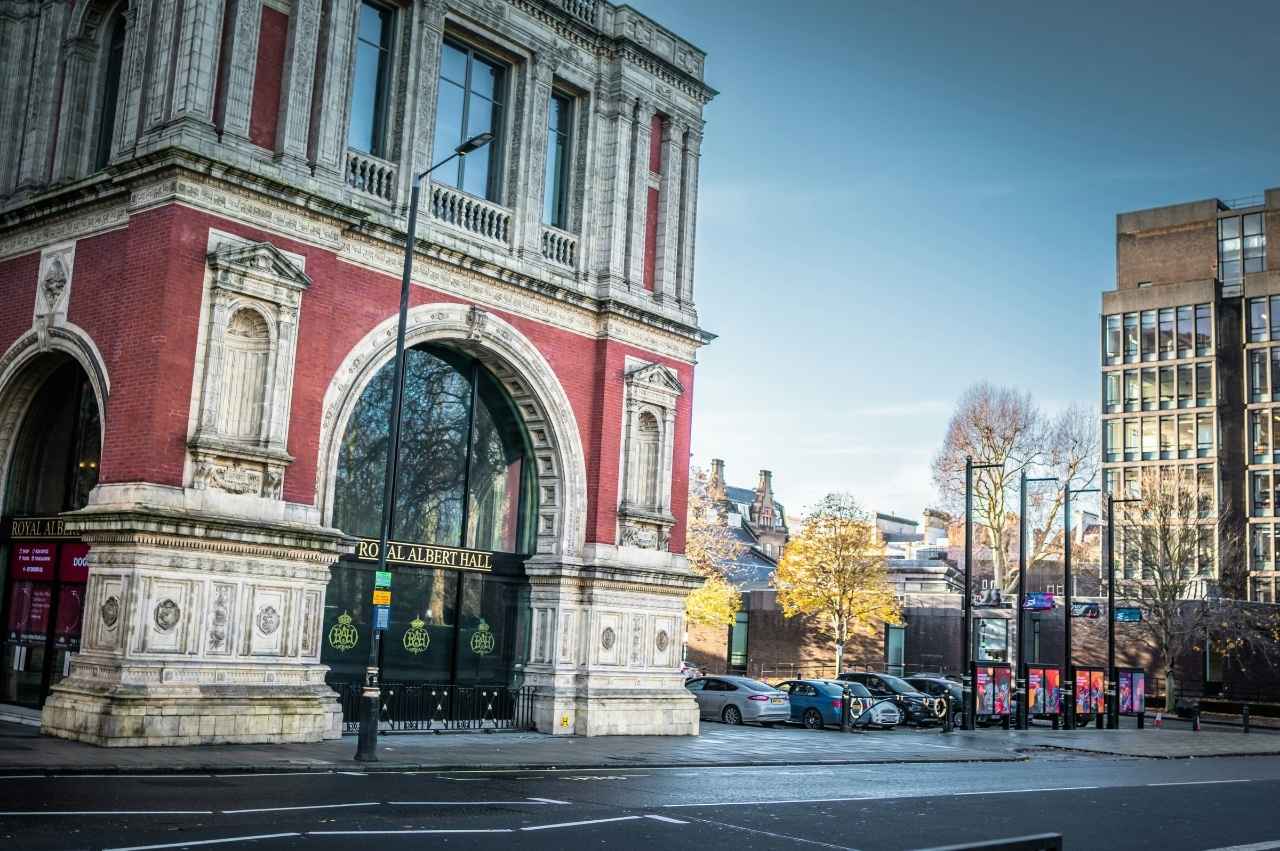
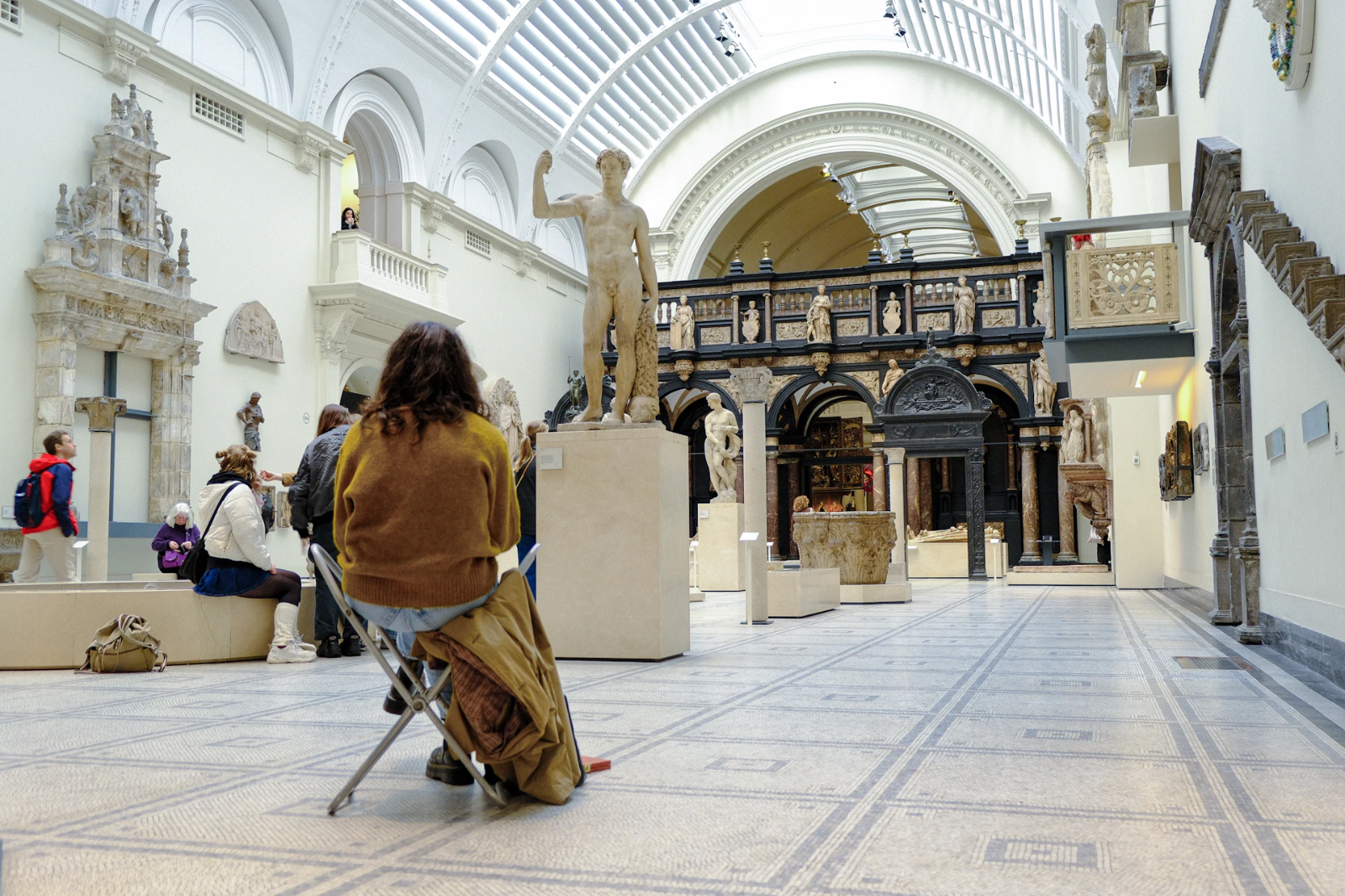
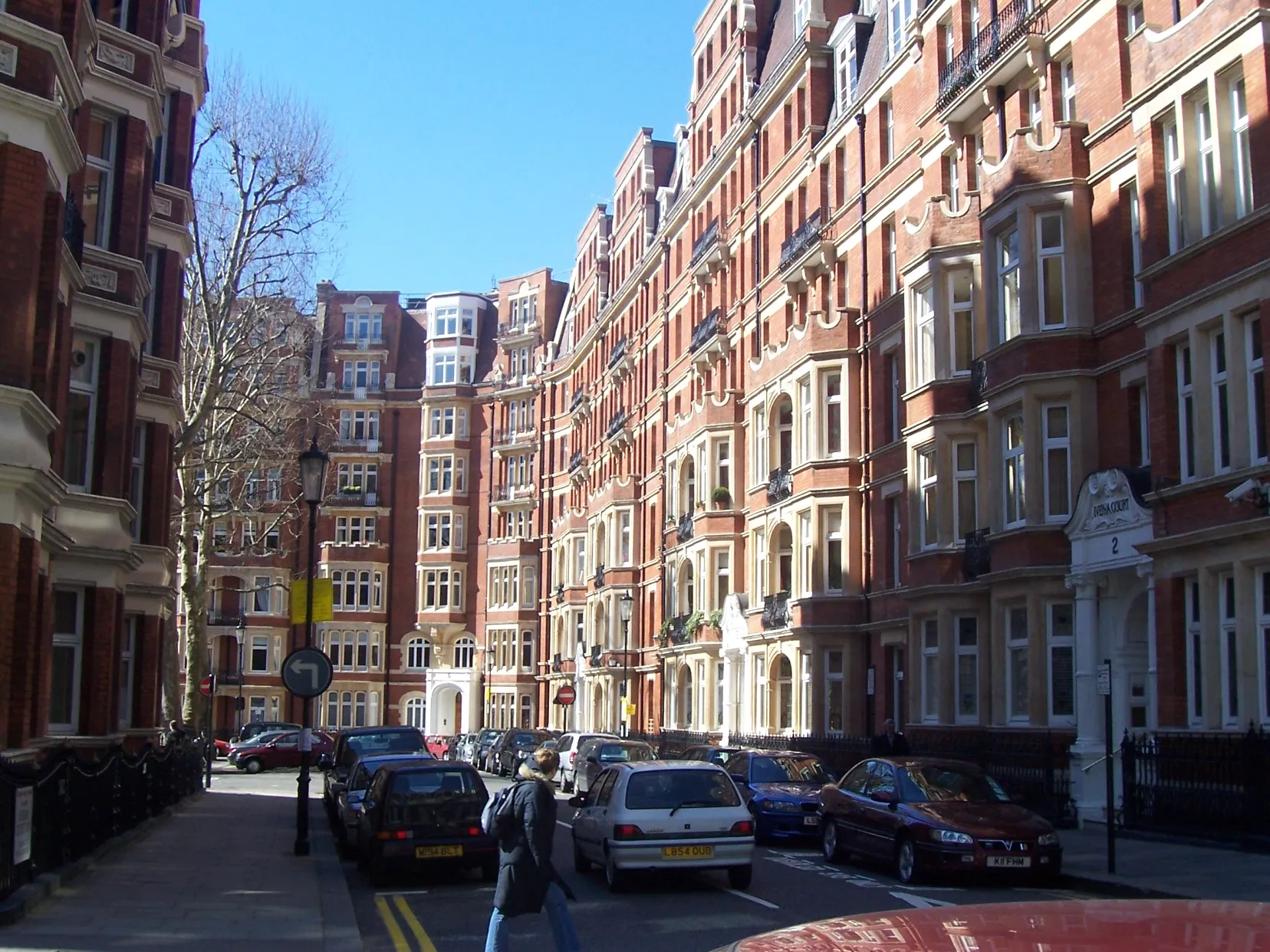
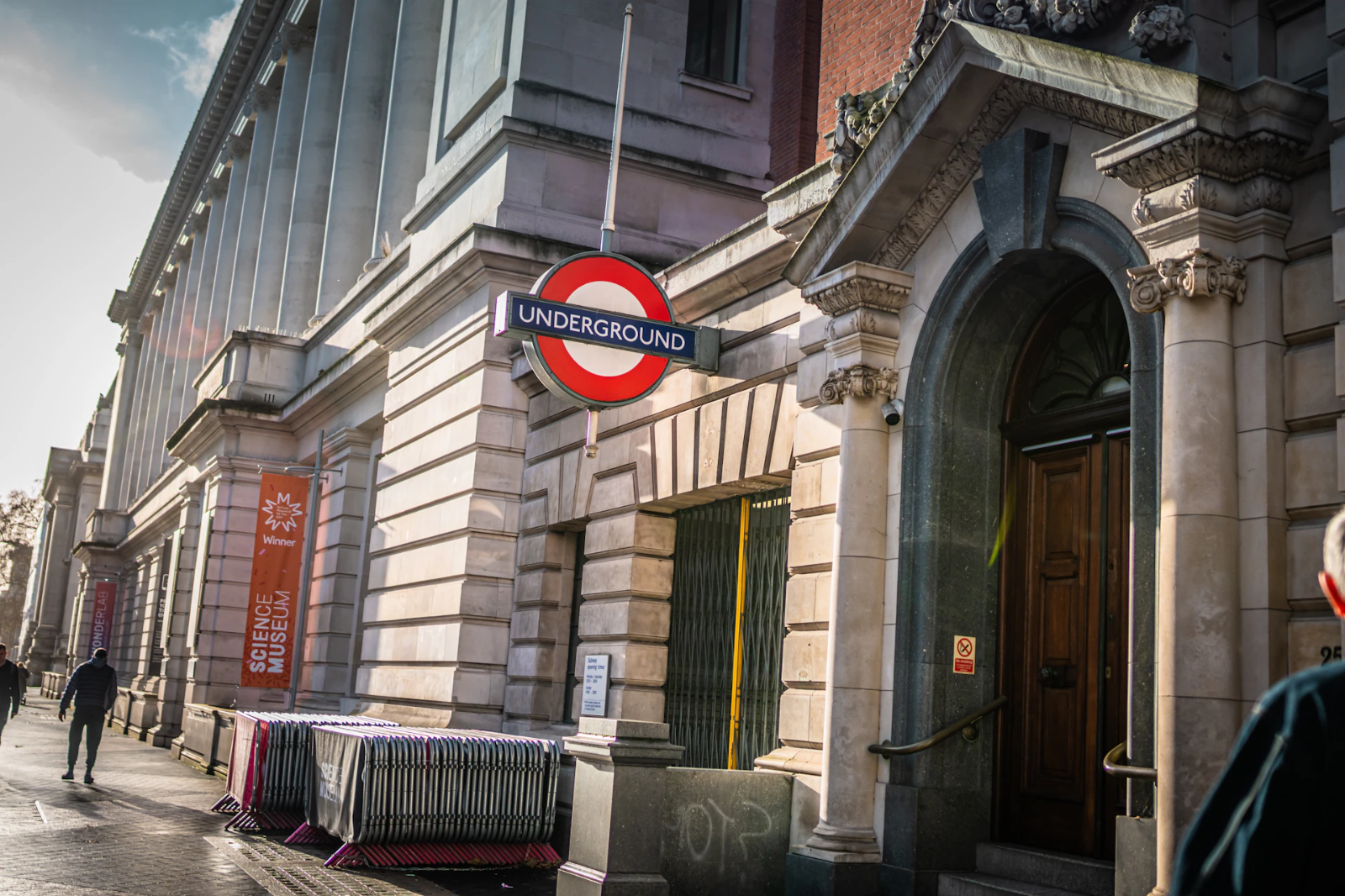
Kensingtonis where London put its museums. The Natural History Museum(over six million visitors annually, free), the Victoria and Albert Museum (3.4 million visitors, free), and the Science Museum(around three million visitors, free) are within three minutes' walk of each other on Exhibition Road. You cannot do all three in a day. Pick one, go properly, and save the others.
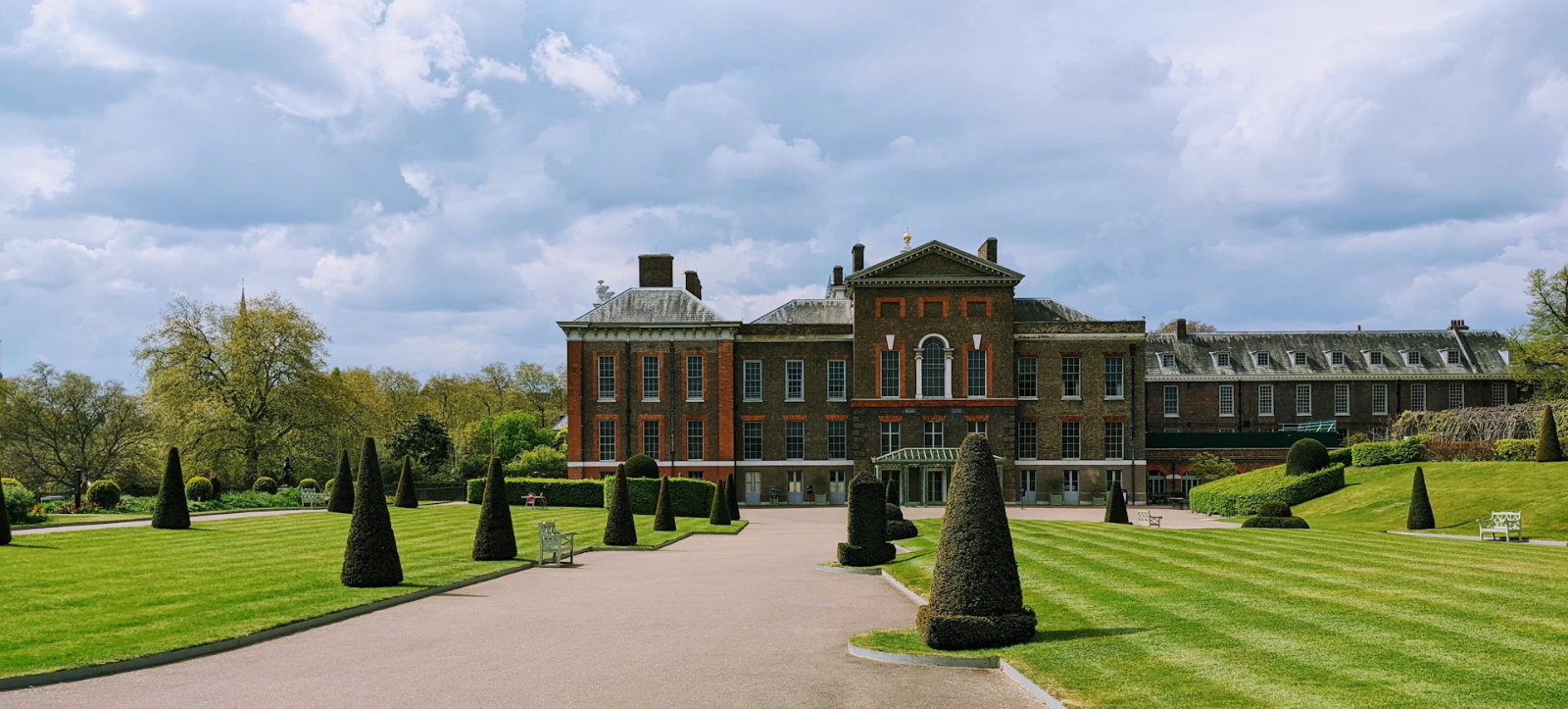
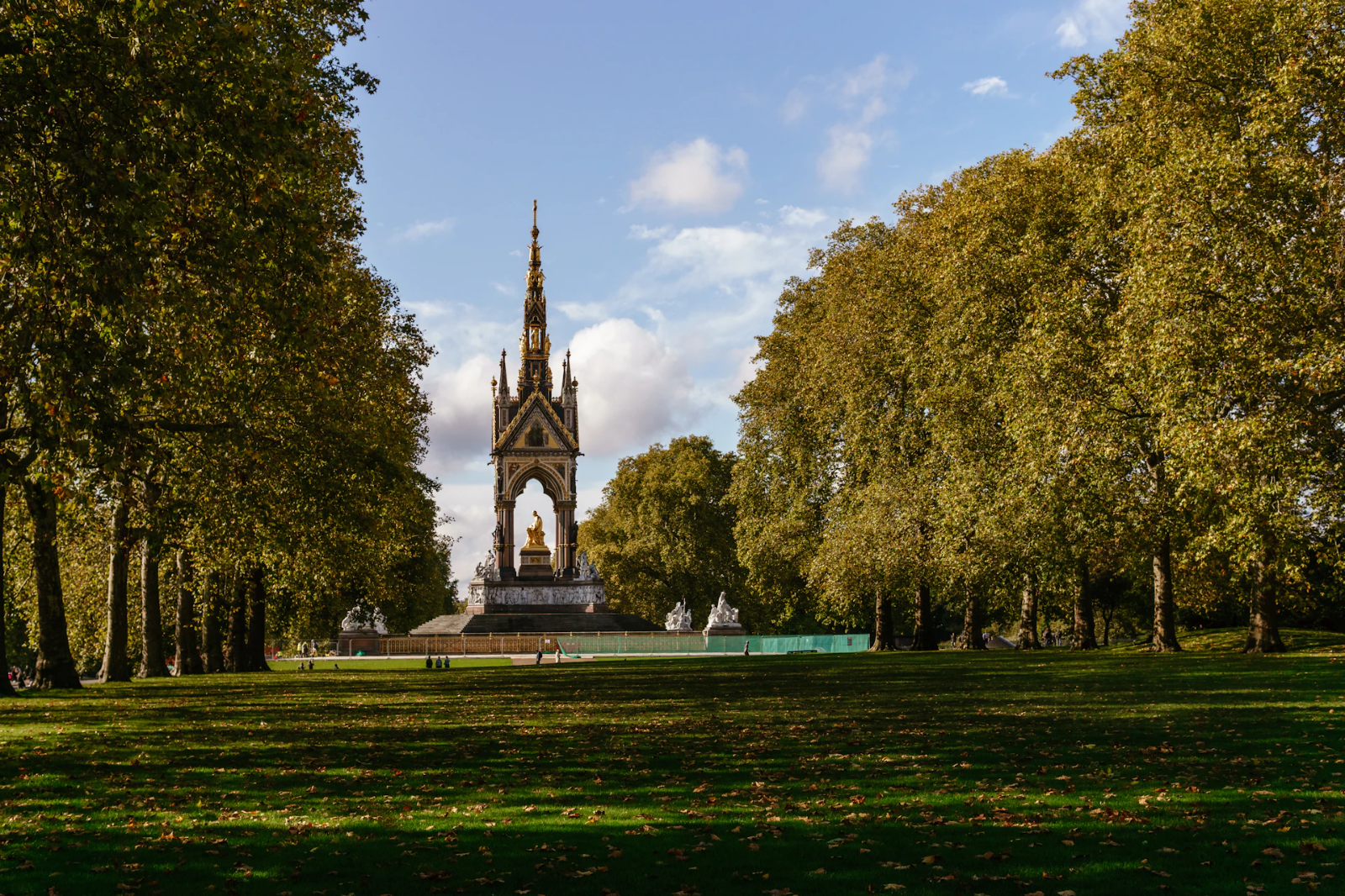
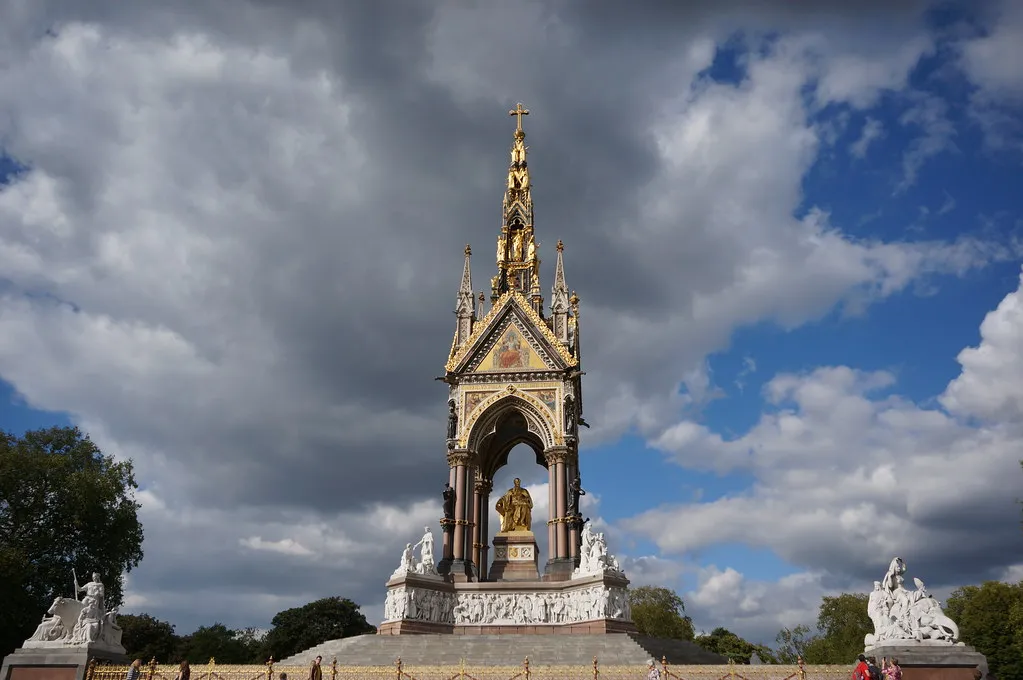
Kensington Palacein Hyde Parkand the Royal Albert Hallare both nearby. The neighbourhood is expensive to eat in - it's one of the wealthiest areas in the city - but since the museums themselves cost nothing, it's one of London's better-value areas for a full day out.
You can read our full guide to Kensington here.
What is there to do in the City of London?

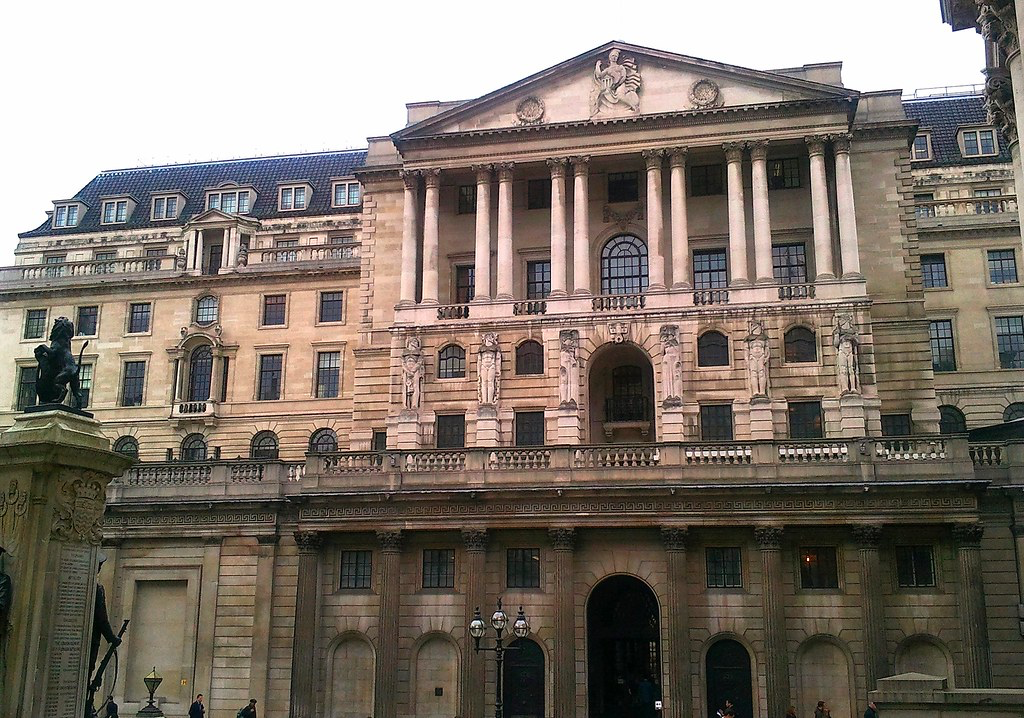
The City of London - often called "the Square Mile" - is the oldest part of the city and its financial district. It's worth knowing that weekends are significantly quieter than weekdays, which makes it one of the better times to visit: the main attractions are less crowded and the streets are actually walkable.
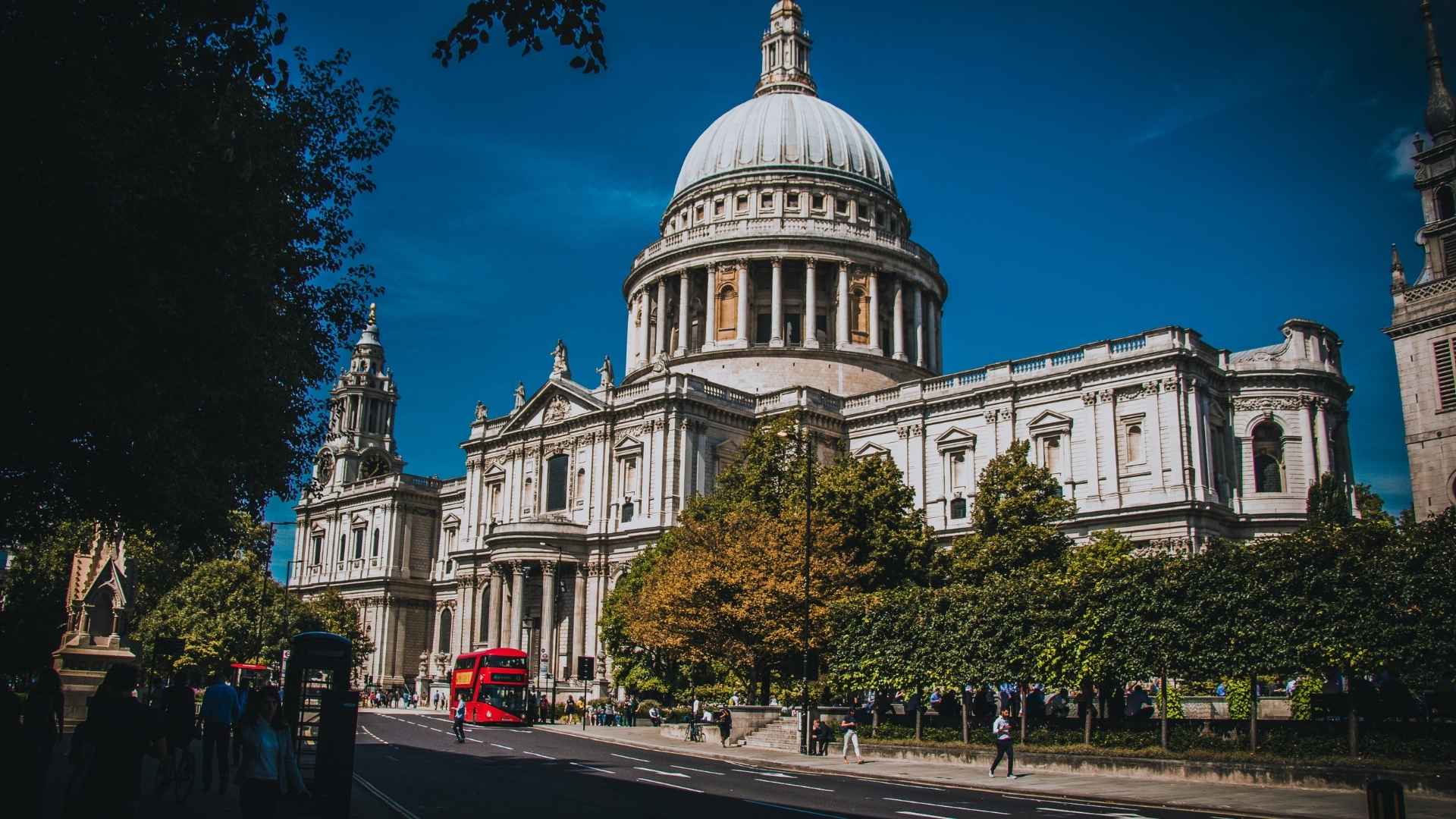
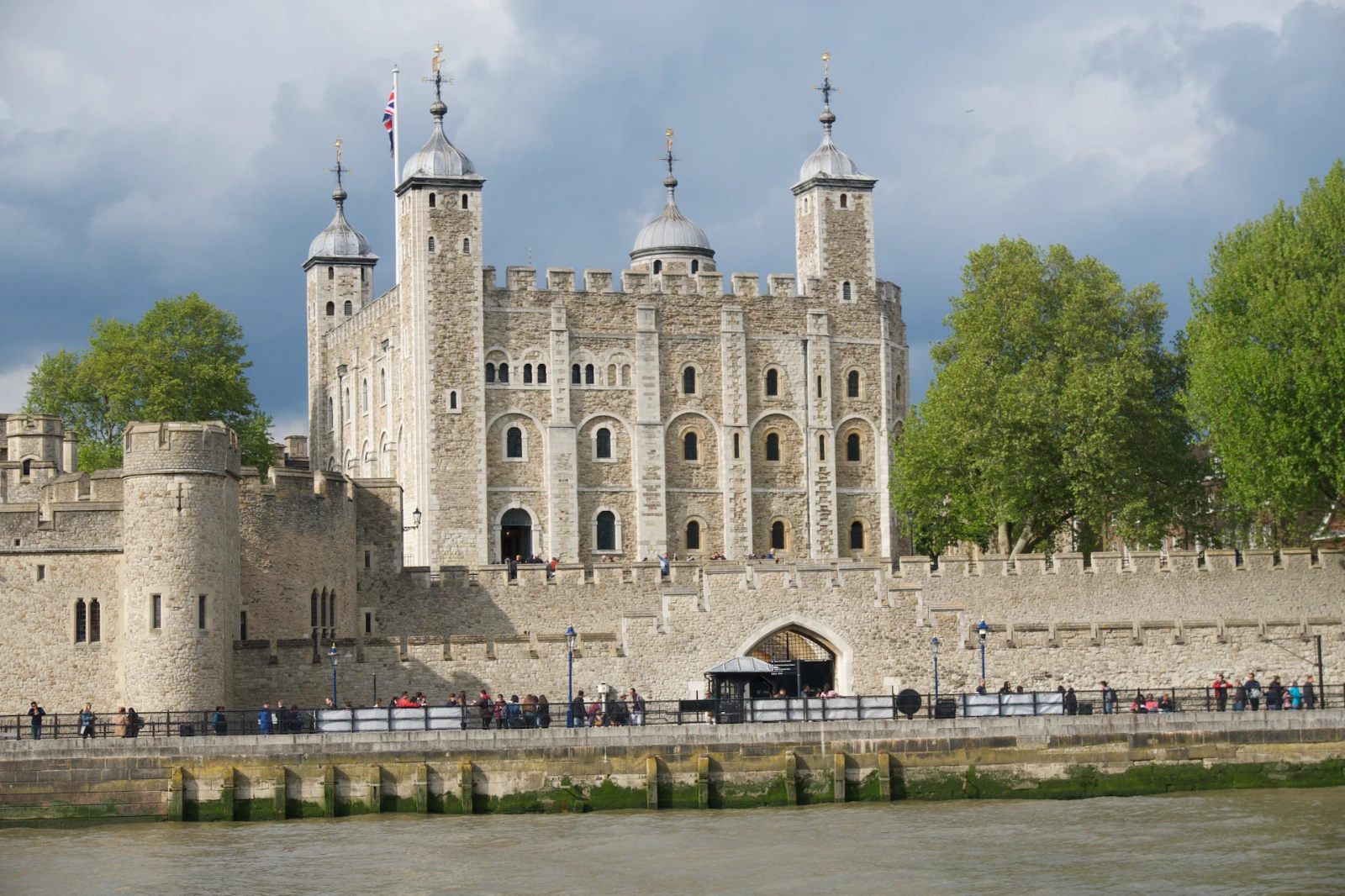
The Tower of Londonis the anchor. It was a Norman castle begun by William the Conqueror in 1078, and it is now home to the Crown Jewels. Visitor numbers run close to three million a year, so book in advance and go early. St Paul's Cathedral, completed by Christopher Wren in 1710, is worth going inside for the Whispering Gallery alone: a word spoken softly against the curved dome wall carries clearly to the opposite side, 34 metres away. Tower Bridgeconnects the City to South Bank on foot and is a natural end point for a riverside walk.
You can read our full City of London guide here.
Is it worth visiting London?

Yes - but with realistic expectations about cost and crowds. London is among the most expensive cities in Europe, and the core tourist areas in summer can be genuinely overwhelming. July and August are the worst for crowds. April to June and September to October are generally better: weather is reasonable, and the major attractions are significantly less packed.
The neighbourhoods above give a visitor with two weeks more than enough to work through. Most people don't have two weeks, which is exactly why the neighbourhood-by-neighbourhood approach helps: pick two or three areas per trip, do them properly, and leave something for next time.
London rewards multiple visits more than most cities.
How to explore London at your own pace?
Rather than following a fixed group tour route, StoryHunt app lets you build a custom audio walk through any of the neighbourhoods in this guide - Westminster, South Bank, Covent Garden, Greenwich, South Kensington - with stories and context delivered as you walk.
It's free to download. Download StoryHunt for Android and iOS here.

.avif)



.jpg)




.avif)







.jpg)





.avif)


