
.webp)



TLDR: See Roman glass artifacts and live glassblowing demonstrations at Zadar's Museum of Ancient Glass. It's located in a 19th-century palace, and it's a good stop for families and history enthusiasts, as it offers insights into ancient crafts.
Zadar holds stories and knowledge in plain sight, and the Museum of Ancient Glass, within a 19th-century palace, is one of those places. Here, Roman glass artistry is on display.
It moves beyond a typical exhibit. If you are curious about Zadar's past, you can open the StoryHunt app to see nearby places and stories on a map, including this museum.
This guide covers visiting details, costs, timing, and who will find it most interesting, alongside other Zadar attractions.
What is the story behind Zadar Glass Museum?
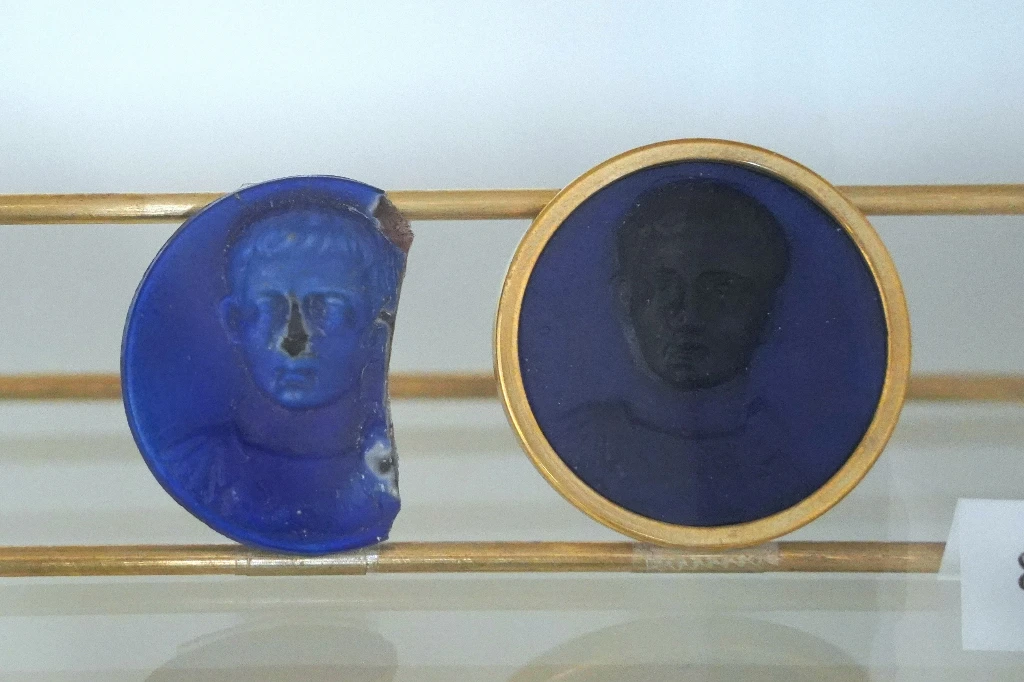
The Museum of Ancient Glass sits inside the 19th-century Cosmacendi Palace. It opened in 2009.
The museum shows Zadar's role in Roman glass production. Glass was crafted here from the 1st century BC to the 5th century AD.
Over 5,000 objects are held in the collection. Around 1,500 are on permanent display. Many were unearthed from local Roman cemeteries.
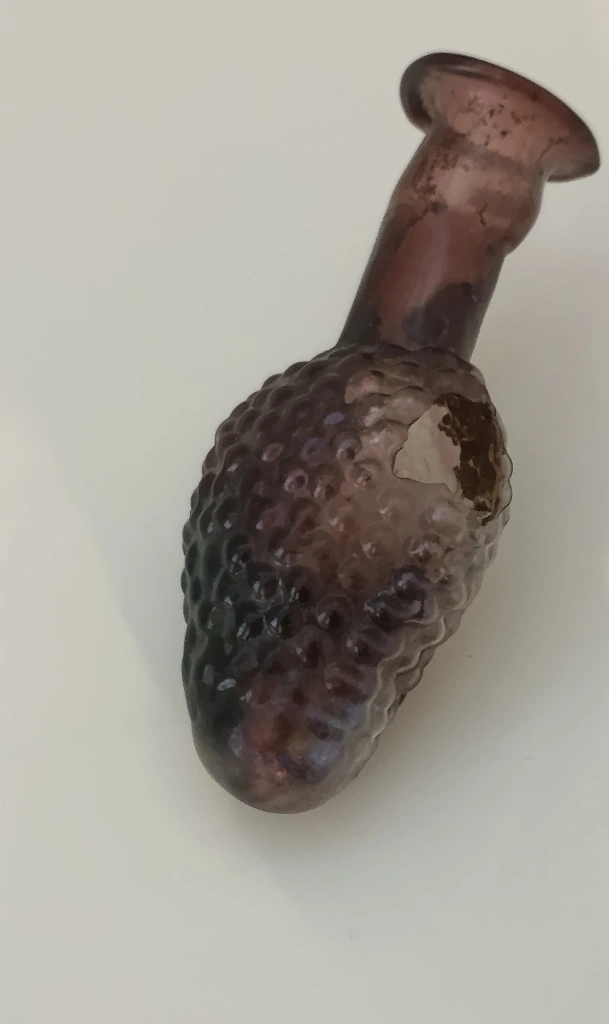
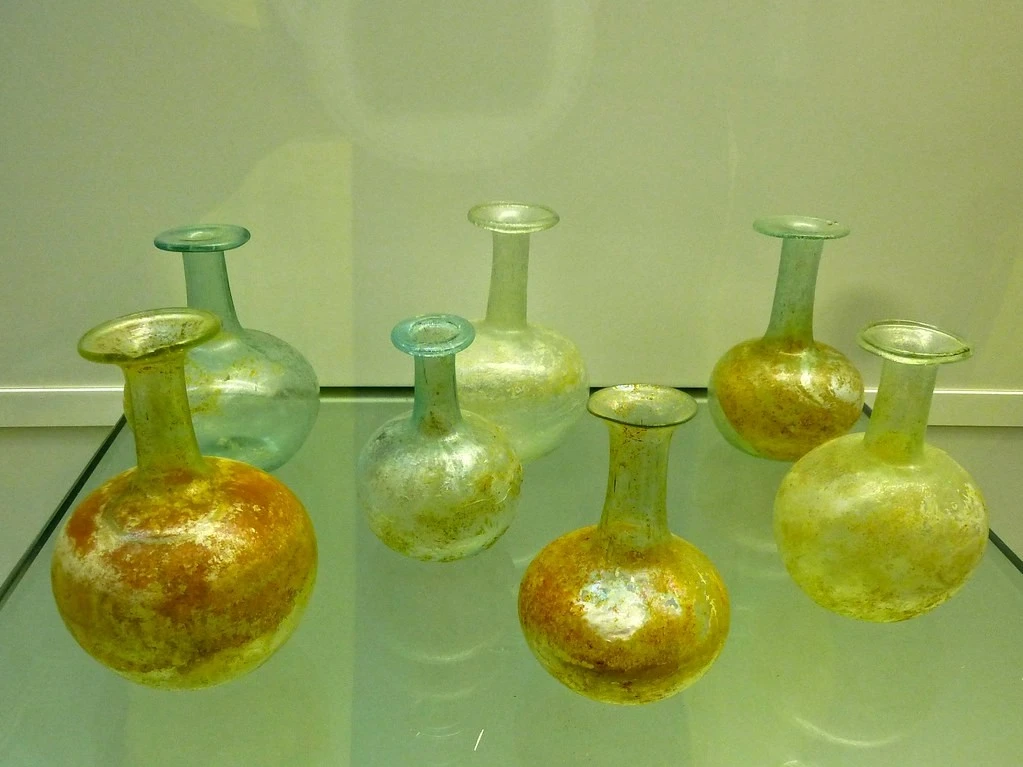
Visitors can see tiny perfume vials, jewelry, and everyday containers. These offer a look into daily life from thousands of years ago.
The museum also features glassblowers demonstrating ancient free-blowing techniques. You can watch molten glass transform into shapes. This shows how something both delicate and enduring was made.
To learn more about the Zadar Glass Museum through location-based audio stories, find it on the StoryHunt app.
Is Zadar Glass Museum free to visit?
The Museum of Ancient Glass charges an entrance fee. General adult admission costs €7.00.
Children under 7 years old and preschoolers enter for free.
Other groups also qualify for free entry. These include Croatian seniors, Croatian Homeland War Military Invalids, and leaders of tour groups or educators. Archaeology students, members of specific archaeological and museum societies, and persons with disabilities also enter for free. Valid documentation is required.
The ticket price supports the collection and the Cosmacendi Palace.
What is the best time to visit Zadar Glass Museum?
The shoulder seasons of May, June, or September are good times to visit. Zadar's weather is pleasant then. It allows for city exploration without the heat and crowds of July and August.
Aim for mid-morning, between 10 AM and 12 PM. This usually aligns with the live glassblowing and bead-making demonstrations. Watching artisans recreate Roman-era techniques is a highlight of the experience.
Some Roman glass pieces on display have survived for millennia. The museum houses one of the largest collections of its kind outside Italy.
How long do you need at Zadar Glass Museum?
Allow 60 to 90 minutes to explore the museum's collection. This provides time to see the Roman goblets, vials, and urns from local cemeteries.
If you plan to watch a glassblowing demonstration, add 30 to 40 minutes to your visit. Seeing master craftsmen at work is a central part of the experience.
Is Zadar Glass Museum good for families?
The Museum of Ancient Glass is a good choice for families. It offers an educational experience for all ages.
The live glassblowing demonstration is a central feature. Watching the artisan shape molten glass engages both children and adults.
The museum offers educational programs and interactive displays. It is housed in the Cosmacendi Palace and is accessible for strollers. The museum highlights one of Croatia's last active glassblowers.
Is it worth visiting Zadar Glass Museum?
For those interested in history, art, or ancient crafts, the Zadar Museum of Ancient Glass offers insights. The live glassblowing demonstrations are a draw, especially for families.
The museum is accessible, with elevators and smooth pathways for strollers or those with mobility needs. It is also an option for a rainy day. A visit typically takes 60-90 minutes. Photos without flash are permitted.
However, if ancient history or glass artifacts are not a strong interest, the displays may feel specific. While the collection of over 5,000 objects is extensive, it focuses on a particular niche.
Hands-on glassmaking is not available for general visitors due to safety. If time in Zadar is limited, and other sights are a higher priority, this museum could be skipped. However, it does provide a distinct perspective on Zadar's heritage.
What else can I do in Zadar?

Beyond the Glass Museum, Zadar offers other experiences.
- Roman Forum and Church of St. Donatus: Explore the ancient Roman Forum, Zadar's Roman center. Then, see the circular 9th-century Church of St. Donatus nearby. You can hear the story of the Roman Forum and surrounding historical sites on the StoryHunt app.
- Sea Organ and Greeting to the Sun: These installations offer sensory experiences. Hear the "music" of the Sea Organ as waves push air through its pipes. Then, watch the light show of the Greeting to the Sun at dusk, powered by solar energy. You can find these and other nearby stories on the StoryHunt map.
- Archaeological Museum: For a deeper look into the region's past, visit one of Croatia's oldest museums. Its collection spans from the Stone Age to the 11th century. This provides context to ancient craftsmanship.
For a deeper exploration of Zadar's places and their stories, you can use the StoryHunt app. It provides location-based audio for sites like the Zadar Sea Organ. It also offers self-guided walks to help you discover the city at your own pace.


.avif)


