| | Wander & Wonder Travel Newsletter |
|
|
|---|
|
|
 | Hey StoryHunter Croatia has two cities everybody knows: Dubrovnik and Split.
But driving past Zadar is a big mistake.
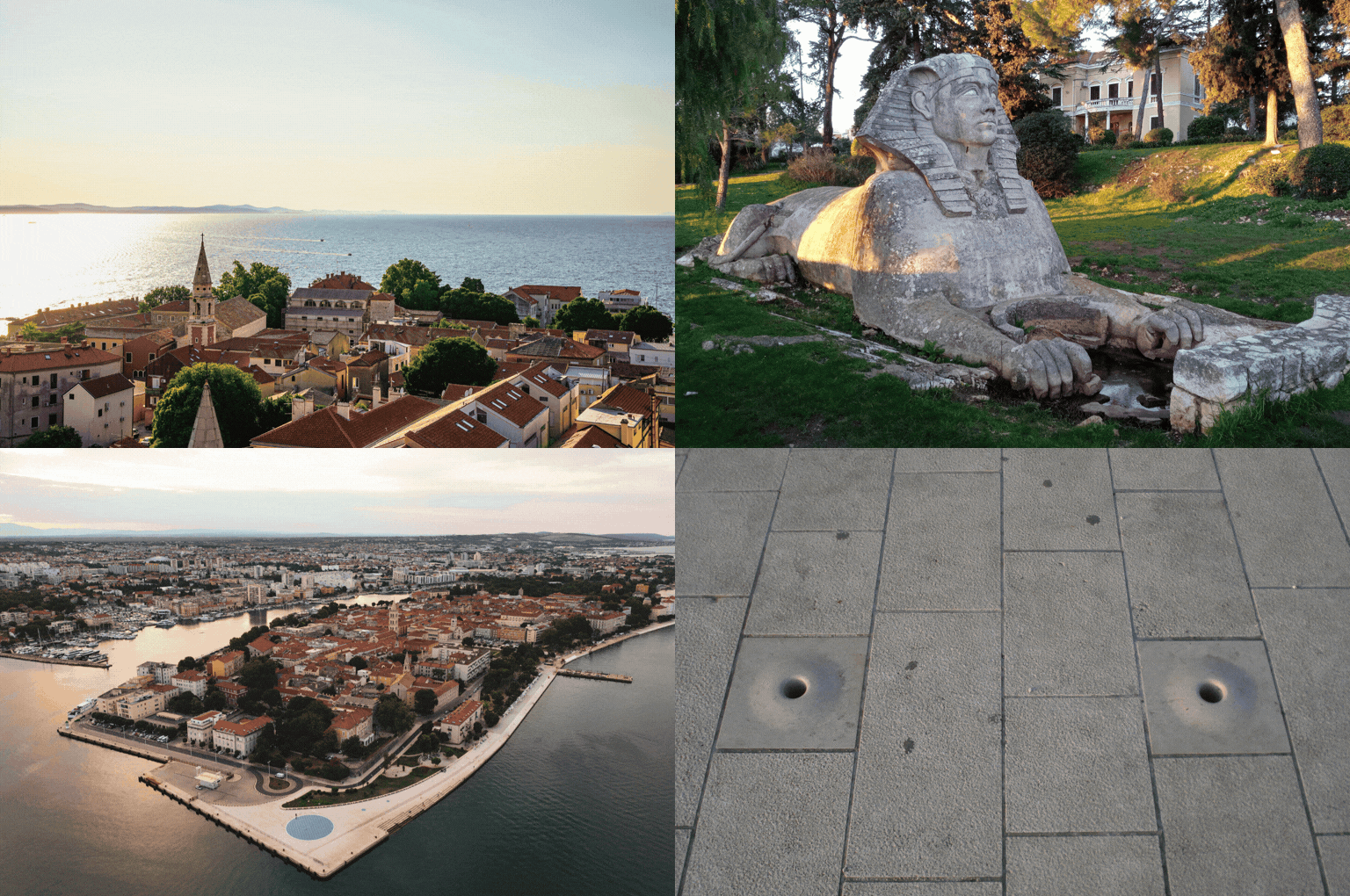
Zadar is 3,000 years old, sits on a small peninsula sticking out into the Adriatic, and has something no other city in the world has: a waterfront that plays music. Not from speakers, but from the sea itself.
September is the best time to come. The water is still warm, the summer crowds have gone home, and the sun goes down around half past seven - early enough to watch it and still have dinner afterwards.
And in Zadar, the sunset - with the music from the big Sea Organ - is a genuine event.
Read on to learn about:
🎵 The staircase that turns waves into music 🍒 The drink Napoleon had shipped from here 🦁 The giant sphinx hidden in a garden | | |
|
|
|---|
|
|
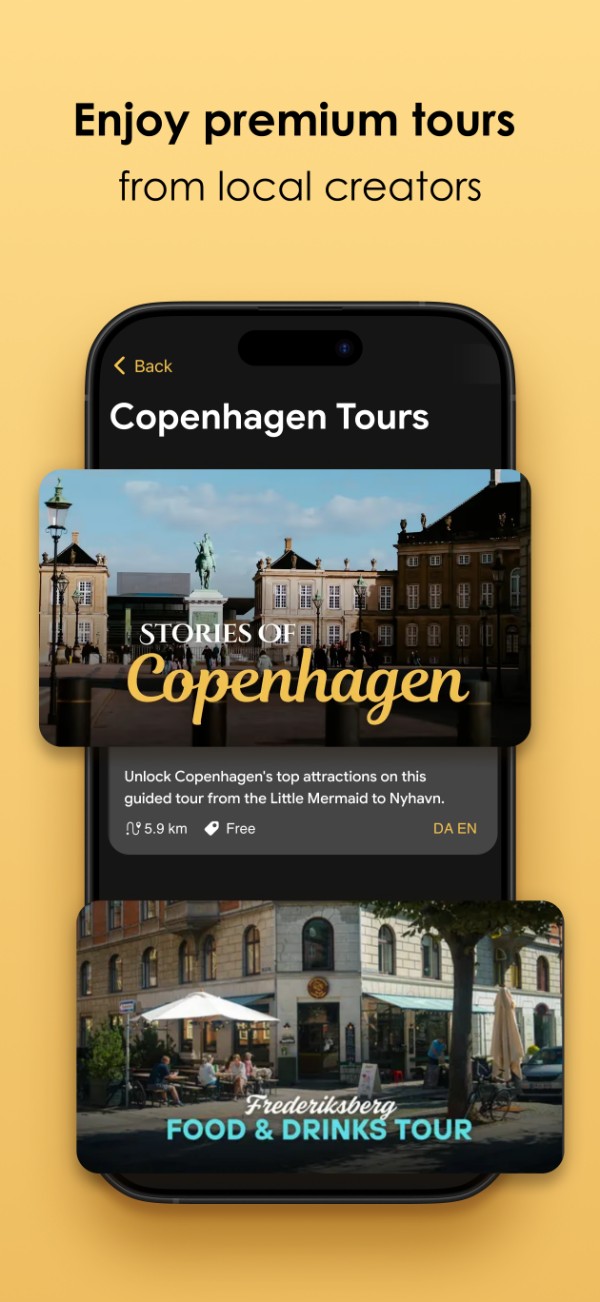
| | New update: Many more languages 🌍 | StoryHunt just became even more accessible around the world!
The app interface is now available in 10 languages, making it easier than ever to explore, navigate and find your next story.
And the best part? All StoryHunt stories and tours can still be enjoyed in 170+ languages.
So wherever you’re from - or wherever you’re going - you can explore in a language that feels like home. | | |
| | |
|
|---|
|
|
| |  | Zadar was almost totally flattened in the Second World War. Allied bombs hit it again and again, and much of the old town was (unfortunately) restored in plain 1950s concrete.
So it is not a postcard city; it’s stranger and better than that.
Walk into the Roman Forum and you are standing in a 2,000-year-old public square - open, free, and with grass pushing up between the stones.
And next to it stands St Donatus, a round stone church from the 9th century. It was built on top of the forum, and if you look around, you’ll spot Roman altars and inscriptions lying sideways in the walls.
The fascinating thing about the city is that nothing here was ever thrown away; it was simply used again. | | |
|
|
|---|
|
|
| | 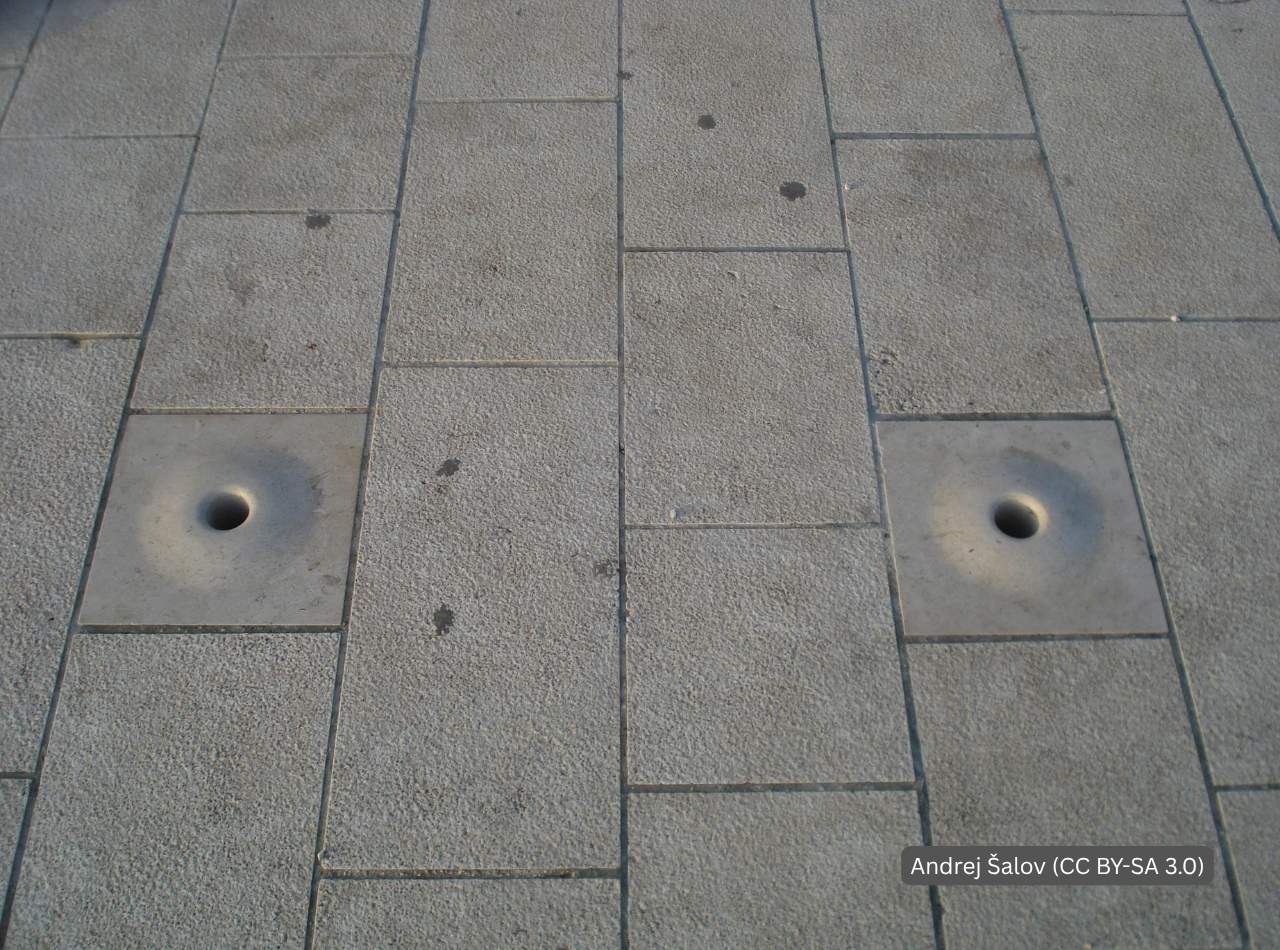 | On the western tip of the peninsula, wide marble steps run down into the sea. If you sit on them, you’ll hear music coming up through the stone.
This is the Sea Organ.
Under the steps are 35 pipes of different lengths and widths. The waves push air through them, and the pipes play.
The tune changes with the weather - loud and restless in rough seas, slow and soft when it is calm – and it has been going since 2005.
Beside it, you’ll also find the Greeting to the Sun, which is a 22-metre circle of glass plates set into the pavement. It soaks up sunlight all day and puts on a light show after dark. | | |
|
|
|---|
|
|
| |  | In the 1500s, monks in a Zadar monastery made a medicine from the small sour cherries that grow wild along this coast.
They called it "sun dew".
And it turned out to taste rather good.
By the 1700s the city was distilling it properly, and the drink - maraschino - became a luxury item across Europe. Napoleon drank it, and Queen Victoria had it shipped out of Zadar in enormous quantities.
Then the bombs came. The distilleries burned, the owners fled to Italy, and the most famous maraschino brand is Italian today.
But the original taste is still found here in Croatian. | | |
|
|
|---|
|
|
The Trendy Traveler Tip |  | Twenty minutes on foot north of the old town, in a quiet garden by the sea, there is a sphinx.
It is five metres long, made of concrete, and it has human hands instead of lion paws.
A local painter built the Sphinx of Zadar in 1918, after his wife died. Some people say the face is hers.
He put it in the garden of their villa, looking out to sea. It is free, it is usually empty, and it is slightly falling apart.
Local legend says the sphinx grants wishes about love. Touch it and find out. | | |
|
|
|---|
|
|
| |  | | |
| Flæsketorvet 28, 1711, Copenhagen |
| | | | |
|
|
|---|
|
|
|