.webp)


TLDR: The Albert Memorial is a gilded, intricate tribute to Prince Albert commissioned by Queen Victoria's grief. Expect stunning Gothic Revival architecture, complex symbolism, historical controversy, and a rich connection to nearby "Albertopolis" cultural gems, all easily explored in 15-30 minutes.
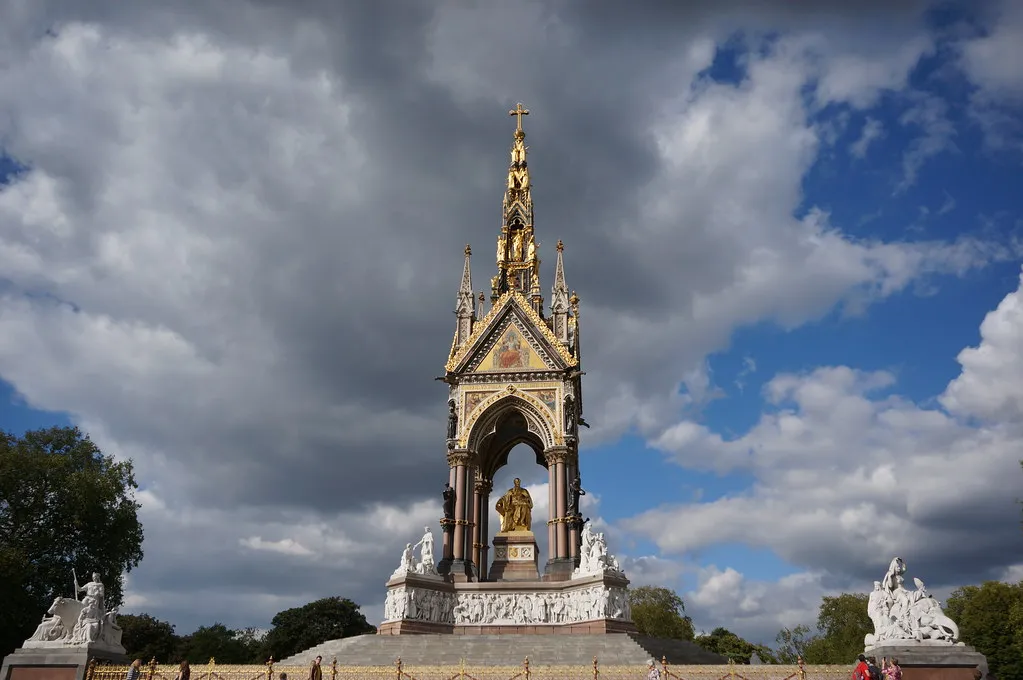
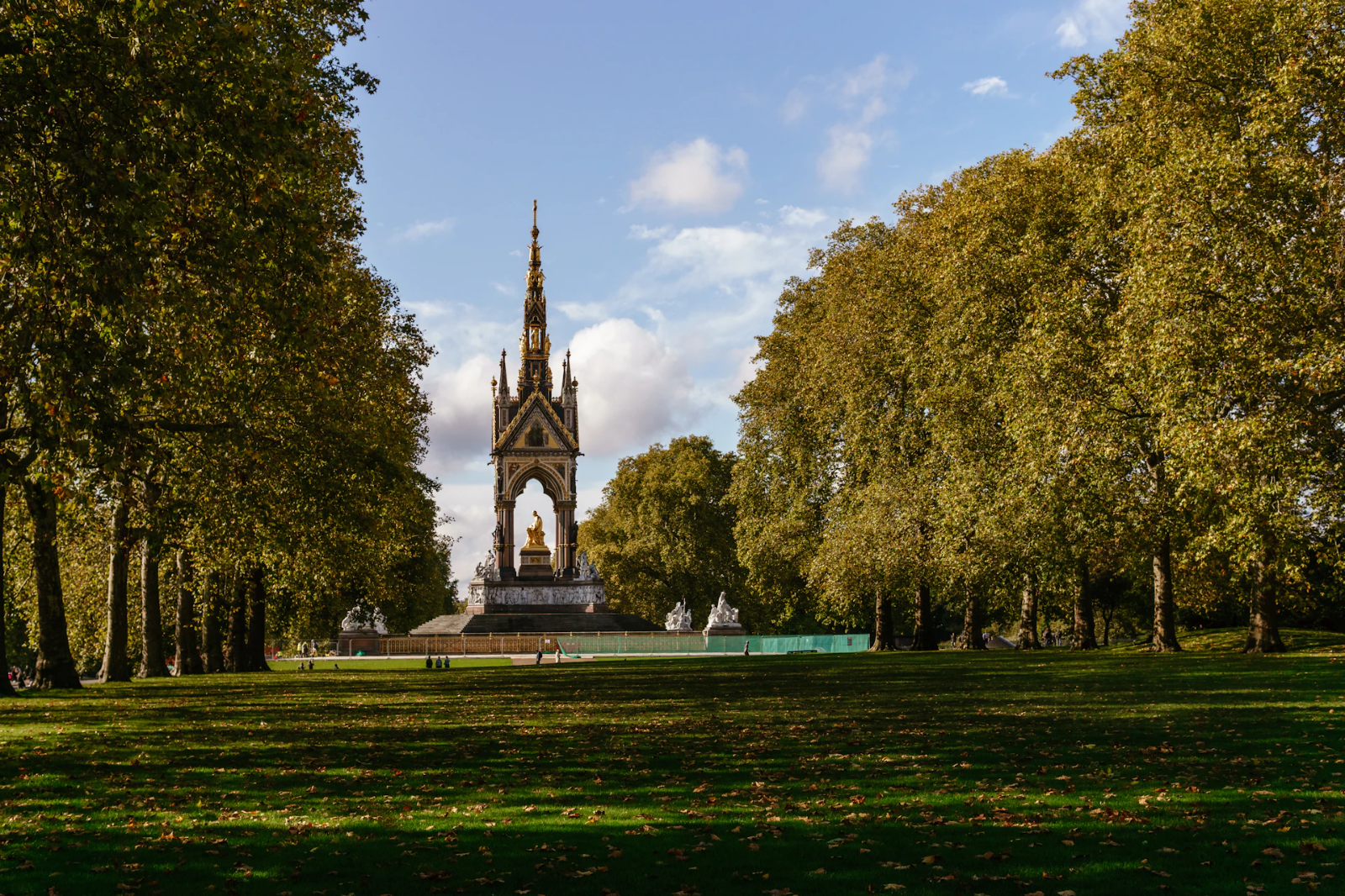
London's Kensington Gardens holds a striking secret, a glittering monument that tells a powerful story of love, loss, and empire: the Albert Memorial. Having recently strolled around its elaborate base, I can tell you it's a statue that is both fascinating to look at while also holding a special story.
This article will guide you through its history, decipher its intricate details, weigh its criticisms, and help you decide if a visit fits your London itinerary. Get ready to explore a piece of Victorian Britain that still sparks conversation today.
What is the story behind Albert Memorial?
Walking up to the Albert Memorial, you feel an immediate sense of grandeur. This pretty monument is a profound expression of Queen Victoria's heartbreak after her beloved husband, Prince Albert, died suddenly from typhoid in 1861 at age 42. Imagine losing your partner so young, then spending the rest of your life in mourning – that's the raw emotion behind this Gothic Revival masterpiece, which was finally completed in 1872.
It was designed by Sir George Gilbert Scott, and the memorial was a national project to honor a man who left a huge mark on British society. At its heart, a gilded statue of Albert sits, holding the catalogue from the Great Exhibition of 1851. This massive event, which he masterminded, showcased global innovation and culture, a true snapshot of Victorian ambition.
The monument itself feels like a "Victorian world view" carved into stone, celebrating his passions and the era's achievements. You'll notice intricate details everywhere, which we'll discuss further, but first, let's consider why this structure holds such importance.
What is the significance of the Albert Memorial?
The memorial stands as a spectacular tribute to Prince Albert's enduring impact, particularly his vision for the Great Exhibition. His statue, shining in gold, perfectly symbolizes his pivotal role in bringing the world's inventions and artistry to London. It's truly a celebration of Victorian innovation and culture.
The base and upper sections are adorned with sculptures representing the arts, sciences, and even the four continents, reflecting the British Empire's global reach at the time. You might be surprised to learn that Albert’s central gilded statue was actually covered in black paint for 80 years before it was re-gilded.
This grand structure also serves as an anchor for "Albertopolis", the cultural district Albert inspired, which still thrives today. But who exactly are all these figures you see around the base? We'll uncover that next.
Who are the people on the Albert Memorial?

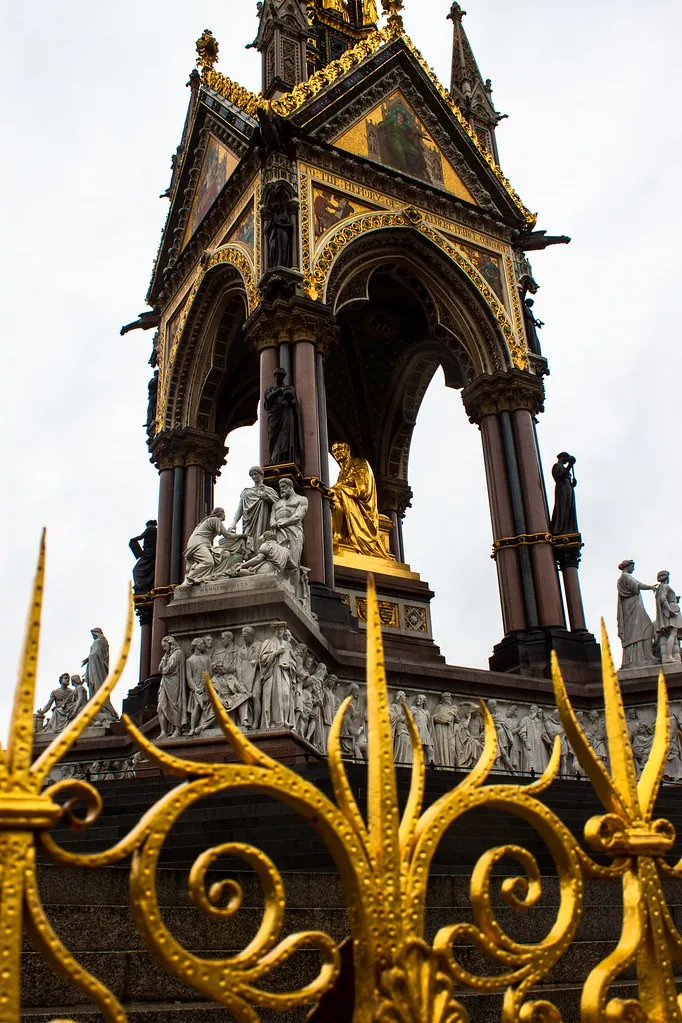
As you get closer, the sheer number of figures on the memorial becomes clear. Of course, the central figure is a 14-foot gilded statue of Prince Albert himself, seated under the towering canopy. He holds the catalogue from the Great Exhibition, a symbol of his intellectual contributions.
Around the base, a continuous "Frieze of Parnassus" captures your eye with 169 historical artists, poets, musicians, sculptors, and architects. You can spot familiar names like Shakespeare, Raphael, and Michelangelo. It's a testament to Albert's passion for the arts.
Interestingly, among all those men, only one woman, Nitocris, an ancient Egyptian pharaoh, is included. At the memorial's corners, large sculptural groups represent the four continents: Europe, Asia, Africa, and America, depicting a distinct Victorian global perspective. Higher up, you'll see allegories for useful arts and sciences such as Chemistry and Astronomy, alongside personifications of Victorian industries.
And if you look right up into the canopy, gilded bronze figures of virtues like Faith, Hope, and Charity watch over the scene. All this detail makes you wonder about the man behind the monument and what cut his life short.
What caused Prince Albert's death in real life?
Prince Albert's death on December 14, 1861, at just 42 years old, is a somber backdrop to the memorial's creation. While typhoid fever was the official cause, there's quite a bit of historical debate around it. Albert had been unwell for years, suffering from chronic stomach pain and various ailments.
Some medical opinions at the time suggested other possibilities, like an ulcerative perforation of the bowel leading to a blood infection, with pneumonia being a contributing factor in his final days. Modern theories suggest he might have had chronic conditions such as Crohn's disease, kidney failure, or even abdominal cancer. It’s a sad thought, that despite all his achievements, his health failed him so young.
Queen Victoria, in her immense grief, even believed that stress from their son's indiscretions contributed to Albert's decline. This tragic end makes the memorial's scale and detail even more poignant, though not everyone has always seen it in a purely positive light.
What is criticism of the Albert Memorial?
Despite its undeniable grandeur, the Albert Memorial hasn't escaped criticism, and some of it is very important for visitors to understand.
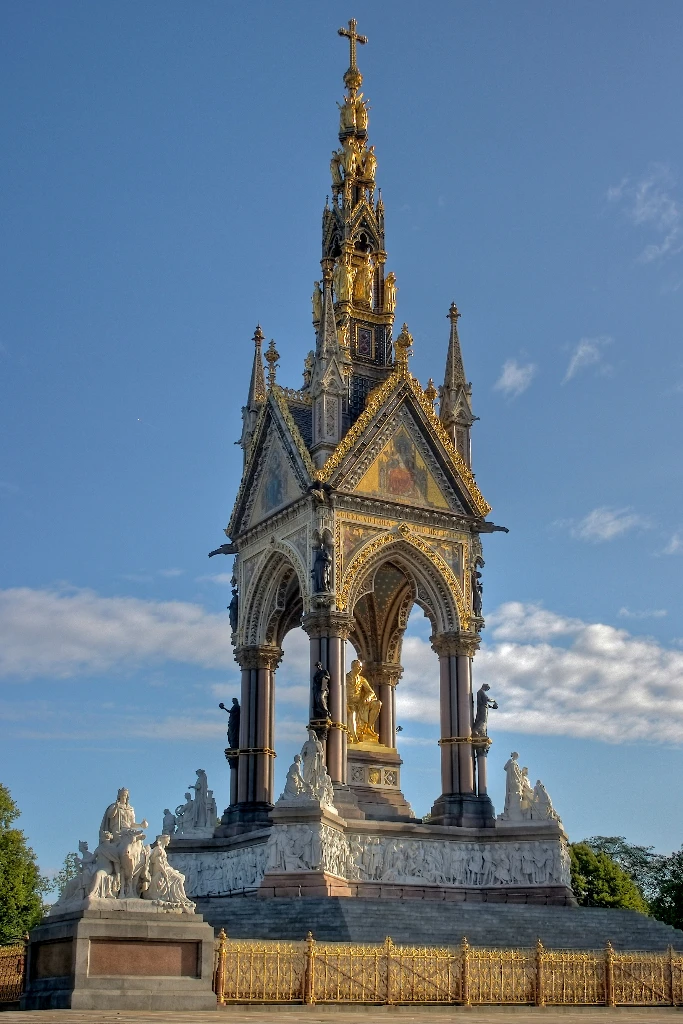
The Royal Parks, who look after the memorial, openly acknowledge that some of the allegorical sculptures of the continents feature "derogatory racial stereotypes". For example, you'll see imagery that depicts a European woman reading to an African man, meant to represent him "rising up from barbarism" through Western influence. It’s a stark reminder of Victorian imperialist attitudes and views of European supremacy that are, rightly, considered offensive today.
Beyond these problematic representations, the memorial itself has faced aesthetic critiques. When it was first unveiled, some found Albert's shining gilded statue overly "dazzling", believing its "splendour of gold" detracted from the overall artistic impact. Others have simply labeled the entire monument as "a triumph of excess" or even "ludicrously ostentatious".
While it's an ambitious piece of art, these historical and ongoing criticisms provide a necessary perspective on its place in London's landscape.
How much did the Albert Memorial cost?
The sheer scale of the Albert Memorial truly makes you wonder about the cost involved. This magnificent tribute, situated proudly in Kensington - a neighborhood you can read all about here - cost approximately £120,000 to construct. To give you some context, that's roughly equivalent to £15,000,000 in today's money.
It was a massive undertaking, funded collaboratively through public subscriptions and a significant grant from Parliament, with public donations covering 60% of the total.
It was designed by Sir George Gilbert Scott, and the memorial took over a decade to complete, from 1864 to 1876. Standing at an impressive 176 feet tall, it was officially opened in 1872, though Albert's statue wasn't fully in place until a few years later.
A curious detail: the gilded statue of Prince Albert was once painted black during World War I to prevent its shine from guiding German zeppelins. It was later re-gilded during a restoration that cost a substantial $19 million.
Is it worth visiting Albert Memorial?

If you appreciate intricate design and grand historical statements, the Albert Memorial is definitely a visual treat. It's a stunning example of Victorian Gothic revival architecture, and you can spend a good 15-30 minutes admiring its countless sculptures and details, which offer a unique window into the era's ideals.
However, if you're seeking interactive experiences or modern art, its purely aesthetic and contemplative nature might feel a bit static compared to other London landmarks like Westminster Abbey, which offers interior access and a more narrated history.
A sunny day really makes the gold leaf and mosaics sparkle, but it maintains a solemn beauty even under an overcast sky. History buffs, art and architecture enthusiasts, and anyone interested in Victorian Britain will find it most compelling. It’s free to view, easily accessible within Kensington Gardens, and doesn't demand a lot of time.
To help prioritize your London sights and decide if the Albert Memorial truly aligns with your interests, consider using StoryHunt for engaging audio stories that bring such sites to life. If you do visit, you’ll find plenty of other attractions nearby. Try StoryHunt for free here.
What else can I do in Kensington, London?
Beyond the striking presence of the Albert Memorial, the Kensington area is packed with fantastic things to do. You’re right in the heart of "Albertopolis," which means you have world-class museums practically on your doorstep.
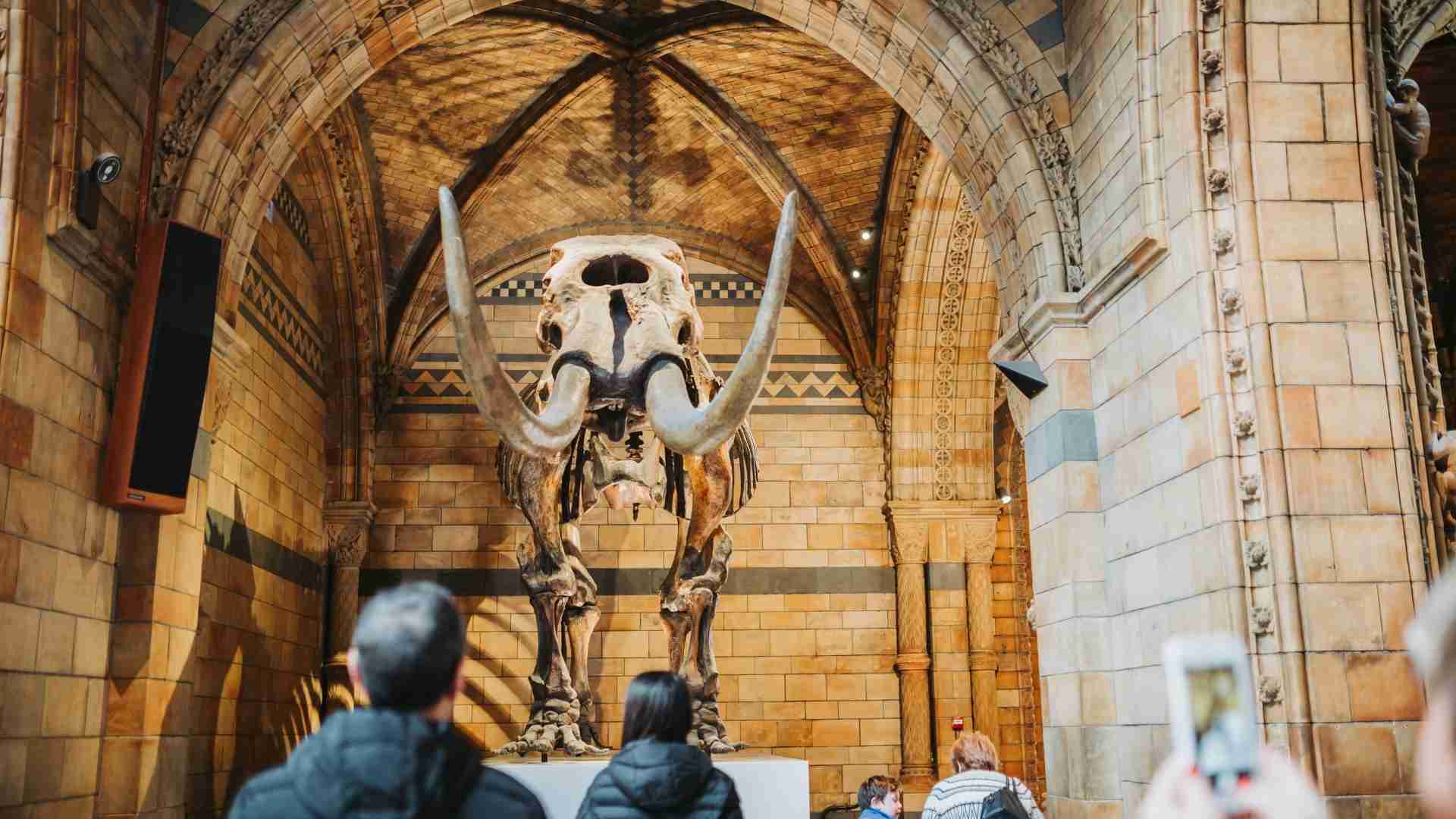
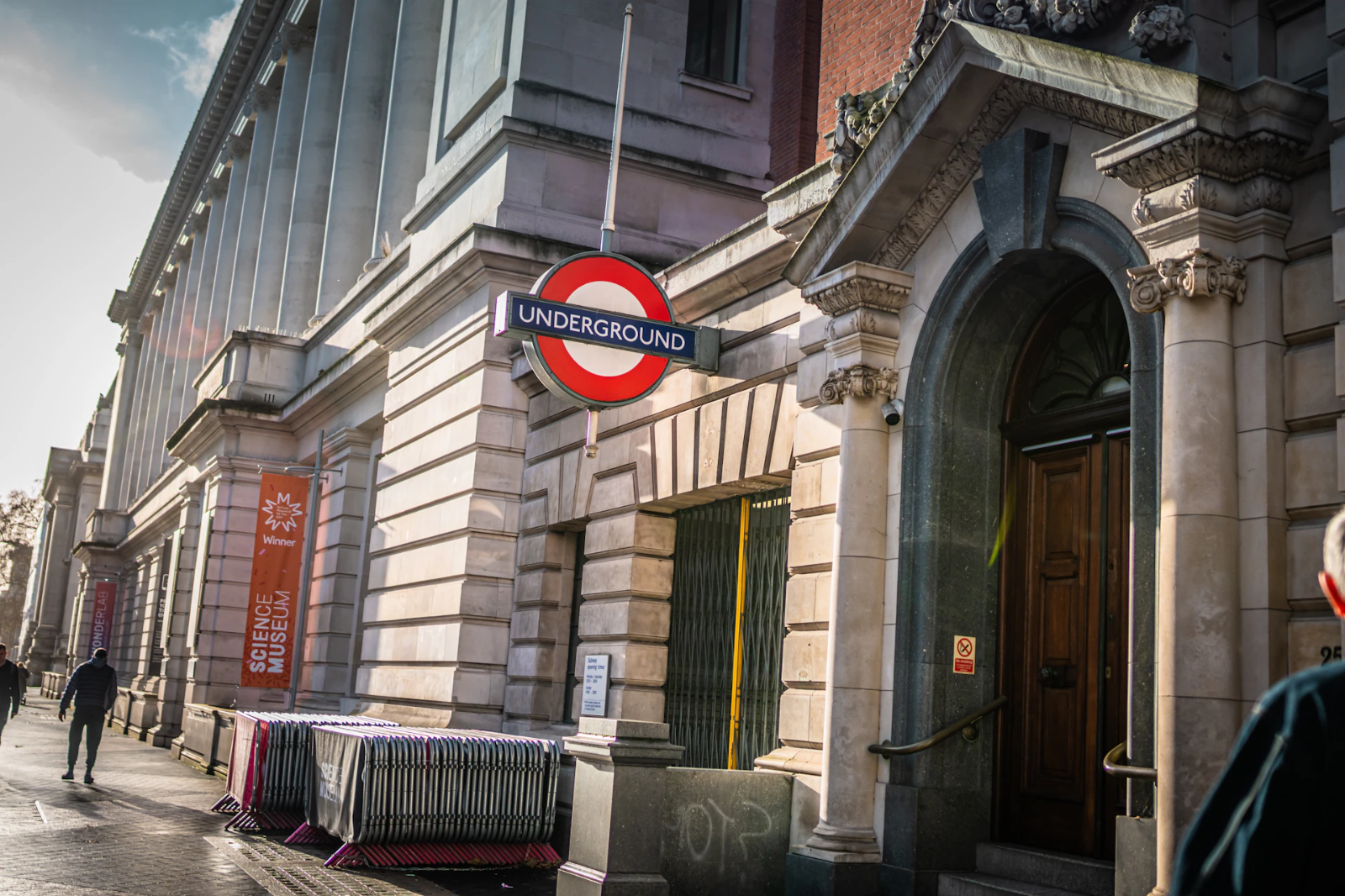
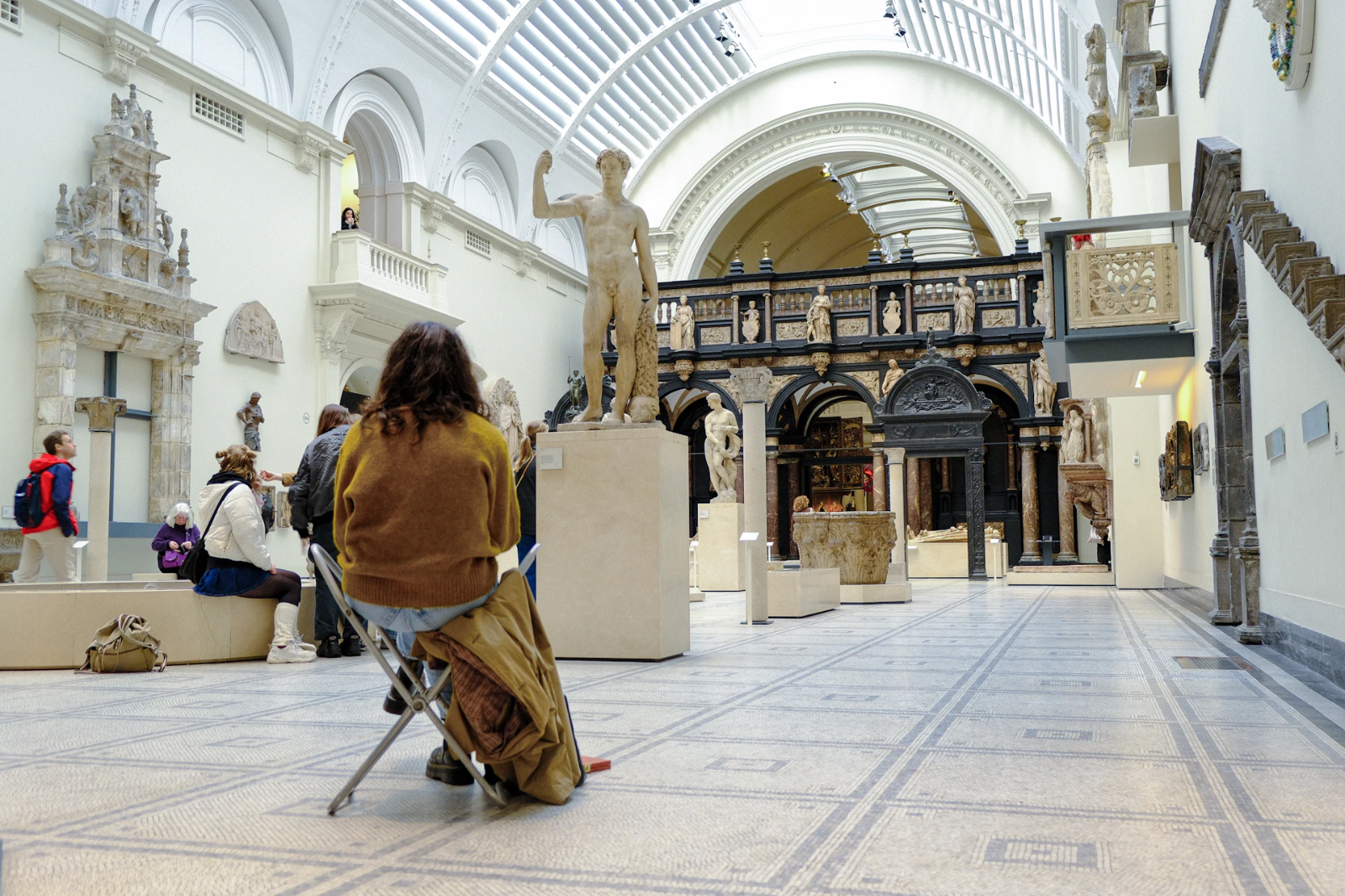
- You can step into the Natural History Museum and gaze at the colossal blue whale skeleton, explore the vast collections of art and design at the Victoria and Albert Museum, or dive into interactive exhibits at the Science Museum – all with free entry!
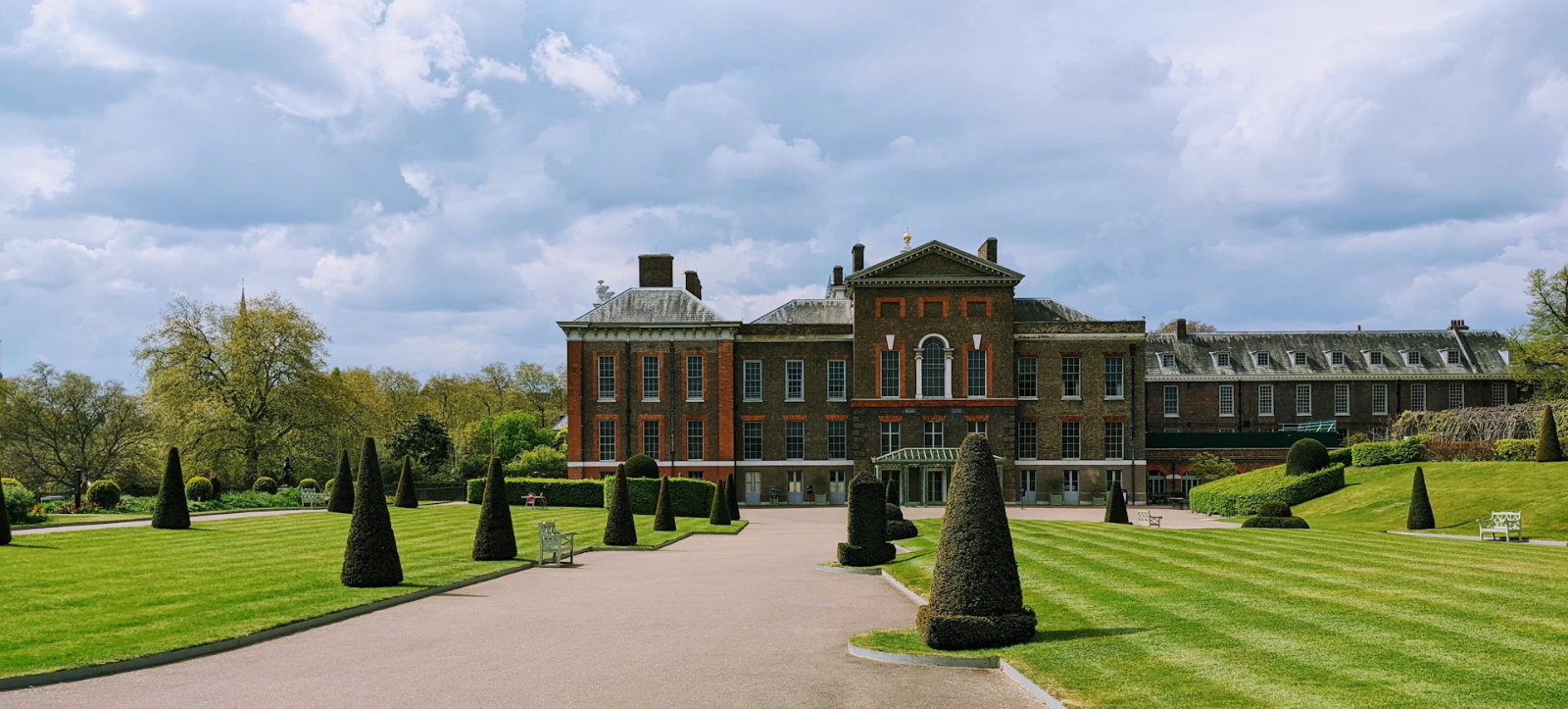
- Take a stroll through Kensington Gardens itself. You'll find Kensington Palace, a working royal residence, with its beautiful Sunken Garden, and the Diana Memorial Playground, perfect if you have kids with you.
- For a peaceful escape, wander over to Holland Park, home to the serene Kyoto Garden, complete with koi ponds and even peacocks roaming freely.
- If you’re interested in unique architecture and history, visit Leighton House Museum, known for its stunning Arab Hall adorned with Islamic tiles.
- You might also want to find Freddie Mercury's former home at 28 Logan Place or seek out the peculiar "Thin House" at Five Thurloe Square, one of London's narrowest buildings.
- And directly across from the memorial, you can catch a show or even tour the iconic Royal Albert Hall.
Kensington offers a truly rich experience for any traveller, and you can read our full guide to the top attractions here. The best way to discover them all is by using an app like StoryHunt, which creates the most optimal route. Download StoryHunt for Android and iOS here.
.jpg)

.avif)







.avif)





.avif)


