.webp)



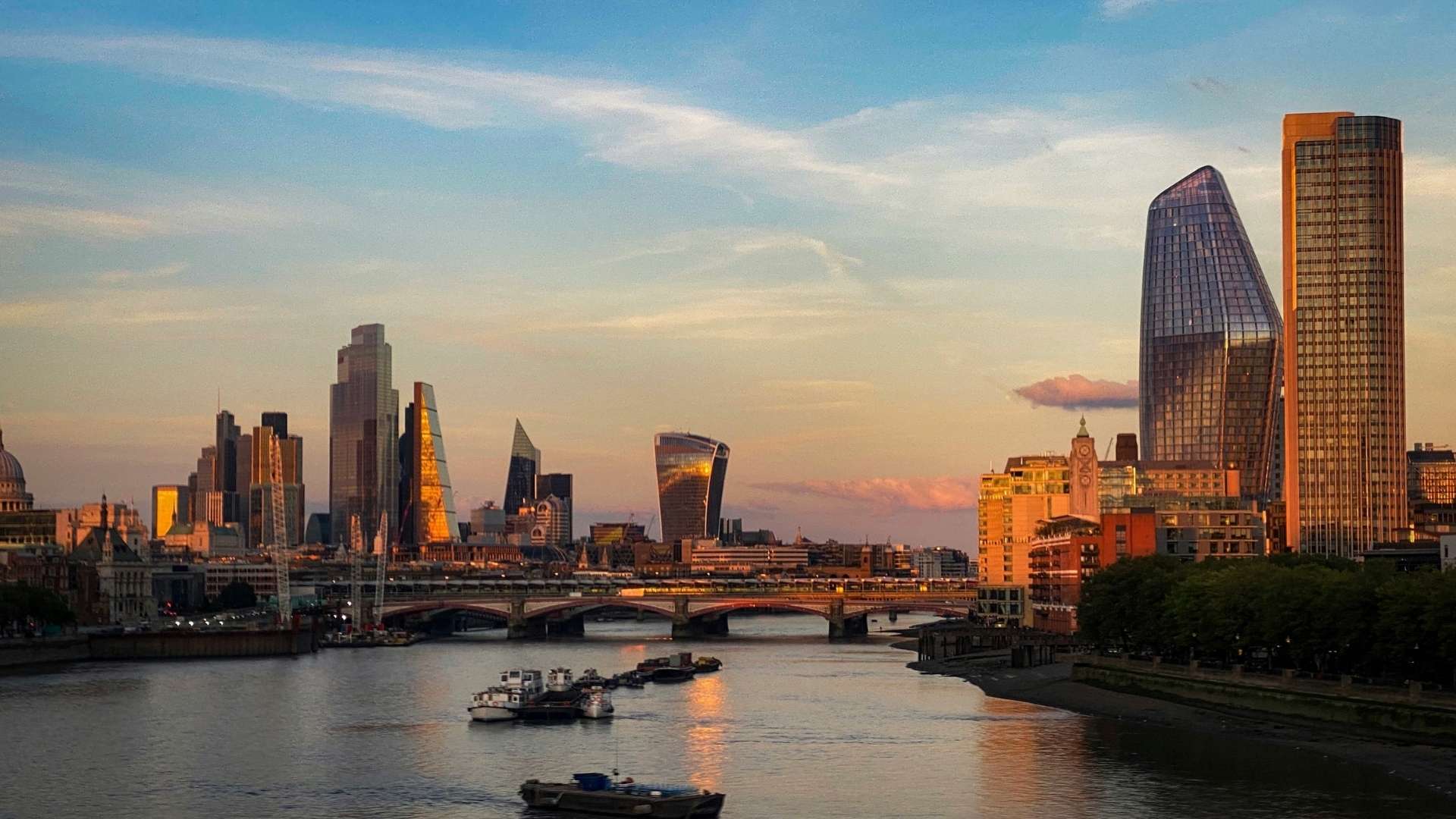
TLDR: The City of London is 1,12 square miles of layered history - Roman foundations, medieval walls, churches rebuilt after the Great Fire, and glass towers going up right alongside them. Only 8,600 people live here permanently; more than 600,000 commute in daily. Electrifying on weekdays, unusually quiet at weekends, and almost always more interesting than visitors expect.
Most people who visit London pass through the City of London without quite realising what they're walking through. They come for the Tower of London or St Paul's Cathedral and leave having absorbed more history per square metre than almost anywhere else in Europe - without necessarily knowing it.
The Square Mile is one of the most historically layered places in the world, and it has a character unlike any other part of London. It's worth understanding before you arrive, and this guide is here to help you.
What is the story behind the City of London?
The City of London is where London began. The Romans founded Londinium here around 43 AD as a strategic bridging point on the Thames. They built a walled settlement, a basilica, a forum, and a governor's palace - most of it now buried under the financial district, though fragments of the Roman wall still surface along streets like London Wall and in the basement of a Barbican car park.
After the Romans withdrew in the early 5th century, the city shrank and then rebuilt itself through the medieval period. By the time of the Norman Conquest in 1066, it was already England's most important trading centre.
The medieval street pattern - which is why the City's roads are so narrow and irregular today - survived largely intact until September 1666, when a fire started in a bakery on Pudding Lane and burned for four days, destroying over 13,000 houses and 87 churches.
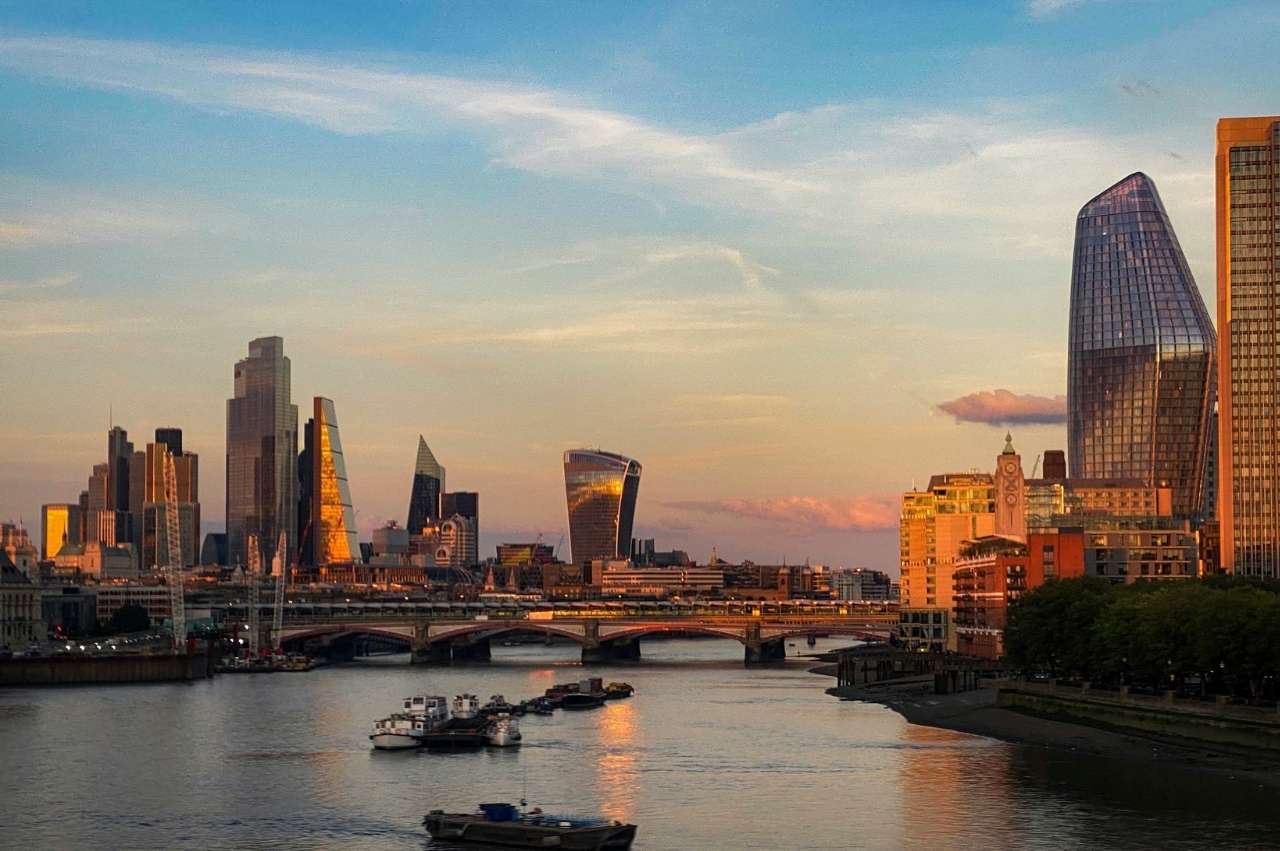
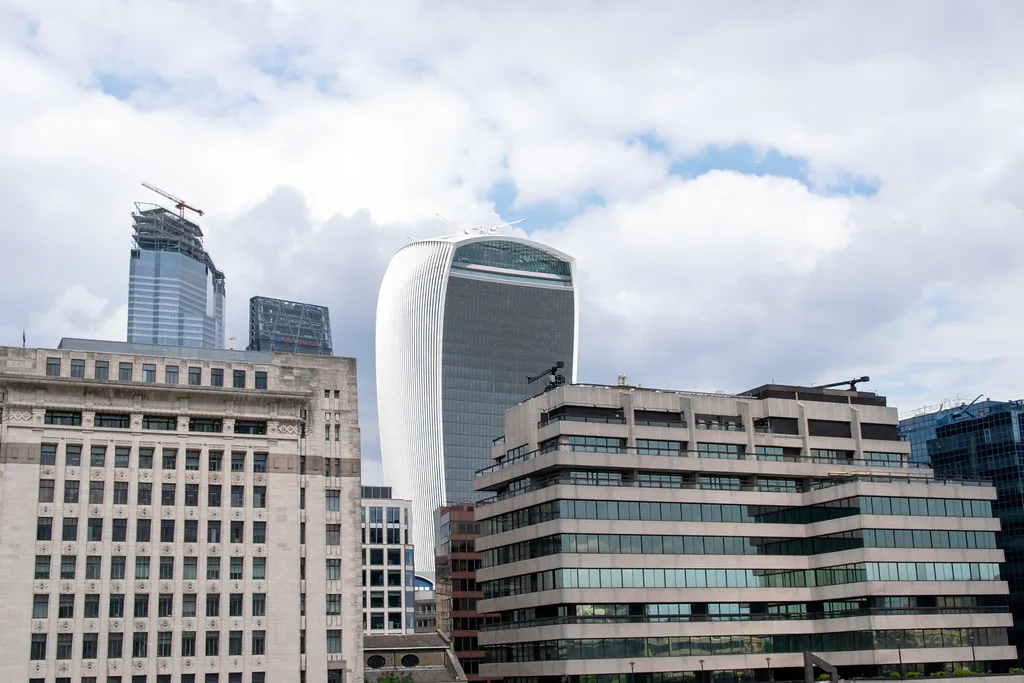
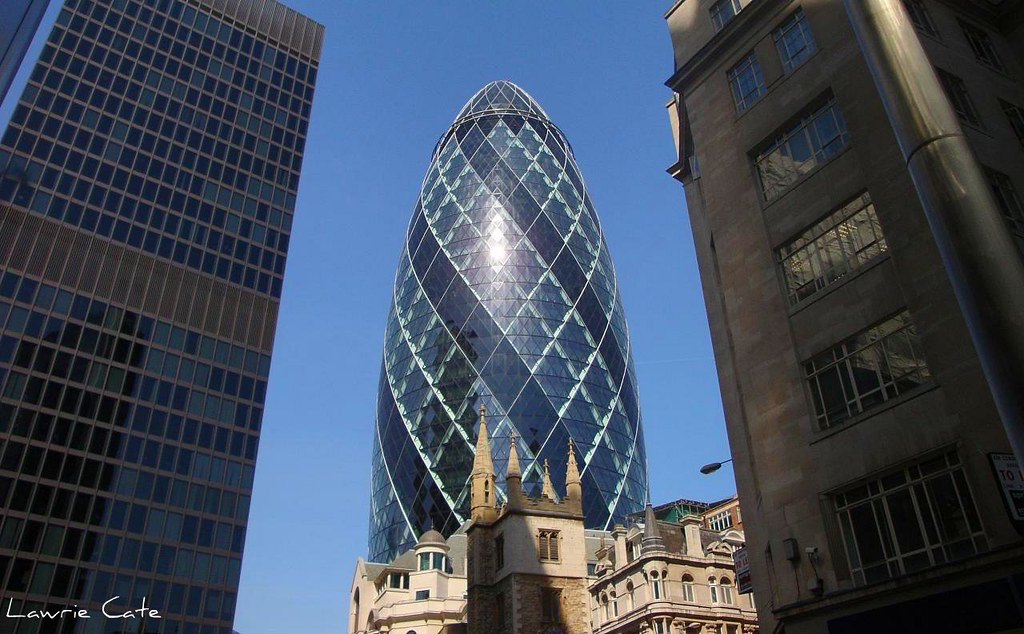
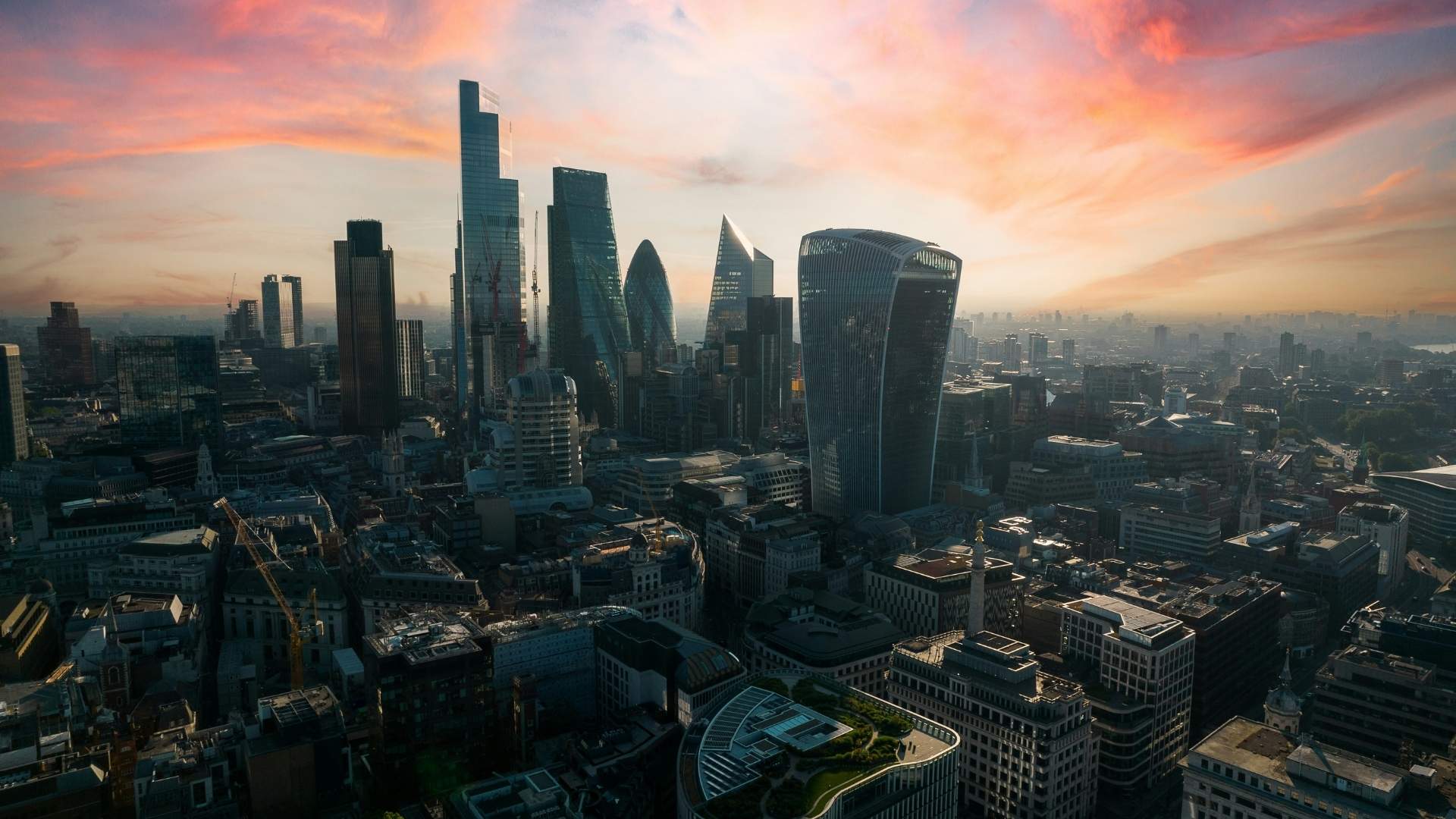
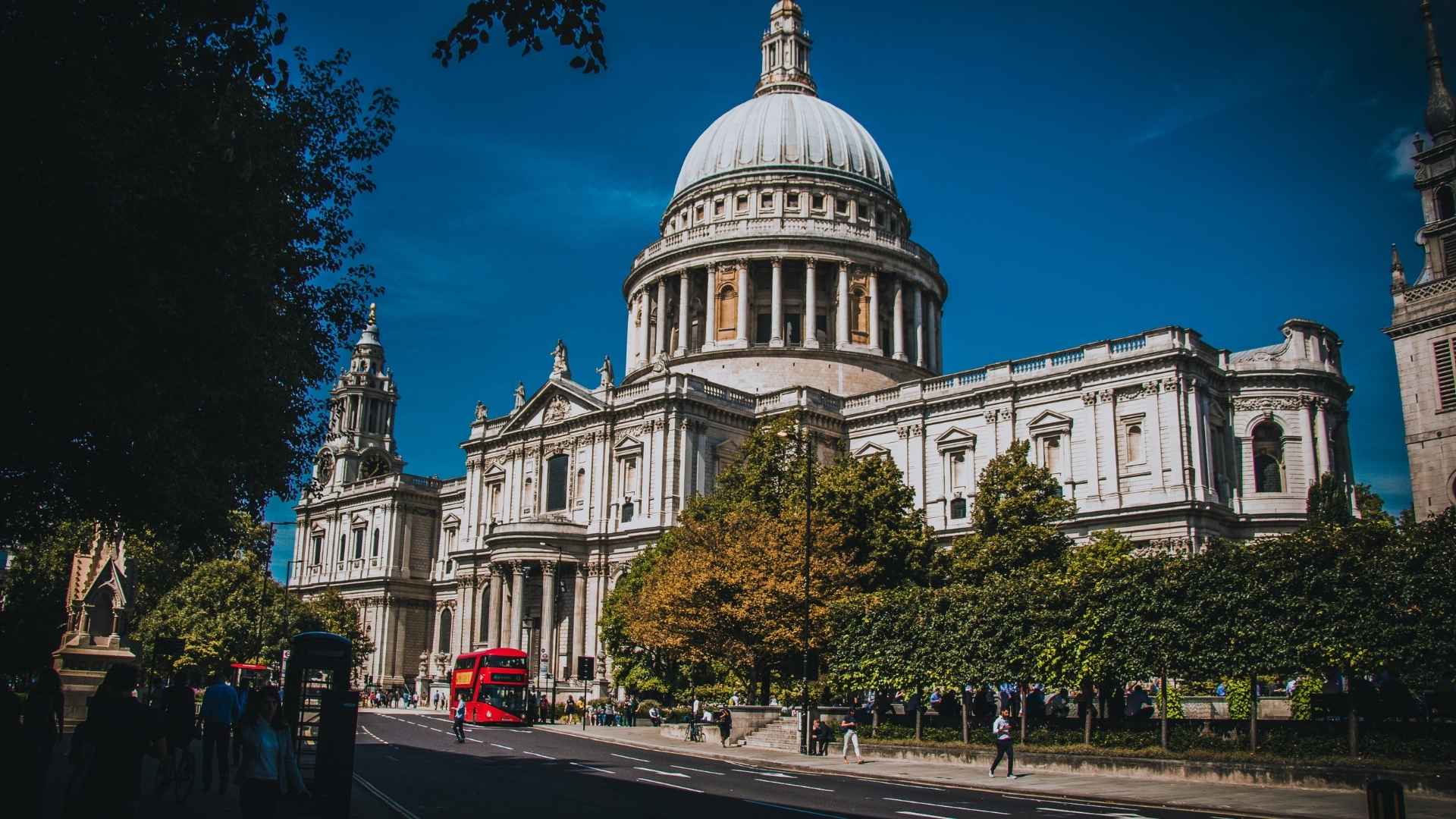
The rebuilding after the Great Fire gave the City much of its architectural identity. Christopher Wren designed 51 new churches, including St Paul's Cathedral, which took 35 years to complete and was finished in 1710. The financial district grew steadily through the 18th and 19th centuries, and the glass towers followed in the late 20th century - the Gherkin in 2003, the Walkie Talkie in 2014. Old and new coexist here more densely than almost anywhere in London.
What is the difference between the City of London and London?
This confuses almost everyone who visits for the first time, so it's worth being clear about.
The City of London is a specific, legally distinct area of 1.12 square miles with its own local authority, separate from the 32 London boroughs and the Greater London Authority. It has its own Lord Mayor (different from the Mayor of London), its own police force, and its own elections - in which businesses get votes alongside residents, a system dating from its medieval charter.
The residential population is just 8,600 people (2021 Census), making it the smallest local authority in England by population. The daytime figure is closer to 614,500, all of them there to work.
When people say "London" they generally mean Greater London - 607 square miles containing 33 boroughs and 9 million people. The City is a small, ancient kernel at its heart.
Confusingly, the area most tourists think of as central London - Westminster, Soho, Covent Garden - is not the City of London at all.
You can read all about the different neighborhoods in London here.
What are the top attractions in the City of London?

The City of London packs an extraordinary concentration of major sights into a small area.The essentials are:
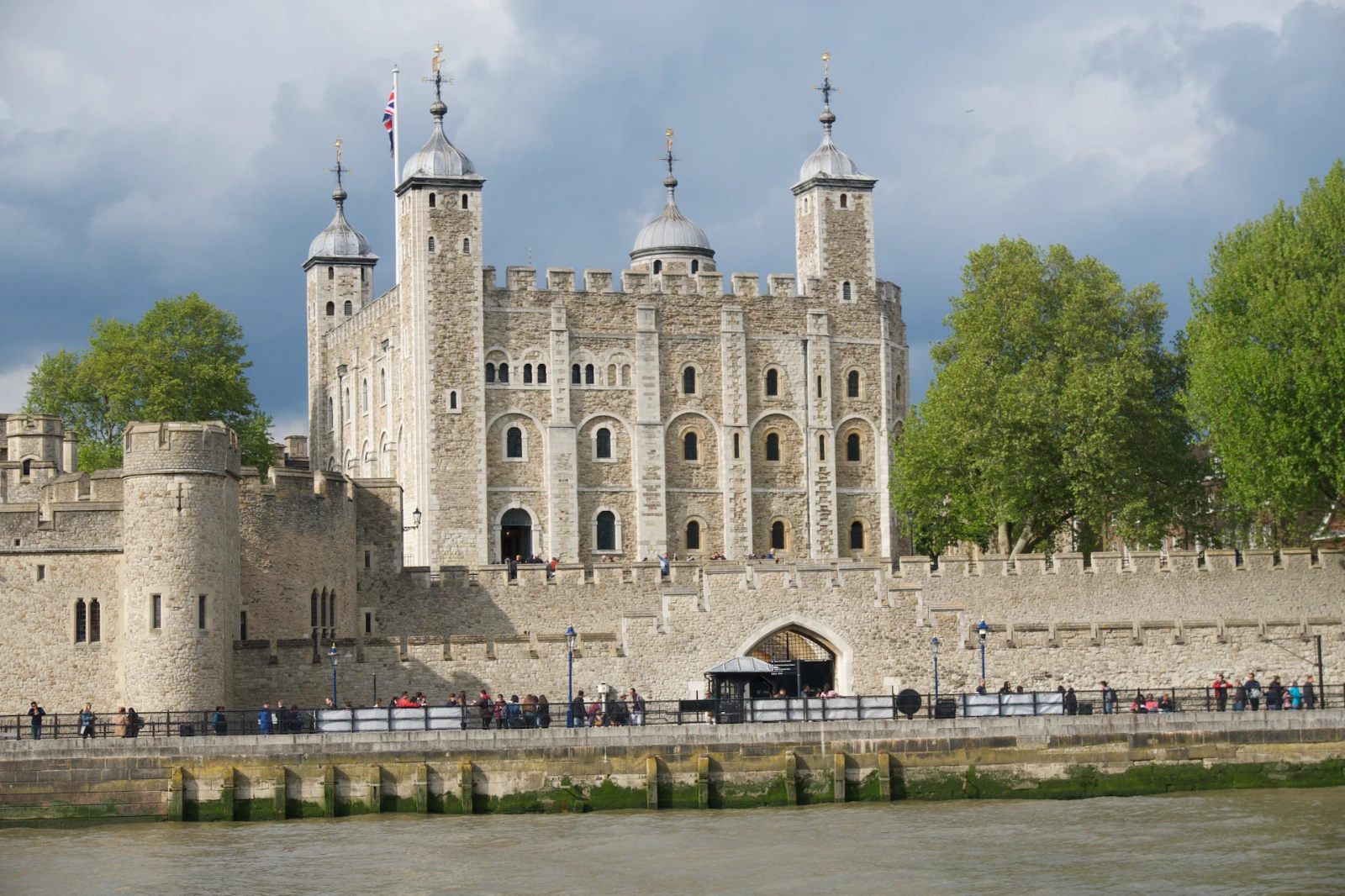
- The Tower of London sits on the eastern edge of the Square Mile, begun by William the Conqueror in 1078. It's been a royal palace, a prison, a place of execution, an armoury, a zoo, and a treasury. The Crown Jewels are here.
- St Paul's Cathedral is Wren's masterpiece, consecrated in 1708 and completed in 1710 after 35 years of construction. The Whispering Gallery inside the dome - where a whispered word against the curved wall carries clearly to the opposite side, 34 metres away - is the specific draw most people come for.
- Sky Garden on the 35th floor of 20 Fenchurch Street - the building Londoners call the Walkie Talkie for its distinctive tapering shape - is a landscaped indoor garden with panoramic views across the city.
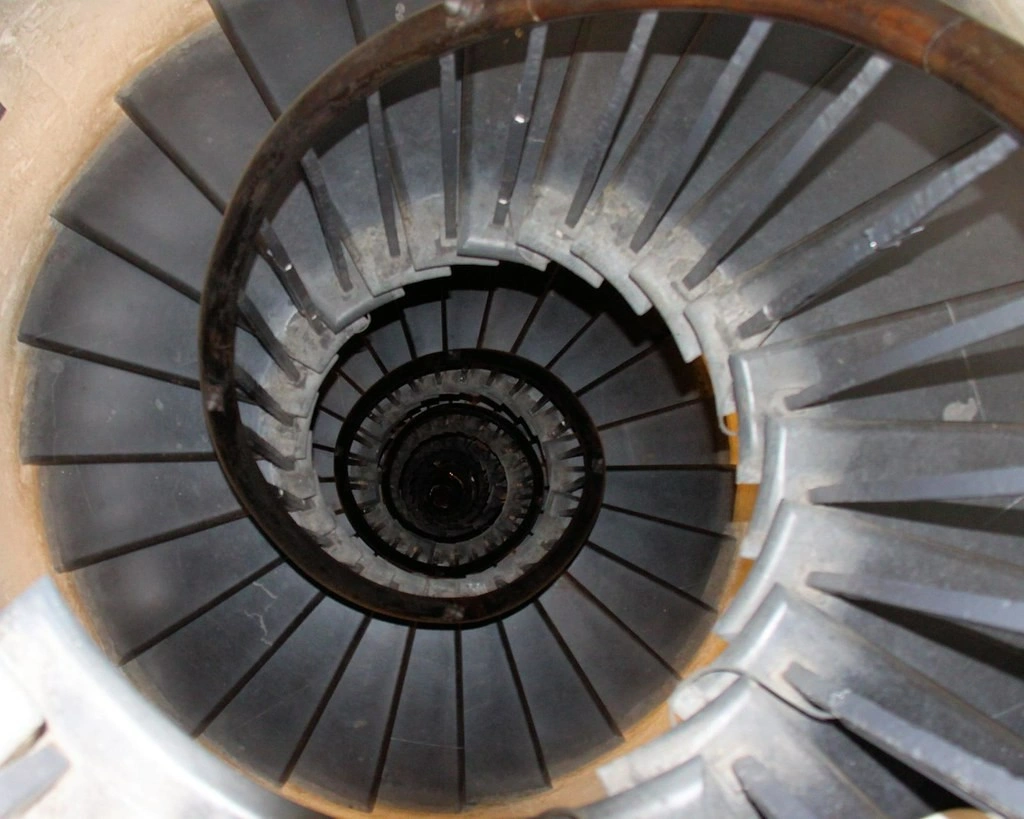
- The Monument stands 202 feet tall on Monument Street, designed by Wren and Robert Hooke to mark the Great Fire of 1666. The height is exact: the monument stands precisely 202 feet from the bakery on Pudding Lane where the fire started.
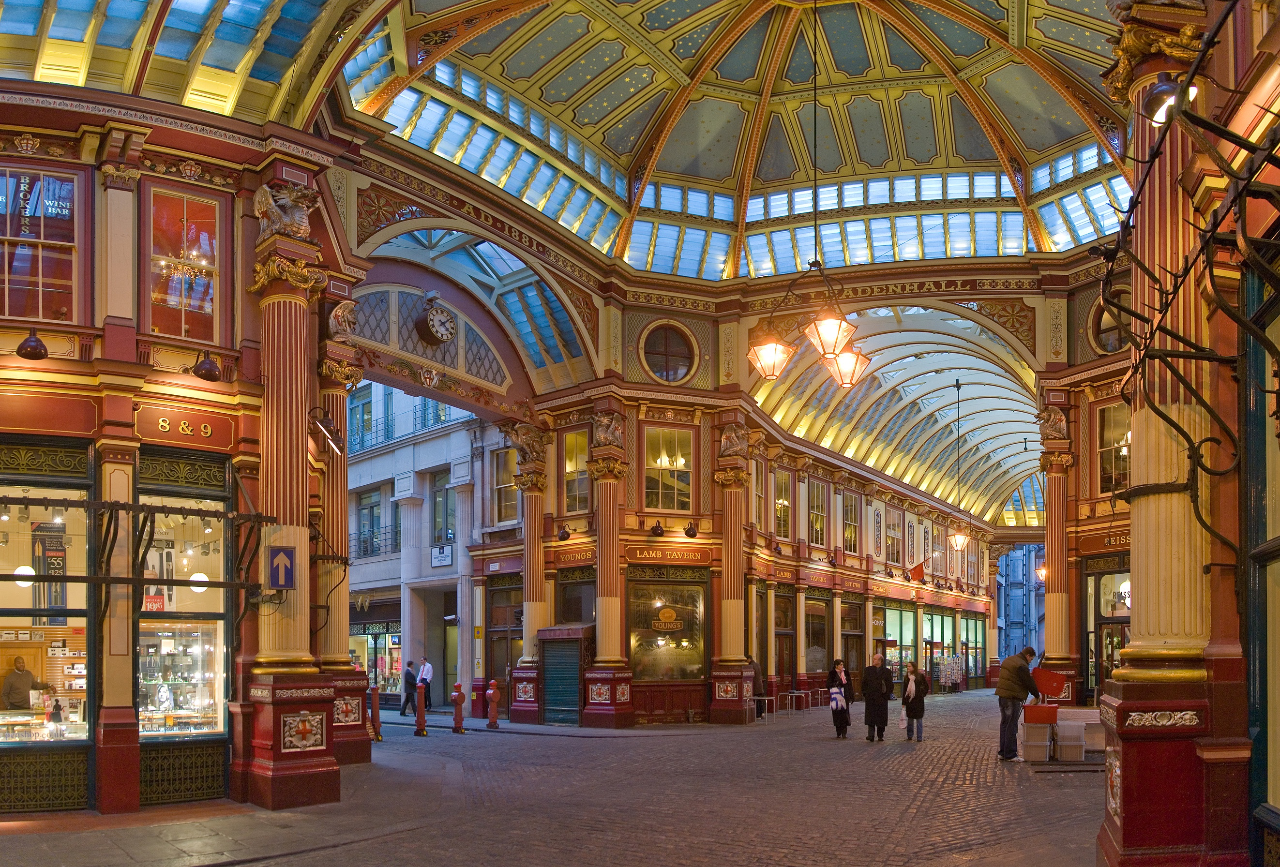
- Leadenhall Market is a Victorian covered market at the heart of the financial district, built in 1881 on the site of the Roman forum. It appeared in the Harry Potter films as the entrance to Diagon Alley.
You can read our full guide to the top attractions in the City of London here.
What are the hidden gems in the City of London?
The Square Mile has a strong second layer once you move past the headline sights. Some standouts among the hidden germs are:
- The Roman Wall survives in fragments across the City. The most accessible sections are near Tower Hill tube station, where a substantial stretch stands alongside a cast of Emperor Trajan, and along London Wall street. There's a particularly good chunk visible in a car park beneath the Barbican - unusual enough to be worth going out of your way for.
- Guildhall is the City of London's medieval great hall, used for ceremonies and banquets since the 15th century. The main hall and the art gallery are open to the public on weekdays and are free. The crypt beneath is one of the largest medieval crypts in London.
You can read our full guide to the hidden gems in the City of London here.
When is the best time to visit the City of London?

The timing question matters more in the City than almost anywhere else in London, because the neighbourhood transforms depending on the day.
Weekdays are when the City is alive: the streets around Bank and Liverpool Street fill with workers, Leadenhall Market buzzes at lunch, and the area has genuine energy. This is also when most museums and galleries are open and when you get the fullest picture of the Square Mile as a functioning place. The downside is that popular lunch spots and coffee shops get crowded between noon and 2 PM.
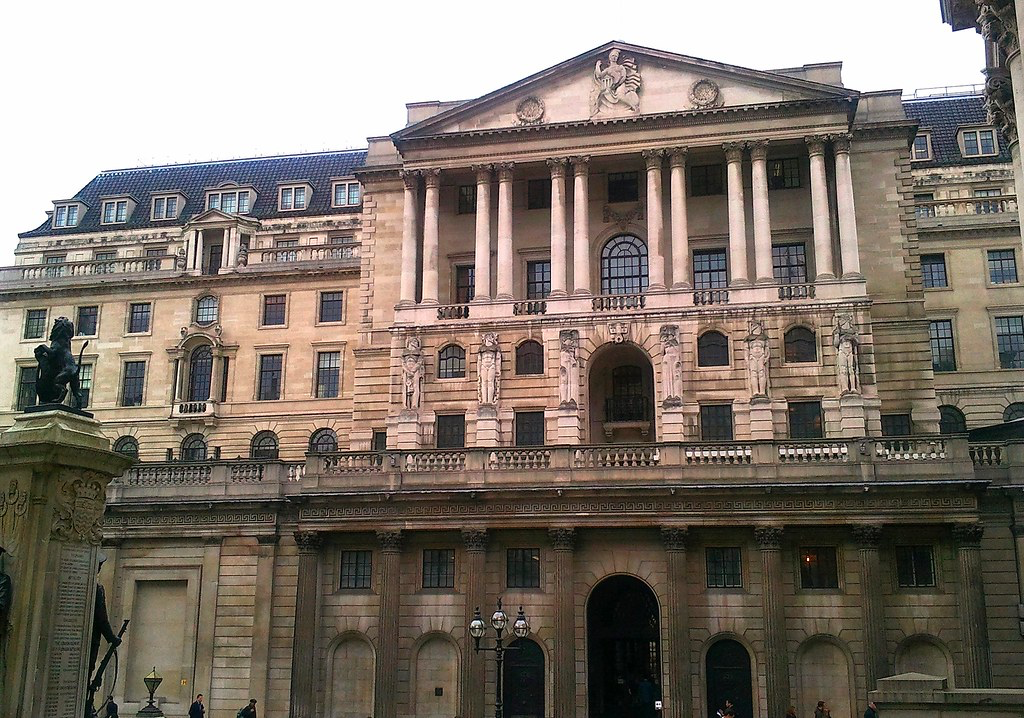
Weekends are quieter - sometimes startlingly so. Many of the office-oriented cafes and restaurants close on Saturday and Sunday. But the major attractions (Tower of London, St Paul's, Monument, Sky Garden, Bank of England Museum) are all open, and the reduced footfall makes them significantly more pleasant. Walking the Roman Wall, exploring Leadenhall Market, or just photographing the street-level architecture is genuinely easier without 600,000 commuters sharing the pavements.
Where is the best coffee in the City of London?
The Square Mile's coffee scene is primarily office-facing, which means the quality is high and the hours are weekday-only for many independents. You can read our full guide to the best coffee in City of London, which covers the current options in detail - but for a weekend visit, the area around St Paul's and Leadenhall Market has the most reliable coverage.
For food more broadly, the City's restaurant scene skews toward expensive corporate dining on weekdays. Visitors are often better served by heading to nearby Borough Market (a 10-minute walk across Southwark Bridge) or the Barbican Centre café for something at a more reasonable price point.
How do you get around the City of London?
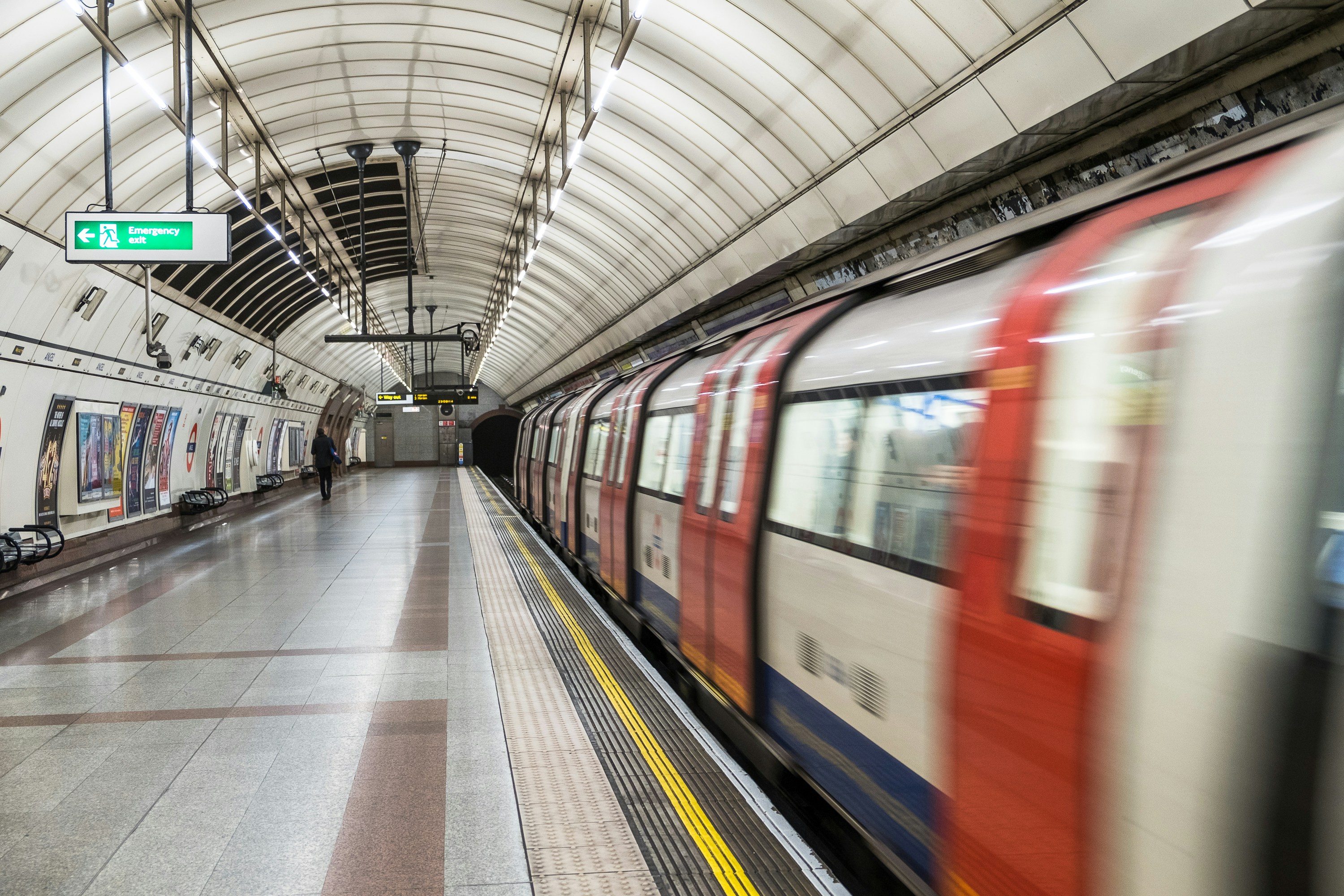
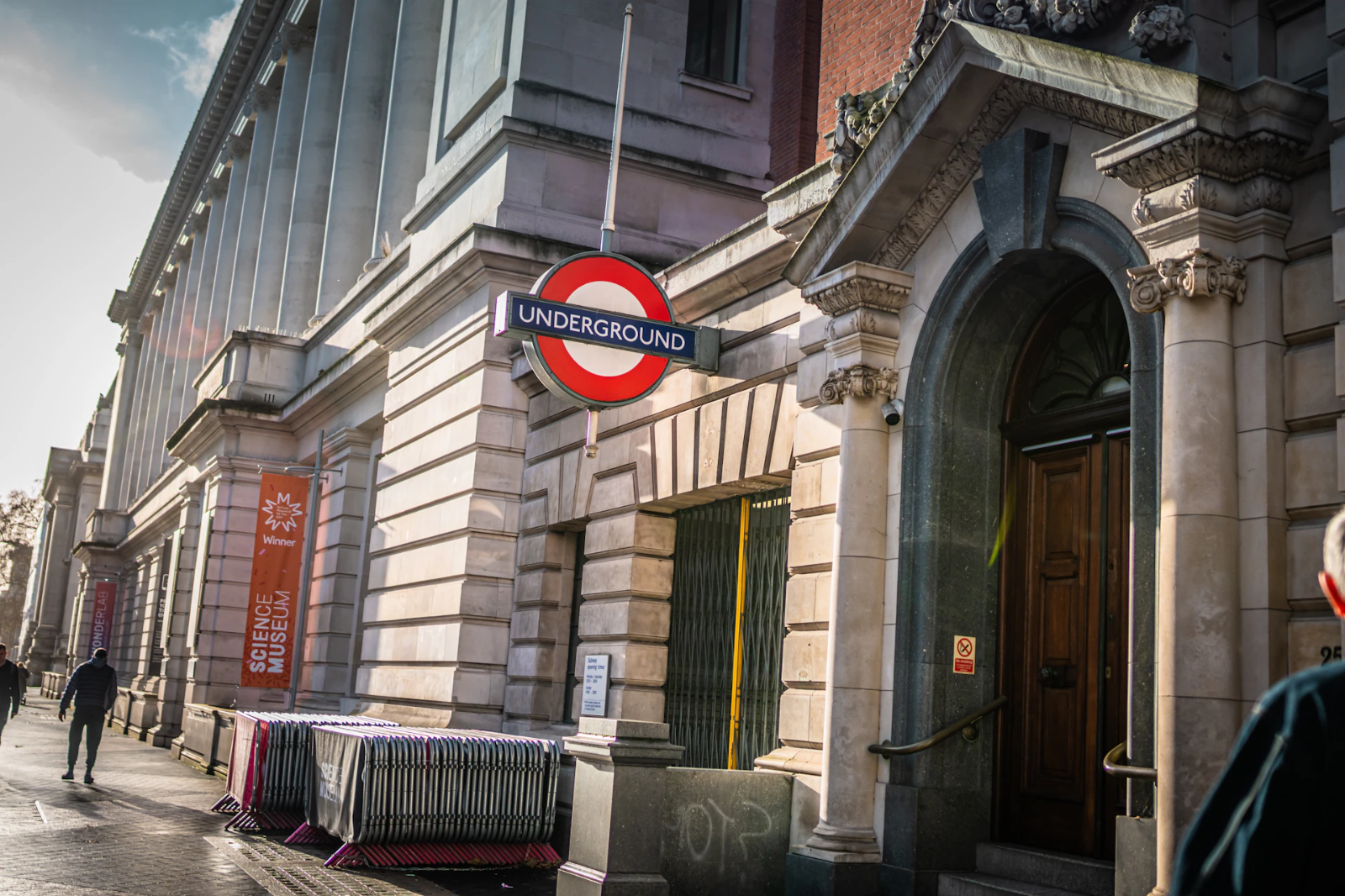
The City is small enough that walking is the primary mode of transport once you're inside it. The key tube stations are:
- Bank (Central, Northern, Waterloo & City, DLR) — central, closest to Monument and Leadenhall Market
- Liverpool Street (Central, Circle, Hammersmith & City, Metropolitan, Elizabeth, overground) — northeast, gateway from east London
- Tower Hill (Circle, District) — southeast, closest to Tower of London and Tower Bridge
- St Paul's (Central) — west side, obviously closest to the cathedral
- Moorgate (Circle, Hammersmith & City, Metropolitan, Northern) — north
- Cannon Street (Circle, District) — south side, near the Thames
The Elizabeth line's addition has significantly improved connections. From Paddington to Liverpool Street takes around 10 minutes.
Walking between St Paul's and the Tower of London along the river takes roughly 20 minutes and passes through some of the most historically dense ground in London. It's a better approach to the area than hopping between tube stations.
Is the City of London expensive?
For attractions: variable. The Tower of London charges around £34 for adults - one of the more expensive entry prices in London. St Paul's Cathedral charges around £23. Sky Garden, The Monument, the Bank of England Museum, the Roman Wall, Guildhall, and Leadenhall Market are all free or cheap. A half-day built around the free options costs very little.
For food and coffee: expensive by London standards, particularly on weekdays when the market is captive office workers with expense accounts. Weekends bring slightly lower pricing where places are open at all.
Is it worth visiting the City of London?

Yes - and it's one of the most underrated areas in London for visitors who go beyond the Tower and St Paul's. The density of history is extraordinary: you can stand at Bank station, look in any direction, and be within a few minutes' walk of Roman ruins, a medieval church, a Wren masterpiece, a Victorian market hall, and a 21st-century glass tower. Very few places in the world offer that kind of layering in 1.12 square miles.
The practical advice is to treat it as a half-day minimum, combine it with a walk across Tower Bridge into South Bank, and do it on a weekday morning if possible - before the lunch rush, with the full energy of the financial district around you. Weekend visits are calmer and better for photography, but you lose some of the atmosphere that makes the Square Mile feel like itself.
How to explore the City of London like a local?
Walking the City of London is one of the best ways to understand it - every street has something to say. With the StoryHunt app you can build a custom audio walk through the Square Mile, connecting the Tower of London and St Paul's with the Monument, Leadenhall Market, and the Roman Wall, with context delivered as you walk. Download StoryHunt for Android and iOS here.

.avif)


.jpg)



.avif)



.jpg)








.avif)


