.webp)


TLDR: The Gherkin, London's iconic pickle-shaped skyscraper, blends modern sustainability with ancient history, offering impressive views and a unique story, though public access is mostly limited to its top-floor dining.
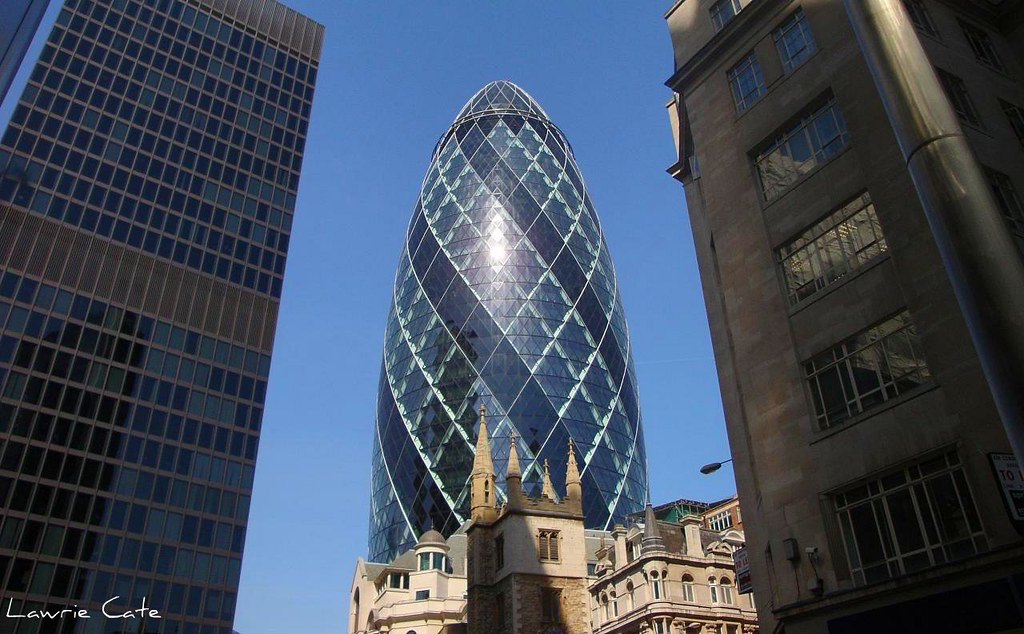
My recent visit to London's financial district introduced me to a structure that truly stands out: The Gherkin. It was formally known as 30 St Mary Axe, but today, this distinct skyscraper is a testament to resilience, innovative design, and layers of history.
If you're planning a trip to the UK's vibrant capital, understanding this architectural icon will deepen your appreciation for its dynamic skyline. Let me share my firsthand insights on what makes The Gherkin so special, what you can expect, and if it's truly worth adding to your itinerary.
What is the story behind The Gherkin?
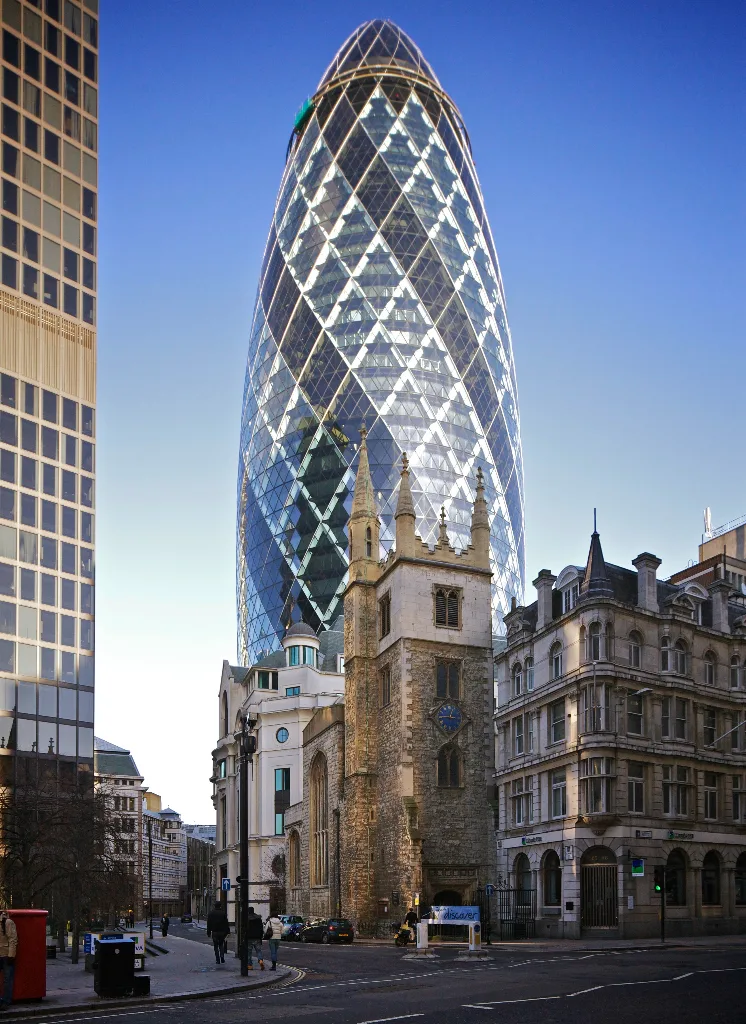
Against London's historic backdrop, The Gherkin's sleek form tells a story of rebirth. Its genesis is tied to a tragic event: the 1992 IRA bombing that devastated the Baltic Exchange, which was a historic building that once stood on this very spot. From those ruins, a bold vision for the future emerged.
It was designed by the renowned Norman Foster and his team, and construction began in 2001, culminating in its opening in 2004. Locals quickly dubbed it "The Gherkin" due to its distinctive shape, and the name stuck, which transformed it from a mere building into a beloved symbol.
This structure also quietly championed sustainable design, because it uses less energy than comparable towers - a detail I found particularly impressive. Its presence really speaks to London’s ability to constantly renew itself.
Why is the Gherkin famous?
The Gherkin gained immediate fame for its instantly recognizable, curvaceous profile, which genuinely does resemble a large pickle on the London skyline.
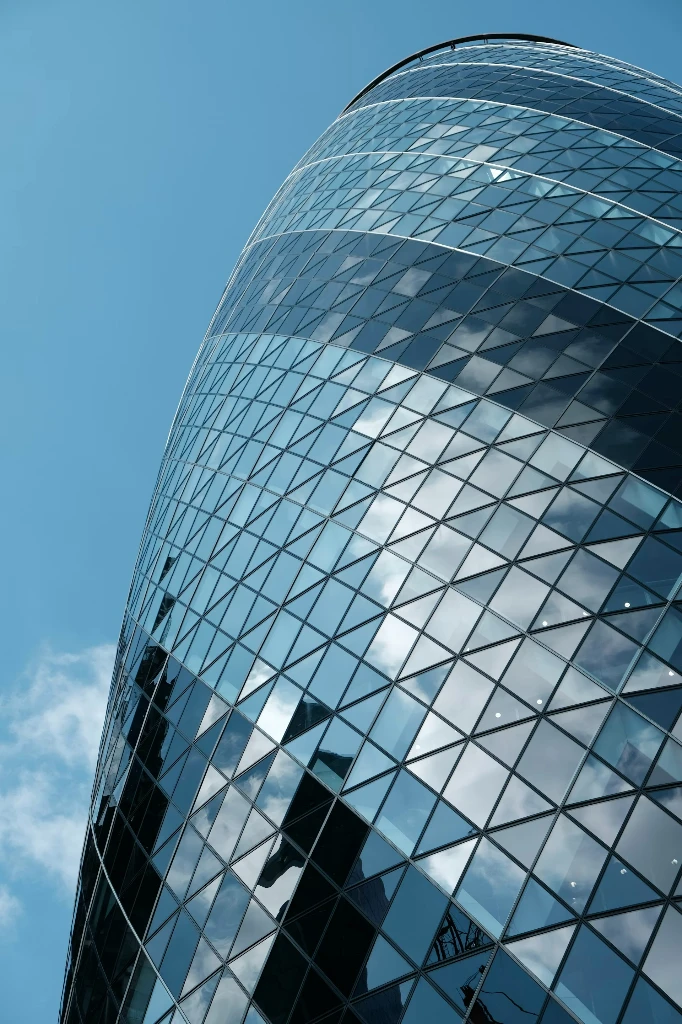
Beyond its striking appearance, it's celebrated for its innovative, energy-efficient features. I learned how its spiraling light wells and double-glazed façade allow natural ventilation and sunlight to flood the interior, which significantly lowers its energy consumption.
Despite its rounded look, only the very top, lens-shaped cap features curved glass; the rest uses flat panels, which is a clever bit of engineering. This blend of visual appeal and environmental consciousness truly sets it apart.
Its prominence also stems from occupying the site of the former Baltic Exchange, which was destroyed in 1992 - something that adds another layer to its history.
What is the Gherkin used for?
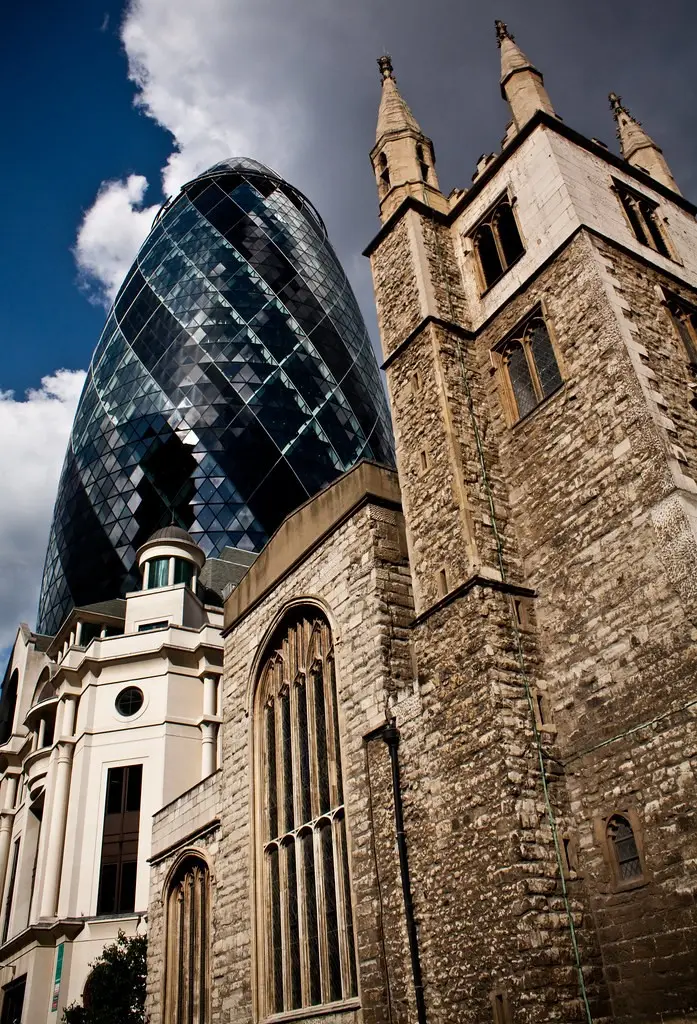
Stepping closer, you quickly realize The Gherkin is primarily a working hub. It serves as a commercial office building, which houses various businesses, including its original commissioner, Swiss Re.
While the majority of the building is private workspace, its upper floors offer a public experience. The Helix restaurant and Iris bar are located up there, and they provide breathtaking panoramic views across the City of London. I found that making reservations for these spots is essential if you want to soak in those vistas.
Occasionally, the building opens its doors during special events, like Open House London, which gives a wider access. Outside, on Thursdays, you might even catch a vibrant street food market at its base, which adds a lively atmosphere to the corporate surroundings.
Can you go in the Gherkin for free?
Regrettably, you generally cannot walk into The Gherkin for free. This imposing London landmark is primarily a private office building, not a public attraction with open entry.
Your main avenues for getting inside involve booking a table at the Helix restaurant or Iris bar on the top floors. While these venues offer incredible views, they require reservations and certainly aren't free.
Your other chance for free entry is during special occasions like Open House London, though securing a spot often involves entering a ballot or booking well in advance due to high demand. The 180-meter height means you get expansive views once inside, but remember, spontaneous free entry isn't an option.
Is the Gherkin the same as the Shard?
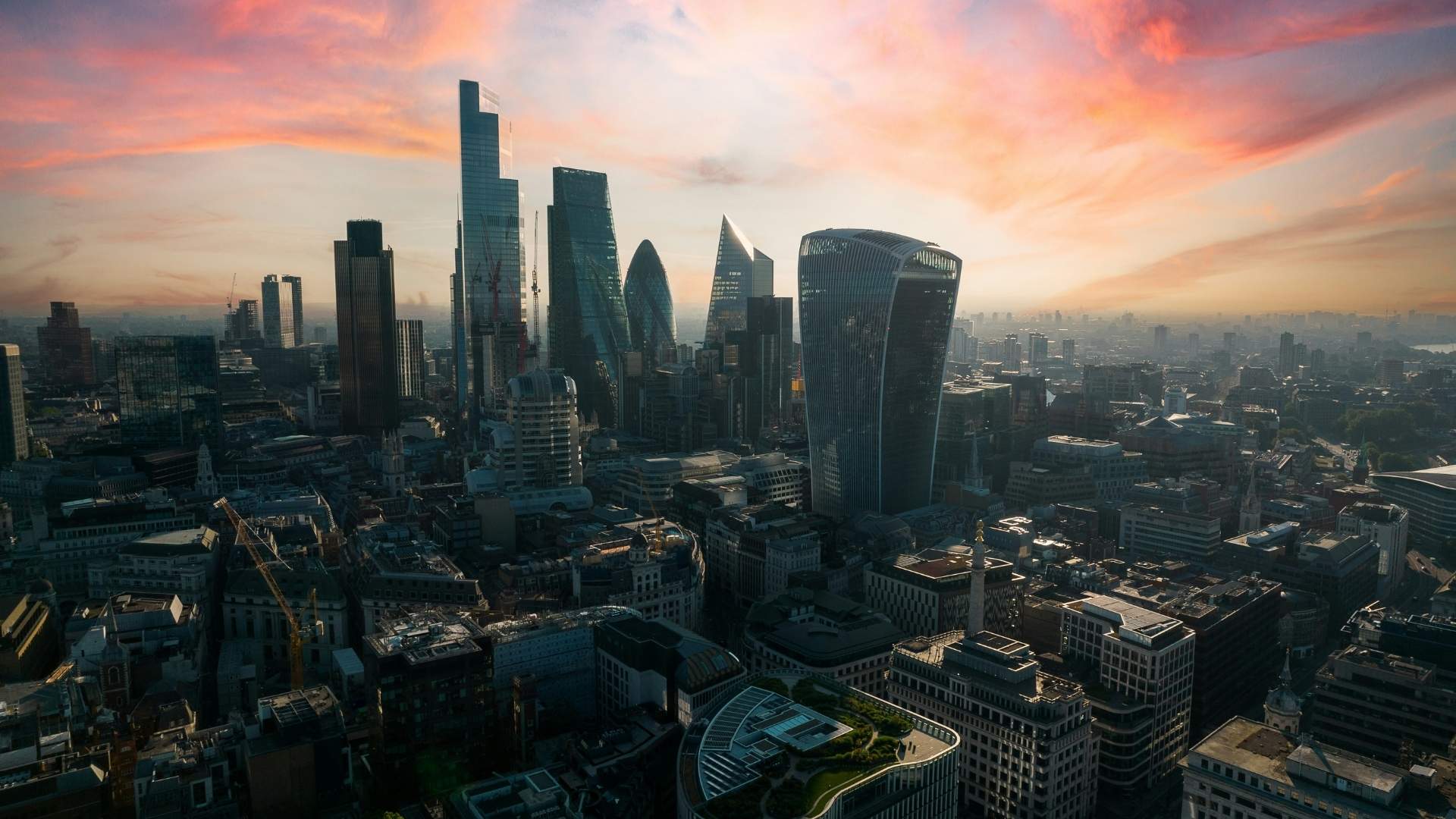
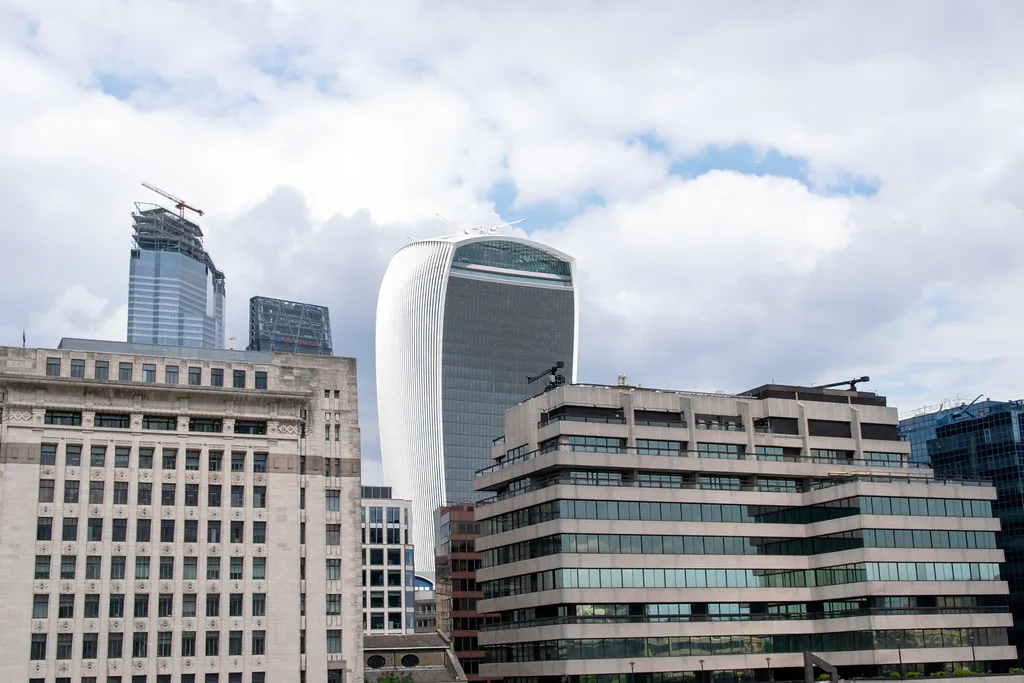
No, The Gherkin and The Shard are two different landmarks, and they are easily confused by first-time visitors.
- The Gherkin, with its famous pickle-like shape, was completed in 2004 and designed by British architect Norman Foster. As I mentioned, it’s known for its sustainable design and clever use of flat glass panels.
- The Shard, on the other hand, is a much taller, pyramidal skyscraper located further south, and its near London Bridge. It was designed by Italian architect Renzo Piano and completed in 2012, and it's the tallest building in the UK. The Shard houses offices, a hotel, restaurants, and a dedicated public viewing gallery, which presents a different scale and experience.
You'll quickly see they have very different silhouettes against the sky.
What was the Gherkin inspired by?
The Gherkin’s striking, aerodynamic form wasn't a whimsical choice; it drew inspiration from cutting-edge design principles. Architect Norman Foster and his firm looked to the work of American inventor Richard Buckminster Fuller, who was known for his lattice shell structures.
Even more intriguing, the building's hexagonal outer skin and its overall shape were influenced by biomimicry – specifically, the Venus Flower Basket Sponge. This natural organism boasts a lattice-like exoskeleton that efficiently handles stress and strong currents.
This smart, nature-inspired approach contributes to the Gherkin's impressive energy efficiency, helping it use significantly less power than comparable structures.
What is a gherkin girl?
Amidst the modern steel and glass, The Gherkin holds a poignant secret: the story of the "Gherkin girl".
This refers to the remains of a teenage Roman girl discovered during the initial excavations for the building in 1995. Archaeologists determined she was between 13 and 17 years old and dating back to approximately 350-400 AD, when London was the Roman settlement of Londinium.
After careful study by the Museum of London, her remains were respectfully reburied at the base of The Gherkin in 2007. A memorial plaque, inscribed in both Latin and English, quietly marks her resting place. It's a powerful reminder of London's deep, layered history, literally building today's skyline over ancient lives.
Is it worth visiting The Gherkin?
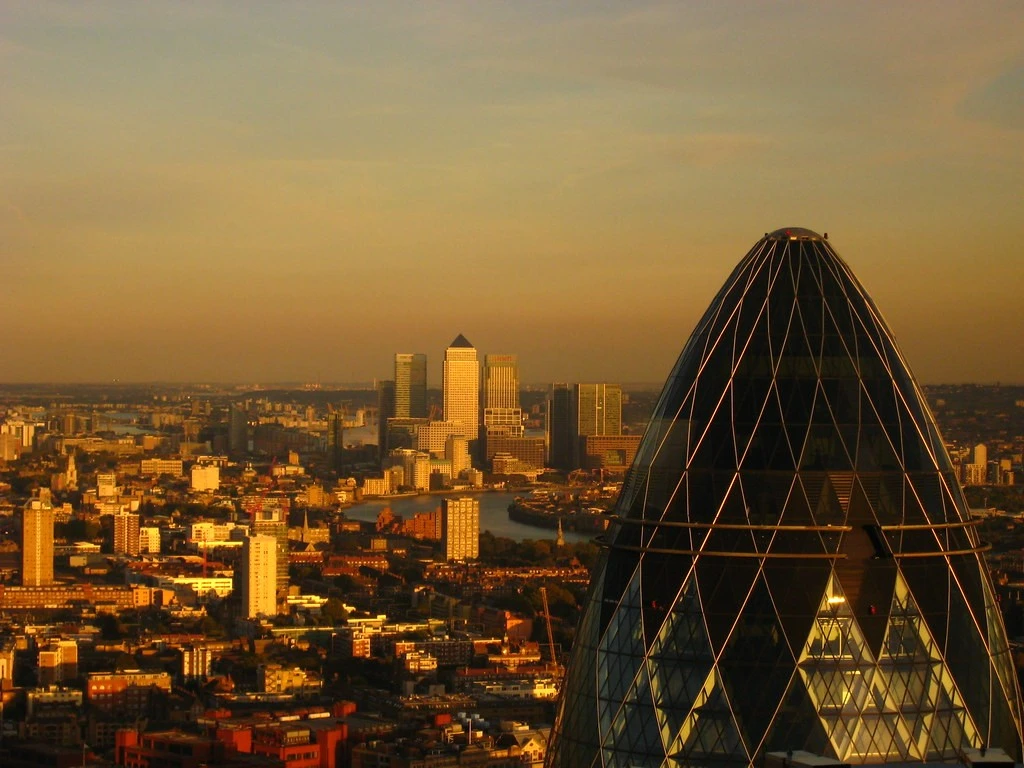
Visiting The Gherkin is a nuanced experience. From an architectural perspective, its distinct, curved silhouette and pioneering sustainable design are certainly worth appreciating, especially for those interested in modern structures. The building's unique diagrid structure, which eliminates internal columns, is also quite a sight.
However, a major consideration is the limited public access. Since it's primarily an office building, general entry is restricted. To truly experience the panoramic views from the dome, you'll need to reserve a spot at the top-floor restaurant or bar, which comes with a cost.
If stunning views are your main goal and you’re on a budget, places like the Sky Garden offer a free alternative, though you still need to book in advance. I found the exterior impressive during the "golden hour" for photography, when its glass façade beautifully reflects the light.
For deeper insights into this and other city sights, you might consider using StoryHunt, which offers captivating audio narratives for both popular landmarks and hidden gems. Try StoryHunt for free here.
What else can I do in the City of London?
If you're exploring the area around The Gherkin, the City of London offers a wealth of diverse experiences.
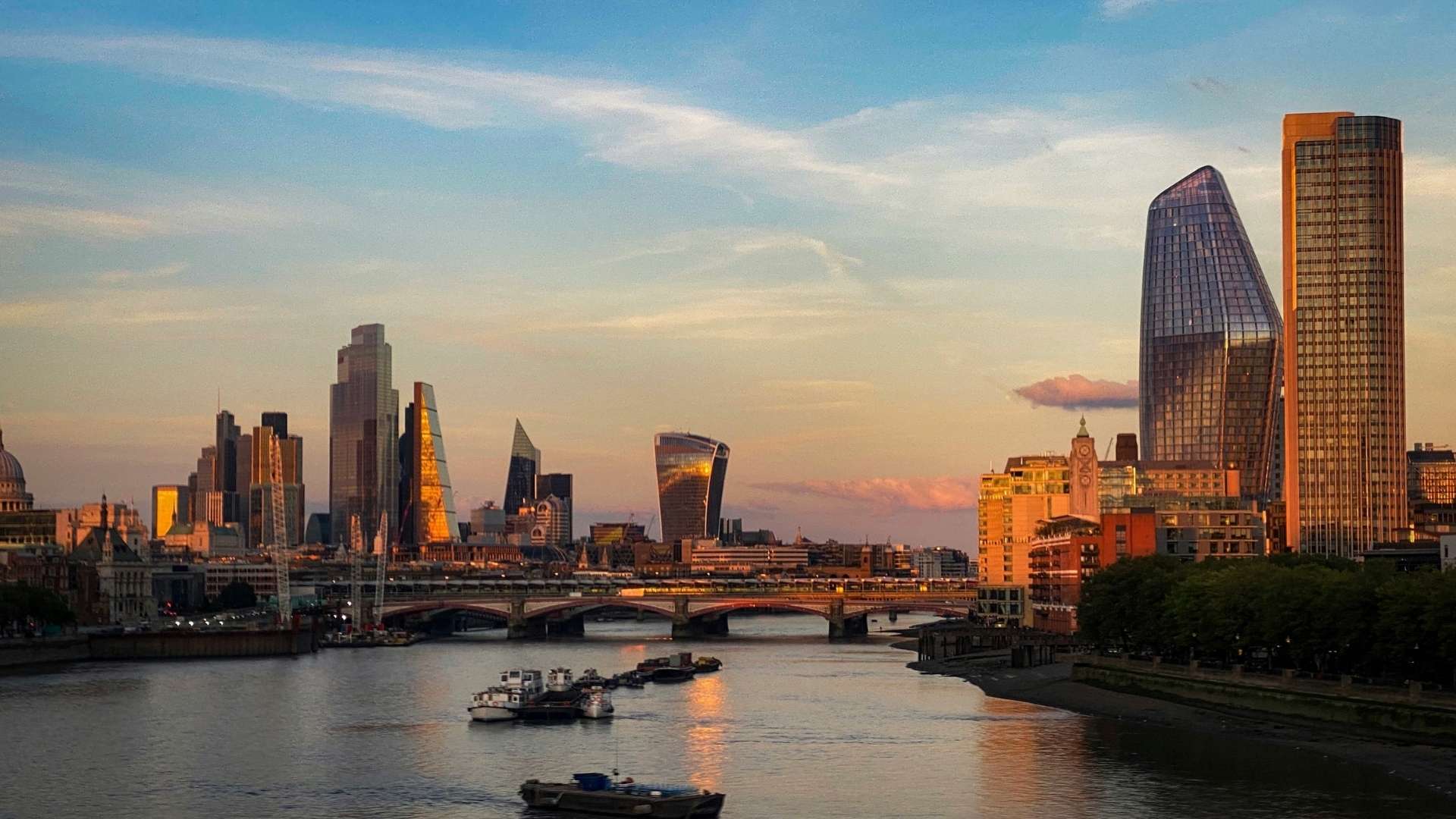
- For another impressive view that’s free (with advance booking), head to the Sky Garden at the nearby "Walkie Talkie" building, featuring lush indoor greenery.
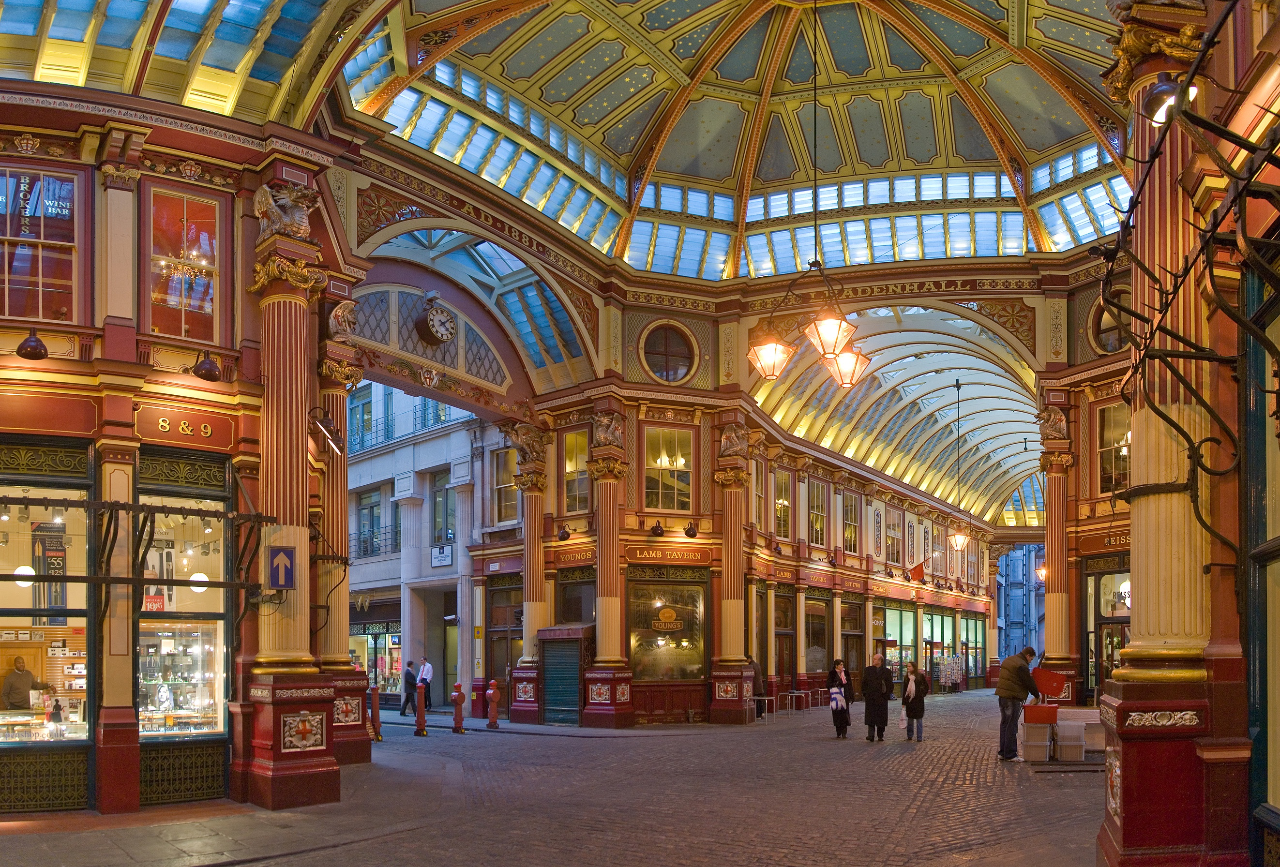
- Just a short walk away, you'll find Leadenhall Market, a stunning Victorian covered market with intricate architecture, which even appeared in the Harry Potter films.
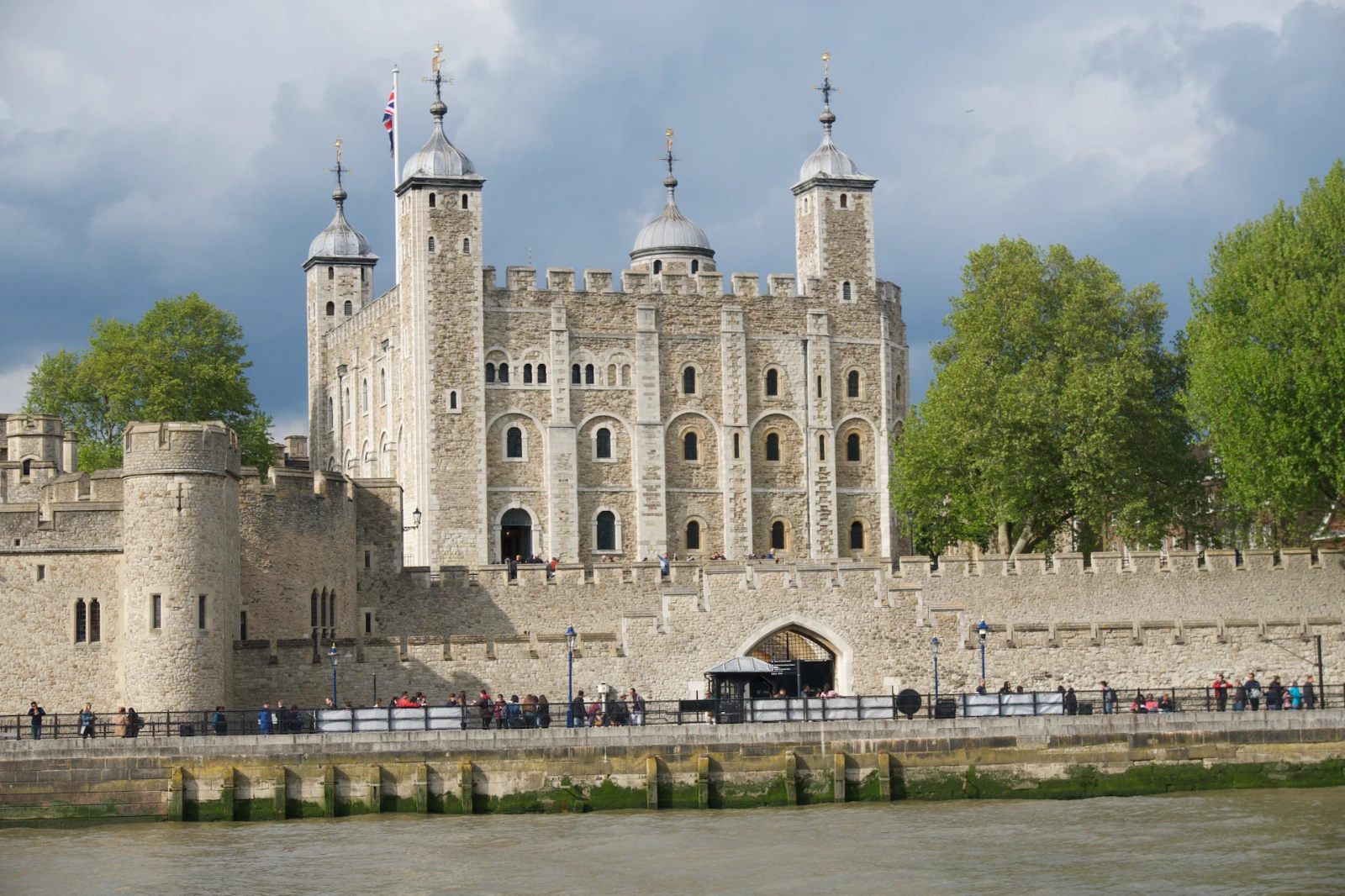
- For a journey into history, the Tower of London and Tower Bridge are close by, offering tales of royalty and engineering.
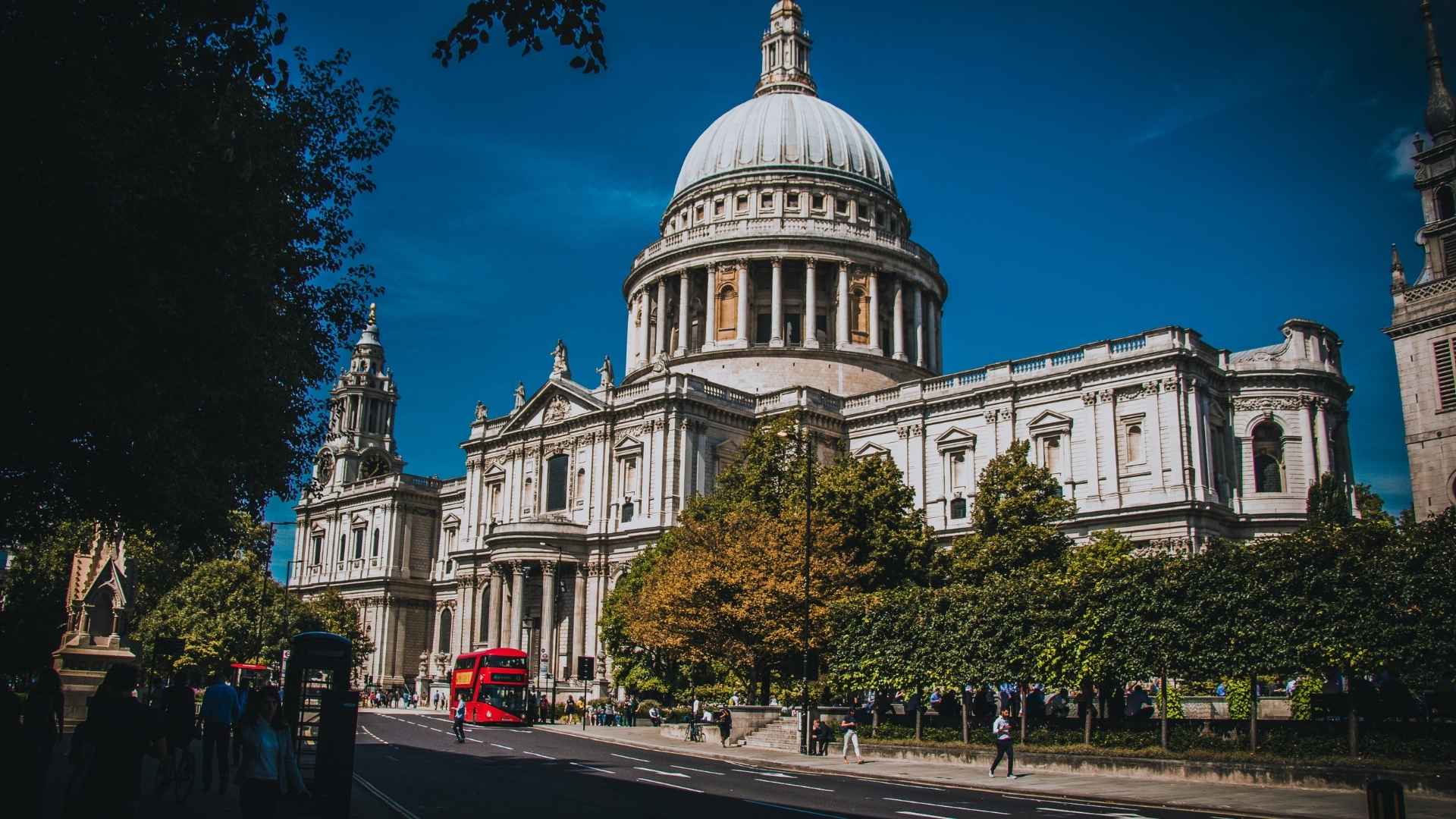
- Or, turn your attention to Sir Christopher Wren's architectural masterpiece, St. Paul's Cathedral, where you can admire its iconic dome and even climb for city views.
- Finally, for a contrasting architectural style, the Barbican Centre showcases Brutalist design and hosts a vibrant arts scene.
These spots ensure your visit is filled with rich discoveries. You can also read our full guide to all the top attractions in the City of London.
And if you need a guide, that can show you around the City of London, use the StoryHunt app, which creates audio walks based on your preferences. Download StoryHunt for Android and iOS here.
.jpg)
.avif)








.avif)






.avif)


