.jpg)
.webp)


TLDR: South Bank is a roughly two-kilometre stretch of the Thames's south side, packed with major attractions in London. Many are free. The most walkable cultural neighbourhood, ideal for exploring without a rigid plan. Expect crowds on weekends.
The riverside walkway in the South Bank connects world-class art, food, theatre, and views in a single continuous stretch you can simply walk along, picking up whatever interests you as you go.
After several visits spent covering the whole strip end to end, here's what's worth knowing before you arrive.
What is the story behind South Bank?
.jpg)
For most of its history, the south bank of the Thames was the wrong side of the river - marshy, industrial, and home to the activities the City of London didn't want within its walls. Shakespeare's original Globe was built here in 1599 precisely because the south bank, in the borough of Southwark, sat outside the City's jurisdiction, alongside bear-baiting pits, brothels, and prisons. For centuries this was where London went to do what it couldn't do at home.
The transformation into a cultural district began with the Festival of Britain in 1951. Held on a 27-acre bombsite on the South Bank, the festival was a deliberate post-war morale boost - a showcase of British design, science, and optimism that drew 8.5 million visitors over five months. When it closed, the incoming government cleared the site almost entirely, keeping only the Royal Festival Hall.
But the festival had permanently changed the area's identity: over the following decades the Southbank Centre grew up around the Festival Hall, the National Theatre arrived in 1976, and the riverside walkway - the Queen's Walk - became one of London's defining public spaces.
The final wave came around the millennium: Tate Modern opened in the former Bankside Power Station in 2000, the rebuilt Shakespeare's Globe opened in 1997, the London Eye launched for the millennium celebrations, and the Shard topped out in 2012. In a single generation, the wrong side of the river became the cultural heart of the city.
What is South Bank known for?
South Bank is best known as London's riverside cultural district - a continuous stretch of major attractions connected by the Queen's Walk along the Thames.
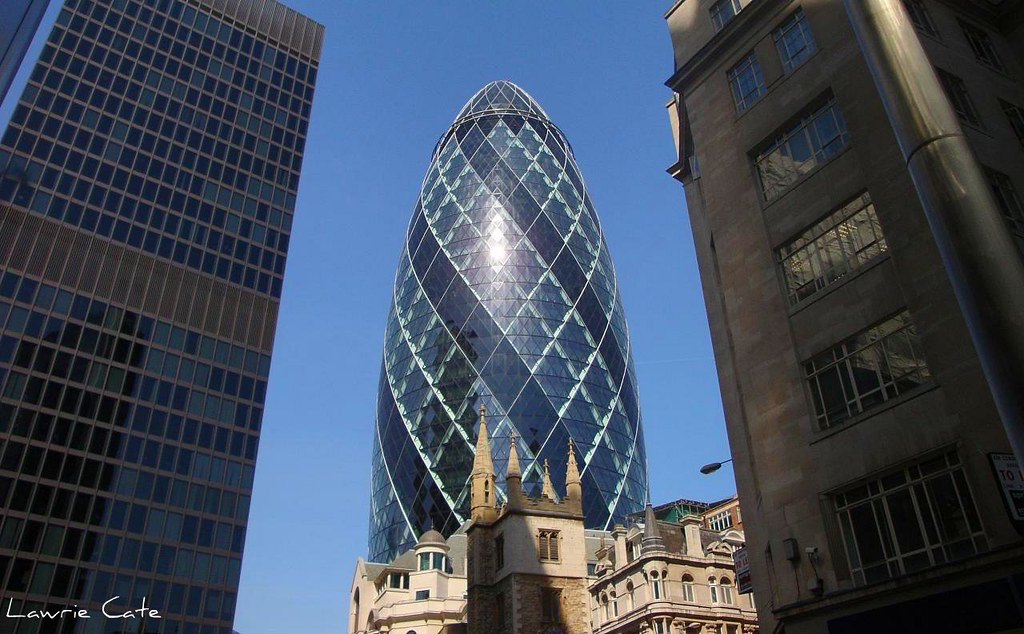
The headline draws are the London Eye, Tate Modern, the Shard, Shakespeare's Globe, and Borough Market, but the area's real character comes from the way they're strung together. You can walk the whole thing in an afternoon, crossing back to the north bank over various bridges if you want to.
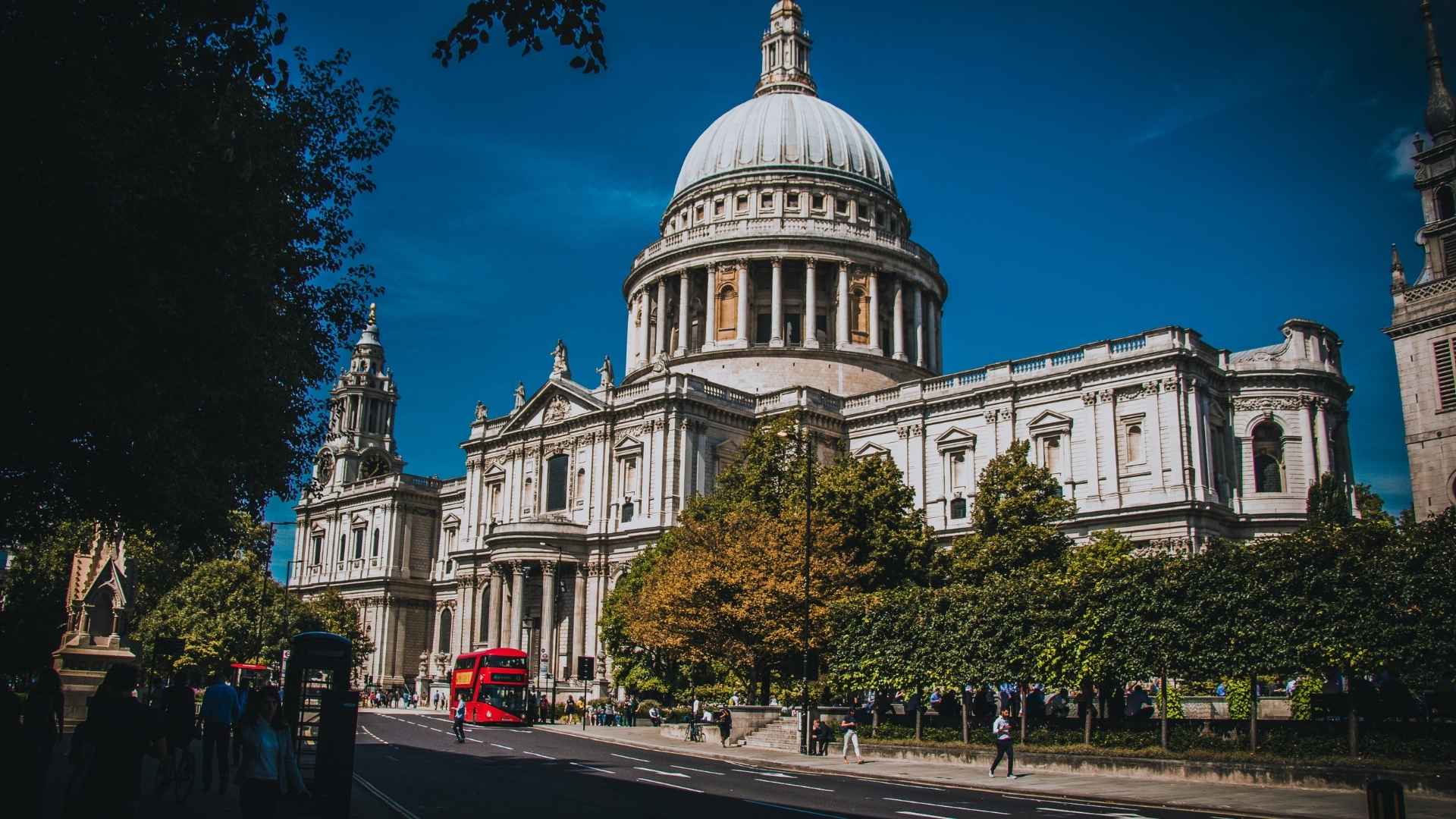
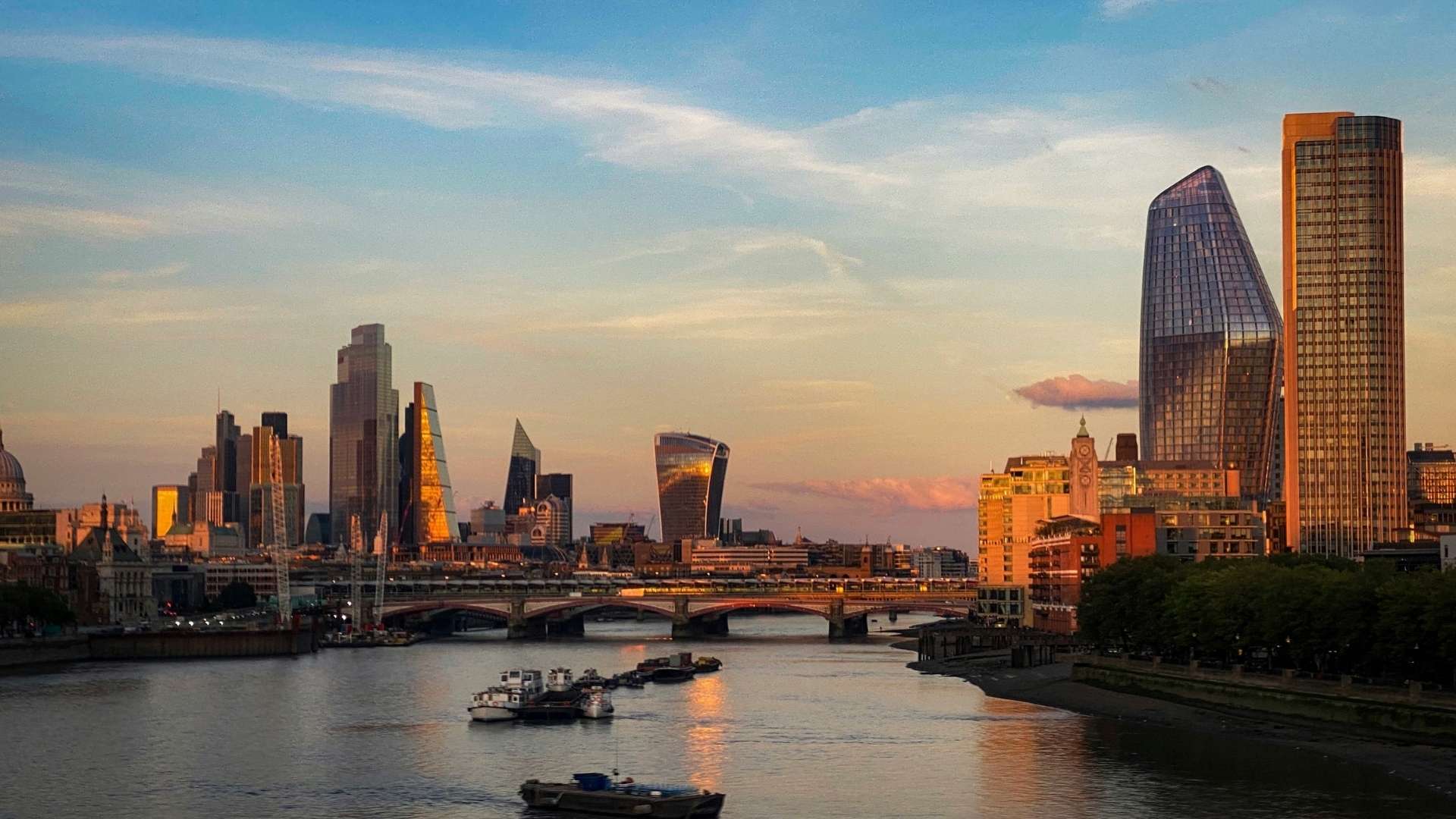
It's also known for its arts venues - the Southbank Centre (Europe's largest arts complex), the National Theatre, the BFI Southbank, and the Hayward Gallery - and for being one of the few parts of central London designed primarily for pedestrians. The riverside views back toward Westminster, St Paul's, and the City are some of the best in London.
What are the top attractions in South Bank?

South Bank in London is packed with great attractions to discover. Our full guide to the top attractions in South Bank covers each in detail, but the headline sites are:
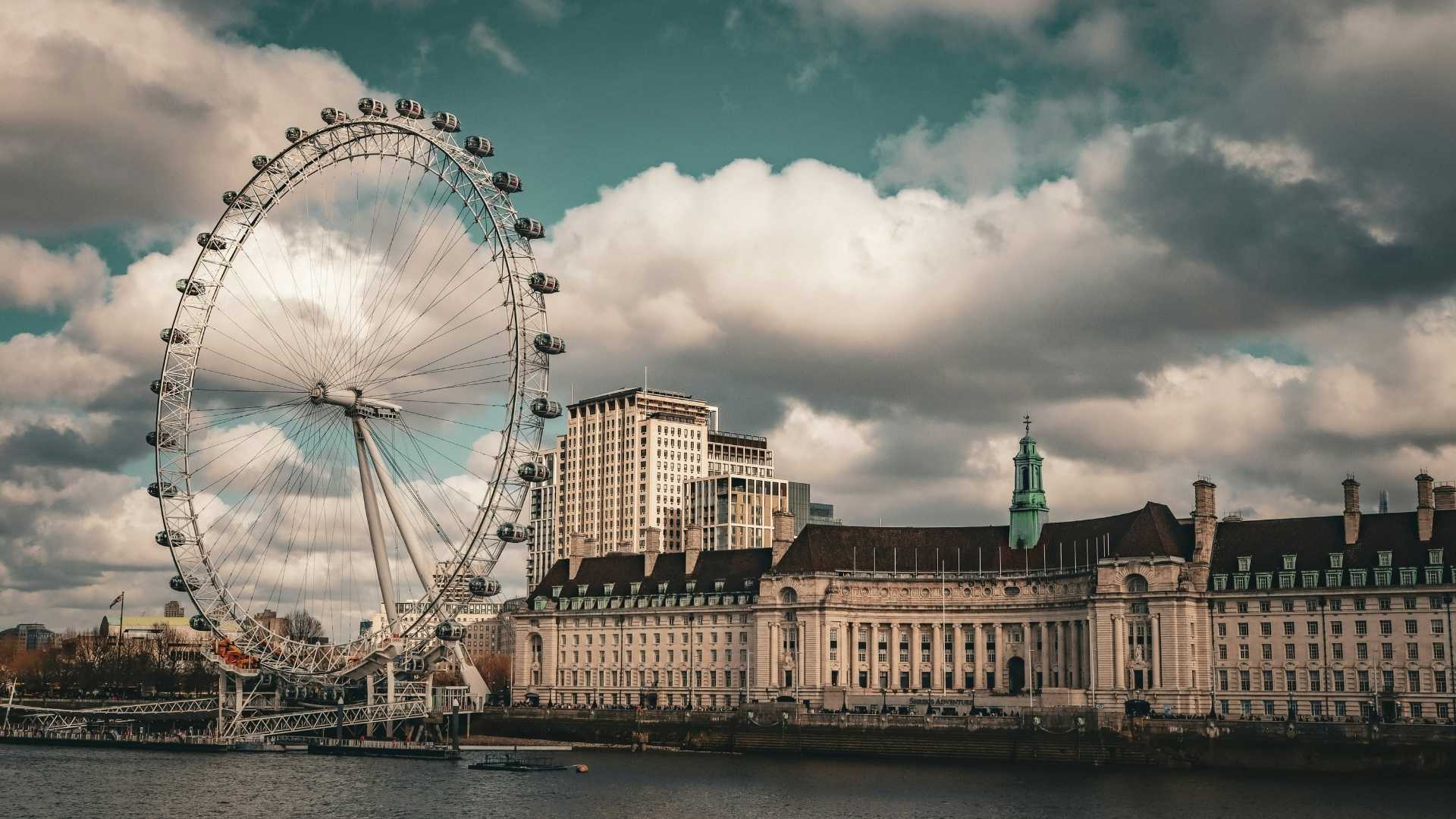
- The London Eye is the 135-metre observation wheel on the riverfront near Westminster Bridge, opened for the millennium in 2000. A full rotation takes about 30 minutes and offers the best high-level views over central London on a clear day. Tickets are cheaper booked online in advance, and the queues in summer are significant - go early or late.
- Tate Modern is the national museum of modern and contemporary art, housed in the former Bankside Power Station. Entry to the permanent collection is free; it drew over 4.6 million visitors in 2024, making it one of the most-visited attractions in the UK. The Turbine Hall's large-scale commissions are often the highlight. The 10th-floor viewing level of the Blavatnik Building offers a free panorama across the river to St Paul's.
- Borough Market is one of London's oldest food markets, trading near its current London Bridge site for centuries. It's a working market of specialist traders - cheese, charcuterie, produce, baked goods - alongside street food stalls. Busiest on Fridays and Saturdays; some traders close earlier in the week. It appeared in Bridget Jones and the Harry Potter films.
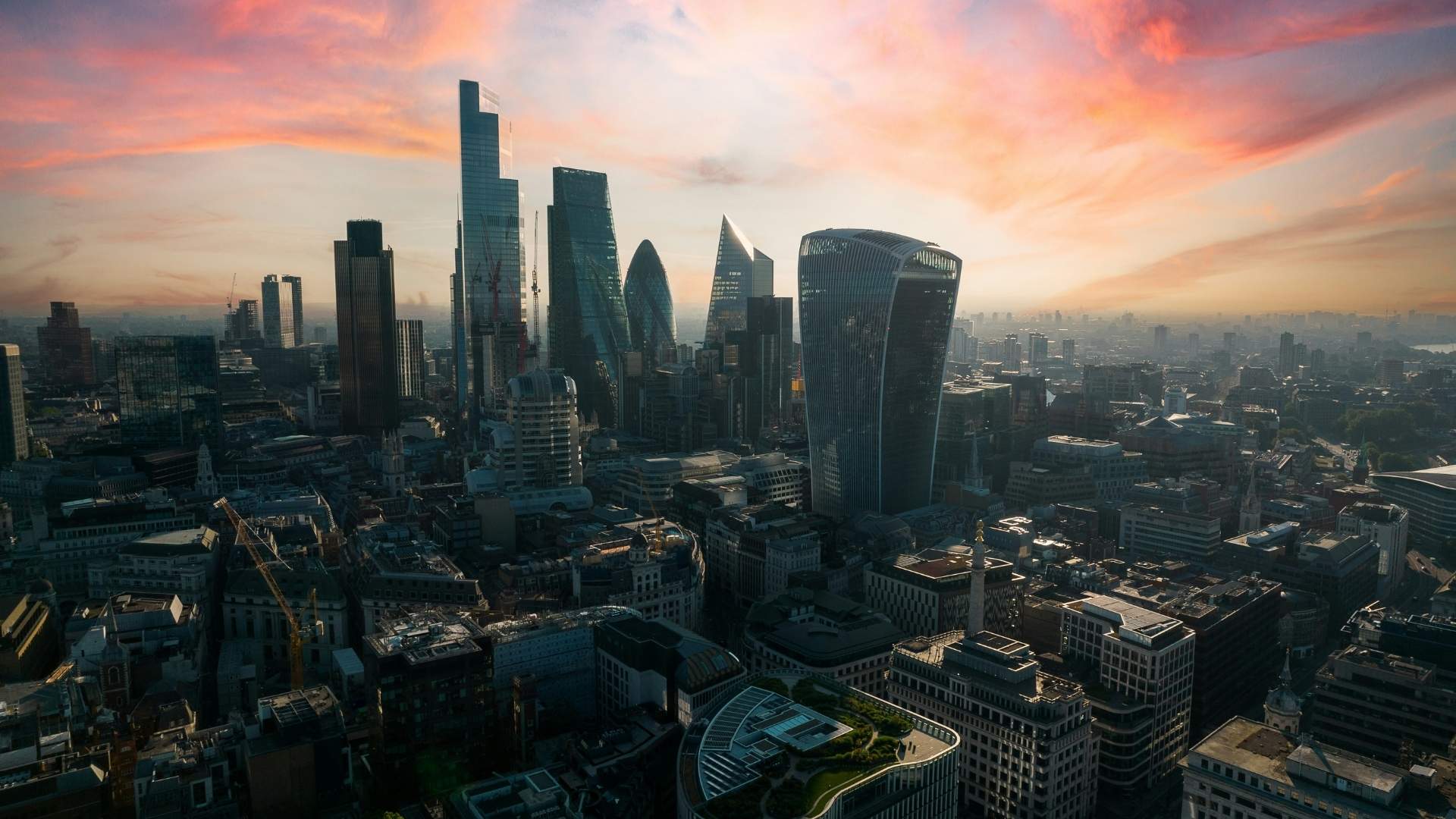
- The Shard is the tallest building in the UK at 310 metres, designed by Renzo Piano and completed in 2012. The View from the Shard observation decks on floors 68–72 offer the highest public viewpoint in London. Tickets are expensive; the bars and restaurants on the upper floors offer the same views for the price of a drink if you'd rather not pay for the observation deck.
What are the hidden gems in South Bank?
Beyond the major attractions, South Bank has a strong second layer that most visitors walk straight past. Check out our full guide to the hidden gems in South Bank. The key ones are:
- Gabriel's Wharf and the Oxo Tower sit between the National Theatre and Blackfriars Bridge - a cluster of independent designer-maker studios, small shops, and restaurants. The Oxo Tower's free public viewing gallery on the 8th floor offers one of the better river views in the area without the Shard's ticket price. The tower itself is famous for circumventing 1930s advertising restrictions by spelling out "OXO" in its windows.
- The Leake Street Tunnel (also called the Banksy Tunnel or Graffiti Tunnel) runs beneath Waterloo Station - a 300-metre road tunnel given over entirely to legal graffiti since Banksy's Cans Festival in 2008. The artwork changes constantly; no two visits are the same. Free, open, and a genuine surprise in the middle of central London.
- The Garden Museum occupies a deconsecrated medieval church next to Lambeth Palace, dedicated to the history of gardening - Britain's first museum on the subject. It holds the tomb of the Tradescants, the 17th-century plant hunters, and has a peaceful courtyard café. Admission is modest.
- The Southbank Centre's Undercroft beneath the Queen Elizabeth Hall is the oldest continuously used skateboarding spot in the world, in use since the early 1970s. Whether or not you skate, it's a genuine piece of London subculture, free to watch, and was saved from redevelopment by a long public campaign.
How do you get to South Bank?

South Bank is well served by public transport along its length:
- Waterloo (Jubilee, Northern, Bakerloo, Waterloo & City, National Rail) is the main station for the western end - the London Eye, Southbank Centre, and National Theatre are a short walk away.
- London Bridge (Jubilee, Northern, National Rail) serves the eastern end - Borough Market, the Shard, and Shakespeare's Globe are all close.
- Southwark (Jubilee) and Blackfriars (Circle, District, National Rail, with exits on both riverbanks) cover the middle of the strip near Tate Modern.
- Lambeth North (Bakerloo) is closest to the Imperial War Museum.
The best way to experience South Bank, though, is on foot. The Queen's Walk runs the full length of the riverfront, and the most rewarding approach is to start at one end and simply walk, crossing the various bridges to the north bank if you want to. Westminster Bridge, the Golden Jubilee footbridges, the Millennium Bridge (to St Paul's), and Tower Bridge all connect across the river.
Where is the best coffee in South Bank?
The area has a solid independent coffee scene tucked among the bigger venues. Our full guide to the best coffee in South Bank covers the current options, but the cluster around Borough Market and Bermondsey Street to the east has the strongest concentration - including some of London's original specialty roasters. The Southbank Centre and the cafés inside Tate Modern and the BFI are reliable along the central stretch.
For food more broadly, Borough Market is the obvious destination for lunch, though it gets extremely busy. The streets just back from the river - particularly around The Cut near Waterloo and Bermondsey Street to the east - offer better value and fewer crowds than the riverside chains.
When is the best time to visit South Bank?

- Weekday mornings are the quietest time at the major attractions. The London Eye, Tate Modern, and Borough Market all get significantly busier as the day goes on, and weekends - particularly summer Saturdays - are extremely crowded along the whole riverfront.
- Borough Market is at its fullest Friday and Saturday, which is both the best time to visit (most traders open, full atmosphere) and the most crowded. Thursday is a good compromise.
- Summer brings the most events - the Southbank Centre runs an extensive outdoor programme, and the riverside is at its liveliest - but also the largest crowds. Spring and autumn offer a better balance of decent weather and manageable footfall.
The riverside is worth visiting after dark too: the views across to the illuminated north bank, with the London Eye lit up and the Shard glowing above the skyline, are among the best night views in the city.
Is South Bank expensive to visit?
It depends entirely on what you choose to do. The free attractions are exceptional: Tate Modern, the Imperial War Museum, the Leake Street Tunnel, the Oxo Tower viewing gallery, and simply walking the Queen's Walk all cost nothing. Borough Market is free to wander, though the food adds up.
The paid attractions are where costs rise quickly. The London Eye, the Shard, and the London Dungeon are all premium-priced, and booking all three would be a significant outlay. Most visitors pick one high-level view (the Shard or the London Eye) rather than both. The Shard's bars offer the view at the cost of a drink, which is often better value than the observation deck.
Food and drink: the riverside restaurants are tourist-priced. Borough Market street food and the streets one block back from the river offer considerably better value.
Is South Bank worth visiting?

Yes - for most visitors to London, it's close to essential. No other area packs this many significant attractions into a stretch you can walk in an afternoon, and the combination of free museums, world-class views, historic theatre, and one of the best food markets in the city makes it consistently rewarding regardless of your interests.
The honest caveat is crowds. South Bank is one of the most visited parts of London, and on a summer weekend the Queen's Walk near the London Eye and Borough Market can be genuinely packed. Visiting on a weekday, starting early, and being willing to step one street back from the river when you want a break all make a significant difference. But the fundamental appeal - a continuous, walkable, mostly free cultural riverfront - is hard to beat anywhere in London.
How to explore South Bank with StoryHunt?
South Bank is the most walkable neighbourhood in London, which makes it ideal for a self-guided audio walk - everything connects along the Queen's Walk.
The StoryHunt app lets you build a custom route from the London Eye past Tate Modern and Shakespeare's Globe to Borough Market and Tower Bridge, with stories and context delivered as you walk. Download StoryHunt for Android and iOS here.







.avif)





.jpg)


.avif)



.avif)


