.webp)


TLDR: Copenhagen's six main neighborhoods each have a distinct personality. Indre By is the historic center, Vesterbro has trendy nightlife, Nørrebro is multicultural, Østerbro is family-friendly, Frederiksberg is like a posh village, and Christianshavn charms with its canals.
Copenhagen is a small capital, but each neighborhood feels like a different city. A ten-minute bike ride takes you from medieval cobblestones to street art-covered apartment blocks to tree-lined boulevards where people sip flat whites in complete silence.
The biggest mistake visitors make is staying in one district and assuming they've seen the city. The real Copenhagen reveals itself when you cross into the next neighborhood and realize the vibe has completely shifted.
This guide will help you explore Copenhagen in the best way possible.
What is the story behind Copenhagen's neighborhoods?

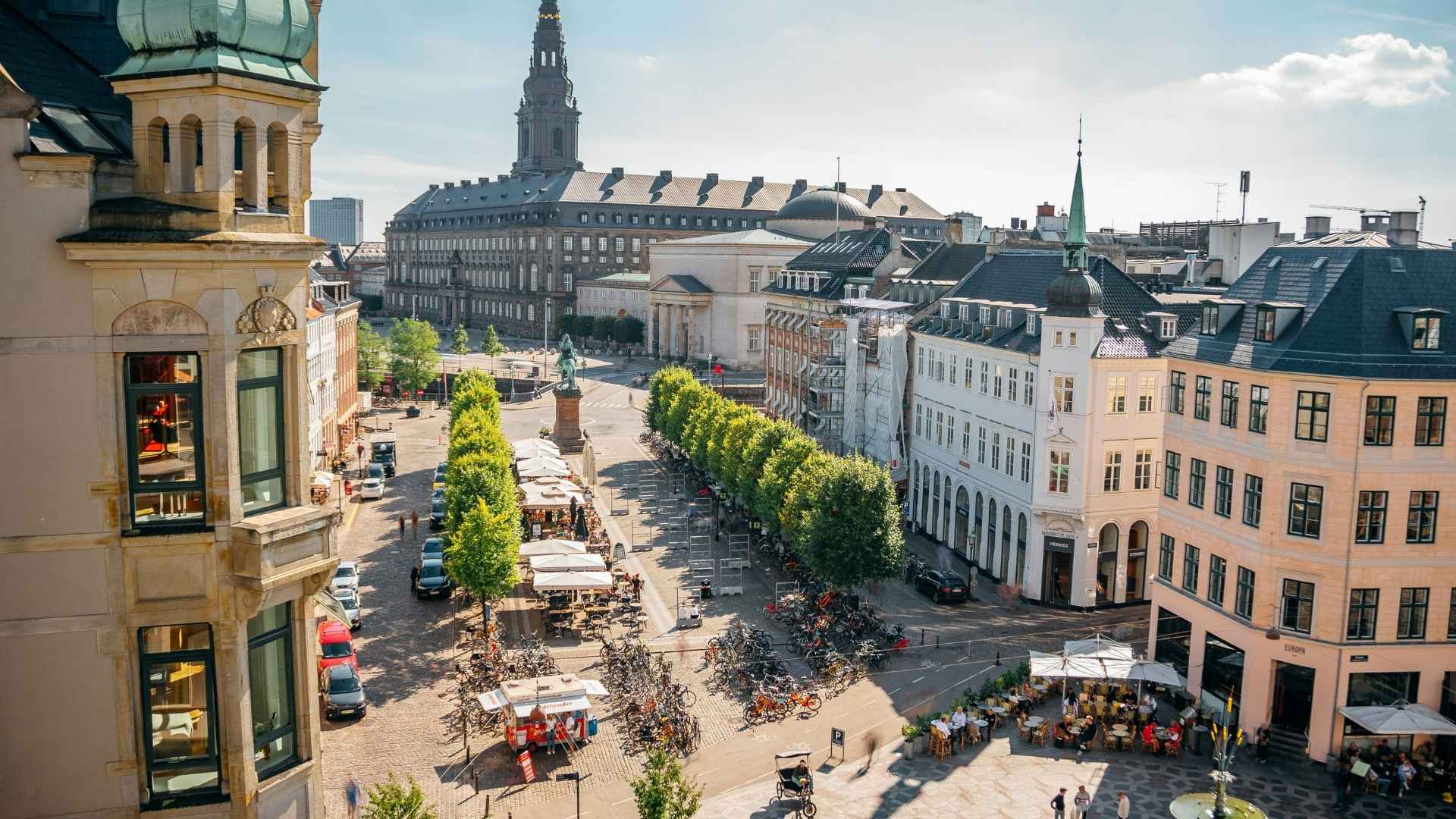
Copenhagen grew outward from Indre By, which was the entire city until the mid-1800s when the old fortification walls came down. The neighborhoods outside the walls are named after the old city gates: Vesterport (west), Nørreport (north), and Østerport (east).
Once the walls were dismantled, working-class communities expanded into these areas while Frederiksberg maintained its status as a separate, wealthier municipality. Christianshavn, across the harbor, had been its own merchant town since King Christian IV founded it in 1618. Each area developed its own character, and those identities still hold up today.
What should you see in Indre By?
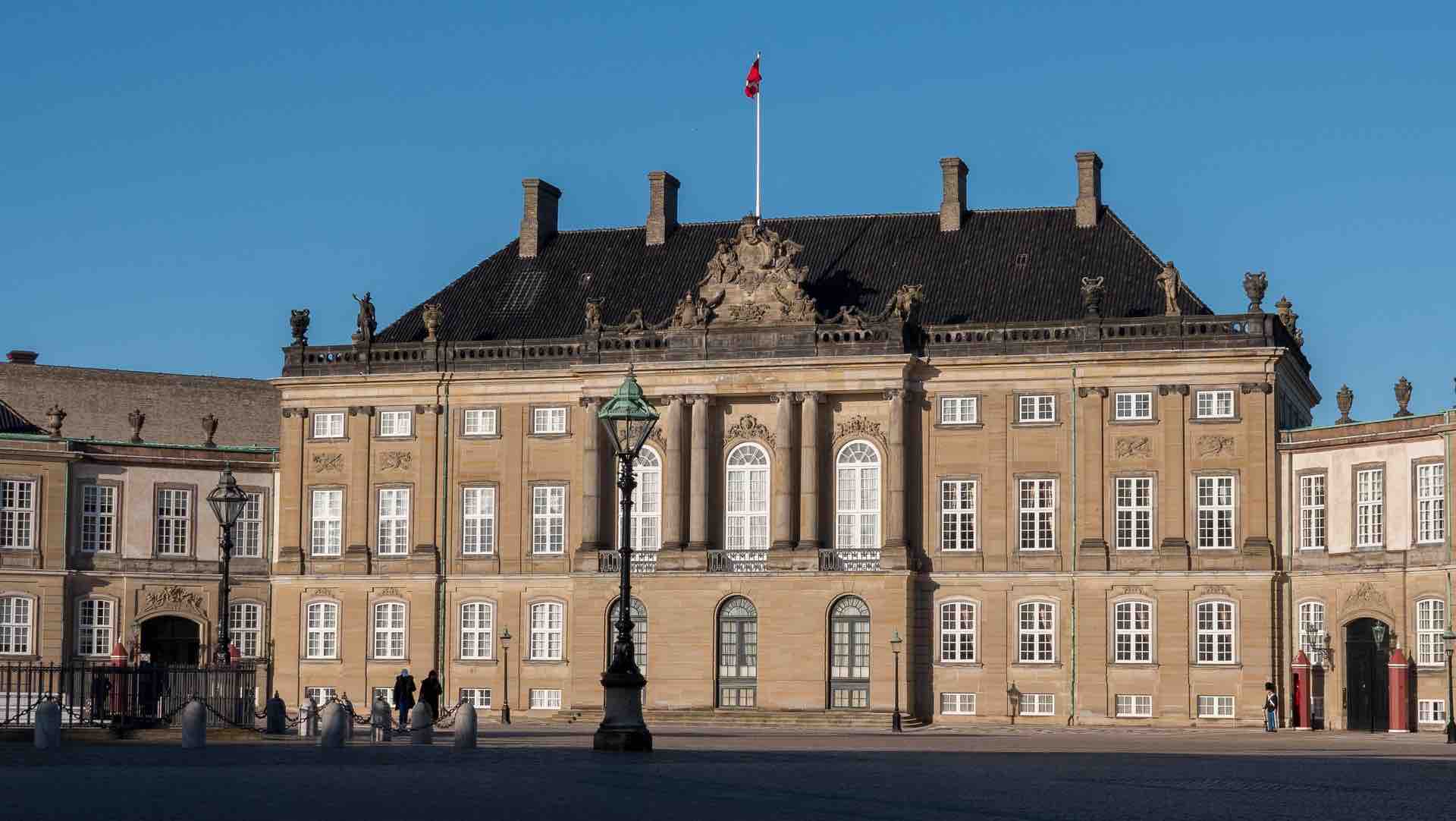
Indre By is the historic core with Nyhavn's colorful waterfront, Strøget shopping street, Tivoli Gardens, and the royal palaces. The area traces back to the 12th century when Bishop Absalon built a fortress where Christiansborg Palace stands today.
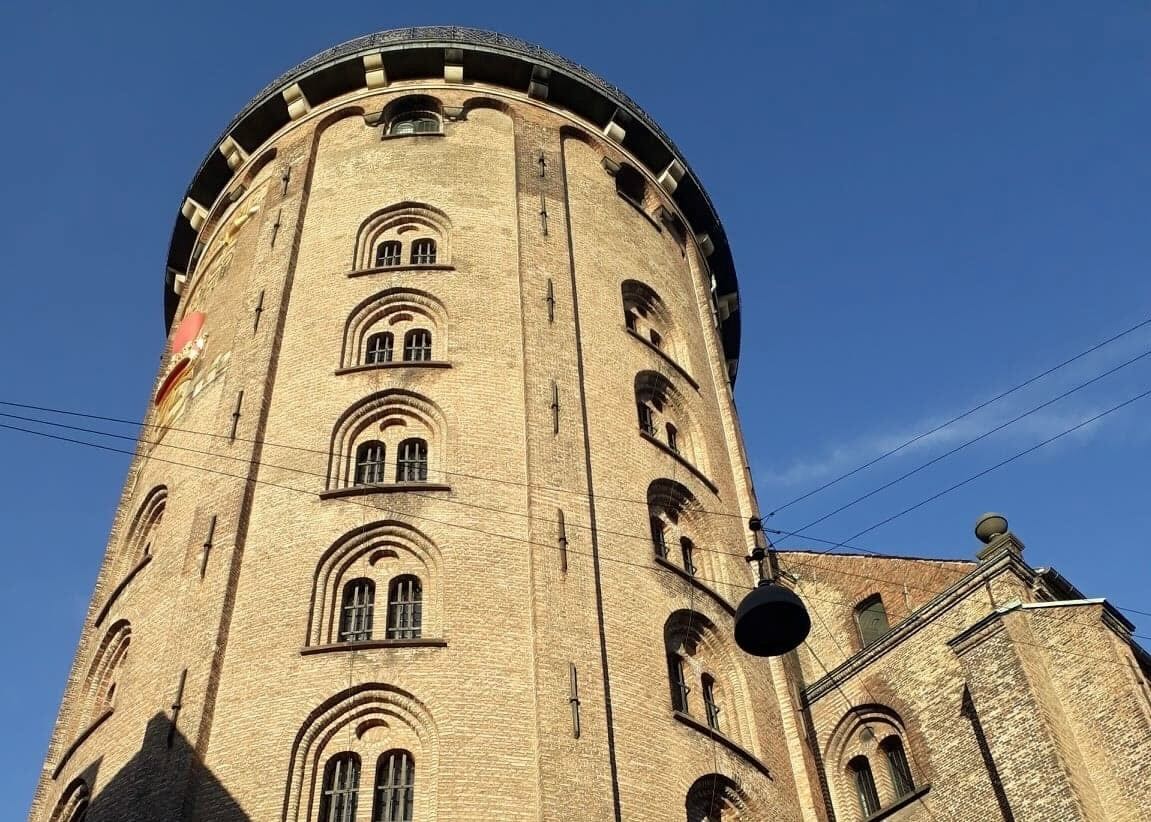
It can feel tourist-heavy around Nyhavn, but the Latin Quarter's side streets have locals at small wine bars and coffee shops. The Round Tower offers panoramic views for 60 DKK, and Torvehallerne food market is worth a stop for open-faced sandwiches and fresh pastries.
Is Vesterbro worth visiting?

Absolutely. Until the 1990s, Vesterbro was known as Copenhagen's red-light district, centered around Istedgade. Urban renewal projects gradually reshaped the area, and today it's arguably the city's trendiest neighborhood. The Meatpacking District (Kødbyen) is the standout, with former slaughterhouses now housing restaurants, craft beer bars, and nightclubs.
Værnedamsvej, sometimes called Copenhagen's little Paris, has sidewalk cafes and specialty shops. If you want to experience the city's nightlife and food scene beyond the tourist center, Vesterbro is where to go. StoryHunt can create a custom audio walk through the area tailored to your interests, giving you the backstory on Vesterbro's transformation as you explore. Try out StoryHunt for free here.
What makes Nørrebro different from other neighborhoods?
Nørrebro is Copenhagen's most culturally diverse and populated neighborhood. Nørrebrogade reflects this with Turkish barbershops, Middle Eastern grocery stores, and ramen joints next to Danish design shops. It's where you'll find the best shawarma in the city.
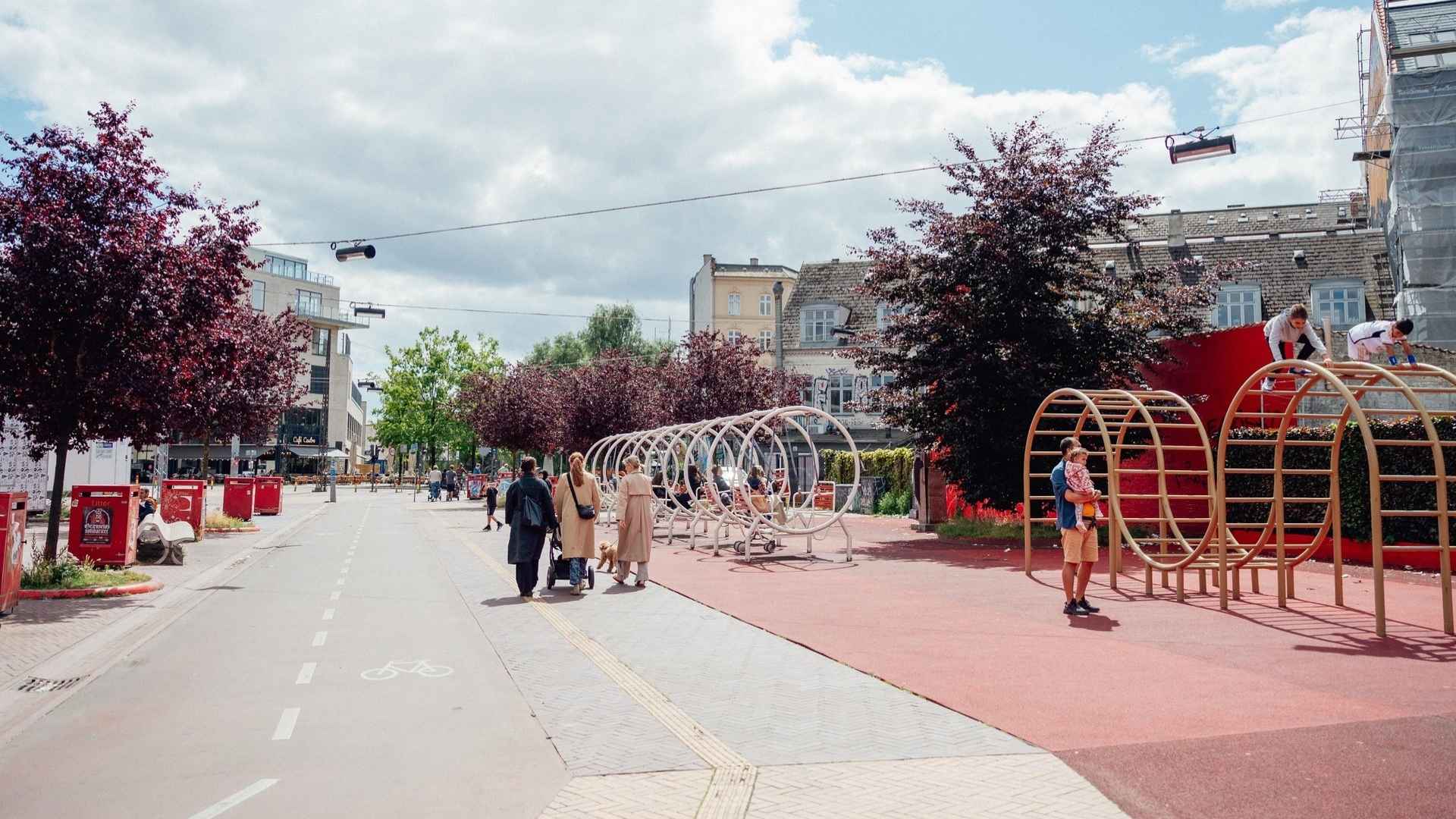
Key spots include Superkilen Park, designed with objects from over 50 countries, and Jægersborggade, a street packed with independent galleries and coffee roasters. Assistens Cemetery doubles as a park where locals sunbathe alongside the graves of Hans Christian Andersen and Søren Kierkegaard.
What about Østerbro, Frederiksberg, and Christianshavn?

Østerbro is Copenhagen's quietest central neighborhood. It's family-friendly with wide tree-lined streets and Fælledparken, one of the city's largest parks. It's near The Little Mermaid and the Kastellet star fortress. Not exciting for nightlife, but it shows how Copenhageners actually live.
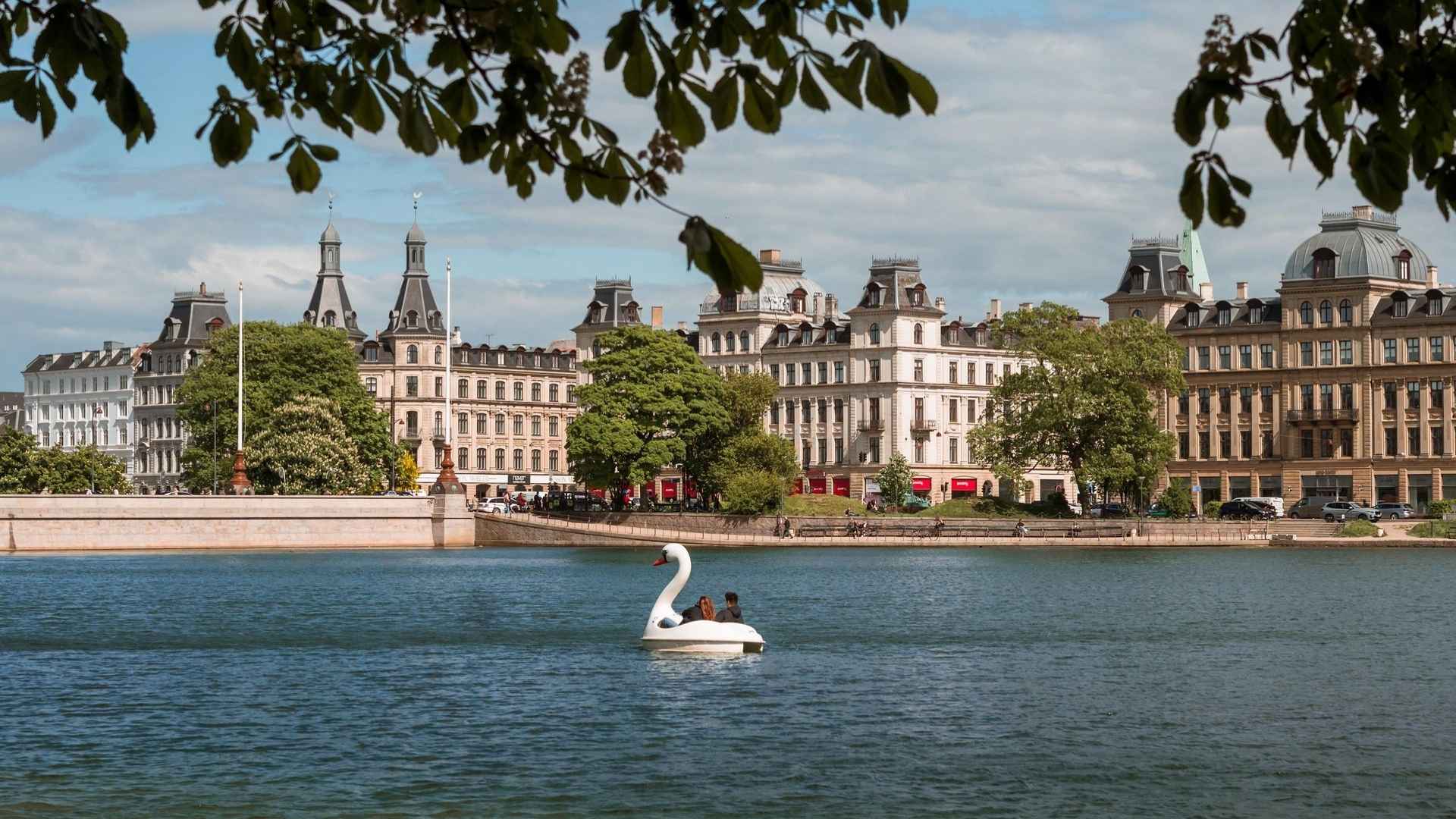
Frederiksberg is technically its own municipality surrounded by Copenhagen. It's the most affluent area, with Frederiksberg Have gardens, Copenhagen Zoo, and a refined cafe culture along broad boulevards. Think of it as a well-kept village in the middle of the city.
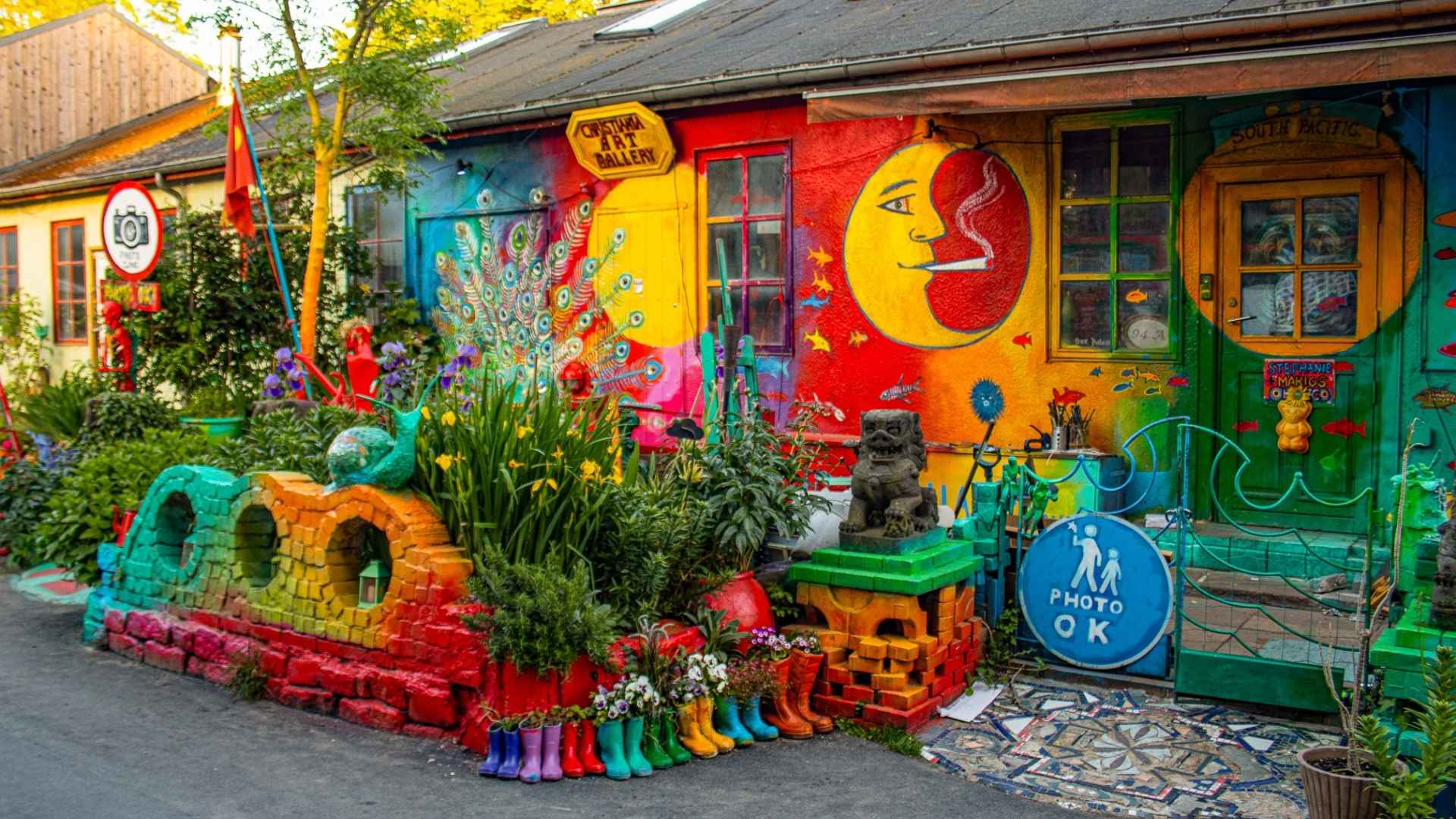
Christianshavn was founded by King Christian IV in 1618 and modeled after Dutch canal cities. The canals are lined with houseboats and colorful buildings. The Church of Our Saviour has 400 steps to a panoramic tower view. Freetown Christiania, the semi-autonomous commune established in 1971, remains a cultural landmark despite recent changes.
Which Copenhagen neighborhood is best to stay in?
It depends on what you're after:
- Indre By: Best for first-timers who want to walk to major attractions
- Vesterbro: Best for nightlife, food, and a trendy local atmosphere
- Nørrebro: Best for budget travelers and multicultural experiences
- Østerbro: Best for families and a quieter stay
- Christianshavn: Best for charm and canal-side atmosphere
- Frederiksberg: Best for elegance and green spaces
Copenhagen is compact enough that you can bike between any of these areas in 10-15 minutes, so location matters less than in bigger cities.
Is it worth visiting Copenhagen's different neighborhoods?
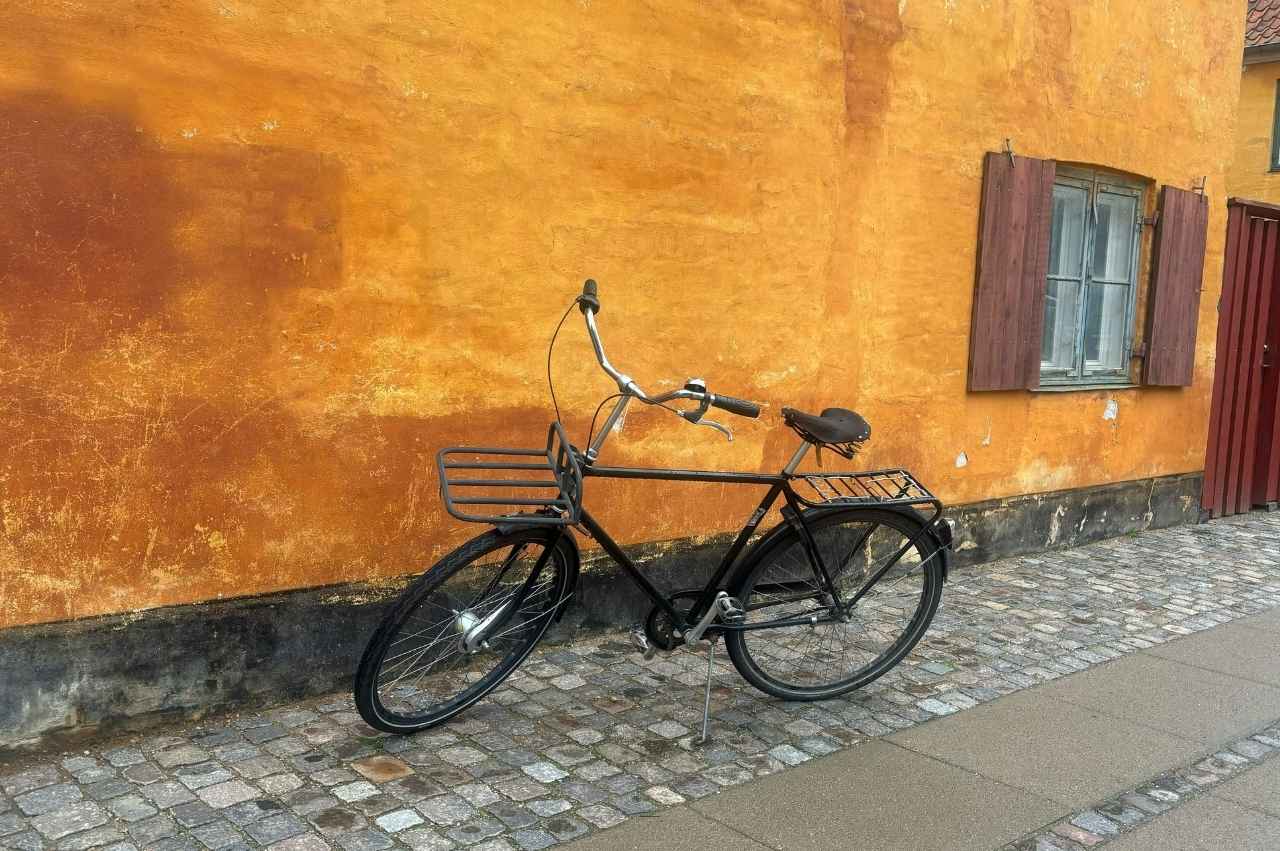
Yes, and I'd argue it's the best way to experience the city. Sticking to Indre By means you'll see the postcard version but miss the culture that makes Copenhagen actually interesting. Even with two or three days, crossing into at least one neighborhood beyond the center will give you a much richer picture.
The city rewards curiosity, and the best experiences tend to happen a few streets away from wherever the tour buses stop.
How to explore Copenhagen your way?
Want to discover Copenhagen's neighborhoods with stories and context as you walk? StoryHunt creates custom audio walks based on your interests, whether that's design, food, history, or finding the best local spots.
The interactive map guides you through each neighborhood at your own pace, with insider recommendations you won't find in standard guidebooks. Download StoryHunt for Android and iOS here.

.avif)



.avif)









.avif)





.avif)


