.webp)



TLDR: SMK, Copenhagen's National Gallery, offers a rich journey through 700 years of Danish and European art, from royal collections to modern masterpieces. Expect grand architecture, vibrant 'SMK Fridays,' and delicious local food options.
Stepping into Statens Museum for Kunst (SMK) in Copenhagen is like walking through Denmark's artistic timeline. As someone who recently wandered its halls, I can tell you it's much more than just a collection of paintings. If you're looking for practical insights into visiting Denmark's largest art museum, from its fascinating history to practical tips on tickets and dining, you've come to the right place. Let's explore why this cultural hub should be on your Copenhagen itinerary.
What is the story behind SMK?
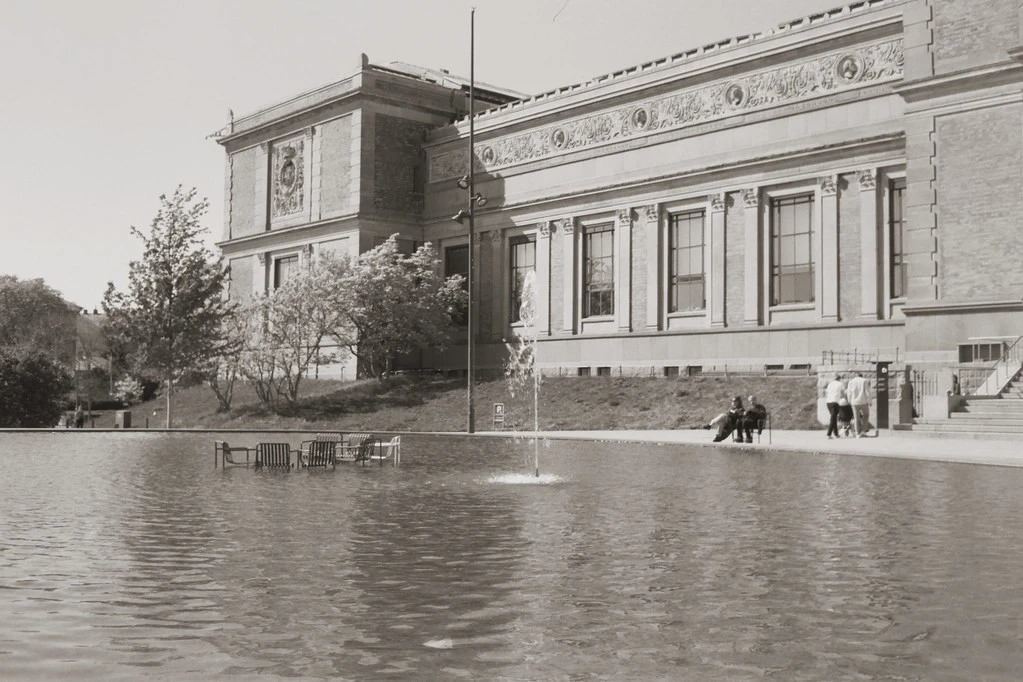
The history of Statens Museum for Kunst (SMK), Denmark’s National Gallery, is surprisingly personal. It didn't begin as a public project, but rather as the passion project of Danish monarchs, like King Christian IV and Frederik V, who started building their private art collections way back in the 16th century. Imagine rooms filled with treasures, carefully chosen over generations!
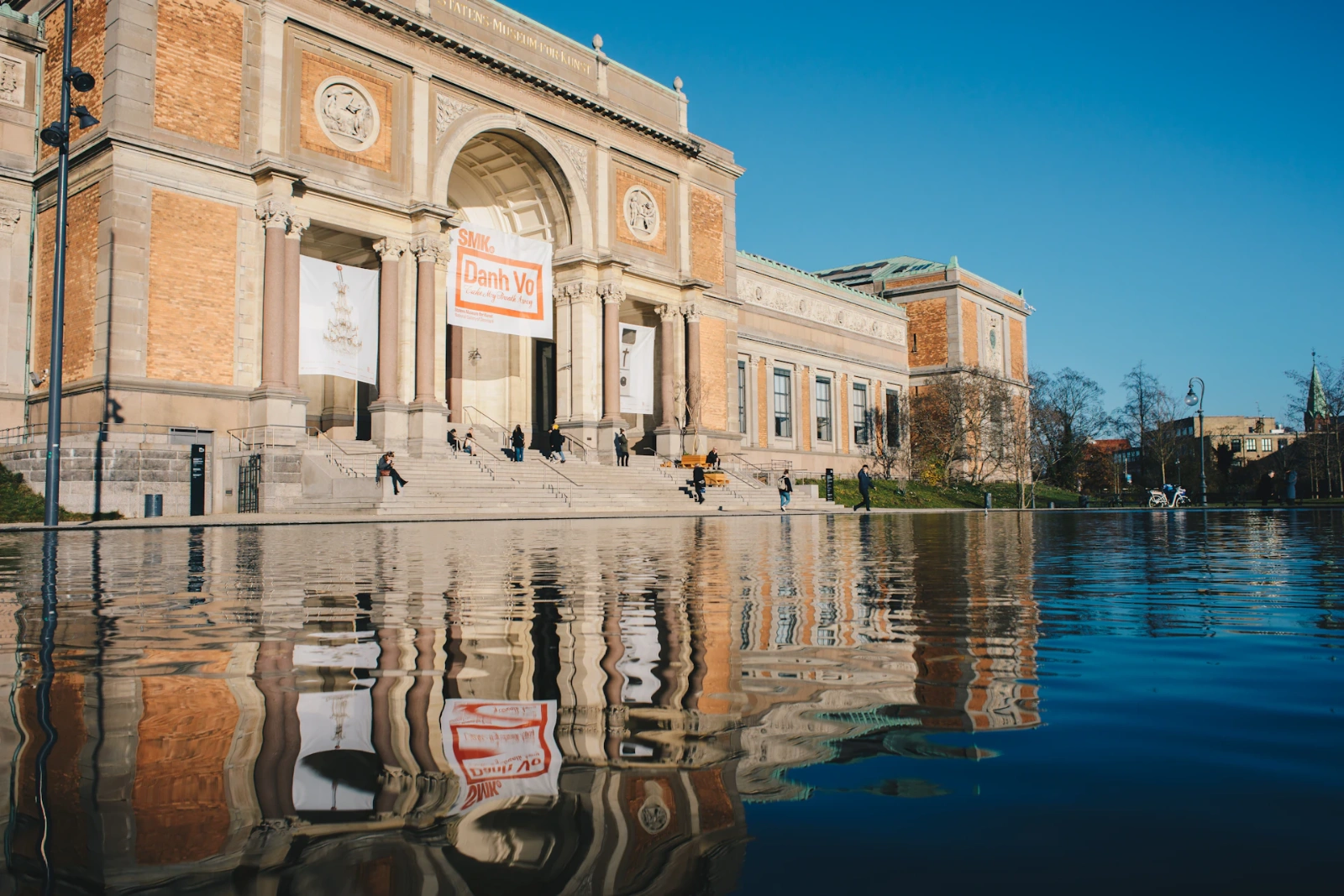
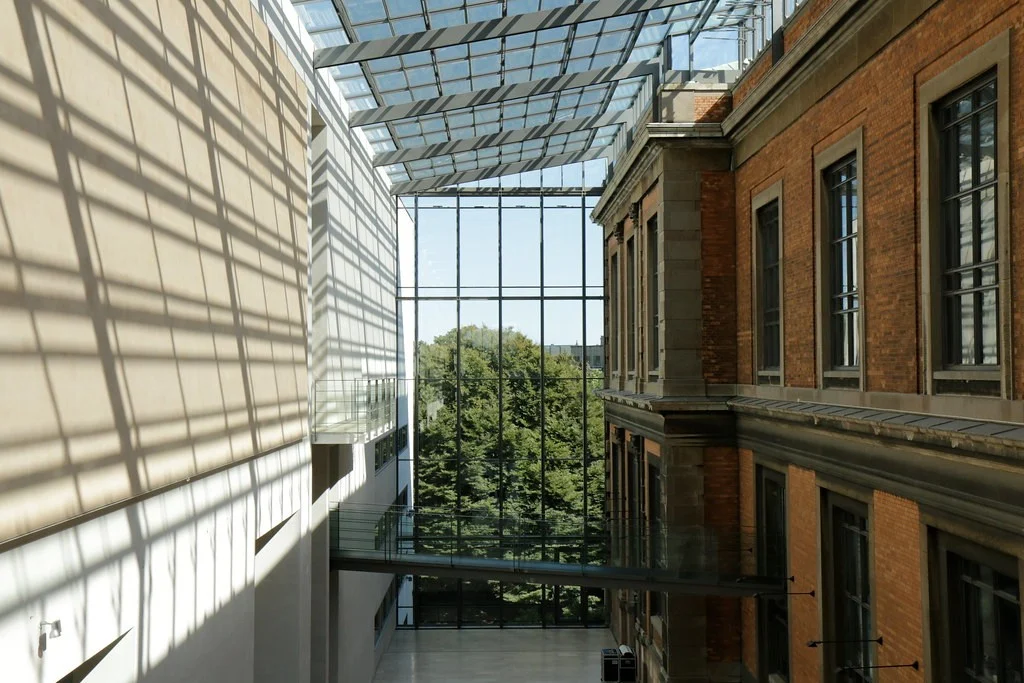
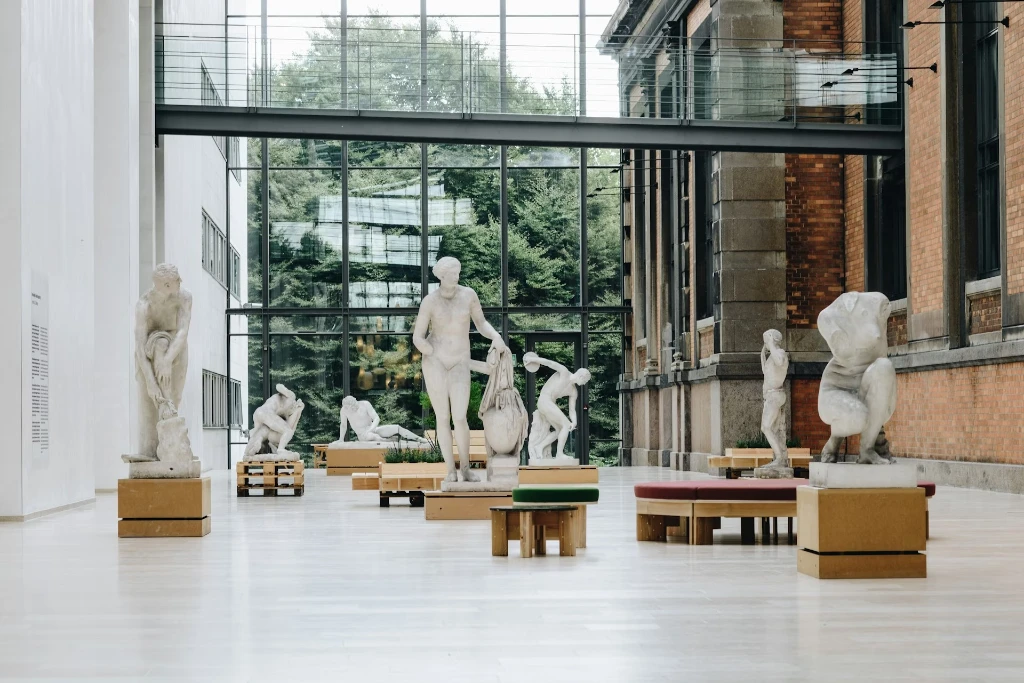
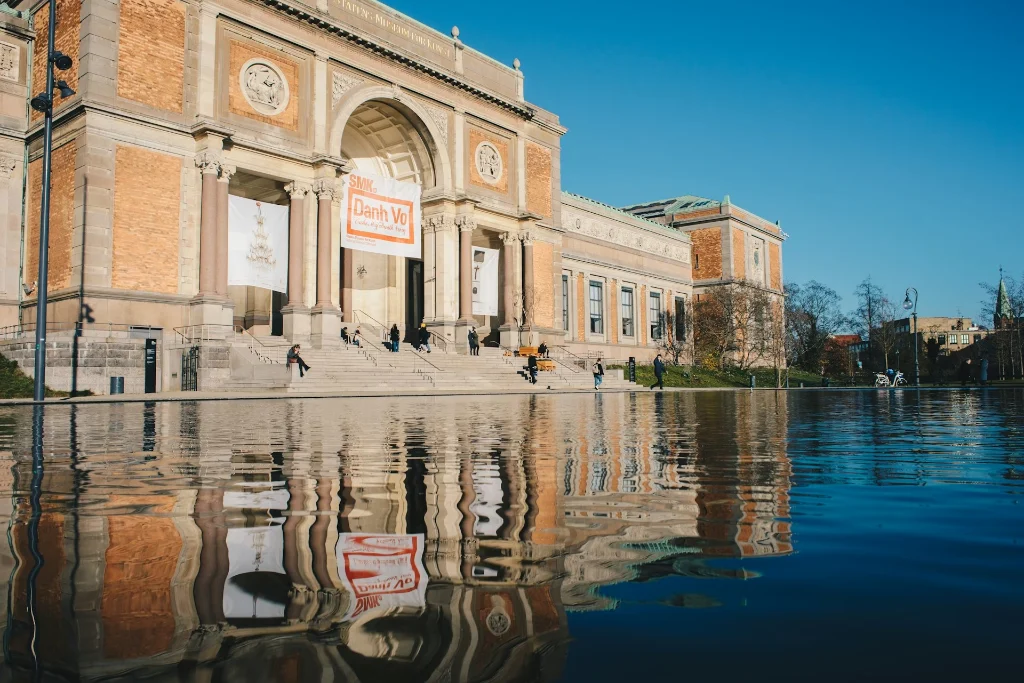
When democracy arrived in 1849, this royal treasury transformed into a national treasure, accessible to everyone. The grand, neoclassical building you see today, designed by Vilhelm Dahlerup, opened its doors in 1896. But the museum hasn't stood still; a sleek, modern extension, added in 1998, seamlessly connects to the old, separated by a bright, glass-covered "Sculpture Street." This blend of old and new is a visual delight, hinting at the diverse art you'll find inside, which we’ll cover next.
What is SMK in Copenhagen?
SMK, or Statens Museum for Kunst, stands as Denmark's premier art institution, right in the heart of Copenhagen. Think of it as a vast artistic journey, housing an enormous collection – over a quarter-million pieces – that stretches from the 14th century right up to contemporary works. You're not just seeing Danish art here; it's a global panorama.
As you walk through, you'll feel the contrast between its historic 1896 building and the crisp, clean lines of its 1998 modern addition. This combination creates unique spaces for art, displaying everything from Danish Golden Age painters to European classics like Rubens and Mantegna, plus iconic modernists like Matisse and Picasso.
Beyond the art, the museum offers practical services too, even acting as a tourist information point. And if you hear talk of the MAGNOLIA café, know it gets its name from the beautiful trees in the nearby Østre Anlæg park – a lovely detail for a quiet coffee break, which leads us to thinking about planning your visit.
When is there free admission to SMK?

Planning your visit around free admission can save some kroner, and SMK offers a couple of great options. If you're travelling with family, take note: children under 18 always get in free. This makes it an accessible outing for younger art lovers.
For everyone else, keep an eye out for "SMK Fridays." These happen six times a year, transforming the museum into a vibrant evening destination from 4 p.m. to 10 p.m., completely free. Imagine enjoying art, engaging talks, live music, and a drink in a lively, informal atmosphere – it’s a fantastic way to experience the museum in a different light. Otherwise, an entrance fee applies, but these special evenings are a true highlight. Knowing when to go is one thing, but how long should you set aside for your art adventure?
How long does it take to visit SMK?
With such a vast collection, you're probably wondering how much time to dedicate. I'd suggest clearing at least two hours from your schedule, but honestly, you could easily spend three to four hours, or even a full half-day, if you want to soak it all in properly. This isn't a quick sprint.
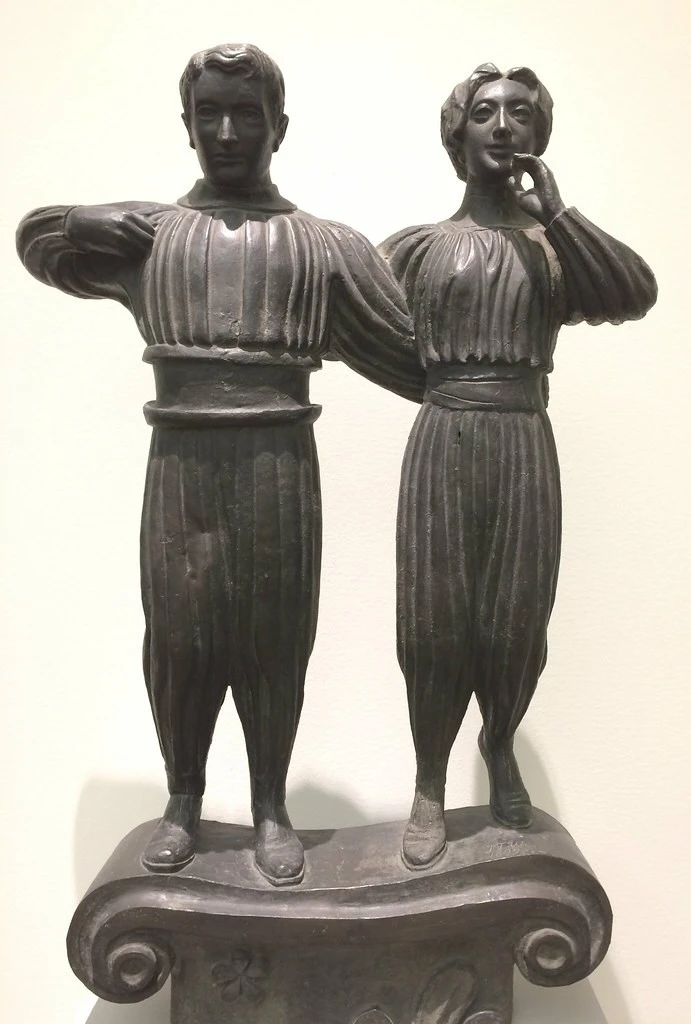
The museum holds a truly impressive number of artworks, spanning centuries and styles. From the serene beauty of the Danish Golden Age paintings and comprehensive Danish contemporary pieces, to one of the world's most significant collections of Matisse, there’s a lot to absorb. You'll find yourself moving from grand historical pieces to modern masterpieces. Take your time, let your eyes linger. And when your feet get tired, you'll be glad to know there are places to refuel, which we'll discuss next.
Can you eat at SMK?
Exploring so much art certainly builds an appetite, and thankfully, SMK has you covered with excellent dining options. You'll find two distinct spots right within the museum.
First, Kafeteria SMK, run by acclaimed chef Frederik Bille Brahe, offers a Nordic-inspired menu focusing on local, seasonal produce. Its unique interior, designed by Danh Vo, blends classic Danish with Italian and Japanese elements. Expect dishes from artisanal sourdough with local cheeses to satisfying pork chops or delightful buttermilk pancakes.
Then there's MAGNOLIA, a welcoming café committed to sustainability. They cleverly minimize waste, turning surplus bread into creamy pumpkin pasta or using coffee grounds to grow mushrooms! Here, you can grab freshly baked sourdough buns, coffee, or choose from savory lunch dishes and homemade pastries. MAGNOLIA is even accessible without a museum ticket. If you prefer to bring your own, a dedicated "Schools' Lunchroom" is in the basement. SMK clearly considers the full visitor experience, but is that experience truly worth your precious travel time?
Is it worth visiting SMK?
So, is SMK truly worth adding to your Copenhagen itinerary? Absolutely, especially if you appreciate art's expansive story. You’ll traverse seven centuries of art history here.
The Appeal: You’ll see exquisite Danish Golden Age paintings, European masters like Rubens and Rembrandt, and one of the world's finest Matisse collections. It's not just static displays; SMK hosts dynamic special exhibitions and vibrant "SMK Fridays" with music and talks, creating a lively atmosphere. The museum is also fully wheelchair accessible and conveniently located near Nørreport Station.
Things to Consider: Some modern and contemporary pieces might challenge traditional tastes. Also, it’s a large museum, so plan for at least 2-3 hours to avoid feeling rushed. While there are dining options, I've heard varied opinions on café service at times.
For a smoother visit, or to easily prioritize what to see around København, consider using an audio guide like StoryHunt. It can truly enhance your exploration by providing context and stories as you go. Speaking of other attractions, what else lies nearby?
What else can I do in København?
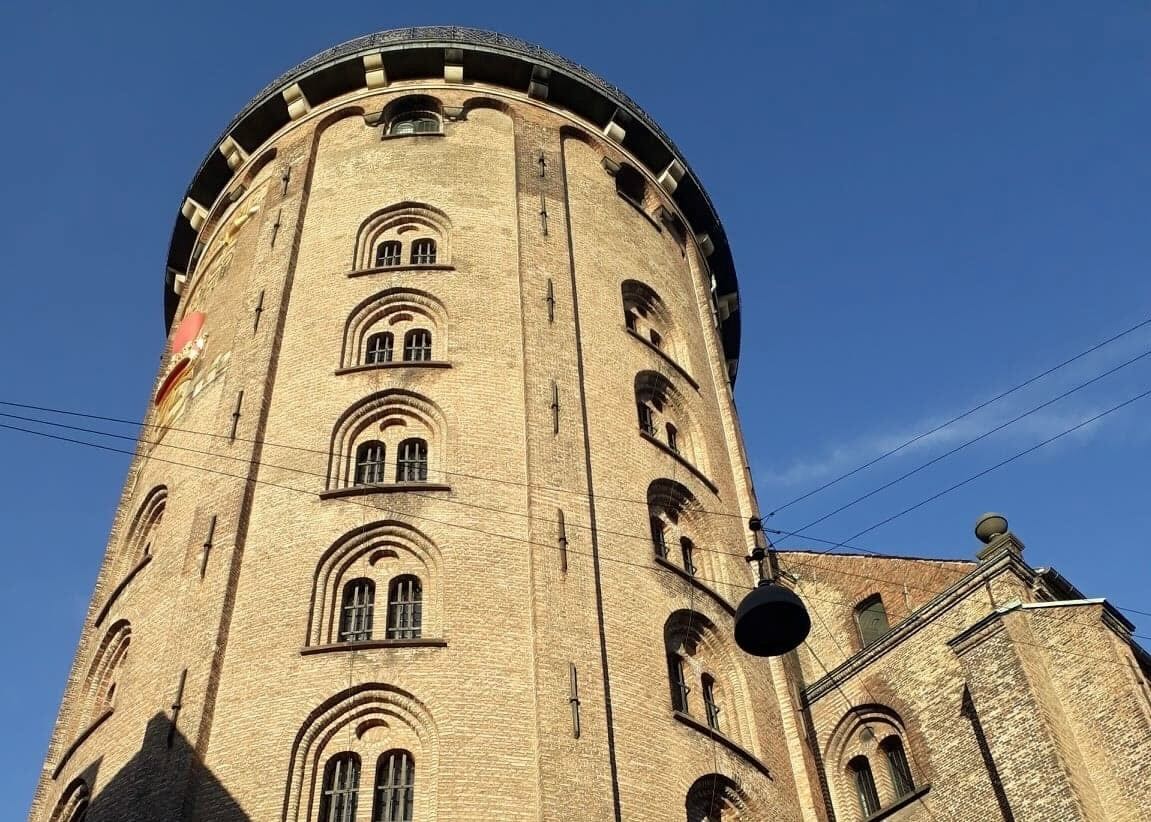
Once you’ve soaked up the art at SMK, you're perfectly positioned to explore more of Copenhagen's cultural and historical gems right nearby, such as Rosenborg Castle and its King's Garden, The Botanical Gardens, or even a stroll to the iconic Round Tower.
Copenhagen offers so much, and from SMK, you're in a prime spot to discover its very best. Enjoy your explorations!








.avif)




.avif)







.avif)





.avif)


