
.webp)



TLDR: The Planetarium in Copenhagen offers an immersive journey into space with stunning dome films, interactive exhibits, and a unique lunar rock. Perfect for families, science buffs, or a rainy day, it's a solid addition to your Copenhagen itinerary.
When exploring a new city, finding unique experiences that capture your imagination is key. The Planetarium is one of these, a striking structure by the serene Skt. Jørgens Sø lake. If you're curious about the cosmos or seeking an engaging family activity, this place might just surprise you.
This article will walk you through what to expect, from its cosmic origins to practical tips on making the most of your visit, ensuring you leave with a clearer picture of whether it's the right fit for your travel style.
What is the story behind Planetarium?

Stepping inside, you feel the weight of history meeting the future. This institution, originally named the Tycho Brahe Planetarium, pays homage to the legendary Danish astronomer Tycho Brahe, whose meticulous observations centuries ago revolutionized our understanding of the heavens.
It opened its doors on November 1, 1989, thanks to a generous donation from the Bodil Pedersen Fonden. Designed by Knud Munk, the building stands where the Saltlageret theater once was, now housing Scandinavia's first Omnimax cinema.
Its majestic, tilted dome, the largest in Northern Europe, draws you in immediately. You'll even find a genuine lunar rock, over 200 grams, brought back by Apollo 17, a tangible piece of space right here on Earth. This place truly connects you to the universe.
How much does it cost to go to the planetarium in Copenhagen?
After soaking in the historical context, the next practical question is always about the entry fee.
A standard visit, including one of those incredible dome film screenings, generally costs 195 DKK for adults. For children aged 3 to 11, it's 125 DKK.
If one film isn't enough to satisfy your cosmic curiosity, an additional screening on the same day is 97 DKK for adults and 62 DKK for children. Students with valid ID can snag a reduced rate of 175 DKK for entry and one film.
Keep in mind that a Copenhagen Card can unlock free admission for one visit, including the exhibitions and a single film, making it a smart way to save if you plan to see more of the city. We’ll touch on what age groups enjoy it most shortly.
What age is appropriate for Planetarium?

While the Planetarium generally welcomes all, it's worth noting some specifics, especially if you're traveling with little ones. Children under three years old might find the immersive dome shows a bit overwhelming, so it's usually not recommended for them.
However, the Planetarium shines for older kids and families, offering interactive exhibits designed to engage various ages. For example, specific educational programs cater to kindergartners (ages 3-5) and up to secondary students (15-19). My experience suggested that the "Astronomy for Kids" events are particularly popular for 6 to 9-year-olds.
They’ll also be fascinated by the substantial lunar rock, a unique highlight that truly makes space feel within reach.
Which museum is the best in Copenhagen?
Defining the "best" museum in Copenhagen truly depends on your personal interests, as the city boasts an impressive range.
If you're captivated by Denmark's rich past, the National Museum offers an extensive journey through history, from the Ice Age to Viking sagas. Art aficionados might lean towards the Ny Carlsberg Glyptotek, celebrated for its ancient art and stunning indoor gardens.
But for a unique blend of education and spectacle, the Planetarium certainly carves out its own niche. It provides an unparalleled deep dive into astronomy with its captivating dome shows and interactive cosmic displays, including that remarkable lunar rock.
It truly offers a different kind of cultural immersion compared to, say, the modern art found at Louisiana, which is a bit of a trip outside the city.
What should I not miss in Copenhagen?

Beyond its captivating museums, Copenhagen offers a vibrant mix that you absolutely shouldn't overlook.
You'll want to wander through Tivoli Gardens, the world's second-oldest amusement park, especially charming in the evening with its twinkling lights and historic wooden rollercoaster. The iconic, colorful houses of Nyhavn are a must-see, perfect for a canal tour to soak in the city's maritime history.
And speaking of unique views, the Planetarium, conveniently located near Tivoli, presents its own spectacle: Europe's largest tilted dome, delivering an immersive journey through space. Don't forget to admire the Danish Crown Jewels at Rosenborg Castle or embrace the city's renowned cycling culture.
For a more comprehensive plan, StoryHunt offers a fantastic way to organize your sightseeing.
Is it worth visiting Planetarium?
After experiencing it firsthand, I can say the Planetarium offers an engaging visit, particularly if you have a keen interest in space or are looking for a family-friendly activity.
The true highlight is undoubtedly the dome theater; the immersive films transport you through the cosmos with stunning visuals. Interactive exhibits, where you can sculpt Mars terrain or draw your impressions of the Red Planet, also provide hands-on fun, especially for younger visitors. It's a solid choice for a rainy day activity, offering warmth and visual spectacle.
However, be aware that the general exhibition area can feel a bit compact compared to the grand scale of the dome shows. If you're expecting vast, traditional museum halls, you might find the interactive elements here more focused and less extensive.
To maximize your visit, I recommend booking show tickets in advance, especially for English showings, and planning about three hours to fully experience everything.
What else can I do in København?

Once you've explored the universe at the Planetarium, Vesterbro has plenty more to offer.
- Just a short walk away, you can contrast the wonders of science with the pure magic of Tivoli Gardens.
- The Planetarium sits right by The Lakes (Sankt Jørgens Sø), perfect for a leisurely stroll and a breath of fresh air.
- For more hands-on science, consider a trip to Experimentarium, though it's a bit further north.
- If you want to delve into natural history, the Botanical Garden and its adjacent Natural History Museum offer beautiful collections.
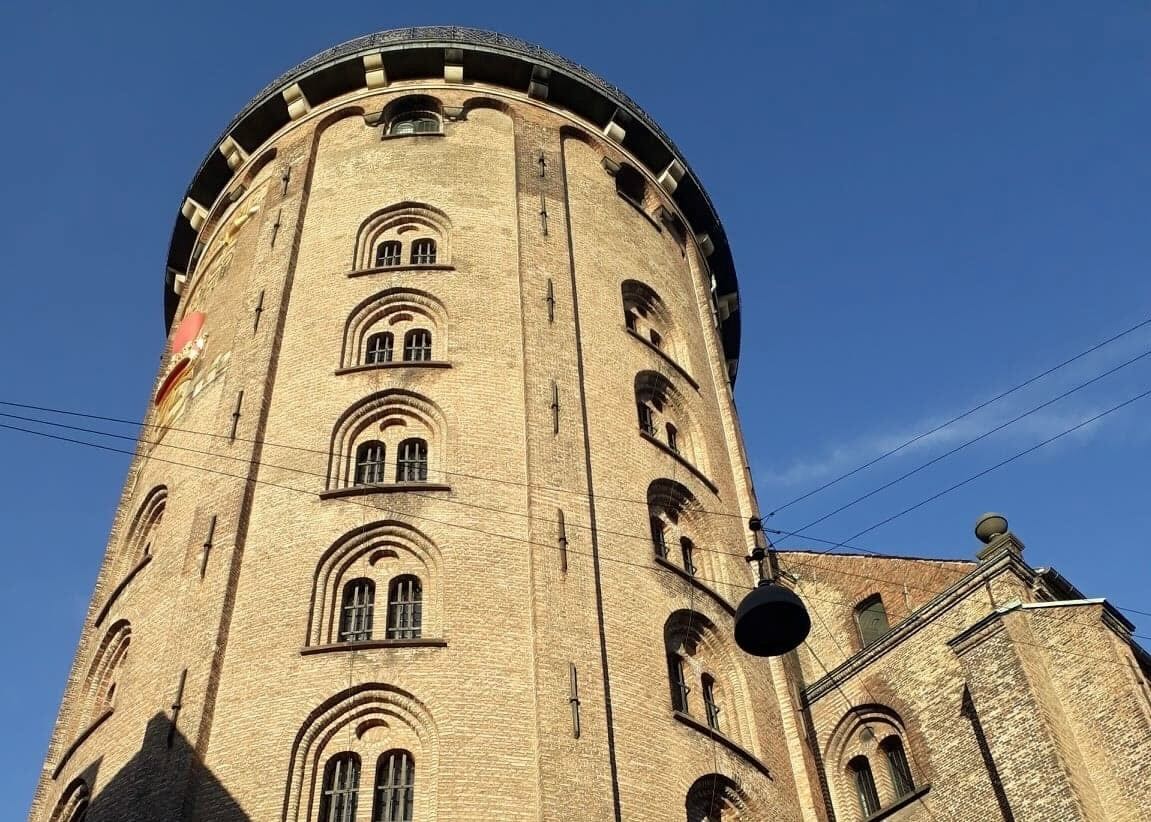
- And for a historical perspective on stargazing and panoramic city views, climb The Round Tower (Rundetårn), which once housed an observatory.
To keep track of all these options and ensure you hit your personal highlights, utilizing StoryHunt can be incredibly helpful for navigating Copenhagen's many attractions with engaging audio guides.



















.avif)


.avif)







.avif)


.avif)


