
.webp)


TLDR: Vesterbro is Copenhagen's former red-light district turned creative hotspot. Best things to do include Tivoli Gardens, the Meatpacking District, and live music at VEGA. Walkable from Central Station, affordable eating, and great for a full day.
Vesterbro sits just west of Copenhagen's city centre, and it's the first neighbourhood you'll hit walking out of Central Station. The name literally means "Western Bridge" and refers to the old paved road that led through the city's Western Gate.
Twenty years ago this was still the rough end of town. Now it's where Copenhageners go to eat, drink, and hang out on sunny afternoons. The transformation is real, but Vesterbro kept its edge.
There are so many things to discover in Vesterbro, and this guide will help you experience the 8 top attractions.
1. Tivoli Gardens

Tivoli sits right on Vesterbro's eastern border and it's been pulling in crowds since 1843. It's the world's second-oldest amusement park, and Walt Disney visited multiple times before building Disneyland.
The gardens are genuinely beautiful, there are restaurants inside, and summer evenings bring outdoor concerts. The wooden roller coaster from 1914 still has a brakeman in every car.
Tivoli runs seasonal openings for summer, Halloween, and Christmas, each with completely different decorations.
Did You Know? Georg Carstensen convinced King Christian VIII to approve Tivoli by reportedly saying, "When the people are amusing themselves, they do not think about politics."
2. Kødbyen (The Meatpacking District)

Kødbyen translates to "Meat City", and working butchers still operate here alongside art galleries, restaurants, and nightclubs. The oldest section dates from 1879, while the White Meatpacking District opened in 1934 with functionalist architecture that's now a protected national industrial monument.
I like Kødbyen best on weekend evenings when the restaurants spill outside and the whole area has this raw, slightly chaotic energy. During the day, galleries like V1 and Bo Bjerggaard are worth checking out.
Did You Know? Both the White and Brown Meatpacking Districts are listed among Denmark's 25 national industrial heritage sites.
3. Go on a guided walk

If you really want to explore Vesterbro like a pro, you should go on a guided tour.
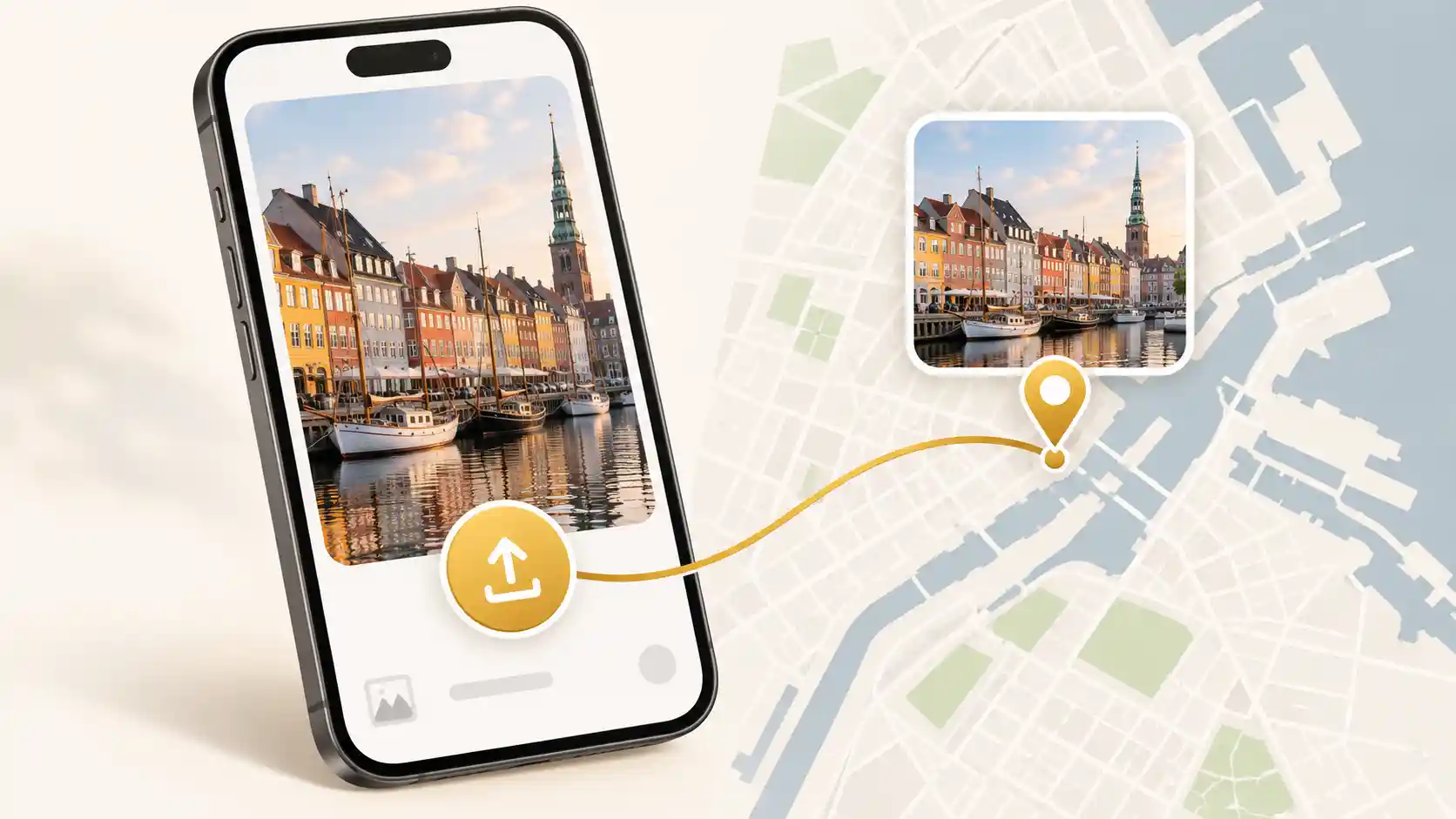
The easiest way is to download the StoryHunt app and use the interactive map that shows you all the highlights and hidden gems in the area. Try out StoryHunt here for free.
4. Ny Carlsberg Glyptotek

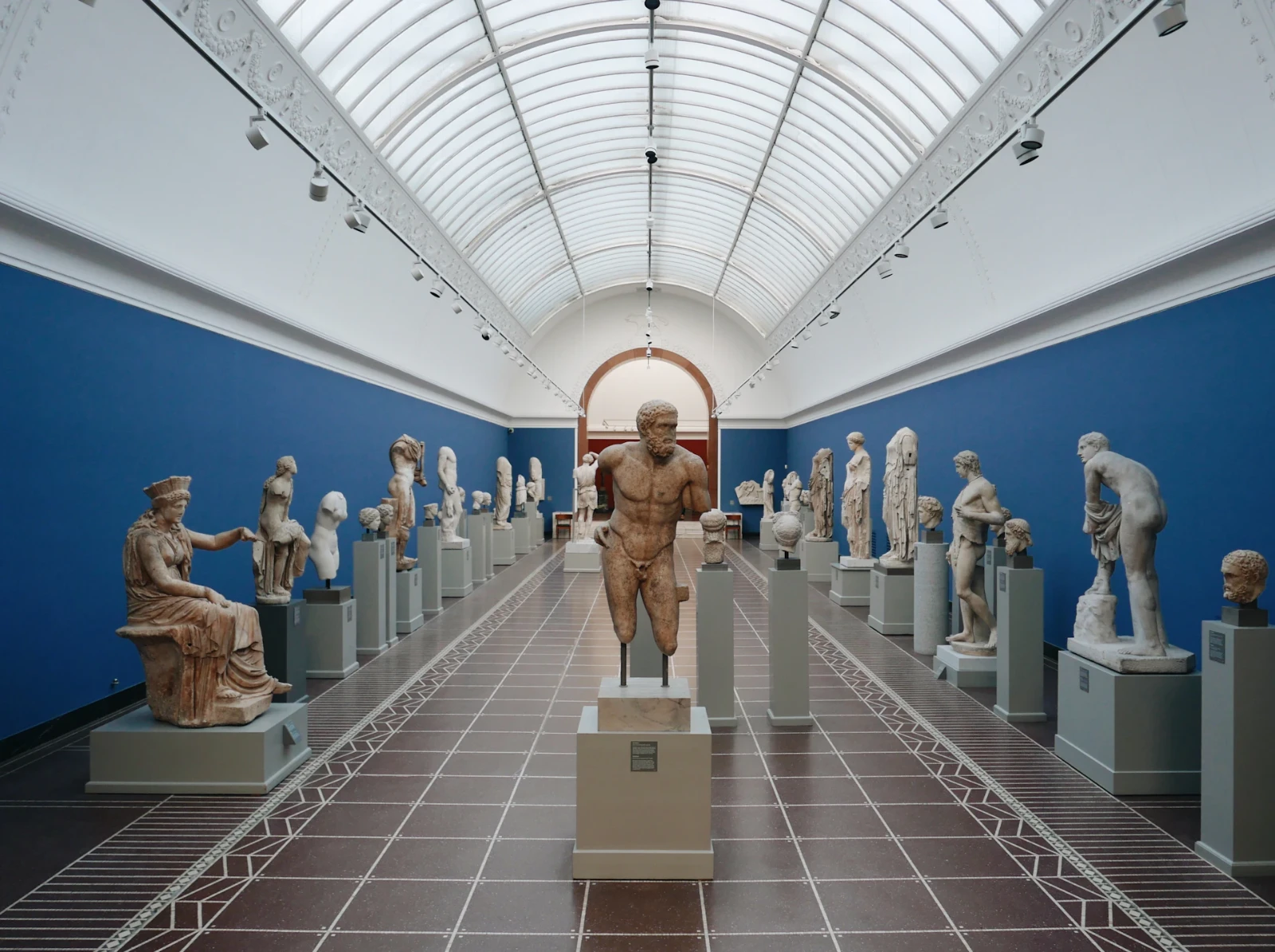
This art museum, Ny Carlsberg Glyptotek, was founded in 1888 by Carl Jacobsen, the man behind the Carlsberg beer empire. It holds over 10,000 works spanning 6,000 years, from ancient Egyptian artefacts to French Impressionists like Monet and Degas.
The building itself is stunning: four wings from different eras, anchored by a winter garden with towering palm trees and a fountain.
If you want to discover more of Vesterbro's cultural side with stories and context as you walk, StoryHunt can create a custom audio walk connecting the Glyptotek to other neighbourhood highlights based on your interests. Try StoryHunt for free.
Did You Know? Carl Jacobsen also funded the creation of Copenhagen's famous Little Mermaid statue.
5. Sønder Boulevard

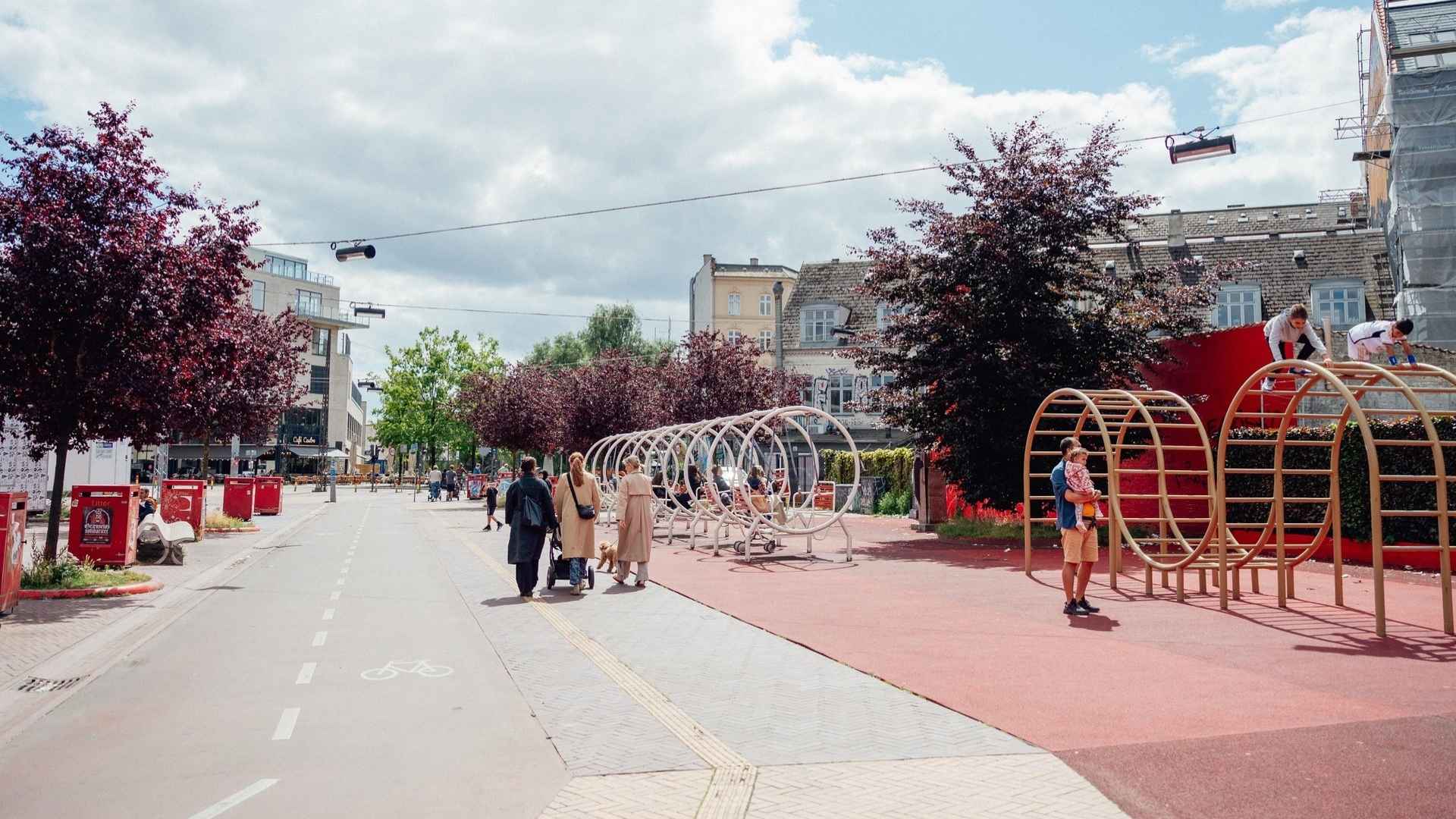
This 1.3-kilometre boulevard is basically Vesterbro's living room. A major renovation completed in 2007 turned the old traffic-heavy strip into a green linear park with playgrounds, ball cages, and seating areas. On warm days it fills with families, friends sharing beers, and people reading on blankets.
The boulevard follows the path of Denmark's first railway line (Copenhagen to Roskilde, opened 1847), which was relocated in stages before the street was built on the old rail bed.
Did You Know? Around 2,200 Copenhageners use Sønder Boulevard's green spaces every day, and the renovation increased surrounding property values by over 350 million Danish kroner.
6. VEGA

VEGA is Copenhagen's best concert venue. The building was designed by architect Vilhelm Lauritzen in 1956 as Folkets Hus (The People's House) for the Danish labour movement. It reopened as a music venue in 1996 and hosts around 300 concerts a year across three stages.
The dark wood panelling and mahogany floors make it one of Denmark's youngest listed buildings.
Did You Know? Prince, David Bowie, Björk, and Foo Fighters have all played at VEGA, which draws roughly 250,000 visitors annually.
7. Istedgade

Istedgade is Vesterbro's main artery and the street that tells the neighbourhood's full story. The stretch closest to Central Station still has traces of the old red-light district, but walk further west and it shifts into independent shops, coffee roasters, and small restaurants serving food from every continent.
It's the most honest reflection of what Vesterbro actually is: diverse, slightly messy, and never boring.
Did You Know? Danish poet and author Tove Ditlevsen was born in Vesterbro in 1917 and wrote extensively about growing up on these streets, making her one of Denmark's most celebrated literary voices.
8. Planetarium

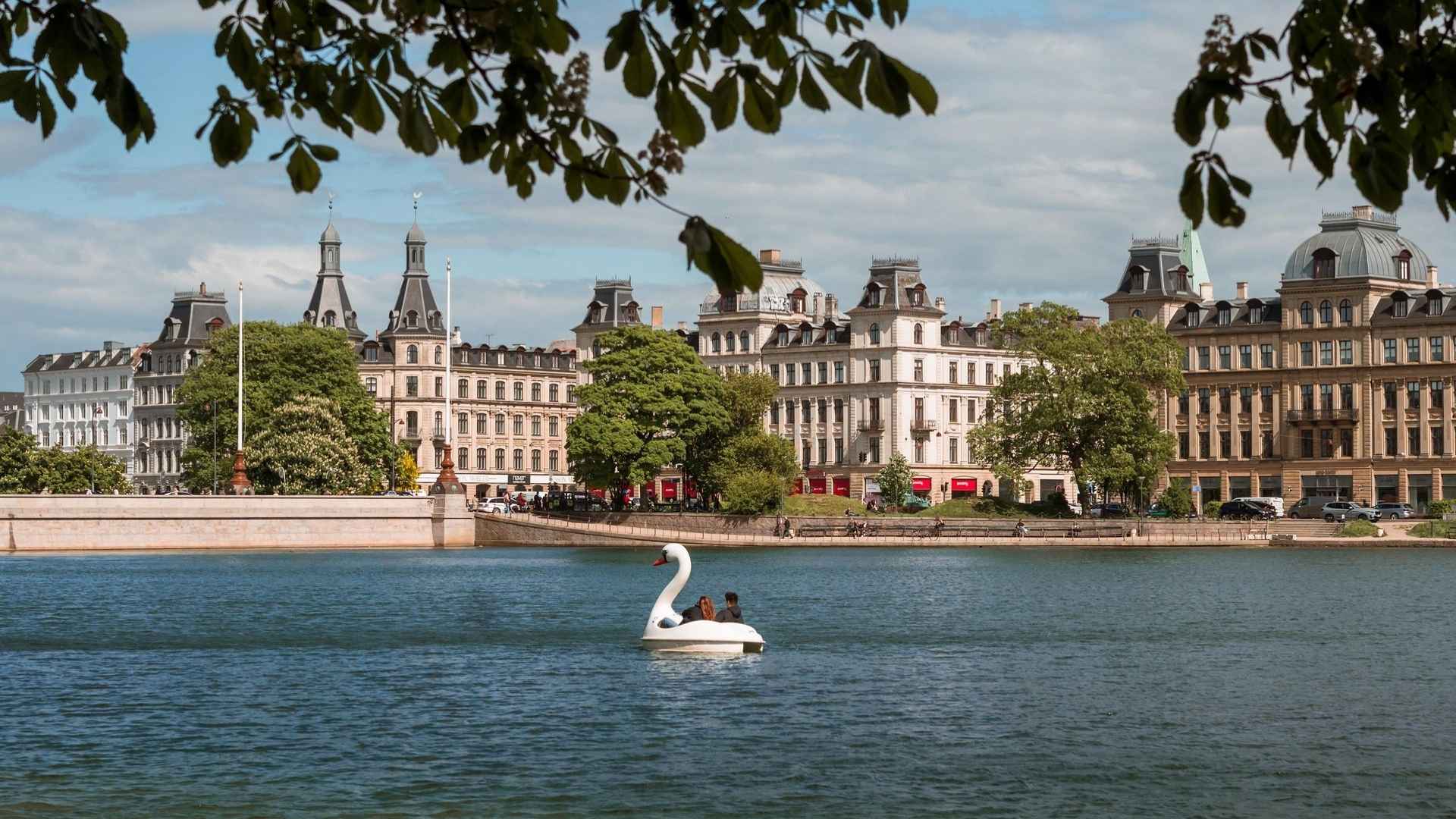
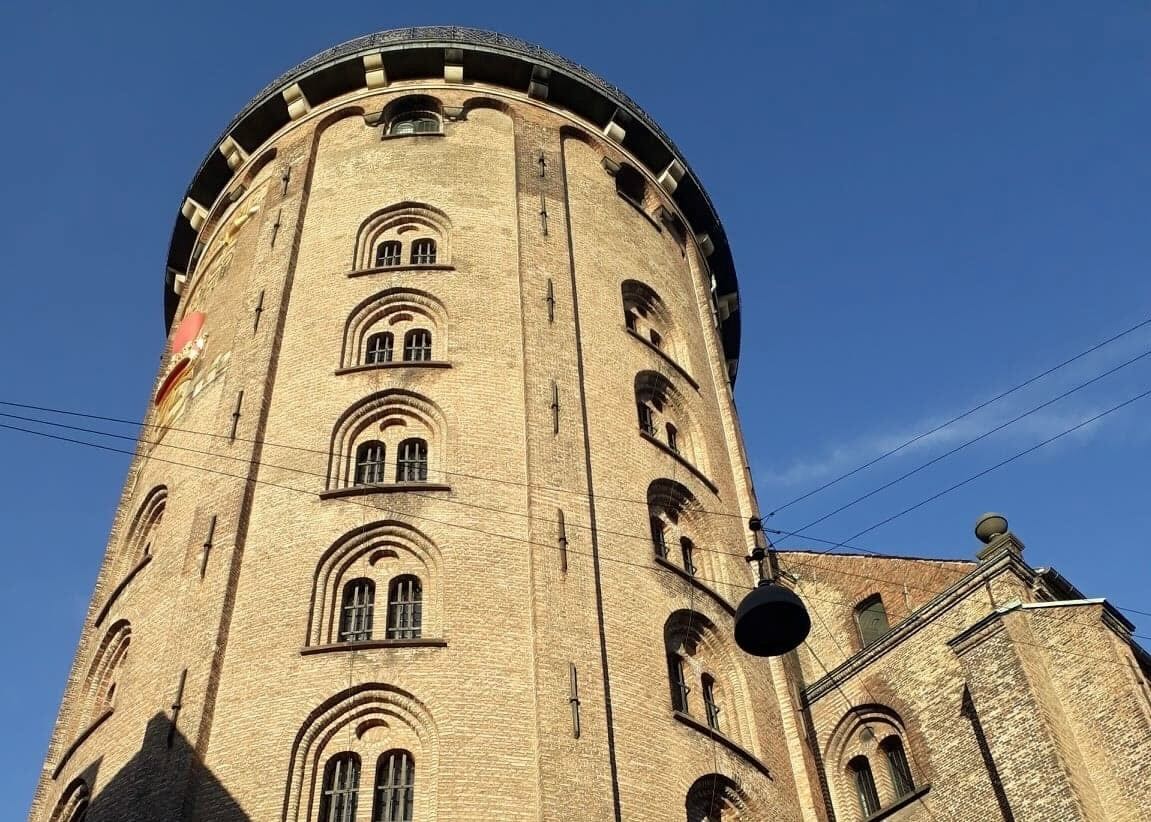
The Tycho Brahe Planetarium sits at the southern end of Sankt Jørgens Sø lake, and its copper-clad cylindrical shape is hard to miss. Designed by architect Knud Munk and opened in 1989, it's named after Denmark's most famous astronomer.
The dome theatre is one of the largest in Northern Europe and shows immersive films that make you feel like you're drifting through the Milky Way.
The permanent exhibition was renovated in 2018 and covers everything from the Big Bang to space exploration. Films are in Danish but English headphones are available. It's a solid rainy-day option and genuinely fun even without kids.
Did You Know? Tycho Brahe lost part of his nose in a sword duel in 1566 and wore a brass prosthesis for the rest of his life, a fact confirmed when his body was exhumed in 2010.
Explore Vesterbro the best way
Vesterbro rewards wandering. The best discoveries happen when you duck off the main streets and follow whatever catches your eye. Whether you're here for the art, the food, or just to sit on Sønder Boulevard with a coffee and watch the neighbourhood go by, this district delivers without trying too hard. If you want the full story of Vesterbro, then check out our neighborhood guide.
Want to explore Vesterbro and the rest of Copenhagen at your own pace? StoryHunt lets you create your own audio walk with an interactive map, so you can discover the stories behind the streets while exploring on your terms. Download StoryHunt for Android and iOS here.
.avif)


.jpg)




.avif)














.avif)



.avif)


