.webp)



TLDR: Copenhagen's Lakes, or Søerne, offer a relaxed urban escape with a rich history, perfect for walking, cycling, and people-watching. Enjoy their present as a local hub, but remember they are not for swimming. For practical insights and a local feel, they're a must-see.
Copenhagen’s Lakes, known locally as "Søerne", are a distinct feature of the city's western edge. While they might appear as tranquil stretches of water today, their story is interwoven with the very fabric of Copenhagen’s past, shaping its defenses, providing its water, and now serving as a beloved urban oasis.
If you're looking for a practical guide to what to expect when you visit, from their history to how locals enjoy them, you've come to the right place. Let's dive into what makes these lakes a worthwhile stop on your Copenhagen itinerary.
What is the story behind The Lakes?

Walking alongside these calm waters, you might not guess their dramatic origins. What started as a simple stream back in the early Middle Ages, dammed to power mills, completely changed course after the 1523 siege of Copenhagen. The city needed serious defenses.
So, what you see now as three distinct, rectangular lakes - Sankt Jørgens Sø, Peblinge Sø, and Sortedams Sø - were actually expanded into crucial moats, ready to flood and deter invaders. For centuries, right up until the mid-20th century, these lakes supplied the city's drinking water.
Today, the ramparts are gone, replaced by urban life, but the lakes remain Copenhagen’s "green heart." I’ve seen locals jogging, families picnicking, and even ice skaters gliding across them in winter. It's a living snapshot of Copenhagen's evolution.
Did you know Dronning Louises Bro, one of the bridges here, is considered one of the world's busiest bicycle routes? Or that activists once "liberated" Fugleøen (Bird Island) in Sortedams Sø, declaring it independent? It’s a place where history whispers through the modern buzz, blending deep roots with vibrant daily life.
What are the lakes in Copenhagen?
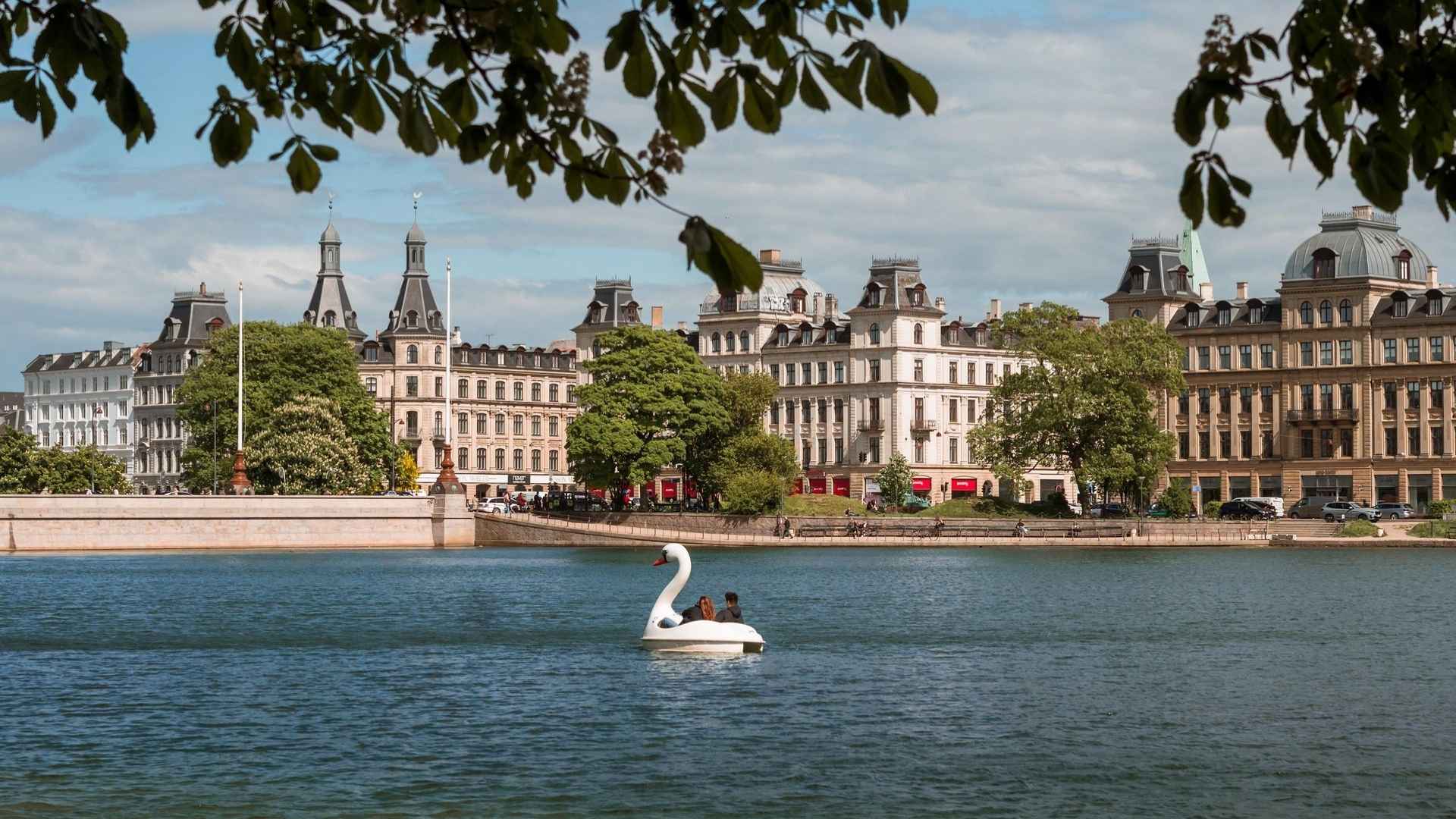
"Søerne", as the Danes call them, are a connected series of three artificial lakes: Sankt Jørgens Sø, Peblinge Sø, and Sortedams Sø. They curve elegantly along the city's western side, forming a noticeable boundary. From a distance, they look like perfectly straight, calm canals.
I often see people enjoying the picturesque 6.4 km route around them, whether out for a brisk run or a relaxed stroll. You’ll spot two artificial islands, Fiskeøen (Fish Island) and Fugleøen (Bird Island), in Sortedams Sø, which are sanctuaries for birds.
In summer, you can even rent small pedal boats on some sections, and if winter gets cold enough, the lakes can transform into vast skating rinks. The edges are lined with cafes, offering pleasant views, which we'll talk more about later when considering a visit.
How deep are the Copenhagen lakes?

When you’re walking around them, you might wonder just how deep these long stretches of water go. Of the three interconnected lakes, Sankt Jørgens Sø is the deepest, reaching about 4 to 5 meters. The other two, Peblinge Sø and Sortedams Sø, are shallower, sitting at approximately 2.5 meters.
You'll notice their edges are quite distinct, featuring hard, vertical granite walls. This isn't a natural shoreline; it's a clear sign of their artificial construction.
Again, this depth and design harks back to their original purpose from the 16th and 17th centuries, first as fortifications and then as the city’s drinking water reservoir. Today, they form a popular 6.3 to 6.4-kilometer loop for locals and visitors alike.
And here’s a bit of local humor for you: the pavilion Søpavillonen, right by the lakes, is sometimes playfully called "Chlamydia Castle" by younger residents – a quirky detail that speaks to its nightlife reputation.
Can you swim in The Lakes?
While Denmark boasts many beautiful lakes where swimming is encouraged – places like Furesø or Almindsø come to mind – it's generally not a good idea to jump into Copenhagen's Lakes (Sortedams Sø, Peblinge Sø, and Sankt Jørgens Sø). These aren't natural swimming spots. Remember, they were built for defense and later as a water reservoir, not for recreation like swimming.
Locals use them for walking, running, cycling, and sometimes ice skating in winter, but you won't see anyone taking a dip. If you're keen to swim while in Copenhagen, you're in luck! The city has excellent harbor baths, like Havnebadet Islands Brygge, where the water quality is regularly checked, and swimming is encouraged.
So, save your swimwear for the harbor, and enjoy the lakes for their views and history.
Why is Copenhagen the cleanest city in the world?

Walking along The Lakes, or indeed anywhere in Copenhagen, you'll likely notice the city’s exceptional cleanliness. It’s not by accident. Copenhagen has a long-standing commitment to being green, aiming for carbon-neutrality by 2025.
You'll see evidence everywhere. The sheer number of cyclists, for instance, significantly reduces pollution; the city has over 400 km of bike lanes, and bikes often outnumber cars. Even public transport runs on cleaner fuels.
The city also has smart waste management. The Amager Bakke, or CopenHill, is an impressive waste-to-energy plant with a ski slope on its roof! It burns non-recyclable waste to create energy, meaning less goes to landfills. Copenhagen even targets 70% waste sorting for recycling.
And here’s something remarkable: thanks to decades of investment in wastewater systems, the city’s harbor water is clean enough for swimming, a rare feat for a major city. Even the tap water is safe and preferred by locals. Green spaces are abundant, and new buildings often have green roofs, all contributing to a very pleasant, clean atmosphere.
Is it worth visiting The Lakes?
Absolutely, but it depends on what you're seeking. If you appreciate a scenic stroll, a taste of local life, and a peaceful urban escape, then The Lakes are definitely worth your time. The well-maintained paths are buzzing with locals walking, running, and cycling.
It's a fantastic spot for people-watching, birdwatching, or just enjoying the reflections of the city skyline on the water. In summer, you can rent a pedal boat, adding a unique perspective. In the rare, cold winters, if the ice is thick enough, locals will even be ice skating, which is quite a sight! This area offers a genuine slice of Copenhagen life and a real sense of "everyday hygge."
However, if you're chasing grand historical monuments or high-octane activities, The Lakes might feel a bit understated. It's more about relaxed recreation than a major tourist landmark. On warm, sunny days, it can get quite busy, losing a touch of its tranquility.
I find the best time to visit is from May to September when the weather is mild and days are long. Early mornings or during the golden hour offer stunning light for photos and a calmer experience. It's a free attraction, and a full loop takes anywhere from 0.5 to 3 hours, depending on your pace.
The paths are flat and accessible, and public transport connections are excellent. It's ideal for those who enjoy a relaxed pace and local culture, providing a nice contrast to bustling spots like Nyhavn.
What else can I do in Copenhagen?

After enjoying the calm of The Lakes, Copenhagen offers a fantastic array of other experiences, many within easy reach.
- Just a short distance away, you can step into royal history at Rosenborg Castle and its King's Garden. It’s a beautiful place for a leisurely walk through manicured grounds.
- Next door, the Botanical Garden offers a tranquil escape, particularly its impressive Palmehuset (Palm House) – a lovely contrast to the open waters.
- For a dose of history and some fresh air, head to Kastellet, a remarkably preserved 17th-century star-shaped fortress.
- From there, you're close to the iconic Little Mermaid statue.
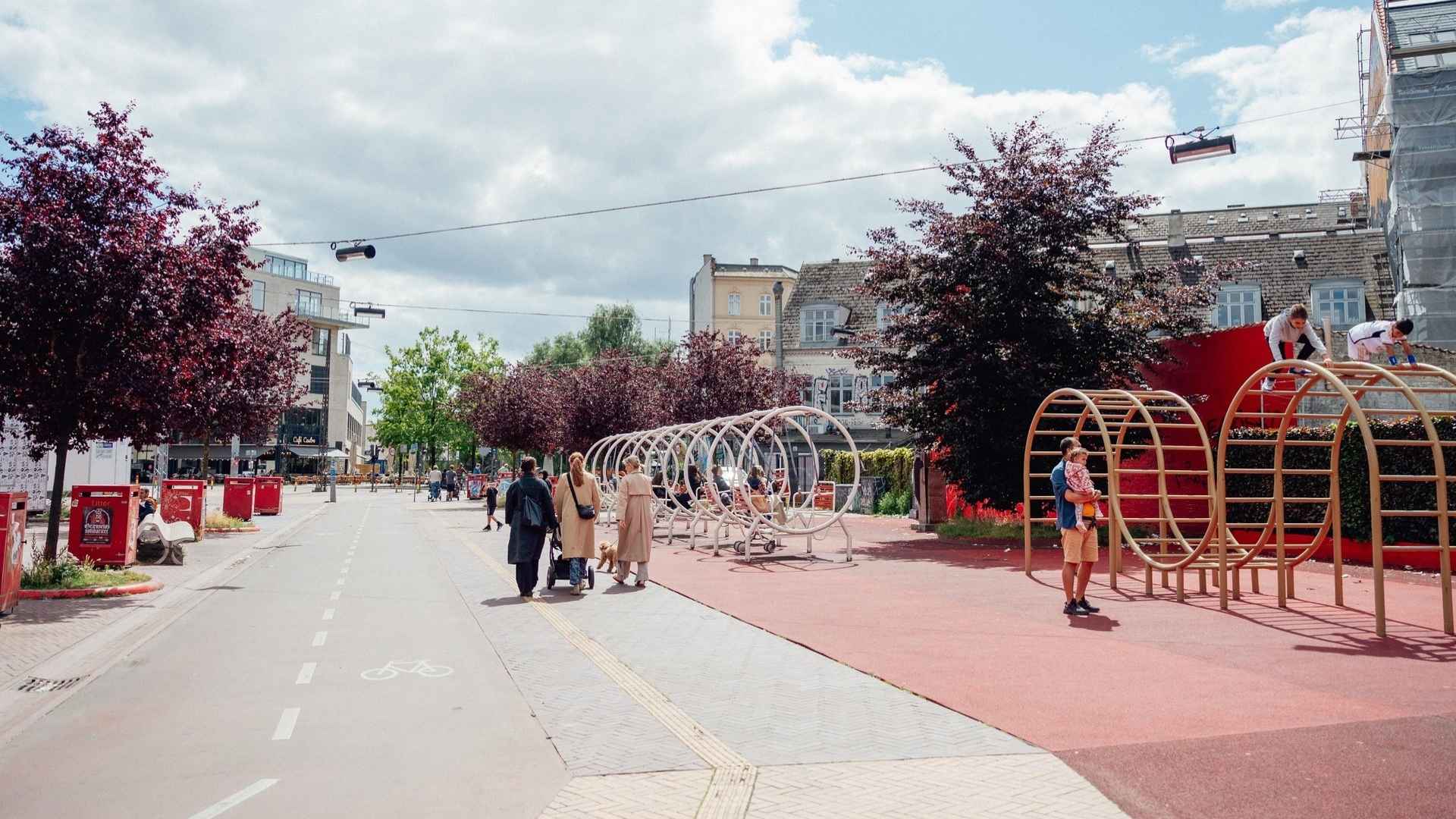
- If you’re looking for something more contemporary, check out Superkilen Park in Nørrebro, a distinctive public space with global designs, or seek out the peaceful Amaliehaven, a less-known waterfront park with a grand fountain.
You can also read our full guide to Østerbro to get a better sense of the area.
To help you discover these and other hidden gems at your own pace, I recommend using the StoryHunt app; it provides engaging audio stories for many city attractions, acting as your personal guide.













.avif)
.avif)


.avif)



.avif)


