
.webp)



TLDR: Indre By is Copenhagen's original city centre, home to Tivoli Gardens, Nyhavn, and the Royal Palace. It's the most tourist-heavy district but rewards exploration beyond the main drags with quieter streets, local cafes, and 800 years of history.
Indre By literally means "inner city" in Danish, and until the 1850s it was the entire city of Copenhagen. Today it's the district where most visitors spend their time, and for good reason.
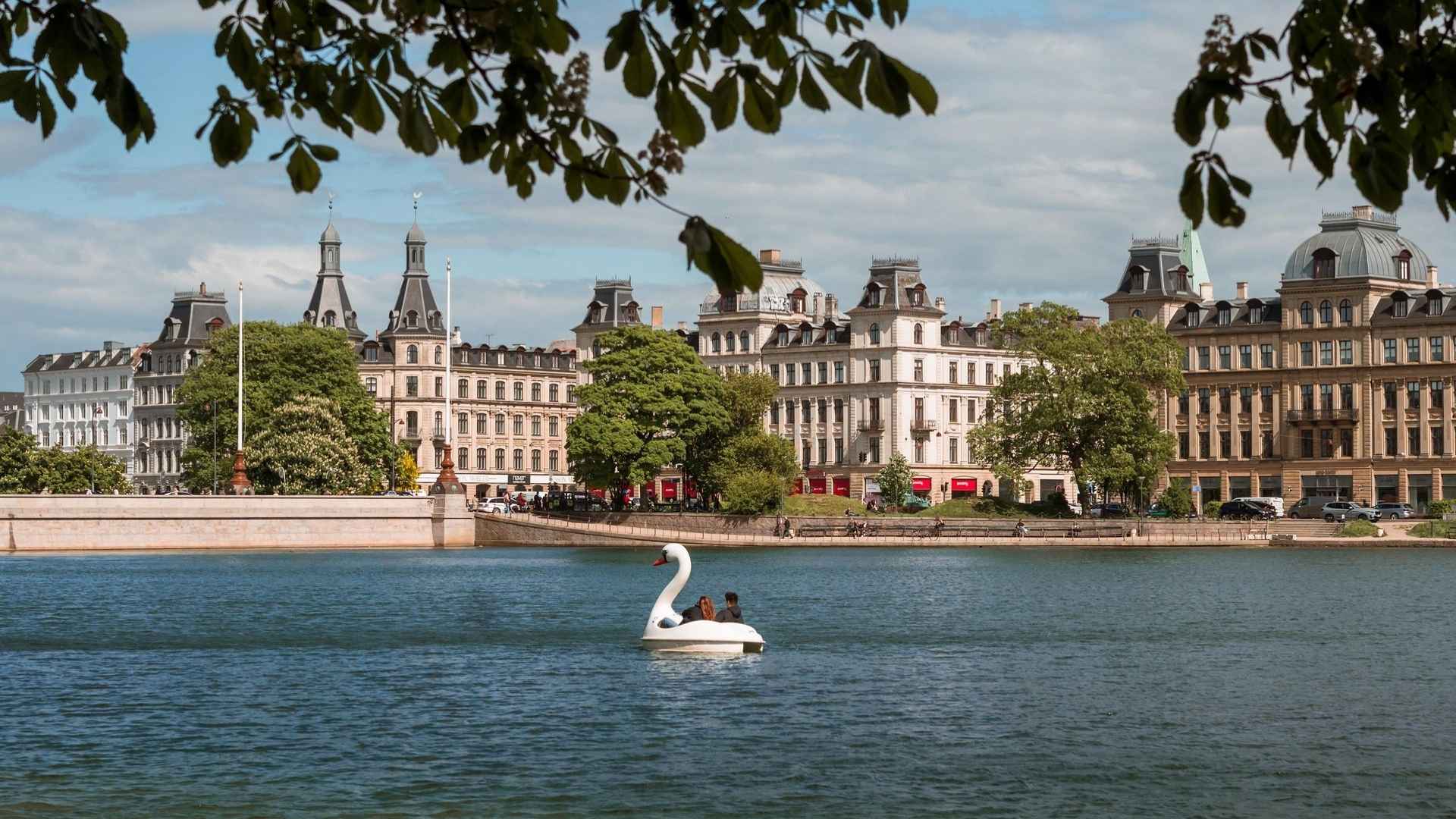
Tivoli, Nyhavn, the Royal Palace, and Strøget are all packed into this compact area surrounded by water and the old city lakes. I've walked these streets in every season, and Indre By always feels different depending on which side street you wander down. The tourist crowds are real, but so is the history underneath them.
What is the story behind Indre By?

Stepping into Indre By felt like walking through the very pages of Danish history. What began as a modest fishing village around the year 1000, known simply as 'Havn', truly took shape in the 12th century. That’s when King Valdemar I handed control to Bishop Absalon, who then fortified Slotsholmen – the island where Christiansborg Palace now stands – in 1167, effectively founding Copenhagen.
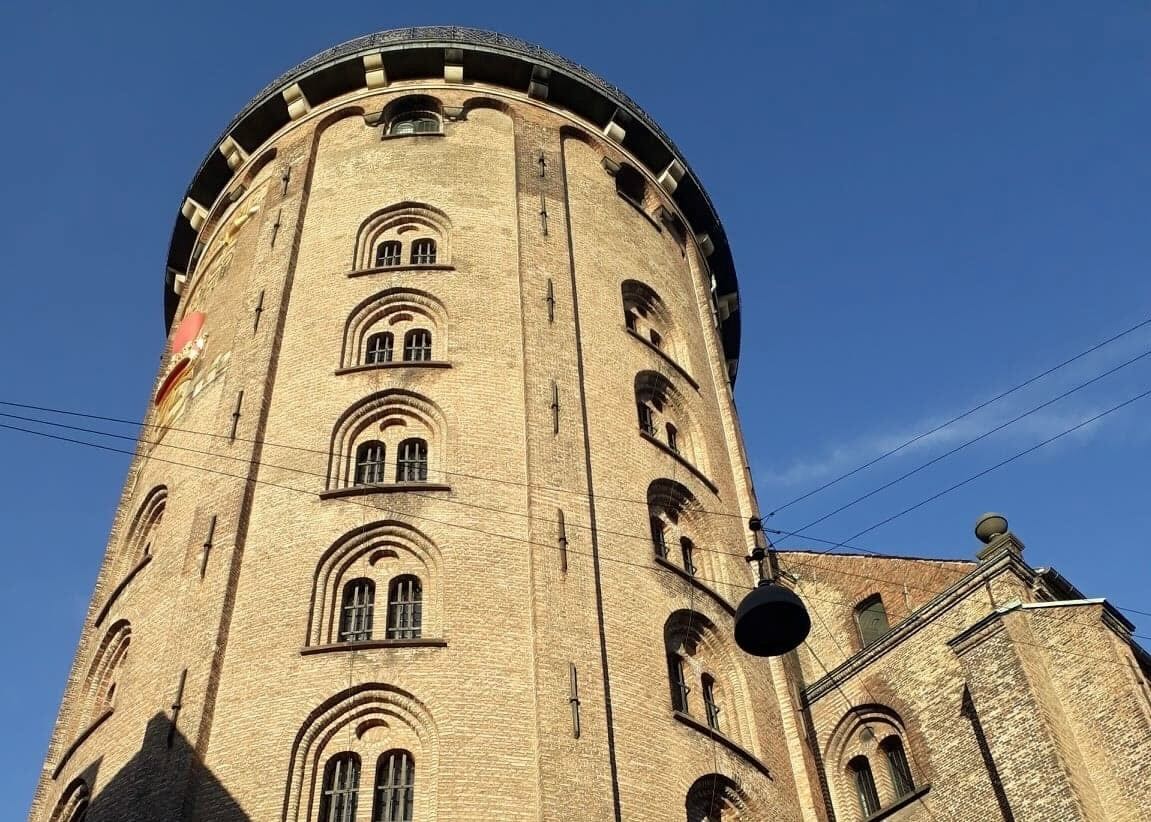
You can still trace its past today. The winding pattern of the inner lakes and street names like Øster Voldgade are echoes of its ancient defensive walls and moats. Later, in the 17th century, King Christian IV, a prolific builder, gifted the district many of its most iconic structures. Think of the grand Rosenborg Castle or the unique Round Tower (Rundetårn), with its spiral ramp designed for horses to carry books to the observatory. He also created Nyhavn, now a postcard-perfect canal lined with colorful 17th-century townhouses.
The ramparts came down in 1857, and the neighbourhoods beyond the lakes, like Nørrebro and Vesterbro, were built in the decades after.
What are the top things to do in Indre By?
Indre By is a treasure trove, offering everything from royal history to lively street scenes.
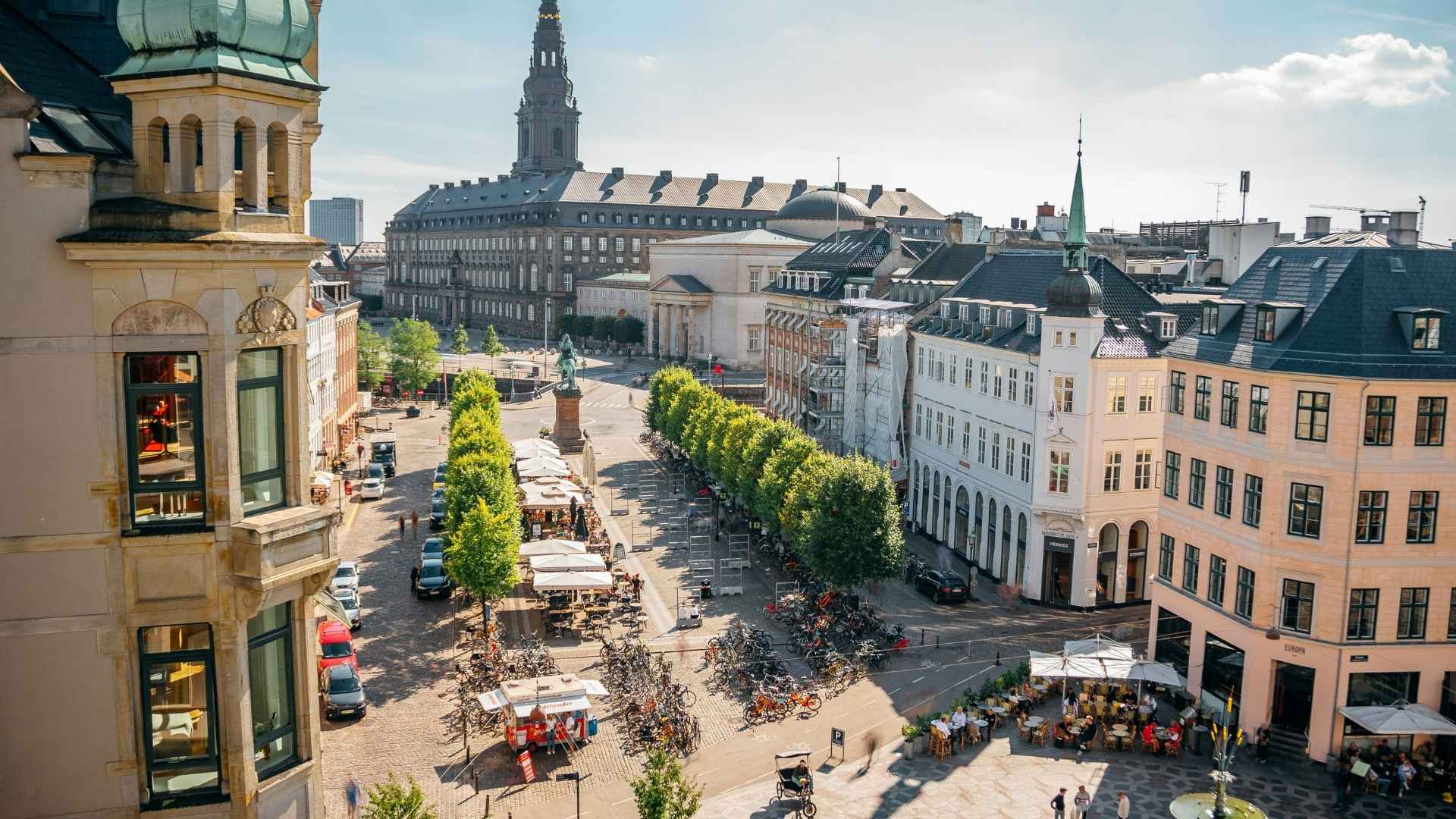
I recommend starting at Christiansborg Palace; it’s unique globally for housing all three branches of government, and you can even explore 800-year-old ruins beneath it! A short, pleasant walk brings you to Nyhavn, with its iconic colorful houses where you can hop on a canal tour.
Don't miss Rosenborg Castle, a Renaissance gem home to Denmark's glittering crown jewels. For panoramic city views, climb the unique spiral ramp inside The Round Tower – it’s an easy ascent.
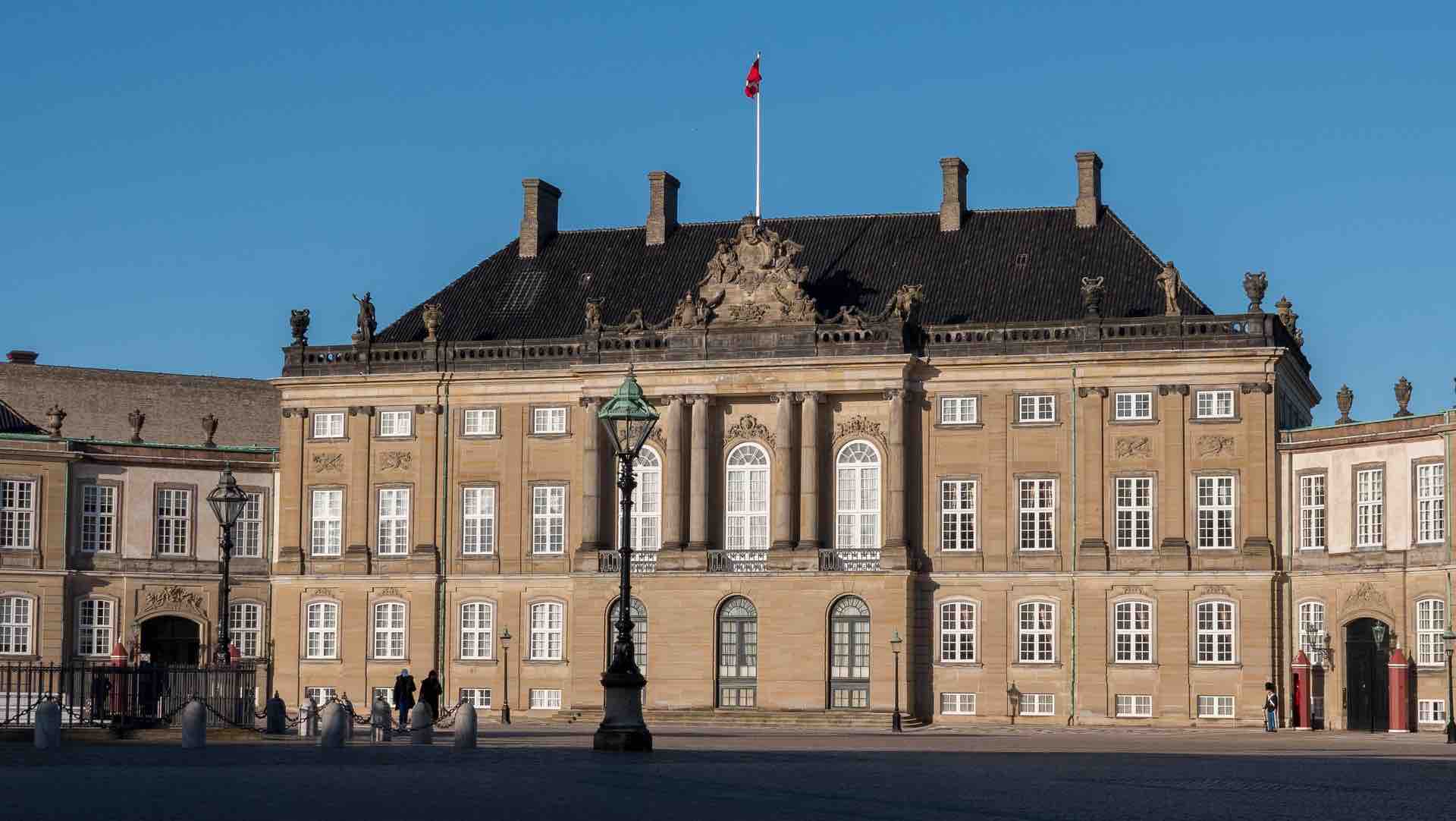
Take a leisurely stroll along Strøget, one of Europe's longest pedestrian shopping streets, or lose yourself in the charming, medieval Magstræde. If you time it right, you can witness the Changing of the Guard at Amalienborg Palace. For cultural enrichment, the National Museum of Denmark or the Ny Carlsberg Glyptotek are excellent choices.
The top things to do in Indre By are:
- Tivoli Gardens: The world's second-oldest amusement park, open since 1843. Walt Disney visited and borrowed ideas for Disneyland.
- Strøget: A 1.1 km pedestrian street connecting City Hall Square to Kongens Nytorv, pedestrianised in 1962.
- Nyhavn: The colourful canal front that shows up on every Copenhagen postcard.
- Rundetårn: Europe's oldest functioning observatory, with a 268-metre spiral ramp to the top instead of stairs.
This district is wonderfully walkable, making it easy to stumble upon charming courtyards and hidden historical layers.
You can read our full guide to the top attractions in Indre By here.
What are the hidden gems in Indre By?

Beyond the main attractions, Indre By holds some delightful surprises. While you're at Christiansborg, make sure to delve beneath the palace itself to discover the fascinating "Ruinerne under Christiansborg" – medieval ruins of earlier castles on the site.
For a picturesque and quiet stroll, wander down Magstræde. It’s one of Copenhagen's oldest streets, lined with beautifully preserved townhouses that transport you back in time.
Seek out the tranquil Garden of the Royal Library, a meticulously designed public space from the 1920s with a peaceful, reflective pool – a perfect escape from the city bustle. Nearby, the Botanical Garden, part of the National Museum of Natural History, houses Denmark's largest plant collection under impressive historic greenhouses.
Keep an eye out for the poignant Agnete and the Merman Statue near Christiansborg, depicting a Danish folk tale. Finally, head to Ofelia Plads, a dynamic waterfront pier hosting events and food trucks, with fantastic harbor views.
If you want to discover these quieter corners with context and stories, StoryHunt creates custom audio walks based on your interests, from royal history to architecture to Copenhagen's lesser-known streets. Try out StoryHunt yourself.
Where are the best places to eat in Indre By?
Indre By offers a fantastic culinary journey, from traditional Danish fare to refined dining.
You absolutely must try smørrebrød, the iconic open-faced sandwiches. Restaurant Schønnemann, established in 1877, is a beloved lunch-only spot famous for its traditional cooking and vast selection of smørrebrød, perfectly paired with a local beer and schnapps. Imagine the rich aroma of rye bread and herring!
Another excellent choice for comforting homestyle Danish dishes is Restaurant Puk, nestled in a cozy 18th-century basement. Or visit Det Lille Apotek, Copenhagen's oldest restaurant, where you can savor hearty fare across its charming dining rooms.
For a more upscale experience, Indre By boasts several Michelin-starred establishments. Restaurant Aure, for instance, blends innovative Nordic cuisine with an elegant 18th-century setting. You'll find other Michelin-recognized places like AOC and Kadeau offering creative tasting menus and impressive wine lists.
Beyond Danish specialties, Høst offers stylish Nordic cuisine in a rustic environment, while The Olive Kitchen & Bar provides sophisticated yet laid-back dining. For a fun, casual bite, Sporvejen serves up loaded burgers and omelets in a unique tram-themed eatery.
Indre By truly caters to every palate. And what pairs better with a good meal, or just a quiet moment, than excellent coffee?
Where is the best coffee in Indre By?
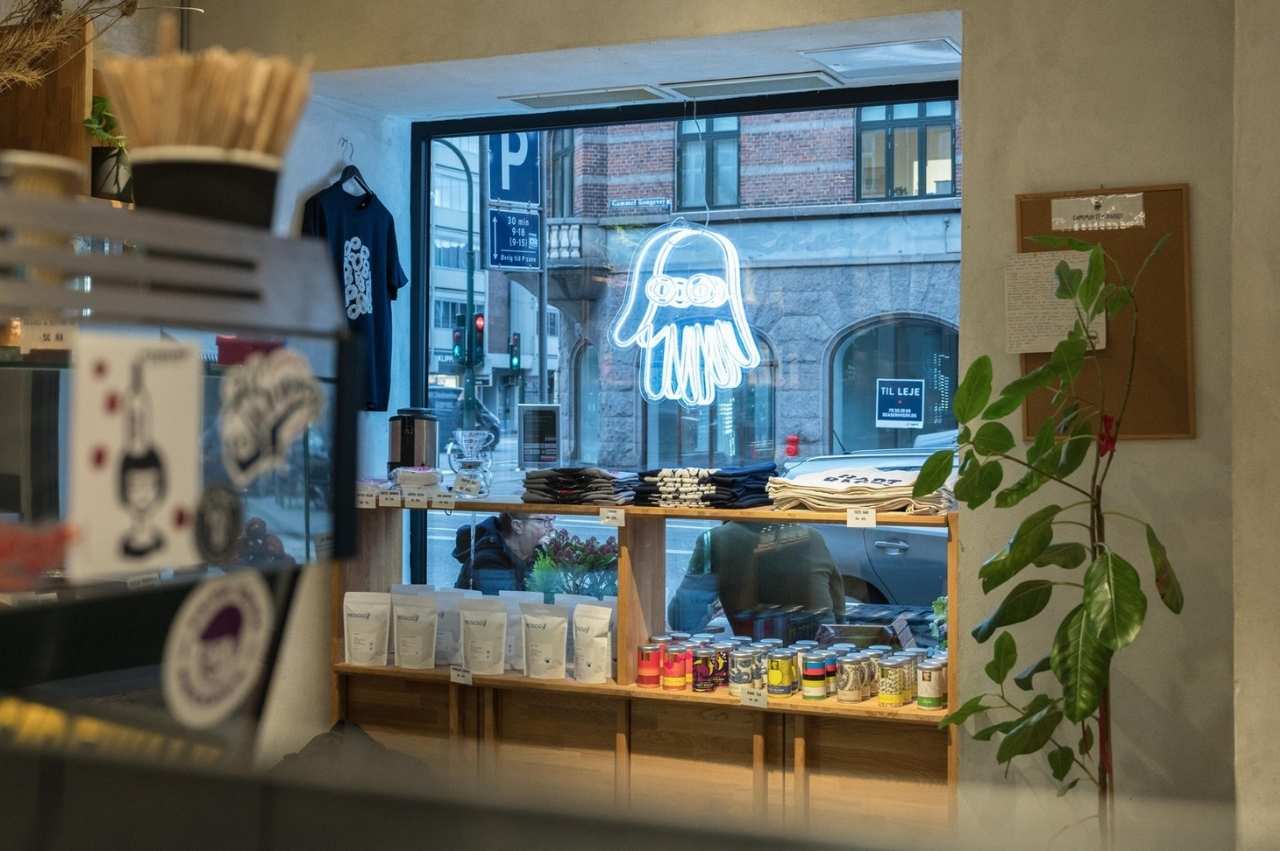
Copenhagen's coffee scene in Indre By is nothing short of exceptional.
You'll find many travelers and locals, myself included, gravitating towards Coffee Collective. They’re pioneers in specialty coffee, with multiple locations, including spots in Torvehallerne and Bernikow. You can often smell the fresh roast in the air as you approach, and their commitment to sustainable, high-quality beans is clear in every sip. During warmer months, don't miss their espresso soft serve – a delightful treat!
Another highly regarded option is La Cabra, originally from Aarhus. Their presence in Indre By, found within the stylish Another Aspect store, brings globally recognized coffee to the capital. They've been roasting their own beans since 2013, a testament to their dedication.
For a truly elevated, almost "Michelin star-esque" coffee experience, seek out April Coffee on Pilestræde; the service and the exceptional beans are unforgettable. If you prefer a cozy, local vibe, Next Door Cafe offers quality brews at friendly prices.
And for a true hidden gem, discover Kaf' Bar on Antonigade, which boasts a stellar 4.9-star rating.
Is Indre By expensive to visit?
Yes, Indre By is Copenhagen's priciest district for visitors.
Restaurant meals average 150-250 DKK for lunch. Museum admission runs 100-200 DKK per person, though the Copenhagen Card can save money if you're visiting multiple sites. Tivoli charges entry plus separate ride tickets.
That said, walking the streets costs nothing, Kongens Have (the King's Garden) is free, and there are affordable lunch spots if you look beyond Strøget. StoryHunt helps you explore efficiently so you can decide where to spend your time and money based on what actually interests you.
How do you get around Indre By?

Walking is the best way to see Indre By. The district is compact enough to cross in 20-25 minutes on foot. Metro stations at Kongens Nytorv, Nørreport, City Hall Square, and Gammel Strand connect you to the rest of Copenhagen.
Cycling works too, but pedestrian zones and tourist foot traffic make biking less practical here than in other districts. Save the bike for reaching Nørrebro, Vesterbro, or the waterfront.
Is Indre By Copenhagen walkable?
Yes, absolutely! Indre By is exceptionally walkable, and in my experience, it's the best way to truly absorb the atmosphere. The compact nature of the "Inner City" means you can often cross the entire historic core on foot in just 20-25 minutes, making sightseeing incredibly convenient.
You’ll want comfortable shoes, though, as many charming streets are paved with cobblestones. While the main thoroughfares are bustling, venturing down the narrow side streets often leads to quieter cafes and unique boutiques, giving you a real sense of local life. It's a fantastic way to discover the city's layers.
Is Indre By a good place to stay in Copenhagen?
For first-time visitors especially, Indre By is an excellent place to stay. It truly is the historical heart of the city, and its inherent walkability means you’re right amidst most of Copenhagen’s major attractions. Imagine stepping out your door and being moments away from the colorful Nyhavn harbor, the enchanting Tivoli Gardens, Amalienborg Palace, Rosenborg Castle, and the bustling Strøget shopping street.
This district seamlessly blends centuries of Danish history with modern Nordic charm, featuring quaint cobbled streets, inviting cafes, and diverse dining options around every corner. While it can be busy, especially in peak season, wandering into its quieter side streets often reveals peaceful courtyards and local hidden gems.
Its central location guarantees convenient access to everything, though it’s worth noting that accommodations here tend to be on the pricier side.
Is it worth visiting Indre By?
Absolutely, Indre By offers a quintessential Danish experience that makes it a highly worthwhile visit for many travelers. Its unique charm comes from that perfect blend of colorful architecture, compelling royal history, and lively urban spaces. You'll find iconic landmarks all within a vibrant, walkable area.
However, it's honest to say Indre By isn't without its downsides. It's undeniably the most tourist-heavy district, so popular spots can get quite crowded, especially during peak season. Dining in the most frequented areas can also be overpriced with inconsistent quality, so I’d suggest exploring the side streets for better local eateries.
The best time to visit is typically late spring and summer (May to September) for pleasant weather and long daylight hours, bringing outdoor cafes and festivals to life. Winter, however, offers that unique cozy "hygge" experience and charming Christmas markets.
If you love history, culture, architecture, or are a first-time visitor looking for a concentrated city experience, you'll likely adore Indre By. To really make the most of your time and prioritize, consider using StoryHunt; it guides your exploration directly, bringing stories to life as you walk. Try StoryHunt for free here.
How to explore Indre By your way?

Want to go beyond the tourist trail and discover Indre By's royal history, medieval streets, and local favourites? StoryHunt creates custom audio walks with an interactive map, tailored to whatever interests you most. Download StoryHunt for Android and iOS here.
Explore at your own pace and let the stories guide you through Copenhagen's oldest neighbourhood - or any of the other unique neighborhoods in Copenhagen.



.avif)


.avif)




.avif)









.avif)


