
.webp)


TLDR: Indre By is Copenhagen’s historic centre with Nyhavn, Christiansborg, the Round Tower, Tivoli, and the Latin Quarter. Touristy in parts but full of genuine charm once you leave the main streets. Budget a full day minimum.
Indre By means “inner city” and it’s exactly what it sounds like: the historic centre of Copenhagen, surrounded by water on nearly every side.
As a Dane, I’ll be honest: parts of Indre By feel like they exist purely for tourists. But step off Strøget into the side streets, and you’ll find some of the most interesting corners in Copenhagen. The key is knowing where to look.
1. Nyhavn

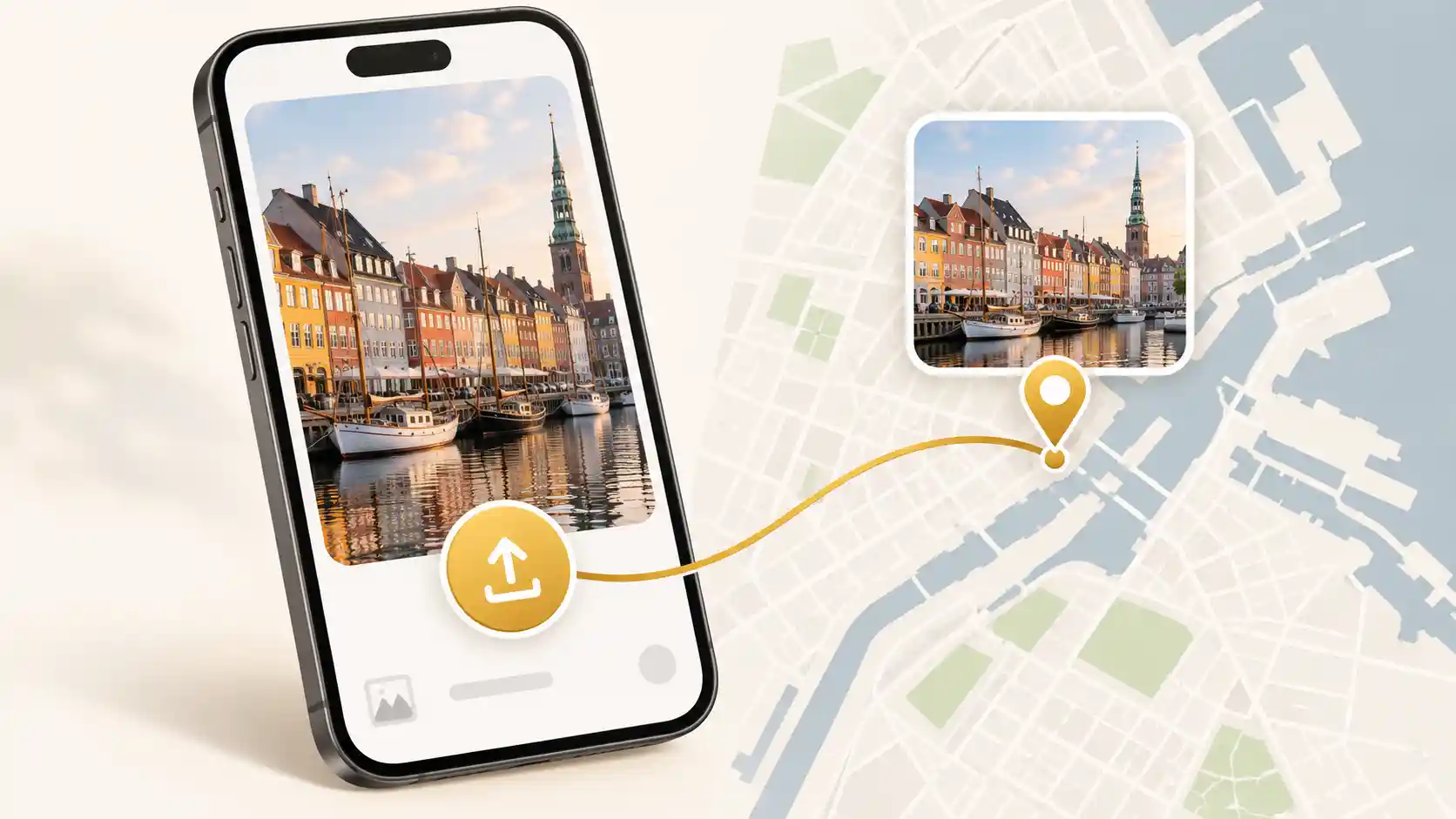
Yes, Nyhavn is the most photographed spot in Copenhagen - but for a good reason. The colourful 17th-century townhouses lining the canal are genuinely beautiful, and Hans Christian Andersen lived at three different addresses here.
Skip the overpriced restaurants on the sunny side. Instead, grab a beer from a shop and sit along the canal like locals do.
Did You Know? Andersen lived at Nyhavn 20, 67, and 18 at different periods of his life, writing some of his most famous tales here.
2. Rundetårn (The Round Tower)

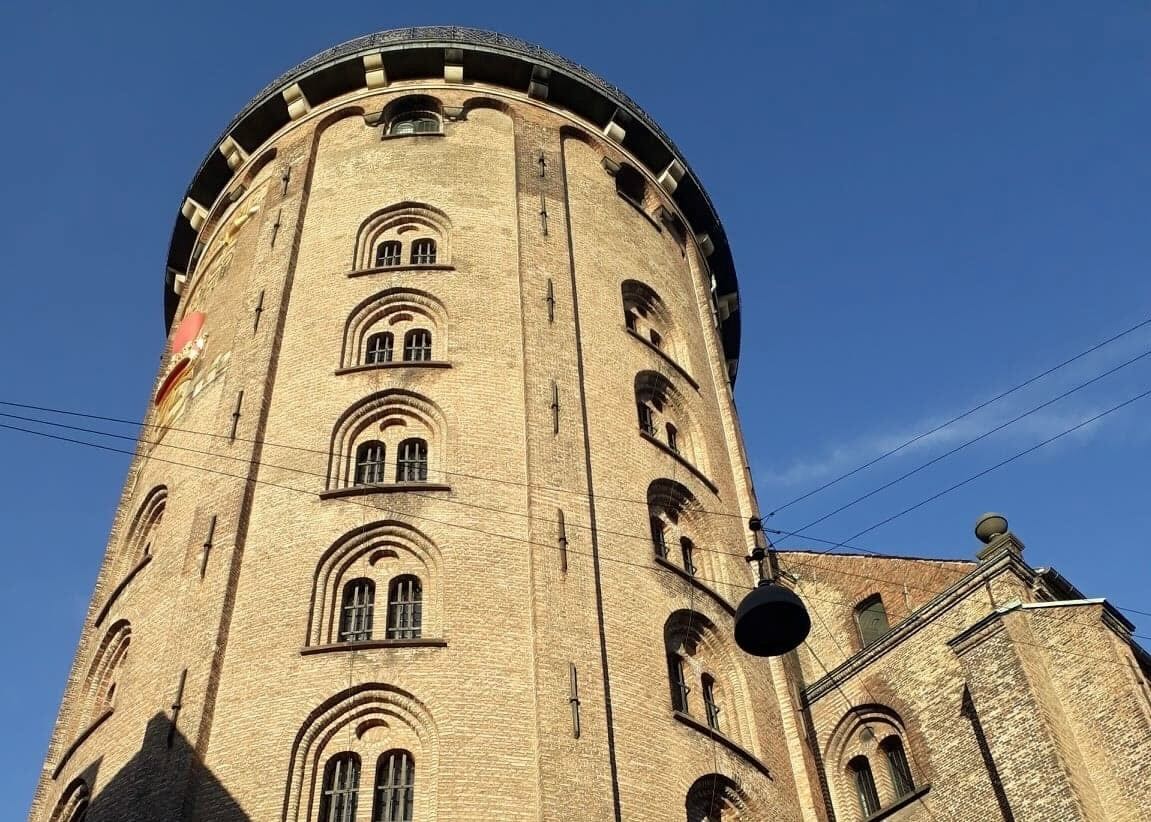
The Round Tower was built by King Christian IV in 1642, and this is Europe’s oldest functioning observatory. Instead of stairs, a spiral ramp winds 7.5 turns to the top, originally designed so horses could carry equipment up.
The 360-degree view from 34.8 metres shows Copenhagen’s rooftops and spires. The entry is cheap, and it's worth the walk.
Did You Know? In 1716, Tsar Peter the Great reportedly rode his horse up the spiral ramp during a visit to Copenhagen.
3. Christiansborg Palace

In Christiansborg Palace, both Denmark’s parliament, prime minister’s office, and Supreme Court all share the space with the Royal Reception Rooms. The tower is free to visit and offers the highest viewpoint in central Copenhagen.
The ruins beneath the palace show foundations from Bishop Absalon’s original 1167 castle. I recommend those more than the Royal Rooms.
Did You Know? The current Christiansborg is the third palace on this site. The first two burned down in 1794 and 1884.
4. The Latin Quarter

The area around the University of Copenhagen’s original campus is one of Indre By’s most pleasant neighbourhoods. Narrow streets, old bookshops, small cafes, and the Church of Our Lady with Thorvaldsen’s Christ statue.
Quieter than Strøget, which runs just south, and more like the Copenhagen that existed before the souvenir shops.
Did You Know? The quarter gets its name from Latin being the language of instruction at the university until the 18th century.
5. Take a guided audio walk

Indre By is layered with 850 years of history that’s invisible from the surface. Medieval fires, royal scandals, the founding of Copenhagen.
It's easy to discover with a guide - and even better with a digital guide like StoryHunt, which creates customised audio walks with an interactive map and narrated stories. Pick your interests and the app builds a route through the old city.
Did You Know? Copenhagen was founded by Bishop Absalon in 1167, and Indre By covers the area that was once the entire city.
6. Rosenborg Castle and Kongens Have

Rosenborg Castle is the Renaissance castle Christian IV’s used as summer palace, and it was built between 1606 and 1633. The crown jewels are in the basement.
But honestly, the surrounding King’s Garden (Kongens Have) is the real draw: Copenhagen’s oldest and most visited park. On sunny days, the lawns fill with picnicking Copenhageners. Free entry to the park.
Did You Know? Kongens Have was established by Christian IV in 1606 and is the oldest park in Copenhagen.
7. Tivoli Gardens

Opened in 1843, Tivoli is one of the world’s oldest amusement parks. Walt Disney visited before building Disneyland, and perhaps he got his inspiration from this.
Charming and well-maintained, though expensive and cramped on summer weekends. Go after 7 PM for atmosphere and lights rather than rides. Fridays have fireworks in summer.
Did You Know? Tivoli’s founder Georg Carstensen reportedly convinced King Christian VIII by saying: “When the people are amusing themselves, they do not think about politics.”
8. Kongens Nytorv

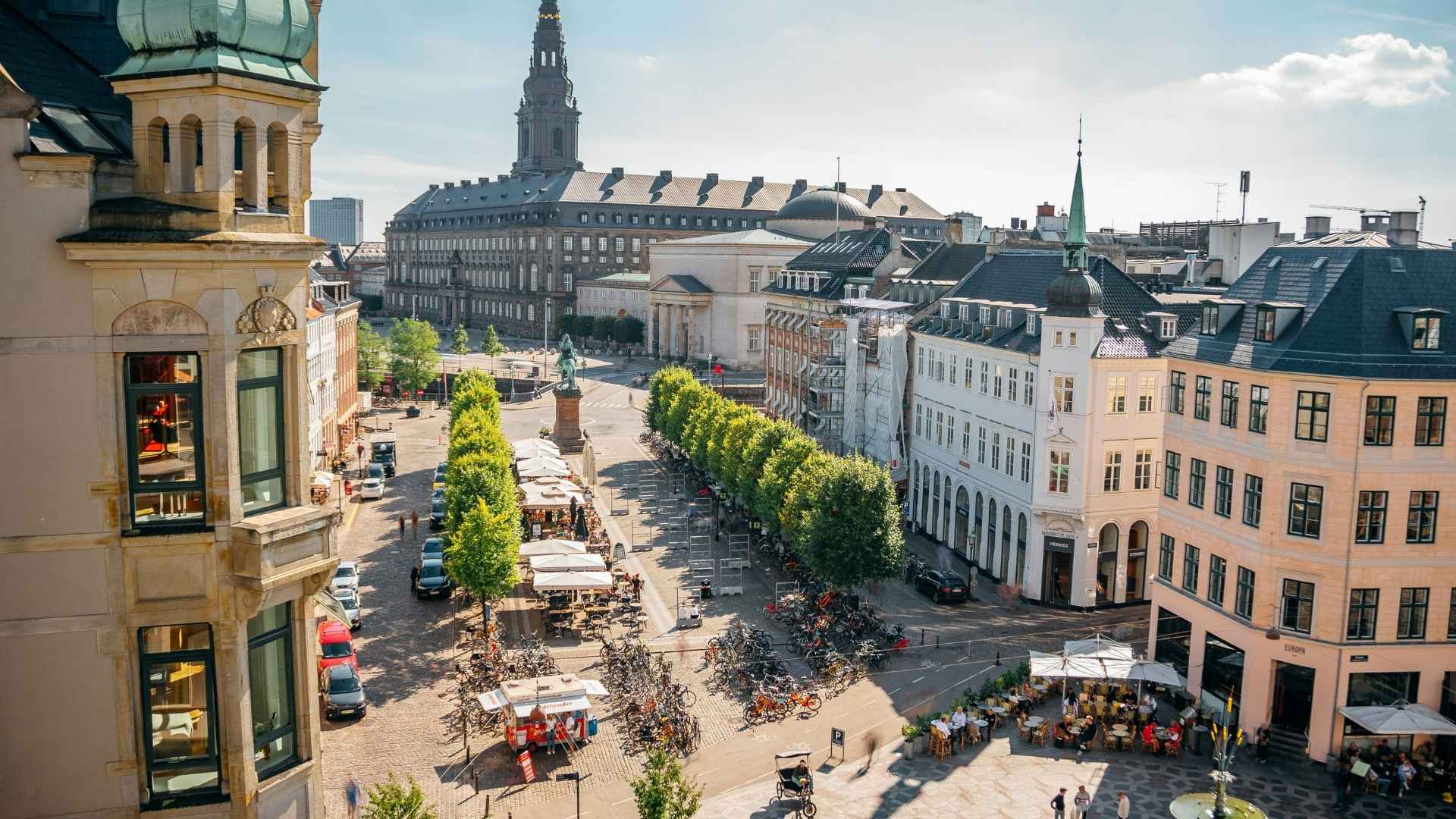
Kongens Nytorv is Copenhagen’s largest square and sits between Nyhavn and Strøget. The Royal Danish Theatre and Hotel d’Angleterre surround it. Laid out in 1670 by Christian V, the equestrian statue in the centre is one of Denmark’s oldest.
A natural starting point for exploring Indre By in any direction.
Did You Know? The square’s name means “The King’s New Square” and it replaced a muddy field locals once called “Hallandsaas.”
9. Copenhagen’s Canal District

The canals threading through Indre By were Copenhagen’s commercial arteries for centuries. Frederiksholms Kanal and Holmens Kanal are quieter alternatives to Nyhavn, with views of parliament buildings and old warehouses.
Canal boat tours run from Nyhavn, covering the main waterways in about an hour.
Did You Know? Copenhagen literally means “merchant’s harbour,” from the Danish København, reflecting the city’s origins as a trading port.
10. Botanical Garden

The Botanical Garden covers 10 hectares right in the centre of Copenhagen, free to enter. The historic Palm House glasshouse dates from 1874. A quiet escape from Indre By’s crowds.
The garden connects to Kongens Have and the Natural History Museum, making it easy to combine into a longer walk.
Did You Know? The Palm House was modelled on the Crystal Palace in London and houses plants from tropical regions around the world.
Explore Indre By your way
Indre By rewards anyone willing to wander past the obvious attractions - you can read our comprehensive guide to get even more info. The side streets, the canals, the courtyards behind the main facades. 850 years of history are packed into a remarkably small area, and most of it is walkable.
Use StoryHunt to create your own audio walks through Copenhagen’s old city with an interactive map. Available for iPhone and Android.
.avif)


.avif)














.avif)






.avif)


