
.webp)


TLDR: Kartoffelrækkerne in Copenhagen offers a unique glimpse into urban history, featuring picturesque terraced houses with a village-like atmosphere. Once workers' housing, it's now a sought-after, expensive residential area, ideal for a peaceful architectural stroll and a peek into local life, but don't expect typical tourist attractions.
Stepping into Kartoffelrækkerne, or "The Potato Rows," in Copenhagen feels like discovering a hidden village right in the city's heart.
If you're looking for an authentic slice of Danish urban life, away from the usual tourist circuit, this article will walk you through what makes Kartoffelrækkerne special, what to expect, and how it came to be such a unique spot in Scandinavia's vibrant capital.
What is the story behind The Potato Rows?

As I stroll along the quiet, tree-lined streets of Kartoffelrækkerne, I can almost feel the echoes of its past. This is a living piece of social history.
Back in the late 19th century, Copenhagen was a rapidly growing industrial city, but its working class faced cramped, unhealthy living conditions. A visionary group, the Workers' Building Society, stepped in with an innovative solution: a cooperative effort to build healthy, affordable homes. Between 1873 and 1889, these distinctive terraced houses, each with its own small garden, began to line up in orderly rows.
This initiative provided much-needed light, fresh air, and dignity, fostering a strong sense of community that still feels palpable today. It's a reminder of how collective action shaped a better future, and I found it quite moving.
Why is it called Kartoffelrækkerne in Copenhagen?
The name "Kartoffelrækkerne" means "Potato Rows" in Danish – it's quite an evocative image, isn't it? The houses are arranged in remarkably straight, parallel lines, much like the neat furrows of a planted field.
This area was actually agricultural land, once used for cultivating potatoes, before construction began. These humble homes, built to combat the devastating cholera epidemics of the 19th century by offering better living conditions, faced initial skepticism. Who would live so "far away" from the city center, people wondered at the time?
The irony is striking when you realize just how central and desirable the area is today, a testament to its enduring appeal.
How big are the houses in The Potato Rows?

From the outside, the houses in Kartoffelrækkerne appear compact, but don't let their uniform facades fool you. Originally, these were substantial three-story homes designed to house multiple families – often two or three, with each family typically occupying a single floor. Imagine the density in the early 1900s, when it wasn't uncommon for eight people to live in one dwelling!
Today, you’ll find that most have been converted into spacious single-family homes. While individual sizes vary due to renovations, I heard about one recently refurbished four-story house that measured a comfortable 180 square meters.
The visible transformation from its densely populated origins to its current, more expansive use per family is quite a story in itself. It highlights how these buildings have adapted over time, something we'll touch on next as we look at their present-day value.
Why is Kartoffelrækkerne so expensive?
Considering its origins as affordable workers' housing, the current price tag of a home in Kartoffelrækkerne is truly astonishing. What was once considered "far-flung" is now a prime location, sitting just a short 2 km from Copenhagen Central Station.
This central, yet surprisingly quiet, position is a huge draw. Beyond location, the houses themselves possess a unique charm: their distinctive yellow brick facades with red stripes, designed by architect Frederik Christian Bøttger, even won international awards.
But here's an interesting twist: in the 1970s, the city council actually planned to demolish them for a motorway. Residents rallied together, successfully saving their beloved neighborhood. This victory, combined with the scarcity of such well-preserved homes, each with its own small garden, in such a desirable area, has driven prices incredibly high – often between 10-17 million DKK.
Who lives in Kartoffelrækkerne?

The transformation of Kartoffelrækkerne's residents is as dramatic as its property values. Originally, these homes were built for Copenhagen's working class – craftsmen and lower-ranking officials – often shared by two or three families as a direct response to 19th-century cholera epidemics and poor living conditions.
Today, however, the demographics are a world apart. As I walked, I saw pristine gardens and well-maintained exteriors, reflecting an affluent population. Kartoffelrækkerne has become one of Copenhagen's most exclusive neighborhoods, sought after for its safe streets, charming architecture, and, of course, its central location.
While designed for multiple families, now typically just one family resides in each house. There's a strong community feel, with residents often tending their small front gardens and chatting with neighbors – a scene that feels both quaint and upscale.
Is it worth visiting The Potato Rows?
If you appreciate architectural aesthetics, urban planning, or a quiet, local experience, then absolutely. I found it offered a charming glimpse into Copenhagen's past, with its rows of beautifully maintained, colorful townhouses creating a unique "quaint village" atmosphere within the bustling city.
It's especially rewarding for photographers seeking picturesque streetscapes or anyone interested in social history. You'll observe the community feel firsthand, with residents often visible in their small gardens, adding to the authentic vibe.
However, it's crucial to set your expectations. This is primarily a residential area, so don't come looking for museums, shops, or high-energy attractions. If your itinerary prioritizes major landmarks or constant entertainment, you might find it underwhelming; it's essentially a pleasant stroll through a neighborhood.
I recommend visiting on a pleasant day, ideally in summer, when the gardens are in bloom, adding to the visual appeal. Allow yourself about an hour to wander the main streets. It's free to explore and easily accessible from central Copenhagen. To help prioritize your Copenhagen exploration, especially if you're on a tight schedule, consider how a tool like StoryHunt can offer guided audio tours that illuminate the stories behind places like Kartoffelrækkerne and help you decide where to spend your time most effectively.
What else can I do in Copenhagen?
.jpg)
Once you've explored the unique charm of Kartoffelrækkerne, you're perfectly positioned to discover more of Copenhagen's cultural highlights and green spaces. I found several key attractions within easy reach that pair wonderfully with a visit to The Potato Rows:
- Rosenborg Castle and The King's Garden: A short walk will bring you to this magnificent Dutch Renaissance castle. Beyond admiring the Danish Crown Jewels inside, you can unwind in The King's Garden, Denmark's oldest royal gardens, a popular spot for relaxation and picnics.
- Botanical Garden: Right next to Rosenborg, this green oasis houses Denmark's largest collection of plants. Don't miss the impressive historical glasshouses, including the iconic Palm House, a visual treat.
- Kastellet: For a dose of history and a peaceful walk, head to this remarkably well-preserved 17th-century star-shaped fortress. You can stroll along its ramparts, enjoying tranquil views and imagining its military past.
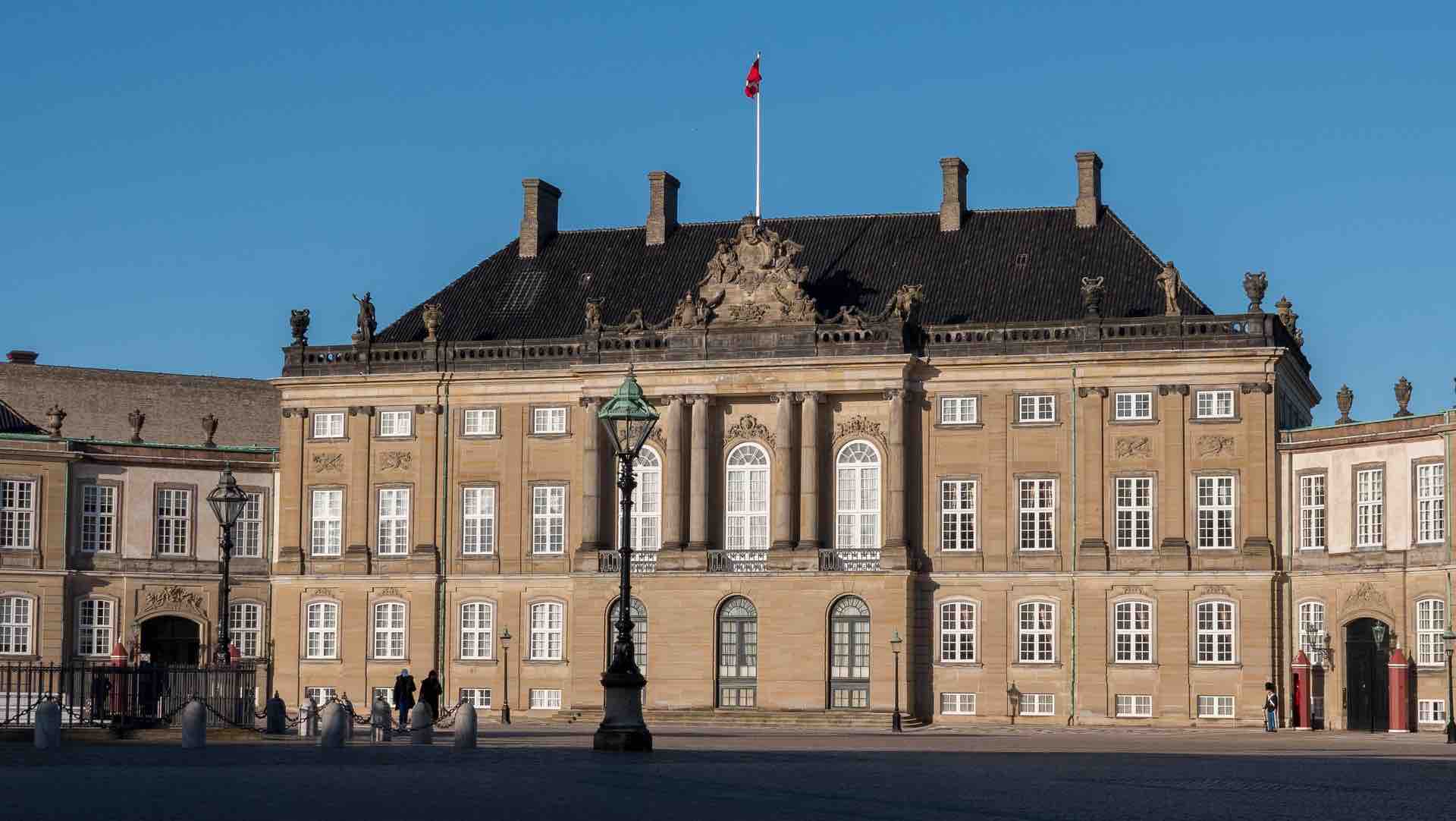
- Designmuseum Danmark: Not far away, this elegant 18th-century rococo building invites you to delve into Danish and international design history. It’s a beautifully curated space for art and design enthusiasts.
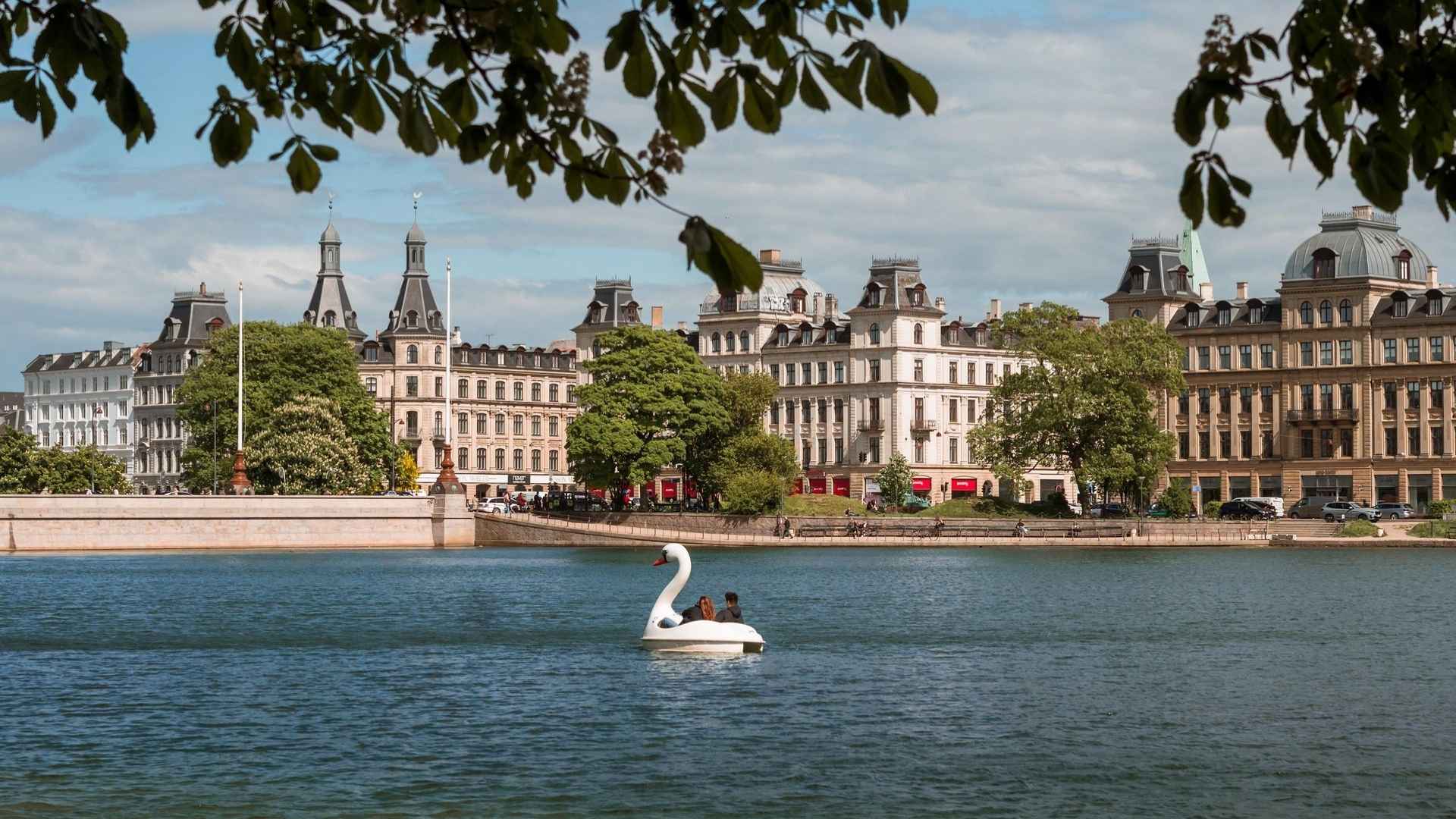
Beyond these specific sites, embrace the local charm of Østerbro itself. Enjoy a leisurely walk around The Lakes (Sortedams Sø), right next to Kartoffelrækkerne, or relax in Fælledparken, one of Copenhagen's largest parks. For another historical gem, consider Brumleby, an earlier workers' housing project built after the 1853 cholera epidemic, offering further insight into Copenhagen's social history. You can read our guide to the top attractions in Østerbro here.
And to make the most of your day, really understanding the tales behind these spots, consider using StoryHunt. It's like having a local expert whisper fascinating stories directly into your ear, guiding you through both famous sights and the kind of hidden gems that make a trip truly memorable.











.avif)



.avif)



.avif)





.avif)


