
.webp)


TLDR: Frederiksberg has royal gardens, an underground art cave, one of Europe’s oldest zoos, and Copenhagen’s most Parisian street. Technically its own municipality inside Copenhagen. Greener, calmer, and full of things most visitors miss.
Frederiksberg is where Copenhageners go when the city centre gets too hectic. This neighbourhood runs on a completely different energy from the tourist-packed streets around Nyhavn.
Technically its own municipality, entirely surrounded by Copenhagen, it has its own town hall and some of the best green spaces in the capital. In this guide, you'll get the inside scoops from a local to all the best places and things to do in Frederiksberg.
1. Frederiksberg Gardens (Frederiksberg Have)

Frederiksberg Gardens is one of Copenhagen’s most beautiful parks. King Frederik IV established the gardens in the early 1700s, redesigned into an English landscape garden in the 1790s with winding paths, canals, and small islands. Free entry, open daily.
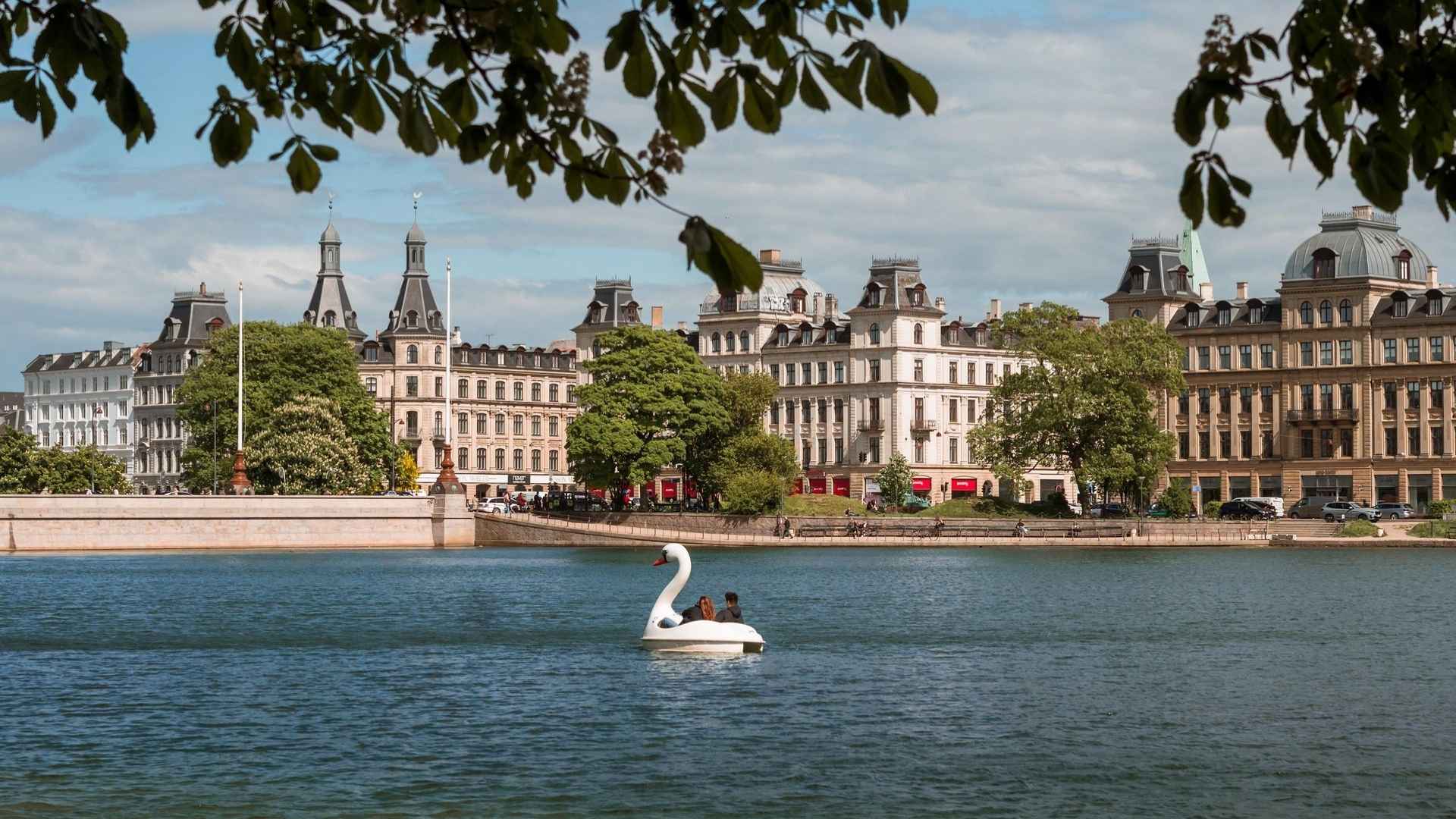
Rent a boat from Svendsens Bådfart and drift along the canals. The Chinese Pavilion from 1803 is one of the park’s prettiest surprises.
Did You Know? Until 1865, guards turned away sailors, dogs, and anyone in “poor clothing” from entering the royal park.
2. Cisternerne (The Cisterns)

Beneath Søndermarken’s grass lies Copenhagen’s strangest art space, The Cisterns. This former underground reservoir was built between 1856 and 1859 to hold 16 million litres of drinking water. Drained in 1981 and reopened for exhibitions in 1996, two glass pyramids now mark the entrance.
Each year, one internationally recognised artist creates a site-specific installation. In 2026, Marina Abramović presents her cinematic opera Seven Deaths.
Did You Know? Cisternerne is Denmark’s only dripstone cave, with stalactites forming naturally as water seeps through the concrete ceiling.
3. Frederiksberg Palace

This baroque Frederiksberg Palace sits atop Valby Hill overlooking the gardens. Built in the early 1700s for King Frederik IV, it later housed the scandalous Queen Caroline Mathilde and her lover Struensee. The Military Academy has occupied it since 1869, so you can’t tour inside.
The view from the terrace across the gardens is one of Copenhagen’s best.
Did You Know? Struensee installed a marble bathroom with hot running water for King Christian VII, but the king was too afraid of the narrow stairs to ever use it.
4. Copenhagen Zoo

Founded in 1859, Copenhagen Zoo is one of Europe’s oldest. It covers 11 hectares and houses over 4,000 animals. The Elephant House designed by Norman Foster is worth seeing for the architecture alone.
The old wall between the zoo and the gardens was replaced with a fence, so you can watch the elephants from the park for free.
Did You Know? When the zoo opened in 1859, the collection included a seal in a bathtub and a turtle in a bucket.
5. Take a Guided Audio Walk

Frederiksberg is packed with stories you won’t notice just walking around: royal scandals, why the parks were redesigned, the merchant history behind Værnedamsvej. With the StoryHunt app you can create customised audio walks with an interactive map guiding you between locations.
Pick what fascinates you, and the app builds a personalised route with narrated stories.
Did You Know? Frederiksberg has been independent since 1857 and has never merged with Copenhagen despite being completely surrounded by it.
6. Værnedamsvej

Copenhageners call the street Værnedamsvej “Little Paris”. Running between Vesterbro and Frederiksberg, it’s lined with French-inspired cafes, wine bars, and boutiques. The Parisian atmosphere took hold after the French school Lycée Français moved nearby in 1973.
Café Granola is the go-to for brunch. Juuls Vin og Spiritus has sold wine here since 1926.
Did You Know? In the late 1800s, Værnedamsvej was known for its butcher shops, not French charm.
7. Søndermarken

While Frederiksberg Gardens get the attention, Søndermarken across Roskildevej is where locals go for quiet. Hillier and more open, with wide lawns perfect for picnics. Together with the gardens, 64 hectares of green space.
On Midsummer Eve, thousands gather for the traditional bonfire and singing.
Did You Know? On Midsummer Eve, Danes burn a symbolic witch on the bonfire to send evil spirits away to Bloksbjerg in Germany.
8. Landbohøjskolens Have

Landbohøjskolens Have is one of Frederiksberg’s best-kept secrets. Founded in 1858 as a teaching garden for the Royal Veterinary and Agricultural University, it’s now part of the University of Copenhagen and open to the public. Over 6,000 plant species fill a romantic landscape of winding paths, a brook, a rose garden, and shaded groves.
The converted greenhouse houses Café Væksthuset, a local favourite for coffee surrounded by greenery. Free entry, open daily from sunrise to sunset.
Did You Know? The garden was officially renamed Universitetshaverne, but locals still call it Landbohøjskolens Have.
9. The Hill House

The Hill House - or Bakkehuset - is Frederiksberg’s oldest building dates back to the 1520s and has been a farmhouse, inn, and private home. It’s best known for the Danish Golden Age, when the literary couple Kamma and Knud Lyne Rahbek hosted salons here from 1802 to 1830. Hans Christian Andersen visited as a young man and found encouragement to become a writer.
Today it’s a museum with authentic period rooms and a charming garden. The Orangery café serves food inspired by historical recipes. Children under 18 free.
Did You Know? Bakkehuset means “Hill House” in Danish, named for its position on Valby Hill when the area was still deep countryside outside Copenhagen.
Explore Frederiksberg Your Way
Frederiksberg rewards curiosity. The parks, palace scandals, underground art, and cafe culture all connect once you know the stories. You can read our full guide to Frederiksberg here.
With the StoryHunt app you can get a tailored audio walk with an interactive map based on your interesest. Available for iPhone and Android. Download StoryHunt for Android and iOS here.


.jpg)


.avif)











.avif)








.avif)



.avif)


