
.webp)


TLDR: Østerbro offers Copenhagen’s greenest parks, a 17th-century star fortress, The Little Mermaid, a local beach, and charming worker’s row houses. Less touristy than Nyhavn, more polished than Nørrebro. Budget half a day minimum.
Østerbro is where Copenhageners actually live, and it shows. This is the neighbourhood where parents park strollers outside cafes without locking them, where the parks fill up the moment the sun appears, and where you can walk for twenty minutes without bumping into another tourist.
As a Dane, I keep coming back to Østerbro because it reveals a side of Copenhagen that most visitors never see. If you want to understand what makes this city one of the most liveable in the world, start here.
1. Kastellet (The Citadel)

Kastellet is one of the best-preserved star fortresses in Northern Europe and completely free to enter.
Built in the 1660s under King Frederik III, this pentagon-shaped citadel still houses Danish military offices while doubling as a peaceful public park. The red barracks, the working windmill from 1847, and the tree-lined ramparts make it one of Copenhagen’s most atmospheric spots.
Walk the ramparts for harbour views and then continue to the Little Mermaid statue and the Gefion Fountain nearby. I find early mornings best here, before the tour buses arrive. The fortress is open daily from 6 AM to 10 PM.
Did You Know? The windmill at Kastellet is the last working mill from Copenhagen’s old fortifications, which once had 16 windmills along the city’s ramparts.
2. Fælledparken

Copenhagen’s largest public park covers 58 hectares and was designed as a “people’s park” when it was established between 1906 and 1914.
Fælledparken is where Østerbro comes alive. You’ll find football games, runners on the 3.5-kilometre loop, families at the tower-themed playground, and one of Northern Europe’s largest skateparks. On May 1st, the entire park fills with labour union rallies and celebrations, a tradition dating back over a century.
I recommend visiting on a warm weekday afternoon when the lawns are full but not overcrowded. The park also sits next to Parken, Denmark’s national football stadium, so match days bring extra energy.
Did You Know? Fælledparken’s skatepark covers 4,500 square metres, making it one of the largest in Northern Europe.
3. Take a guided audio walk

Østerbro is a neighbourhood that rewards slow exploration, and a guided audio walk is one of the best ways to connect the stories behind the streets. Instead of rushing between landmarks, you walk at your own pace while learning about the architecture, history, and local culture along the way.
StoryHunt lets you create a customised audio walk based on your interests. Whether you’re curious about the working-class history of Kartoffelrækkerne, the military past of Kastellet, or the cafe culture along Østerbrogade, the interactive map guides you between the neighbourhood’s best spots with stories that bring the area to life.
Did You Know? Østerbro takes its name from Østerport, the old eastern gate in Copenhagen’s city walls, which were dismantled in the 1850s.
4. Kartoffelrækkerne (The Potato Rows)
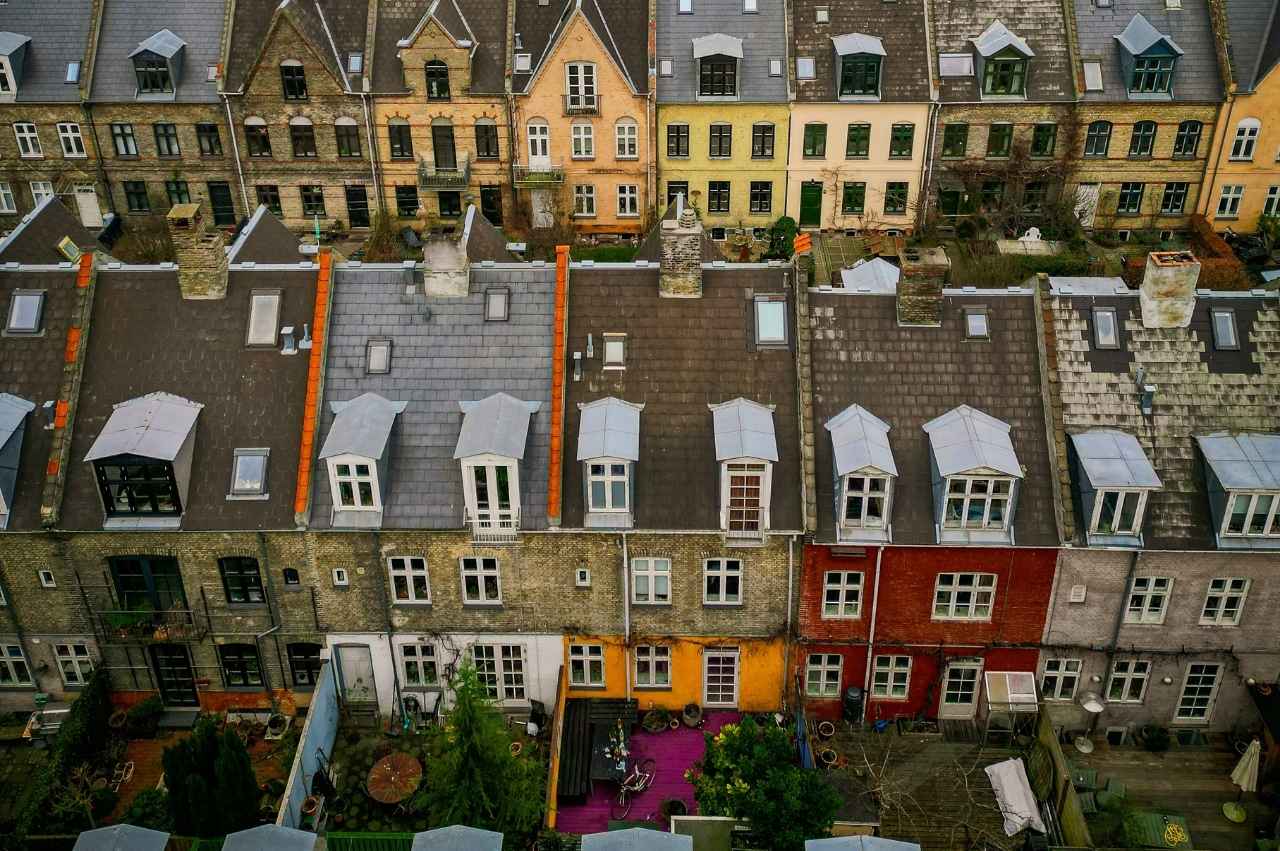
These 480 terraced houses, Kartoffelrækkerne (or the Potato Rows) were built in the 1870s by the Workers’ Building Association to provide affordable housing for Copenhagen’s working class. The name comes from the potato fields that occupied this land before construction began.
Today, these yellow-brick row houses are among Copenhagen’s most expensive and sought-after properties. The streets are semi-pedestrianised, lined with small front gardens and flowering plants.
I love wandering here because it feels like stepping into a village within the city. In summer, residents hold neighbourhood flea markets right on the street. It’s a perfect example of how Copenhagen transforms working-class heritage into something worth preserving.
Did You Know? In the 1970s, Copenhagen city council planned to demolish Kartoffelrækkerne and build a motorway over the lakes, but residents fought back and won, saving the entire neighbourhood.
5. The Hirschsprung Collection

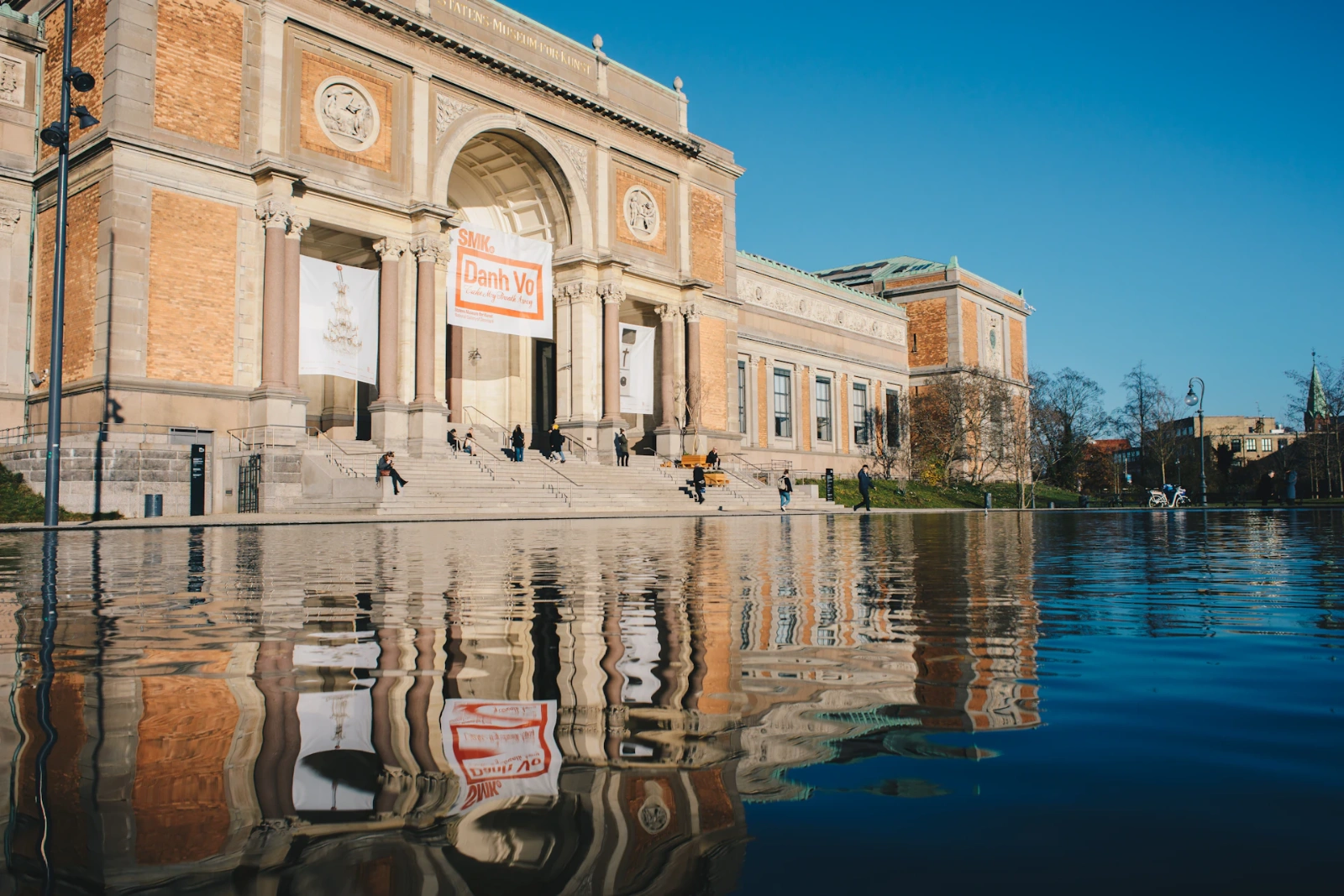
Tucked inside Østre Anlæg park, this intimate museum, The Hirschsprung Collection, houses over 700 works of Danish art from the 19th and early 20th century.
The collection was built by tobacco manufacturer Heinrich Hirschsprung, who donated it to the Danish state in 1902. The museum opened in 1911 in a neoclassical building designed by H.B. Storck, and its small galleries feel more like visiting a private home than a formal museum.
The emphasis is on the Danish Golden Age and the Skagen Painters, including works by Eckersberg, Købke, and P.S. Krøyer. I recommend this to anyone who wants to understand Danish artistic identity without the crowds of the National Gallery next door.
Did You Know? The museum’s entrance hall features a floor mosaic by Joakim Skovgaard depicting tobacco plants, honouring the founder’s profession.
6. Copenhagen Lakes (Søerne)

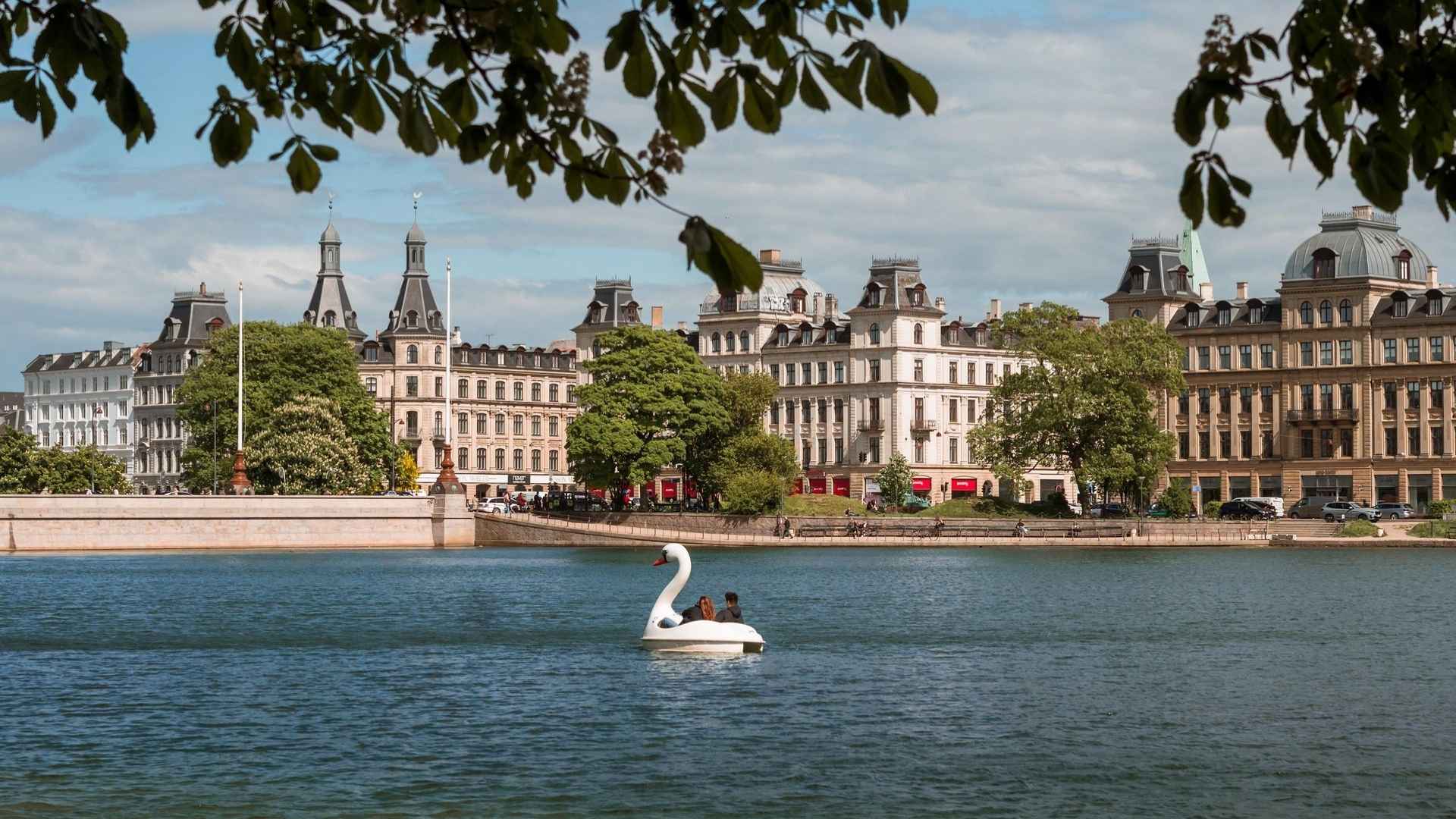
The three connected Copenhagen Lakes along Østerbro’s western edge create a six-kilometre path popular with joggers, cyclists, and anyone looking for a break. Sortedams Sø is the section closest to Østerbro, and the benches lining the water are prime spots for people-watching. In summer, you can rent rowing boats at Søernes Bådudlejning near Dronning Louises Bro.
I find the lakes at their best on a still evening when the reflections are sharp and half of Østerbro seems to be out for a walk. They’re not exactly wilderness, but they provide that rare feeling of space in a dense city.
Did You Know? The Copenhagen Lakes were originally part of the city’s medieval fortification system, serving as a water barrier to protect against attacks from the west.
7. The Little Mermaid
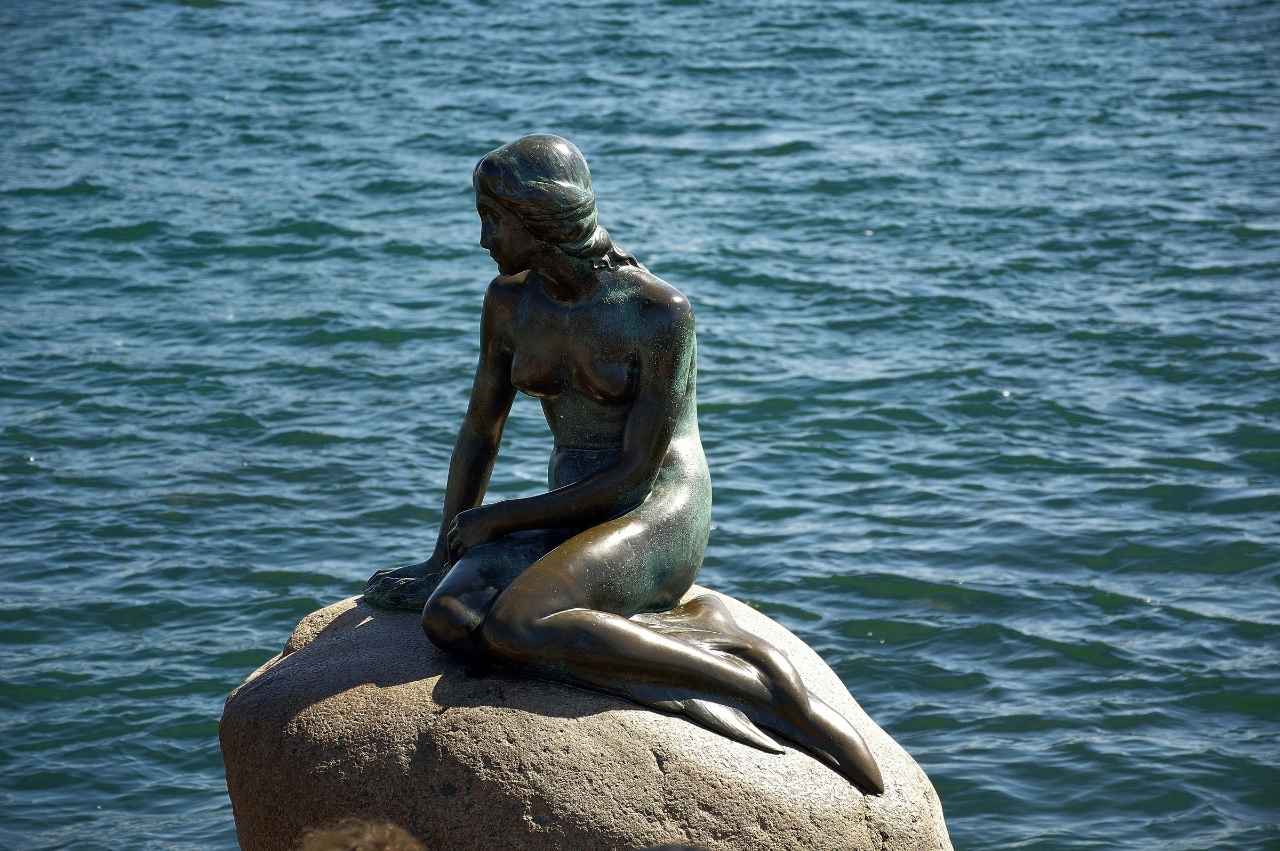
Copenhagen’s most famous statue, The Little Mermaid, sits on a rock at the Langelinie promenade, just steps from Kastellet.
Sculptor Edvard Eriksen created this bronze figure in 1913, commissioned by Carlsberg brewer Carl Jacobsen after he attended a ballet based on Hans Christian Andersen’s 1837 fairy tale. The statue is smaller than most people expect at just 1.25 metres tall, but she draws over a million visitors a year.
I’ll be honest: many visitors feel underwhelmed when they see how small she is. But if you know the story behind her, she becomes more interesting. Eriksen’s wife Eline modelled the body because the ballerina Ellen Price refused to pose nude.
Did You Know? The statue has been decapitated twice, in 1964 and 1998, and her head from the first incident was never recovered. A new head had to be cast from the original mould.
8. Svanemøllestranden

Copenhagen added this beach park in 2010, and locals have claimed it as their own ever since. The 130-metre jetty extends into the Øresund, and the sandy stretch fills up fast on warm days.
Lifeguards patrol during summer, but swimming is permitted year-round if you’re brave enough for Danish water temperatures.
It’s a proper neighbourhood beach rather than a tourist attraction. I’ve seen people reading, barbecuing, and swimming here on weekday afternoons when the rest of Copenhagen is at work. Combine it with a walk through nearby Nordhavn for a full waterfront afternoon.
Did You Know? Swimming at Svanemøllestranden is allowed year-round, and winter swimming has become increasingly popular among Copenhageners.
9. Østerbrogade and the Café Scene

Østerbrogade is the main street running through the neighbourhood, and it’s where you’ll find the best of Østerbro’s cafe and dining culture. From Trianglen junction northward, the street is lined with bakeries, design shops, and cafes that fill their sidewalk tables the moment temperatures rise above 10 degrees.
Juno the Bakery is a local favourite for sourdough and pastries. Leckerbaer serves gourmet cookies from Michelin-trained chefs.
If you want to experience how Copenhageners treat coffee and cake as a legitimate afternoon activity, Østerbrogade is where to do it.
Did You Know? Trianglen, the junction where Østerbrogade meets several other streets, gets its name from the triangular shape of the public space where five roads converge.
Explore Østerbro your way
Østerbro proves that some of Copenhagen’s best experiences happen away from the tourist trail. Whether you’re walking the ramparts of a 17th-century fortress or just sitting by the lakes with a pastry from a local bakery, this neighbourhood shows you what Copenhagen actually feels like when nobody’s performing for visitors. You can read our full guide to Østerbro here.
Want to discover Østerbro with context and stories as you walk? StoryHunt creates custom audio walks based on your interests.
The interactive map guides you through the neighbourhood’s best streets and hidden corners at your own pace, connecting architecture, history, and local culture into a personalised experience. Download StoryHunt for Android and iOS here.




.avif)


.avif)














.avif)



.avif)


