
.webp)



TLDR: Dronning Louises Bro is a vibrant social hub connecting Copenhagen's city center to Nørrebro, renowned for its thousands of daily cyclists and lively atmosphere, offering a unique glimpse into local life and stunning lake views.
As a local in Copenhagen, I often find myself repeatedly drawn to Dronning Louises Bro – or Queen Louise's Bridge. It's far more than a way to get from A to B; it's a living, breathing part of the city's pulse, a place where locals truly gather.
If you're looking for practical insights into what makes this bridge so special - from its rich history to its current role as a social hotspot and major cycling artery - you're in the right place. Let's peel back the layers of this fascinating landmark.
What is the story behind Dronning Louises Bro?

Dronning Louises Bro connects central Copenhagen with the vibrant Nørrebro district, spanning across the tranquil lakes. This crossing has a history stretching back to the 16th century, though the elegant granite structure you see today took shape much later. Built between 1885 and 1887, it was designed by Vilhelm Dahlerup and City Engineer Charles Ambt, replacing an older bridge that couldn't handle the growing city's demands.
The bridge was named for Queen Louise, King Christian IX's wife, a figure known for her charitable work and her children's strategic royal marriages across Europe. Interestingly, an earlier idea for the bridge proposed shops along its sides, reminiscent of Florence or Venice, but a simpler design was chosen.
Today, it’s a symbol of Copenhagen's evolution. A 2011 redesign widened the pedestrian and bike paths, transforming it into a cherished social space. Thousands of cyclists stream across it daily, and on sunny afternoons, you'll find people laughing, chatting, and people-watching from its benches. To dive deeper into such stories around Copenhagen, StoryHunt offers compelling audio guides - try out the StoryHunt app here.
Where is Dronning Louises Bro located?
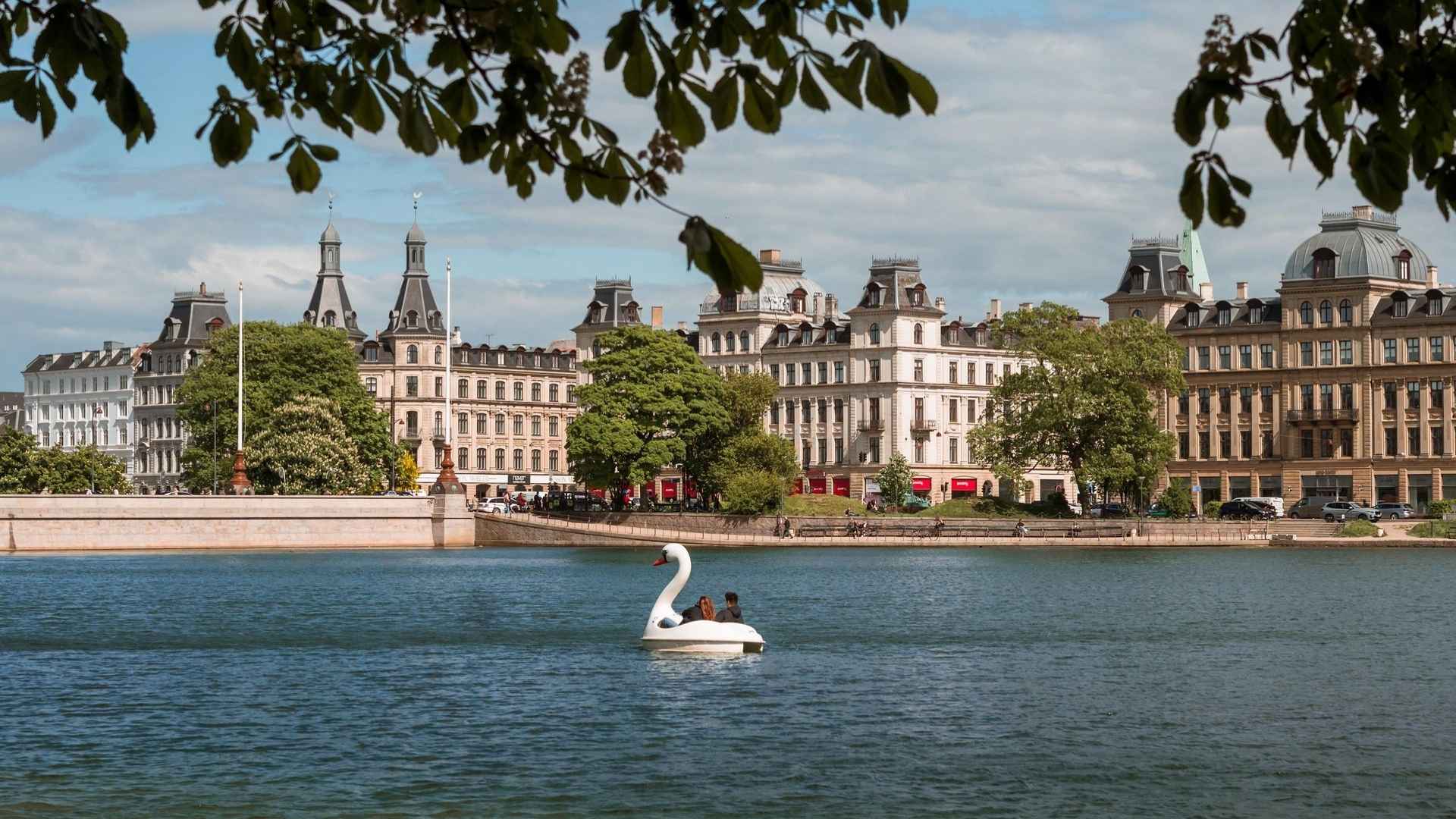
You'll find Dronning Louises Bro centrally positioned in Copenhagen, acting as a crucial link between the Inner City (Indre By) and the dynamic Nørrebro district. It stretches across The Lakes, specifically separating Sortedam Lake to your northeast from Peblinge Lake to your southwest.
Its location makes it a natural gathering spot, particularly on the "sunside" where locals soak up the rays. A significant change in 2011 saw the road narrowed, creating generous sidewalks and bike lanes. This move drastically reduced car traffic and boosted bicycle use, cementing its status as one of Copenhagen's busiest cycling corridors.
Why is it called Dronning Louises Bro?

The bridge proudly bears the name of Queen Louise of Hesse-Kassel, the queen consort of Denmark's King Christian IX. The reason for this specific name dates back to its construction. It officially opened on September 7, 1887, on Queen Louise’s 70th birthday. The bridge was named in her honor.
Queen Louise herself was a prominent figure, and earned the nickname "Europe's mother-in-law" because her children married into numerous royal families across the continent, enhancing Denmark's international standing. So, while you might hear about grander, shop-lined bridge designs that were once considered, the chosen name honors a queen who embodied a new era for Denmark.
Can you walk across Dronning Louises Bro?
Absolutely, walking across Dronning Louises Bro is one of the best ways to experience it! The bridge boasts generously wide sidewalks, perfect for a leisurely stroll. You’ll have ample space to take in the impressive views of The Lakes and the city beyond. It's also fully accessible, so whether you're pushing a stroller or using a wheelchair, you'll find it easy to navigate.
You might even find yourself lingering longer than planned, simply soaking in the local vibe before you consider the sheer number of cyclists speeding past.
How many cyclists cross Dronning Louises Bro?

If you spend any time on Dronning Louises Bro, you'll quickly realize it's a major cycling artery. Prepare to see a steady stream of bicycles, sometimes feeling like a river of two-wheelers.
Estimates suggest approximately 40,000 to 50,000 cyclists cross this bridge daily! This incredible volume solidifies its reputation as one of the busiest stretches for bicycle traffic anywhere in the world.
Is it worth visiting Dronning Louises Bro?
If you're interested in truly feeling the pulse of Copenhagen, Dronning Louises Bro is definitely worth your time. It offers an authentic glimpse into local life that many traditional attractions can't. You get expansive views of the picturesque Copenhagen Lakes, historic buildings, and the dynamic cityscape – perfect for photos, especially at sunset or sunrise.
However, if you're expecting a museum-like experience with exhibits, you might find it less compelling. It is, after all, a bridge. During peak hours, particularly on warm, sunny afternoons, it can get quite crowded, which might detract from a peaceful moment.
The best time to visit is undoubtedly on a pleasant day, ideally from late spring through early autumn (May to September), when the bridge truly comes alive. It's accessible 24/7, so an early morning stroll offers quiet reflection, while a sunny afternoon provides vibrant energy. It's ideal for travelers who enjoy urban photography, immersing themselves in local culture, or exploring by bike. For prioritizing other sights and ensuring you make the most of your time in Copenhagen, StoryHunt can offer helpful guidance. You can download the app here.
What else can I do in Copenhagen?

From your vantage point on Dronning Louises Bro, you’re perfectly situated to explore beyond the lakes. This bridge serves as a natural gateway to some fantastic areas and experiences. You should particularly check out in Nørrebro, and read our guide to the top attractions.
Here are a few ideas to expand your visit:
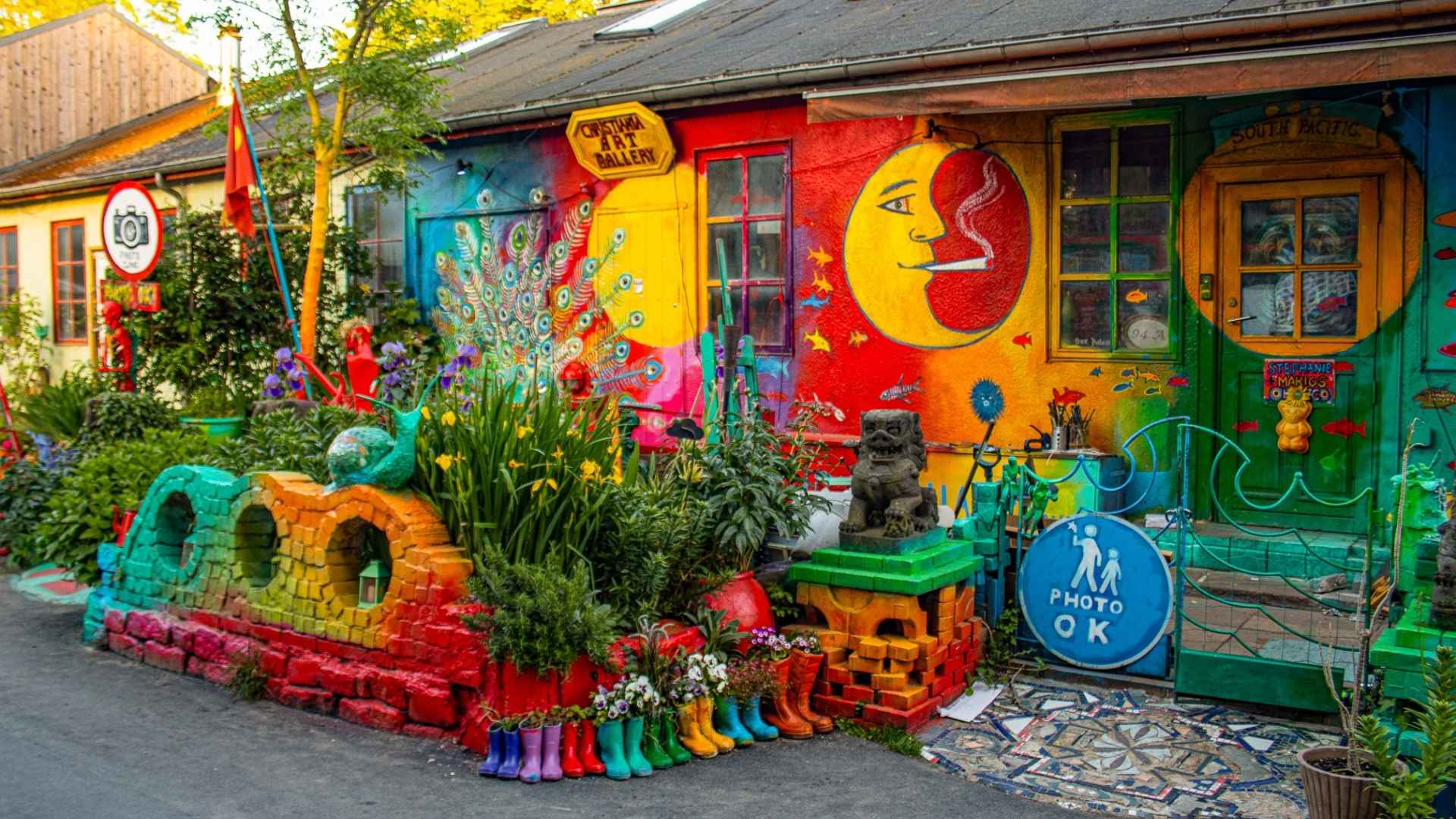
- Discover Nørrebro's unique vibe: Just across the bridge, Nørrebro awaits. Stroll down Jægersborggade to find independent boutiques, craft coffee, and gourmet food spots. Or explore Blågårdsgade, known for its cozy cafes and second-hand treasures.
- Relax at Assistens Cemetery: This historic cemetery in Nørrebro doubles as a tranquil green space. Locals often picnic here, enjoying the peace among the resting places of famous Danes like Hans Christian Andersen. It's a surprisingly serene escape.
- Cycle or pedal on The Lakes: While the bridge offers great views, consider getting onto the water itself. During warmer months, you can rent a swan pedal boat for a unique perspective, or simply walk or bike along the promenades that line the lakes.
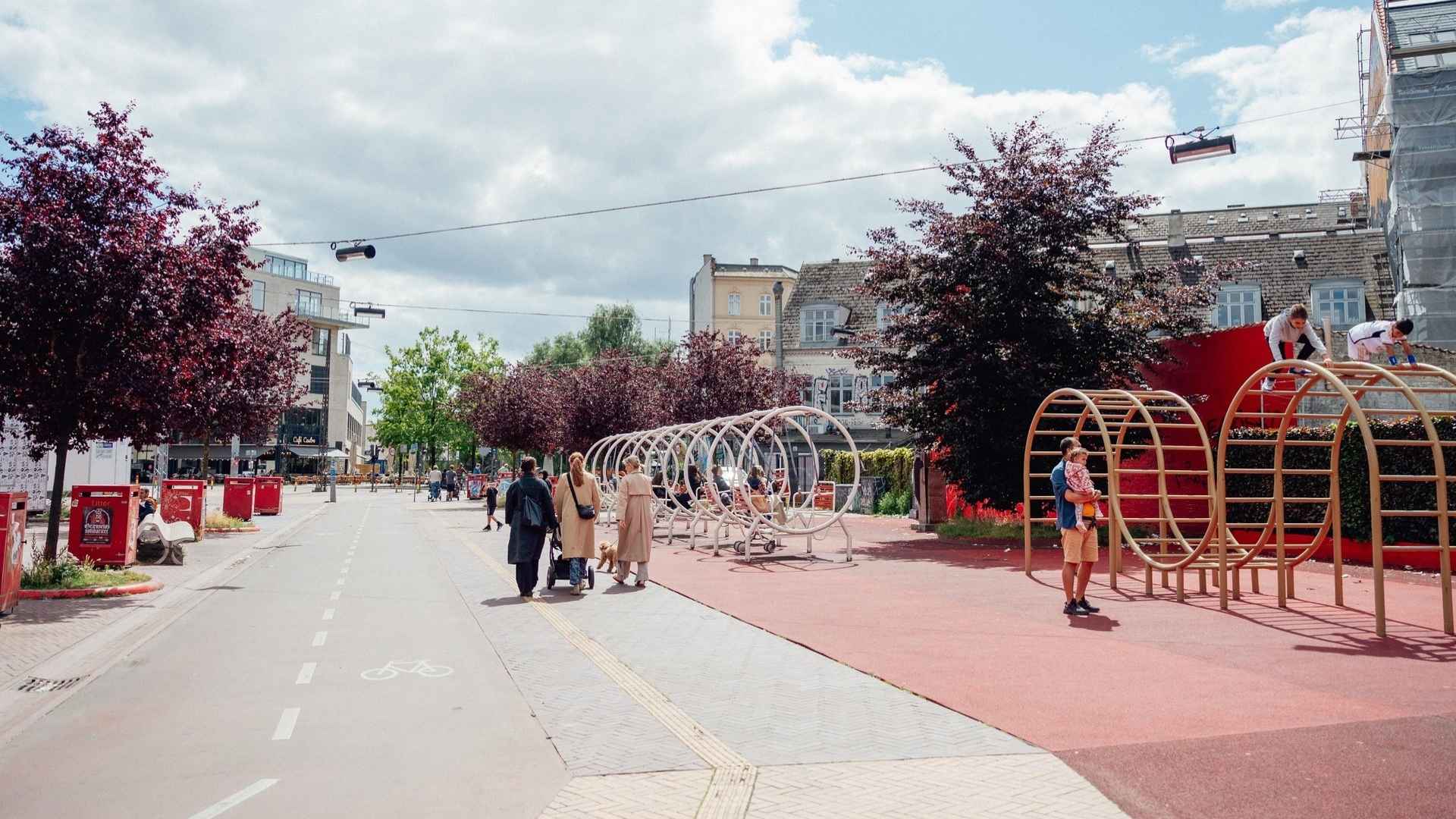
- Visit Superkilen Park: Located further into Nørrebro, this unconventional urban park is a must-see. It's designed with themed zones featuring objects from around the world, creating a visually stimulating and truly engaging public space.
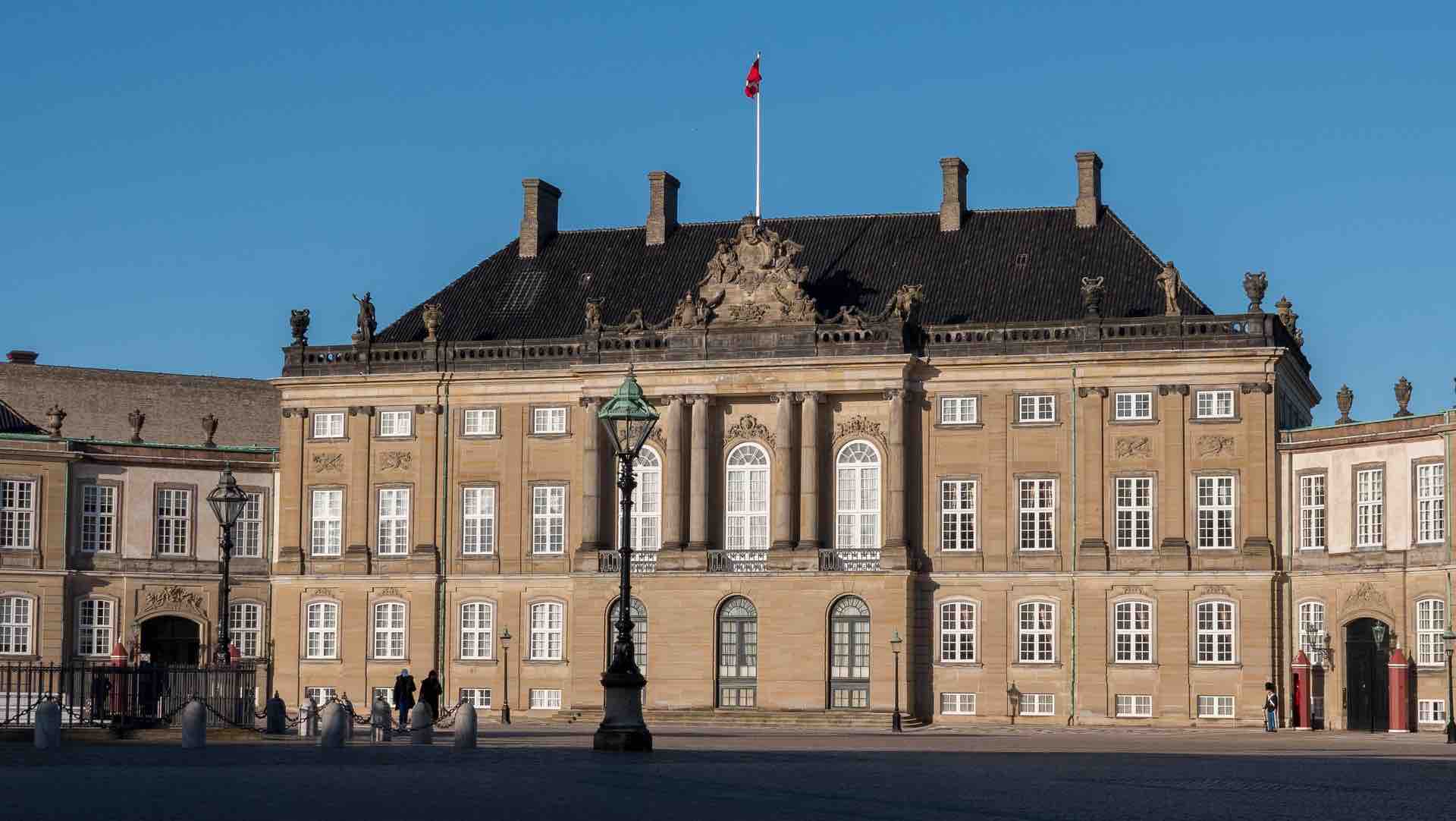
- Explore Rosenborg Castle and The King's Garden: A short distance from the bridge, this 17th-century castle houses the Danish Crown Jewels. Its surrounding gardens are beautifully maintained and offer a peaceful spot for a leisurely walk.
For an even deeper understanding of both the famous attractions and hidden gems throughout Copenhagen, remember to check out StoryHunt. It provides engaging audio stories right as you explore the city, enriching every step of your journey. Download StoryHunt for Android and iOS here.



.avif)










.avif)





.avif)


.avif)


