
.webp)



TLDR: Istedgade offers a dynamic blend of deep history, evolving culture, and vibrant urban energy, where grit meets modern style, providing unique shopping, diverse dining, and a nightlife that shifts from trendy to edgy depending on where and when you explore.
Istedgade in Copenhagen’s Vesterbro district is a living narrative. As a seasoned traveler, I'm always drawn to places that tell a story, and as alocal in Copenhagen, I know that this street certainly delivers.
Forget the postcard views for a moment, this article will walk you through what I often see, hear, and feel here, offering practical insights into its past, its present vibe, what you can expect, and whether it’s truly worth your time.
What is the story behind Istedgade Copenhagen?

Stepping onto Istedgade felt like walking through Copenhagen's vibrant past. This street, established in 1858, initially served a working-class community, quickly developing a reputation for lively inns and entertainment.
But its spirit truly shone during World War II, when it became a hub of Danish resistance against German occupation. In a back room at Stjerne Radio at number 31, the courageous "Holger Danske" resistance group was formed – a site now preserved as a museum. You can still feel the defiance in the air, echoing the legendary wartime slogan: "Istedgade never surrenders".
To truly uncover these fascinating layers and other captivating stories across the city, you can use StoryHunt to get audio stories about this and all the other attractions in København, bringing the history right to your ears.
What is Istedgade known for?
Istedgade, nestled in Vesterbro, is known for its remarkable transformation. While its working-class roots and post-war era as a red-light district are undeniable, it's now a melting pot of culture and modern urban life.
I saw independent boutiques, sleek art galleries, and cozy cafes lining the street, bustling with locals and visitors. This blend creates a unique energy; you’ll find trendy eateries and vibrant bars alongside subtle reminders of its grittier past. It’s a street that feels alive, reflecting Copenhagen’s ability to evolve while retaining its authentic character.
How this transformation impacts its reputation as a red-light district is often a point of curiosity, which we’ll address next.
Where is the red district in Copenhagen?
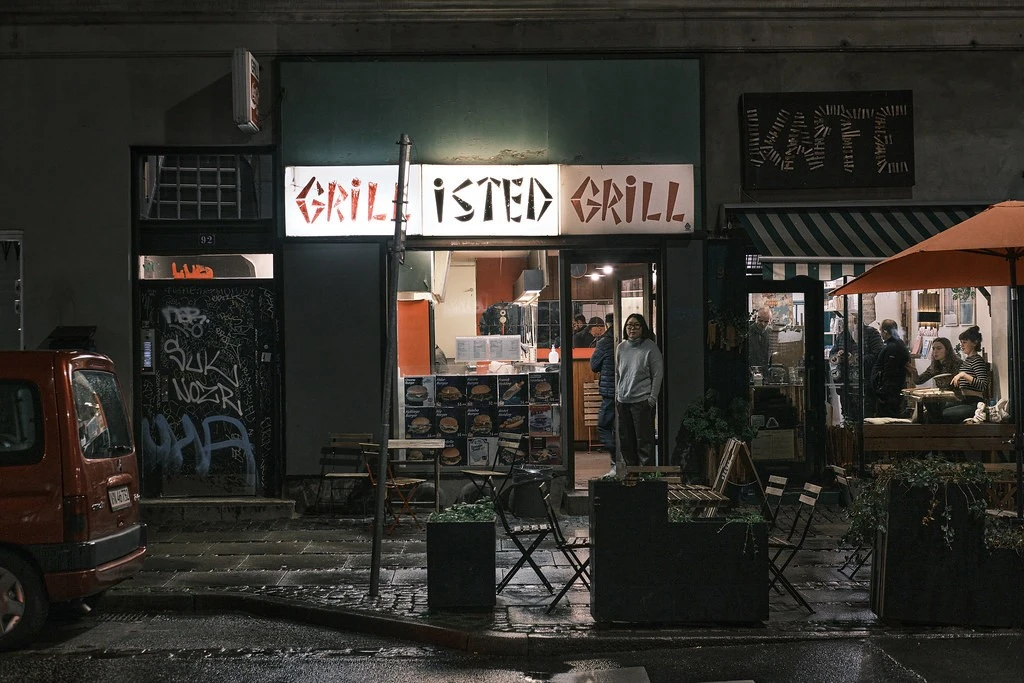
Copenhagen's traditional red-light district is indeed concentrated along Istedgade, particularly closer to the Central Station end. You will still find sex shops with neon glow and adult entertainment venues in this specific area.
However, it’s important to understand that Istedgade has changed dramatically. What was once its primary identity has largely given way to a thriving, diverse street. The presence of these establishments creates an interesting contrast with the fashionable boutiques and cafes found elsewhere on the street, making it a unique sight.
Is it safe to go to Istedgade Copenhagen?
Generally, yes, Istedgade is considered safe for visitors, especially during daylight hours. Like many urban areas, though, vigilance is key, particularly at night.
Closer to Copenhagen Central Station, where the remnants of the red-light district are more prominent, you might encounter drug peddlers or suspicious individuals. If you’re traveling solo or late at night, sticking to well-lit areas and being aware of your surroundings is always a good idea.
Overall, Copenhagen boasts low crime rates, making Istedgade relatively secure within the city's broader context, but it’s worth knowing what areas might require extra attention.
Where not to go in Copenhagen?

While Copenhagen is overwhelmingly safe, a few areas might require extra caution or a different mindset. On Istedgade itself, the area near Central Station can feel a bit rougher at night due to adult entertainment venues and occasional drug activity.
Another place that requires awareness is Freetown Christiania, particularly Pusher Street. While culturally significant, the open cannabis trade there means it’s best visited during daylight hours.
I'd also suggest being mindful in crowded tourist hubs like Strøget or around Central Station after dark, as pickpockets can be present. Sticking to the main, well-trafficked areas will generally keep you feeling secure.
Is Istedgade a good place to shop?
Absolutely, Istedgade is a fantastic place to shop, especially if you're hunting for unique items that stand apart from typical high-street chains. The street is a treasure trove of independent boutiques, vintage finds, and design stores. Everything from quirky home decor to contemporary Scandinavian fashion.
For women's fashion, you might spot unique pieces at Donn Ya Doll, while Dansk offers minimalist Danish design and quality leather bags. A truly distinctive spot is Hats, Boots & Bourbon, which combines men's clothing with a whiskey bar – a unique experience!
It's a shopping experience that truly reflects the street's eclectic and evolving character.
Is it worth visiting Istedgade Copenhagen?

Istedgade offers a distinctly dynamic experience that makes it well worth a visit, especially if you appreciate authentic local culture and unique urban energy. Its blend of independent shops, diverse eateries, and lively nightlife, alongside subtle historical grit, provides a raw yet evolving charm.
The best time to experience its full vibrancy is during the warmer months, from April to September, when the outdoor seating areas are full and the atmosphere is electric. While some may prefer a more polished neighborhood, if you're seeking unique shopping, good food, and a genuine slice of Copenhagen's evolving urban identity, Istedgade absolutely delivers.
What else can I do in København?
Beyond Istedgade, Copenhagen offers so much more to discover.
- Just a short walk away, you can immerse yourself in Kødbyen, the Meatpacking District, transformed into a trendy hub with acclaimed restaurants and art galleries, particularly vibrant in the evenings.
- For a different pace, wander the charming side streets of Vesterbro itself, uncovering hidden courtyards and local cafes.
- A classic must-see, Tivoli Gardens, offers a magical escape with its historic amusement park and beautiful gardens.
- Or, for something truly unique, visit Cisternerne, a former underground reservoir now an atmospheric art space.
There's a wide array of experiences waiting for you, from historic sites to modern culinary delights. You can also read our full guide to Vesterbro here.
If you want to uncover more of Copenhagen, use the StoryHunt app as your personal guide - it can be downloaded here for free.





.avif)








.avif)
.avif)






.avif)


