.webp)



TLDR: Glyptoteket offers a captivating blend of ancient history and 19th-century art, all within a stunning, light-filled building with a truly unique Winter Garden. Expect diverse collections, but plan your visit to avoid crowds, especially if you prefer quiet contemplation.
Ny Carlsberg Glyptotek is a must-visit for art enthusiasts in Copenhagen, blending ancient history with 19th-century masterpieces.
Whether you are exploring its vast collection of antiquities, observing Egyptian mummies, or relaxing in the iconic glass-domed Winter Garden, this guide provides all the practical information needed for a seamless visit.
What is the story behind Glyptoteket?
The Glyptoteket began with one man's passion: Carl Jacobsen, son of the Carlsberg Brewery founder. He started collecting art in his private villa's winter garden back in 1882, opening it to the public because he believed art should be for everyone. This belief led him to donate his vast collection to the city and state in 1888, paving the way for the Glyptoteket's grand opening in 1897. Its name, "Glyptotek", fittingly means a place for displaying sculptures, reflecting its initial focus.
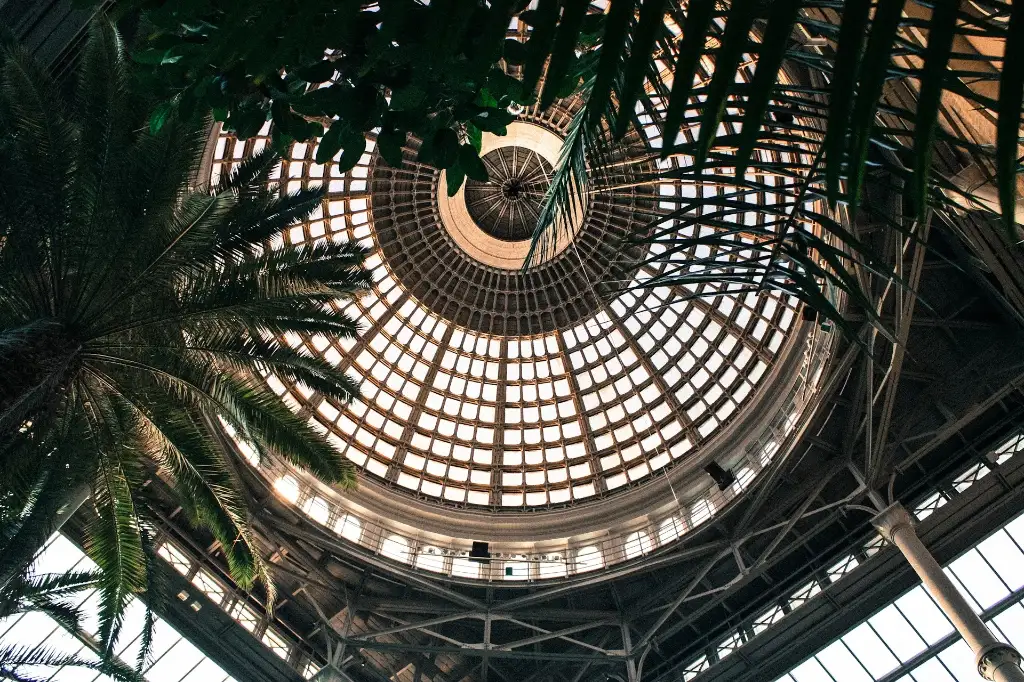
The building itself is a sight, merging two distinct wings around a breathtaking central Winter Garden. Picture tall palm trees reaching towards a towering glass dome, with the gentle sound of a fountain. Jacobsen's influence extended across Copenhagen; he even commissioned the iconic Little Mermaid statue.
Inside, you'll find an astonishing 10,000 works spanning 6,000 years, designed to be bathed in natural light through clever skylights. For deeper insights into this and other city narratives, you might find an audio guide helpful.
How much are tickets to Glyptoteket?
General admission is 135-150 DKK. However, you can save on entry with these options:
- Under 18: Free admission for all visitors under 18 years old.
- Copenhagen Card: Access is included if you hold a valid Copenhagen Card.
- Free Admission: The museum offers free entry on the last Wednesday of every month. Note that these days are significantly busier than others.
When is there free admission to Glyptoteket?

If you're budget-conscious, mark your calendar: Glyptoteket offers free admission on the last Wednesday of each month. This is a recent change, so don't assume past free days still apply. On these free Wednesdays, however, the museum can become quite busy.
If you prefer a more serene experience, with fewer shoulders rubbing and more space to reflect, it's best to visit on a different day. It’s worth noting that children under 18 years old always enter for free, which is a great perk for families. The founder's vision of art for all certainly lives on in this policy.
Where is Glyptoteket located in Copenhagen?

Finding Glyptoteket is quite simple, which is always a plus when you're exploring a new city. You'll find it at Dantes Plads 7, right in the heart of Copenhagen. It’s incredibly convenient, only a quick 5-10 minute walk from the main Copenhagen Central Station.
If you're coming from City Hall Square, it's an even shorter stroll, about 5 minutes. This central location means it's easy to fit into a day of sightseeing without needing long travel times. The building’s design, with its original wall colors meticulously restored, and the way natural light floods the spaces, makes the journey inside almost as interesting as the art itself.
When is the best time to visit Glyptoteket?
To avoid the largest crowds and enjoy a peaceful atmosphere, plan your visit for weekday mornings, preferably Tuesday or Thursday.
- Weekdays: Tuesdays and Thursdays are typically the quietest days.
- Late Openings: Thursday nights often provide a more atmospheric, quiet experience compared to midday.
- Avoid: Weekends and free-admission Wednesdays are peak times and can feel crowded.
Can you see mummies at Glyptoteket?

Absolutely, yes! If ancient Egyptian history intrigues you, Glyptoteket delivers a genuinely fascinating experience. The museum houses a dedicated Egyptian Collection where you can certainly encounter mummies. Stepping into this basement where the mummies are felt like descending into an ancient tomb – the lighting is dim, creating a hushed, respectful atmosphere that amplifies the sense of mystery.
Among the artifacts, you’ll see two prominent Roman-period mummies, one dating back to around 300 B.C. and another from 50 A.D., each offering a unique window into burial practices. They are displayed along with coffins and sarcophagi, providing a comprehensive look at 3,000 years of Egyptian reverence for the afterlife. While there are actually four mummies in the museum’s care, two are carefully preserved in storage due to their delicate condition, making the displayed pair even more special to observe.
What does Glyptoteket exhibit?

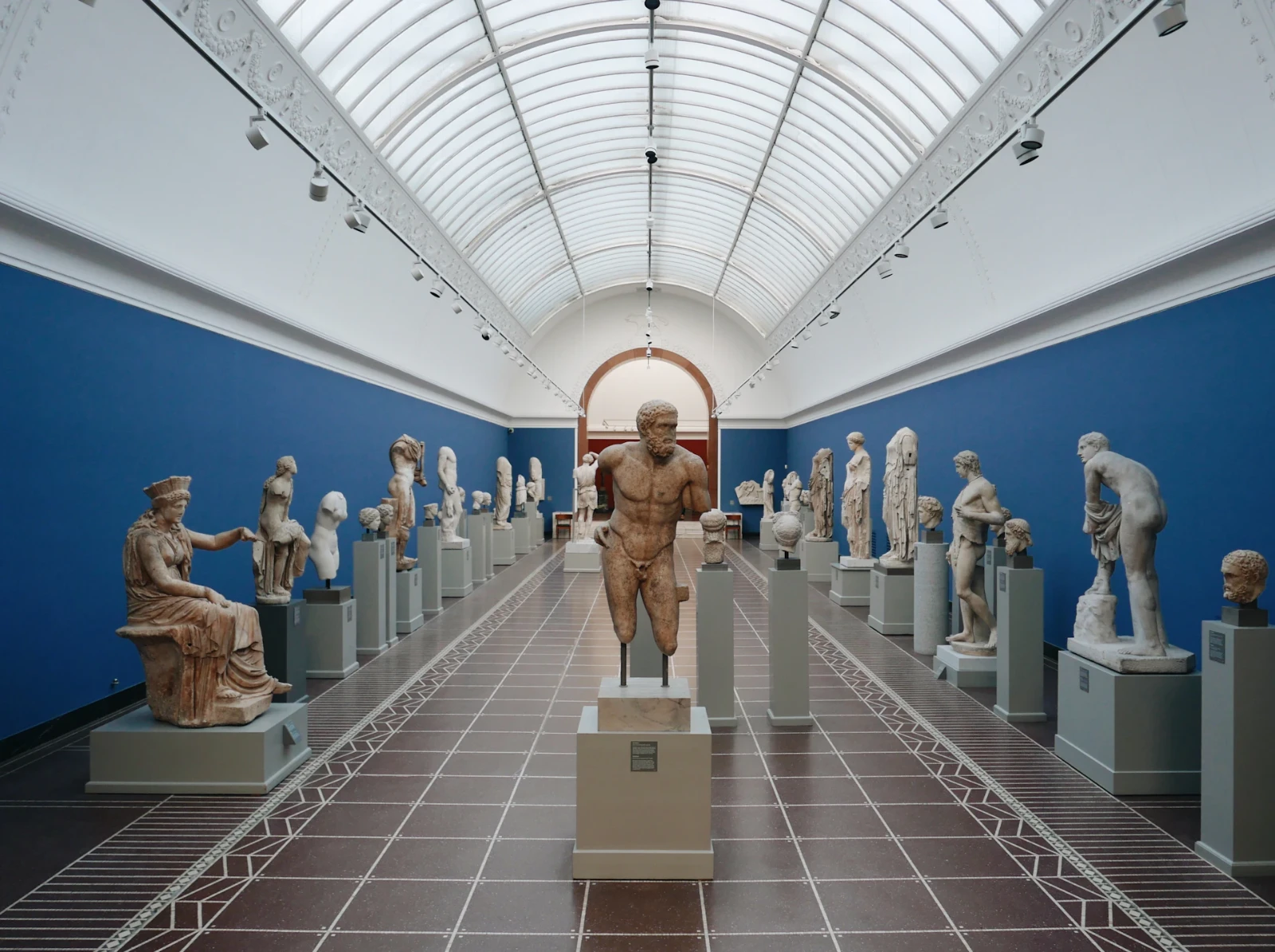
Glyptoteket's collections are split into two main areas, offering a rich tapestry of art and history. The ancient section is truly impressive, holding the Nordic region's largest collection of antiquities. Here, you'll wander through rooms filled with Egyptian, Greek, Etruscan, and Roman sculptures and artifacts. Imagine facing ancient Greek and Roman portrait heads, each with a distinct gaze, or observing unique Palmyrene portraits. It’s a journey through the foundations of Western civilization, with thousands of pieces to absorb.
Then, you transition into the modern art wing, which focuses on 19th-century Danish and French art. This is where you encounter masterpieces from the Danish Golden Age. For fans of Impressionism and Post-Impressionism, it’s a treat: the museum boasts over 40 pieces by Paul Gauguin, making it one of the world's best collections of his work.
You'll also find a significant number of Auguste Rodin sculptures, 35 of them, along with the complete series of Edgar Degas’ bronzes. It’s a powerful showcase of artistic evolution, from classical forms to the dawn of modernism, all connected by the central Winter Garden that provides a refreshing break between eras.
Key collections to see:
- Ancient Antiquities: The largest collection in the Nordic region, featuring Egyptian, Greek, and Roman sculptures.
- 19th-Century French Art: Over 40 works by Paul Gauguin and 35 sculptures by Auguste Rodin.
- The Winter Garden: A tranquil, climate-controlled atrium featuring tropical plants and the museum's signature fountain.
Is it worth visiting Glyptoteket?

Deciding if Glyptoteket is worth your time truly depends on your interests. For me, the standout feature was the magnificent glass-domed Winter Garden. Walking in, you’re met with a gentle warmth, the humid scent of exotic plants, and the soothing sound of a fountain – a perfect, tranquil escape within the city. The museum’s diverse collections, from ancient Egyptian artifacts to Roman busts and 19th-century French Impressionists like Gauguin and Rodin, offer a broad spectrum of art history. The building itself, designed to integrate natural light, felt like a piece of art.
However, it might not suit everyone. If your taste leans heavily towards contemporary art or highly interactive exhibits, the focus on classical sculpture and 19th-century works might not captivate you as much. On free admission days or during peak tourist seasons, it can get crowded, making it harder to quietly appreciate the art.
Also, be aware that some older sections, such as parts of the ancient sculpture collections and the rooftop terrace, aren't fully wheelchair accessible, which is a practical consideration for some.
To easily prioritize what to see in Copenhagen based on your preferences and ensure it aligns with your travel style, you can use StoryHunt for tailored recommendations. Try it out for free here.
What else can I do in Copenhagen?

After immersing yourself in Glyptoteket’s unique blend of ancient and 19th-century art, Vesterbro offers plenty more to explore, many within easy reach. You can read our full guide to the top attractions in Vesterbro here.
- Just next door, you'll find Tivoli Gardens. It's a delightful contrast – a historic amusement park that transforms into a whimsical wonderland, especially as dusk falls and the lights twinkle.
- A short walk away is The National Museum of Denmark. If Glyptoteket sparked your interest in history, this museum delves deep into 14,000 years of Danish heritage, from the Ice Age to Vikings and beyond. It’s a comprehensive look at the country’s past, complementing the ancient collections you just saw.
- Consider a visit to Christiansborg Palace on Slotsholmen. You can tour the royal reception rooms, explore the ancient castle ruins beneath your feet, and even climb the tower for some impressive panoramic views of the city.
- For those with an eye for aesthetics, Designmuseum Danmark showcases iconic Danish and international design. Housed in a beautiful 18th-century Rococo building, it’s a different kind of artistic appreciation, focusing on form and function.
If you're interested in exploring more of Vesterbro and the rest of Copenhagen, use the StoryHunt app - download it for free for iOS and Android here.









.avif)
.avif)


.avif)









.avif)


