
.webp)


TLDR: Discover Christiansborg Palace, where Denmark's past meets its present. This unique Copenhagen site uniquely houses government, royal rooms, and ancient ruins, all capped by free panoramic city views.
As a local in Copenhagen, I often find myself drawn to Christiansborg Palace, an impressive castle that seems to hold the very pulse of Denmark. It's a vibrant, living landmark packed with history, power, and unexpected corners.
This article will guide you through all of the fascinating nuances of Christiansborg, and it will offer practical tips and insights to help you make the most of your own visit - from its deep roots to what else awaits you nearby.
What is the story behind Christiansborg Palace?

Perched on Copenhagen's Slotsholmen, Christiansborg is both a grand structure and a it’s a living timeline.
The story begins way back in 1167 with Bishop Absalon's fortified castle, the very first stone of Copenhagen itself. What stands today isn't that original, though. This current palace is actually the third to rise from these historic grounds, rebuilt after devastating fires in 1794 and 1884. This resilience truly struck me.
This unique continuity makes it a powerful symbol, where Denmark's past is palpably present. You can even walk among the medieval ruins of Absalon's original stronghold deep beneath the present palace, feeling centuries of history underfoot.
To get deeper into these captivating stories as you walk, use StoryHunt with its useful audio guides that offer rich historical context directly to your ears. Try out StoryHunt for free.
Why is Christiansborg Palace famous?

Christiansborg's fame comes from an astonishing distinction: it's the only building on the planet that simultaneously houses all three branches of a nation's government – the Parliament, the Prime Minister's Office, and the Supreme Court. Imagine that, a single structure embodying executive, legislative, and judicial power!
Yet, it also maintains grand royal reception rooms, still actively used by the monarch. This blend of active governance and royal tradition gives the palace an incredible energy.
Beyond its political weight, the palace's various iterations reflect a dramatic history, each rebuilt with fresh ambition. You can walk through the opulent Royal Reception Rooms and feel the echoes of state functions, or gaze at the vibrant Queen's Tapestries in the Great Hall, which vividly illustrate 1000 years of Danish history, telling tales from a rich, royal past.
Is Christiansborg Castle free?

While certain areas of Christiansborg are indeed free, it's not entirely open access.
A combined ticket, which you can find here, covers the Royal Reception Rooms, Royal Kitchen, Royal Ruins, and Royal Stables, and it typically costs around DKK 195 (about €26) for adults. Children under 18 generally enter free with a paying adult.
However, don't let that deter you! You absolutely can experience significant parts of Christiansborg without spending a krone. The Christiansborg Tower, Copenhagen's highest at 106 meters, offers breathtaking panoramic city views and is completely free to enter. I definitely recommend dedicating some time to this.
The Palace Chapel is also free, particularly on Sundays, offering a quiet, reflective space.
What is the meaning of Christiansborg?

The name "Christiansborg" isn't some ancient, obscure term; it's quite straightforward, actually. The palace takes its name from King Christian VI, who commissioned the first grand palace on this site in the 18th century. So, Christiansborg quite literally translates to "Christian's Castle" or "Christian's Fortress". It’s a direct link to the monarch who envisioned its grandeur.
Interestingly, while its official name is grand, many locals affectionately call it "Borgen", which simply means "the castle". This dual naming reflects its unique position as both a regal landmark and a deeply embedded part of everyday Danish life, something you'll sense as you explore its many facets and learn about its purpose.
How much time is needed for Christiansborg Palace?

To truly appreciate Christiansborg Palace and its various attractions, plan for about 2 to 4 hours. You could easily spend an hour to an hour and a half just wandering through the opulent Royal Reception Rooms, soaking in the grandeur and perhaps losing yourself in the intricate details of the Queen's Tapestries.
The Royal Kitchen, Royal Stables, and the ancient Royal Ruins beneath the palace each warrant about 15 to 30 minutes, allowing you to peek into different aspects of palace life and its foundational past.
Don't forget the Christiansborg Tower; allow 30 to 40 minutes for the elevator ride up and time to enjoy those sweeping city views – it's a true highlight. This range lets you tailor your visit to your specific interests, ensuring you don't feel rushed.
Which is the best castle to see in Copenhagen?
For travellers seeking a truly unique castle experience in Copenhagen, Christiansborg Palace definitely stands out. While other palaces offer their own charms, none quite blend active national governance with royal tradition in the way Christiansborg does.
It's a place where you can feel the weight of history in the medieval ruins while simultaneously being aware of Denmark's present-day government at work. The opulent Royal Reception Rooms provide a glimpse into state functions, complete with the stunning Queen's Tapestries that tell Denmark's story.
For me, the free access to the Christiansborg Tower and its unparalleled panoramic views was a major plus, offering a visual overview of the city and its past. The Royal Stables, with their historic carriages and horses, also add a delightful, tangible link to royal tradition that you might not expect.
Is Christiansborg Palace worth visiting?
Absolutely, Christiansborg Palace is worth visiting! It offers a truly distinctive blend of royal history, active political life, and striking architecture that you won't find anywhere else. The sheer scope of it - housing a parliament, a prime minister's office, a supreme court, and royal reception rooms - is simply fascinating.
Walking through the very rooms where the Royal Family still hosts events, and seeing Queen Margrethe II's tapestries depicting a thousand years of history, gives you a real connection to Denmark's identity. Plus, the current palace being the third iteration on the site speaks volumes about Danish resilience.
For a truly memorable and free experience, taking the elevator up the palace tower for incredible city views is a must-do. And discovering the cool, ancient medieval ruins tucked away beneath the modern structure felt like finding a secret portal to the past.
What else should I see in Indre By?

Once you've explored Christiansborg, Copenhagen's historic center, Indre By, is brimming with more to discover just a short walk away. You can read our full guide to all the top attractions in Indre By here.
- You can't miss Nyhavn, with its iconic colorful 17th-century townhouses lining the canal; it’s a lively spot for canal tours and I learned Hans Christian Andersen himself lived in several of these charming houses.
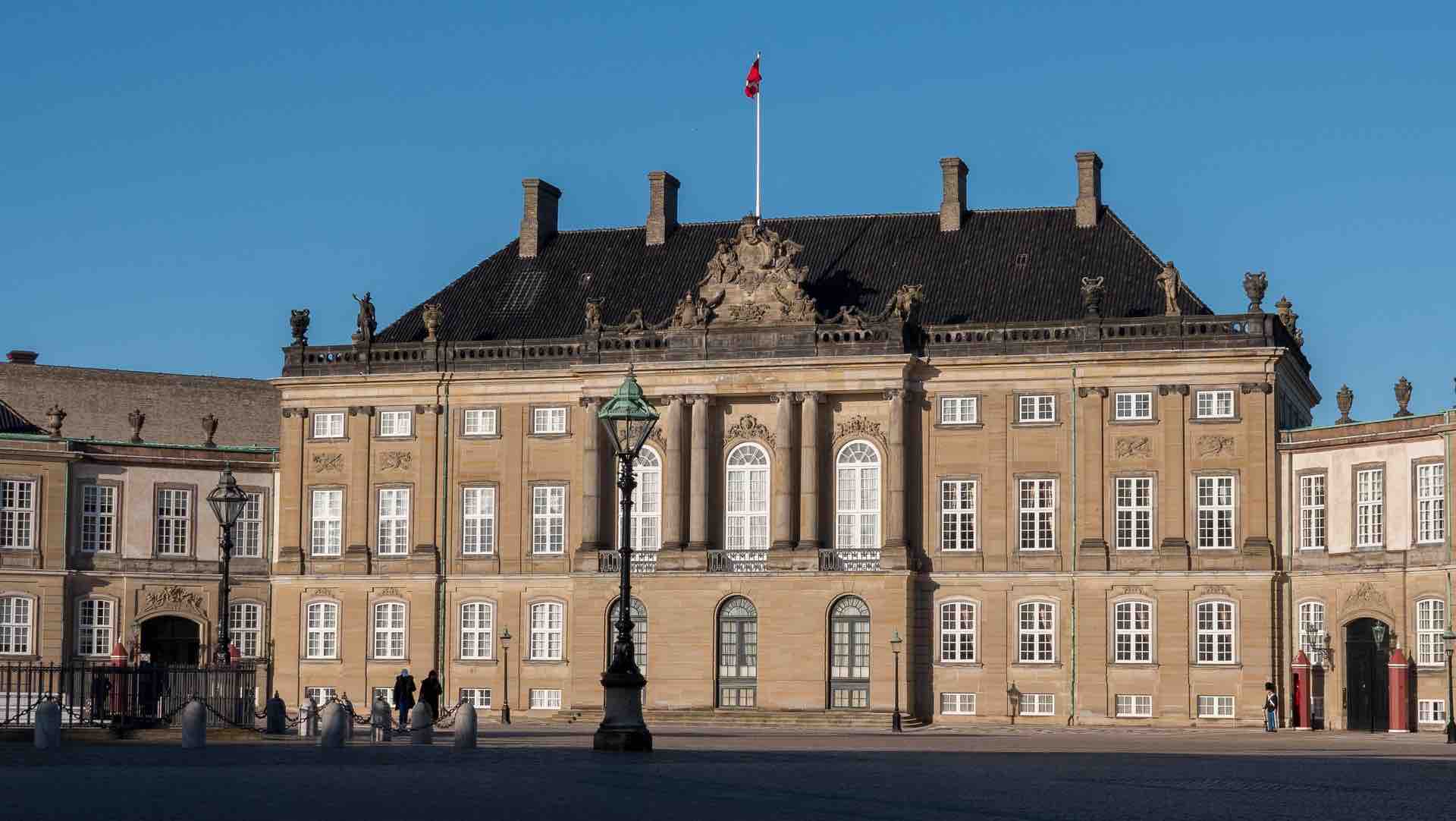
- For a glimpse of royal life, head to Amalienborg Palace, the official residence of the Danish Royal Family, where you might catch the daily changing of the guard.
- History buffs will love Rosenborg Castle, a stunning Renaissance palace housing Denmark's Crown Jewels, set within the tranquil King's Garden.
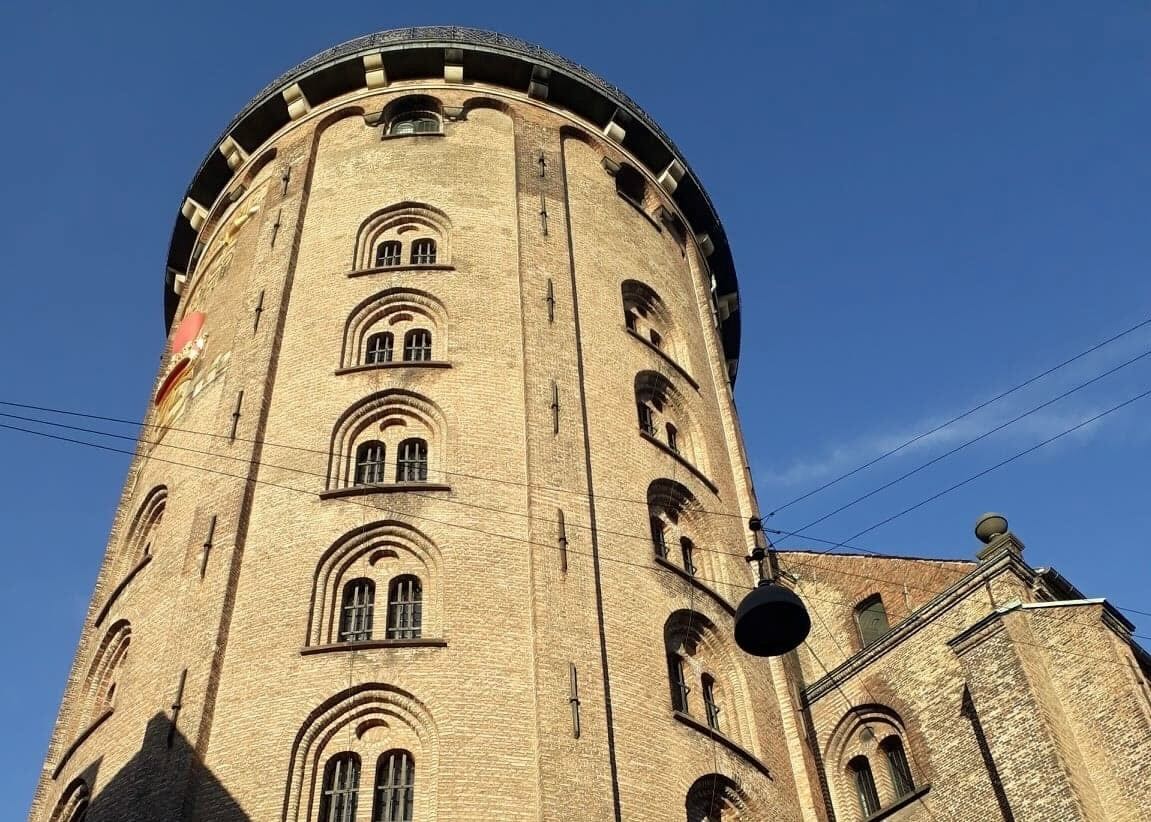
- Don't forget The Round Tower (Rundetårn), Europe's oldest functioning observatory. Instead of stairs, you'll climb a unique spiral ramp that once allowed horses to carry books to the library, offering another fantastic city view.
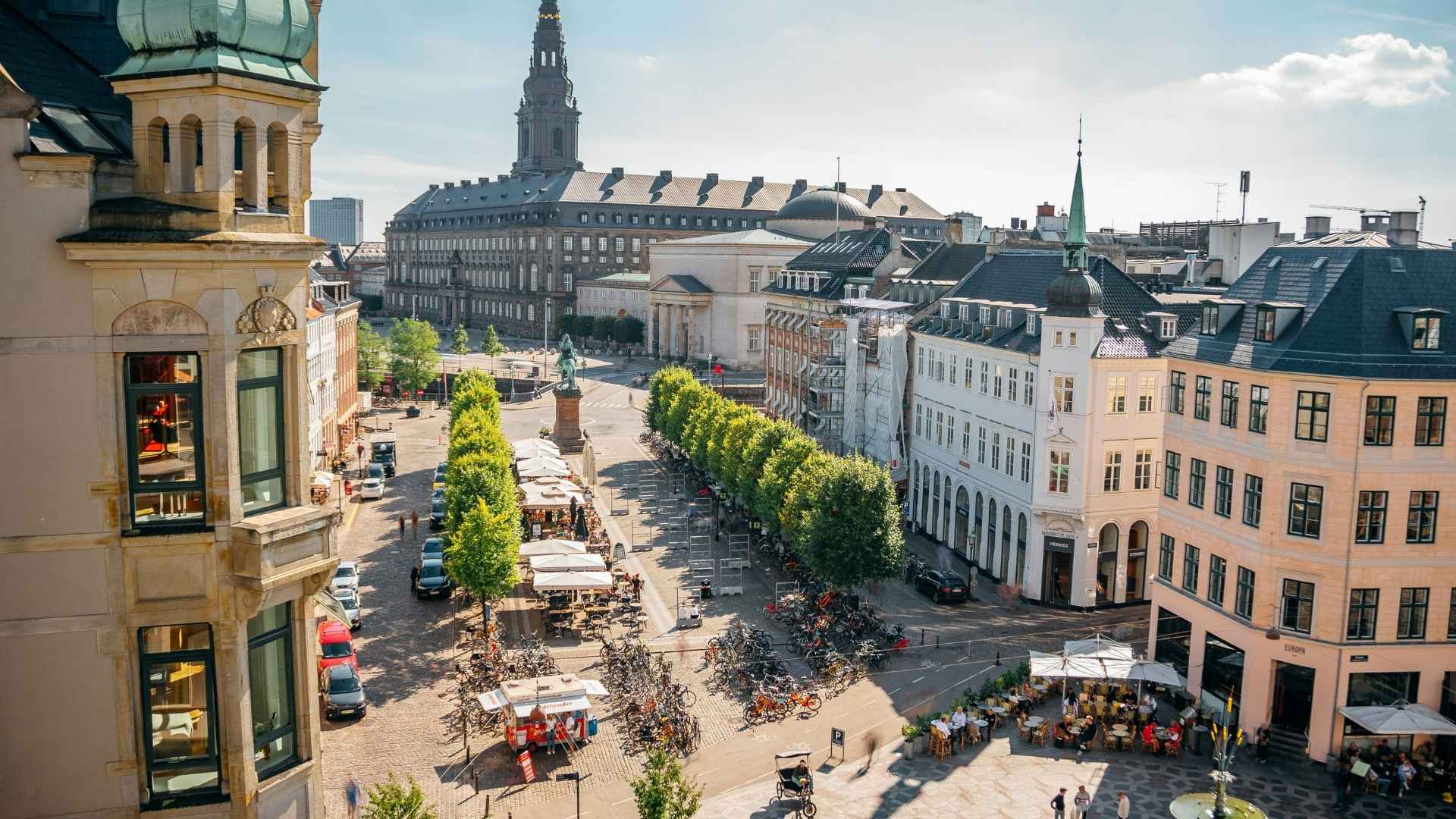
- And for shopping or just people-watching, stroll along Strøget, one of Europe's longest pedestrian streets.
If you need a guide, just use the StoryHunt app - you can download it for free for iOS and Android here.






.avif)




.avif)







.avif)


.avif)


