
.webp)


TLDR: Copenhagen's Meatpacking District, 'Kødbyen', is a former industrial zone reborn as a vibrant hub of food, art, and nightlife. Expect delicious eats in old butcher shops, lively bars, contemporary galleries, and distinctive architecture, all easily walkable.
As a local in Copenhagen, I can tell you that few places capture the city's unique blend of history and innovation quite like the Meatpacking District. Known locally as 'Kødbyen', this is both a place of eating and a living narrative of urban transformation.
Join me as we uncover its fascinating past, discover its present-day delights, and see why this area should definitely be on your Copenhagen itinerary.
What is the story behind Meatpacking District?

Stepping into Kødbyen, you immediately feel a sense of history mixed with modern energy. This vibrant area, a true example of Copenhagen's clever urban planning, started its life far from the trendy spot you see today.
Its origins trace back to 1879, when public health concerns, especially cholera outbreaks, pushed the city to centralize its meat production. This led to the creation of hygienic slaughterhouses and a dedicated cattle market, replacing earlier, less sanitary practices.
The district expanded in phases, each with its own architectural style. Its oldest buildings, in the Brown Meatpacking District, date from 1883, when the first slaughterhouses were constructed, while the modernist White Meatpacking District opened in 1934.
The Danish Kødbyen was a working meat hub long before its New York counterpart gained fame. By the early 2000s, Copenhagen launched a visionary "Meat and Creativity" program. This initiative transformed the district, encouraging galleries, creative businesses, and dining spots to thrive alongside the still-operating meat industries.
Why do they call it the Meatpacking District?

The name "Kødbyen", which literally means "Meat City" in Danish, perfectly explains its origin. This district was purpose-built in 1879 to be the central hub for Copenhagen's meat industry.
Imagine an organized network of slaughterhouses, cold storage, and packing facilities, strategically located near railway lines in Vesterbro. This setup allowed for efficient delivery of livestock and distribution of processed meat across the city, addressing the public hygiene issues of earlier times when animals were butchered in public streets.
While most of the large-scale meat operations moved out by the 1990s, with the last traditional butchers officially leaving in 2005, the original, descriptive name stuck. Today, the scent of fresh meat might still linger in some corners, a faint echo of its past.
The area now thrives as a cultural center, where its industrial roots blend with a lively mix of bars, restaurants, and art. You'll even find it divided into three distinct areas – Brown, White, and Grey – each named for the color of their original buildings, a detail we'll explore next.
What is the brown Meatpacking District?

Among Kødbyen's distinct zones, the "Brown Meatpacking District" represents the oldest layer of its history. Established in 1883 and closest to the Central Station, this area is immediately recognizable by its robust red brick buildings. Historically, this was the site of Copenhagen’s primary cattle market and public slaughterhouses, a key step in improving public health during the late 19th century. You can almost picture the livestock moving through these streets.
Today, the Brown Meatpacking District has gracefully transitioned into a vibrant cultural hub. As you walk through, you'll find art cafés, contemporary galleries, and bustling nightlife venues nestled within its charming industrial architecture. It even houses Øksnehallen, once a massive cattle market, now a major exhibition space.
Both the brown and white sections of Kødbyen are protected as national industrial memorials, ensuring their unique character endures. This area gives a palpable sense of the district's evolution, offering a clear contrast to its specific location.
Where is the Meatpacking District in Copenhagen?
You'll find the Meatpacking District, or Kødbyen, conveniently located within Copenhagen's lively Vesterbro neighborhood. You can read our full guide to the neighborhood here.
It sits tucked between the railway lines leading to Copenhagen Central Station and Sønder Boulevard, making it incredibly accessible – just about a seven-minute walk from the central station. This strategic spot near the rail lines was chosen back in 1879 for its original purpose: to centralize and sanitize the city's meat production, linking it easily to transport.
Both the Brown and White districts are recognized as national industrial heritage sites, preserving their unique architectural charm, and offering a fantastic backdrop for the many activities you can enjoy there.
What to do in the Meatpacking District in Copenhagen?

Once a strictly industrial zone, Kødbyen now overflows with options. Your senses will come alive here: the smell of sizzling food mingles with a faint, earthy hint of its past. For culinary delights, you can choose from a range of acclaimed restaurants. I personally loved the fresh fish at Kødbyens Fiskebar, but you can also savor organic sourdough pizzas at Mother or robust flavours of Texan BBQ and craft beers at WarPigs.
As night falls, the district truly comes alive with a lively bar and club scene. Spots like Jolene Bar and Mesteren & Lærlingen are popular for a reason, filling the cobbled streets with the buzz of conversations and music. Art lovers will find galleries like V1 Gallery and Gallery Poulsen showcasing contemporary works, often within buildings that once housed butchers.
Is the Copenhagen Meatpacking District walkable?
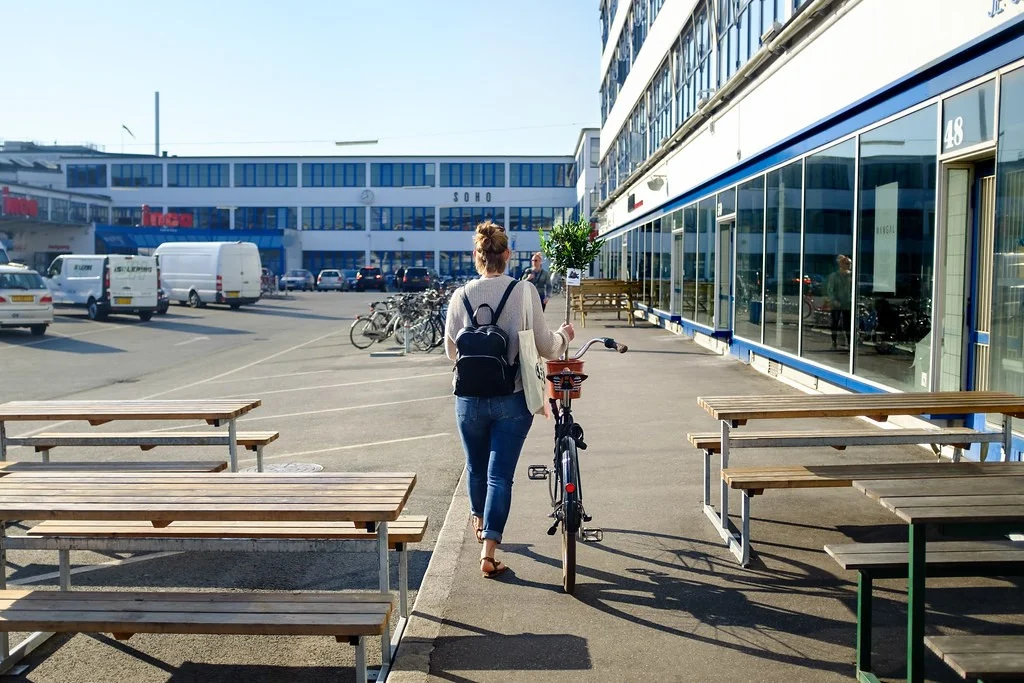
Absolutely, Copenhagen's Meatpacking District is exceptionally walkable. Located in Vesterbro, it’s just a short stroll from Copenhagen Central Station, which makes getting there and exploring effortless. This trendy area, though historically the city's central hub for meat processing since 1879, is compact and designed for easy pedestrian exploration.
Moving from a contemporary art gallery to a bustling restaurant, or from a lively bar to a historic building, is a seamless experience on foot. This blend of history and modernity, where you might still spot a butcher in white overalls alongside visitors enjoying the lively atmosphere, is part of what makes it so appealing.
Is the Meatpacking District worth visiting?

Yes, without a doubt, Copenhagen's Meatpacking District is absolutely worth adding to your itinerary if you seek a vibrant and unique experience. This former industrial powerhouse, established in 1879, has transformed into a trendy hub that perfectly blends its gritty past with a dynamic modern culture.
You'll find a captivating mix of working butchers, innovative restaurants, buzzing nightlife, and contemporary art galleries within its historic walls. It's truly a "living, breathing museum", offering more than just a quick glance.
You can dine in former slaughterhouses, enjoy craft beers, or explore art spaces. The district truly comes alive in the evenings, offering a lively scene that is both authentic and welcoming. If you want to truly understand the stories behind the buildings and transformations I've mentioned, an audio guide from StoryHunt could really deepen your visit, offering fascinating insights as you walk. Try out StoryHunt for free here.
What else should I see in Copenhagen?

Once you've soaked in the unique atmosphere of the Meatpacking District, Vesterbo still has a treasure trove of attractions waiting for you. You can read our full guide to the top attractions in Vesterbro here.
- Don't miss Tivoli Gardens, a historic 19th-century amusement park that reportedly inspired Walt Disney himself - the sounds of joy and music spilling from its gates are unforgettable.
- Stroll along the picturesque Nyhavn waterfront, famous for its colorful 17th and 18th-century townhouses, where Hans Christian Andersen once lived.
- For a dose of royal history, explore Rosenborg Castle, a Renaissance palace showcasing the Danish crown jewels within its beautiful King's Garden.
- Of course, a visit to the iconic Little Mermaid statue is a classic Copenhagen experience, though she has certainly seen her share of curious incidents over the years.
- Finally, wander through Kastellet, a remarkably preserved 17th-century star-shaped fortress that offers a peaceful public park and a glimpse into military history.
Explore Copenhagen like a pro with StoryHunt - download StoryHunt for Android and iOS here.


.avif)


.avif)








.avif)

.avif)


