.webp)


TLDR: The Round Tower (Rundetårn) in Copenhagen offers a unique, ramped climb to 360-degree city views, a deep dive into 17th-century science, and a quirky history, making it a must-see for history buffs and view-seekers.
Copenhagen's Round Tower, or "Rundetårn" in Danish, is a journey back in time and a fantastic vantage point over the city. I have found myself winding my way up its unique interior many times, and I can tell you, it's an experience unlike any other.
If you're looking for practical tips, what to expect, and whether it’s truly worth your time, you're in the right place. Let's explore what makes this Danish icon so special.
What is the story behind The Round Tower?

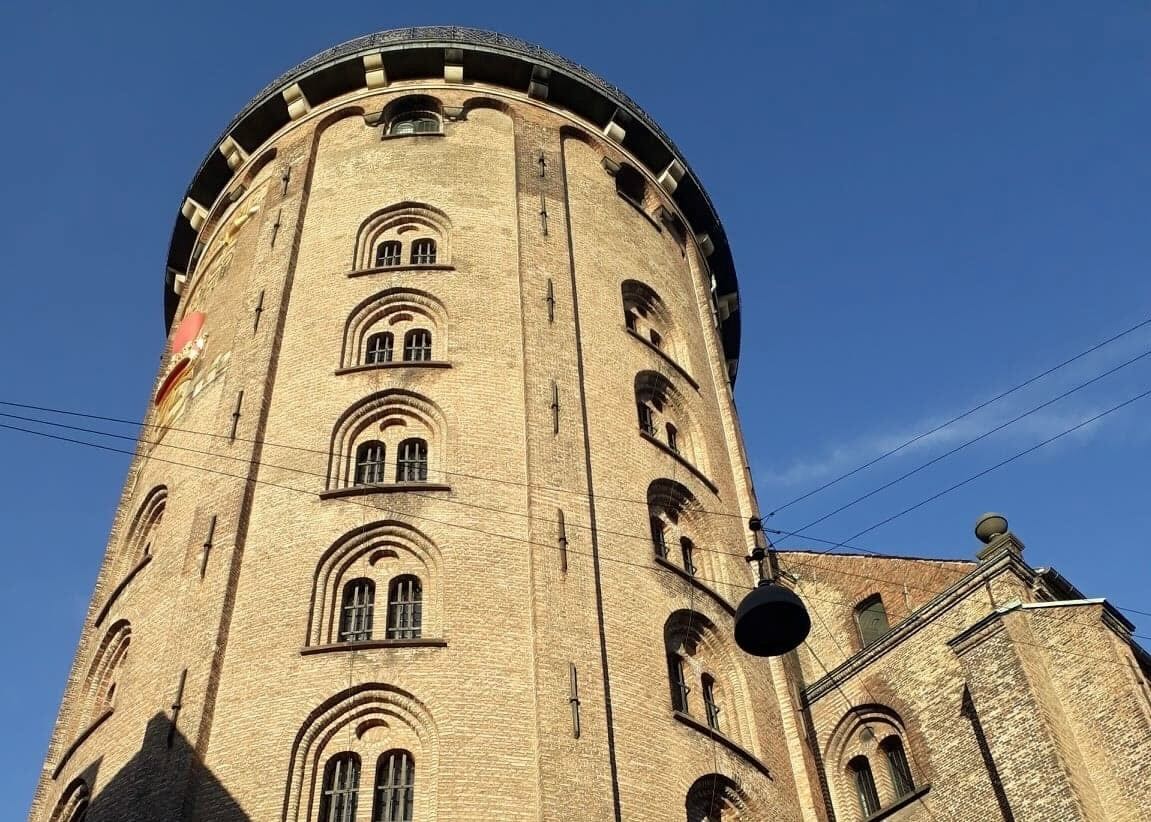
This distinctive tower, built between 1637 and 1642, was the vision of King Christian IV. His goal was to create a cutting-edge astronomical observatory for the University of Copenhagen, solidifying Denmark's reputation in scientific learning. It wasn't a standalone structure, but part of a larger complex that included the Trinitatis Church and a university library.
The most striking design feature is its incredible helical corridor - a wide, gently sloping ramp that spirals 7.5 times around the core instead of traditional stairs. This ingenious design allowed horses and carriages to haul heavy scientific instruments and thousands of books up to the library and observatory, a truly practical solution for the time.
This ramp even famously accommodated Tsar Peter the Great on horseback in 1716, an image that truly captures its unique history.
Why is the Round Tower famous?

The Round Tower's fame comes from its blend of historical purpose and architectural cleverness. It stands as Europe's oldest functioning astronomical observatory, a testament to 17th-century scientific ambition. Its wide, spiraling ramp is its most recognized feature.
This wasn't just a quirky design; it was a revolutionary way to transport equipment and books, as horses and carriages could ascend to the upper levels. Beyond this engineering feat, it gained legendary status with tales like Tsar Peter the Great riding his horse to the top in 1716, followed by his wife in a carriage.
Today, this ramp even hosts an annual unicycle race, adding a modern twist to its quirky heritage.
Do you need tickets for the Round Tower?

Yes, you'll definitely need tickets to step inside the Round Tower. On my visit, an adult ticket cost around 60 DKK, which felt reasonable for the experience.
The good news for families is that children under 18 years old get in for free. If you're a student, remember to bring your valid ID, as you can snag a discounted rate of 40 DKK.
You can simply purchase your tickets at the tower's entrance upon arrival.
A quick note: while the Copenhagen Card used to include entry, that changed recently, so plan to buy a separate ticket.
As you prepare for your ascent, remember that practical tools like the StoryHunt app can enrich your self-guided tour with historical context, giving you deeper insights into why the ramp was built and the stories behind the old observatory. You can try StoryHunt for free here.
Does the Round Tower have an elevator?

No, you won't find an elevator in the Round Tower. And honestly, that's part of its charm.
Instead, you ascend via that fascinating spiral ramp I mentioned earlier. It’s a very gentle, steady climb - not at all like tackling a winding staircase. You can feel the history under your feet as you walk, imagining the horses and carts that once used this very path to transport heavy astronomical gear and countless books.
This 7.5-turn slope winds its way up most of the tower. Just as you think you’ve reached the top, there’s a short, slightly narrower staircase for the final few steps, leading directly to the open-air viewing platform. The gradual incline makes the ascent quite accessible for most visitors.
What are some fun facts about the Round Tower?
The Round Tower is full of delightful quirks.
- Besides being Europe's oldest continuously functioning observatory, that famous ramp isn’t just for horses anymore; it even saw its first motorized ascent in 1902!
- Halfway up, you'll pass the historic Library Hall, which once housed the university's entire book collection and provided inspiration for Hans Christian Andersen’s tales.
- Keep an eye out for the distinctive gilded rebus on the exterior, designed by King Christian IV himself - it’s a bit of a riddle.
- And for a truly unique piece of history, look for the old toilet shaft, humorously considered one of the world's largest early septic tanks.
These small details add character to your climb and make the tower even more memorable.
Is it worth visiting the Round Tower?

Absolutely, a visit to the Round Tower is time well spent! The 17th-century architectural design alone makes it a unique experience. That wide, spiraling ramp provides a surprisingly easy and pleasant walk upwards - it’s a far cry from a grueling stair climb.
As you ascend, you’re tracing the path of history, imagining those horses and carriages. Once you emerge onto the viewing platform, you're greeted with breathtaking 360-degree views of Copenhagen's colorful rooftops and landmarks stretching out below. On a clear day, you might even spot Sweden across the Øresund Strait.
The combination of its quirky history, a gentle ascent, and those stunning cityscapes truly makes it a highlight of any trip to Copenhagen. Don't forget to peer down through the glass floor at its hollow core - it's a little thrill!
What else can I do in Copenhagen?

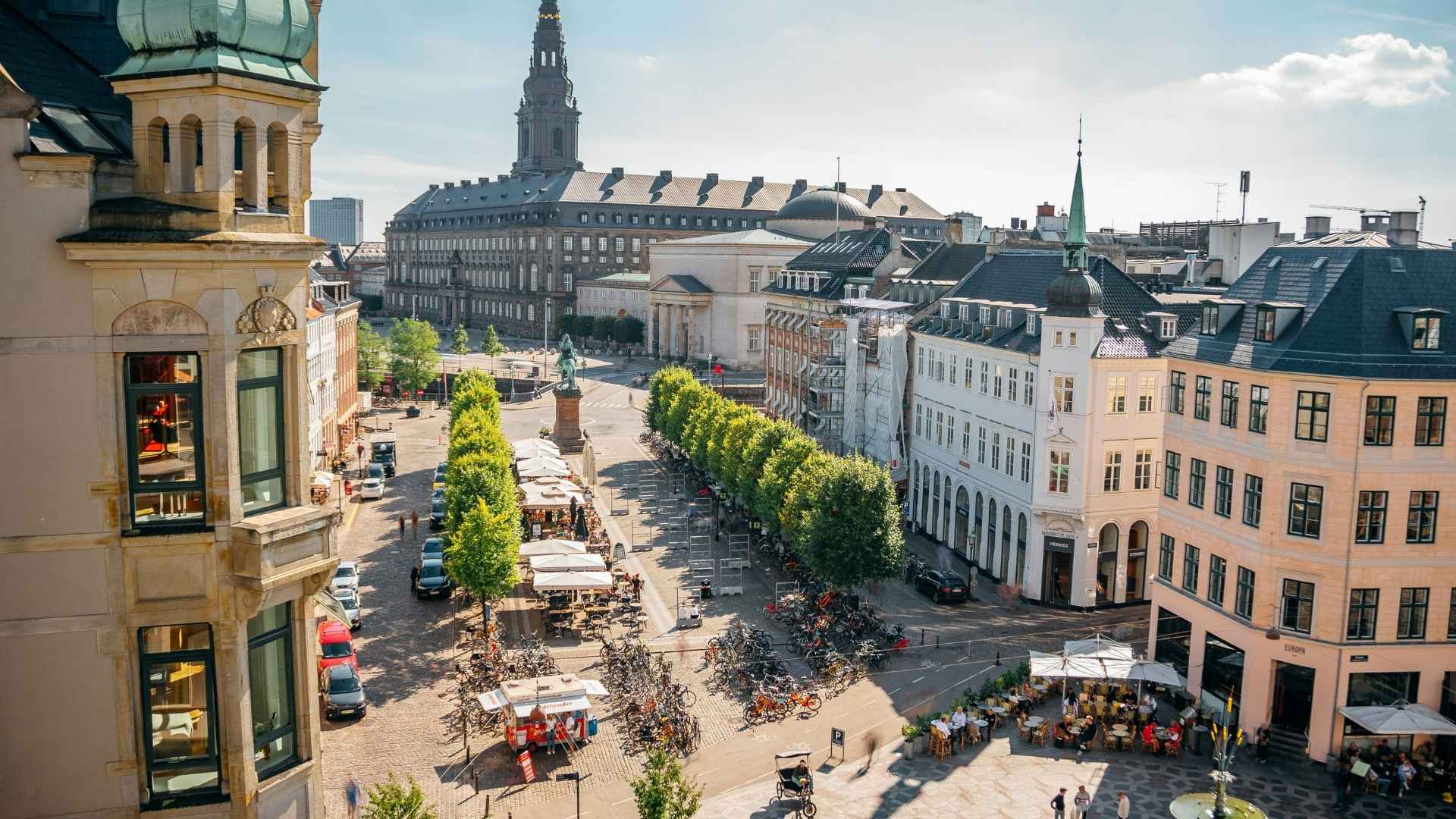
Copenhagen offers a wealth of experiences beyond the Round Tower. You can read our full guide to the top attractions in Indre By (Inner City) here.
- You can't miss a stroll through Nyhavn, the picturesque old harbor lined with vibrant 17th-century houses. It's fascinating to learn that Hans Christian Andersen lived in three different homes here, penning classics within those colorful walls.
- For a dose of old-world amusement, head to Tivoli Gardens, one of the world's oldest operating amusement parks; its charm even inspired Walt Disney!
- Don't leave without seeing The Little Mermaid statue, though be prepared for her surprisingly modest size. Her story is equally captivating, with the sculptor's wife posing for the body after a ballerina declined.
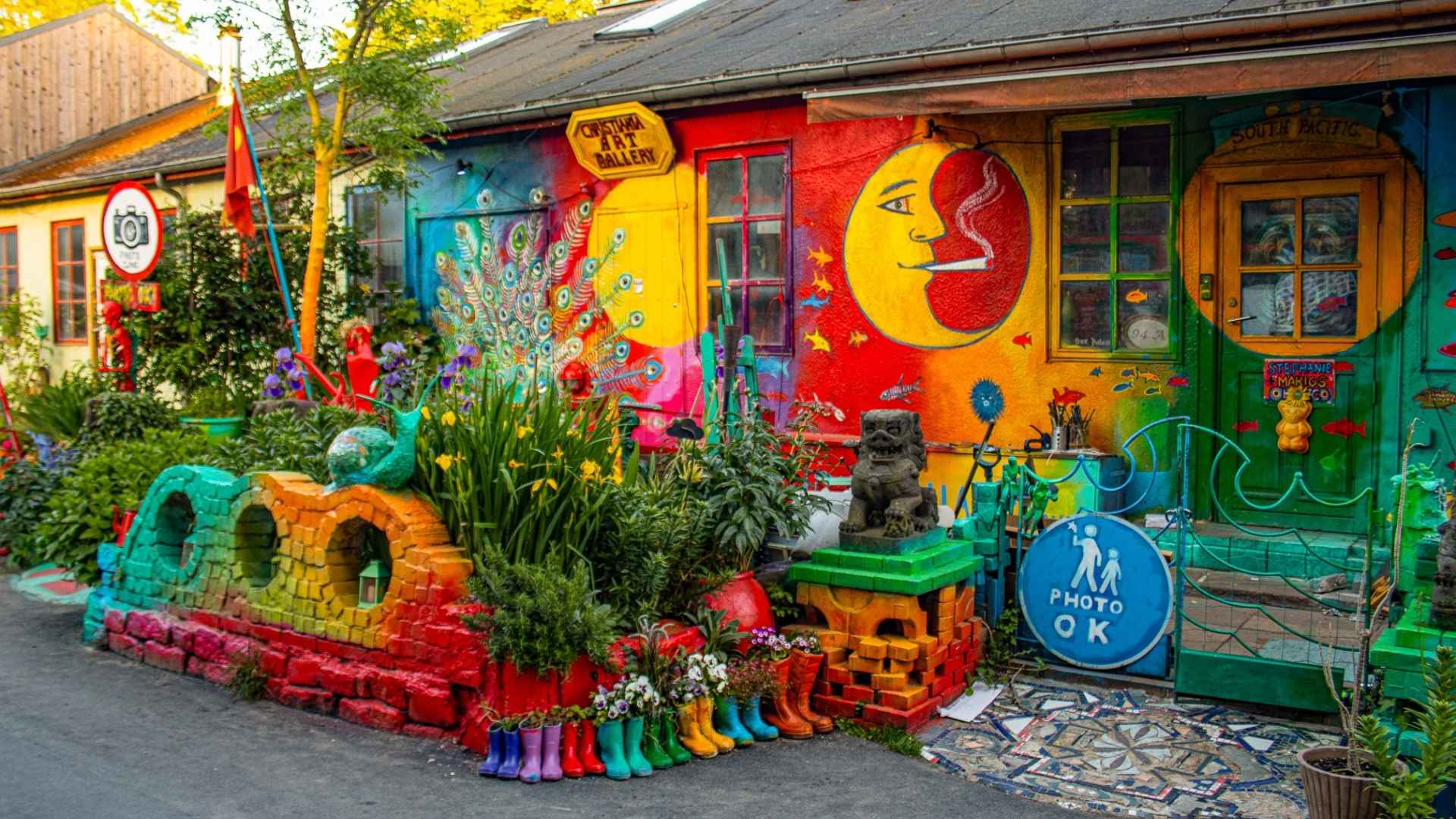
- Finally, for something truly different, explore Freetown Christiania, a unique, self-governing community born from an old military base, known for its distinct rules and artistic vibe.
You can also use the StoryHunt app, which will guide you around the city with a smart interactive map - download StoryHunt for free for iOS and Android.


.avif)


.avif)



.avif)




.avif)


