
.webp)


TLDR: Copenhagen blends historic charm with modern innovation. This guide covers the essential attractions, from iconic royal palaces and the Freetown of Christiania to hidden local gems, helping you plan the perfect 2026 city itinerary.
As a local in Copenhagen, I can tell you, this is a city where centuries of royal history meet cutting-edge design and a laid-back local atmosphere.
Whether you are exploring the colorful waterfront of Nyhavn, cycling through historic neighborhoods (which you can read all about here), or discovering the city's world-class culinary scene (like the one in Frederiksberg), there is something for everyone.
Use this guide to navigate the best of the Danish capital.
1. Explore the Freetown of Christiania

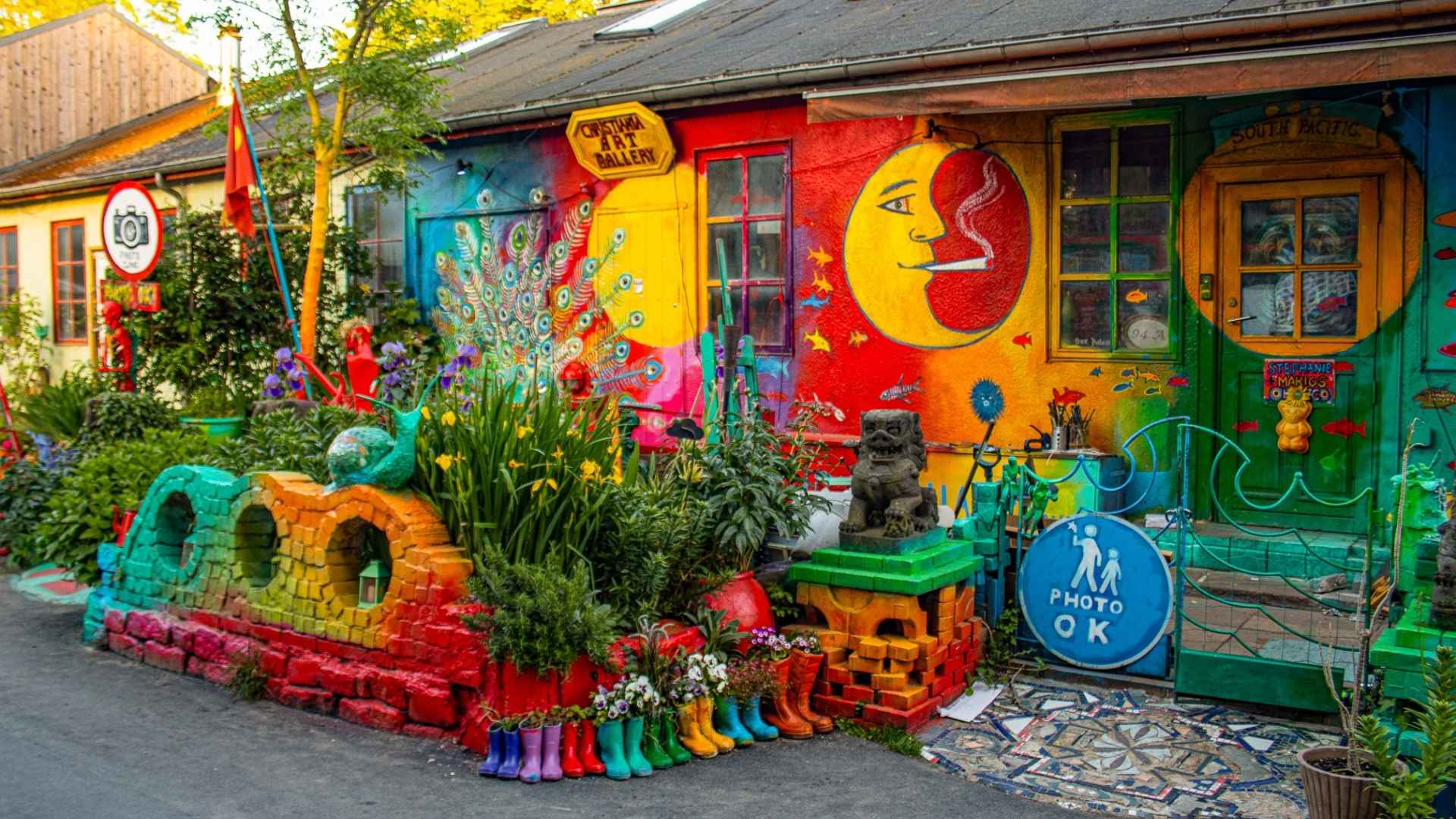
Founded in 1971 by a group of squatters, hippies, and artists, the Freetown of Christiania is one of Copenhagen’s most unique and controversial neighborhoods. It is located on the site of former military barracks, and this self-governing community has evolved into a vibrant, creative enclave known for its alternative lifestyle and lush green surroundings.
Tips for your visit:
- Respect the Community: Christiania is not a tourist attraction but a place where people live. Be respectful of residents, their homes, and their privacy.
- Photography Rules: While you are welcome to explore, be mindful of where you take photos. Signs in certain areas clearly mark where photography is prohibited; please strictly adhere to these to respect the residents' wishes.
- Enjoy the Nature: Follow the path along the ramparts and the lake. It is one of the most peaceful and scenic walking routes in the city, offering a sharp contrast to the urban energy of the nearby city center.
- Support Local: You will find several locally-owned cafés, bike workshops, and craft shops. Supporting these small businesses is a great way to experience the local economy while visiting.
Christiania offers a different perspective on Danish society, providing a look at a community that values independence, creativity, and communal living.
2. Witness power at Christiansborg Palace
.avif)
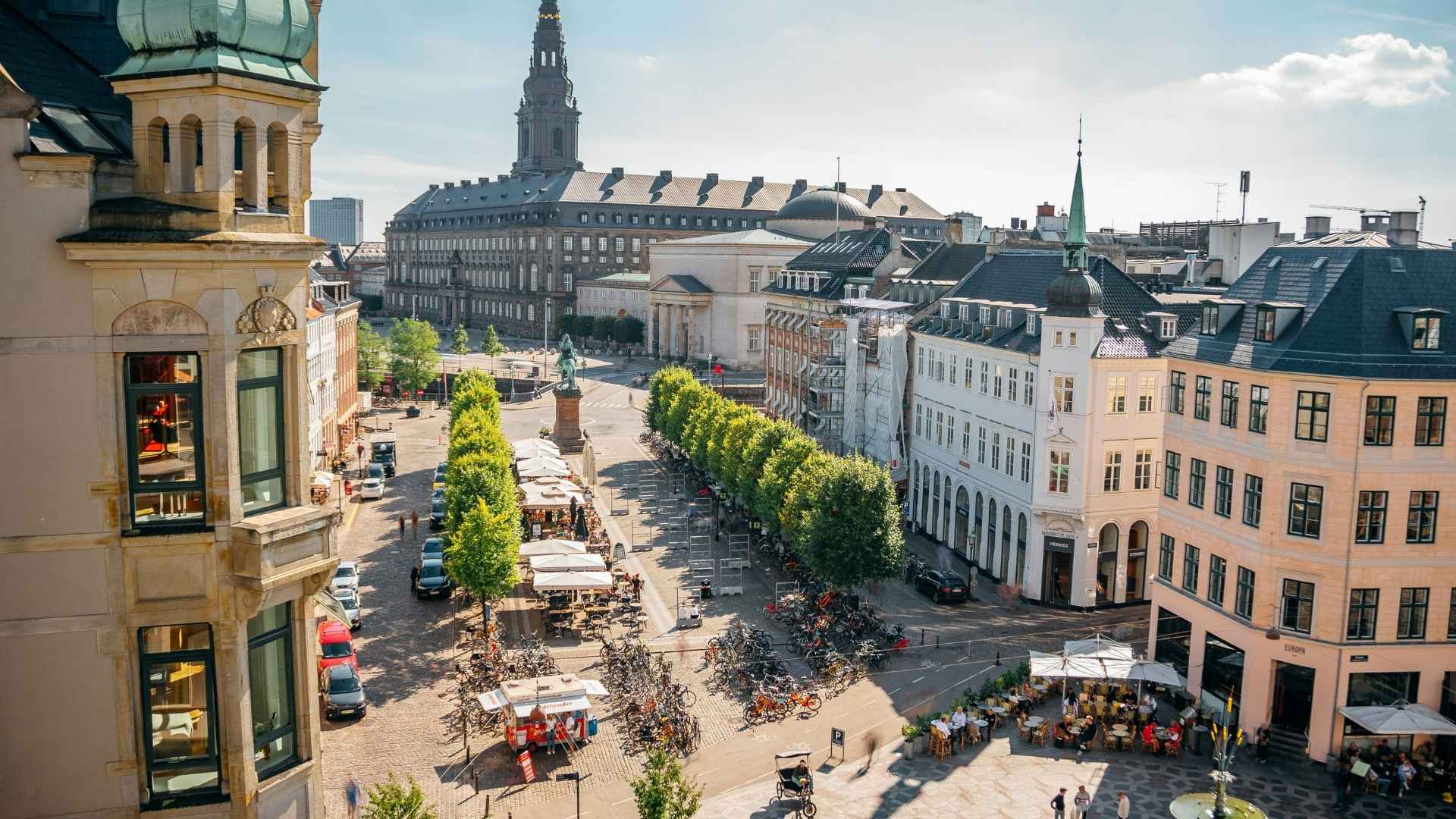
Christiansborg Palace, located on the small island of Slotsholmen, is the political epicenter of Denmark. It is unique globally for housing all three branches of the Danish government: the Parliament (Folketinget), the Prime Minister’s Office, and the Supreme Court.
Beyond its political function, the palace serves as a central hub for the Danish monarchy, offering visitors a deep look into the country’s history, royal traditions, and architectural grandeur.
What to see at Christiansborg:
- The Royal Reception Rooms: Explore the opulent rooms used by the Royal Family for official events. Highlights include the Great Hall and the elaborate Queen’s Tapestries.
- The Tower (Tårnet): Standing at 106 meters, this is the highest viewpoint in Copenhagen. Admission to the tower is free, offering expansive panoramic views of the city.
- The Ruins: Descend beneath the palace to walk through the archaeological remains of Absalon’s Castle, which dates back to the 12th century and founded the city of Copenhagen.
- The Royal Stables: See the horses and royal carriages, which provide a glimpse into the ceremonial side of the monarchy.
3. The buzzing energy of Strøget

Strøget is one of the world's longest pedestrian streets, serving as the central artery of Copenhagen’s historic district. Stretching 1.1 kilometers from City Hall Square (Rådhuspladsen) to King’s New Square (Kongens Nytorv), it is a bustling hub where international flagship stores sit alongside historic landmarks.
While often associated with shopping, the street is a premier spot for people-watching, street performances, and admiring the city’s classic Danish architecture across several historic squares.
Visitor Tips:
- Timing: For a quiet walk to admire the architecture, visit early in the morning (before 10:00 AM). For the full energy and shopping experience, visit in the mid-afternoon.
- Look Up: Much of the beauty of Strøget is found above the modern storefronts. The upper floors of the buildings feature intricate details from various centuries.
- Explore the Alleys: Some of the best local culinary finds and boutique shops are located just one or two blocks away from the main pedestrian path, where the atmosphere is typically more relaxed.
4. Enjoy a panoramic view from the Round Tower

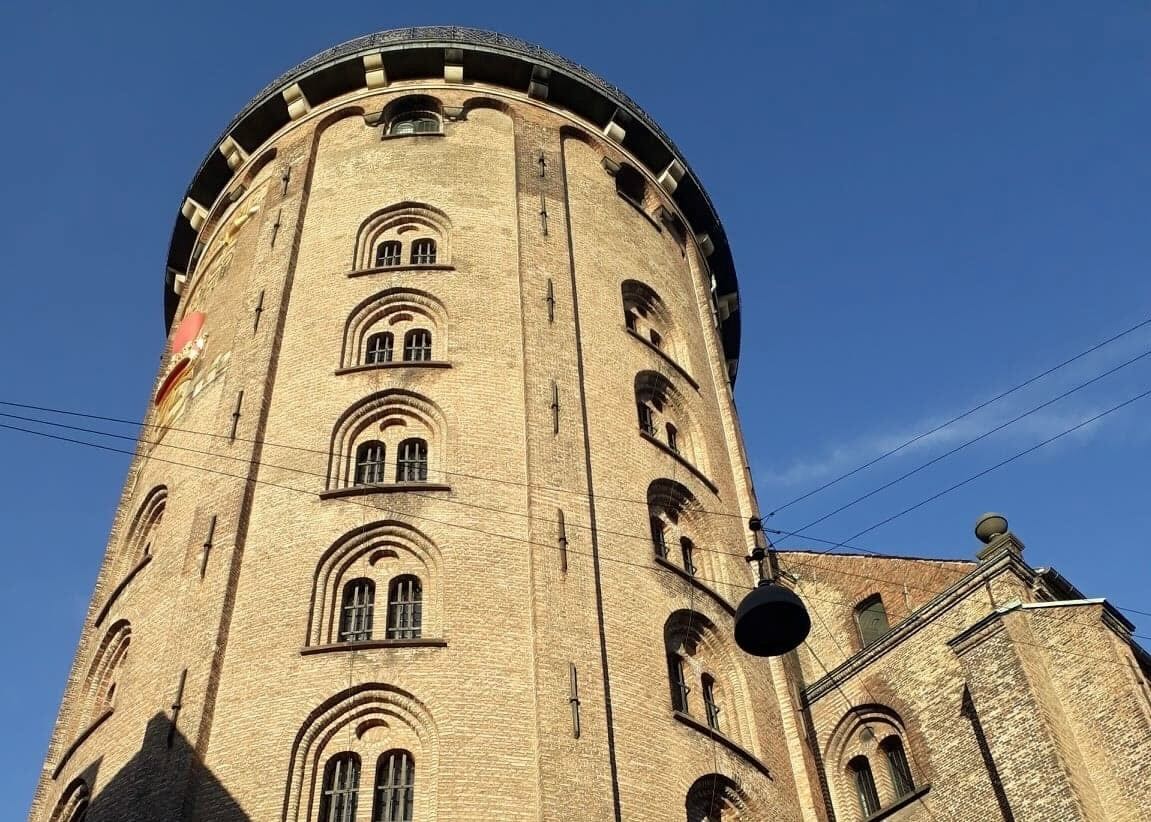
The Round Tower (Rundetårn) is a 17th-century landmark and the oldest functioning observatory in Europe. It was built by King Christian IV as a center for astronomy, and the tower is world-renowned for its unique architecture -specifically its wide, equestrian spiral ramp instead of traditional stairs.
Standing 36 meters tall, it offers one of the best 360-degree views of Copenhagen’s historic Latin Quarter and the city’s many spires.
Key highlights of the tower:
- The Spiral Ramp: A 209-meter-long paved ramp that winds 7.5 times around the tower's hollow core. It was originally designed to allow horses and carriages to haul heavy astronomical instruments and books to the top.
- The Library Hall: Located halfway up the tower, this former university library once housed 10,000 books. Today, it serves as a vibrant gallery for art exhibitions and cultural events.
- The Observatory: At the very top, you can find the observatory that is still used by amateur astronomers. During the winter months, visitors can occasionally peer through the telescope on designated star-gazing nights.
- The Floating Core: Visitors can step into a small glass niche to see the core of the tower and look down into its 25-meter-deep center.
5. Unravel royal tales at Rosenborg Castle

Rosenborg Castle is a premier example of Dutch Renaissance architecture, and it was originally built in the early 17th century as a summer residence for King Christian IV. Today, it serves as a royal hermitage and time capsule, housing 400 years of Danish history within its well-preserved interiors.
It is located in the heart of the city, and the castle is set within the King’s Garden (Kongens Have), which is the oldest and most popular royal park in Copenhagen.
Key highlights of the castle:
- The Crown Jewels: Descend into the high-security treasury to see the dazzling royal regalia, including the crowns of the Danish kings and queens, encrusted with diamonds, emeralds, and pearls.
- The Knights' Hall: A magnificent room featuring the silver coronation thrones, guarded by three life-size silver lions. The walls are adorned with massive tapestries depicting historic battles between Denmark and Sweden.
- The Royal Chambers: Explore the private rooms of the monarchs, such as the Winter Room and the Mirror Cabinet, which remain largely unchanged since the Renaissance.
- The King’s Garden: Before or after your tour, enjoy a walk through the surrounding gardens, which feature rose gardens, sculptures, and a large lawn favored by locals.
6. Explore the vibrant Nyhavn

Nyhavn is arguably the most iconic face of Copenhagen. It was originally constructed in the 1670s as a busy commercial port for ships from across the globe, and it has since been transformed into one of the city's most vibrant districts.
The area is famous for its brightly colored townhouses, historic wooden ships, and the numerous outdoor terraces along the quay that create a quintessential Danish "hygge" atmosphere.
Visitor Tips:
- Choose Your Side: The "sunny side" (with the colorful houses and restaurants) is always the most lively and crowded. For a quieter experience, walk along the "shady side" (the Charlottenborg side), which is typically less congested.
- Local Custom: Do as the locals do and buy a drink from a nearby shop to sit on the edge of the quay with your feet dangling toward the water while you enjoy the view.
- Dining: While the restaurants in Nyhavn are popular, they can be expensive. For more budget-friendly or local culinary experiences, explore the small side streets just a few minutes' walk from the harbor.
- Best Timing: Nyhavn is most picturesque at sunrise or sunset, when the golden light hits the colored facades, providing the perfect conditions for photography.
7. Royal elegance at Amalienborg Castle

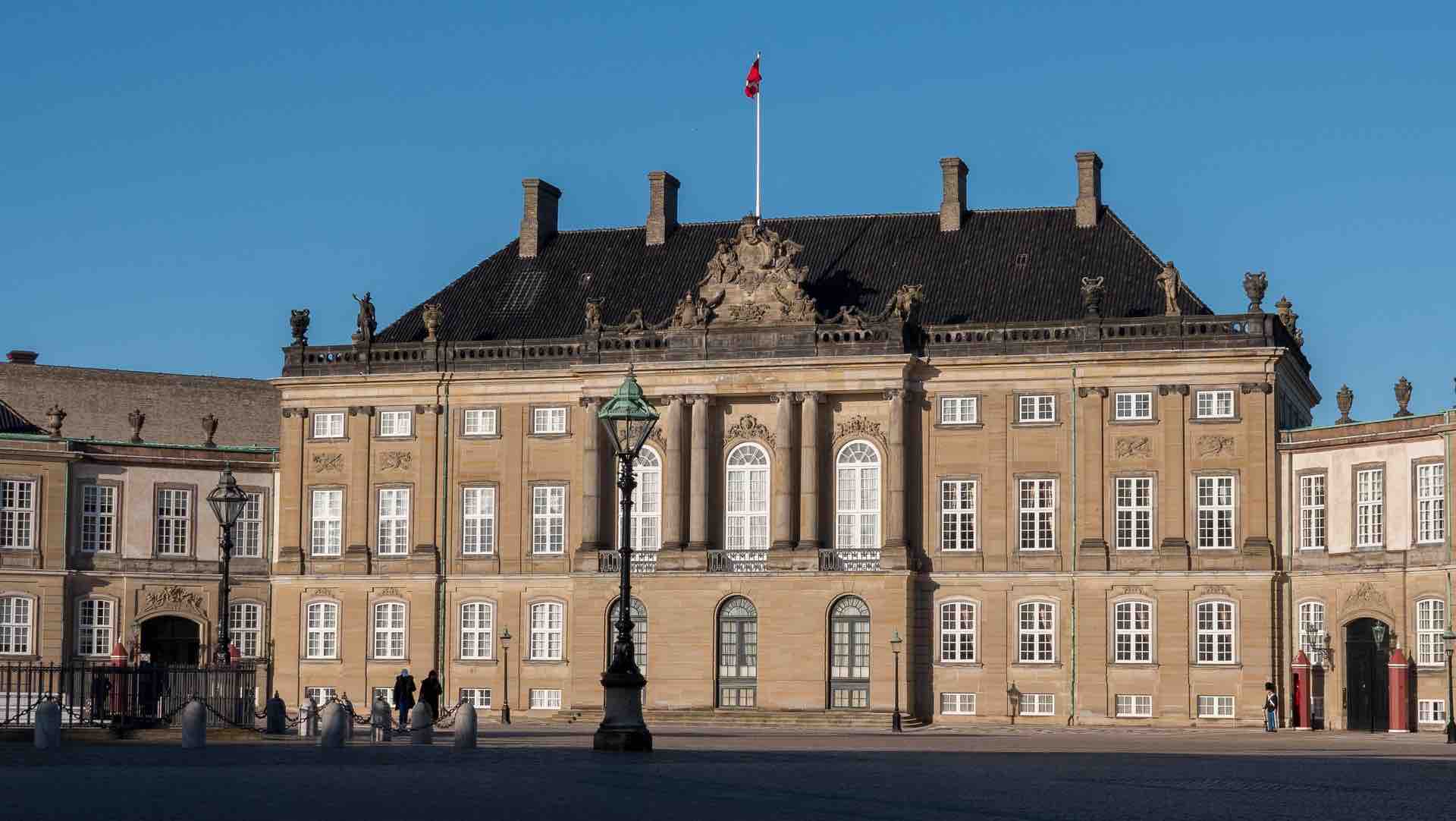
Amalienborg Palace is the winter residence of the Danish Royal Family and a masterpiece of Danish Rococo architecture. The complex consists of four identical palaces situated around an octagonal courtyard, at the center of which stands the grand equestrian statue of King Frederik V.
This is the place to witness the living history of the world's oldest monarchy while enjoying views of the nearby Marble Church and the Opera House across the harbor.
Key highlights of the palace:
- The Changing of the Guard: Every day at 12:00 PM, the Royal Life Guards (Den Kongelige Livgarde) march from their barracks at Rosenborg Castle to Amalienborg for the relief of the guard. It is a quintessential Copenhagen experience that is free to watch.
- The Amalienborg Museum: Located in Christian VIII’s Palace, the museum offers a look into the private interiors of recent kings and queens. You can explore the royal study rooms and the Fabergé Chamber, which houses a stunning collection of jewelry and art.
- The Palace Square: The octagonal courtyard is open to the public, allowing you to get up close to the impressive facades. Look for the flags - if the royal flag is raised, it means the Monarch is currently in residence.
- The Marble Church Connection: Looking inland from the courtyard, you get a perfectly framed view of the Frederik's Church (The Marble Church), one of the most impressive copper-domed structures in Europe.
8. Discover Kastellet's rich military history

Kastellet (The Citadel) is one of the best-preserved star-shaped fortresses in Northern Europe. It was established in 1626, and it remains an active military installation today, though it serves primarily as a peaceful public park and a favorite exercise spot for locals.
The fortress is recognizable by its distinctive red-painted barracks and the lush green ramparts that surround its moat, offering a quiet escape from the urban energy of nearby Indre By.
Key highlights of the fortress:
- The Kastellet Windmill: A picturesque windmill built in 1847, located on top of the King's Bastion. It was originally designed to ensure the fortress had a self-sufficient flour supply during times of siege.
- The Rampart Walk: A scenic 1.5-kilometer walking path along the top of the fortress walls. It provides excellent views of the harbor, the Little Mermaid statue, and the historic buildings within the citadel.
- The Commander’s House: An elegant yellow mansion that served as the residence for the fortress commander and still maintains its historic military significance.
- The Moat and Gates: The fortress is accessed via two grand gates, the King's Gate and the Norway Gate, both of which are fine examples of 17th-century military architecture.
9. The iconic Little Mermaid statue

The statue The Little Mermaid was unveiled in 1913, and today it is the undisputed symbol of Copenhagen. It was inspired by Hans Christian Andersen’s 1837 fairytale, and the bronze statue was commissioned by Carl Jacobsen after he became captivated by a ballet performance of the story.
The statue is sitting on a rock at the Langelinie promenade, and it attracts millions of visitors each year, making it one of the most photographed landmarks in Scandinavia.
Practical Tips:
- How to get there: The statue is located about a 10–15 minute walk from the Østerport station or a scenic 20-minute walk along the waterfront from Nyhavn.
- Best time for photos: To avoid the large tour bus crowds, aim to arrive before 9:00 AM or during the early evening. The sunset light against the harbor provides a beautiful backdrop.
- Entry: Visiting the statue is free and the area is open to the public 24/7.
- Manage expectations: Because it is a high-traffic tourist spot, be prepared for a short wait if you want a clear photo without other visitors in the frame. While you're there, take the opportunity to explore the nearby Kastellet fortress, located just a few hundred meters away.
How to discover more of Copenhagen?
Seeing these landmarks is just the first step to understanding Copenhagen. The city is full of small architectural details, hidden courtyards, and local legends that are easy to walk right past if you don't know where to look. You can also get a better understanding of the different neighborhoods by reading this guide.
If you’re looking to dig deeper into the "why" behind the city’s famous facades - without being tied to a rigid tour group schedule - you can explore further with StoryHunt. Whether you want to uncover the dark history of the canals or hear the personal stories of the people who shaped the Freetown of Christiania, the app provides a low-pressure way to hear the city’s secrets at your own pace. Download StoryHunt for Android and iOS here.


.avif)


.avif)









.avif)
.avif)


