.webp)


TLDR: Central Park offers a free, vast, and layered journey into New York's history and green space. It's an essential visit, but its sheer size means a little planning, or a helpful audio guide, makes all the difference.
I recently found myself wandering through the heart of New York City, discovering a place that's far more than just a large patch of green: Central Park. It is a meticulously crafted landscape with a rich, complex past, humming with the diverse pulse of the city itself.
If you're planning a trip, or just curious about what makes this urban oasis so special, you're in the right place. I’ll share what I learned and experienced, offering practical insights to help you get the most out of your visit.
What is the story behind Central Park?

Stepping into Central Park feels like entering a different world, yet it’s deeply rooted in New York’s mid-19th-century vision.
As the city expanded rapidly, leaders recognized a clear need for a large public space, a green lung accessible to everyone. Inspired by grand European parks, they aimed to create an American version. In 1858, landscape architect Frederick Law Olmsted and architect Calvert Vaux won the design competition with their "Greensward Plan."
They envisioned transforming 843 acres of rocky, swampy land into the picturesque park we enjoy today. It’s a remarkable feat: this seemingly natural environment is almost entirely man-made, a monumental undertaking that involved moving enormous amounts of earth and rock to shape the landscape.
What few visitors realize is that this land was once home to Seneca Village, a vibrant community of predominantly African American landowners, who were forced to leave due to eminent domain. This often-forgotten aspect adds a somber layer to the park's foundations.
Why is Central Park in NYC so famous?
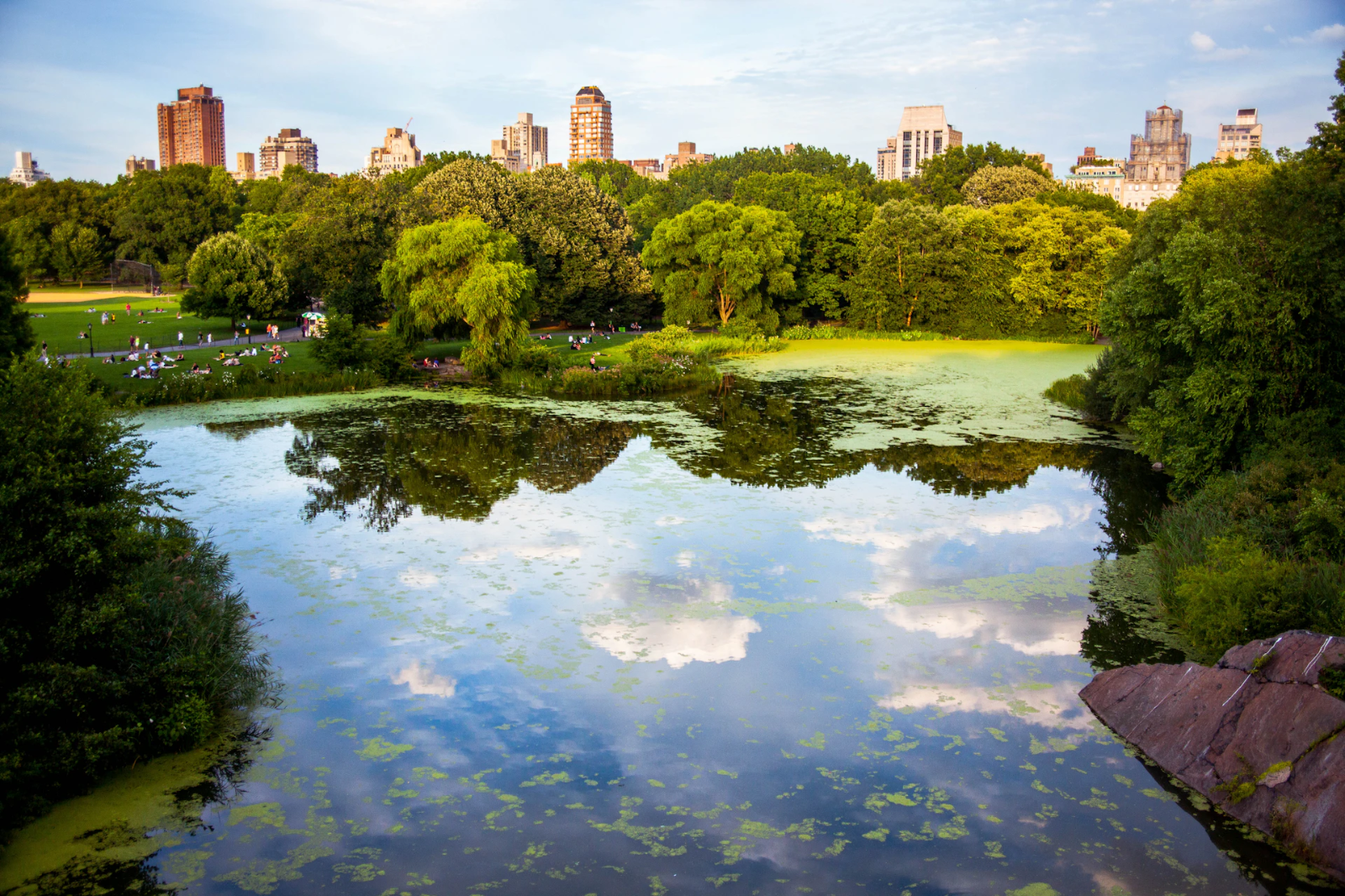
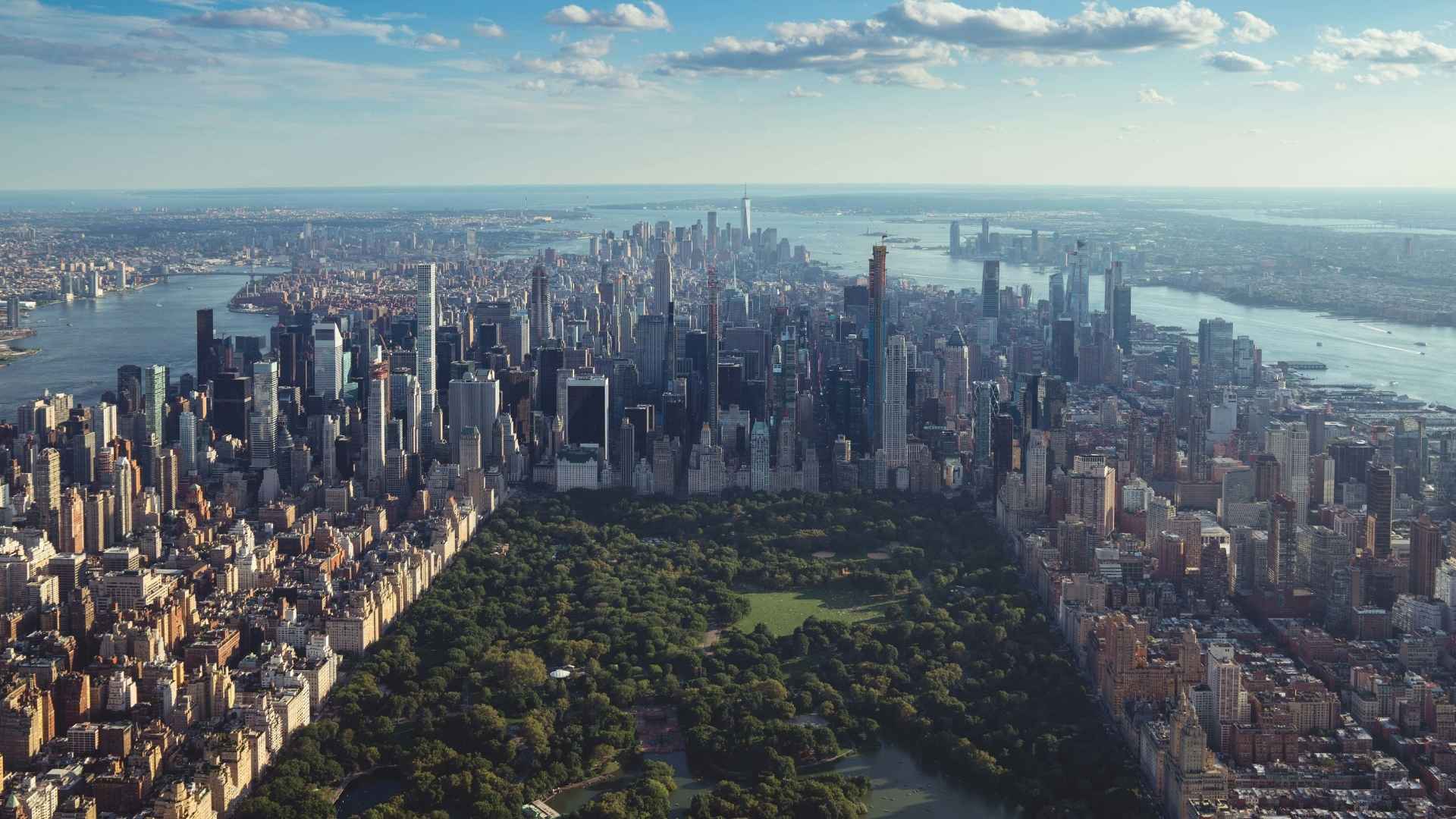
Central Park's fame stems from its sheer audacity: a vast, carefully sculpted wilderness smack in the middle of Manhattan. It's a true masterpiece of landscape architecture, designed by Olmsted and Vaux to bring a touch of the countryside into the city. Picture 843 acres, larger than some entire nations, meticulously crafted with lakes, forests, and rolling hills from what was once an uninviting landscape.
Beyond its incredible design and scale, the park has become a cultural touchstone. I saw people picnicking on Sheep Meadow, strolling across the elegant Bow Bridge, and enjoying the lively atmosphere near Bethesda Terrace. It’s a backdrop for countless films and artworks, instantly recognizable, and a symbol of New York’s innovative spirit.
Its enduring presence and ability to offer solace or celebration to millions of people truly make it a global icon.
How much does it cost to enter Central Park?

You’ll be pleased to hear that entering Central Park itself won't cost you a penny. It's completely free and open to the public every day, from early morning until late night.
This accessibility is part of its original design, meant to be a democratic space for all. I spent hours simply walking, listening to the birds, and watching the city life unfold around the various ponds and pathways without reaching for my wallet once. However, keep in mind that while the main park is free, some specific attractions *within* its vast expanse do have their own fees.
Think about popular spots like the Central Park Zoo, taking a ride on the historic carousel, or gliding across the ice at Wollman Rink in winter. So, you can enjoy much of what the park offers without spending money, but be prepared for costs if you plan on specific activities.
What are 5 facts about Central Park?
Central Park holds some truly surprising details for the curious traveler.
- First, despite its organic appearance, nearly every hill, lake, and stream you see was planned and constructed by human hands. It’s a completely designed landscape.
- Second, at 843 acres, it dwarfs several independent countries; to give you a sense, it’s bigger than Monaco.
- Third, while its paths often meander to create a natural feel, there’s only one truly straight path that crosses a significant distance: The Mall, with its grand elm trees.
- Fourth, the land it occupies was once a settlement known as Seneca Village, a community primarily of African American property owners, who were displaced for the park's creation.
- Finally, the massive construction effort involved carving through bedrock, using more gunpowder than was expended during the Battle of Gettysburg.
How much of Manhattan is Central Park?

When you’re standing inside Central Park, its sheer size makes you wonder how much of the dense island it actually covers. This sprawling green space spans about 843 acres, or roughly 341 hectares. To put that into perspective, Manhattan's total land area is around 14,478 acres.
This means Central Park makes up approximately 5.8% of the borough’s entire landmass. It feels massive, and that’s because it is – not only larger than the country of Monaco, as you now know, but nearly three times the size of Vatican City.
The construction took 16 years, starting in 1857, and involved moving millions of cartloads of earth and planting countless trees and shrubs. You’ll even find an ancient Egyptian obelisk, “Cleopatra’s Needle,” near The Met, a testament to the park’s many layers of history and design.
Is it worth visiting Central Park?
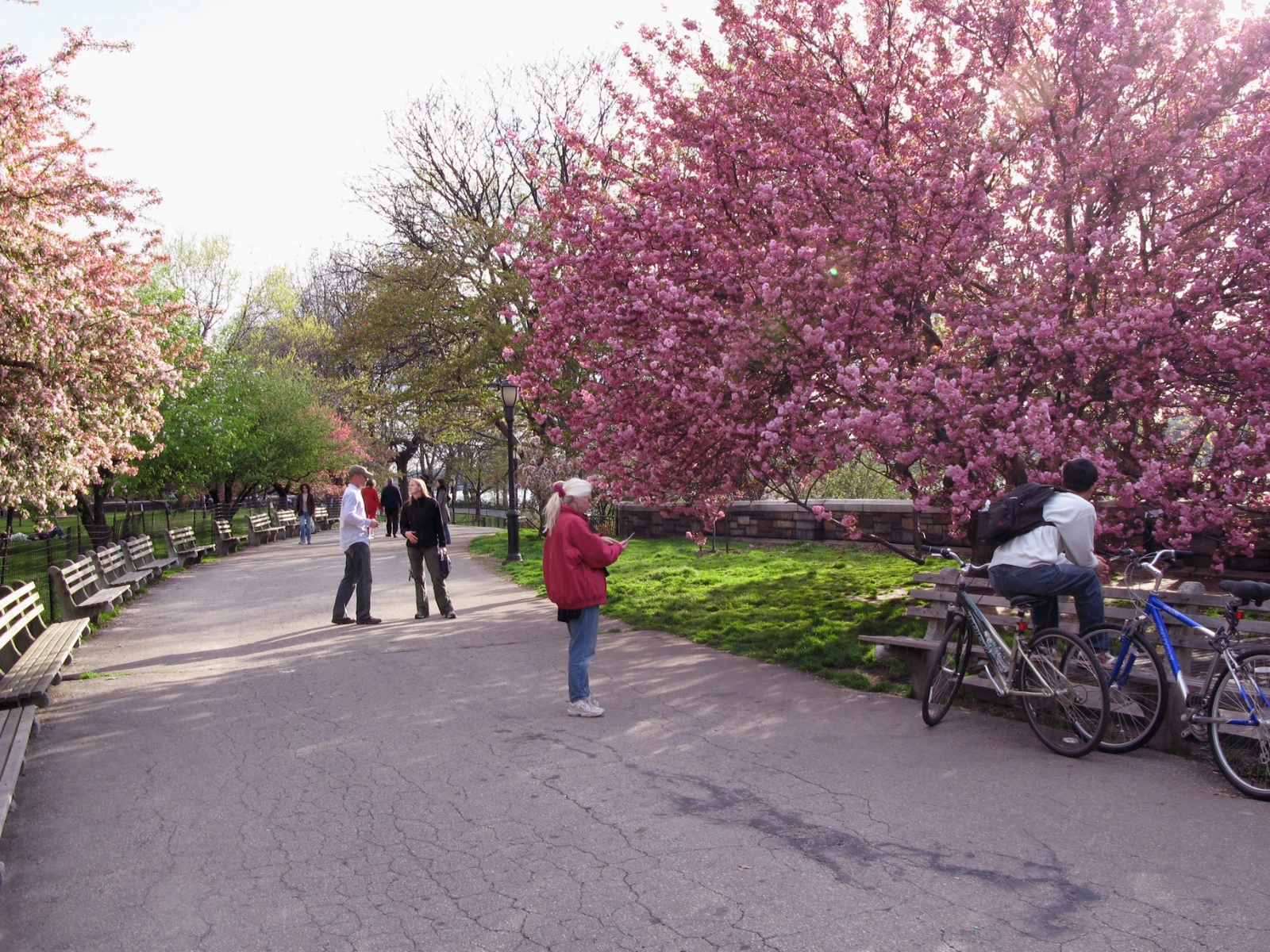
Absolutely, Central Park is undeniably worth a visit, though whether it’s a quick stroll or a full day's exploration depends on your preferences. For me, it offered a much-needed escape from the city’s constant noise, a place to breathe fresh air and hear birdsong. Its vastness offers something for everyone: from the serenity of the Conservatory Garden to the lively street performers around Bethesda Terrace, or simply the quiet beauty of a walk around The Lake.
However, its immense size can be a bit overwhelming. Without a clear idea of what you want to see, you might find yourself wandering aimlessly, or getting caught in the crowds at popular spots. Weekends, especially during good weather, can feel very busy. If you prefer a more peaceful experience, try visiting on a weekday morning or during the cooler months. For those with limited mobility, stick to the main paved paths as some areas are quite hilly.
To truly make the most of your time and find those special spots, having a plan or a guide is helpful. I found that using an app like StoryHunt, which offers audio tours, can be invaluable for navigating and uncovering the park’s hidden narratives and specific sights without getting lost or missing key details.
What else can I do in New York?

Beyond Central Park, New York's Upper West Side offers an overwhelming number of experiences that are often just a stone's throw away.
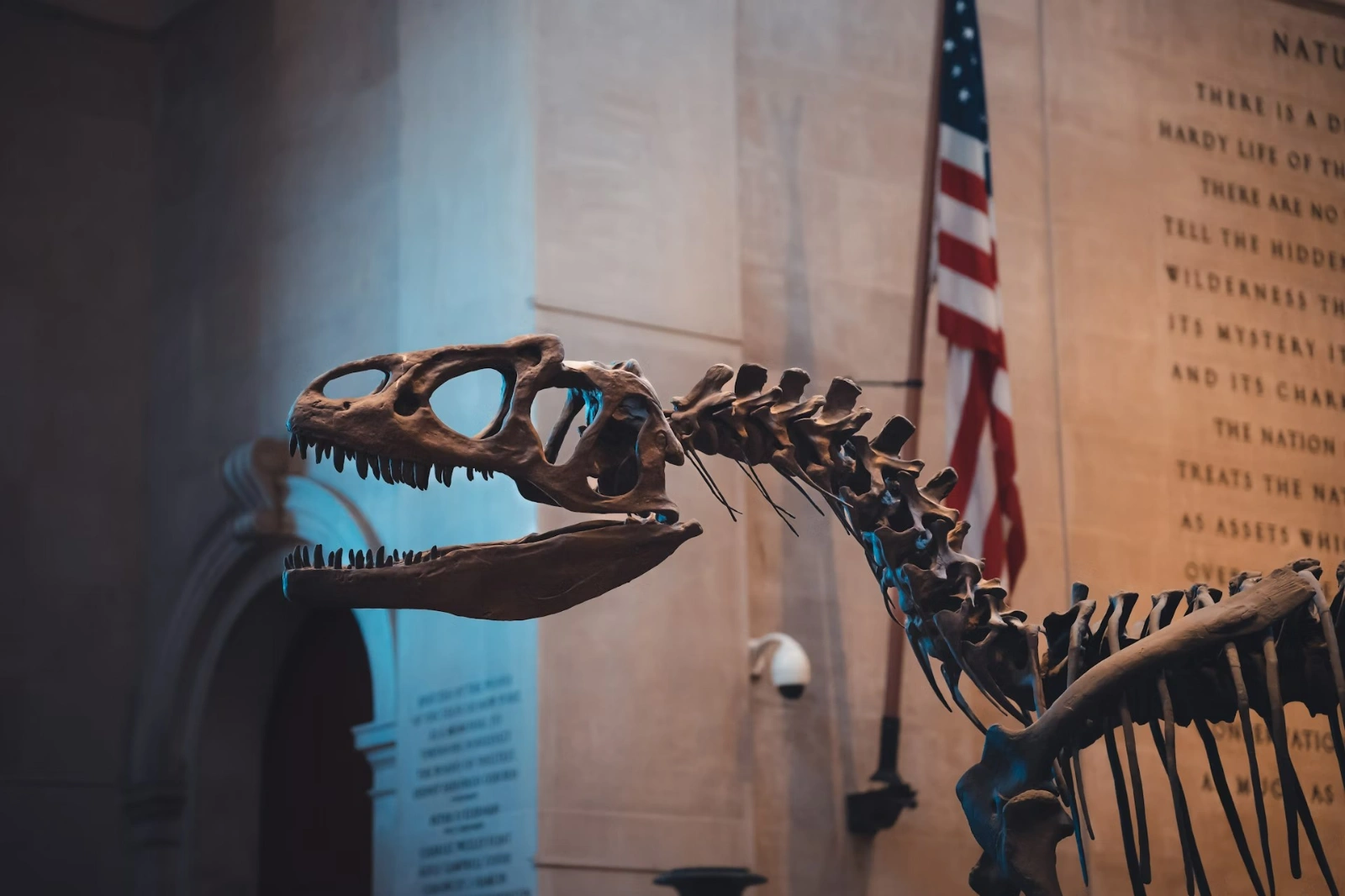
Right on the eastern edge of the park, you’ll find the Metropolitan Museum of Art, affectionately known as The Met. It's a treasure trove of art spanning centuries and cultures, a must-see for any art enthusiast. On the western side, the American Museum of Natural History provides captivating exhibits, with dinosaur halls that will thrill visitors of all ages. For a more opulent experience, consider a walk down Fifth Avenue, where luxury shops and grand architecture create a distinct New York feel.
Within Central Park itself, if you're looking for another quiet moment, the beautiful Conservatory Garden offers a completely different, formal garden experience. For those who appreciate art in a more intimate setting, the Frick Collection, housed in a magnificent mansion, displays Old Master paintings and sculptures – a lovely contrast to The Met's grand scale.
And as you explore these, or any other part of the city, remember that tools like StoryHunt can serve as your personal guide, offering fascinating audio stories about both famous landmarks and secret spots, allowing you to discover the city's layers at your own pace.









.jpg)













.jpg)


.jpg)











.jpg)







.avif)


