
.webp)


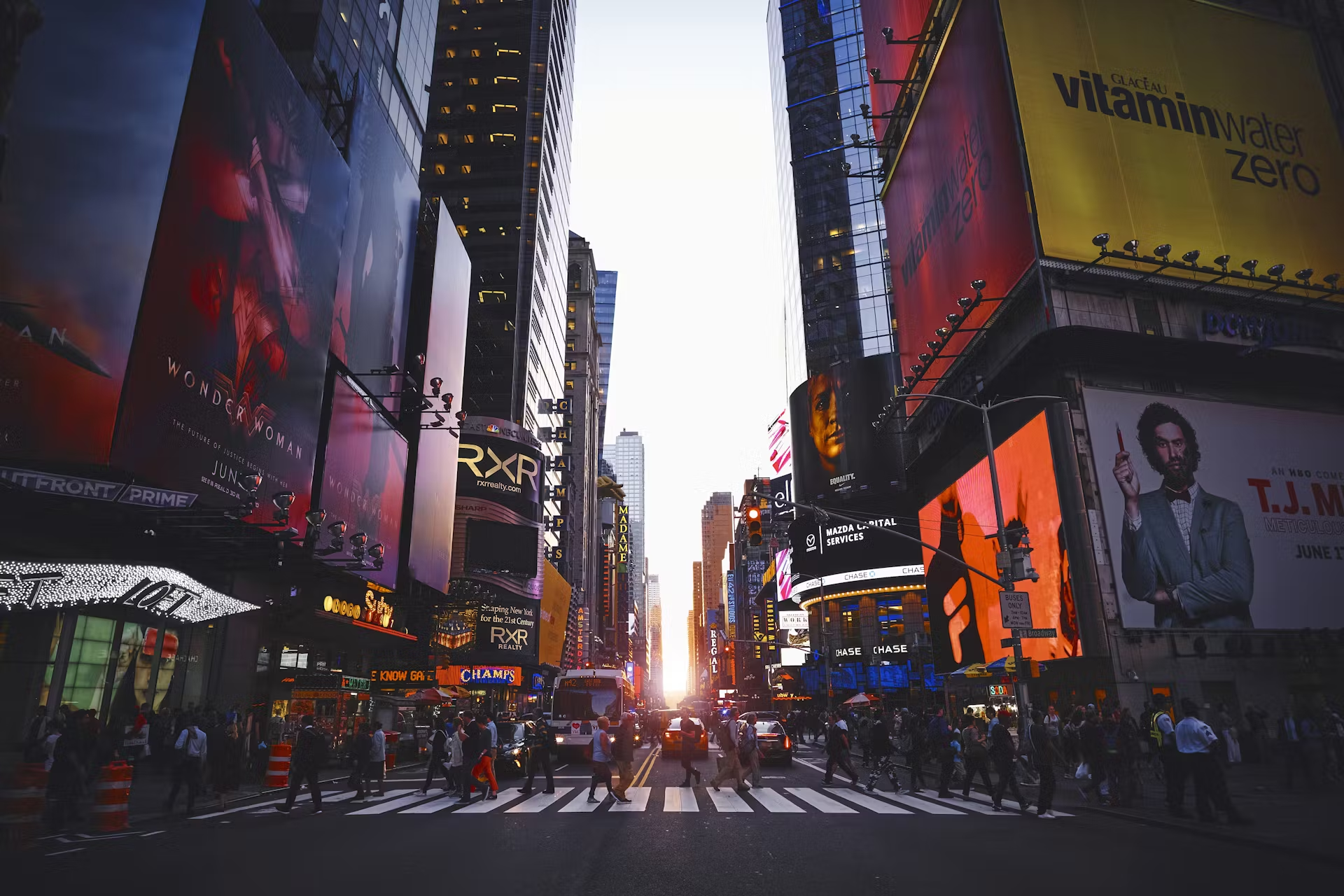
TLDR: MoMA offers an unparalleled collection of modern and contemporary art in New York City, featuring iconic works like 'The Starry Night' and pioneering new art forms. While crowds can be substantial, its rich history, diverse exhibits, and practical visitor tips make it a rewarding experience.
New York City’s Museum of Modern Art, or MoMA, often stands out on any traveler's itinerary. I recently navigated its halls, taking in everything from towering sculptures to intimate film screenings.
If you’re planning a visit, you’ll want clear, practical insights on what to expect, how to make the most of your time, and whether this celebrated institution truly aligns with your interests. Let's dig into the details and prepare you for your own modern art adventure.
What is the story behind MoMA?

Stepping through MoMA's doors, you're walking into a piece of art history that redefined how the world sees creativity. This institution wasn't a centuries-old establishment; it was born from a radical vision in 1929. Imagine three determined women – Abby Aldrich Rockefeller, Lillie P. Bliss, and Mary Quinn Sullivan – founding a museum dedicated exclusively to modern art, just days after the Wall Street Crash. This was a bold statement of cultural optimism!
Under its first director, Alfred H. Barr Jr., MoMA challenged traditions, expanding its scope beyond just paintings to include film, photography, and architecture. From its humble beginnings, MoMA grew, moving into its present 53rd Street location in 1939 and even winning an Oscar for its film contributions.
It’s a place that continually showcases the evolving story of human expression. This pioneering spirit truly sets it apart, and you’ll see its impact throughout the collections.
What is MoMA famous for?
MoMA is world-renowned for its incredible collection of modern and contemporary art. When you visit, you'll immediately understand why. It’s famous for housing those iconic pieces you’ve seen in books: the swirling, vibrant colors of Van Gogh’s "The Starry Night," the dramatic figures in Picasso's "Les Demoiselles d'Avignon," and the melting clocks of Dalí's "The Persistence of Memory."
But it’s not just canvases; MoMA's collection is vast. Beyond paintings, you'll find everything from architectural models and sleek furniture designs to groundbreaking photography, sculptures, and a comprehensive film and electronic media archive. This diverse range, established by its visionary founders, ensures there’s always something unique to catch your eye, showcasing creativity in all its forms.
Is it better to go to the Met or MoMA?
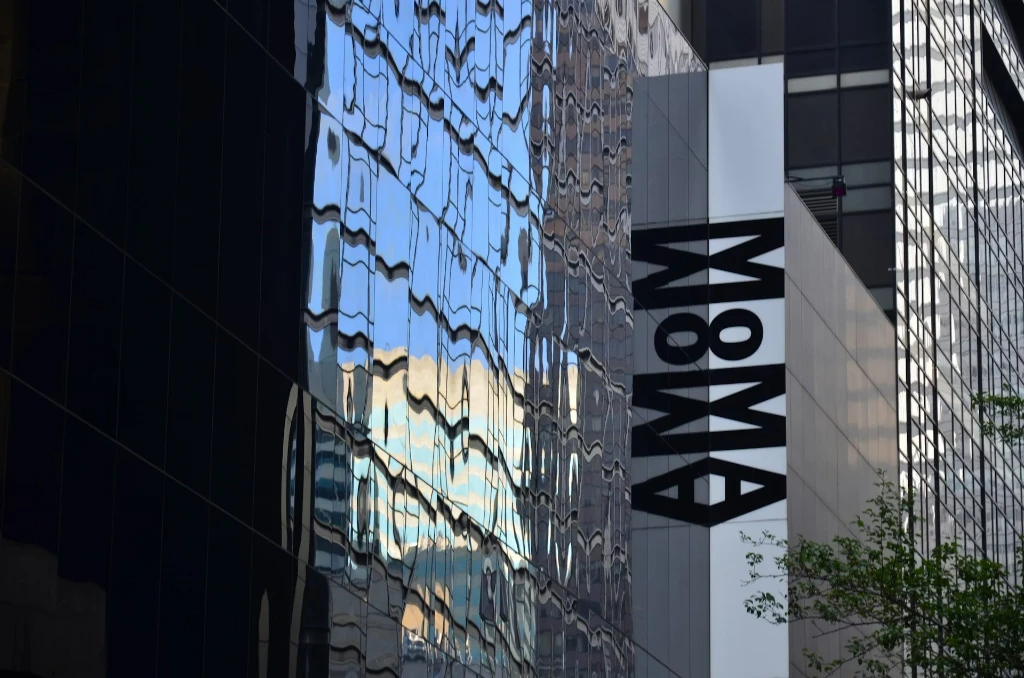
Deciding between The Met and MoMA really comes down to your personal taste in art.
If you're drawn to art from the late 19th century to today – think modern and contemporary masterpieces – then MoMA is your destination. You’ll immerse yourself in a focused journey through more recent artistic movements, with a strong emphasis on paintings, sculptures, and its pioneering film department.
On the other hand, if you prefer a sweeping historical panorama, The Metropolitan Museum of Art (The Met) offers an encyclopedic experience. There, you can wander through ancient Egyptian temples, medieval European arms and armor, classical Greek sculptures, and American decorative arts, spanning 5,000 years of human culture.
Both are incredible, but MoMA offers a deep dive into the modern era, while The Met provides a broad, global historical survey.
Why is the MoMA closing?
Good news for art lovers: The main Museum of Modern Art building on West 53rd Street is not closing! You can expect full schedules of exhibitions throughout 2025 and well beyond, offering continuous access to its world-class collection.
You might have heard whispers of closures, and that likely refers to the MoMA Design Store in SoHo, which will temporarily close for renovations in May 2025, reopening that fall. This retail space aims to enhance your experience and reveal some of the building's original 19th-century features.
The main museum itself completed a significant $400 million expansion in 2019, adding more gallery space and introducing new areas. This ensures MoMA remains open and continues to present an inclusive narrative of modern art for many years to come.
Is Starry Night at MoMA?
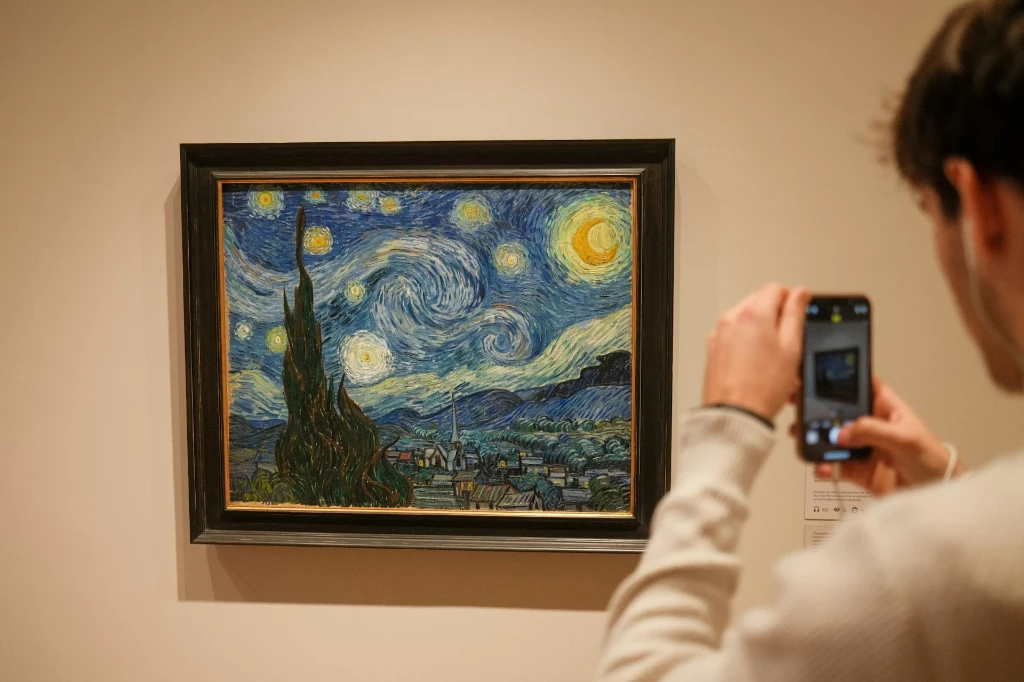
Yes, absolutely! Vincent van Gogh's "The Starry Night" is undeniably a star attraction at MoMA. This iconic painting, with its swirling, vibrant depiction of a night sky, is one of the museum's most prized possessions and a major draw for visitors worldwide.
You’ll typically find it on the fifth floor, often in Gallery 501. Walking up to it, you can feel the energy it generates; it always draws a crowd, a testament to its enduring power. Van Gogh painted this masterpiece in 1889, and it joined MoMA’s collection in 1941.
Seeing its brushstrokes up close is an unforgettable experience, though be prepared for a small throng of admirers around it. Arriving early might give you a slightly more intimate viewing.
Is it worth visiting MoMA?
For lovers of modern and contemporary art, a visit to MoMA is definitely worthwhile. Seeing "The Starry Night," Picasso’s revolutionary works, and Dalí's surreal landscapes up close is a profound experience. The museum's diverse offerings, from film to design, mean there’s truly something for every artistic interest.
However, you should prepare for crowds, especially around the most famous pieces and during free admission times like Uniqlo Free Fridays. These can sometimes make for a less tranquil viewing. If you prefer a calmer atmosphere, aim for opening time on a weekday or look into their "Quiet Mornings."
A quick pass takes 2-3 hours, but a thorough exploration could easily fill 5-6 hours. General admission is $30, with discounts available, and children under 16 enter free. It's also fully wheelchair accessible.
What else can I do in New York?
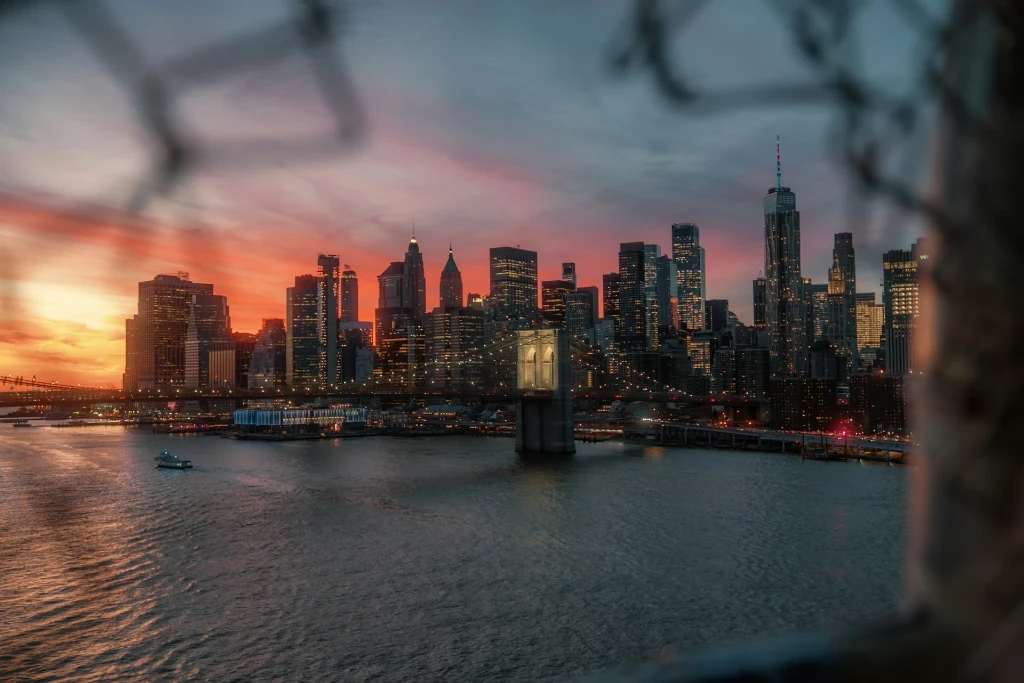
After immersing yourself in the modern masterpieces at MoMA, New York City offers a wealth of other experiences right nearby.
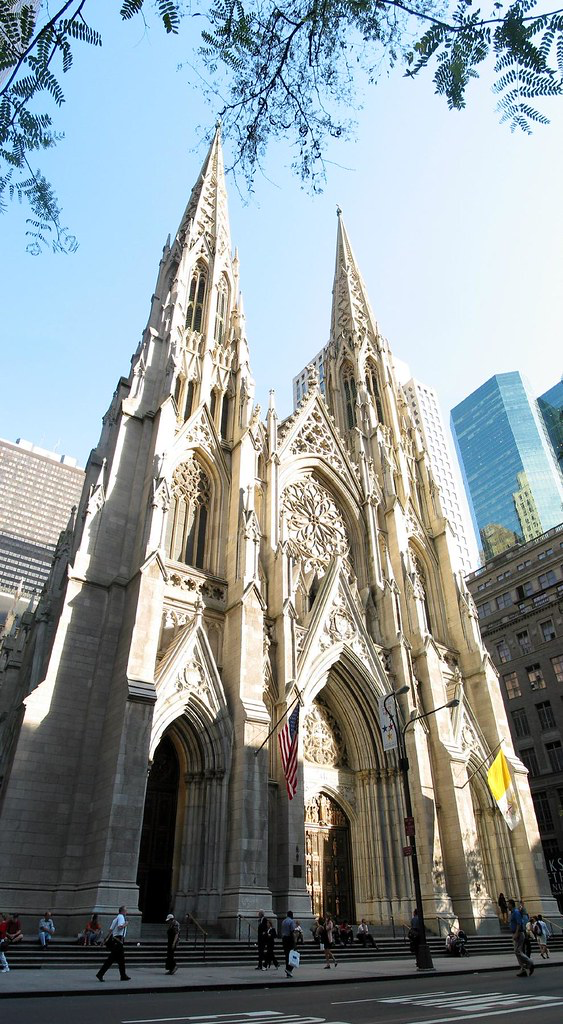
Just a short walk brings you to the grandeur of Rockefeller Center, where you can ascend to the Top of the Rock for breathtaking city views. Directly across the street, the magnificent neo-Gothic spires of St. Patrick's Cathedral offer a moment of architectural awe. If you're seeking a different artistic flavor, consider The Frick Collection, now back in its historic mansion, for a classical contrast with Old Master paintings.
For a quiet reprieve from the urban energy, seek out Paley Park, a serene "pocket park" with a soothing waterfall, located very close to MoMA on 53rd Street.
Each spot offers a unique slice of New York, which is easily discoverable as you explore the city. Download StoryHunt for Android and iOS here and use it to discover the city.


























.jpg)
.jpg)

















.jpg)














.jpg)



.avif)


