.webp)

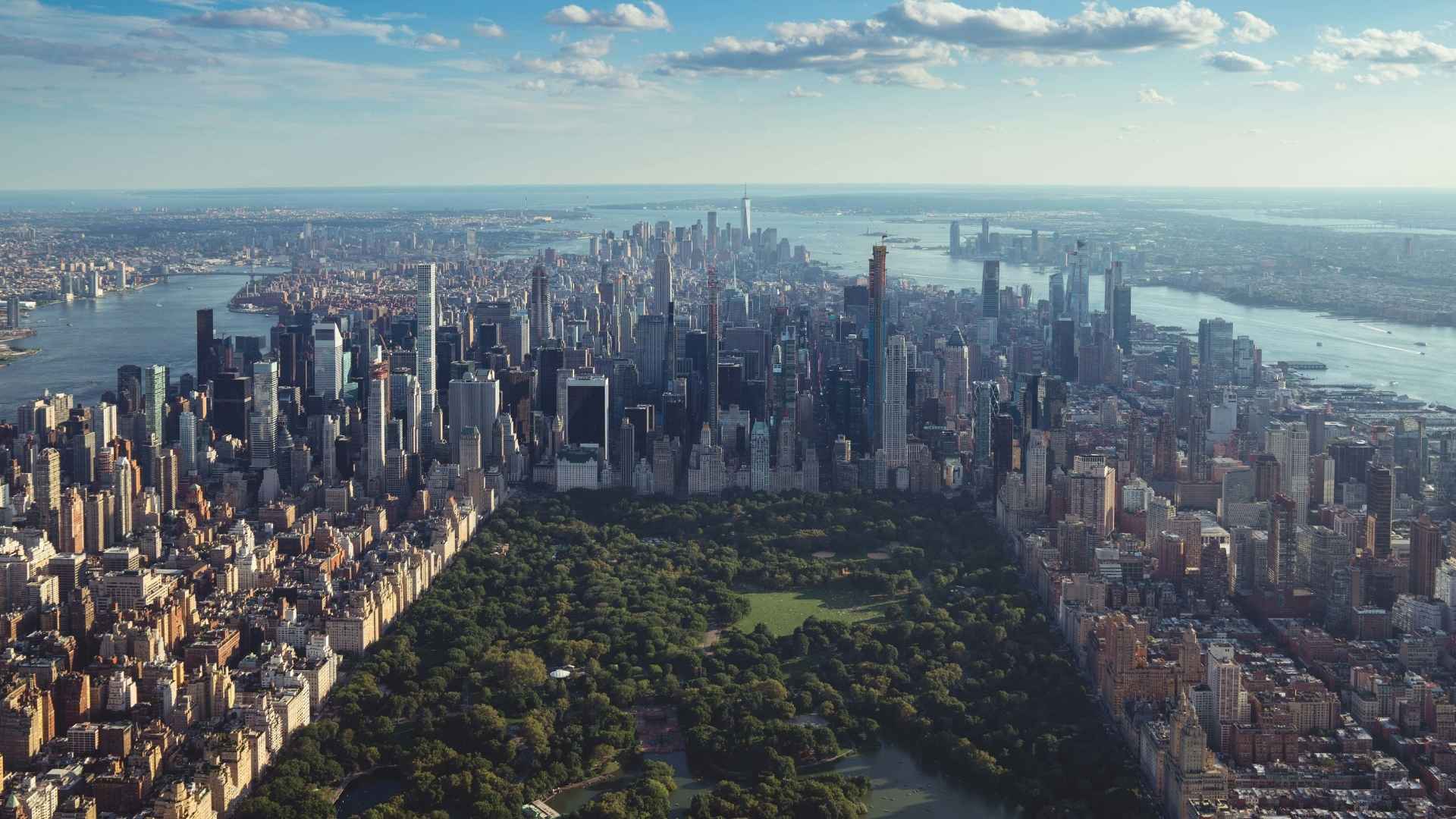
TLDR: The Upper West Side runs from 59th to 110th Street between Central Park and the Hudson River. Known for world-class museums, Lincoln Center performances, historic brownstones, and a laid-back intellectual vibe. Expect tree-lined streets and some of Manhattan's most beautiful architecture.
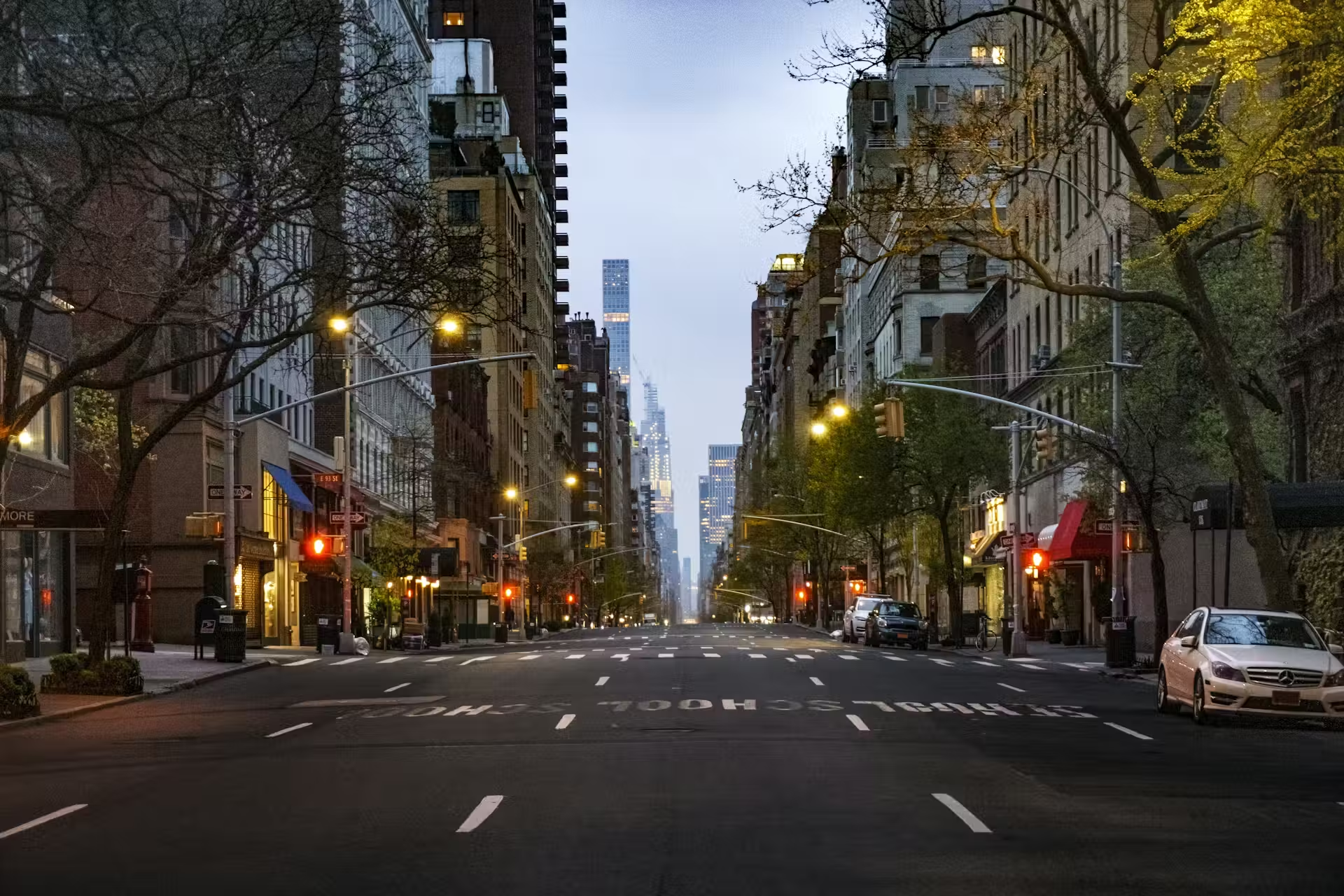
I've spent considerable time wandering the Upper West Side, and it's one of those Manhattan neighborhoods that feels genuinely livable. While other parts of the city pulse with frantic energy, the UWS moves at a different pace.
Parents push strollers through leafy streets, professors from nearby Columbia discuss ideas at corner cafes, and longtime residents actually know their neighbors. It's not the flashy Manhattan you see in movies, but that's precisely what makes it worth exploring.
What is the story behind Upper West Side?
The Upper West Side has roots stretching back to Dutch colonial times, when this area was farmland called Bloomingdale. For most of New York's early history, it remained rural countryside while downtown Manhattan grew dense with buildings and people.
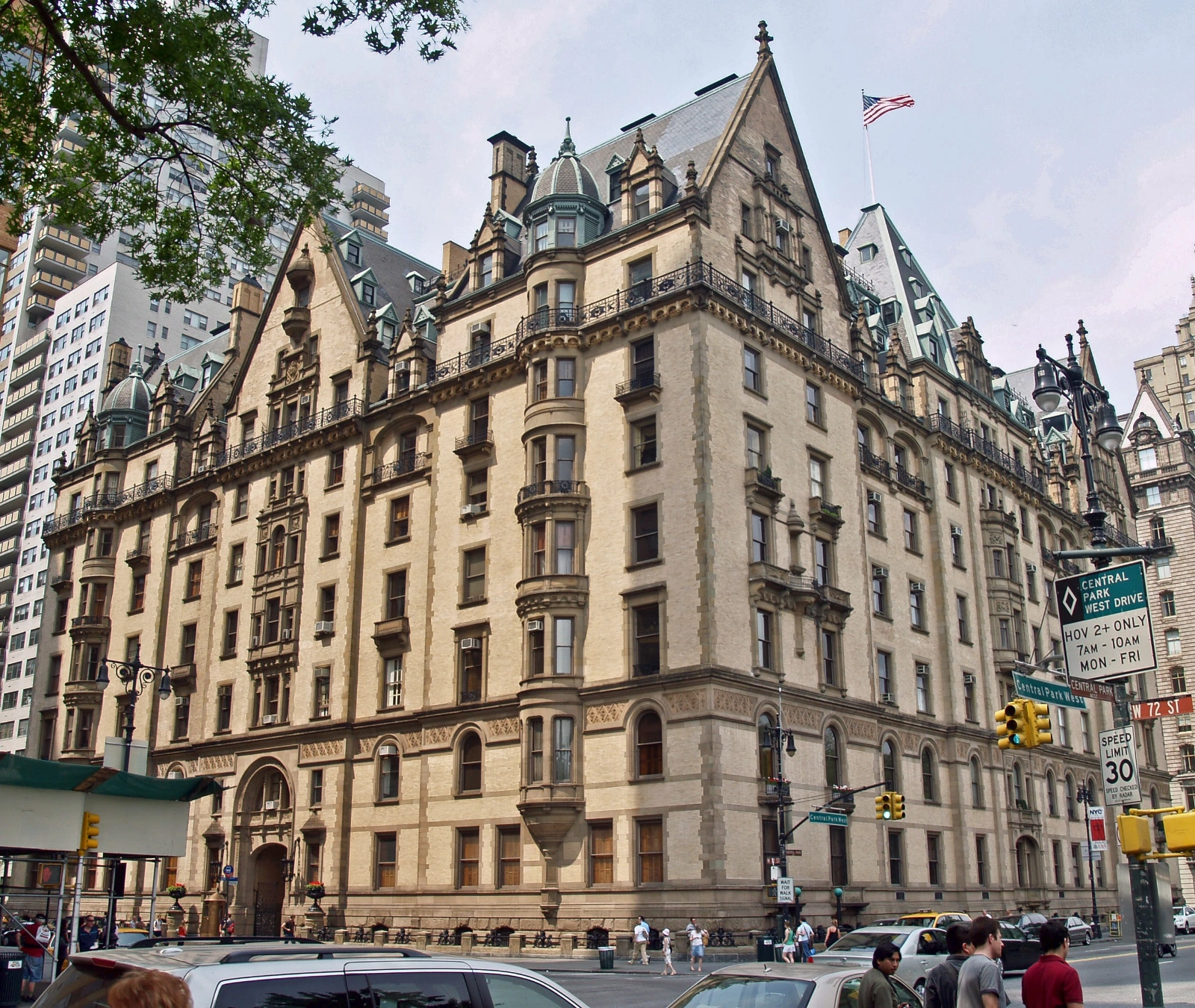
Everything changed in the 1880s when the elevated train arrived on Ninth Avenue (now Columbus Avenue). Developers finally saw potential in this remote stretch of Manhattan. Edward Clark, who made his fortune with Singer sewing machines, took an enormous gamble by building The Dakota apartment building at 72nd Street in 1884. The name supposedly poked fun at how far west it stood from fashionable society. It might as well have been in the Dakota territories.
The subway's arrival in 1904 transformed the neighborhood completely. Grand apartment buildings rose along Central Park West, while brownstones filled the side streets. By the early 20th century, the Upper West Side had established its character as a home for intellectuals, artists, and professionals. Lincoln Center's completion in 1969 cemented its reputation as a cultural destination. Today, despite astronomical rents, the neighborhood retains that slightly bohemian, intellectual atmosphere that set it apart from the Upper East Side across the park.
What are the boundaries of the Upper West Side?
The Upper West Side occupies a prime slice of Manhattan geography. Central Park forms the eastern boundary, while the Hudson River defines the west. The southern edge is 59th Street at Columbus Circle, and the neighborhood extends north to 110th Street. Beyond that, you're in Morningside Heights, home to Columbia University.
Within these boundaries, you'll find distinct micro-neighborhoods. The area around Lincoln Center (59th to 72nd) feels more polished and tourist-oriented. The stretch from 72nd to 86th represents classic UWS territory with its mix of brownstones and pre-war apartment buildings. North of 96th Street, sometimes called Manhattan Valley, has a different character with more affordable housing options.
What makes Upper West Side different from Upper East Side?
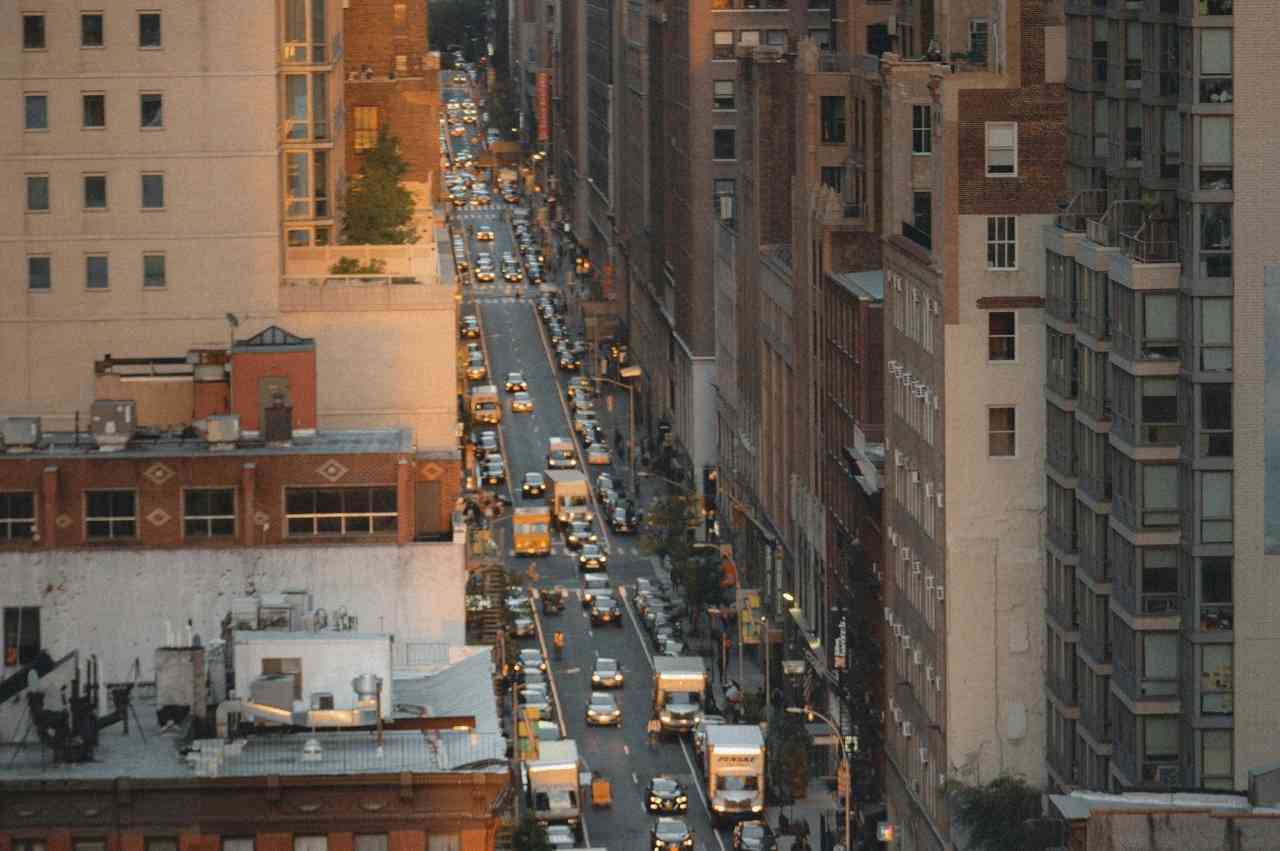
The Upper West Side and Upper East Side face each other across Central Park but feel like entirely different worlds. The East Side is traditionally associated with old money, formal restaurants, and designer boutiques. The West Side has always attracted a more creative, intellectual crowd with professors, writers, and artists.
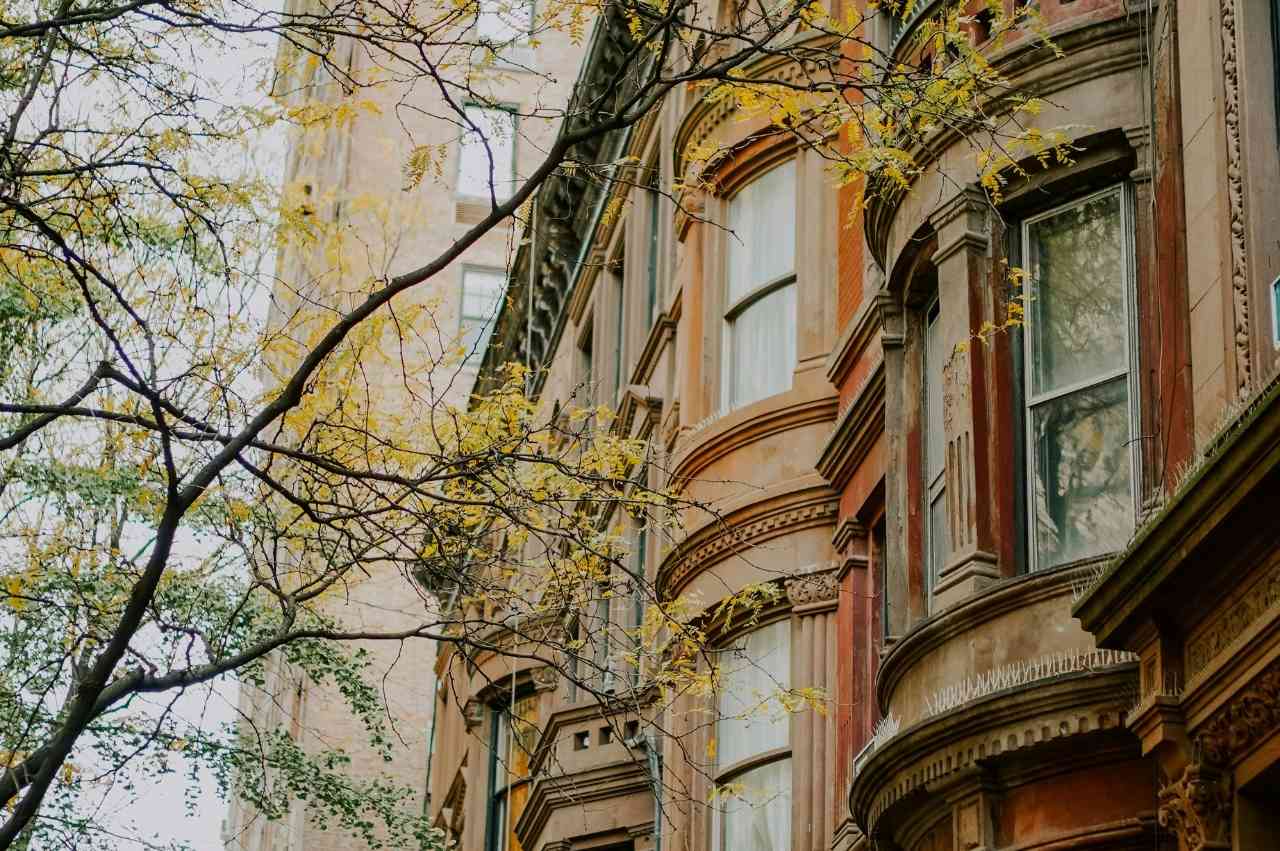
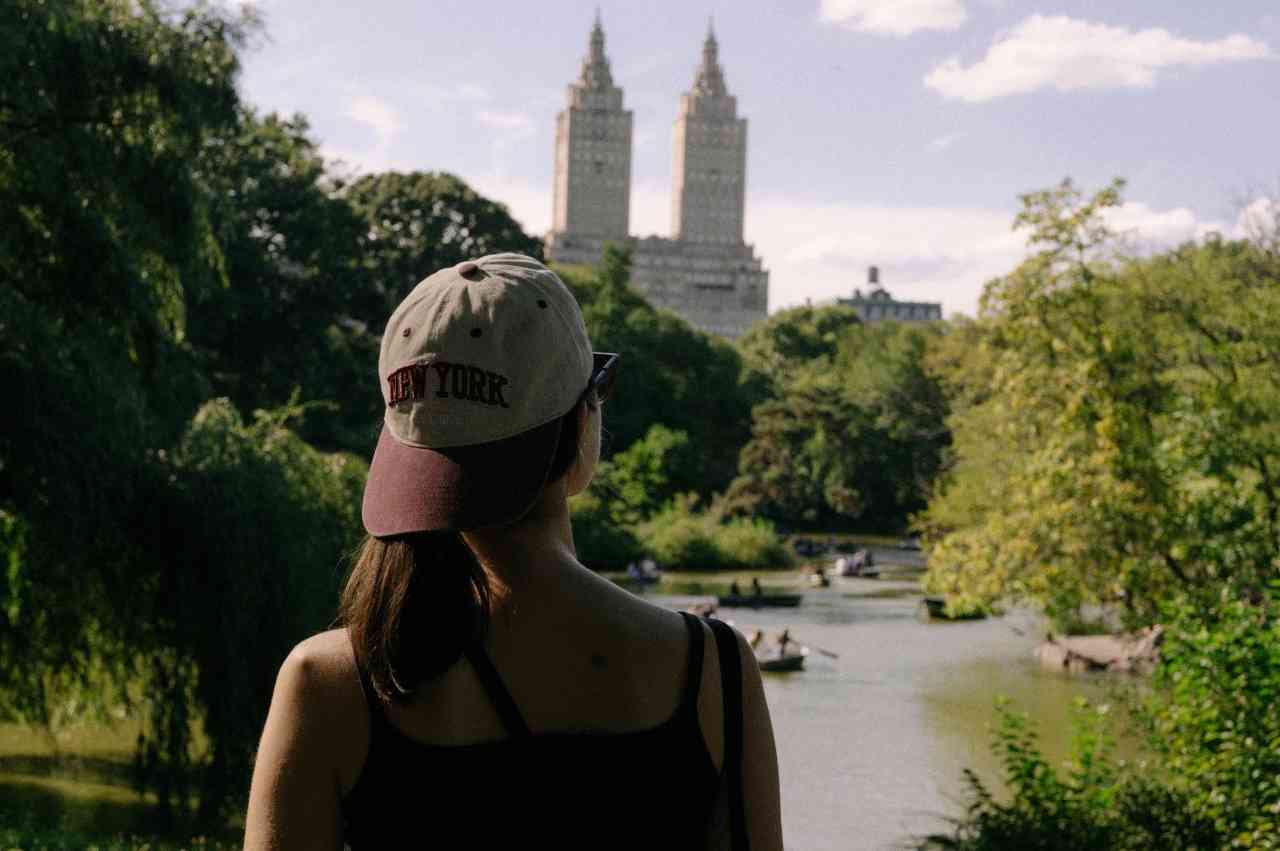
Architecture tells part of the story. While the Upper East Side features limestone mansions and formal townhouses, the Upper West Side showcases ornate apartment buildings, red-brick rowhouses, and the distinctive twin-tower buildings along Central Park West like The San Remo and El Dorado.
The vibe on the Upper West Side tends to be more casual and family-oriented. You'll see more strollers, more dogs, and more people in comfortable clothes grabbing coffee at neighborhood spots rather than power-lunching.
What are the must-see attractions on the Upper West Side?
The Upper West Side packs remarkable cultural institutions into its 50-block stretch.
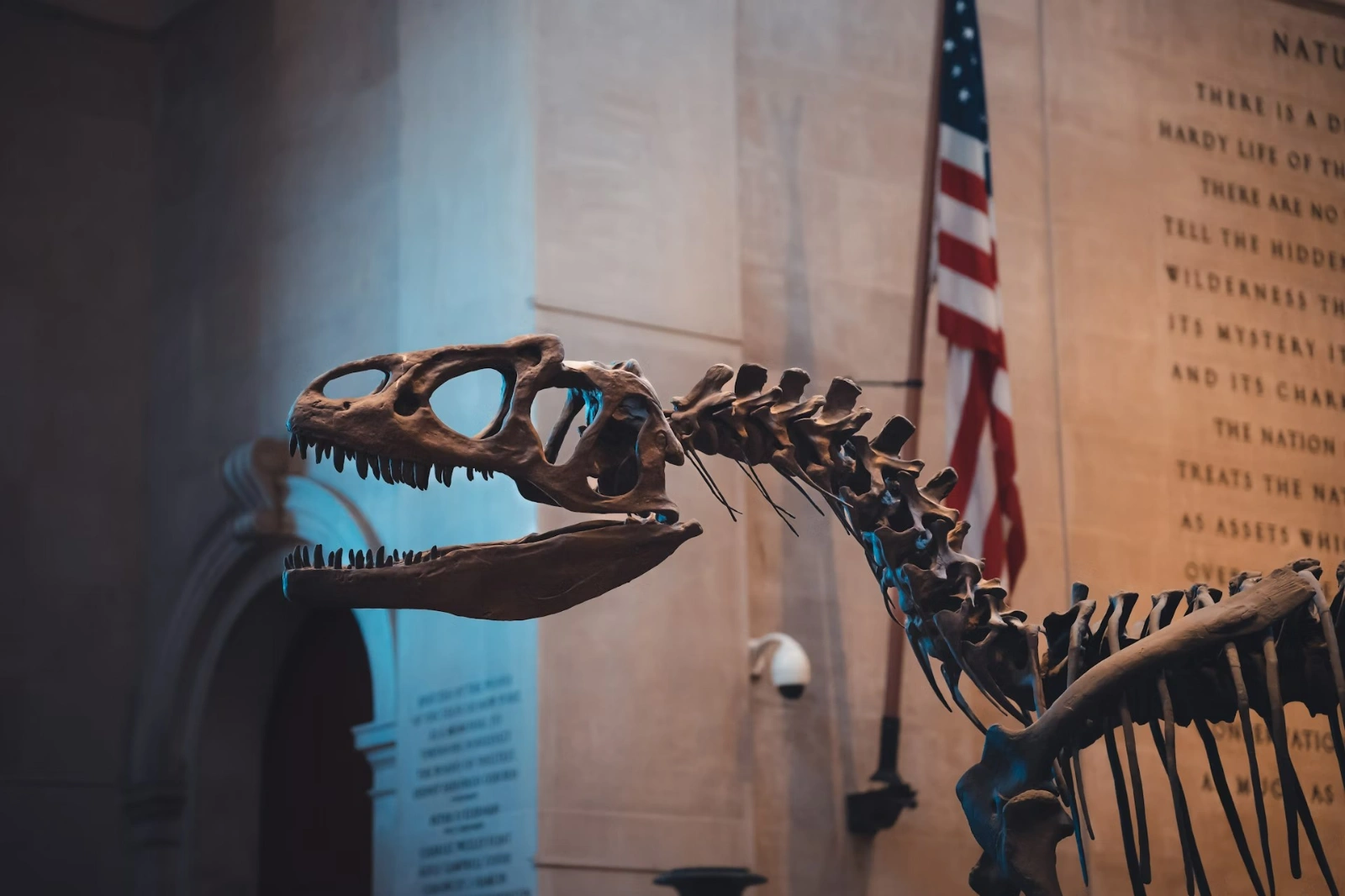
- At the heart sits the American Museum of Natural History, which has welcomed visitors for over 150 years. The dinosaur halls alone are worth the visit, but the Rose Center planetarium and the newer Gilder Center deserve attention too. I've found that getting there when it opens avoids the worst school-group crowds.
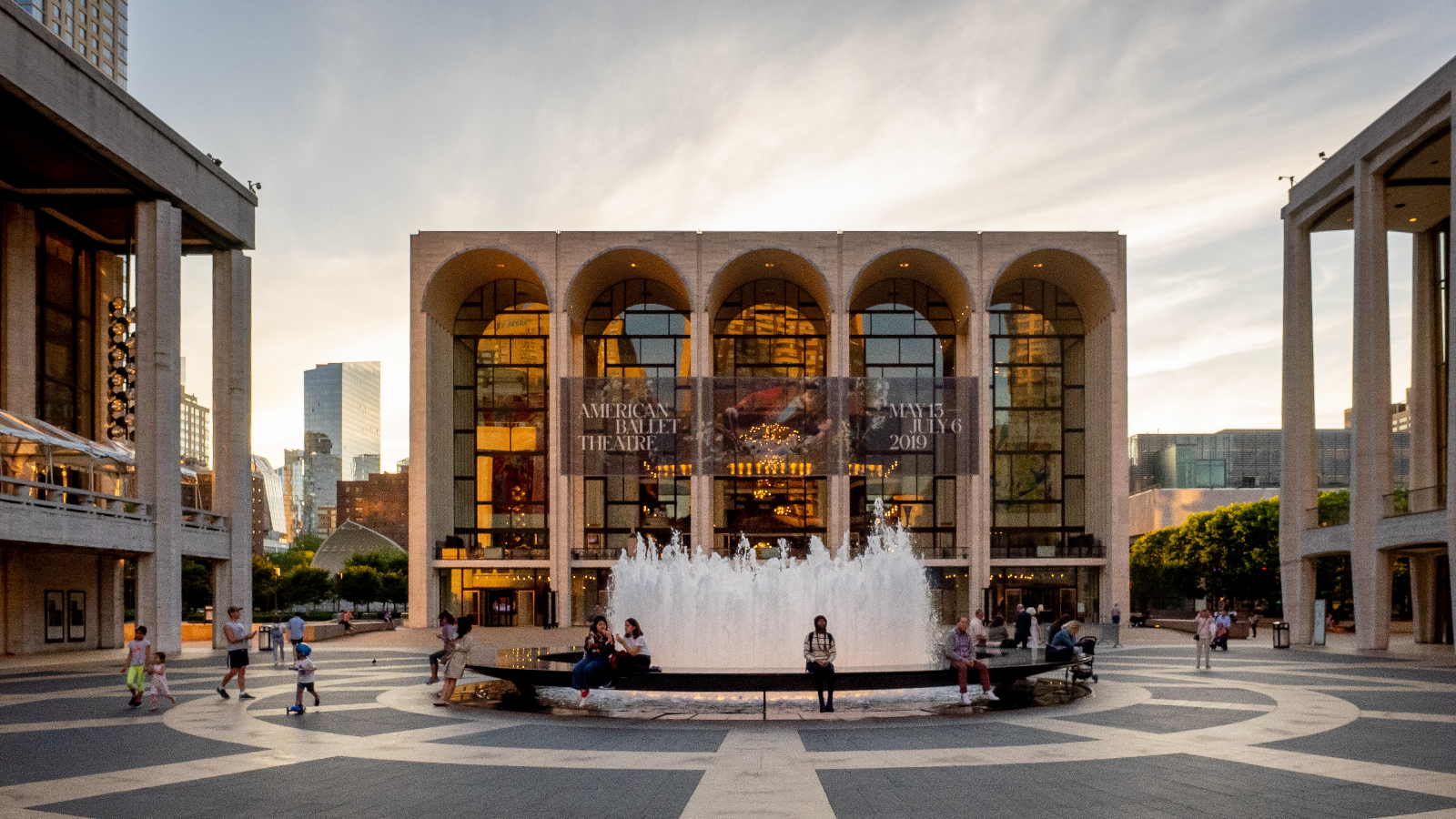
- Lincoln Center anchors the southern end with the Metropolitan Opera, New York City Ballet, New York Philharmonic, and Juilliard School all sharing the campus. Even if you don't catch a performance, walking through the plaza and fountain area at night is genuinely beautiful.
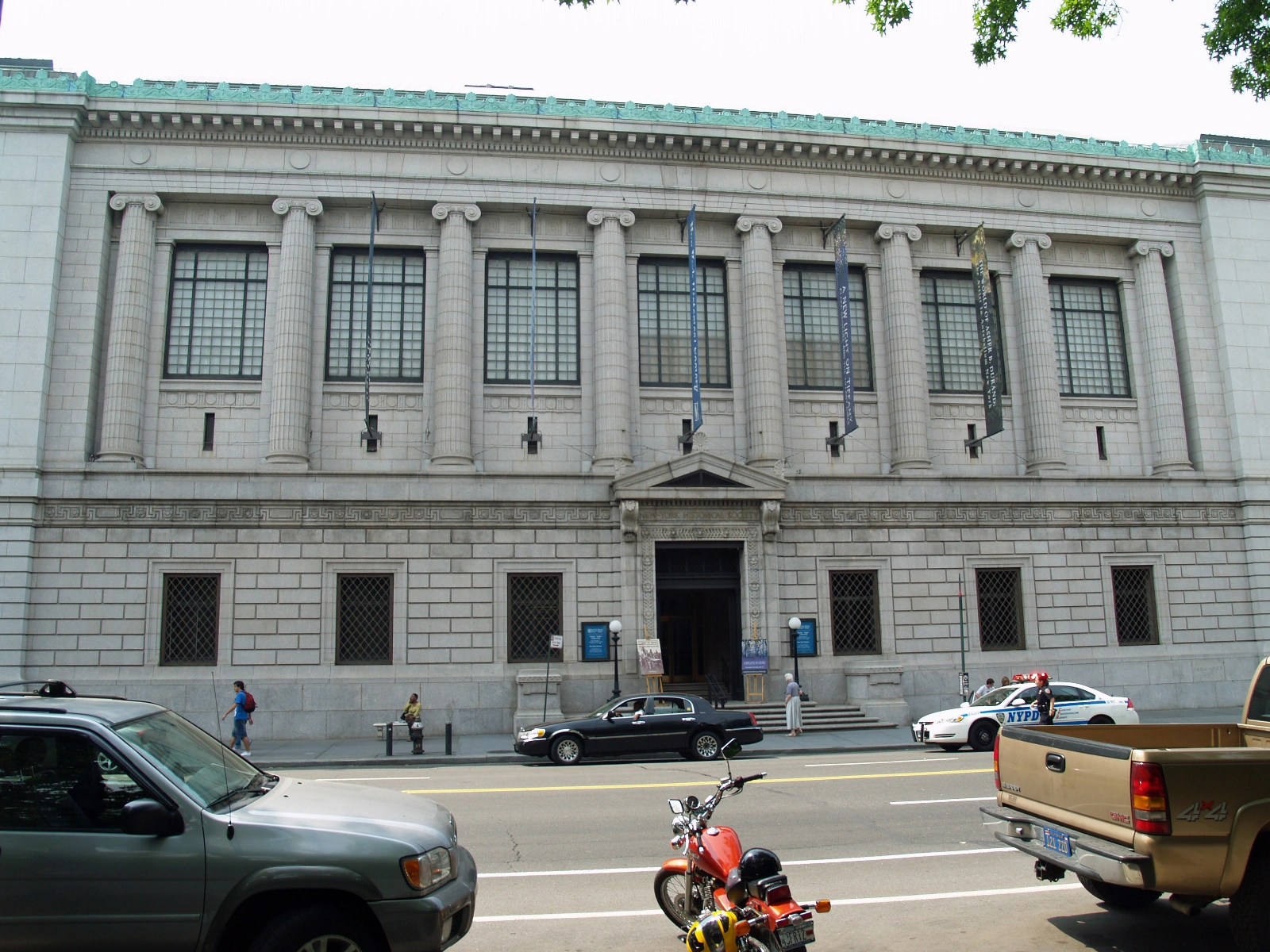
- The New-York Historical Society often gets overlooked in favor of larger museums, but it offers fascinating New York-specific exhibits and holds the world's largest collection of Tiffany lamps.
What parks should you visit on the Upper West Side?
.jpg)
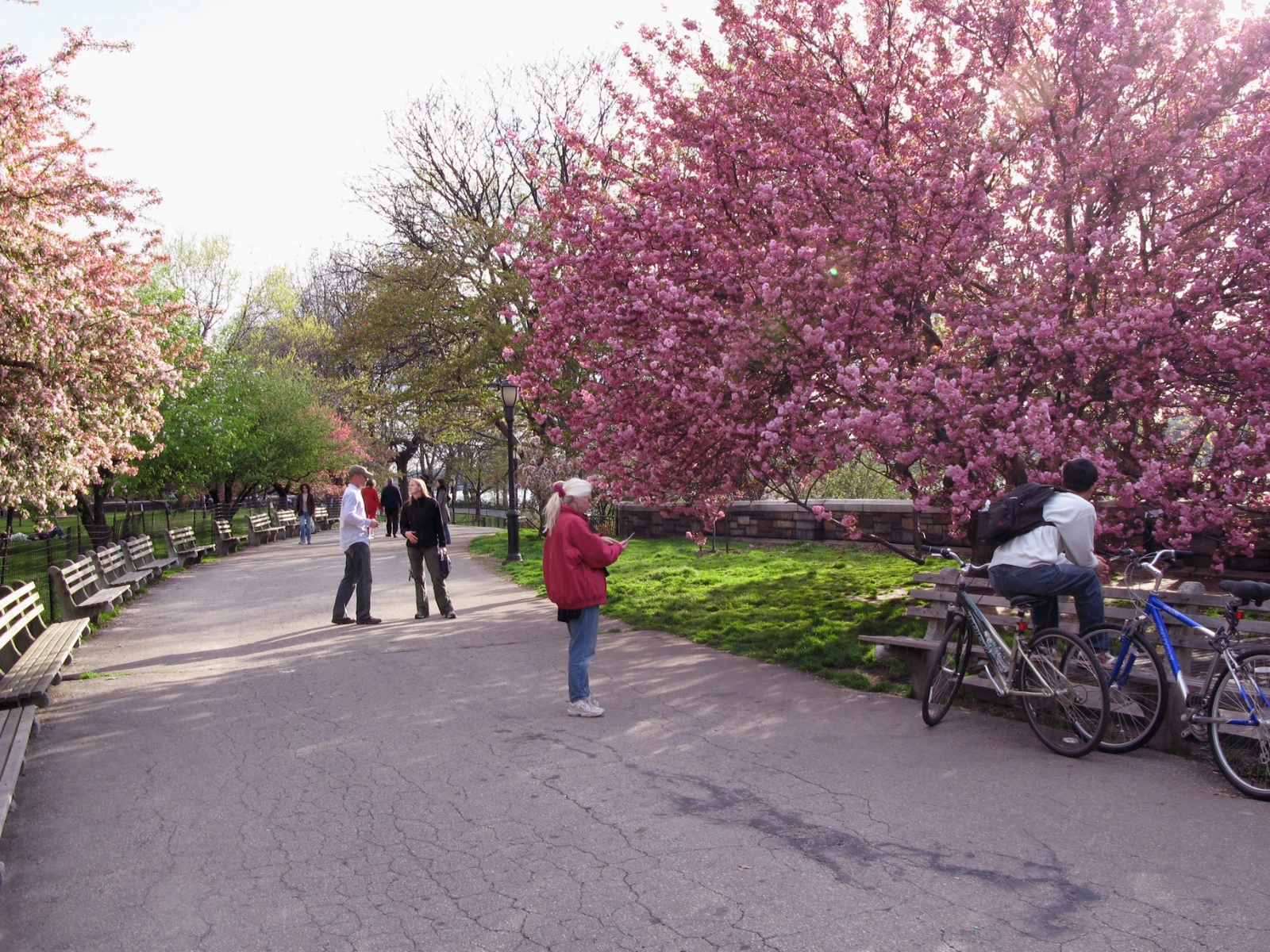
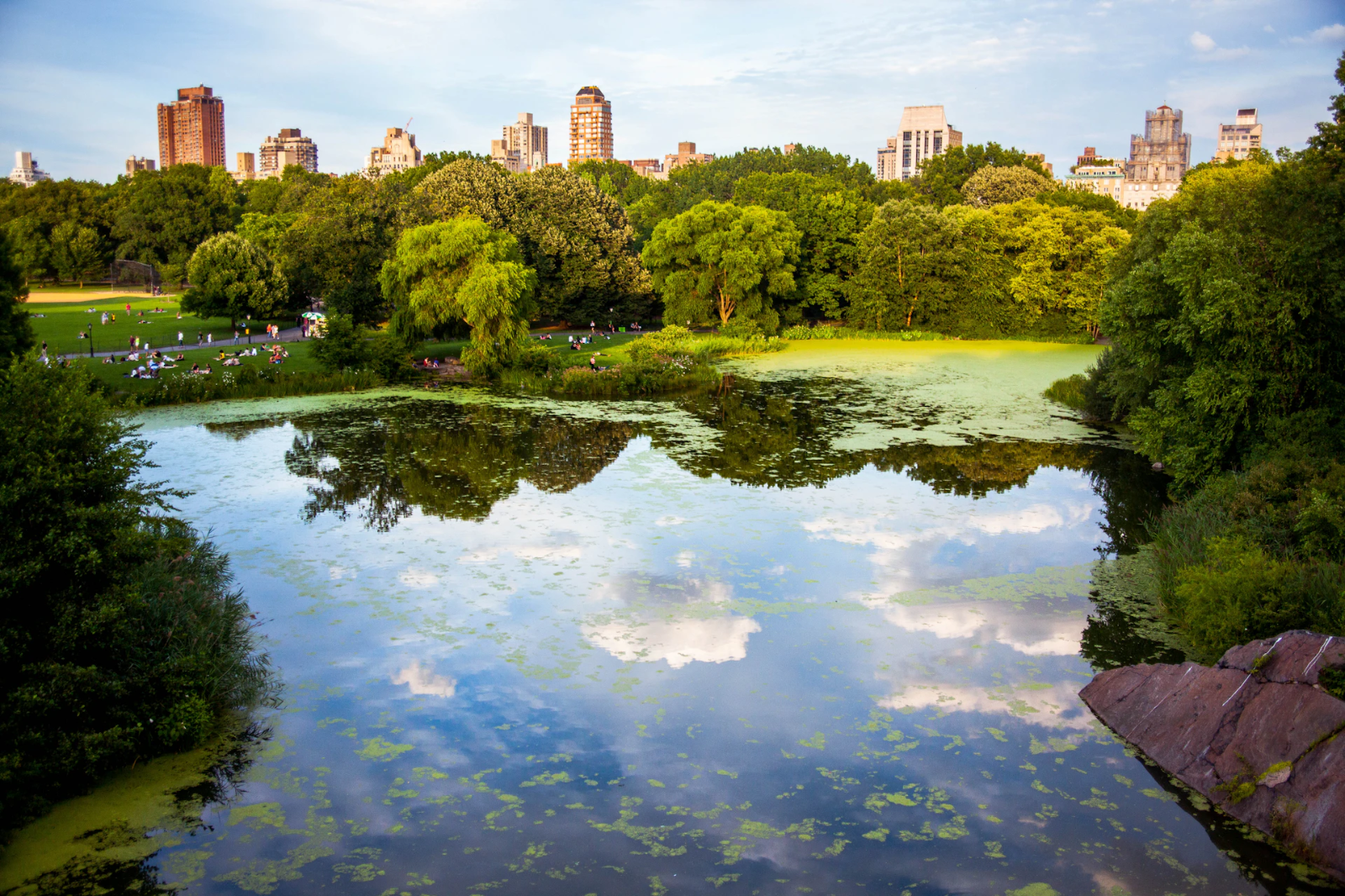
Two of New York's finest parks bookend the Upper West Side, giving residents and visitors green space on both sides. Central Park's western edge runs the entire length of the neighborhood, and some of its best features are on this side. The Ramble offers wooded trails perfect for bird-watching. Strawberry Fields provides a quiet memorial space. The Great Lawn hosts summer concerts. Bethesda Fountain remains one of the park's most photographed spots.
Riverside Park stretches along the Hudson River from 59th Street north to 158th Street. It's less famous than Central Park but beloved by locals for its quieter atmosphere, river views, and running paths. The 79th Street Boat Basin is particularly charming, with houseboats docked and a seasonal cafe. The park connects to the Hudson River Greenway, perfect for cycling or long walks along the water.
When is the best time to visit Upper West Side?
The Upper West Side shines year-round, but each season offers different advantages. Spring brings cherry blossoms to the parks and pleasant temperatures for walking the neighborhood streets. Summer means outdoor concerts at Lincoln Center and Central Park, though tourist crowds peak in July and August.
Fall is arguably the best season. The foliage in both parks turns spectacular, cultural institutions launch new seasons, and the weather stays comfortable through October. Winter brings holiday lights along Broadway and Columbus, plus the chance to see world-class performances at Lincoln Center.
The American Museum of Natural History stays busy during school breaks - especially around the Hayden Planetarium - but is quieter on weekday mornings. For the best experience with fewer crowds, visit on weekday mornings, especially Tuesday through Thursday.
How do you get around Upper West Side?
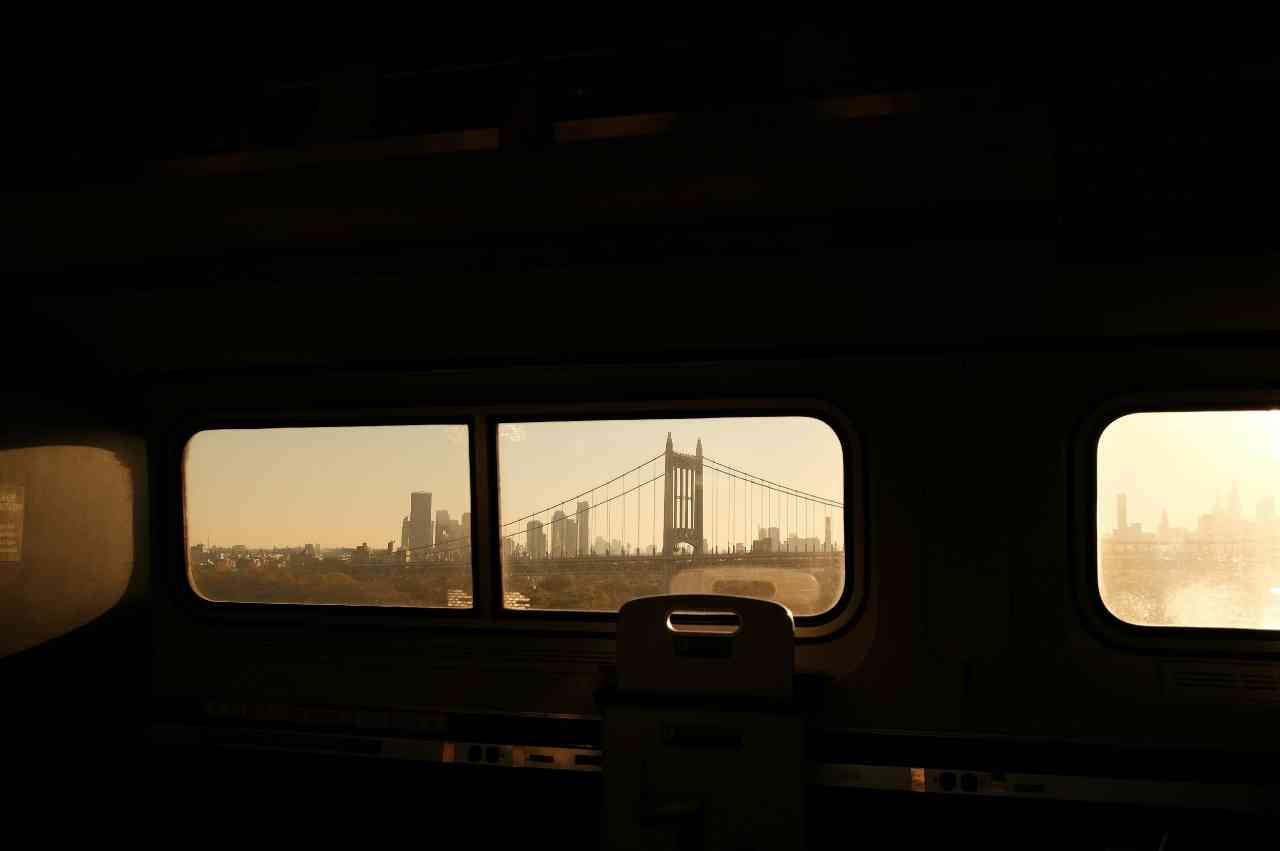
Getting to and around the Upper West Side is straightforward. The 1, 2, and 3 subway lines run along Broadway, providing quick access to Times Square, the Financial District, and Brooklyn. The B and C trains run along Central Park West, with the 81st Street station connecting directly to the American Museum of Natural History.
Once you're in the neighborhood, walking is the best way to explore. The grid layout makes navigation simple, and the tree-lined streets reward aimless wandering. Major crosstown buses (M72, M79, M86, M96) connect the neighborhood to the Upper East Side through Central Park. For reaching Riverside Park quickly, walk west on any numbered street.
If you want to cover more ground efficiently, consider creating a custom walking route with StoryHunt's Personal Tour Guide, which maps out personalized audio walks based on your interests.
Where should you eat on Upper West Side?
The Upper West Side food scene ranges from legendary institutions to neighborhood gems. Zabar's at 80th and Broadway has been a Jewish deli institution since 1934. The smoked fish counter and rugelach are essential experiences. Barney Greengrass, the "Sturgeon King," serves classic appetizing dishes at 86th and Amsterdam.
For casual dining, the stretch of Amsterdam Avenue between 72nd and 86th offers everything from Italian to Asian fusion. Columbus Avenue has more upscale options, particularly near Lincoln Center where pre-theater crowds fuel sophisticated restaurants. Levain Bakery on 74th Street bakes cookies that draw lines around the block for good reason.
What should you know before visiting?
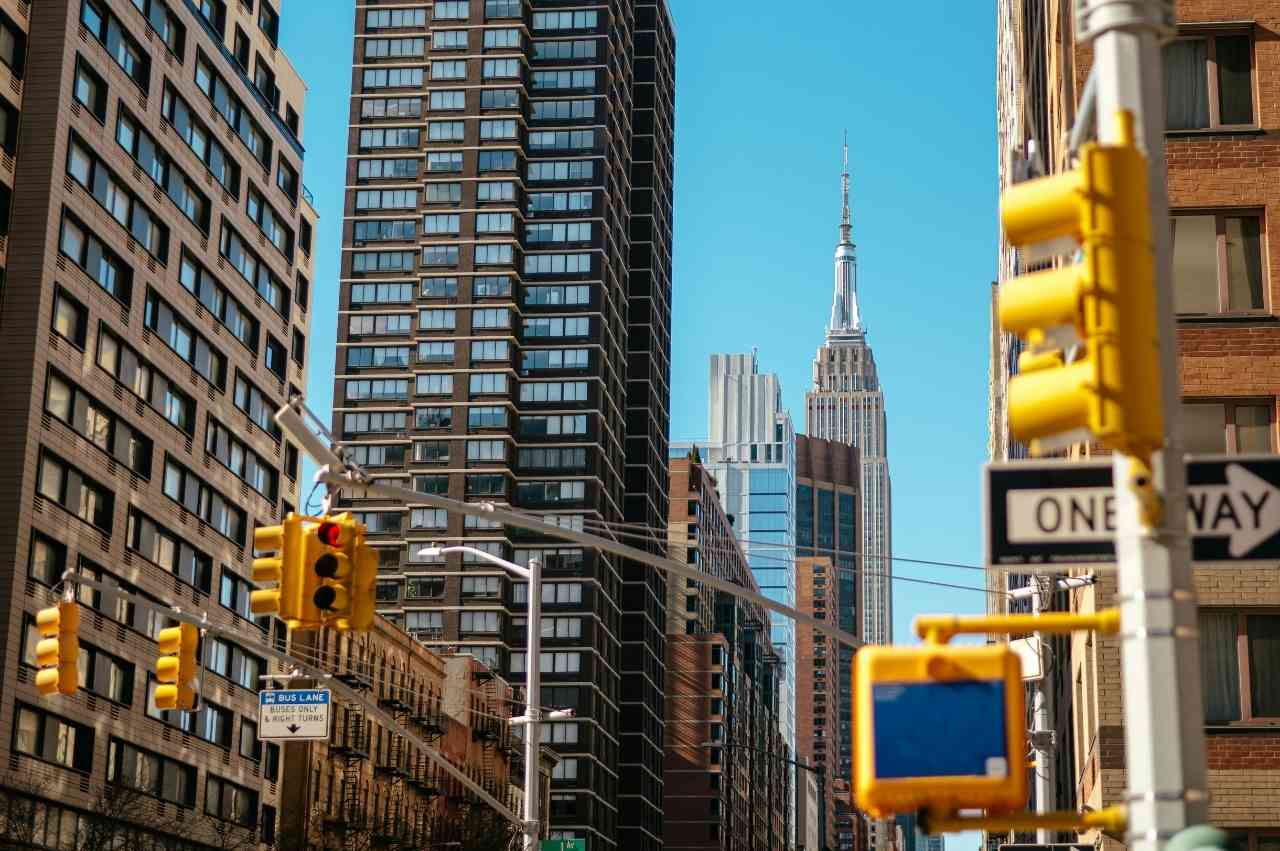
A few practical tips will improve your Upper West Side experience.
- Museum admission can add up quickly.
- The American Museum of Natural History offers "pay what you wish" admission for New York, New Jersey, and Connecticut residents.
- The Children's Museum of Manhattan is a great place if you need to entertain the smaller folks.
- Lincoln Center often has rush tickets or standing room for same-day performances at reduced prices.
- The neighborhood is genuinely safe at all hours, though standard city awareness applies.
- Streets stay lively into the evening, with restaurants and bars creating a comfortable atmosphere.
- Credit cards work everywhere.
- Beacon Theatre is a legendary place to catch a show.
- Cash comes in handy mainly for some food vendors and tips.
- Dress comfortably. This neighborhood is more casual than Midtown or the Upper East Side.
- Comfortable walking shoes matter since you'll likely cover significant ground between attractions.
Is it worth visiting Upper West Side?
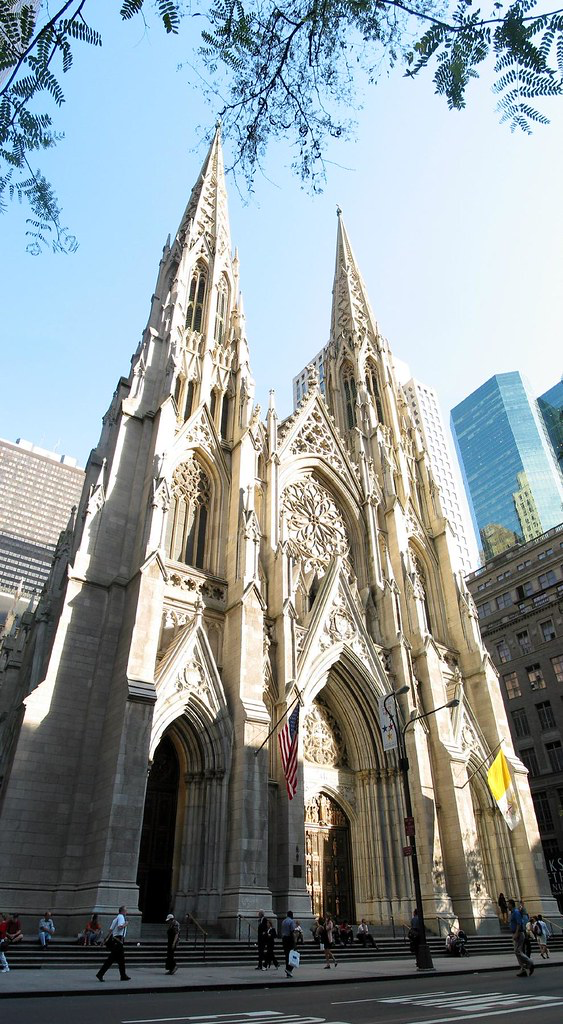
The Upper West Side rewards visitors who appreciate culture, church architecture, and a more relaxed Manhattan experience. If your New York checklist focuses entirely on Times Square, rooftop bars, and Instagram spots, you might find the UWS too quiet. But if you want to see how actual New Yorkers live, explore world-class museums without Midtown chaos, or simply walk beautiful tree-lined streets past historic buildings, this neighborhood delivers.
The combination of Central Park access, the American Museum of Natural History, Lincoln Center, and genuine neighborhood character makes the Upper West Side one of Manhattan's most satisfying areas to explore. It's not trying to impress you with flash. Instead, it offers the kind of authentic urban experience that helps you understand why people love living in New York.
For first-time visitors, I'd recommend spending at least a full day here. For a complete experience, check out our 1-day itinerary in Upper West Side and our guide to the top things to do in Upper West Side. If you want to dig deeper, our article on hidden gems in Upper West Side reveals spots most tourists miss.
How to explore Upper West Side your way?
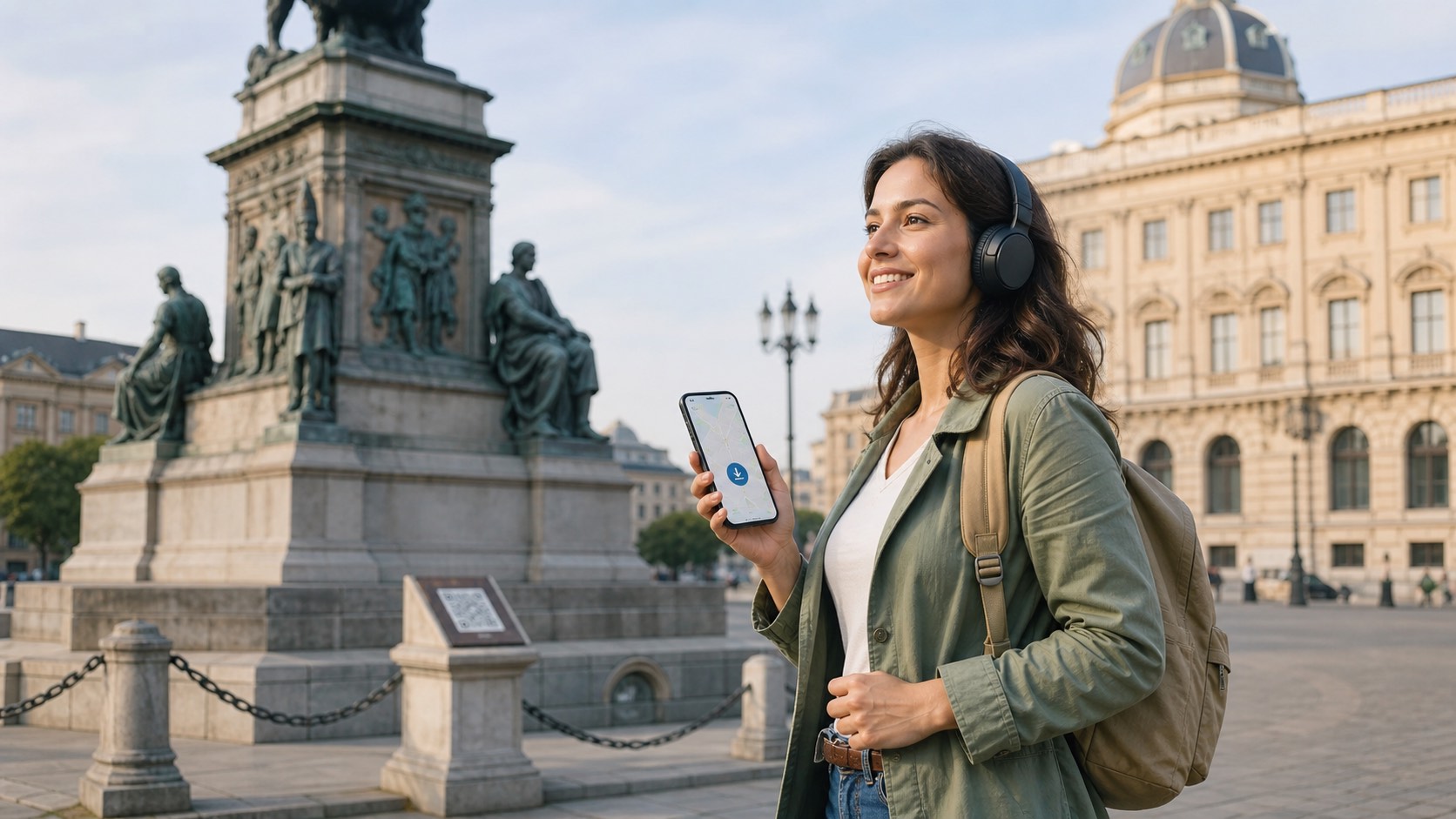
Ready to discover the Upper West Side at your own pace? StoryHunt's Personal Tour Guide creates custom audio walks based on your interests.
Whether you want to explore the neighborhood's musical history, architectural landmarks, or literary connections, the interactive map guides you with engaging stories about each location. Build your own personalized walking route and experience the Upper West Side like a local.




.jpg)









.jpg)








.jpg)


.jpg)



.avif)


