
.webp)

TLDR: Dumbo, Brooklyn, offers iconic Manhattan Bridge and Brooklyn Bridge skyline views, transformed industrial architecture, a rich history, and vibrant art and dining. It's often crowded and pricey, but well worth a visit for its unique charm and photo opportunities.
As a seasoned traveler who’s wandered through countless cityscapes, DUMBO, nestled in Kings County (or Brooklyn) truly stands out. I recently spent some time exploring this corner of Brooklyn, and I’m ready to share my firsthand take.
If you’re planning a trip to New York City and curious about this photogenic neighborhood, this guide will cut through the noise, offering practical insights and honest observations about what you'll see, hear, and feel.
What is the story behind DUMBO?

Walking the cobblestone streets of Dumbo, you can almost hear echoes of its industrious past. This area wasn't always known for its art galleries and chic cafes; it was a gritty, working-class engine for New York City in the 19th and early 20th centuries.
Factories and warehouses lined the waterfront, taking advantage of the prime location near the Manhattan and Brooklyn Bridges. I noticed the thick, sturdy brickwork of the old buildings, remnants of a time when everything from coffee to paper moved through here.
But as industry faded, artists discovered the vast, affordable lofts. This creative wave, coupled with redevelopment, transformed Dumbo into the vibrant cultural hub it is today. You'll see those old industrial buildings reimagined, now housing tech companies and galleries. It's a striking blend of old and new, a testament to urban change, and a place that deeply matters to its community.
What does DUMBO stand for in Brooklyn?
You might wonder about the unique name as you stroll through the neighborhood. "DUMBO" is an acronym, meaning "Down Under the Manhattan Bridge Overpass." It’s quite descriptive when you consider its location, tucked between two magnificent bridges.
The name wasn't a marketing brainchild; it was actually coined by local artists in the late 1970s. They deliberately chose an unappealing acronym, hoping it would deter developers and help preserve the area's distinct, raw character. Clearly, that didn't quite work as planned!
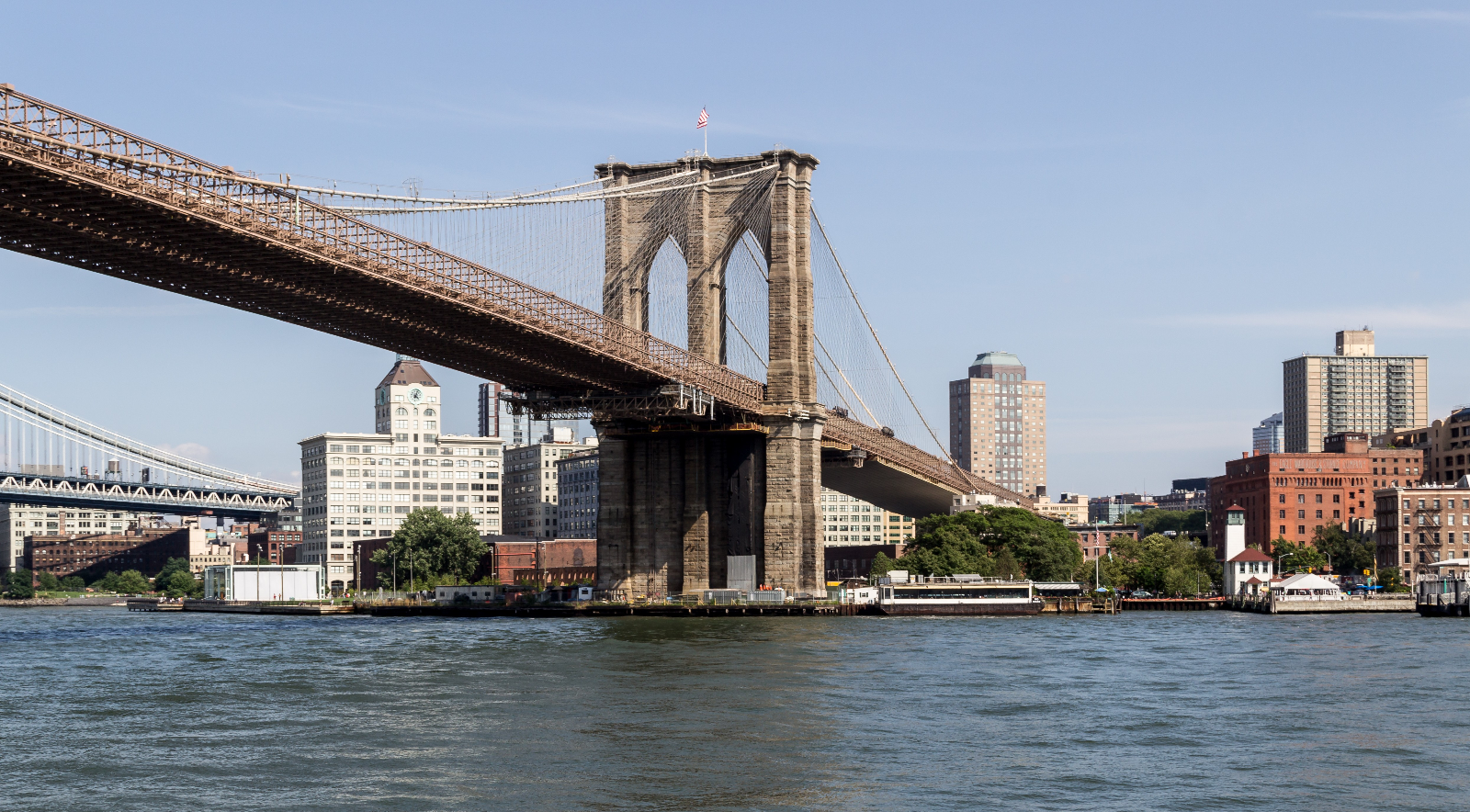
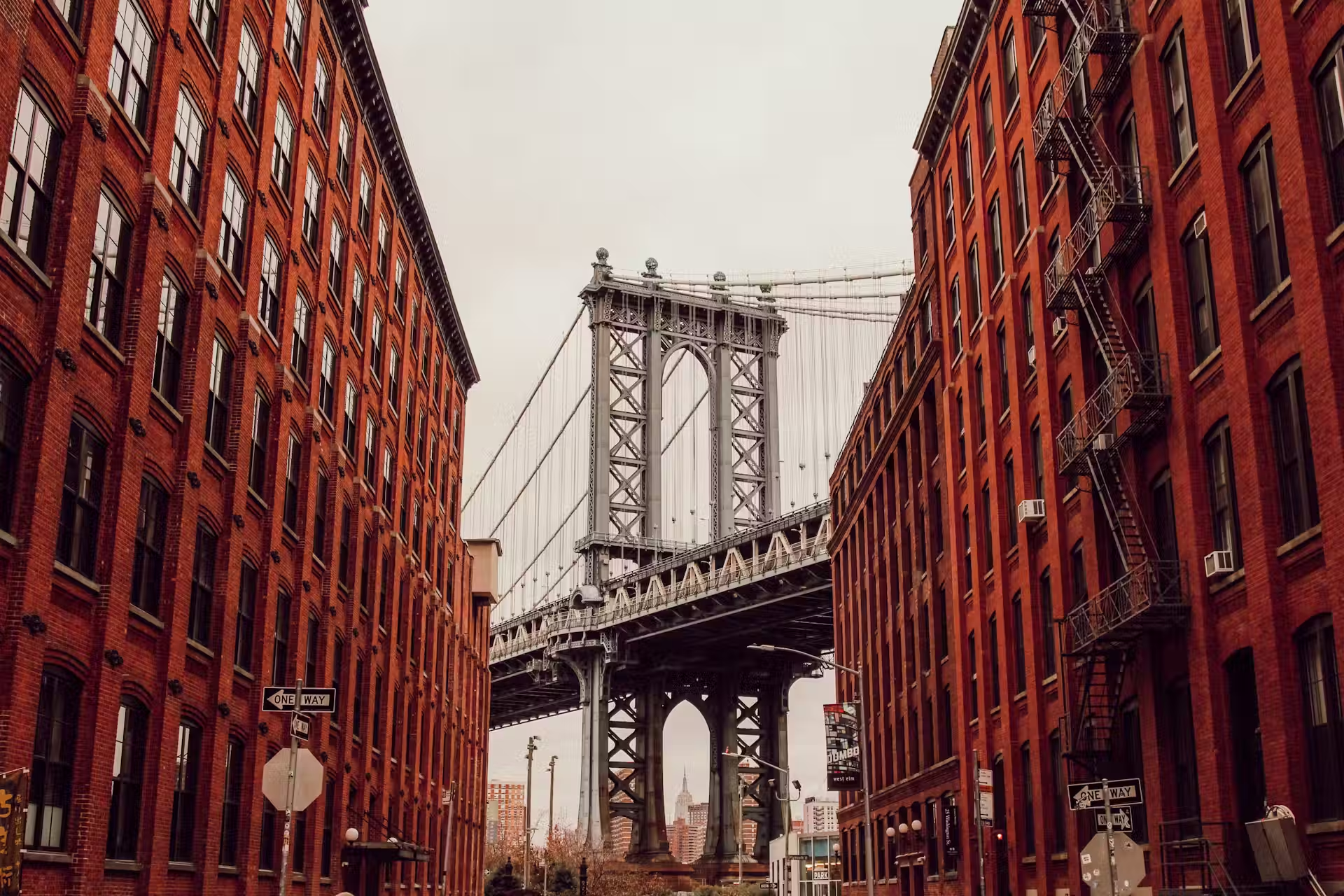
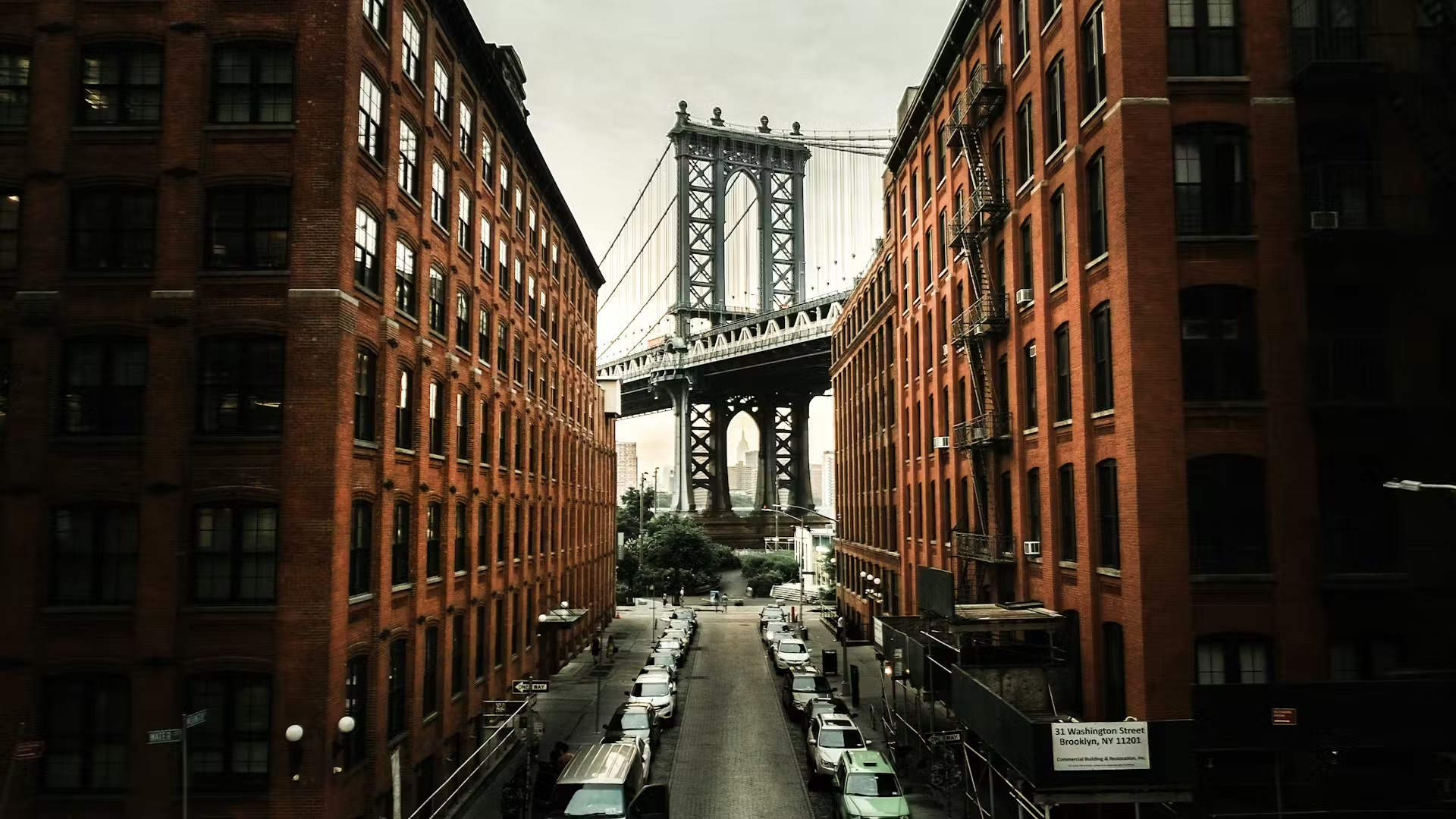
Today, Dumbo is far from unappealing. You’ll find yourself drawn to spots like Washington Street, where the Manhattan Bridge perfectly frames the Empire State Building – it’s a shot I saw countless people capturing, myself included. Nearby, Jane's Carousel, a beautifully restored vintage ride enclosed in a sleek glass pavilion within Brooklyn Bridge Park, offers a touch of playful charm.
Why is DUMBO Brooklyn so famous?

DUMBO's fame largely stems from those postcard-perfect views I just mentioned. Picture this: standing on Washington Street, looking up at the Manhattan Bridge, with the Empire State Building peeking through its arch. It’s an iconic image, and it’s even better in person.
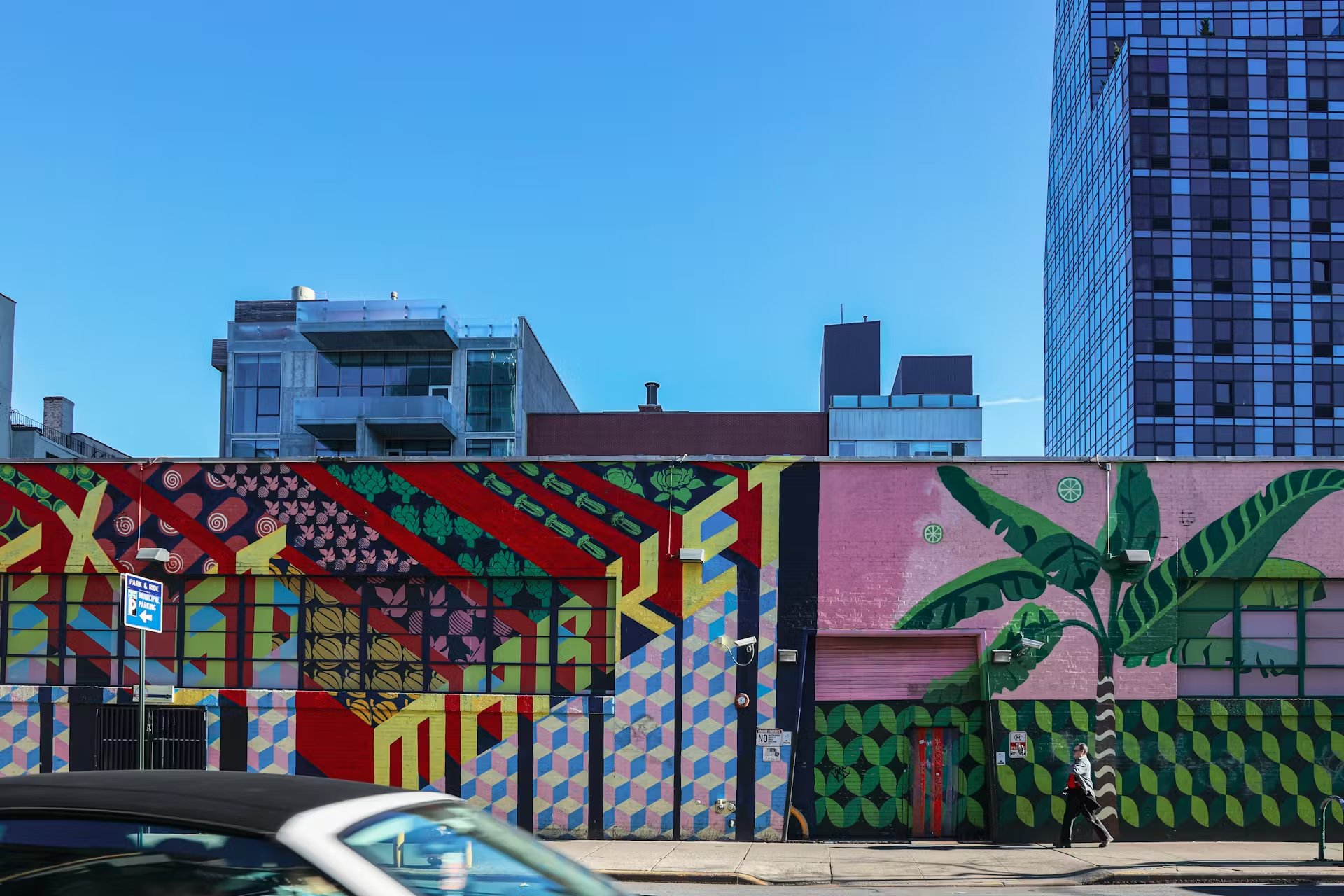
Beyond the views, Dumbo has become a cultural magnet. Its old warehouses now house art galleries, independent boutiques, and fantastic dining spots, all connected by those historic cobblestone streets.
I learned that the cardboard box was actually invented here by Robert Gair, a small but impactful detail in its history. This area also played a significant role in early Brooklyn as a center for anti-slavery activism. And you'll often see the DUMBO Archway bustling with activity – it’s a popular spot for film shoots and hosts lively events.
Is DUMBO a wealthy neighborhood?
Walking around, observing the upscale boutiques and the beautifully renovated industrial lofts, it becomes clear that Dumbo has indeed become a very affluent neighborhood. It's considered one of Brooklyn's wealthiest, and even ranks high within New York City.
This transformation is deeply tied to its excellent location, offering quick access to Manhattan, and the conversion of those historic factory buildings into spacious, luxury residences. Plus, it's become a significant hub for tech startups, adding to its economic vibrancy.
It’s ironic, considering the initial intention behind the name "DUMBO" was to make it sound undesirable to developers. That plan certainly backfired, leading to the sophisticated, albeit pricey, district you see today. While you enjoy the spectacular panoramic views of the Manhattan skyline from Brooklyn Bridge Park or take a spin on Jane's Carousel, you're experiencing a neighborhood that has completed a remarkable economic ascent.
What is the nicest neighborhood in Brooklyn?

Defining the "nicest" neighborhood is, of course, a matter of personal taste, but Dumbo certainly makes a strong case, especially for travelers exploring this side of Brooklyn. Its unique blend of industrial heritage, stunning waterfront views, and contemporary culture creates a truly captivating atmosphere.
The iconic view from Washington Street, framing the Empire State Building under the Manhattan Bridge, is undeniably a highlight. And you absolutely must experience Jane's Carousel by the water – it feels magical.
Right next door, you'll find Brooklyn Heights, a charming area with historic brownstones and the famous Brooklyn Heights Promenade. The Promenade offers equally breathtaking panoramic views, extending to the Statue of Liberty. While Dumbo has its distinct, revitalized industrial vibe, Brooklyn Heights presents a more classic, residential elegance. Both offer distinct, appealing experiences.
Is it worth visiting Dumbo?
Absolutely, Dumbo offers compelling reasons for a visit, but it's important to set your expectations.
The iconic views of the Manhattan and Brooklyn Bridges against the Manhattan skyline are genuinely breathtaking, especially for photographers. I spent a good amount of time just soaking in the sight. The cobblestone streets and converted warehouse architecture, now housing vibrant galleries and unique boutiques, give the neighborhood a distinct, appealing charm. Access to Brooklyn Bridge Park also provides fantastic recreational space and more photo opportunities right by the water.
However, a word of caution: Dumbo can get incredibly crowded, particularly on weekends and holidays. This can sometimes detract from the experience, making it feel less serene and more like a tourist hot spot. Parking is also scarce and expensive.
I found that visiting on a weekday morning or late afternoon provided the best balance, offering softer light for photography and slightly fewer crowds. Spring and fall generally offer the most comfortable weather for walking. If you’re into photography, art, or simply want those classic New York City vistas, you’ll love it. Plan for a few hours to half a day, and use The Personal Tour Guide to easily prioritize what to see, ensuring you make the most of your visit to Brooklyn.
What else can I do in Brooklyn?

Once you’ve explored Dumbo’s distinct character and those amazing bridge views, Brooklyn still has so much more to offer.
- Right beside Dumbo, Brooklyn Bridge Park continues to impress with its stunning Manhattan skyline panoramas.
- Don't forget to grab a bite at Time Out Market for a diverse culinary experience.
- If you’re ready to venture a bit further, consider Williamsburg. This lively neighborhood is packed with indie boutiques, a diverse food scene, and Domino Park, a waterfront oasis built on the site of a former sugar refinery.
- For a dose of nature and culture, head to Prospect Park, designed by the same architects as Central Park. It’s home to the beautiful Brooklyn Botanic Garden and the impressive Brooklyn Museum.
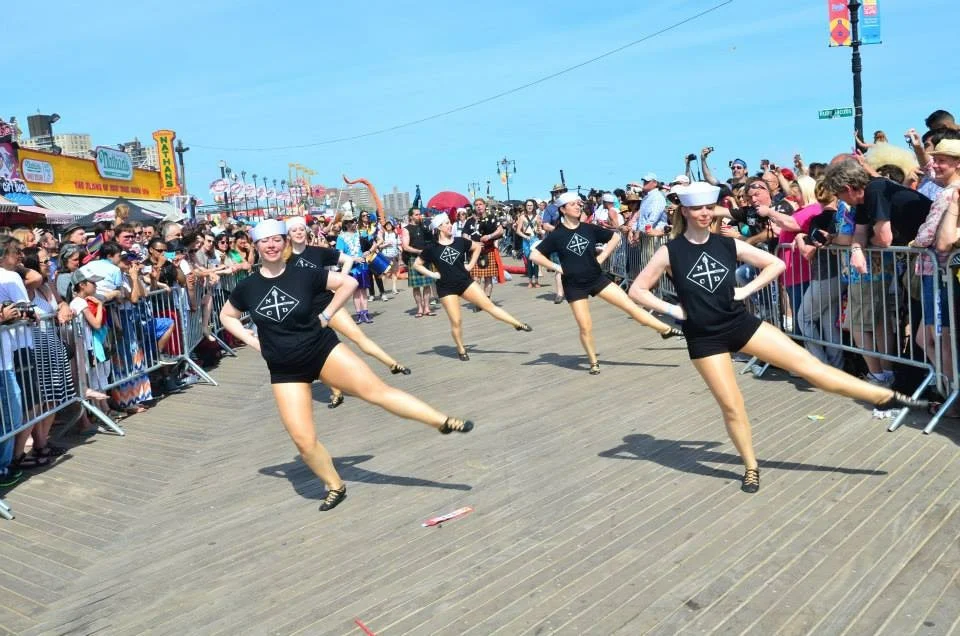
- And for a classic American experience, Coney Island beckons with its historic Cyclone roller coaster and the legendary Nathan's Famous hot dogs.
You could easily spend days uncovering the borough's varied treasures.
.jpg)













.jpg)








.jpg)









.jpg)



.avif)


