
.webp)

TLDR: The Bronx is the birthplace of hip hop, home to Yankee Stadium, the Bronx Zoo, and Arthur Avenue's authentic Italian food. The only NYC borough on the mainland, it offers diverse neighborhoods, green spaces, and cultural attractions that most tourists overlook.
Most tourists skip The Bronx entirely, and honestly, that's part of what makes it special. After spending time exploring neighborhoods from Riverdale to Mott Haven, I've discovered a borough that rewards curious visitors with world-class attractions, authentic food, and cultural history you won't find anywhere else in New York.
The Bronx gave the world hip hop, maintains NYC's real Little Italy, and contains more parkland than any other borough. It's raw, diverse, and unapologetically itself - and this 2026 guide will get you in the right kind of mood for this awesome neighborhood.
What is the story behind The Bronx?

The Bronx takes its name from Jonas Bronck, a Swedish settler who arrived in 1639 and established a farm along what became known as Bronck's River. When the borough was officially created in 1898, officials named it after that river, which is why we say "The Bronx" rather than just "Bronx." It's the only NYC borough with "the" in its official name.
The Bronx is also the only borough located on the American mainland rather than an island. This geographical distinction shaped its development as a more suburban alternative to crowded Manhattan during the early 20th century, when the Grand Concourse was built to rival Paris's Champs-Elysees.
What are the top things to do in The Bronx?
The Bronx packs an impressive concentration of major attractions.
- The Bronx Zoo spans 265 acres and houses over 6,000 animals, making it one of the largest urban zoos in the world.
- Next door, the New York Botanical Garden features 250 acres of gardens including the only remaining old-growth forest in New York City.
- Sports fans know Yankee Stadium as the home of baseball's most storied franchise, but the energy of a game here goes beyond the sport itself.
- For music lovers, The Hip Hop Museum celebrates the culture born on these streets in 1973. The museum is set to fully open in 2026 at Bronx Point, though they've hosted pop-up exhibits for years.
Why is The Bronx called the birthplace of hip hop?

On August 11, 1973, DJ Kool Herc hosted a back-to-school party at 1520 Sedgwick Avenue in Morris Heights. Using two turntables, he isolated and extended the percussion breaks in funk records, creating the technique that became the foundation of hip hop. That address is now considered the birthplace of a global cultural movement.
The Bronx was struggling economically in the 1970s, but that hardship bred creativity. DJs like Grandmaster Flash and Grand Wizard Theodore developed scratching and mixing techniques at block parties throughout the South Bronx. The borough produced legends including KRS-One, Big Pun, Fat Joe, and Cardi B. Today, a section of Sedgwick Avenue has been renamed Hip Hop Boulevard.
What are the best neighborhoods to visit in The Bronx?
Belmont, home to Arthur Avenue, is NYC's authentic Little Italy. Unlike the tourist-heavy Mulberry Street in Manhattan, Arthur Avenue has served Italian-American families since the early 1900s. You'll find fresh pasta, imported cheeses, and cannoli that put Manhattan versions to shame.
Riverdale offers a completely different vibe with tree-lined streets and Hudson River views. This is where you'll find Wave Hill, a 28-acre public garden overlooking the Palisades. City Island feels like a New England fishing village dropped into NYC, complete with seafood restaurants and nautical charm.
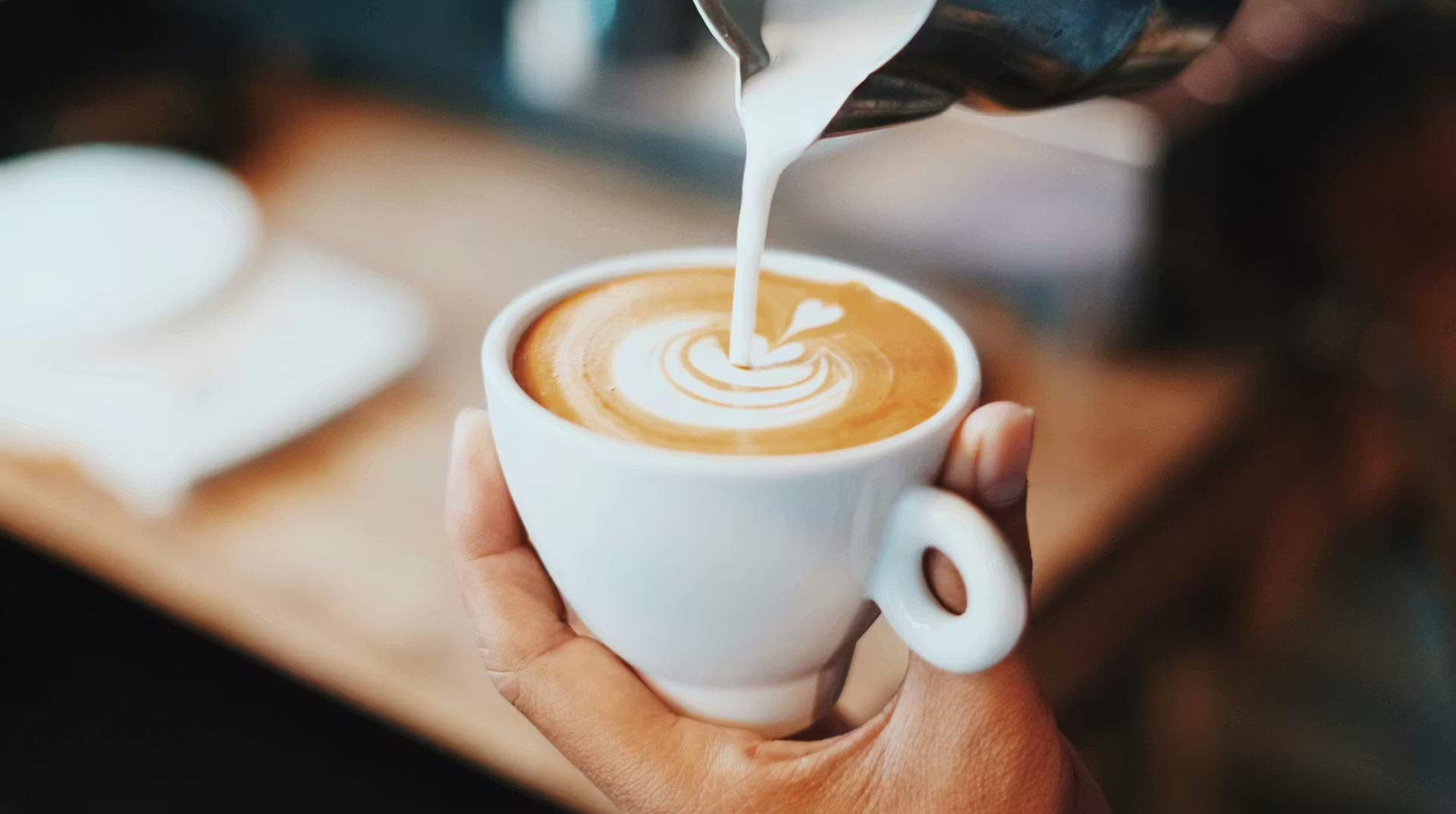
For the best coffee in The Bronx, explore the cafes along Arthur Avenue or the growing specialty coffee scene in Mott Haven.
What are the hidden gems in The Bronx?
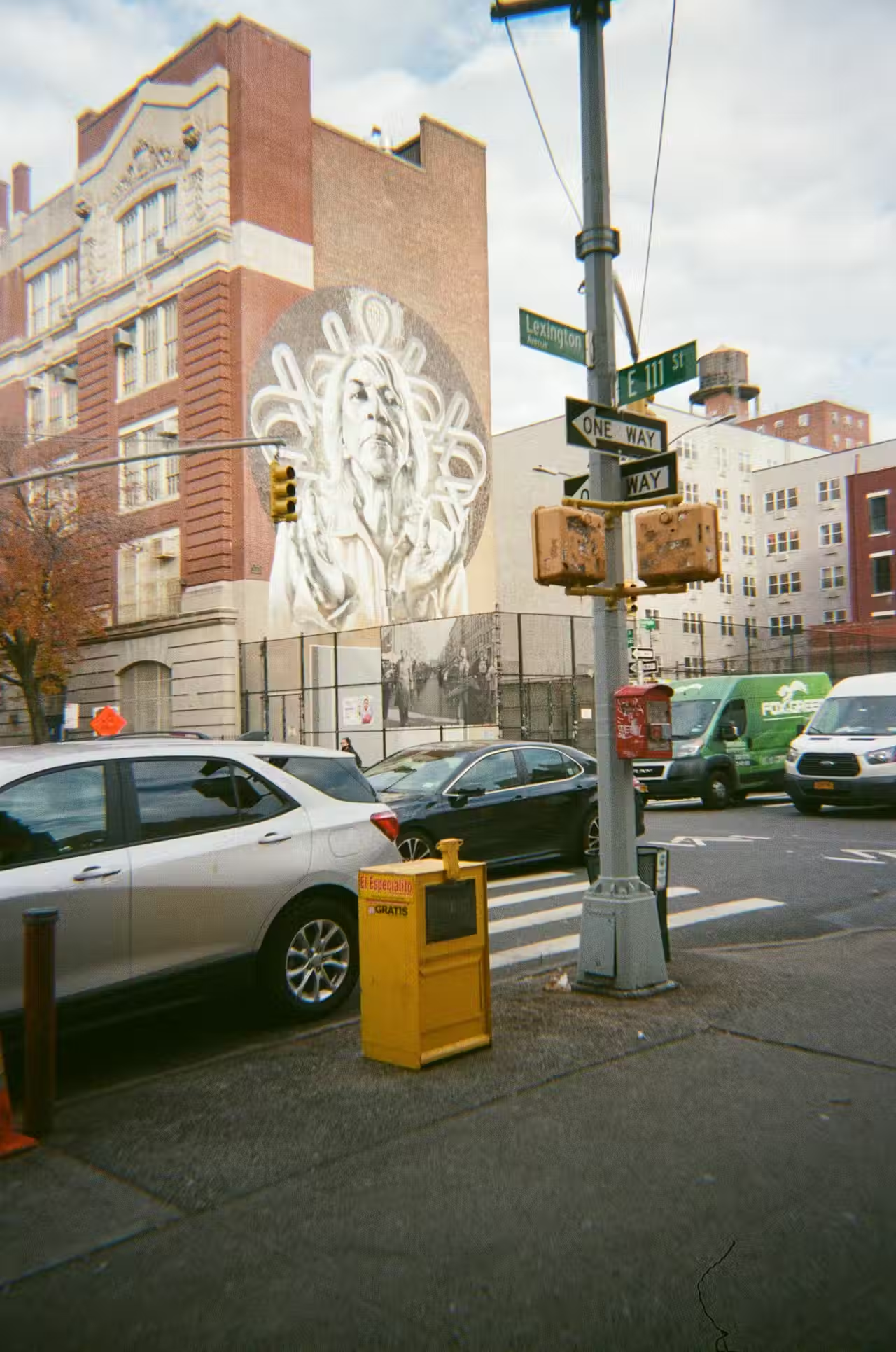
The Bronx isn't only raw hip hop and modern big city lifestyle; it also holds many hidden gems tucked away in the streets.
Edgar Allan Poe Cottage sits in a small park on the Grand Concourse, a tiny wooden house where the author spent his final years. Poe wrote "Annabel Lee" and "The Bells" here between 1846 and 1849. It's a haunting literary pilgrimage that most visitors to NYC never discover. Admission is just $5, and the cottage offers a glimpse into 19th-century Bronx life.
Wave Hill, a public garden in Riverdale, provides one of the most peaceful escapes in all of New York. Mark Twain and Theodore Roosevelt both lived on this estate at different times. Today, the 28 acres feature curated gardens, art galleries, and panoramic views of the Hudson River and New Jersey Palisades. Woodlawn Cemetery, where Miles Davis, Duke Ellington, and Herman Melville are buried, functions as both a memorial park and an architectural treasure.
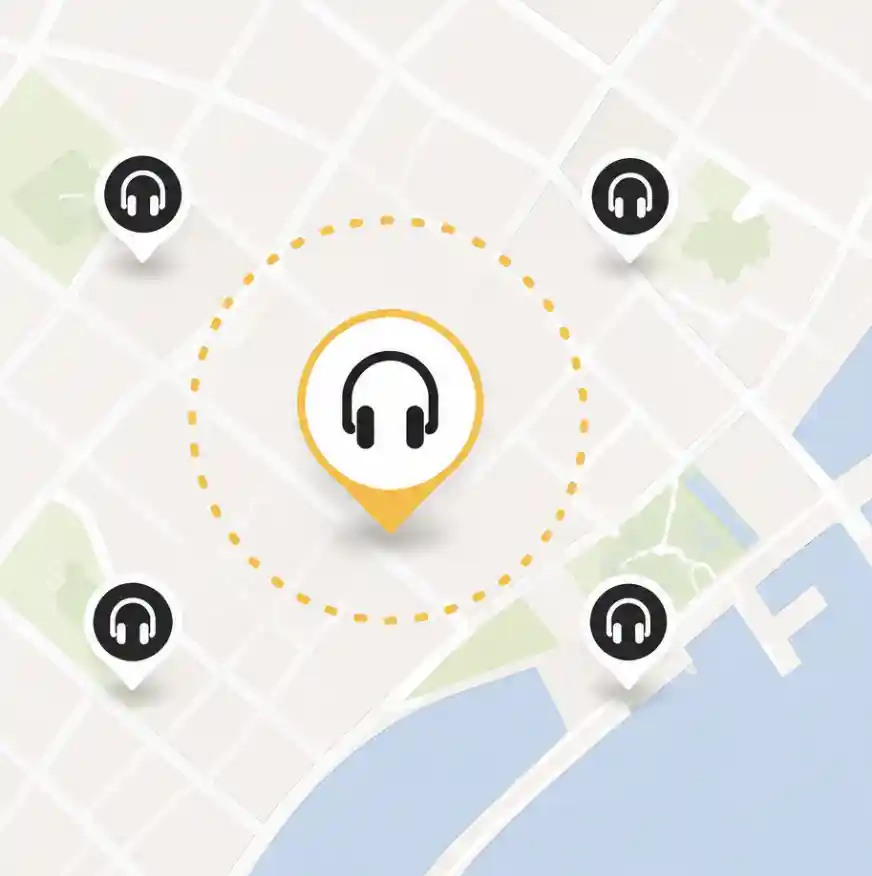
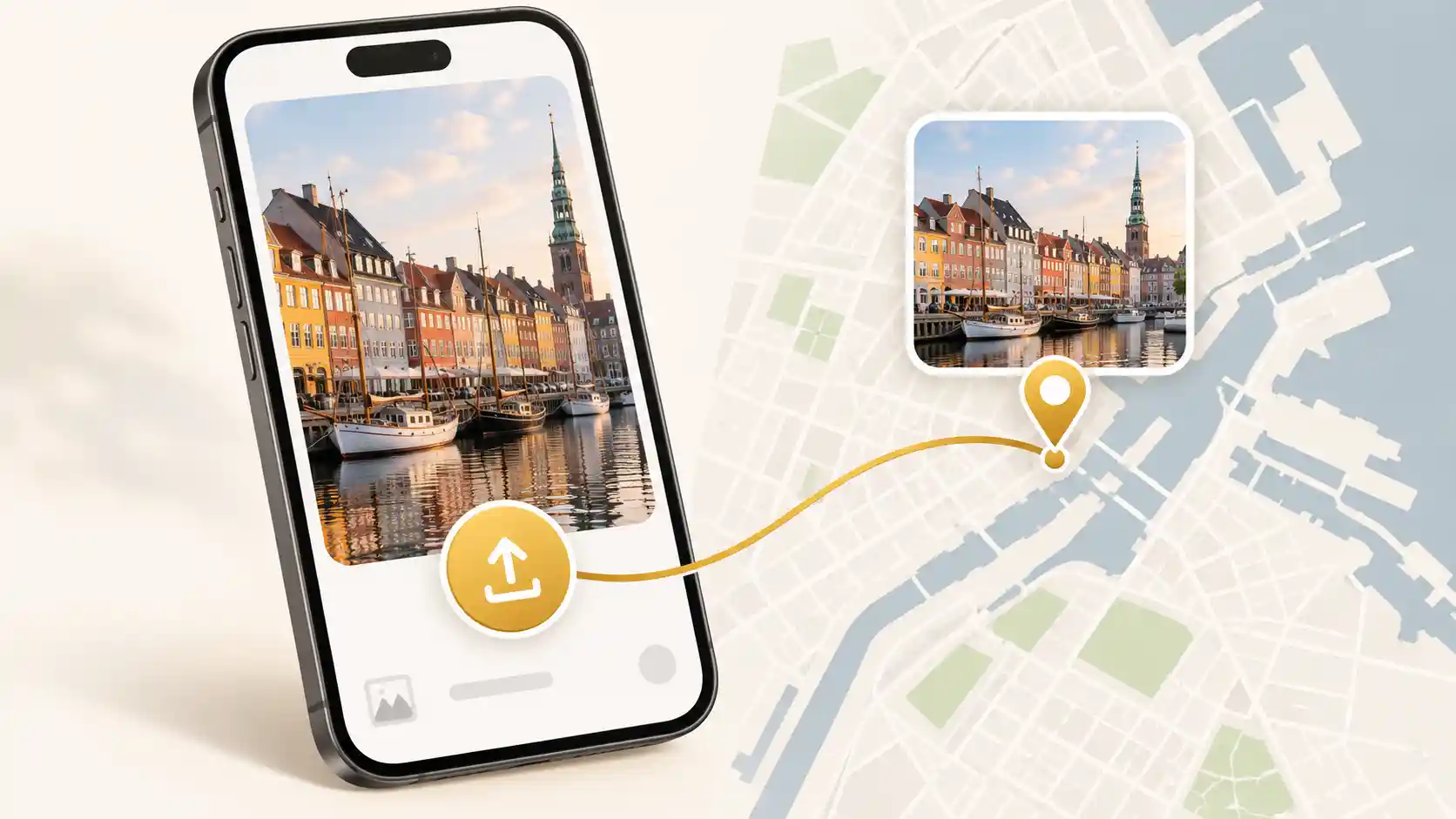
If you want to explore The Bronx's diverse neighborhoods and rich history with expert context, StoryHunt's Personal Tour Guide lets you create customized audio walks based on your interests. Whether you're tracing hip hop history or hunting for the best Italian food, the interactive map helps you discover the borough's layers at your own pace.
What food is The Bronx famous for?
Arthur Avenue in Belmont serves Italian food that makes Little Italy Manhattan look like a tourist trap. The Arthur Avenue Retail Market houses butchers, bakers, and pasta makers who've perfected their craft over generations. Try the fresh mozzarella at Casa Della Mozzarella or a meat-filled sandwich from Mike's Deli.
Beyond Italian, The Bronx showcases its diversity through food:
- Dominican restaurants line Jerome Avenue.
- Jamaican patties and jerk chicken are staples in neighborhoods like Wakefield.
- Albanian bakeries, Mexican taquerias, and West African spots reflect the borough's status as one of America's most diverse counties.
- City Island offers waterfront seafood with views of Long Island Sound.
When is the best time to visit The Bronx?

Spring and fall offer ideal conditions for exploring The Bronx's outdoor attractions. The New York Botanical Garden peaks during the orchid show in spring and the chrysanthemum display in fall. Summer brings baseball season at Yankee Stadium and outdoor concerts throughout the borough. Winter has its own charm with fewer crowds at major attractions.
The Ferragosto Festival on Arthur Avenue in mid-August celebrates Italian heritage with street food and live music. Dominican Day parades bring color and energy to the streets in July.
Avoid visiting the Bronx Zoo and Botanical Garden on holiday weekends when crowds peak. Weekday mornings offer the best experience at most attractions.
Is The Bronx safe to visit?
The Bronx has transformed dramatically since its troubled reputation in the 1970s and 80s. Major tourist areas like the Bronx Zoo, Yankee Stadium, Arthur Avenue, and City Island are safe for visitors exercising normal urban awareness. The South Bronx, once synonymous with urban decay, now attracts artists and entrepreneurs to neighborhoods like Mott Haven.
Like any urban area, common sense applies. Stay aware of your surroundings, don't flash expensive items, and stick to well-trafficked areas at night. The borough sees far fewer tourists than Manhattan, so you'll stand out less than you might expect. Most Bronx residents are proud of their borough and welcoming to respectful visitors.
How do you get around The Bronx?
The subway connects The Bronx to Manhattan via the 1, 2, 4, 5, 6, B, and D lines. The 4 train runs directly to Yankee Stadium at 161st Street. For the Bronx Zoo and Botanical Garden, take the 2 or 5 train to Pelham Parkway or the Metro-North Harlem Line to Botanical Garden station.
Some neighborhoods require bus connections or walking.
- City Island needs the Bx29 bus from the 6 train at Pelham Bay Park.
- The BxM4A express bus connects Midtown Manhattan to Arthur Avenue.
- Metro-North's Harlem Line offers the fastest route to northern Bronx neighborhoods like Woodlawn and Riverdale.
Consider a car for City Island if you want maximum flexibility for waterfront exploration.
Is it worth visiting The Bronx?

Absolutely, especially if you want to experience New York beyond the tourist circuit. The Bronx offers world-class attractions at lower crowds and often lower prices than Manhattan equivalents. The Bronx Zoo alone justifies a trip, and combining it with the Botanical Garden makes for a full day of exploration.
The borough delivers authenticity that gentrified neighborhoods can't match. Arthur Avenue's Italian shops have survived because they serve their community, not tourists. Hip hop history lives in the actual streets where it was born. Wave Hill and Edgar Allan Poe Cottage offer experiences most NYC visitors never discover. If you have more than three days in New York, The Bronx deserves at least one of them.
Want to explore The Bronx's hip hop landmarks, literary history, or hidden food gems? StoryHunt's Personal Tour Guide creates audio walks tailored to your interests, helping you discover the stories behind the streets.
How to explore The Bronx your way?
The Bronx rewards visitors who approach it with curiosity rather than preconceptions. From the birthplace of hip hop to world-class gardens, from authentic Italian food to literary landmarks, this borough offers depth that tourist-heavy areas can't match. The diversity of neighborhoods means you can experience multiple worlds in a single day.
Ready to discover The Bronx at your own pace? StoryHunt's Personal Tour Guide lets you create custom audio walks through the borough's neighborhoods, connecting the attractions and hidden corners that interest you most. The interactive map guides you through hip hop history, foodie destinations, or green spaces with stories that bring each location to life. Explore The Bronx the way it deserves to be explored.


.jpg)














.jpg)

















.jpg)




.jpg)


.avif)


