
.webp)


TLDR: The 9/11 Memorial Museum in NYC offers a deeply moving, firsthand look at history, situated within the original World Trade Center site. Expect raw artifacts, powerful personal stories, and solemn remembrance in an essential, accessible experience, distinct from the outdoor memorial.
Stepping into the 9/11 Memorial Museum in New York City is a profound journey into a pivotal moment in global history. As a recent visitor who’s seen a fair share of the world, I can tell you this place resonated in a way few others have.
This article will walk you through what to expect, from the museum's emotional exhibits to its practical layout, ensuring you're prepared for an experience that is both heavy and incredibly important. If you’re considering a visit, read on to understand why this powerful site should be on your Lower Manhattan itinerary.
What is the story behind 9/11 Memorial Museum?

The museum tells the story of September 11, 2001, and the 1993 World Trade Center bombing, honoring the nearly 3,000 lives lost. It's built right into the original foundations of the Twin Towers, allowing you to descend 70 feet below ground and physically connect with the site. The air down there carries a unique weight, a quiet solemnity.
You'll encounter powerful remnants like "The Last Column," a towering steel beam covered with messages from recovery workers, its surface worn yet vibrant with tributes. Nearby, the "Survivor Stairs" are an actual staircase hundreds used to escape that day, their concrete steps a silent witness.
Outside, the twin reflecting pools, marking where the towers stood, are the largest man-made waterfalls in the U.S. Their constant, soft roar creates a contemplative atmosphere, and as you trace your fingers over the bronze panels, you'll see the names of every victim etched there. A resilient Callery pear tree, the "Survivor Tree," thrives on the plaza, a living symbol of hope.
What is the difference between the 9/11 Memorial and the 9/11 Museum?

This is a common question, and it's important to understand the distinction before your visit.
The 9/11 Memorial is the outdoor public plaza you see above ground. It's free to visit and always accessible. Here, you'll find those striking reflecting pools I mentioned, set within the footprints of the original towers, with the victims' names encircling them. The "Survivor Tree" also stands proudly on this peaceful plaza. It's a space for quiet contemplation and remembrance, where you can simply sit and reflect.
The 9/11 Museum, on the other hand, is the immersive, ticketed institution located underground. It's where the stories and artifacts live, offering a deep dive into the events, the impact, and the aftermath. Inside, you'll find extensive exhibits, personal accounts, and large-scale remnants like a destroyed fire engine and the "Last Column." While the Memorial provides a space for reflection, the Museum educates and contextualizes, bringing you face-to-face with the tangible history of that day.
Where is the 9/11 Memorial Museum?

The 9/11 Memorial Museum is located at 180 Greenwich Street in Lower Manhattan, right in the heart of the World Trade Center complex. It’s nestled perfectly between those two large reflecting pools of the Memorial Plaza.
Getting there is straightforward; it's incredibly well-connected by New York City's public transport system, with numerous subway, bus, and PATH train lines stopping nearby. Trust me, skip trying to find parking; it's nearly impossible in this bustling area.
Once you arrive, you’ll notice much of the museum building is actually built within the original World Trade Center foundations. You descend 70 feet below ground to explore the exhibits, a descent that feels significant.
One fascinating aspect is seeing the "slurry wall," an original retaining wall that famously survived the attacks, standing tall and unbroken. I'd highly recommend buying your tickets online in advance to guarantee entry, and consider visiting early in the morning or later in the afternoon to avoid the biggest crowds. T
Is the 9/11 Museum closing permanently?

No, absolutely not! Let me clear up any confusion right away: the National September 11 Memorial & Museum in New York is fully operational and remains committed to its mission of remembrance and education. I recently visited, and it was certainly open and active.
There might be some misunderstanding because a different institution, the 9/11 Tribute Museum, did close its doors in August 2022. But that was a separate entity. The official 9/11 Memorial Museum continues to be the primary place for commemorating these events.
The museum itself is typically open Wednesday through Monday from 9:00 AM to 7:00 PM. The outdoor Memorial Plaza, with its reflecting pools and the "Survivor Tree," is open daily from 8:00 AM to 8:00 PM. So yes, you can definitely still visit the area.
Can you visit Ground Zero today?

Yes, you can absolutely visit what was once known as Ground Zero today. The area has been thoughtfully transformed into a powerful tribute and a thriving part of the city. You'll find it entirely accessible to the public, blending solemn remembrance with everyday life.
At its core are those twin reflecting pools, each nearly an acre in size, marking the exact spots where the Twin Towers once stood. As you walk along their edges, you'll see the names of almost 3,000 victims from both the 2001 and 1993 attacks inscribed on bronze. Keep an eye out for a white rose tucked into an engraved name – it signifies that it's that person's birthday, a small, poignant detail that truly stays with you.
The 9/11 Memorial Museum is beneath your feet, and the resilient "Survivor Tree" stands nearby. Towering above everything is One World Trade Center, whose One World Observatory offers incredible panoramic views, its 1,776-foot height a deliberate nod to American history. For an even deeper understanding, you can often find guided tours led by New Yorkers who have personal connections to the events.
Is it worth seeing the 9/11 Museum?

Having been there, I can unequivocally say yes, it is worth seeing. The 9/11 Memorial Museum offers a profoundly moving and essential experience that transcends a typical museum visit. It’s a sacred space of remembrance, meticulously dedicated to honoring those lost.
Much of the museum’s power comes from its unique location, 70 feet below ground, within the original footprint of the World Trade Center. You feel a visceral connection to the site itself. Standing next to monumental artifacts like the "slurry wall," an original retaining wall that incredibly withstood the collapse, or gazing at the "Last Column" covered in heartfelt tributes, brings the history alive in a way photographs never could.
The museum excels at humanizing the tragedy, showcasing thousands of artifacts alongside deeply personal stories. You can listen to audio recordings of 911 calls, hear survivor testimonies, and interact with the "Wall of Faces," which tells the stories of the victims' lives.
While it is undeniably emotionally impactful – you'll likely feel a lump in your throat at times – it's also an incredibly important educational journey, fostering a deeper understanding of resilience, community, and the collective memory of a city and a nation.
What else can I do in New York?
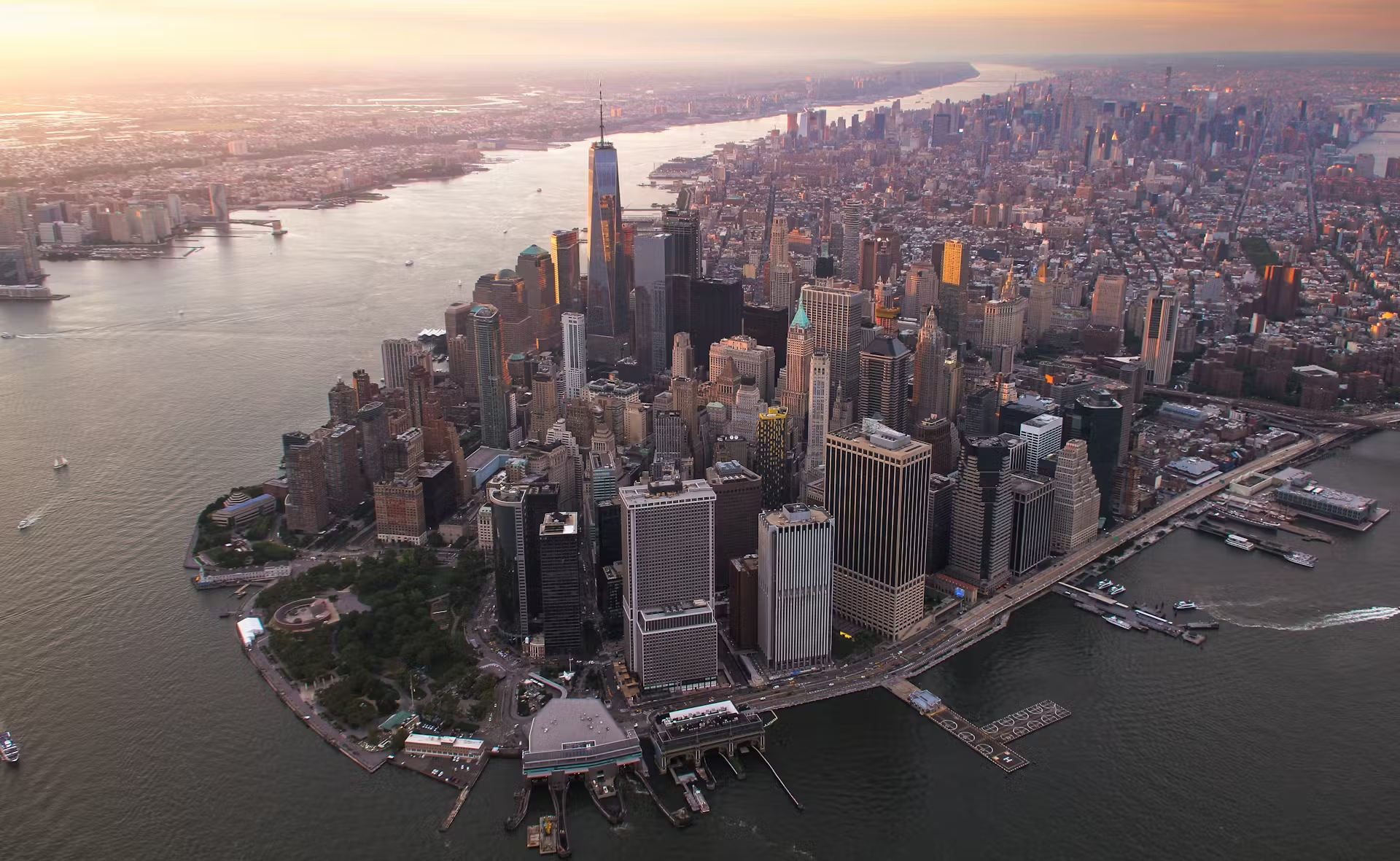
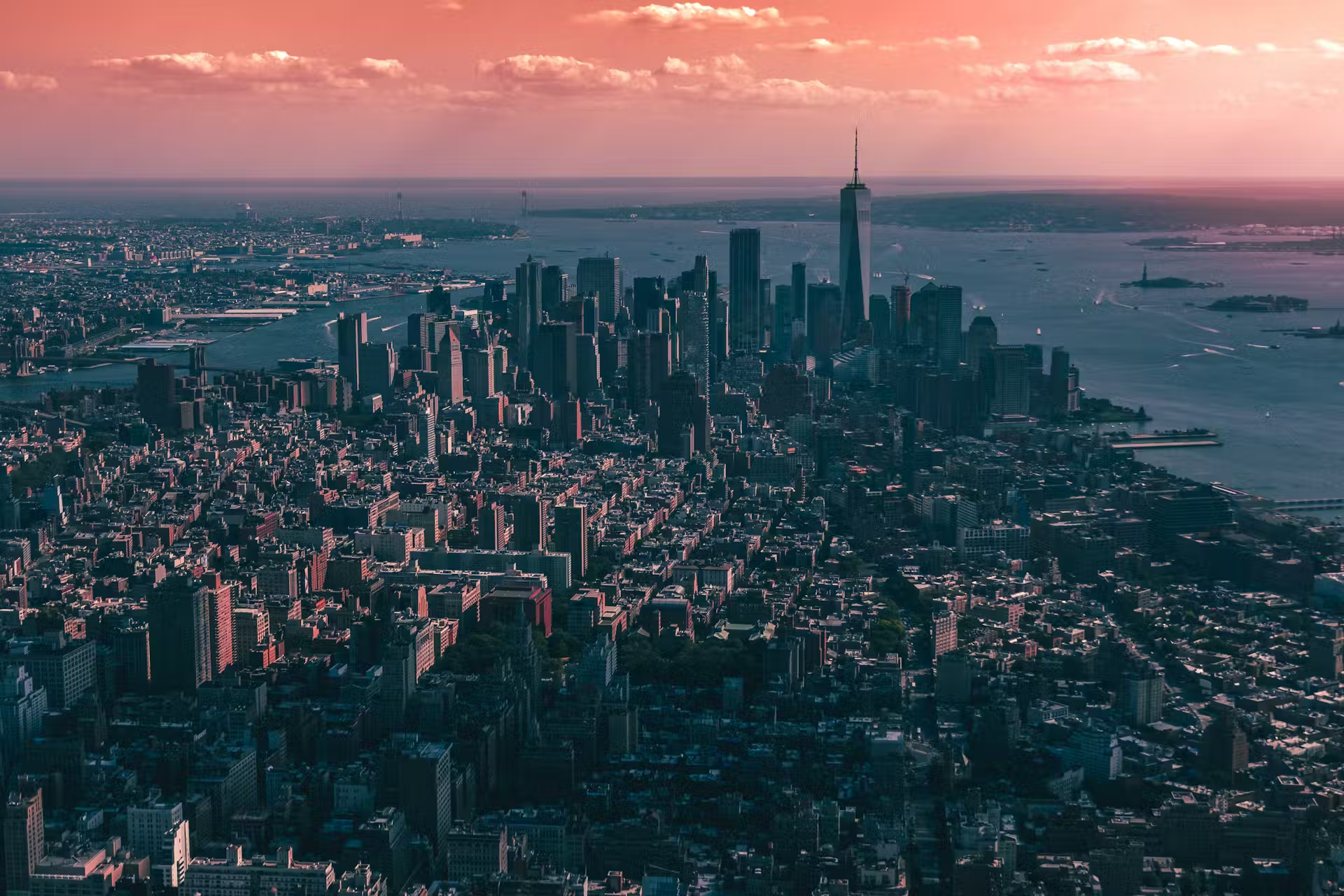
After experiencing the intensity of the 9/11 Memorial Museum, you might want to balance your day with some other New York City highlights. Luckily, Lower Manhattan is packed with options.
- Start by heading up to the One World Observatory, located directly above the museum, for breathtaking 360-degree views of the entire city. It's a great way to get a sense of NYC's scale.
- Then, make your way to Battery Park for a ferry ride to the iconic Statue of Liberty and Ellis Island – powerful symbols of freedom and immigration.
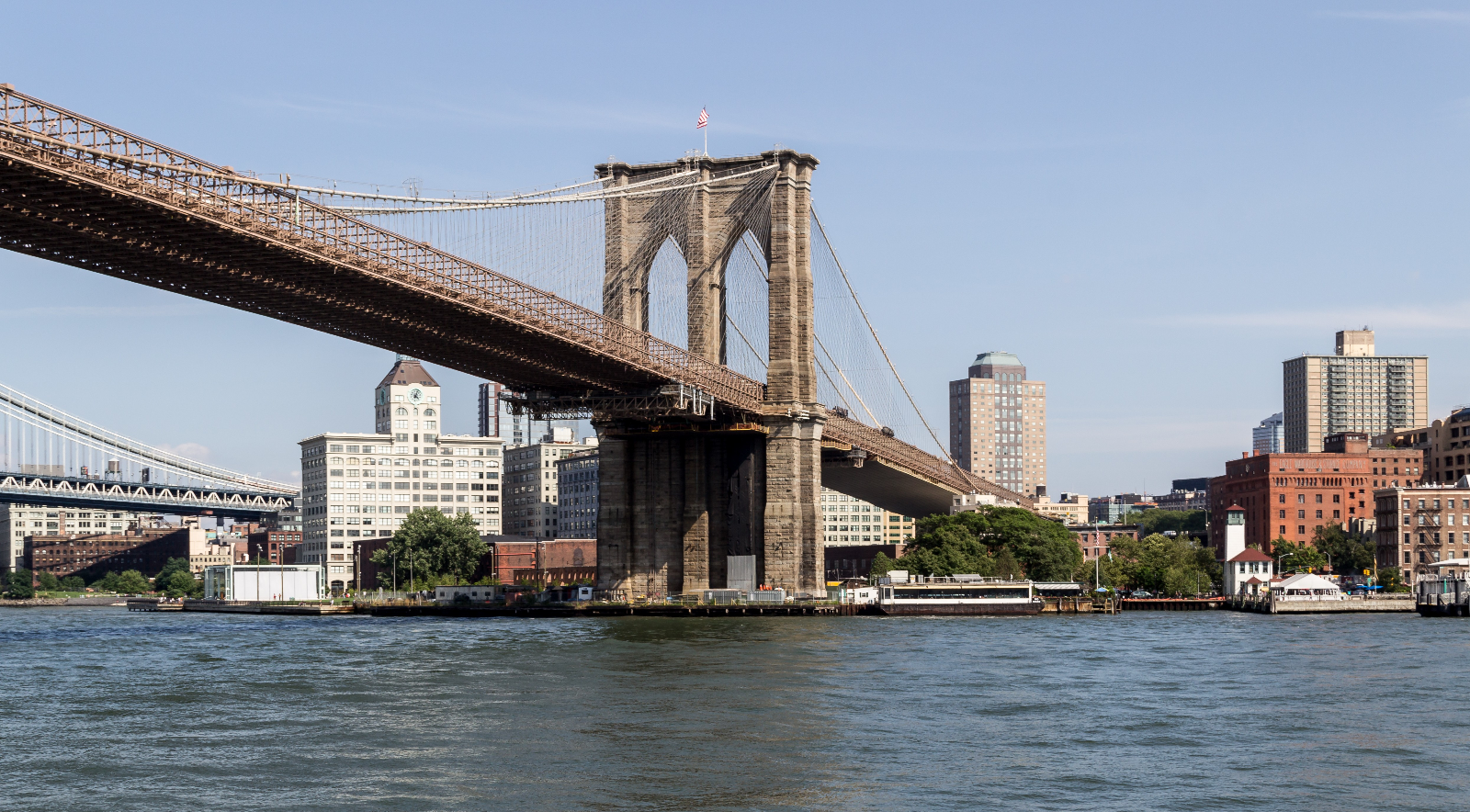
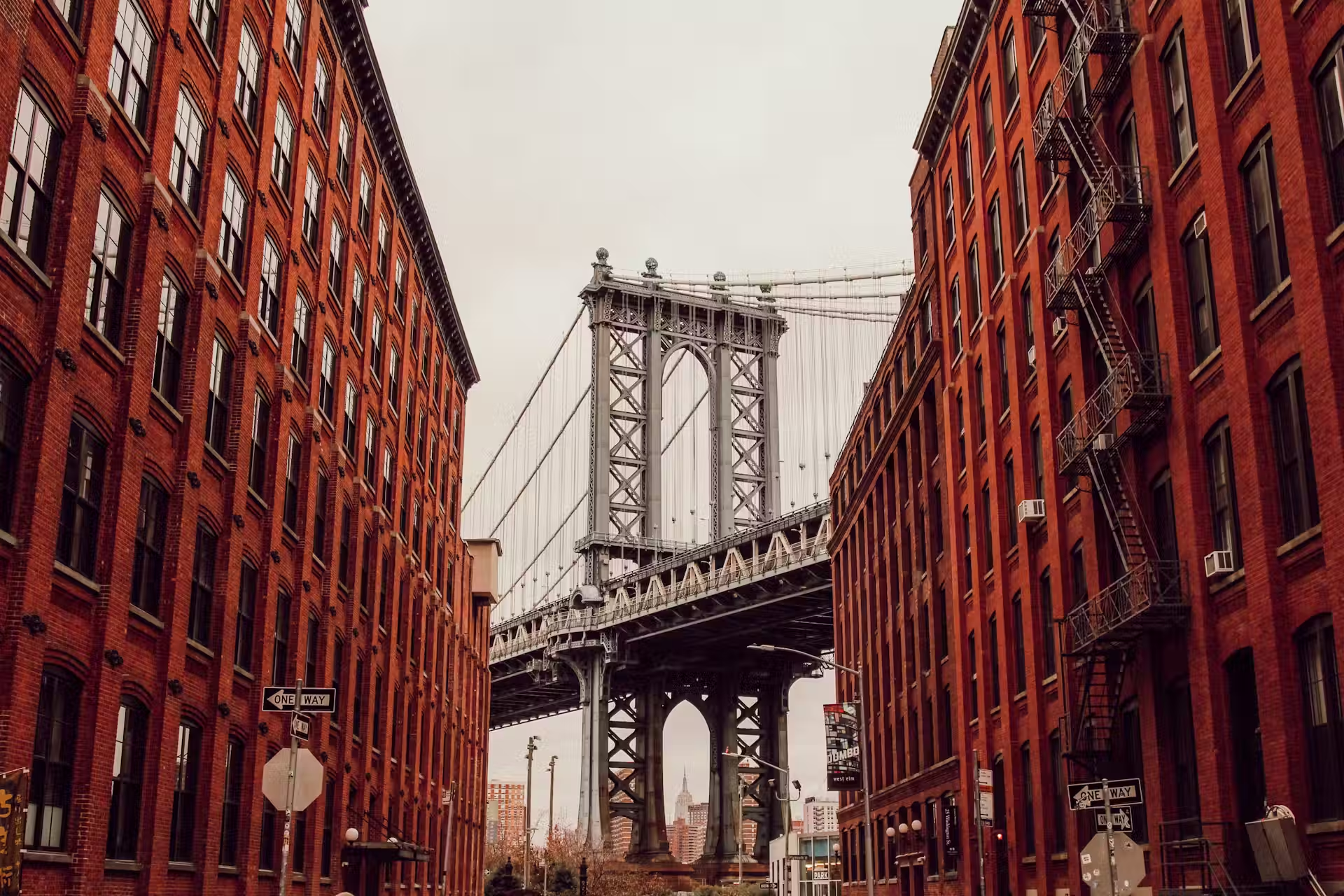
- For a dose of history and incredible skyline views, take a walk across the Brooklyn Bridge. You can also discover early American history at Federal Hall National Memorial, where George Washington was inaugurated.
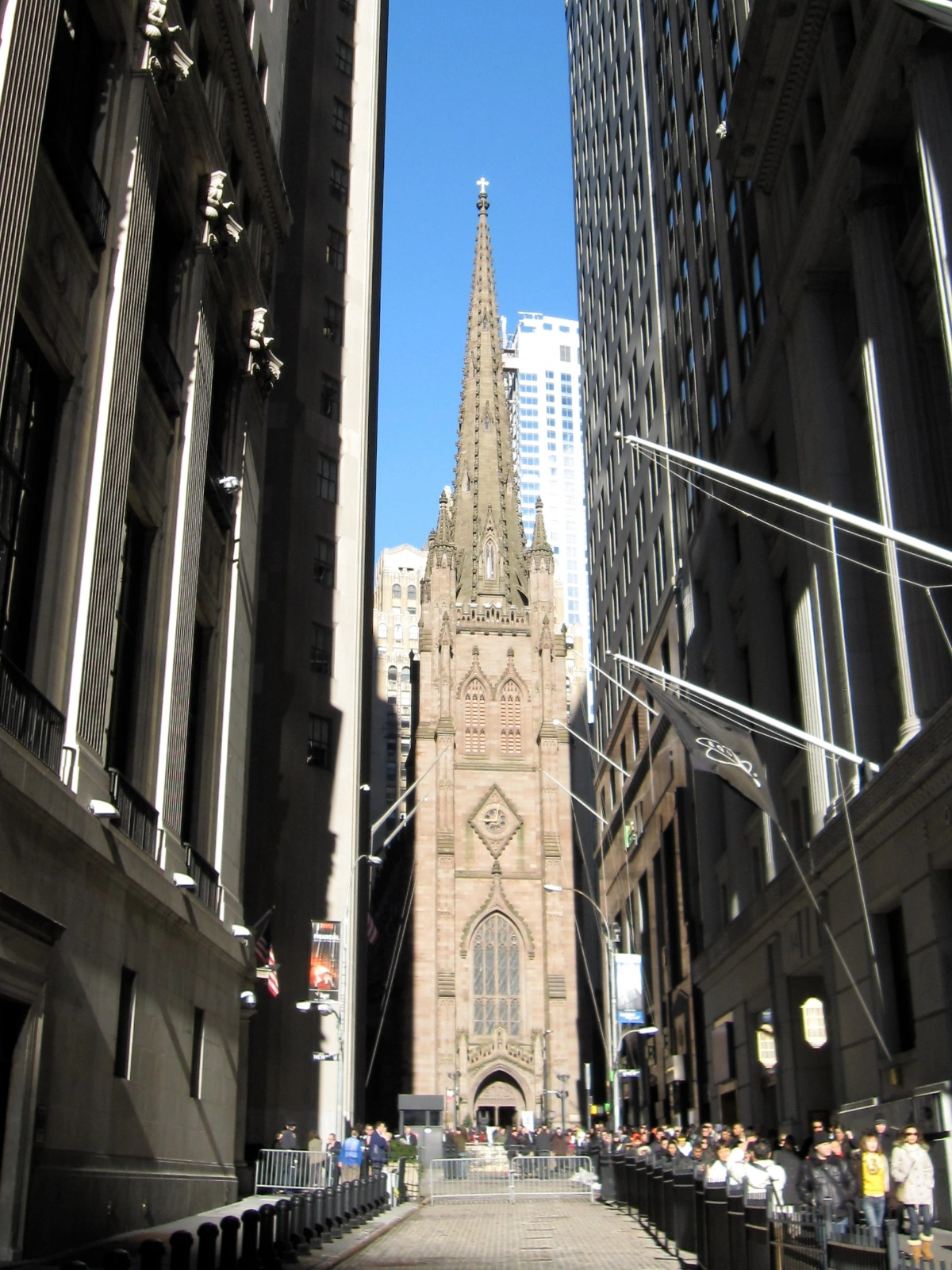
- Explore the historic financial district with a visit to Wall Street and the New York Stock Exchange, or find peace at the stunning Trinity Church.
- When hunger strikes, explore Stone Street, a charming, historic cobblestone lane filled with restaurants offering a European ambiance.
And to truly navigate the city like a local and discover both hidden gems and popular spots, use StoryHunt's Personal Tour Guide. It acts as your personal audio guide, providing engaging narratives about countless attractions and neighborhoods, enriching your entire New York experience.


.jpg)
















.jpg)


.jpg)













.jpg)





.avif)


