
.webp)

TLDR: The East River Promenade offers unique Manhattan skyline views, a chance to walk or bike along an evolving waterfront, but expect construction and disconnected sections. It's great for relaxed strolls and photography, but don't plan on swimming.
Having recently wandered along New York's East River Promenade, I can tell you it's a living testament to urban change.
If you're looking for an authentic slice of New York that combines history, evolving green spaces, and breathtaking views – albeit with a few quirks – this article will guide you through what you can genuinely expect, helping you decide if it's the right fit for your travel plans in Upper East Side.
What is the story behind East River Promenade?

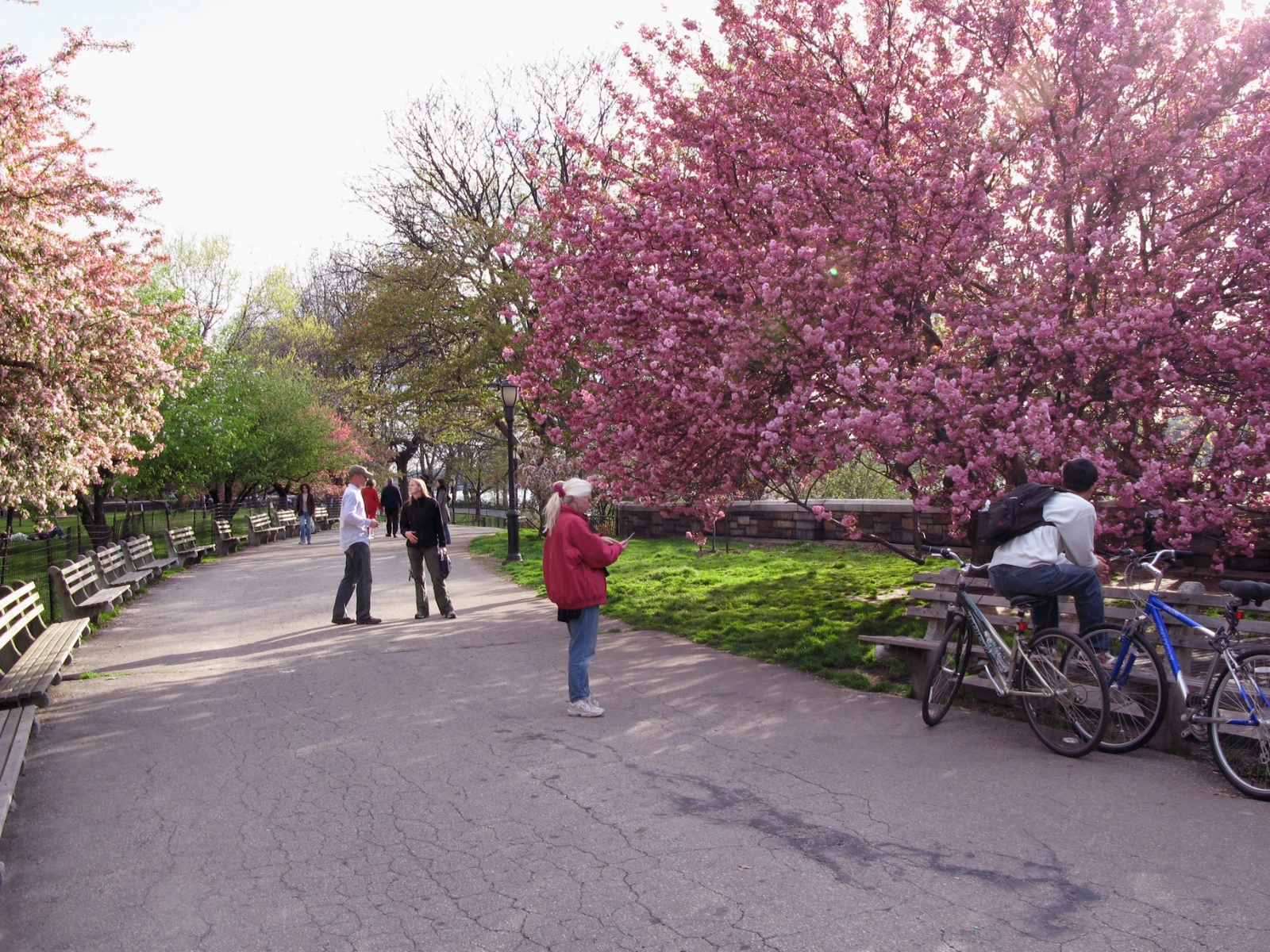
Walking along the East River Promenade, you're treading on a fascinating layer of New York's past and present. This green strip didn't just appear overnight; its story begins in 1939 with the construction of the Franklin Delano Roosevelt (FDR) East River Drive. City planners, like Borough President Samuel Levy, saw beyond mere infrastructure, envisioning a beautiful residential district with much-needed open spaces and playgrounds for a growing population.
Over the decades, this vision expanded, with the promenade becoming a vital artery in the city's larger greenway system, echoing grand plans from Central Park's designers back in 1866. While many waterfront parks were disconnected for years, a 1993 master plan and later initiatives aimed to create a continuous "ring around Manhattan."
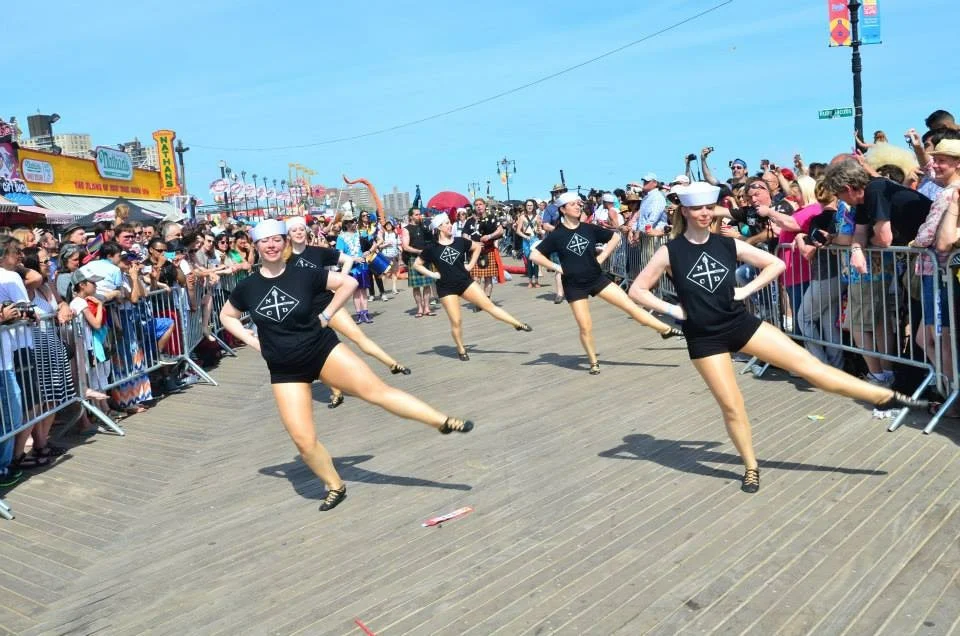
It’s also worth noting that the "East River" isn't actually a river at all, but a dynamic tidal estuary that has profoundly shaped New York's maritime heritage. Today, it’s a cherished public space for exercise and relaxation, hosting everything from outdoor yoga to free concerts, fostering a vibrant connection between New Yorkers and their water.
What is the East River famous for?
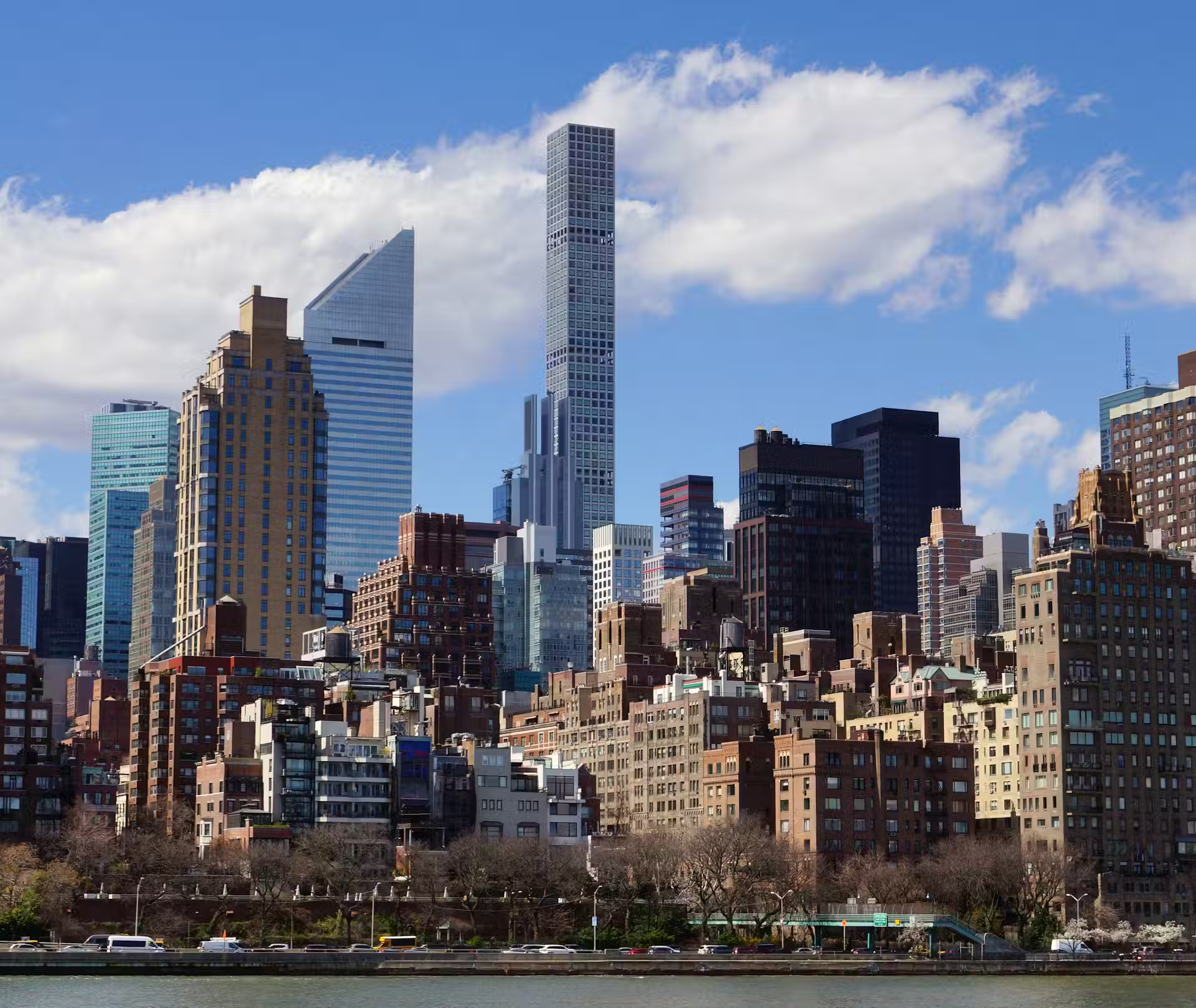
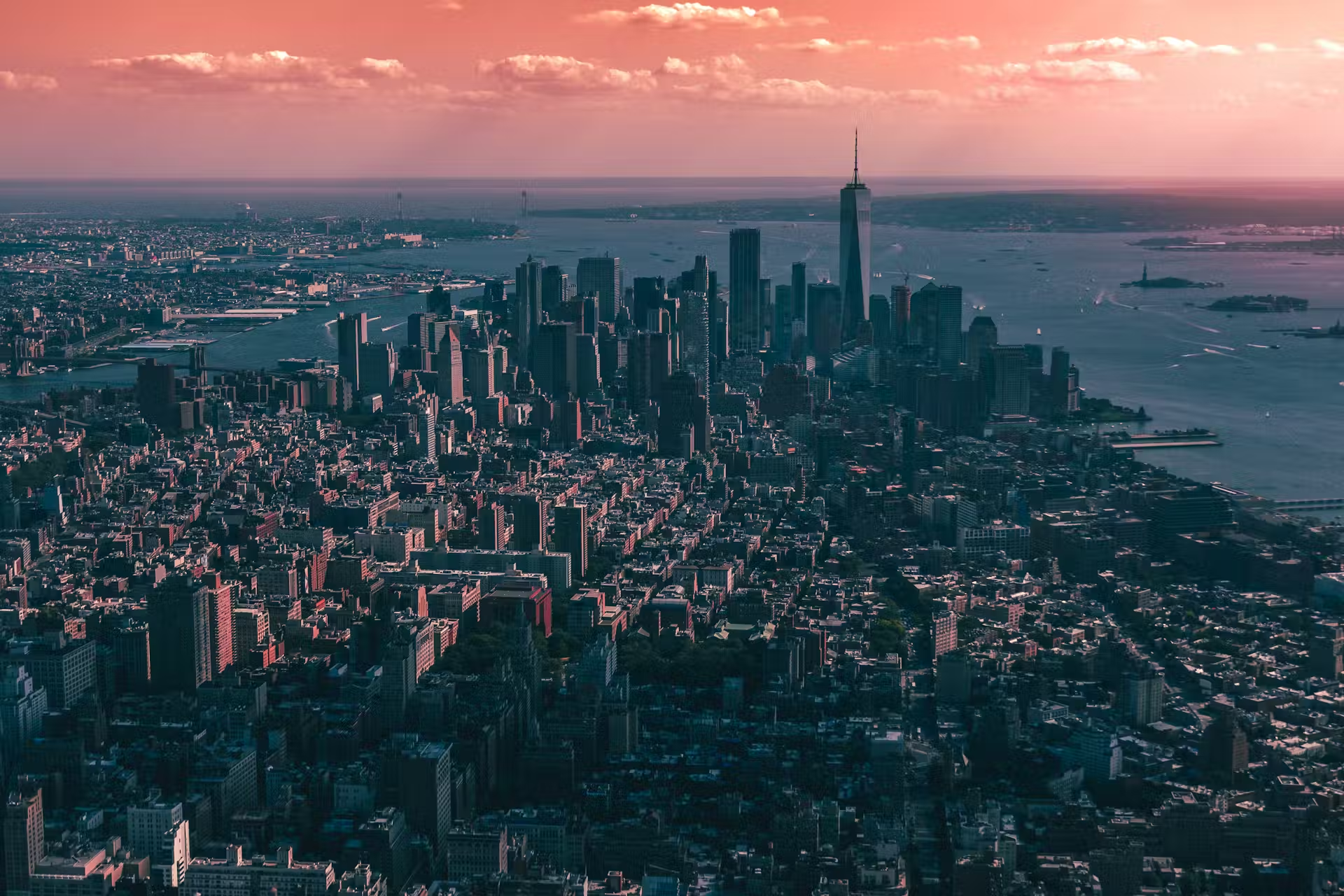
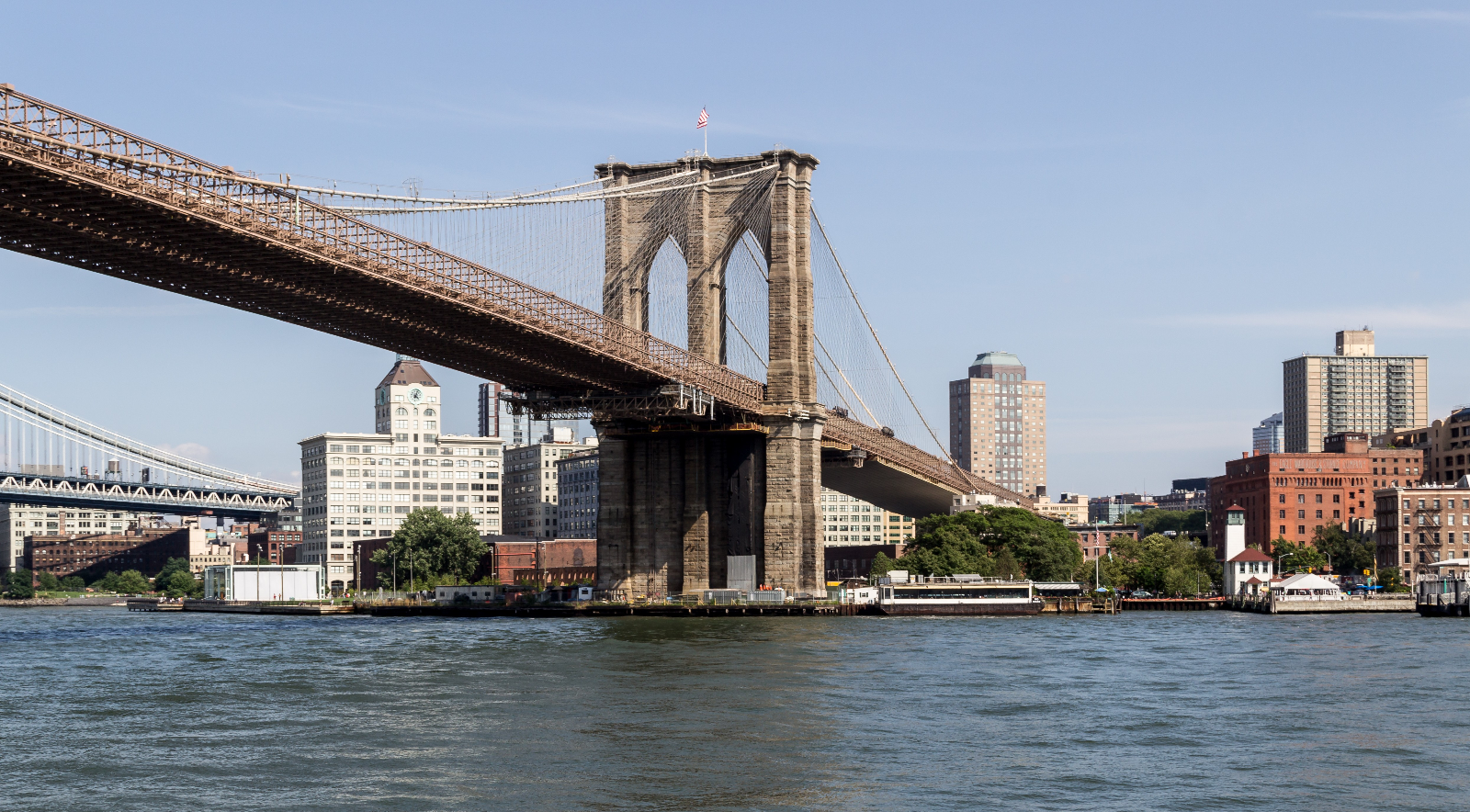
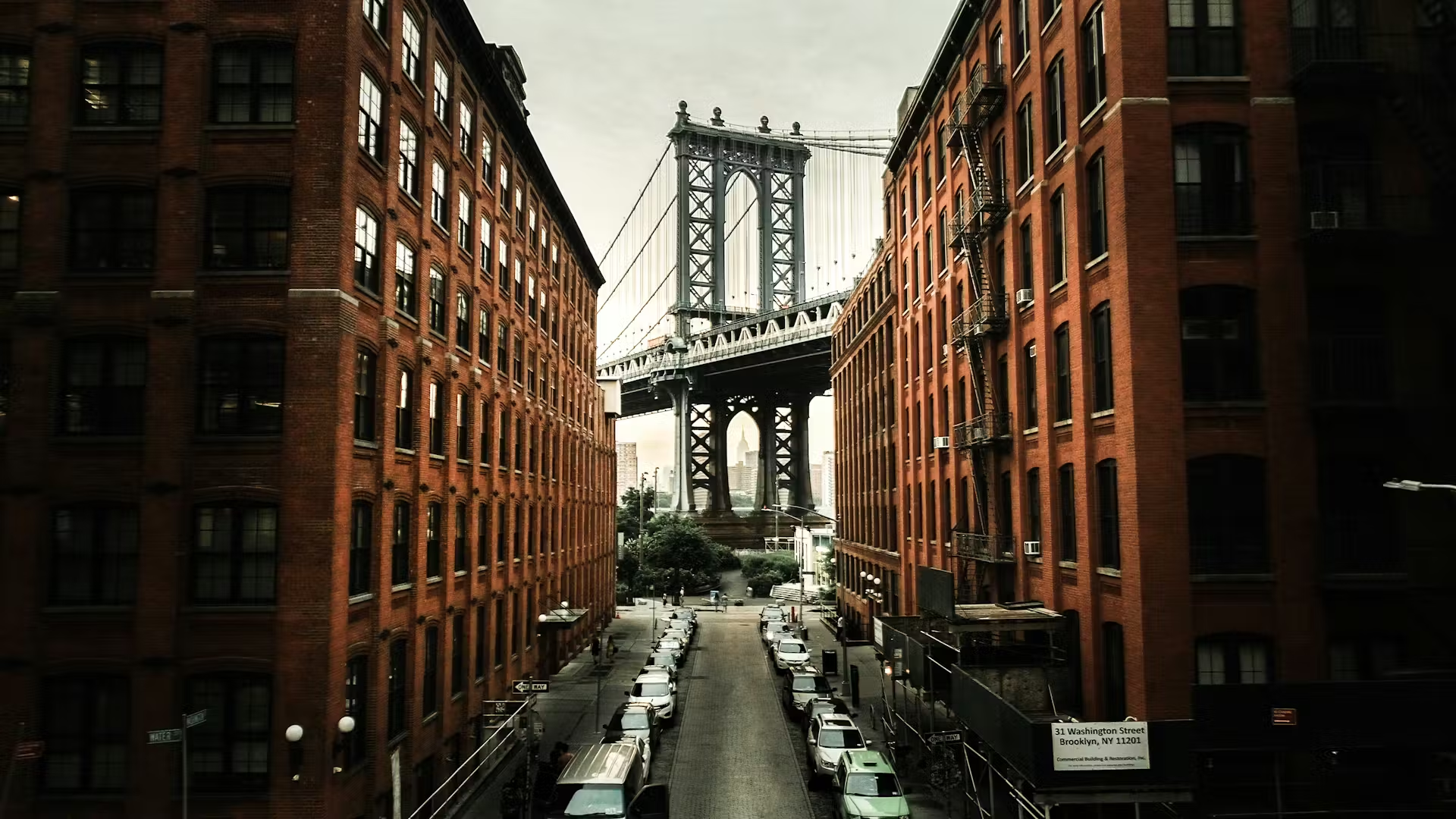
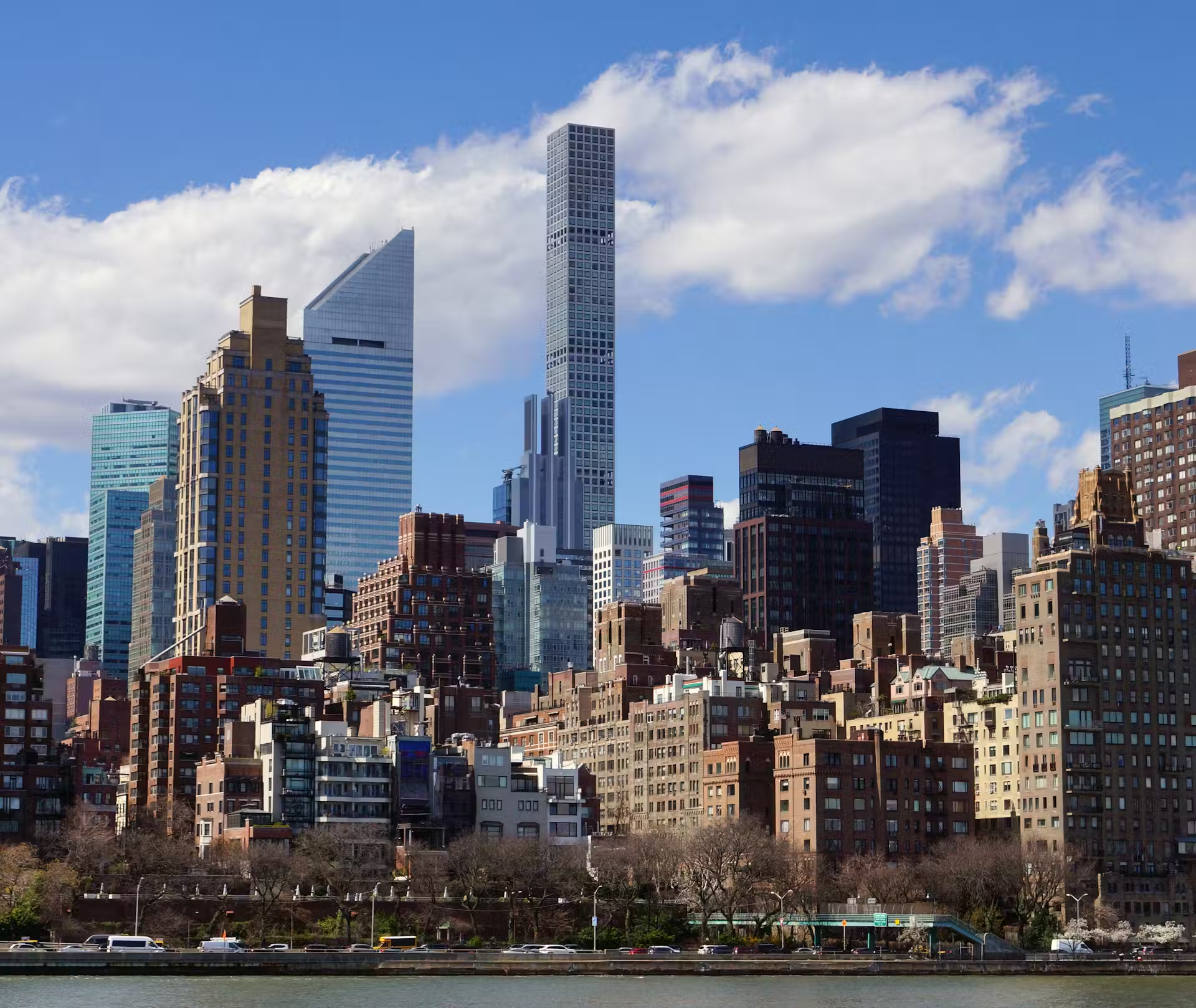
Beyond its historical roots, the East River Promenade, often called the East River Esplanade or Greenway, is celebrated for its truly stunning panoramic views. As you walk, you’ll constantly find yourself looking across the water at iconic landmarks: the United Nations Headquarters, the majestic Empire State Building, and the elegant Chrysler Building all demand your attention, alongside the impressive Brooklyn and Manhattan Bridges.
It’s a prime spot for anyone seeking a picturesque waterfront stroll, a jog with an inspiring backdrop, or simply a moment to unwind with incredible cityscapes unfolding before you. I even noticed signs for diverse community events – from yoga sessions to art displays and food festivals – that add a vibrant cultural layer to the natural beauty.
For an unforgettable visual treat, try to visit around sunset; watching the Manhattan skyline illuminate from here is pure magic.
Is there a walking path along the East River?

Yes, absolutely! There’s a dedicated walking path along the East River in New York City, known interchangeably as the East River Greenway or East River Esplanade.
This lengthy pathway, stretching approximately 9.44 miles, offers incredible views of the river itself, along with glimpses of Queens and Brooklyn, and those magnificent bridges you hear so much about. It’s perfect for a leisurely walk, a vigorous run, or a scenic bike ride.
Much of the greenway runs right alongside the FDR Drive, providing a unique perspective of the city's infrastructure and the constant hum of urban life. Keep in mind this path is a massive, multi-decade undertaking. For instance, the section near Waterside Plaza opened its gates way back in 1973. More recently, the East Midtown Greenway, between 53rd and 61st Streets, debuted in late 2023, built on an in-water concrete structure.
Where does the East River Esplanade start and end?
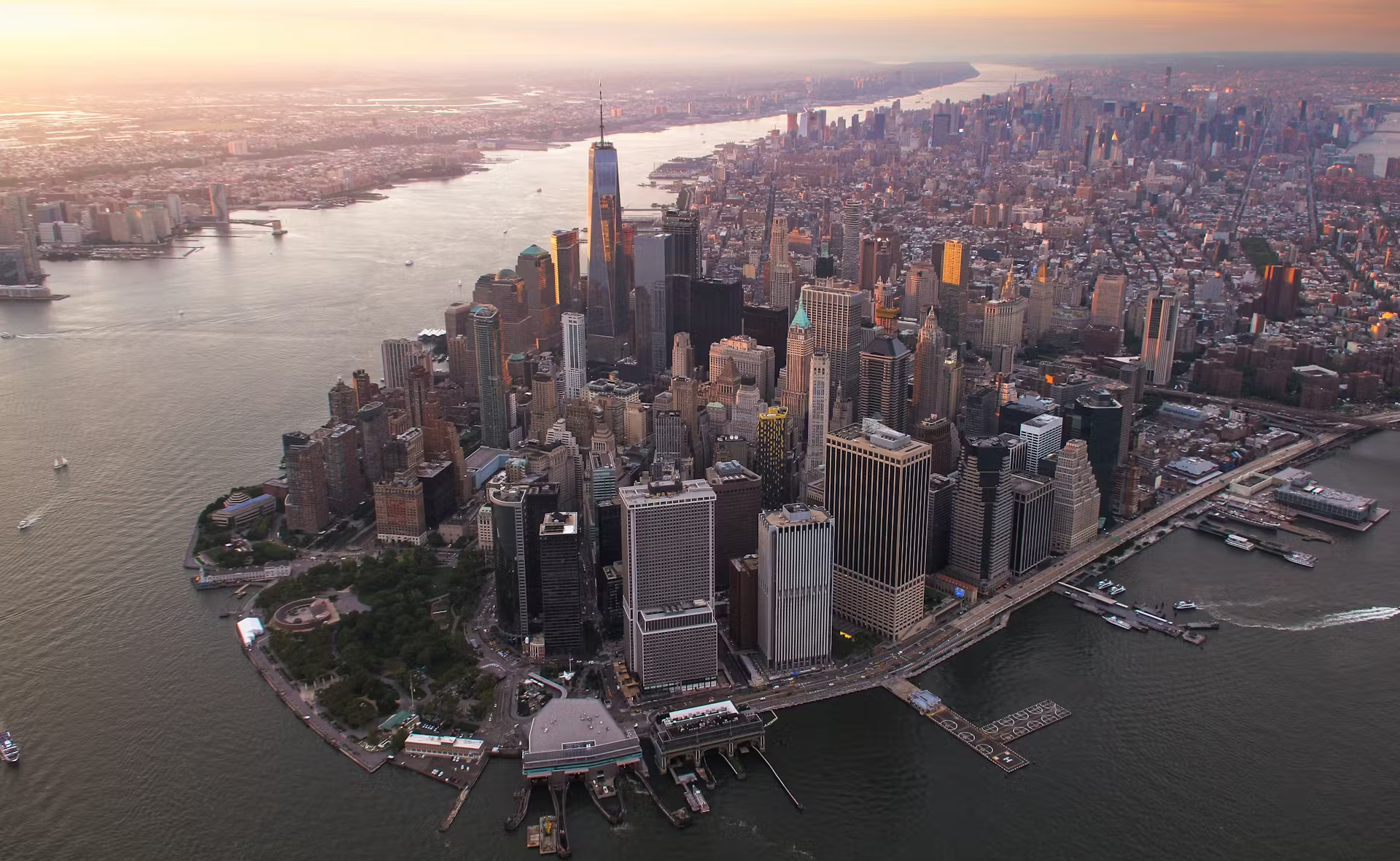
The East River Esplanade, as I experienced it, carves its way along Manhattan's eastern edge, providing a scenic route for walkers and cyclists alike. This extensive pathway generally kicks off at historic Battery Park, then winds its way past the lively South Street Seaport, continuing northward until it reaches its current endpoint around 125th Street in East Harlem.
However, and this is important for planning your visit, the Esplanade isn't a perfectly continuous ribbon. There's a noticeable gap that can interrupt your flow, particularly between East 41st and East 53rd Streets in Midtown. Here, to get around the United Nations Headquarters, you'll find yourself needing to detour onto First and Second Avenues.
Can you swim in the East River in New York?

While the idea of taking a refreshing dip in the East River might cross your mind, it's generally not a recommended activity for casual swimmers. From what I observed and learned, there are a couple of very good reasons for this.
Firstly, despite significant improvements in water quality over the last century, the East River can still face pollution challenges. During heavy downpours, the city's combined sewer overflow system can release raw sewage and stormwater directly into the river. This can lead to elevated levels of bacteria, like enterococci, making the water unsafe for swimming.
Secondly, and perhaps even more critically, remember that the East River is a tidal estuary, not a conventional river. This means it has incredibly strong and constantly shifting currents, dangerous undercurrents (especially in areas such as Hell Gate), and even whirlpools that can make it extremely hazardous for anyone in the water. Even highly experienced swimmers typically require trained teams and escorts for organized events.
Interestingly, swimming here was common in the 19th century, with public pools even built within the waterways. However, modern safety concerns mean that while it's technically "not illegal to swim in it," it's "illegal to enter" the river, creating a confusing legal situation.
Is it worth visiting East River Promenade?
I'd say yes, but with the right expectations. It offers a distinctly different waterfront experience compared to some of NYC's more polished spots. You’ll find captivating views of that iconic Manhattan skyline, the Brooklyn and Manhattan Bridges, and the river itself, which can be particularly striking during sunrise or the golden hour. Access is free, and many parts are wheelchair accessible, making it an option for a diverse range of visitors.
However, be prepared for an evolving landscape. The promenade is known for extensive, ongoing construction, which frequently interrupts the path. This often means frustrating detours onto city streets, preventing a truly continuous experience.
To make the most of it, consider a weekday morning for a quieter visit, or late afternoons if photography is your goal – just make sure to check for current construction closures beforehand. It really appeals to those seeking less crowded waterfront views, a local park feel, or a slightly less polished, more authentic urban experience. To help prioritize your visit and find the most accessible or scenic parts, The Personal Tour Guide can offer valuable insights into what to see in New York.
What else can I do in New York?

After soaking in the unique views of the East River Promenade, New York offers countless other experiences to enrich your visit.
- Just a short hop away, I'd suggest exploring the historic South Street Seaport and its vibrant Pier 17, which provides excellent shops, restaurants, and fantastic skyline panoramas.
- For that quintessential New York moment, walk across the Brooklyn Bridge, where you’ll capture breathtaking views of Manhattan and the very river you just explored.
- If you're keen on diving into the city's rich past, the Tenement Museum in the Lower East Side offers a poignant look at immigrant life.
- And for a true hidden gem, discover the Elevated Acre, a rooftop park in the Financial District, providing unexpected greenery and sweeping vistas you won't find on every tourist map.








.jpg)


.jpg)






.jpg)


.jpg)
















.avif)


