
.webp)

TLDR: The Upper East Side's best spots hide beyond Museum Mile. Explore Albertine Books, Carl Schurz Park, brownstone side streets, and neighborhood restaurants locals actually frequent. Most attractions are free or under $25.
The Upper East Side's reputation revolves around The Met and Guggenheim, but those massive institutions overshadow quieter treasures that make the Upper East Side neighborhood so special. I've spent considerable time wandering these blocks, discovering spots that rarely appear in guidebooks but consistently deliver authentic experiences.
What makes these places "hidden" isn't that they're secret - locals know them well - but that tourists typically rush between museums without noticing the elegant bookstore, formal garden, or riverside promenade steps away. These hidden gems in Upper East Side reveal the neighborhood's character better than any blockbuster museum.
1. Albertine Books

Albertine Books occupies a stunning space inside the French Embassy at 972 Fifth Avenue (at 79th Street), and walking in feels like discovering a secret library. The two-story bookstore with floor-to-ceiling shelves sells French and English titles in elegant surroundings that photograph beautifully.
I appreciate how they curate selections around French literature, culture, and art rather than carrying everything. The space hosts readings and cultural events regularly. Staff members are genuinely knowledgeable about their inventory.
It's free to browse and the location inside the embassy adds to the special atmosphere. Hours can be limited, so check ahead.
Did You Know? Albertine Books is named after the character from Marcel Proust's "In Search of Lost Time" and contains over 14,000 French and English titles.
2. Carl Schurz Park and John Finley Walk

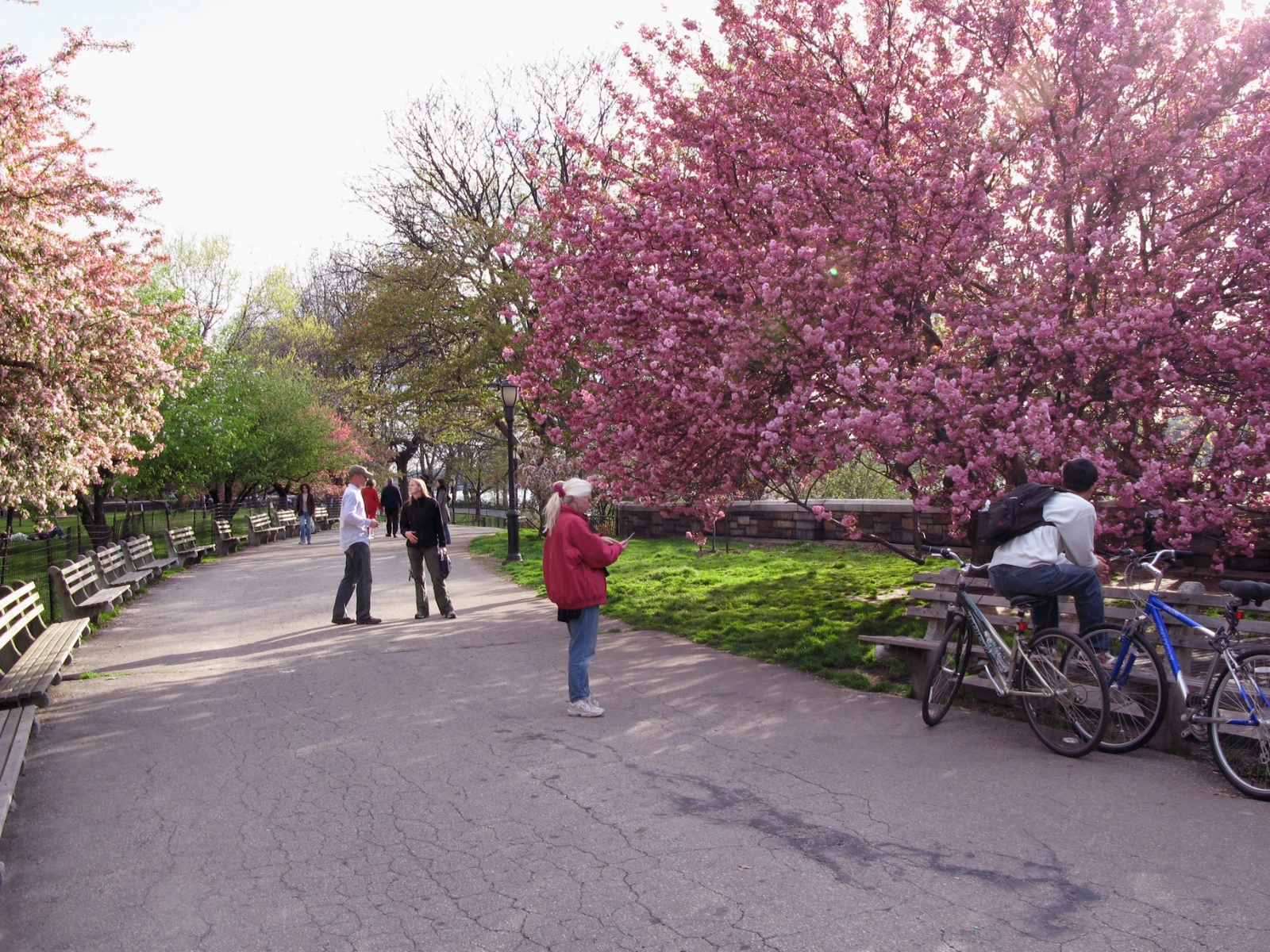
Carl Schurz Park between 84th and 90th Streets along the East River provides a peaceful alternative to Central Park's crowds. The waterfront promenade (John Finley Walk) offers unobstructed East River views, excellent running paths, and spots to watch Roosevelt Island Tramway cars glide overhead.
I've used this for early morning walks when I want quiet rather than Central Park's activity. The park contains Gracie Mansion, well-maintained dog runs, playgrounds, and lawn areas perfect for reading. Cherry blossoms bloom spectacularly in spring. Unlike Central Park, you'll mostly encounter neighborhood residents here.
It's free and accessible 24/7.
Did You Know? John Finley Walk is named after a former New York Times editor who walked to work every day and championed the creation of this riverside promenade in the 1940s.
3. Historic Brownstone Streets

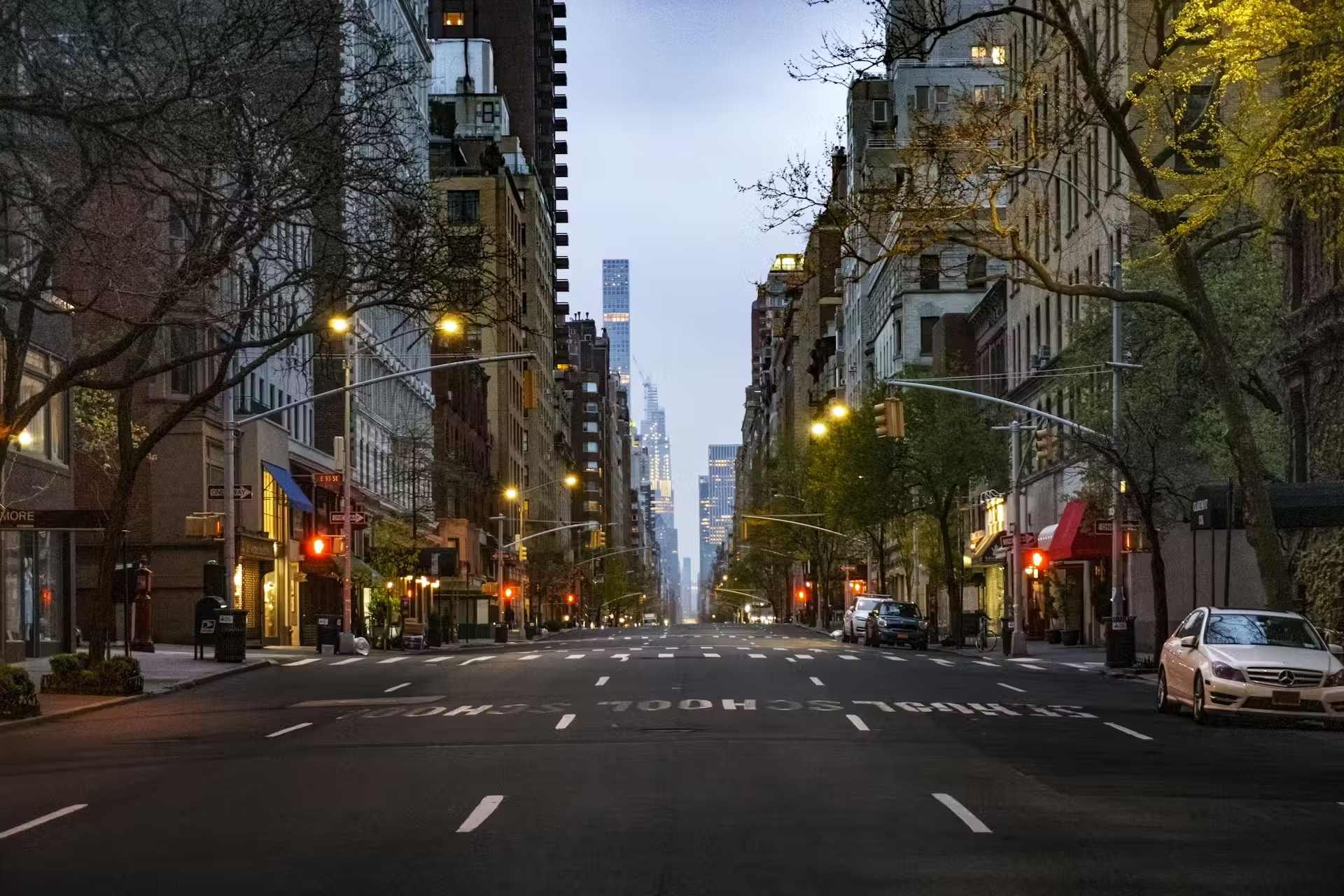
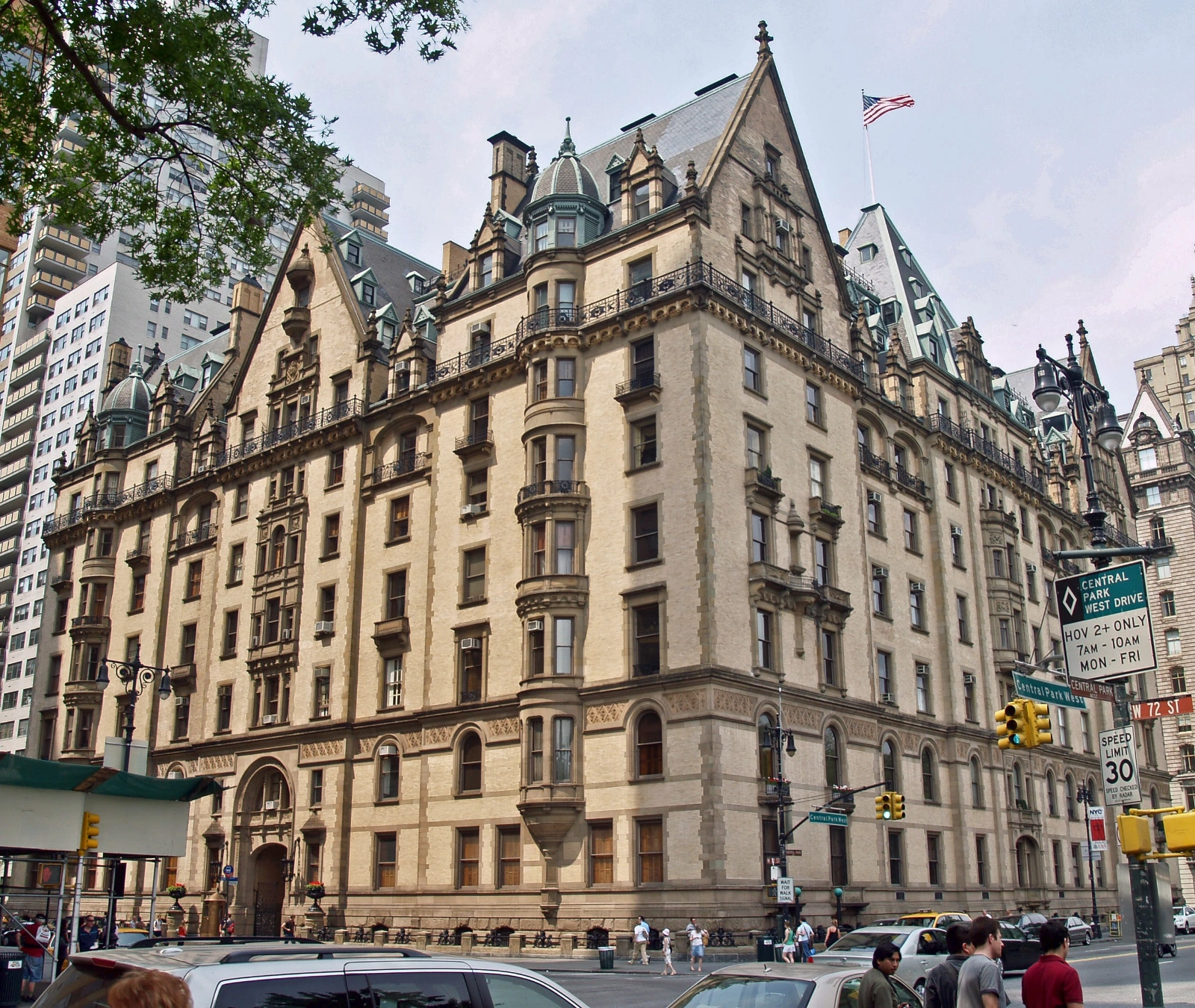
The side streets between Fifth and Park Avenues from the 60s through 80s preserve rows of 19th-century brownstones and townhouses that most tourists never explore. Streets like East 62nd, 73rd, and 78th showcase preserved architecture from when wealthy New Yorkers built these family homes. I recommend walking these blocks in late afternoon when sunlight hits the facades perfectly.
You'll find architectural details, small gardens behind iron gates, and a completely different Manhattan atmosphere than avenue traffic. These streets are public and always accessible. The best approach is wandering without specific destinations, discovering blocks that photograph beautifully.
Did You Know? Many Upper East Side brownstones were built between 1880-1920 when this area transitioned from rural estates to the city's most fashionable residential neighborhood.
4. The Frick Collection's Second Floor
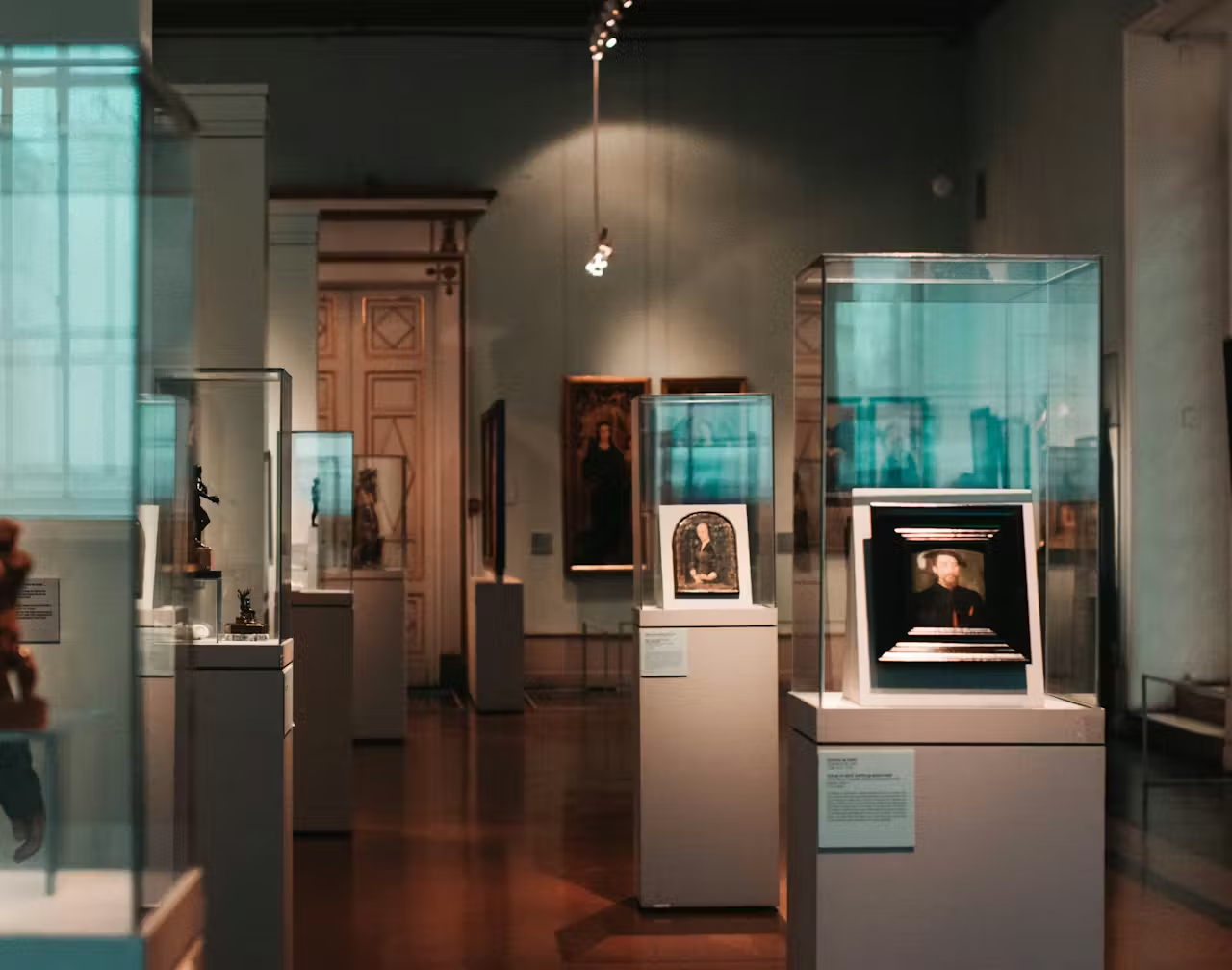
The Frick Collection reopened in April 2025 after massive renovations, and the newly accessible second floor rooms are genuine hidden gems within an already special museum. These former private quarters of the Frick family now display rarely-seen drawings by Degas, Goya, and Whistler in the Cabinet Gallery, plus the relocated Boucher Room in Adelaide Frick's former sitting room.
Most visitors focus on the famous first-floor galleries and miss these intimate spaces upstairs. The smaller scale and limited crowds make this feel like discovering a secret collection. Want to discover more hidden spots like these without missing anything important? The Personal Tour Guide creates custom audio walks connecting the Upper East Side's secret gardens, historic streets, and local favorites based on what actually interests you.
Admission includes the entire museum (around $22 for adults). Timed tickets required.
Did You Know? The Frick's second floor was closed to the public for 90 years until the 2025 renovation finally opened these historically significant rooms to visitors.
5. Cooper Hewitt Garden

The Cooper Hewitt Smithsonian Design Museum's garden behind the Andrew Carnegie Mansion provides a peaceful outdoor space most visitors skip. The garden features contemporary design installations that change seasonally, plus seating areas perfect for breaks between museum galleries.
I've used this spot for coffee and reading on nice days when Central Park feels too crowded. Summer brings outdoor programming and occasional performances. The garden maintains the mansion's Gilded Age character with modern interventions that work surprisingly well.
Access is included with museum admission (about $18 for adults). Open spring through fall, weather permitting.
Did You Know? Andrew Carnegie's original garden included a greenhouse and was one of the first private gardens on Fifth Avenue's "Millionaire's Row" in the early 1900s.
6. Lexington Avenue Neighborhood Restaurants
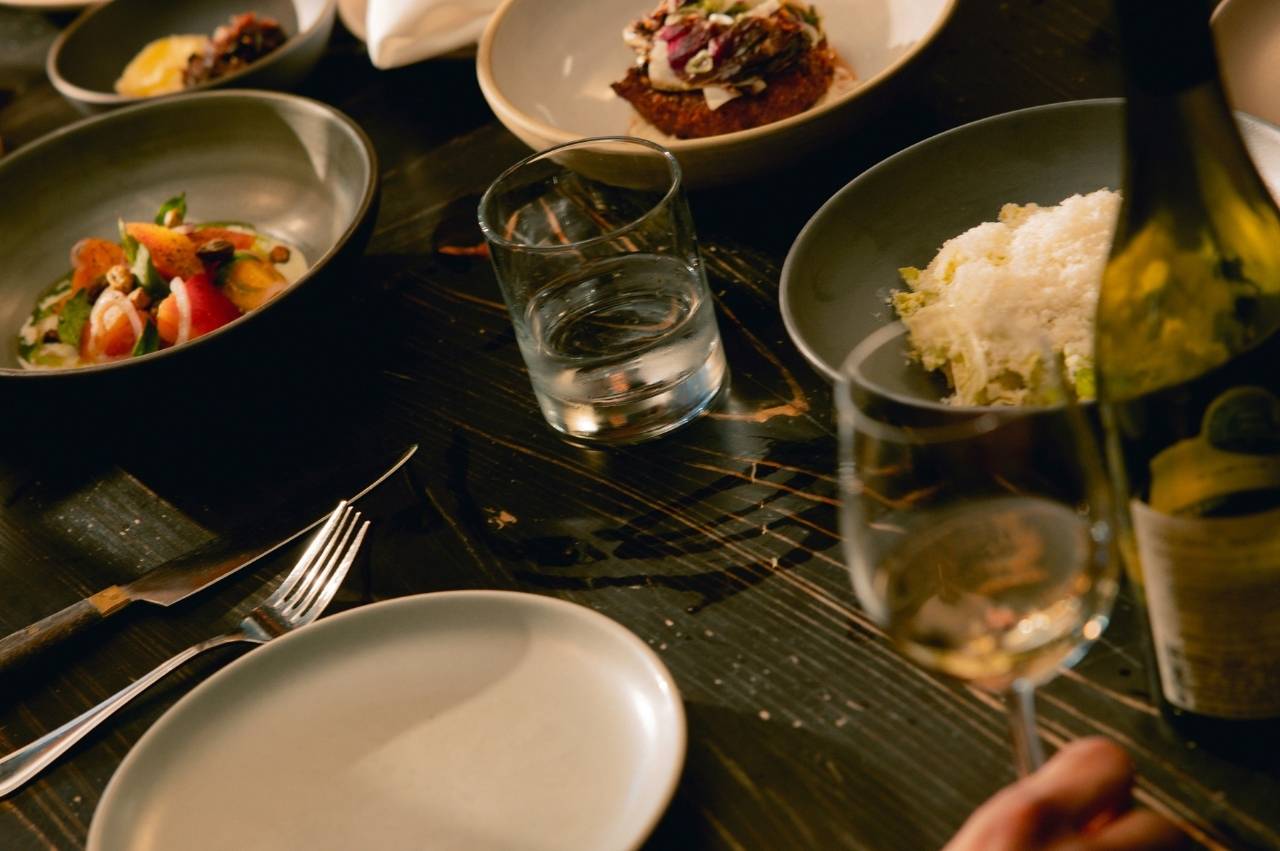
Lexington Avenue between 70th and 90th Streets contains dozens of neighborhood restaurants where locals actually eat, far from Madison Avenue's tourist-oriented spots. I've discovered family-run Italian places, authentic Thai restaurants, Jewish delis, and Japanese spots that have served the neighborhood for decades.
Pastrami Queen makes massive sandwiches, Sandro's serves classic Italian with generous aperitivo hours, and multiple casual spots offer lunch specials under $20. The key is walking Lexington rather than the fancier avenues, looking for places with regulars at the bar and menus not translated into five languages.
Did You Know? Lexington Avenue developed as the Upper East Side's "service avenue" where working-class businesses served wealthy residents, creating today's more diverse and affordable dining scene.
7. East River Esplanade Extensions

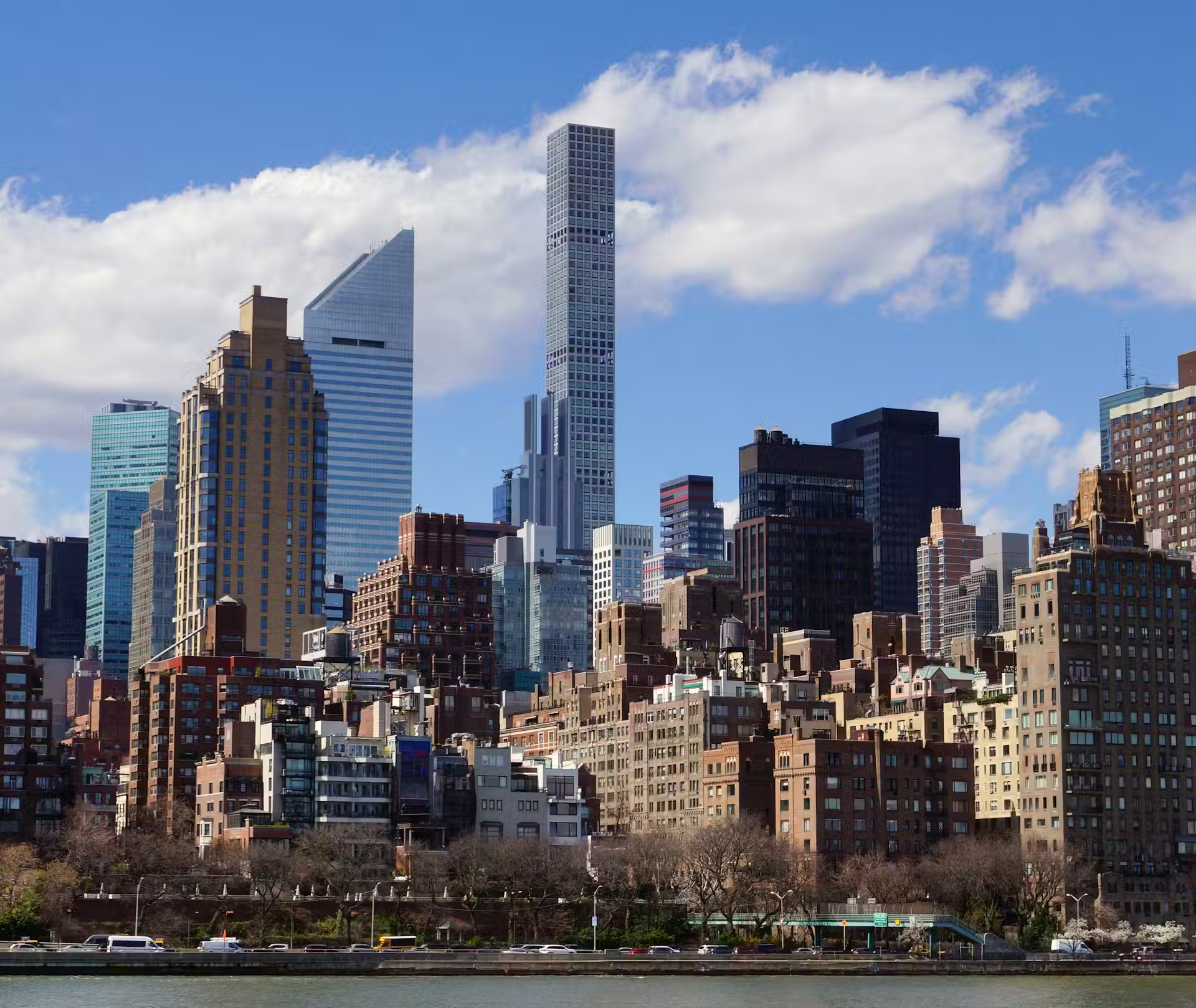
The East River Esplanade extends north and south of Carl Schurz Park, creating continuous waterfront paths from the 60s into the 90s that rarely appear on tourist maps. These stretches provide excellent running, biking, or walking routes with river views and almost zero tourists. I
particularly like the section around 72nd Street where you can watch boats and enjoy Manhattan skyline perspectives impossible from Central Park. The paths connect to the Manhattan Waterfront Greenway for longer rides. Several access points exist along York Avenue and East End Avenue.
It's completely free and always open.
Did You Know? The East River Esplanade was built over the FDR Drive in sections from the 1930s through 1990s, creating public waterfront access where none existed before.
Want to discover the Upper East Side's Best-Kept Secrets?
The Upper East Side rewards visitors who explore beyond Museum Mile's obvious attractions. These hidden gems provide authentic neighborhood experiences, peaceful green spaces, and cultural institutions that maintain quality without crowds.
Ready to explore the Upper East Side like someone who actually knows the neighborhood? The Personal Tour Guide builds customized audio walks connecting hidden gems with famous attractions based on your interests and schedule. The interactive map adapts to your pace, helping you discover brownstone streets, secret gardens, and local favorites most visitors never find.
Skip the generic tours and create an Upper East Side experience that reveals the neighborhood's real character.


.jpg)











.jpg)




.jpg)







.jpg)





.avif)


